 ASPNetWorld
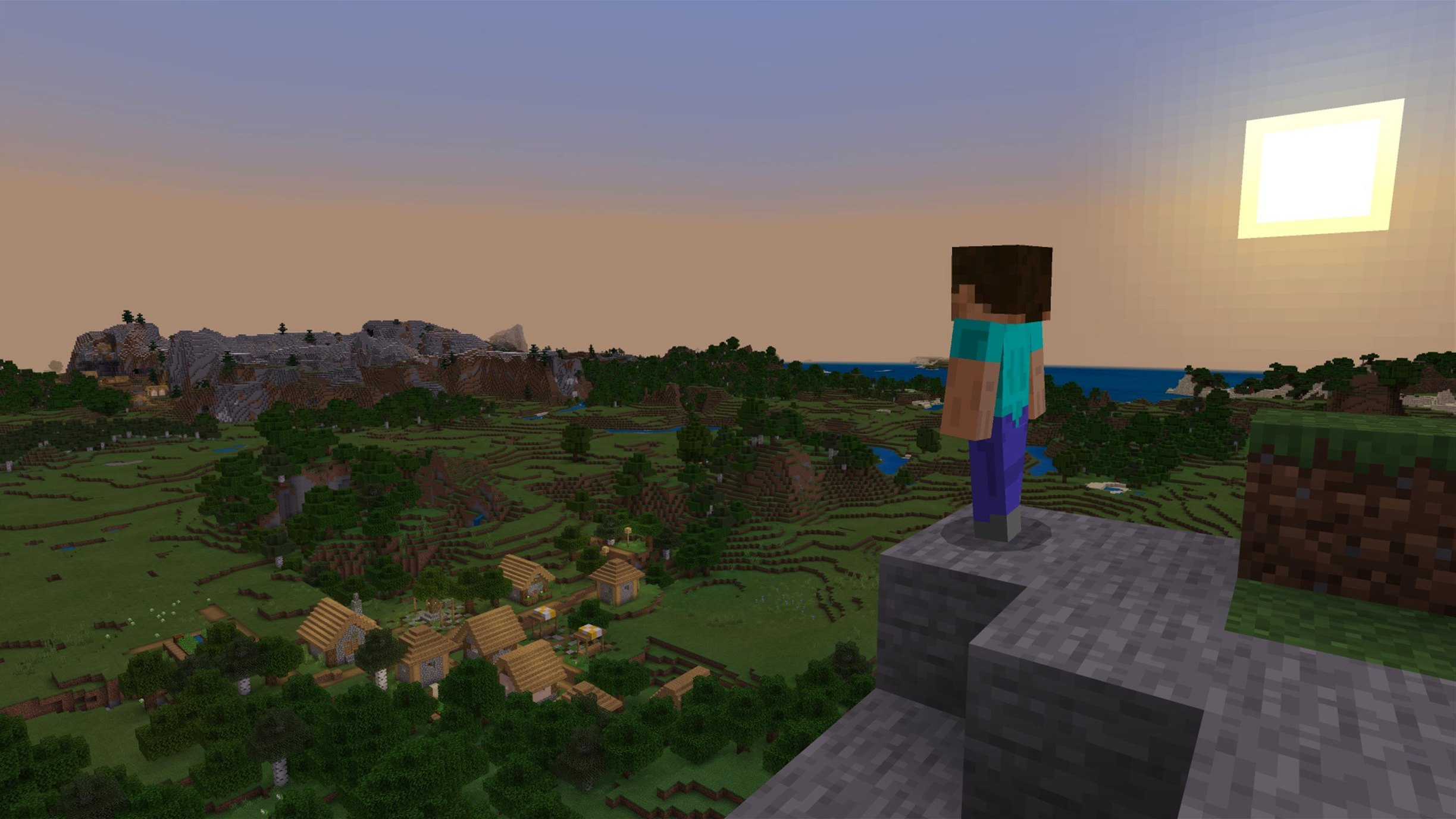
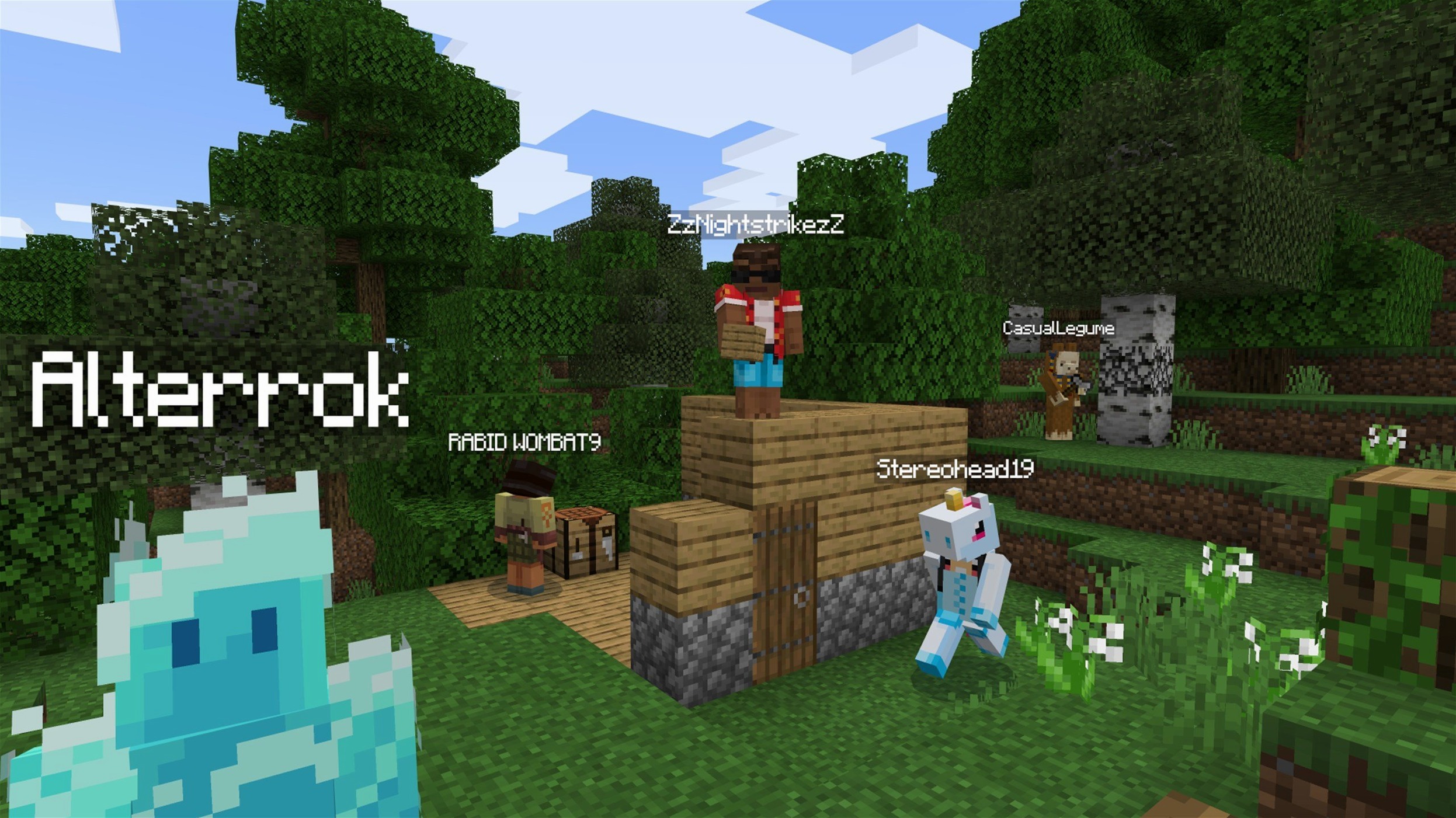
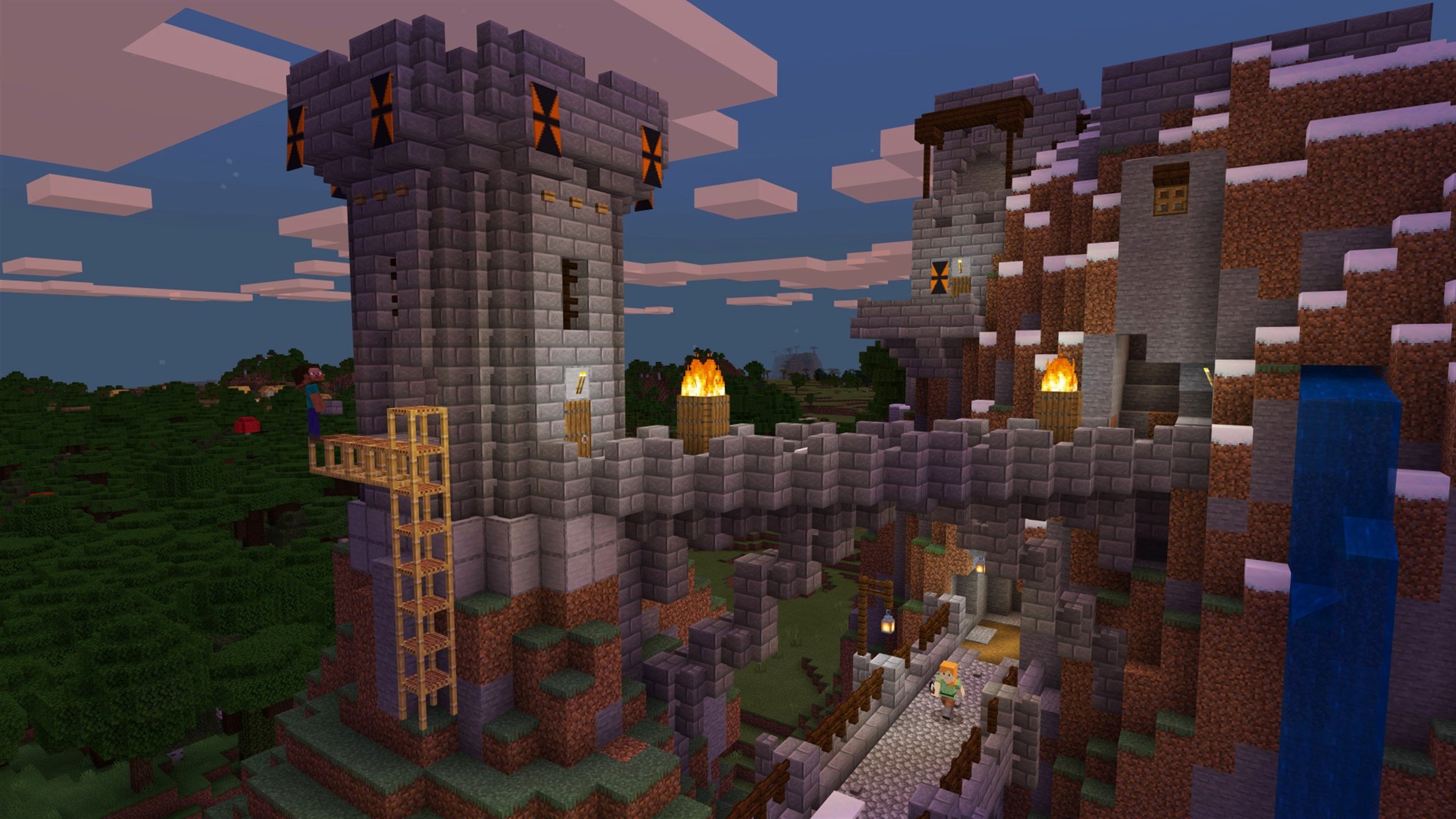
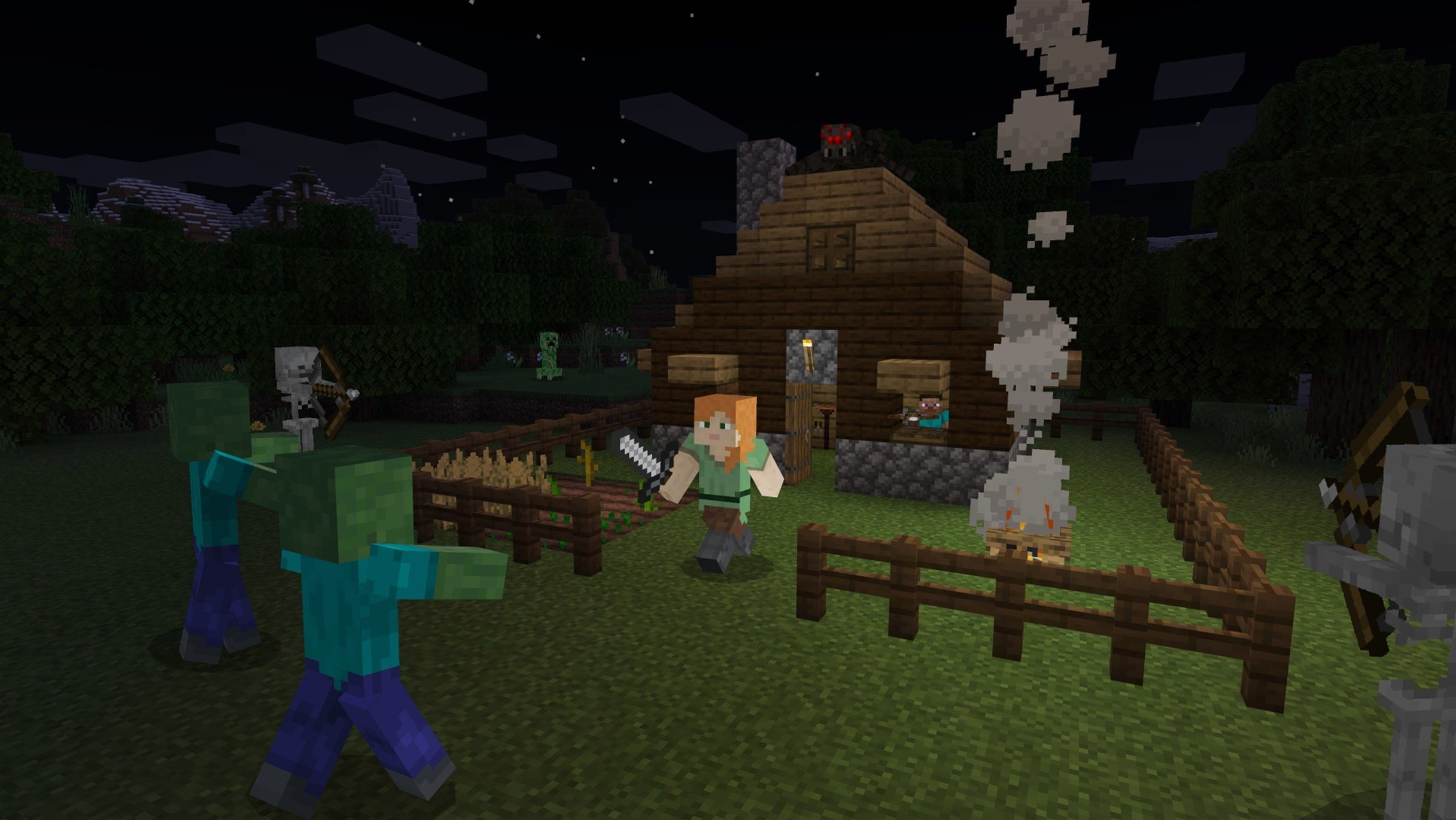
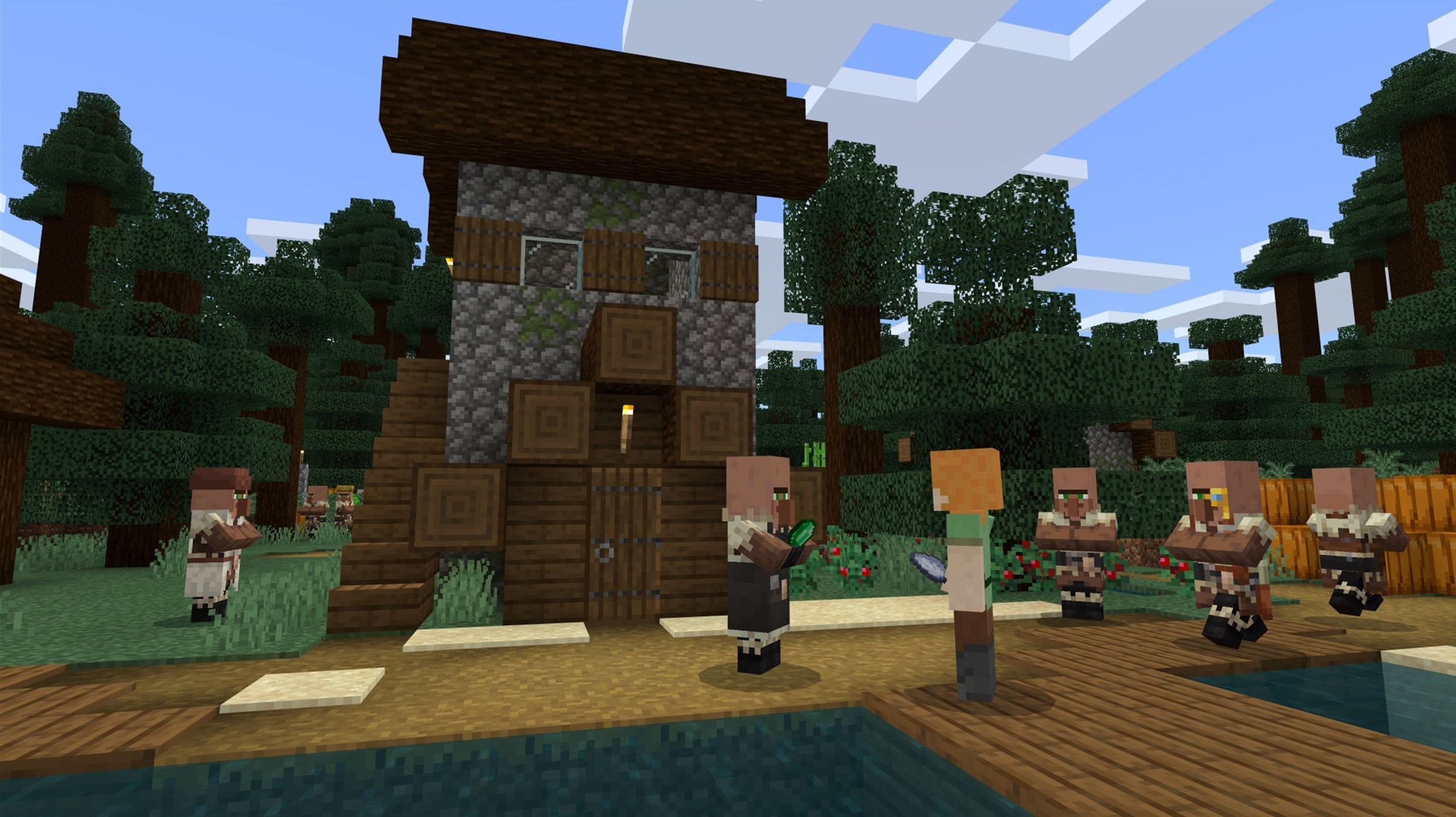
You spawn on a quiet beach. The sun is low and the world stretches in every direction — blocky hills, dark oak woods, a coastline that curves toward something you cannot quite see. There is no instruction, no quest marker, just the immediate instinct to punch a tree and turn it into a workbench. That is Minecraft in its purest form, and it has pulled in players for over a decade.
Build something from nothing
If you enjoy games where the only limit is your patience and imagination, Minecraft fits. Every block you place is part of a bigger idea, whether it is a mud hut by nightfall or a redstone calculator that takes weeks to finish.
Explore a world that never repeats
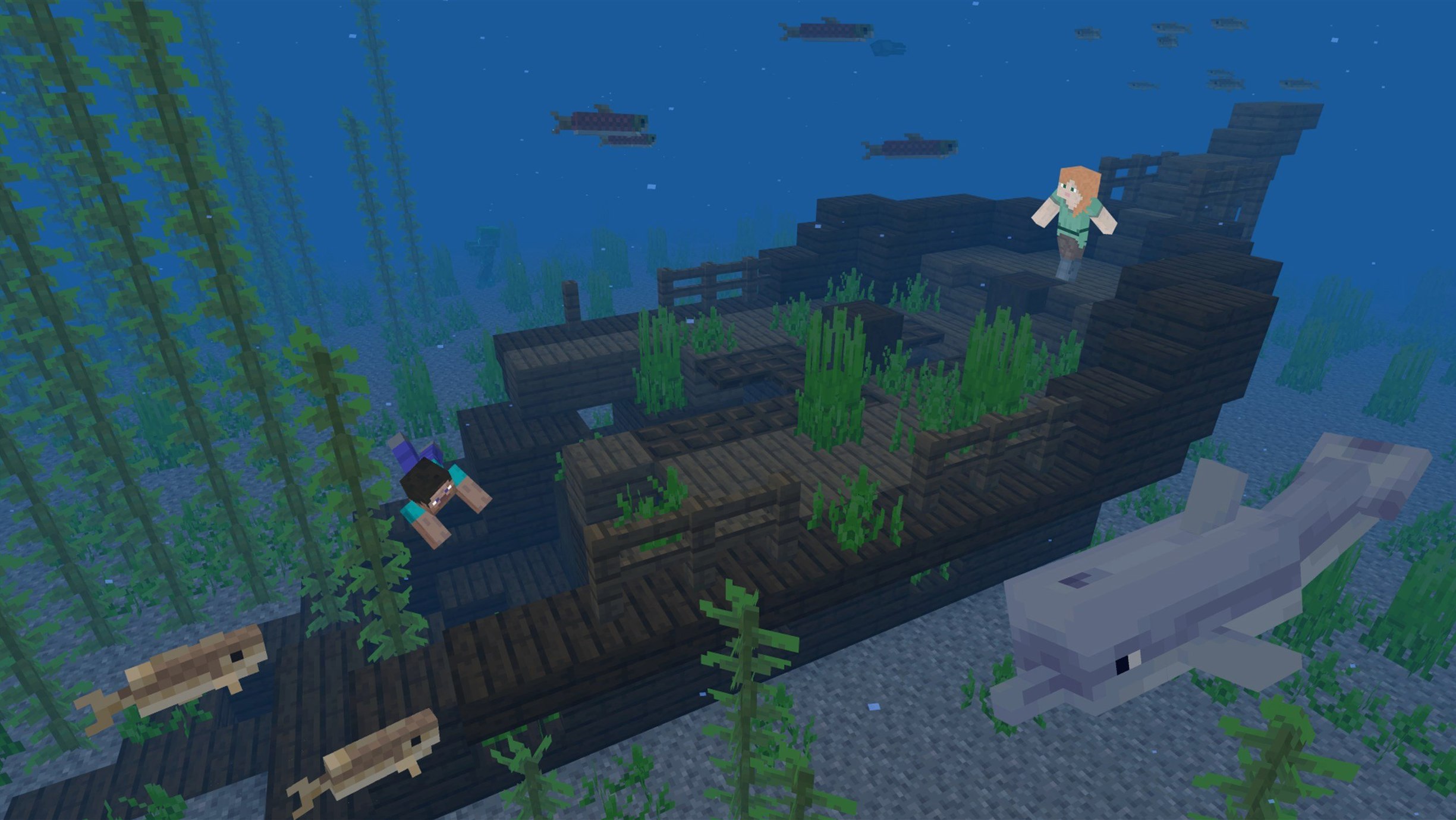
The landscape is procedurally generated, so no two journeys are the same. One session might put you in a frozen tundra; the next drops you into a mangrove swamp. Players who thrive on discovery and gentle self-directed goals will sink hours into just walking the map.
When survival mode feels like work
Not everyone clicks with the slow-burn rhythm. If you need a tightly scripted story, character progression, or a clear win condition, Minecraft can feel aimless. Fighting creepers and skeletons adds tension, but the game never pushes you — you push yourself.
Most people have the same handful of questions before they launch the game for the first time, and they are rarely about how to punch a tree. They want to know whether their Mac can handle it without turning into a hairdryer, whether they need a Mojang account, and what happens to their worlds when an update lands.
One question that comes up often is whether a minecraft free download torrent behaves any differently from what a friend passes across on a USB stick. The short answer is that the Java Edition launcher does not care where the package came from — it either finds a valid installation or it does not. As long as the launcher can verify the files, the game runs. The same applies to a minecraft pc torrent grabbed for a Windows laptop that sits next to the Mac: the world format is identical, so you can copy a survival save between machines without converting anything. People also ask about minecraft free torrent sources in relation to mods, and the truth is mundane: the base game is the same base game. Mods are separate jars dropped into the mods folder, and they work regardless of how the original package arrived.
The other half of the pre-install nerves is about hardware. Minecraft Java Edition runs on Apple Silicon and on Intel 64-bit Macs, and the launcher picks the right native version automatically. On an M-series Mac you get smooth frame pacing even with render distance pushed to sixteen chunks; on an older Intel machine you will want to keep it around ten or twelve. Fans will spin up — that is normal — but dropping the graphics from Fancy to Fast and turning down particles quiets most machines enough for a comfortable evening.
Dig a hole on day one, not a dream house
Nobody forgets their first night in Minecraft, but the days that follow are where real habits form. The best thing you can do on day one is ignore the urge to build a permanent base straight away. Dig a hole in a hillside, torch it, and spend the daylight hours gathering wood, wool, and a stack of coal. Three wool gets you a bed, and a bed means you skip the night and set a spawn point. That one item changes the tension from “I am going to die in the dark” to “I can experiment and die guilt-free.”
On day two, craft a shield. It is a six-plank, one-iron-ingot recipe that beginners overlook because the game never nudges you toward it. A shield blocks skeleton arrows and creeper blasts, and suddenly caves feel less like a horror film. While you are at it, make a bucket. Water is a building tool, a ladder, a crop irrigator, and a lava-proofing device all in one slot. Fill it from a pond and carry it everywhere.
Day three is about coordinates. Press F3 (or Fn + F3 on a Mac keyboard) and a debug screen appears. The X, Y, and Z numbers tell you exactly where you are. Write down your base coordinates in a sticky note or a text file. Worlds are huge, and the “I will just remember that hill” strategy fails the moment you chase a fox into a birch forest three biomes over.
Also worth doing early: set your key binds. The default Mac layout puts the off-hand swap on a key that requires finger gymnastics. Most players remap it to something reachable, like a side mouse button or the R key. Do that before muscle memory sets in, and thank yourself later when you are placing torches with your off-hand while mining.
Tinkerers, storytellers, and explorers stick around longest
Minecraft fits a surprisingly wide range of Mac users, but three groups seem to stick around the longest. The first is tinkerers — people who enjoy redstone, command blocks, and data packs. The Java Edition gives them a sandbox where the scripting layer is deep enough to build working computers inside a game about cubes. A MacBook Air on a coffee-shop table is enough to prototype a piston door or debug a command chain.
The second group is creative builders who treat the game as a 3D canvas. They work mostly in Creative mode, flying across landscapes and placing blocks with an infinite inventory. On a MacBook Pro with a trackpad, building feels surprisingly precise because you can set up custom gestures for item switching. These players often spend more time in a single world than some people spend in a whole game library.
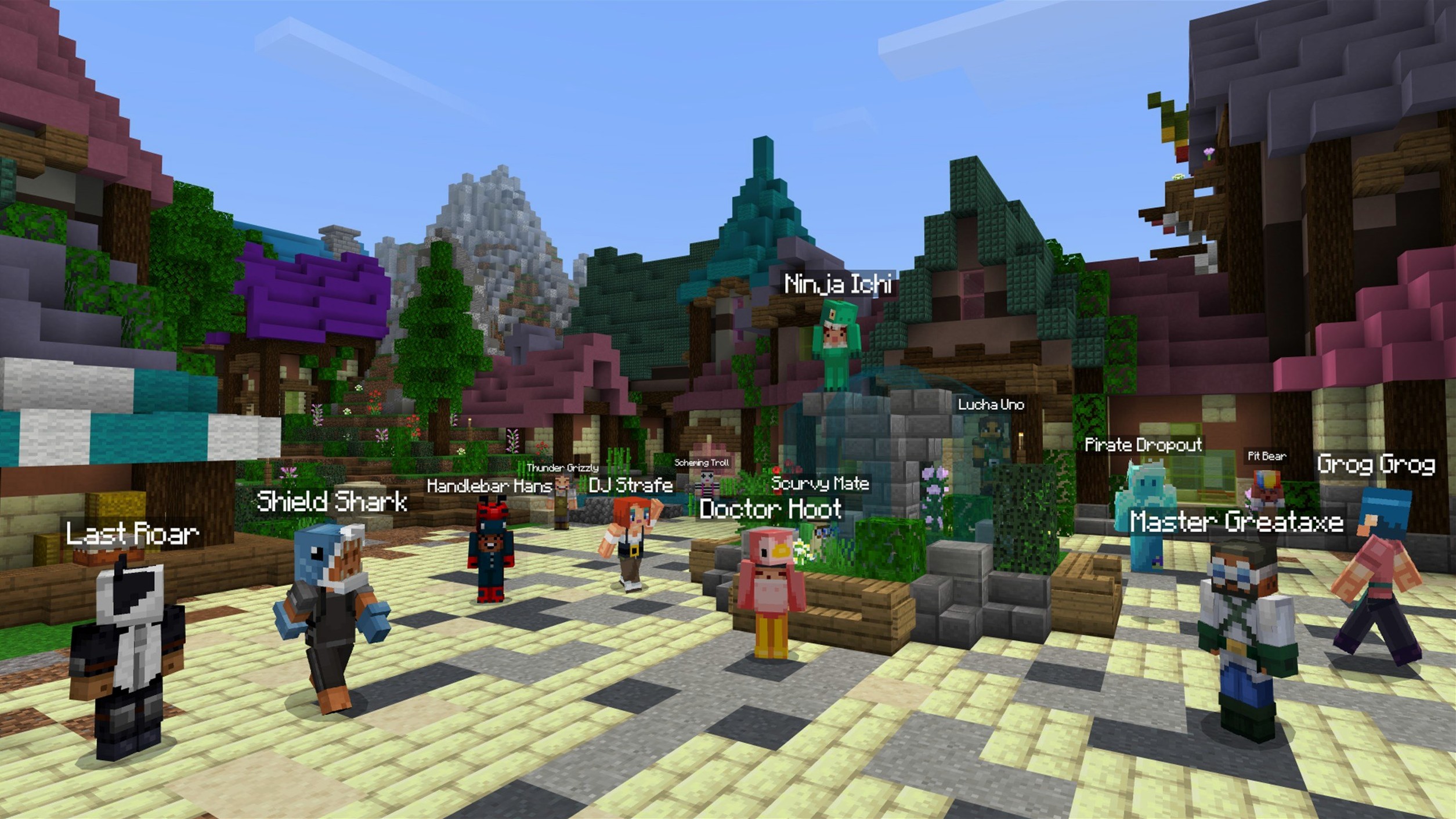
The third group is social players who run a server or join a friend’s realm. The Java Edition makes multiplayer straightforward: you open a world to LAN, or you connect to a server IP. Macs handle small servers well enough for a handful of friends, especially if you allocate a little extra RAM in the launcher settings. The cross-platform nature means a Mac user can join a world hosted on a Windows machine — or the other way round — without a single compatibility headache.
Never dig straight down unless you love lava
The most common beginner mistake is digging straight down. It feels efficient, but one block beneath your feet could be a ravine, a lava pool, or a cave full of mobs. Experienced players dig a two-block-wide staircase, or they stand on the seam between two blocks and mine one side at a time. Either method keeps a solid floor under you.
Another habit that causes pain is ignoring light levels. Hostile mobs spawn in darkness, which means any shadowy corner inside your base is a spawn point. A single torch covers a radius of about seven blocks before the light drops below the safe threshold. If you build a large hall with a high ceiling, put torches on the walls, not just the floor, or hide glowstone under carpets.
Over-reliance on a single weapon is a quieter mistake. A diamond sword solves many problems, but an axe deals more damage per hit in the Java Edition, and a bow with a Power V enchantment ends fights before they start. Carry a water bucket for creepers — the water pushes them back — and a flint and steel for emergencies. The hotbar should be a toolkit, not a trophy rack.
Finally, new players often assume a Minecraft Mac cracked installation blocks multiplayer or modding, when in practice the launcher treats the game files the same way it always does. Multiplayer works on LAN and on whitelisted servers; mods load through Fabric or Forge exactly as they would on any other platform. The only real setup detail is that you need to point the launcher at the right Java runtime — version 17 or newer — which the bundled launcher handles automatically.
A sample workflow: building an automated chicken farm
Let us walk through a practical project that teaches redstone, hopper mechanics, and a bit of patience. The goal is a compact chicken farm that collects eggs, hatches chicks, and cooks the adults into cooked chicken without you lifting a finger once it is built.
Gather the materials first. You need one hopper, two chests, one dispenser, one slab, one lava bucket, two observers, one comparator, one repeater, a handful of redstone dust, a few building blocks, and one trapdoor. Take a stack of wheat seeds for breeding the initial chickens. This list fits in a single inventory row, so collect everything before placing a single block.
Dig a two-block-deep hole and place a chest at the bottom. Crouch-place a hopper on top of the chest so it feeds into it. On top of the hopper, place a slab — this is where adult chickens will stand. The slab prevents baby chickens from being hurt by the lava in the next step. Above the slab, leave one block of air, then place a dispenser facing downward. Put the lava bucket inside the dispenser. This is the cooking mechanism.
Build the egg collection and hatching circuit. Behind the dispenser, place a solid block and attach an observer facing the slab area. Run a line of redstone from that observer into a second observer, forming a clock that pulses whenever an egg is laid. Connect that clock to the dispenser with a comparator and repeater loop, tuned so the dispenser fires eggs back into the slab space. Baby chickens hatch, grow up on the slab, and the moment they become adults they touch the lava suspended above the slab. The hopper underneath collects cooked chicken and feathers straight into the chest.
Seal the chickens in. Build glass walls around the slab area, leave a one-block gap for the lava to sit in, and cap the top with a solid block. Use a trapdoor on one wall so you can throw in the initial eggs or seed chickens. Once the first generation starts laying, the system becomes self-sustaining. Walk away for an hour and you will find a chest full of cooked chicken.
This build teaches you observer-based clocks, hopper item routing, and the hitbox difference between adult and baby mobs. It is small enough to finish in thirty minutes, and it solves a real survival need — food that requires zero ongoing attention. Once you have it running, you have a model for bigger automation projects like an iron golem farm or a bamboo-powered super-smelter.
Version 1.21.7 is a tidy maintenance update that still manages to drop a couple of surprises into the world. Here is what changed:
- A new 3×3 painting has been added to the collection, giving builders a fresh decorative option.
- The Lava Chicken music disc is now available — a nod to one of the community's favourite nether-themed running jokes.
- Under the hood, the data pack version has moved to 81 and the resource pack version to 64.
- Several bugs were squashed, including resource pack loading glitches, Qualcomm graphics issues, text rendering problems, startup crashes on some AMD hardware, and texture leaks after a resource reload.
- macOS (64-bit system required)
- Apple Silicon and Intel Macs supported
Questions I keep hearing
What is new in Minecraft 1.21.7?
Version 1.21.7 adds a new 3×3 painting and the Lava Chicken music disc, along with bug fixes for texture leaks, startup crashes on some AMD graphics, and resource pack loading.
Questions from the class 0
Sign in or join the class to ask a question.
Nobody has asked anything yet. If you have used it on a real job, say what the file did.
Also on the Games shelf
The whole Games shelf Middle-earth: Shadow of Mordor
Pits you against orcs who remember every fight and rise through the ranks.
Middle-earth: Shadow of Mordor
Pits you against orcs who remember every fight and rise through the ranks.
 Monsters are Coming! Rock & Road
Sends waves of cartoon monsters at your rolling fortress in a frantic defend-the-vehicle scramble.
Monsters are Coming! Rock & Road
Sends waves of cartoon monsters at your rolling fortress in a frantic defend-the-vehicle scramble.
 Metro Exodus
Takes you across Russia by train, keeping weapons and supplies alive.
Metro Exodus
Takes you across Russia by train, keeping weapons and supplies alive.
 Metro 2033 Redux
Sends you through the claustrophobic tunnels under Moscow, short on ammo.
Metro 2033 Redux
Sends you through the claustrophobic tunnels under Moscow, short on ammo.
 Master of Piece
Builds a deck of units and places them before each roguelite battle begins.
Master of Piece
Builds a deck of units and places them before each roguelite battle begins.
 Mafia III
Ports a gritty organised-crime drama to the Mac with faithful controls.
Mafia III
Ports a gritty organised-crime drama to the Mac with faithful controls.
 Muse Dash
Challenges your rhythm across bright side-scrolling tracks while you tap, hold, and dodge to the beat.
Muse Dash
Challenges your rhythm across bright side-scrolling tracks while you tap, hold, and dodge to the beat.
 My Dream Setup
Lets you design a detailed room by sliding furniture freely without any snap-to-grid fighting.
My Dream Setup
Lets you design a detailed room by sliding furniture freely without any snap-to-grid fighting.