 ASPNetWorld

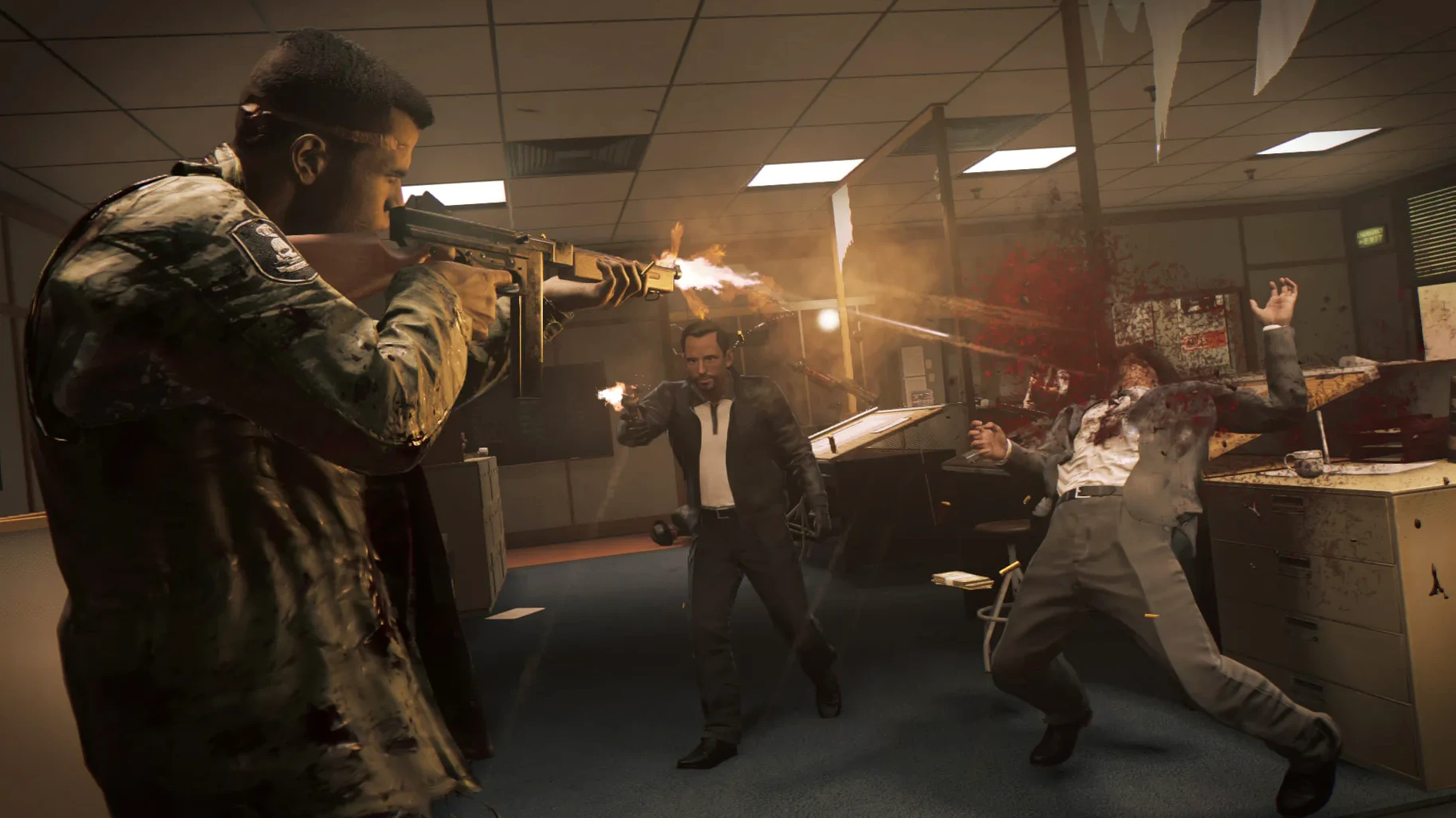
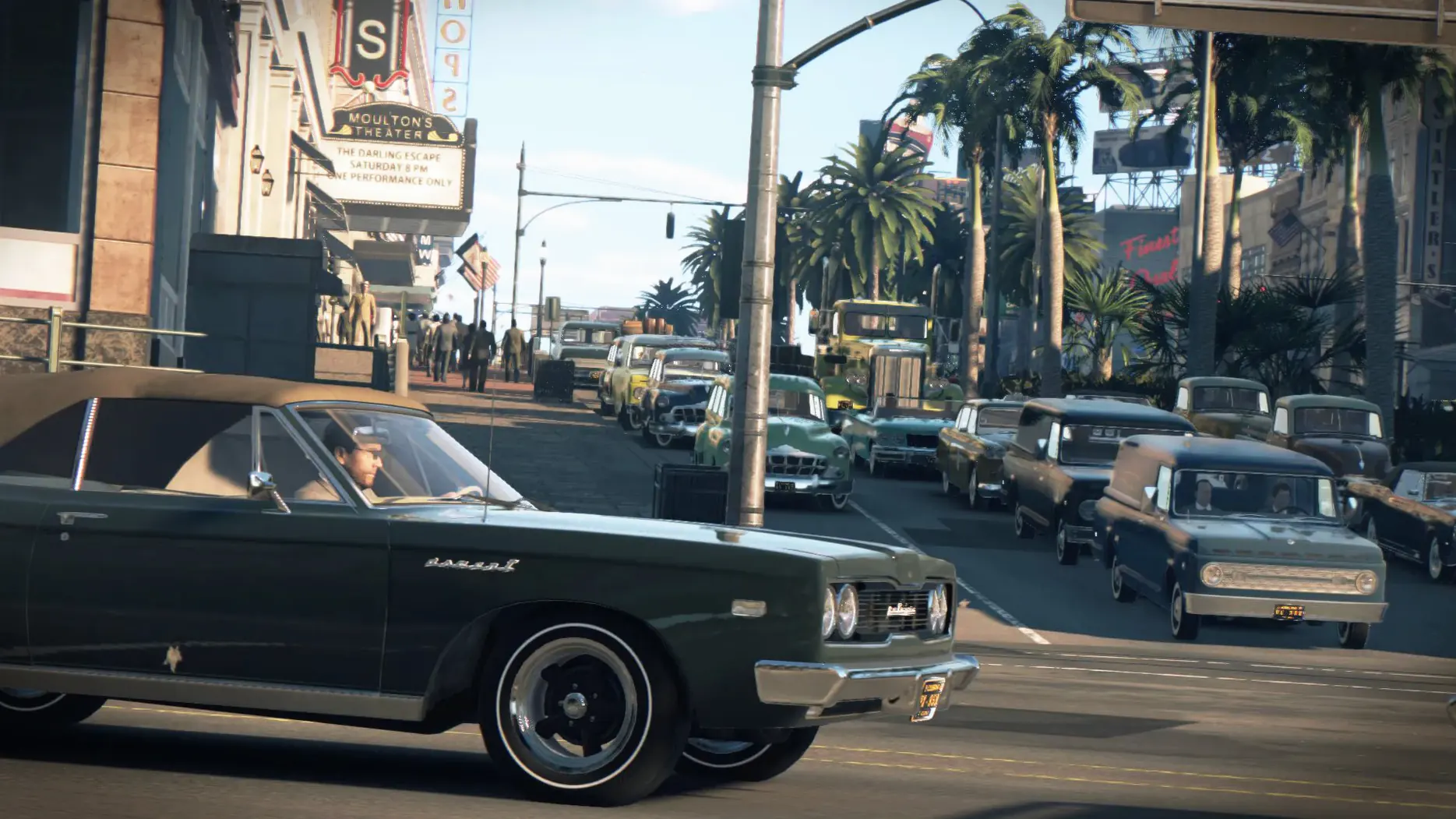
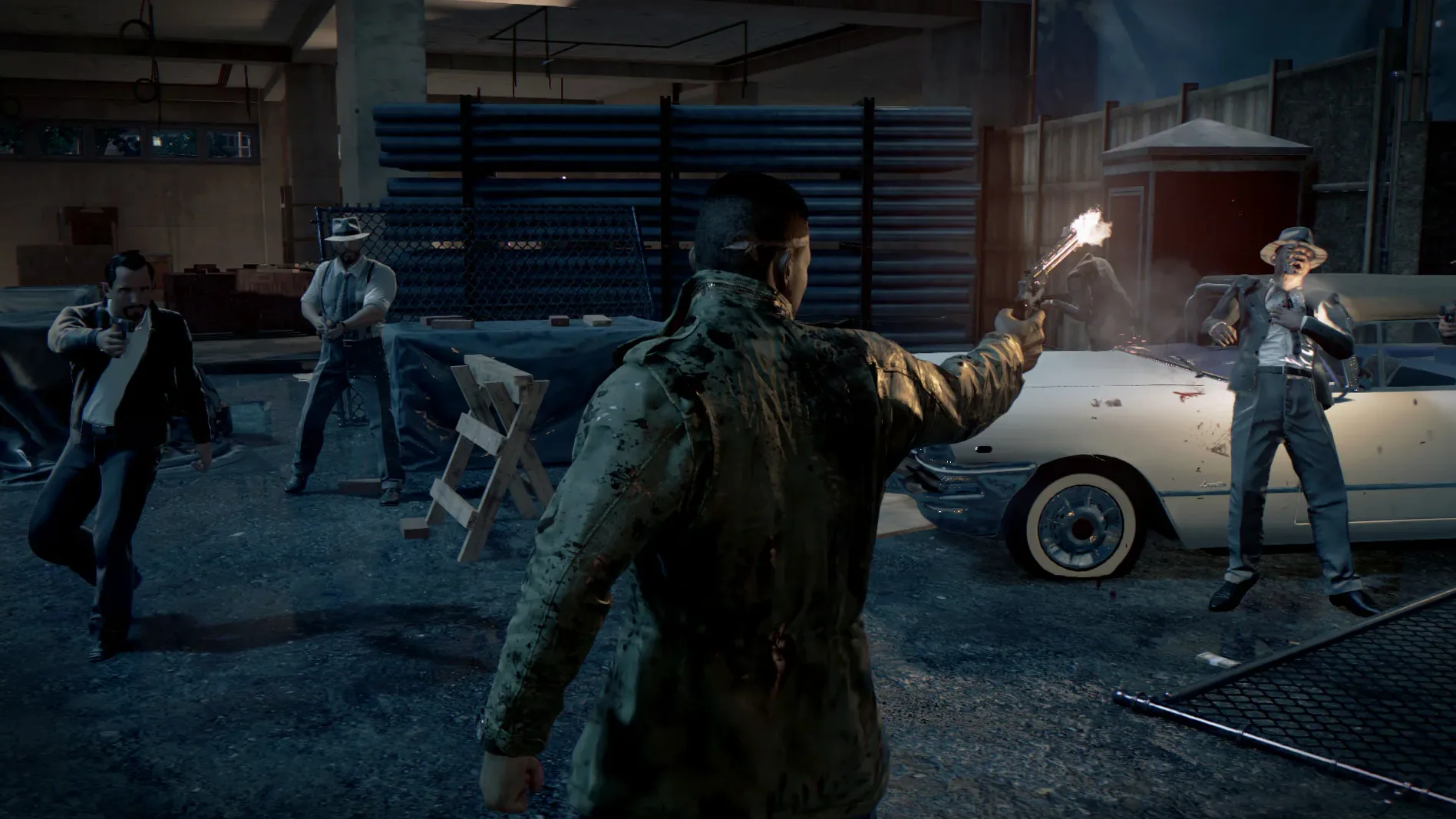
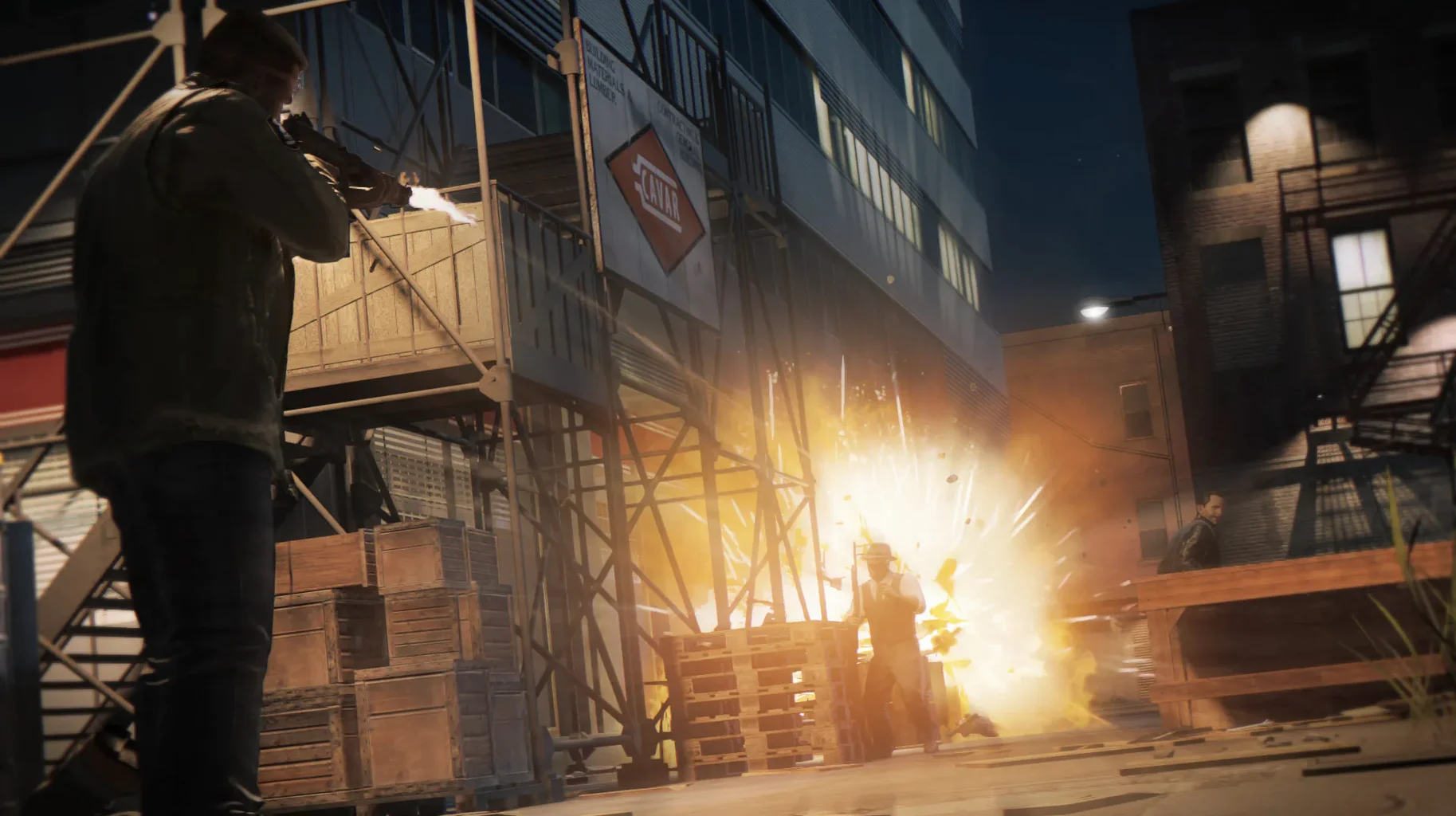
If you've used a Mac for gaming for any length of time, you'll recognise Aspyr's handiwork. The studio that brought Civilization VI to Apple Silicon also handled this port of Hangar 13's organised-crime drama, and the same attention to controller mapping is on show here.
Check your graphics hardware first
The Mac version strictly requires an AMD video card with at least 2 GB of VRAM. Intel integrated graphics and NVIDIA cards are not supported, a limitation worth double-checking before you clear 50 GB of drive space.
Pick your controller
Keyboard and mouse work, but the game feels more natural with physical sticks. The Mac build recognises Xbox 360, Xbox One, DualShock 4, DualShock 3, and Logitech RumblePad 2 or Dual Action controllers without any fiddling.
Decide who to trust
Lincoln Clay's revenge story unfolds across a 1968 New Bordeaux that rewards — and punishes — the allies you favour. The included Faster Baby, Judge, Jury & Executioner and Family Kickback DLCs add extra threads to that web of loyalty.
Let the shader cache build before you drive
Resist the urge to barrel down every alleyway at full speed. The early hours reward patience more than they reward firepower, and a couple of quiet habits will save you frustration later.
First, let the game build its shader cache completely. The stuttering some players notice in the opening sequence disappears once the cache is warm, so give it fifteen minutes of driving and walking before you judge performance. On Apple Silicon Macs with an AMD external GPU this is especially noticeable, because the Metal translation layer does its heaviest lifting upfront.
Second, remap the vehicle camera to a shoulder button. The default right-stick look-behind works fine until you're in a police chase with two flat tyres and a smoking radiator, at which point a quick thumb-press saves your run. The Mac build inherits the same controller flexibility as the console versions, so spend ten minutes in the settings menu before you commit muscle memory to a layout you'll regret.
Third, treat the first district as a classroom. The Bayou Fantom area looks like filler countryside, but it's where the game teaches you surveillance, silenced takedowns, and the rhythm of interrogating racket bosses. Skipping it means learning those lessons under gunfire later.
How a session typically plays out
You sit down with a cup of coffee and a rough plan — maybe you want to weaken the Dixie Mafia's hold on the French Ward. The session starts not with a gun, but with the map screen. You're looking at a district, scanning for rackets: a strip club, a smuggling dock, a chop shop.
You pick the chop shop because it's run by a lieutenant whose enforcers you haven't seen yet. You drive there in a stolen Berkley Stallion, radio tuned to WNBX, and park three blocks away. The first ten minutes are pure reconnaissance. You circle the block on foot, tagging enforcers through a chain-link fence, noting the fuel barrels near the garage door and the sniper on the roof. The game doesn't tell you to do this — it just gives you binoculars and a silenced pistol and trusts you to use them.
Then the session shifts gear. You slip through a side alley, whistle one guard away from his patrol, and choke him out behind a dumpster. Two more go the same way before anyone realises the rooftop sniper isn't answering his radio. By the time the shooting starts, you've already thinned the crew by half, and the fuel barrels you spotted earlier turn the garage into a fireball that ends the fight before reinforcements arrive.
Back in the car, you call your underboss to assign the racket. The phone conversation is brief but weighted — you know this decision will shift the balance of power when the sit-down happens later. You save, quit to desktop, and realise you've been in the chair for two hours. That's the rhythm of Mafia III on Mac: long periods of patient setup punctuated by thirty seconds of absolute chaos.
A stage for revenge, not a playground for chaos
Place it alongside Grand Theft Auto V and you'll notice the map size difference immediately. Los Santos is a playground; New Bordeaux is a stage. Where Rockstar's game hands you a jetpack and a submarine and says "entertain yourself," Hangar 13's world keeps pulling you back to the revenge story. The driving physics are heavier, the radio stations more curated, and the sense of place — 1968 Louisiana, with all its music and tension — is far more specific than GTA's broad satire.
Compared to Sleeping Dogs, another underrated open-world crime game that made its way to Mac, Mafia III shares the emphasis on melee combat and environmental takedowns. But where Wei Shen's Hong Kong martial arts feel balletic, Lincoln Clay's brawling is deliberately brutal — a veteran's muscle memory applied to bar fights and interrogation rooms. Sleeping Dogs also runs comfortably on Intel integrated graphics, which makes Mafia III's strict AMD requirement sting a little more.
Against Max Payne 3, the comparison shifts to tone. Both games treat gunfire as something heavy and consequential rather than arcade spectacle. But Mafia III spreads its violence across a systemic open world rather than linear levels, and the Mac port of Max Payne 3 never made the jump to Apple Silicon, whereas Aspyr's work here runs natively.
Wiretap a district before hitting its rackets
Ignoring the wiretap system. The junction boxes scattered across each district seem like optional collectibles, but they're the difference between walking blind into a racket and knowing exactly where each enforcer stands. Wiretap a district before you start hitting its rackets and the minimap fills with useful markers. Skipping this step turns every mission into a guessing game.
Hoarding cash. Money doesn't earn interest in New Bordeaux. Spend it on weapon upgrades and vehicle deliveries as soon as you have enough, because a silenced pistol and a faster car change how you approach missions far more than a bank balance sitting in the pause menu.
Treating the DLC as an afterthought. The three included expansions — Faster Baby, Judge, Jury & Executioner, and Family Kickback — integrate into the main campaign rather than existing as separate menu options. New players sometimes wait until the credits roll before touching them, which means they miss out on faster cars, a sniper support service, and extra weapons during the main story. Start them when they appear on your map, not after the finale.
Assuming every racket needs the same approach. The game offers brute force, stealth, and surveillance as equal options, but some racket layouts heavily favour one method. A construction site with catwalks and blind corners practically begs for silenced takedowns; a warehouse with a single entrance and armoured guards might be easier to storm with a shotgun and a full complement of throwables. Read the room before you commit.
- macOS 10.12.4 or later
- Apple Silicon or Intel Mac with an AMD graphics card (2 GB VRAM minimum)
- Intel and NVIDIA graphics cards are not supported
- 8 GB RAM
- 50 GB available storage
Questions I keep hearing
Can I play Mafia III on a Mac with an M1 or M2 chip?
The game supports Apple Silicon Macs, but the non-negotiable rule is an AMD graphics card with at least 2 GB of VRAM — Intel and NVIDIA GPUs simply won't run it.
Questions from the class 0
Sign in or join the class to ask a question.
Nobody has asked anything yet. If you have used it on a real job, say what the file did.
Also on the Games shelf
The whole Games shelf Machinarium Collector's Edition Fantasy Adventure
Sends you on a hand-drawn point-and-click quest to save a robot city from a gang of bullies.
Machinarium Collector's Edition Fantasy Adventure
Sends you on a hand-drawn point-and-click quest to save a robot city from a gang of bullies.
 Master of Piece
Builds a deck of units and places them before each roguelite battle begins.
Master of Piece
Builds a deck of units and places them before each roguelite battle begins.
 Metro 2033 Redux
Sends you through the claustrophobic tunnels under Moscow, short on ammo.
Metro 2033 Redux
Sends you through the claustrophobic tunnels under Moscow, short on ammo.
 Metro Exodus
Takes you across Russia by train, keeping weapons and supplies alive.
Metro Exodus
Takes you across Russia by train, keeping weapons and supplies alive.
 LIMBO
Challenges you to guide a boy through a perilous monochrome world in search of his sister.
LIMBO
Challenges you to guide a boy through a perilous monochrome world in search of his sister.
 Middle-earth: Shadow of Mordor
Pits you against orcs who remember every fight and rise through the ranks.
Middle-earth: Shadow of Mordor
Pits you against orcs who remember every fight and rise through the ranks.
 Minecraft
Lets you mine, craft and build in a blocky, open-ended world.
Minecraft
Lets you mine, craft and build in a blocky, open-ended world.
 Library Of Ruina
Turns deck-building combat into a tactical puzzle by revealing every enemy move in advance.
Library Of Ruina
Turns deck-building combat into a tactical puzzle by revealing every enemy move in advance.