 ASPNetWorld

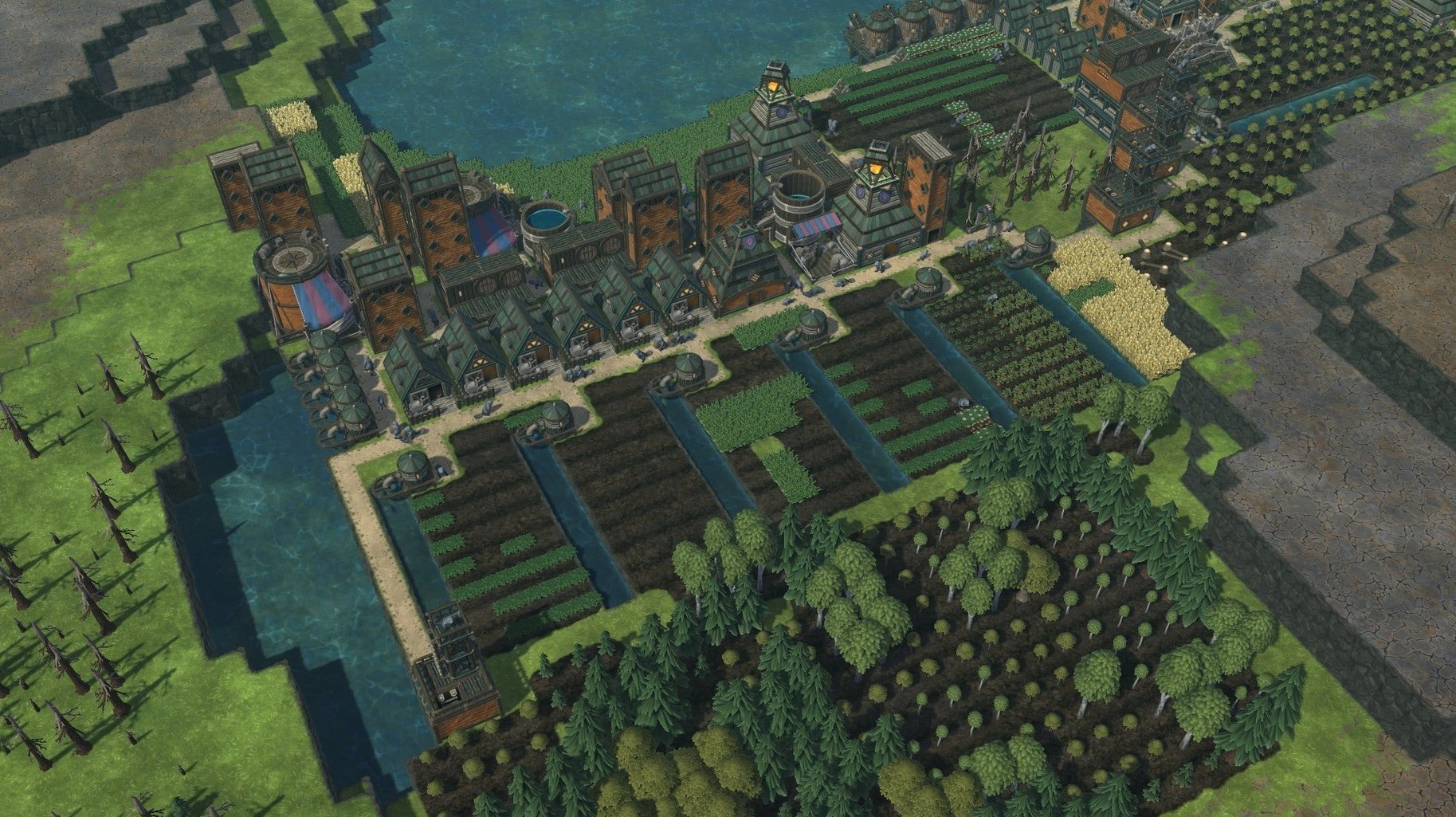
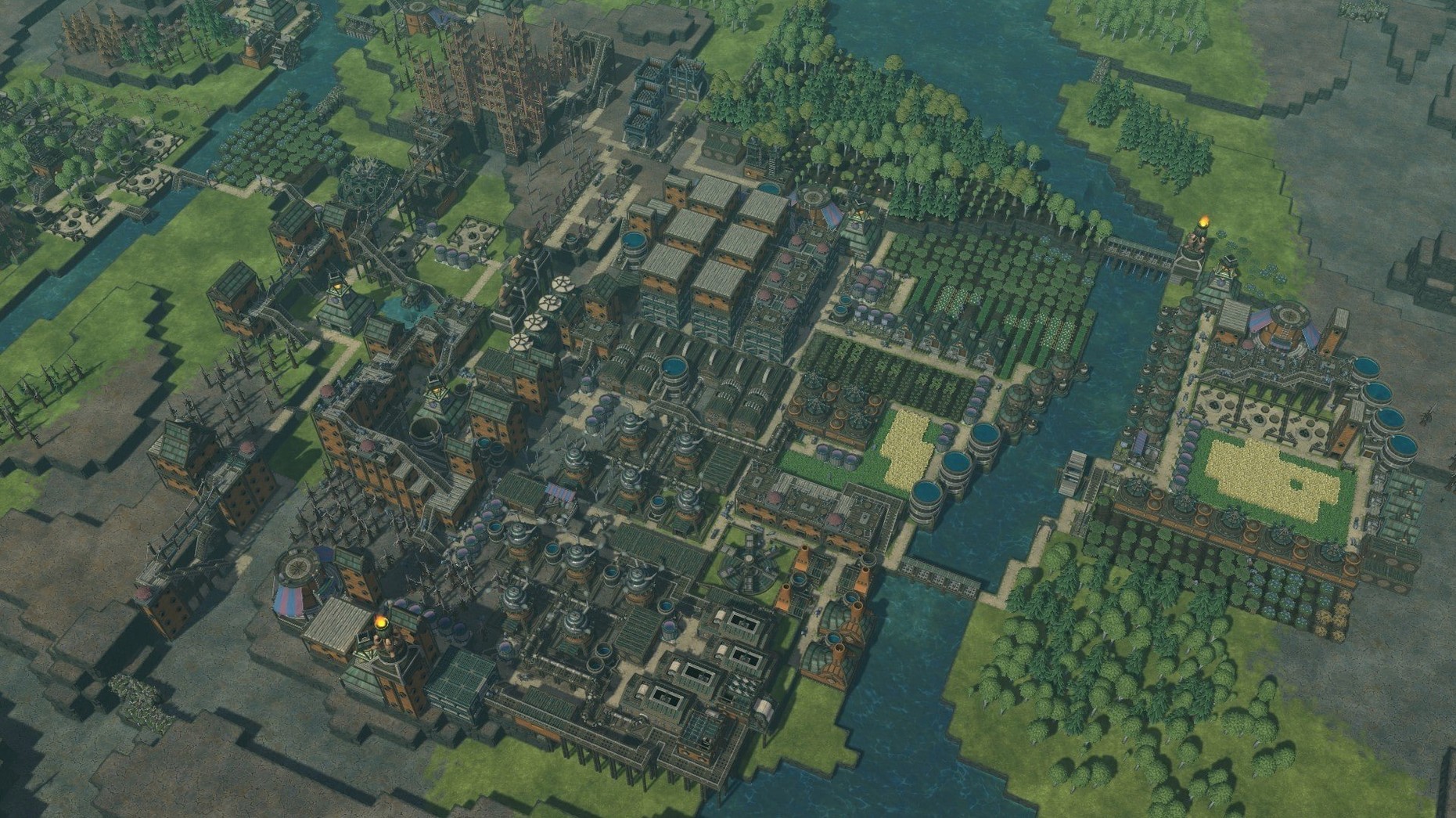
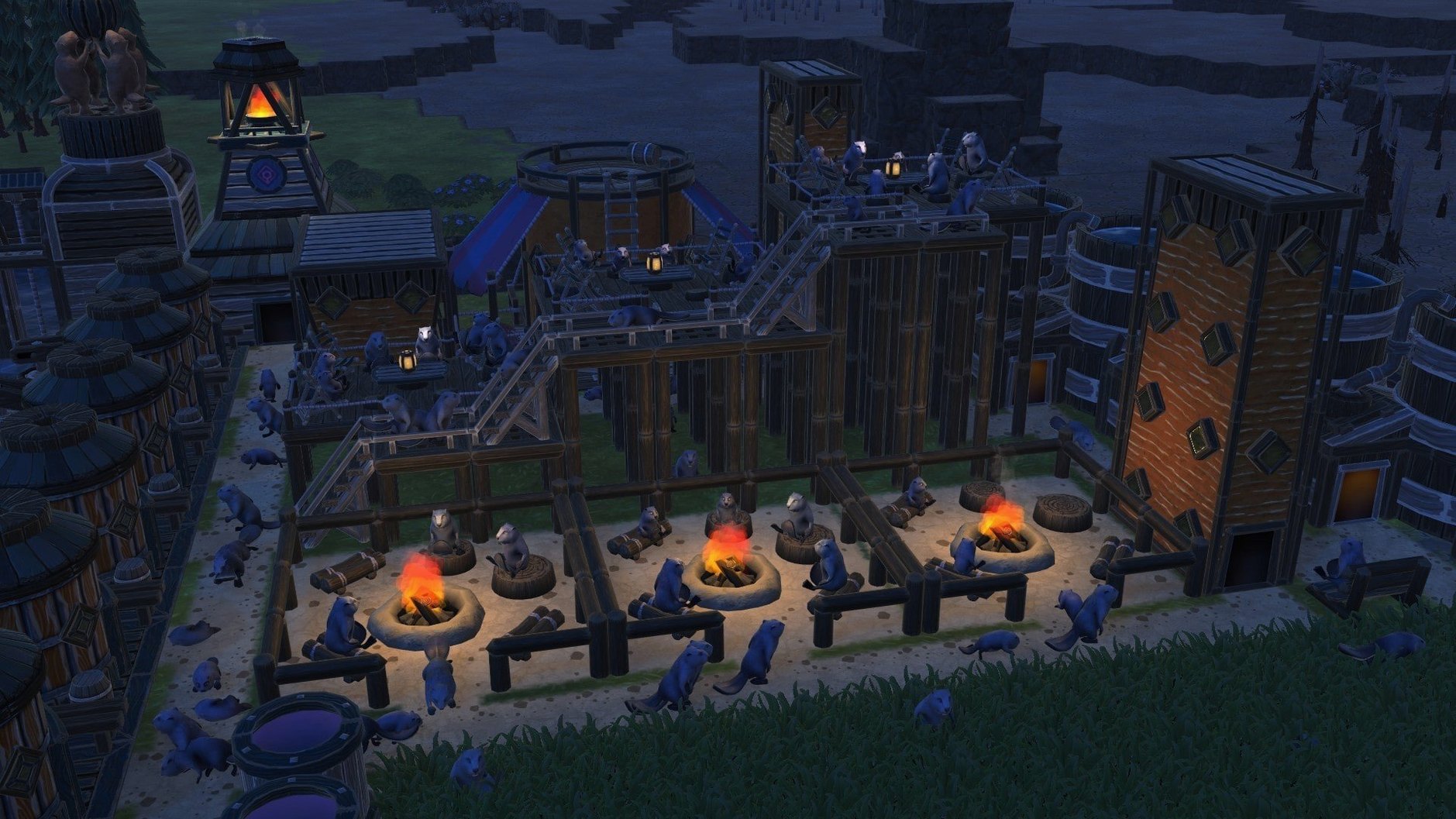
Played by city-building enthusiasts who like their strategy served with a side of fluid dynamics, Timberborn puts you in charge of a post-human beaver colony where water is both your greatest resource and your most persistent threat.
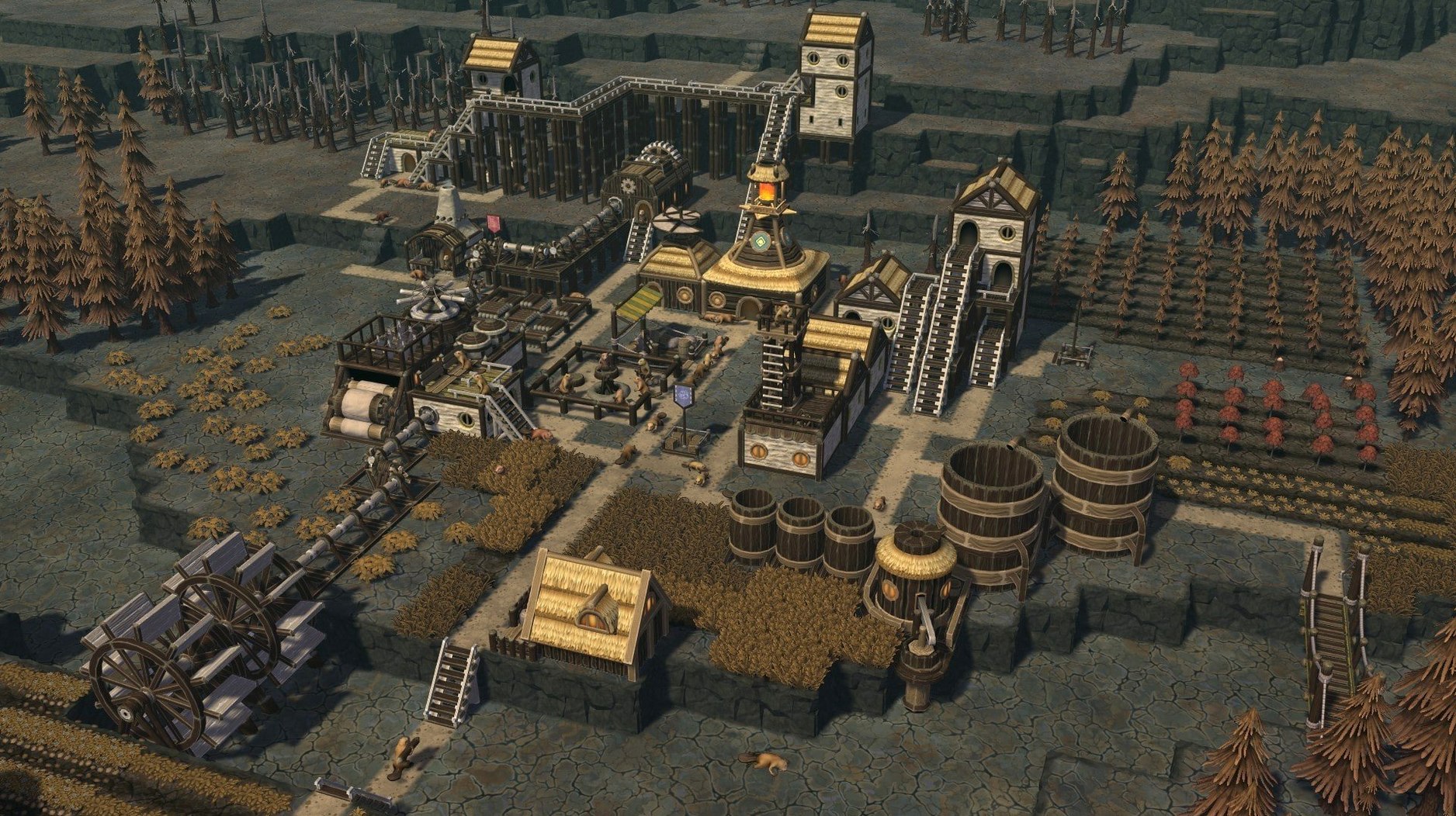
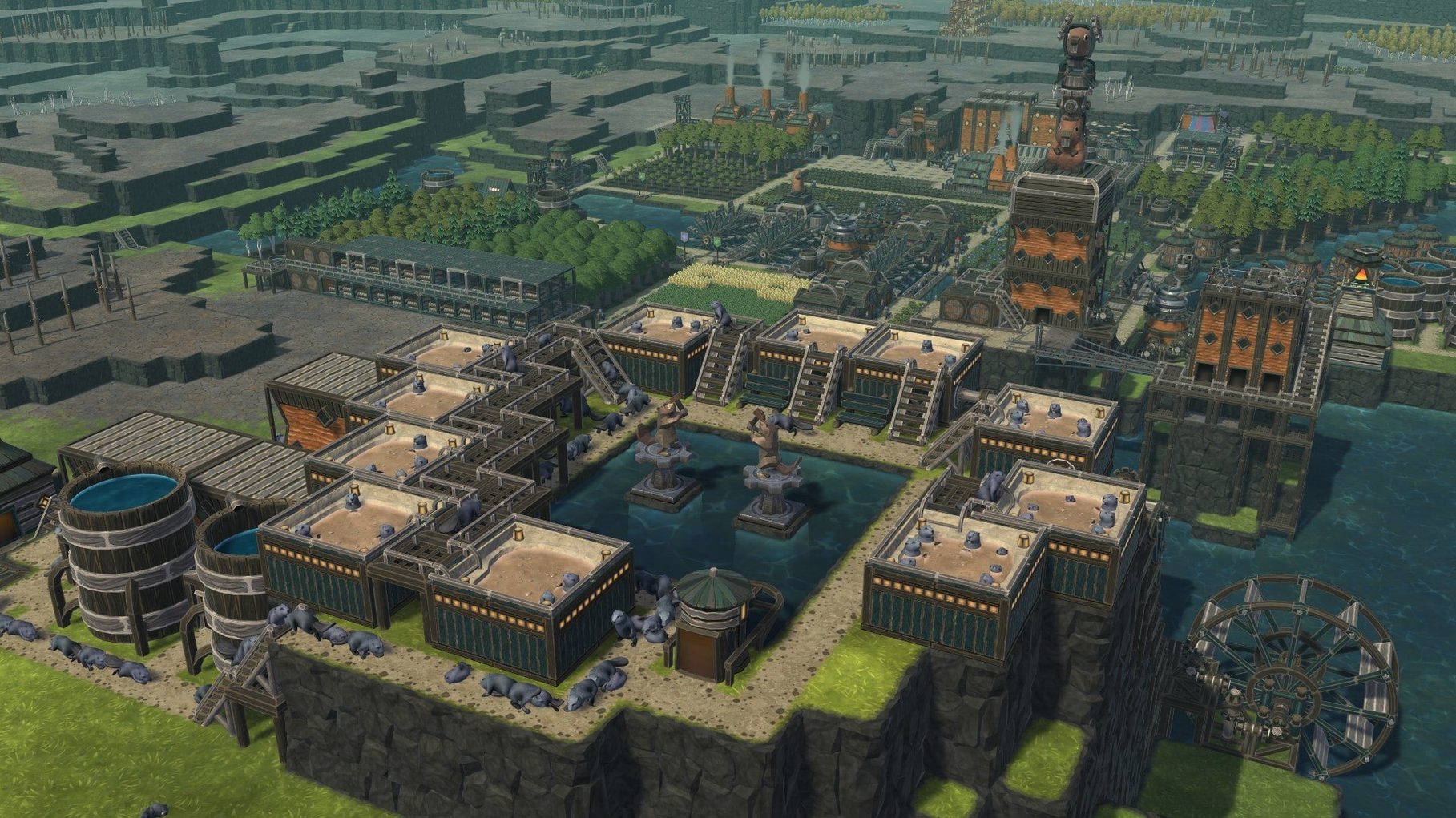
Vertical architecture — stacking lodges, warehouses and power shafts on top of each other lets a settlement grow upward rather than outward, vital when the riverbanks are narrow and the fertile ground is limited.
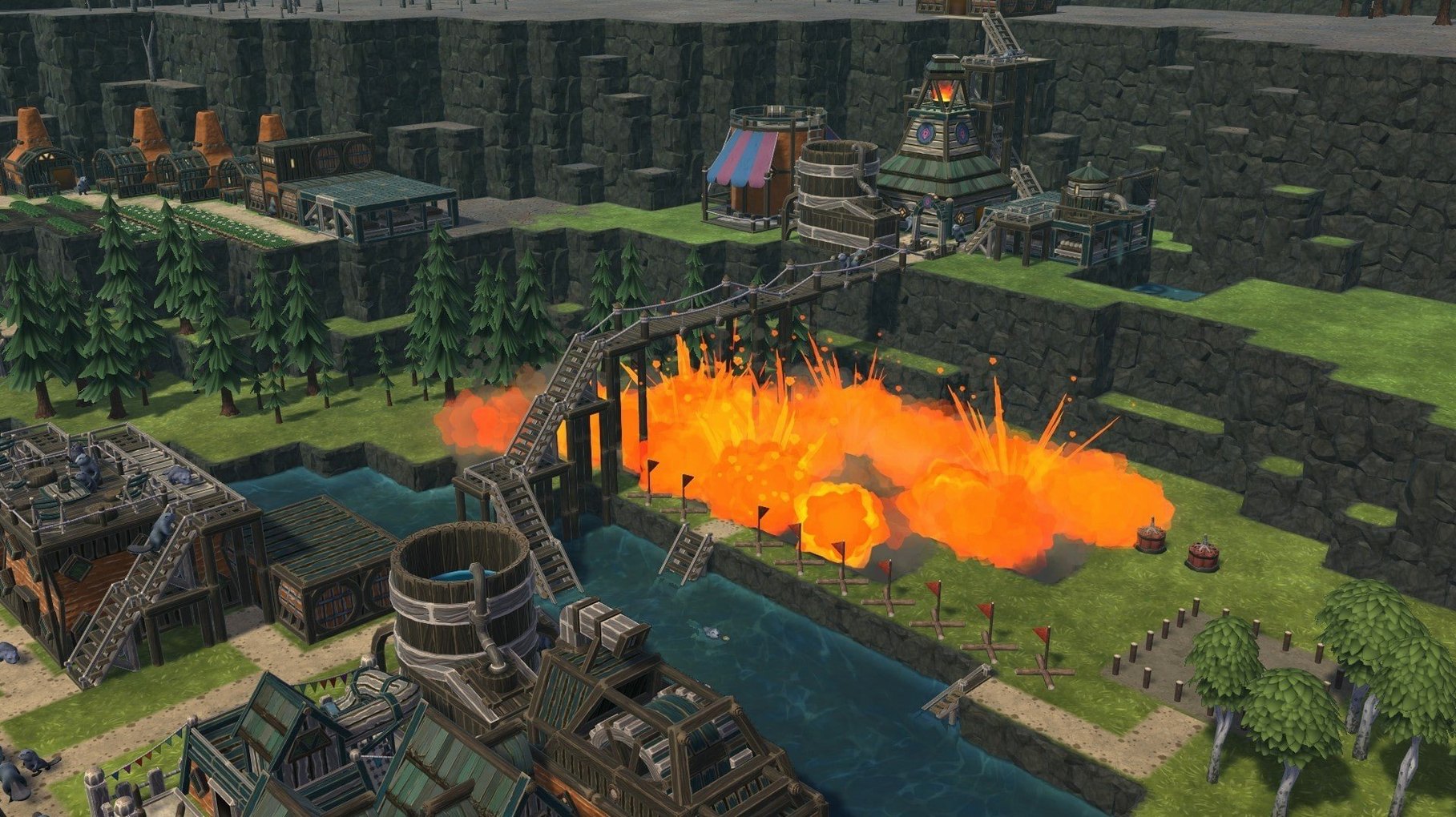
Water engineering — the game models flowing water in real time. Dams block it, canals steer it, and explosives blast new riverbeds. During a drought, a badly designed reservoir means crops wither; a well-planned one keeps the wheels turning.
Districts — a large colony is split into semi-autonomous zones connected by hauling posts. Each district manages its own population, storage and construction, which pushes you to think about logistics rather than simply painting one sprawling settlement.
Map editor and sharing — a custom-map editor is included, and the community distributes thousands of player-made landscapes, from gentle river valleys to cliffside survival puzzles.
When the 1.1 update landed, the most immediate shift was in how you read your own colony. New statistics overlays let you track beaver wellbeing, production chains and power grids without squinting at individual buildings. You can see, at a glance, whether your carrot supply is actually keeping up with population growth or just barely hiding a famine two cycles away. That sounds dry, but in practice it means you spend less time playing detective and more time solving the interesting problems — like rerouting a canal before the next drought hits.
The added maps tilt the experience toward variety rather than raw difficulty. One puts you on a broad, lazy river with limestone cliffs that force vertical building early; another starts you on a tiny island with a single trickle of water and a lot of anxious fast-forwarding. Both reward a different rhythm, and swapping between them is how you learn the game's engineering language properly.
Building on the riverbank before the first drought hits
The first season teaches a dangerous lesson: water is abundant. New players often build their pump and farm right on the riverbank, then discover during the first drought that the river has shrunk to a muddy puddle two tiles wide. Your pump is suddenly dry, your carrots are dust, and the colony is gone before you can research a dam. The fix is simple — build your water infrastructure one level up, behind a dam, and store at least three days' worth in tanks — but it's a lesson most people learn through catastrophe.
Another classic stumble is treating Timberborn like a flat city builder. Timberborn's verticality isn't decoration; it's a structural answer to limited space. Beginners tend to spread out horizontally, chewing through fertile land that should be reserved for crops and trees. Stacking lodges on platforms, running power shafts vertically through buildings, and bridging between mesas aren't advanced tricks — they're the baseline the game expects once your population passes thirty.
There's also the Iron Teeth temptation. The Iron Teeth faction uses metal, engines and breeding pods instead of the Folktails' windmills and natural reproduction. A first-timer sees the industrial vibe and assumes it's the "harder" faction, but the Iron Teeth's reliance on badwater and their fiddlier power chains actually punish indecision more harshly. Folktails are the gentler on-ramp, even though their reliance on wind can leave you powerless during a calm spell.
Rearranging freezer venting in RimWorld was your gateway
Timberborn clicks with a specific mindset: the kind of player who paused RimWorld to rearrange the freezer venting, or spent an hour in Cities: Skylines adjusting a dam's water level. The water simulation isn't a gimmick — it's the spine of every decision, and people who enjoy tinkering with systems that cascade will find it quietly absorbing.
Mac users with Apple Silicon machines get a particularly smooth experience. On a recent M4 Mac mini, large colonies with hundreds of beavers and complex water physics stay fluid well into the late game, which matters because the simulation never pauses its calculations. If you have an older Intel Mac, the game still runs, but the difference in how many beavers you can support before the simulation slows down is noticeable.
The game also suits players who like building something beautiful. The vertical architecture, the way water catches the light, the wooden aqueducts snaking between mesas — there's a diorama quality to a well-run settlement. People who take screenshots of their timberborn mac download colonies tend to post them with a quiet pride, as if they've grown a bonsai tree rather than beaten a level.
Pausing immediately to scan for a natural bottleneck
You load a new map — a narrow canyon with a fast river and steep walls — and pick the Folktails. The first thing you do is pause. Always pause. You scan the terrain for a natural bottleneck where a dam would create a reservoir, and you spot a ledge about twenty tiles downstream from your starting spot. That's your anchor point.
You unpause and lay down a lumberjack post near a stand of birch, then a water pump on the high bank, well above the normal waterline. A science hut follows, because you need a forester before you strip the valley bare. The first night falls, and your seven beavers huddle in a starter lodge while you queue up stairs and a platform above the pump. You're already thinking in layers.
Day four brings the drought warning. The river's flow drops to a thread, and your dam — still half-built — isn't ready. You scramble the builders, prioritising the lowest row of logs, and it finishes with half a day to spare. The water behind it rises just enough to keep your pump going. Your beavers survive, thirsty but alive.
By cycle three, you've researched the forester and planted a grove of pine on the plateau above. You've built a second district on the far side of the canyon, connected by a rope bridge that sways when beavers cross. A gear workshop grinds out power shafts, and you run a vertical line up through the warehouse to a lumber mill perched on the third storey. The settlement has stopped being a camp and started being a machine.
The satisfaction comes at cycle twelve, when a seven-day drought hits and you don't panic. Your reservoir holds, your water tanks are full, and your beavers are irrigating the carrot patch from a canal you dug three cycles ago on a hunch. You watch the riverbed bake dry below the dam while your colony hums along, and you realise the game has rewired how you see a landscape. Every slope, every bend, every rock is a potential engineering choice.
That's the loop. You experiment, you lose a colony to thirst, you learn, you build a better dam. Some players search for a timberborn torrent to try before committing, and the game's real hook is how it quietly teaches you to think like a hydrological engineer — one who happens to have a tail.
The 1.1 release expands the landscape with a fresh set of maps and a proper statistics panel, so you can now track production trends and population changes without squinting at individual buildings.
- New maps added to the official selection, each with a distinct water-flow challenge.
- Statistics features let you chart colony performance over multiple cycles.
- Architecture: Apple Silicon (ARM) and 64-bit Intel Macs supported natively.
- Interface languages: English, Russian, German, Spanish, Italian, Simplified Chinese, Korean, Polish, Portuguese, Ukrainian, French, Japanese.
Questions I keep hearing
Does Timberborn run natively on Apple Silicon?
Yes, the build includes native support for both ARM (Apple Silicon) and 64-bit x86 (Intel) Macs.
Is there a way to automate work during the night?
Yes, the game includes a night-work mechanic that lets you push critical construction or pumping operations around the clock when a deadline looms.
Questions from the class 0
Sign in or join the class to ask a question.
Nobody has asked anything yet. If you have used it on a real job, say what the file did.
Also on the Games shelf
The whole Games shelf Thronefall
Builds a compact base by day and defends it by night in stripped-back tactical battles.
Thronefall
Builds a compact base by day and defends it by night in stripped-back tactical battles.
 The Sims 4
Sculpts characters, builds homes, and lets their little lives unfold around you.
The Sims 4
Sculpts characters, builds homes, and lets their little lives unfold around you.
 The Long Dark
Tests your wits against hunger, cold, and wolves in a silent northern wilderness.
The Long Dark
Tests your wits against hunger, cold, and wolves in a silent northern wilderness.
 The Classrooms
Traps you in a shifting, condemned school with only a camcorder and your nerve.
The Classrooms
Traps you in a shifting, condemned school with only a camcorder and your nerve.
 The Binding of Isaac Rebirth+
Fires tears through a basement of monsters in a run that changes every time you play.
The Binding of Isaac Rebirth+
Fires tears through a basement of monsters in a run that changes every time you play.
 Total War: PHARAOH DYNASTIES
Rewrites a Bronze Age grand strategy game with four new cultures and deeper court politics.
Total War: PHARAOH DYNASTIES
Rewrites a Bronze Age grand strategy game with four new cultures and deeper court politics.
 Tower of Babel: Survivors Of Chaos
Survives monster waves and reshapes your build with every piece of gear that drops.
Tower of Babel: Survivors Of Chaos
Survives monster waves and reshapes your build with every piece of gear that drops.
 Terraformers
Builds Martian colonies and manages civic life on a procedurally randomised planet.
Terraformers
Builds Martian colonies and manages civic life on a procedurally randomised planet.