 ASPNetWorld
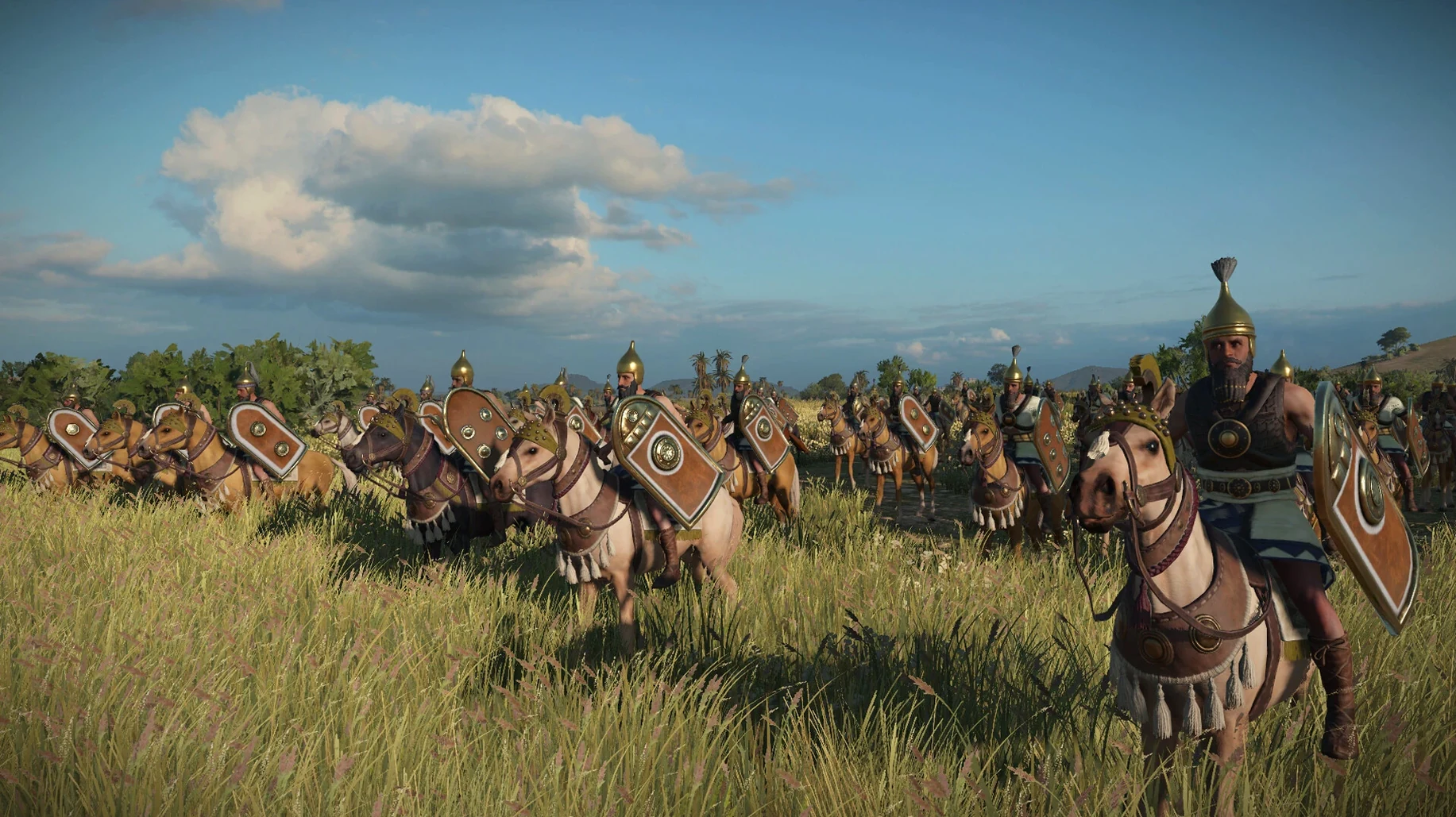
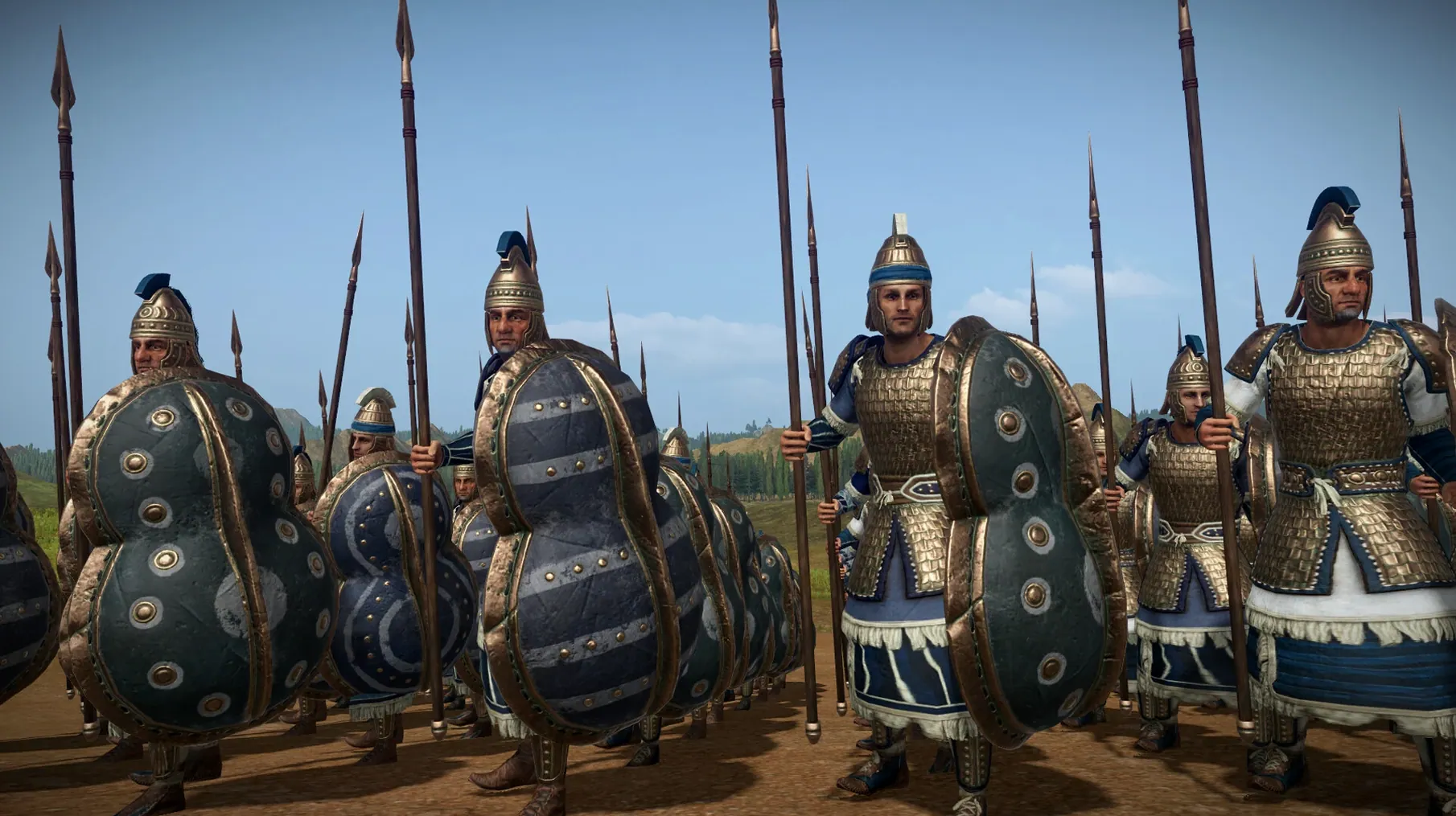
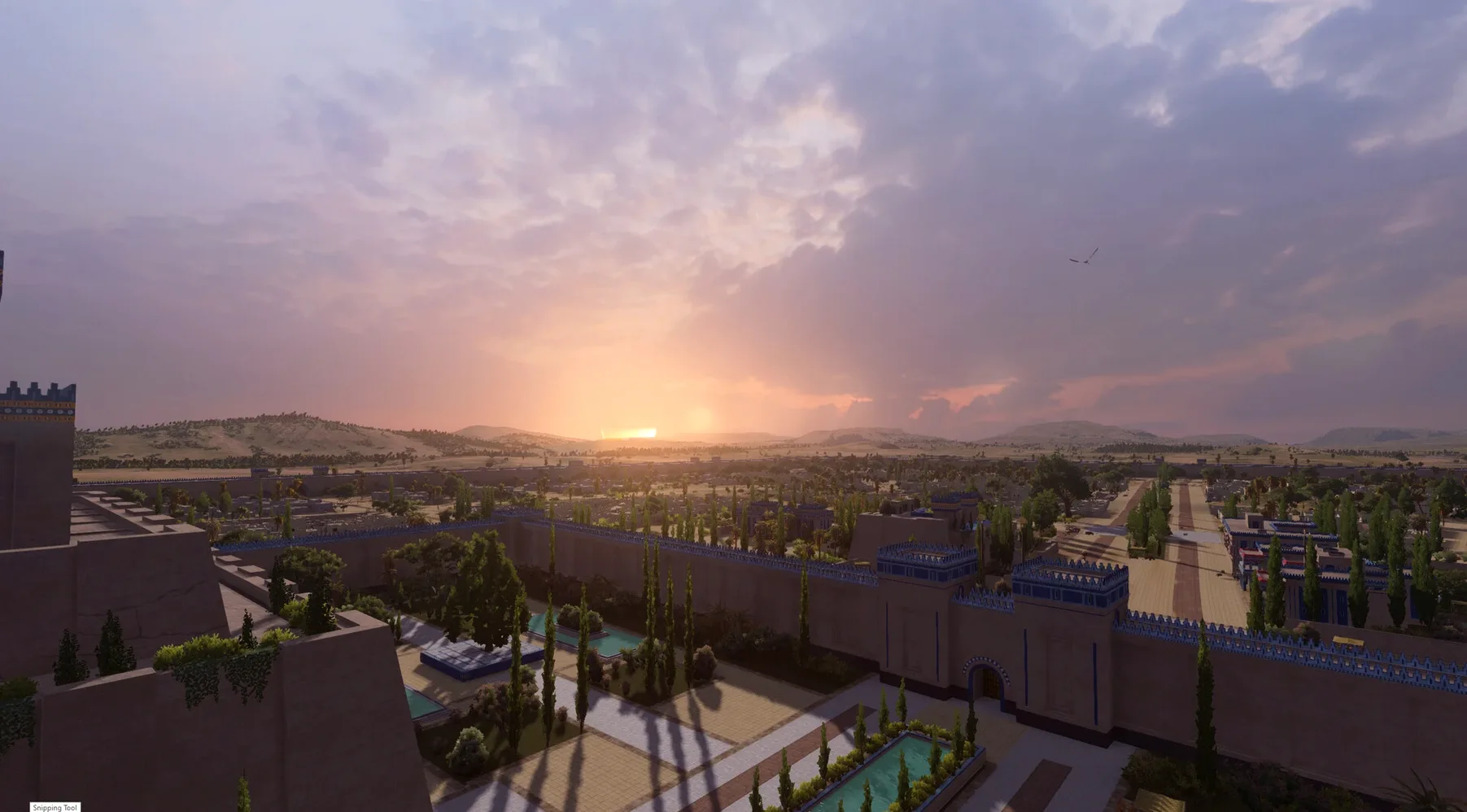
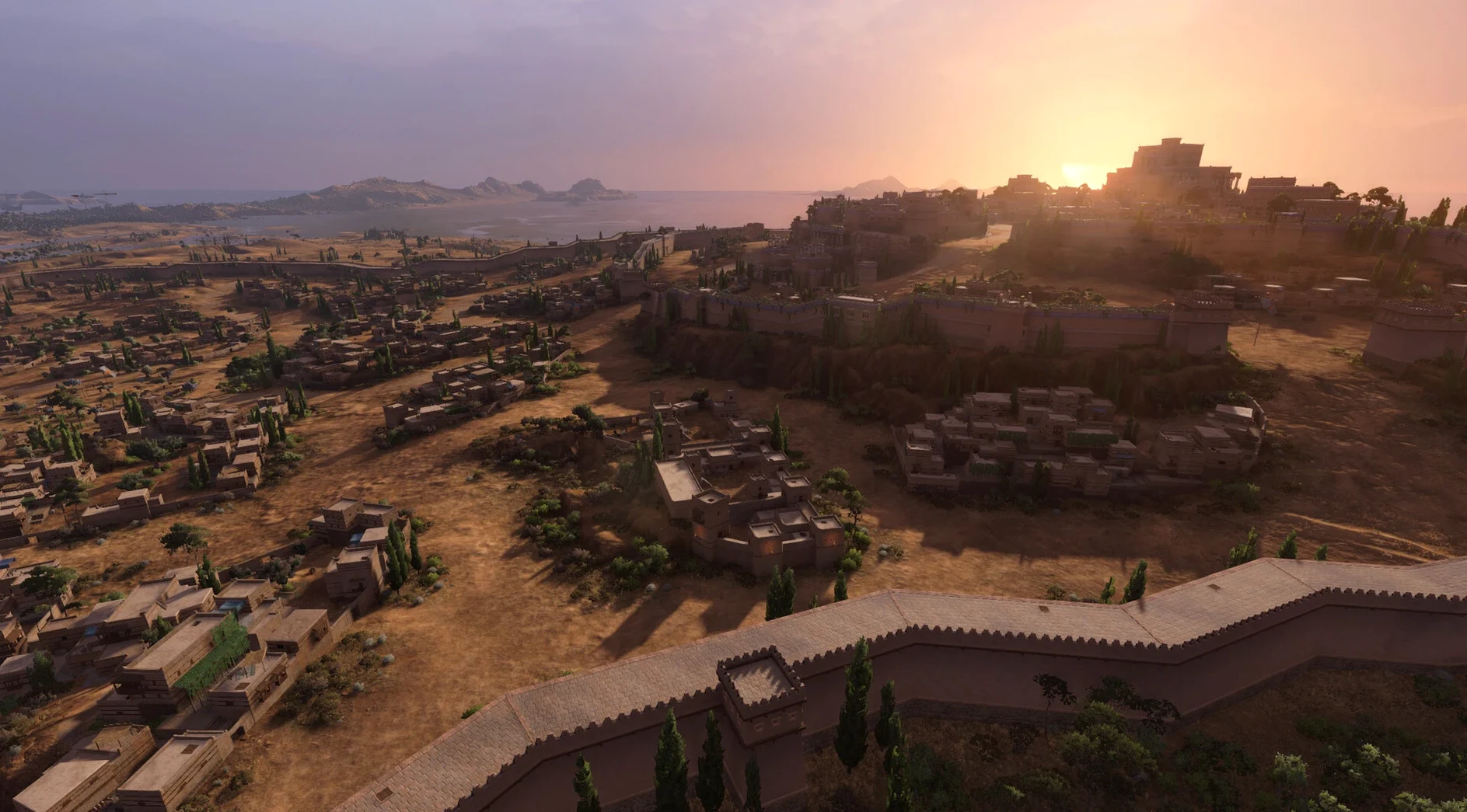
Four new playable cultures spread across the map, from the Aegean shores to the heart of Mesopotamia. That is the headline change in Dynasties, a free expansion that feels less like a bolt-on and more like Creative Assembly taking a second pass at the entire game. It is a global reworking of Total War: PHARAOH, folding in the kind of territorial breadth the period deserves, so you are not just staring at the Nile delta for a hundred turns.
This scale arrives partly through the Sea Travel Lanes, which connect distant coastlines in a way the old overland paths never could. A fleet moving along a lane can reposition an army across the map in a few turns, opening up flanking plays that simply did not exist before. On land, the new battle mechanics give those fights a sharper edge. Lethality overhauls how units trade damage, making combat read faster and more decisively — a well-timed charge can shatter a wavering line in seconds rather than dragging into a slow grind. Alongside it, the Dynasty System pushes you to think about mortality and succession, because when a ruler falls, the house needs a plan.
This is a game for players who enjoy the long con — the multi-generational plotting, the slow cultural drift of a faction, the satisfaction of a naval gambit paying off ten turns later. If you bounced off the original PHARAOH because the map felt cramped or the battles lacked snap, Dynasties addresses those complaints head-on. But it remains a deep, systems-heavy strategy title. The pace is measured, the learning curve steep, and the pleasure comes from mastery over many hours. Someone chasing quick gratification or a cinematic action rush will likely find it overwrought.
Early expansion will bury you before turn thirty
Newcomers often treat it like a standard Total War campaign — expand early, grab what you can, worry about the consequences later. In Dynasties, that instinct will bury you before turn thirty. The Bronze Age collapse is not background flavour; it is a mechanical pressure that punishes overreach. Every settlement you hold costs resources to keep stable, and a thin garrison on a distant coast is an invitation the AI rarely refuses. The smarter play is to consolidate your starting province, build food reserves, and only push outward once your core economy can absorb a setback.
Another common slip is ignoring the Sea Travel Lanes entirely. Players coming from the original PHARAOH are used to a land-locked mental map, so they march armies the long way round while a perfectly good naval route sits two clicks away. A lane can cut a six-turn repositioning down to two, but only if you remember it is there. Similarly, people treat Lethality like a cosmetic tweak and keep issuing the same old hammer-and-anvil orders. Units now break faster under concentrated pressure, so cycling fresh troops into a gap matters far more than it used to. Letting a battered unit linger in melee because "it held last time" is a recipe for a chain rout.
Babylon lets you sample every system without early naval pressure
Start with Babylon, even if another faction tugs at your imagination. The central position on the map gives you a taste of every system without forcing you into an early naval commitment. You get a strong economic backbone, a roster that rewards combined-arms thinking, and enough neighbours to learn how the new diplomacy pressure points work. Spend the first ten turns just reading the campaign map — note where the Sea Travel Lanes connect, study which resources cluster in which regions, and watch which AI factions are already building up their dynasty trees.
Fight your early battles manually, even the small ones. The new Lethality numbers make auto-resolve calculations behave differently than in the base game, and seeing a few units evaporate under a flanked charge will teach you more than any tooltip can. Save before a key battle and replay it once with a different approach — the difference between a frontal grind and a properly layered assault is stark now. On the campaign layer, recruit a second general early and park them in your capital with a small retinue. The Dynasty System means a sudden death can leave you scrambling, and an heir with no command experience is a dangerous liability when a rival smells weakness.
Drop shadow detail to medium to fix frame-time spikes in large battles
Open the graphics options and drop shadow detail to medium before you do anything else. The Mac version runs smoothly on Apple Silicon, but the lighting passes over the expanded map can cause frame-time spikes during large settlement battles, and shadows are the prime culprit. Keep unit size on large unless you are on an M1 with 8GB of RAM; the new battle system scales well, but the CPU load from Lethality calculations climbs noticeably with ultra unit counts.
In the campaign settings, switch the end-turn camera speed to fast and enable "show AI movement" only for visible factions. The map now stretches from the Aegean to Mesopotamia, and watching every minor faction shuffle its scouts across the fog of war will add minutes to each turn cycle. Under audio, pull the voice volume up a notch relative to music — the English voice work carries a lot of faction personality, and you want those diplomatic barbs cutting through the score. Finally, unbind the "forced march" hotkey from its default position if you tend to click quickly. A tired army caught in march stance under the new Lethality rules is a tragedy waiting to happen.
A question of scale
Does Dynasties replace the original campaign? It integrates into it entirely. You are still playing Total War: PHARAOH, just with the map, factions and battle rules rebuilt from the ground up. There is no toggle between "old" and "new" — once installed, Dynasties is the game.
How does the Mac version hold up to the Windows release? The port includes everything up to Creative Assembly's 2.0.2 update, including patch 2.0.0 and hotfix 2.0.1. On an M1 MacBook Air running Sequoia, large battles with the new Lethality system stay responsive, though you will feel the fan during triple-stack engagements. The architecture support covers both ARM and 64-bit x86, so Intel Macs are not left behind.
A quiet but essential alignment: the Mac release now incorporates all changes up to Creative Assembly's 2.0.2 update from the Windows version, bringing the two platforms into parity.
- Supports both Apple Silicon (ARM) and 64-bit Intel (x86) Macs
Questions I keep hearing
Does Total War: PHARAOH DYNASTIES work on Apple Silicon Macs?
Yes, it supports both ARM (Apple Silicon) and 64-bit x86 architectures, and has been tested on a MacBook Air with an M1 chip running macOS Sequoia.
Is Dynasties a standalone game or an add-on?
It is an add-on for Total War: PHARAOH, described as a global reworking that adds new cultures, sea lanes and a fresh battle system.
Questions from the class 0
Sign in or join the class to ask a question.
Nobody has asked anything yet. If you have used it on a real job, say what the file did.
Also on the Games shelf
The whole Games shelf Tower of Babel: Survivors Of Chaos
Survives monster waves and reshapes your build with every piece of gear that drops.
Tower of Babel: Survivors Of Chaos
Survives monster waves and reshapes your build with every piece of gear that drops.
 Tropico
Governs a scattered archipelago, balancing promises, power lines and your Swiss bank account.
Tropico
Governs a scattered archipelago, balancing promises, power lines and your Swiss bank account.
 Timberborn
Commands a colony of beavers to reshape rivers and build layered wooden cities.
Timberborn
Commands a colony of beavers to reshape rivers and build layered wooden cities.
 Two Point Museum
Curates exhibits, designs gift shops and sends experts on expeditions to find new treasures.
Two Point Museum
Curates exhibits, designs gift shops and sends experts on expeditions to find new treasures.
 Thronefall
Builds a compact base by day and defends it by night in stripped-back tactical battles.
Thronefall
Builds a compact base by day and defends it by night in stripped-back tactical battles.
 The Sims 4
Sculpts characters, builds homes, and lets their little lives unfold around you.
The Sims 4
Sculpts characters, builds homes, and lets their little lives unfold around you.
 The Long Dark
Tests your wits against hunger, cold, and wolves in a silent northern wilderness.
The Long Dark
Tests your wits against hunger, cold, and wolves in a silent northern wilderness.
 The Classrooms
Traps you in a shifting, condemned school with only a camcorder and your nerve.
The Classrooms
Traps you in a shifting, condemned school with only a camcorder and your nerve.