 ASPNetWorld


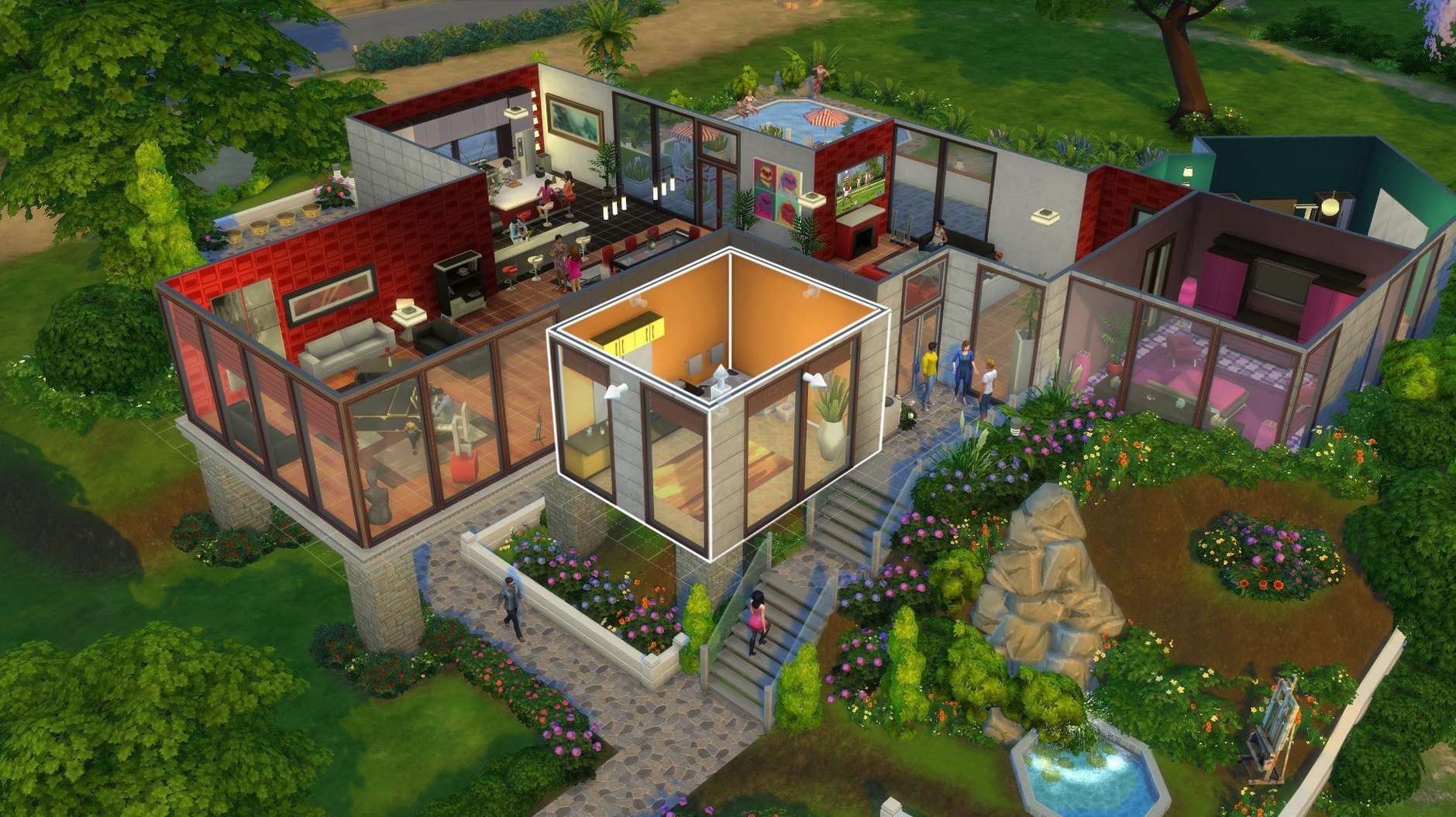

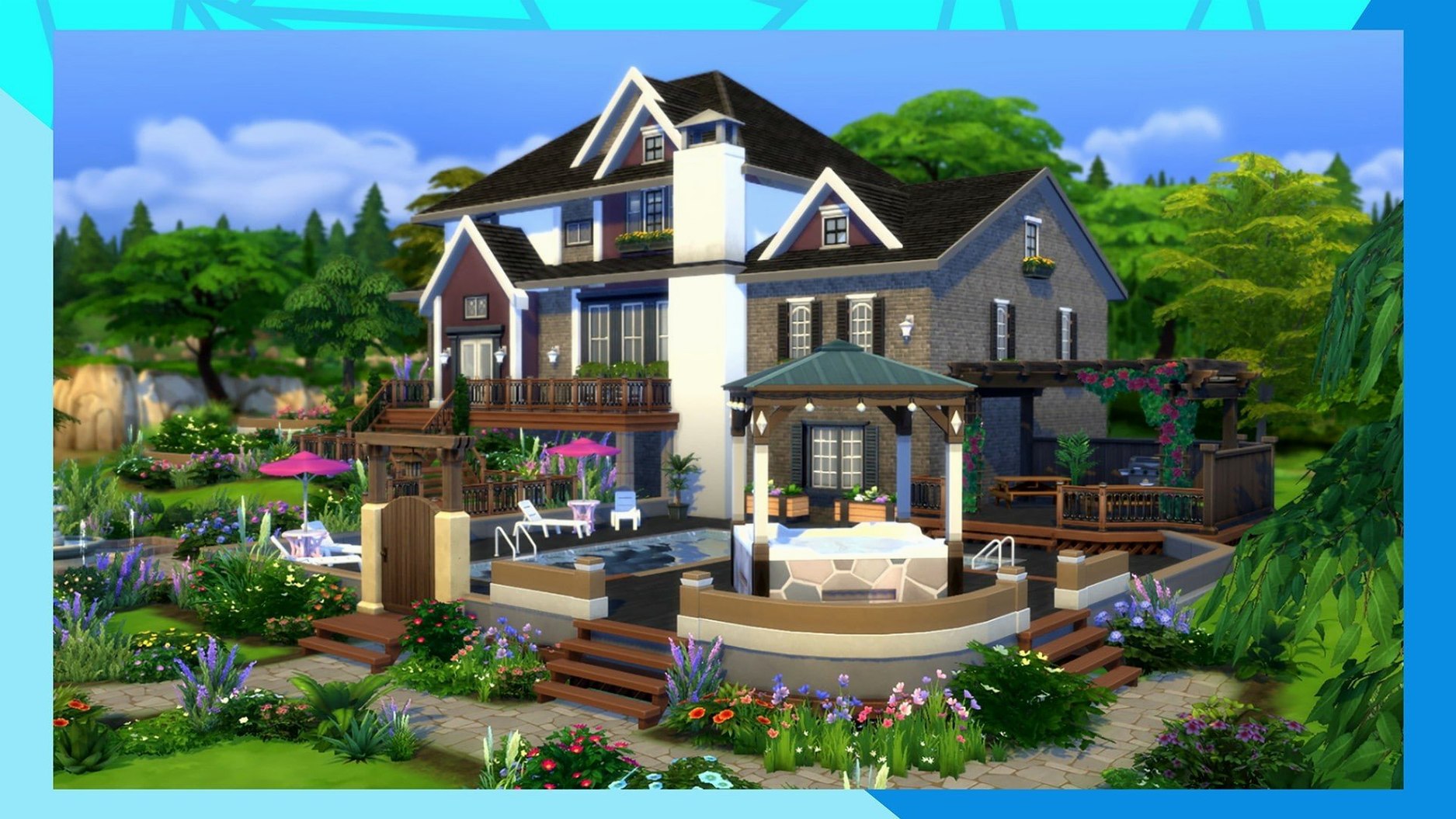
The Sims 4 draws in home-design enthusiasts, storytellers, and anyone who enjoys poking at the small dramas of daily life. A typical session toggles between a handful of core activities.
Create-a-Sim — The character workshop where you sculpt a face, pick a walk style, and assign three personality traits. These traits nudge a Sim toward certain moods and social options later on.
Build mode — A full architectural sandbox. You drag walls, drop windows, and furnish rooms down to the angle of a bedside lamp. Families move into whatever you construct.
Live mode — The bulk of play time. You point a Sim toward the fridge, a guitar, a neighbour, or a job, and watch needs and relationships shift. Needs (hunger, social, fun) sit at the bottom of the screen as coloured bars; when one dips too low, the Sim gets uncomfortable and won't cooperate until you fix it.
Gallery & Marketplace — An in-game browser for downloading other players' homes, rooms, and households. The latest update improved Marketplace browsing and now caches images once they've been fetched, so return visits feel snappier.
How The Sims 4 Stacks Up Against Other Mac Life Sims
Life simulation on the Mac isn't a one‑horse race, though The Sims 4 often feels like the thoroughbred that the others are still trying to catch. When you line it up beside a few notable alternatives, the differences come down to scope, performance, and what kind of sandbox you actually want to play in.
The Sims 2 Super Collection is the veteran on the block, an Aspyr‑maintained port that bundles the base game with a hefty chunk of expansion content. Anyone searching for sims 2 mac download free full version or sims 2 ultimate collection mac download is usually chasing the depth of that older title. And it does bring things The Sims 4 doesn't: a fully open‑world neighbourhood where you can follow a Sim from one end of the street to the other without a loading screen, plus a wants‑and‑fears system that makes Sims feel less like programmable dolls and more like people with genuine anxieties. The trade‑off is age. The Sims 2 Super Collection runs on a 32‑bit wrapper, so its future on modern macOS is shaky, and it lacks the multitasking‑friendly build mode that The Sims 4 refined to near perfection. If you want sprawling, interconnected stories and don't mind the occasional graphical hiccup, The Sims 2 still sings. But for sheer everyday usability on an M1 or M2 Mac, The Sims 4 is the more comfortable chair.
Stardew Valley sneaks into the comparison from a different angle. It's not a direct competitor — there's no Build mode, no personality trait system — but it scratches the same rhythm of daily routine, relationship building, and house furnishing that keeps Live mode compelling. The macOS version runs beautifully on Apple Silicon, and the pixel‑art simplicity means it'll hum along on a MacBook Air without troubling the fan. Where it diverges is in creative agency. Stardew Valley gives you a farm layout and a fixed set of villager schedules; The Sims 4 hands you the entire dollhouse and says, "build the walls, write the drama, and let me know when the kitchen catches fire." For many, that breadth is the whole point.
City Living sims like Cities: Skylines occasionally get dragged into the conversation, but that's a different beast entirely. You're managing infrastructure, not breakfast. The Sims 4 remains the only Mac title where a bad mood over a lumpy sofa can derail an entire Tuesday.
A Builder’s Tuesday Evening
To see how the pieces fit, imagine someone who spends more time in Build mode than Live mode — a player who treats the game as a 3D interior‑design tool. Let's call her Mira. Mira has been collecting screenshots of mid‑century living rooms for weeks, and tonight she's trying to recreate a sunken conversation pit she spotted in a 1960s issue of an architecture digest.
She launches The Sims 4, ignores the household waiting on the other side of the world‑select screen, and heads straight into Build on a vacant lot in Oasis Springs. The first twenty minutes go into the room shell: a rectangle with a lowered floor section, achieved by raising the surrounding foundation and leaving the pit at ground level. She colours the exposed concrete with the in‑game material picker, then starts hunting for low‑profile seating. The game's catalogue filter — by colour, style, and pack — lets her narrow things down quickly. She finds a pair of angular sofas from the base game, places them at right angles, and adjusts their height by holding the Option key for off‑grid placement.
Halfway through, the interior lighting feels flat. Mira remembers that macOS has a built‑in screen‑recording shortcut; she taps Shift‑Command‑5 to grab a still, drops it into Preview, and annotates the areas where a floor lamp might balance the shadows. Then she hops into the in‑game Gallery to see how other builders handled split‑level spaces. The latest update's caching change means the images load almost instantly on her second visit — a small thing, but when you're flicking between twenty inspiration rooms, it shaves off minutes of waiting.
By eleven o'clock the conversation pit is furnished, lit, and play‑tested with a stray Sim she dragged in from the library. Mira saves the room to her personal library and exports it as a tray file, which sits alongside her other creations in the Documents/Electronic Arts/The Sims 4/Tray folder. She might never play a full household in this room, but the act of building it was the game itself.
Fitting The Sims 4 Into a Mac Workflow
The Sims 4 doesn't live in a vacuum. It sits inside macOS and talks to other apps in ways that aren't always obvious at first, but once you spot them, the whole experience becomes more practical.
Spotlight and the Sims 4 folder. The game stores saves, tray files, mods, and screenshots inside ~/Documents/Electronic Arts/The Sims 4. Spotlight indexes that folder, so if you name your households or rooms thoughtfully, you can pull up a specific save file without digging through Finder. Typing "Goth family" into Spotlight might surface the relevant save folder if you've ever tagged a screenshot with that phrase. It's a small workflow win, but it stops the Documents folder from becoming a black hole.
Time Machine and save management. If you rotate saves — keeping a "just before the wedding" backup alongside your main file — Time Machine can become an emergency undo button. The Sims 4 reads saves by slot, so having Time Machine back up the whole saves folder means you can retrieve a version from three hours ago if a mod conflict corrupts your current one. No need to open the game; just enter Time Machine from Finder, locate the save file, and restore it.
Screen recording for storytellers. macOS's built‑in Shift‑Command‑5 tool and QuickTime Player's screen recording option are the quiet workhorses for Sim‑narrative creators. Recording a short clip of a Sim's reaction to a breakup, then trimming it in QuickTime, produces a snippet that can go straight into iMovie or a video editor. QuickTime even lets you record audio from the Mac's internal microphone, so you can lay down a voiceover while the game runs. It's not a replacement for OBS, but it's already installed and surprisingly capable for short captures.
Preview for build planning. The Screenshot folder inside the game's directory fills up fast. Preview's markup tools — arrows, text boxes, simple shapes — are handy for annotating floor plans. Draw a rectangle around a problematic staircase, add a note, and share the marked‑up image with a friend who's better at split‑level builds. No extra software needed.
iCloud and cross‑Mac play. Technically, you can move the entire The Sims 4 folder into iCloud Drive and create a symbolic link from the original location. It's fiddly, but it works: the game follows the link, and your saves appear on another Mac signed into the same Apple ID. The catch is that iCloud sync isn't instant, and launching the game before the sync finishes can lead to missing tray items. Most people are better off copying the folder manually before switching machines, but the option exists for the determined.
Mods and the Finder column view. The Mods folder benefits from Finder's column view when you're troubleshooting. Expanding a column horizontally lets you scan the entire list of .package and .ts4script files, and sorting by Date Modified can help you spot which mod you added just before the game started crashing. It's a low‑tech version of the 50/50 method, but it's fast.
Predictable friction points and their straightforward fixes
Even a well‑patched game has its friction points. The Sims 4 on Mac tends to stumble in a few predictable places, and most of them have straightforward fixes.
The splash‑screen freeze. You double‑click the game, the plumbob spins, and then… nothing. The screen hangs. This almost always traces back to a corrupted cache inside the The Sims 4 folder. The prescribed fix is to open that folder in Documents, pull out the Saves, Tray, and Mods folders to your desktop, then delete everything else. Launch the game; it will regenerate fresh cache files. Once you're in, quit, move your saved folders back, and the freeze usually vanishes. The culprit is often the localthumbcache.package file, which bloats over time and can be deleted even without a full clean.
Mods not loading after an update. Every game update disables mods automatically. Head into Game Options > Other and re‑tick "Enable Custom Content and Mods," then restart. If mods still don't appear, check that any .ts4script files aren't buried more than one folder deep inside the Mods folder — script mods need to sit directly in Mods or one subfolder level down. Also, after a big patch, expect mod authors to need a few days to update their work; running outdated script mods is a reliable path to broken UI elements and invisible Sims.
The "unknown error" when launching through EA App. This one can feel cryptic. Usually it means the EA App's own cache has gone stale. Quit the app completely, open Finder, choose Go > Go to Folder, and enter ~/Library/Application Support/EA App. Delete the cache folder inside, then restart the app. If the error persists, logging out and back into the EA App often forces a fresh token handshake that clears the blockage.
Graphics glitches on Apple Silicon. Occasional flickering shadows or stretched textures on M‑series Macs are a known quirk, not a sign of a failing machine. Turning off Retina display support inside the game's graphics settings usually resolves it — the game was built before Retina‑aware rendering was the norm. If you're comfortable editing a config file, the Options.ini file inside the game folder can also be tweaked: setting uiscale = 100 and reducing the edge‑smoothing value often stabilises the picture.
Language switching confusion. The EA App handles language selection, but it sometimes ignores your preference until you force a repair. After picking a language in the game properties, click Update. If the download looks suspiciously small, it hasn't grabbed the full language pack — a full repair from the app's menu usually fetches the missing strings.
Beginner Mistakes That Muddy the Water
New players tend to trip over the same few assumptions. None of them are fatal, but they can make the game feel unwelcoming when it really isn't.
Treating needs like a suggestion. A Sim with a red hunger bar and a drained social meter won't "push through." They'll refuse to paint, they'll cancel your carefully queued actions, and they might even die. The needs panel isn't background decoration — it's the game's engine. Keeping the bars in the green zone isn't busywork; it's what buys you the freedom to pursue the interesting stuff.
Building without the grid‑snap toggle. The half‑tile placement and free‑placement toggles (activated by holding the Option key or by switching off the grid in the top‑right corner of Build mode) are easy to overlook. Players who don't know about them end up with rooms that feel rigid and furniture that refuses to sit where they want it. Holding Option while moving an object unlocks centimetre‑level placement, and that alone transforms a boxy build into something that breathes.
Ignoring the Gallery as a learning tool. Beginners often assume the Gallery is for downloading finished houses and nothing else. But downloading a room you admire and then deconstructing it — pulling off the roof, peeling back the wallpaper, checking how the builder layered rugs — is a faster education than trial and error. The Gallery is essentially a library of architectural case studies.
Stuffing the Mods folder on day one. The temptation to grab every recommended mod before playing is real, especially when someone mentions a sims 4 dmg or a sims 4 macos torrent that bundles mods alongside the game. But loading fifty mods before you understand the vanilla behaviour makes troubleshooting impossible. Start with a clean game, play for a few hours, and only add a mod when you can articulate exactly what gap it fills. If the game breaks later, you'll know which addition triggered it.
Forgetting that relationships are asymmetric. Just because your Sim is best friends with the neighbour doesn't mean the neighbour feels the same way. The relationship panel shows two bars — your Sim's view and the other Sim's view — and they can drift apart independently.
Version 1.127.41.1030 tidies up the in-game Marketplace. Browsing feels more responsive, and images you've already seen load from a cache instead of re-downloading each time. A handful of bug fixes round out the update.
- macOS Sonoma (tested)
- Apple Silicon (M1, M2, M3) or 64-bit Intel processor
Questions I keep hearing
Does the Mac version run natively on Apple Silicon?
Yes, the current build (1.127.41.1030) runs natively on ARM Macs as well as 64-bit Intel Macs, and has been tested on an M1 MacBook Air with macOS Sonoma.
Which languages are supported in the game?
The interface can be set to one of seventeen languages including English, Japanese, Polish, Swedish, and both Traditional and Simplified Chinese.
Questions from the class 0
Sign in or join the class to ask a question.
Nobody has asked anything yet. If you have used it on a real job, say what the file did.
Also on the Games shelf
The whole Games shelf The Long Dark
Tests your wits against hunger, cold, and wolves in a silent northern wilderness.
The Long Dark
Tests your wits against hunger, cold, and wolves in a silent northern wilderness.
 Thronefall
Builds a compact base by day and defends it by night in stripped-back tactical battles.
Thronefall
Builds a compact base by day and defends it by night in stripped-back tactical battles.
 Timberborn
Commands a colony of beavers to reshape rivers and build layered wooden cities.
Timberborn
Commands a colony of beavers to reshape rivers and build layered wooden cities.
 The Classrooms
Traps you in a shifting, condemned school with only a camcorder and your nerve.
The Classrooms
Traps you in a shifting, condemned school with only a camcorder and your nerve.
 The Binding of Isaac Rebirth+
Fires tears through a basement of monsters in a run that changes every time you play.
The Binding of Isaac Rebirth+
Fires tears through a basement of monsters in a run that changes every time you play.
 Terraformers
Builds Martian colonies and manages civic life on a procedurally randomised planet.
Terraformers
Builds Martian colonies and manages civic life on a procedurally randomised planet.
 Total War: PHARAOH DYNASTIES
Rewrites a Bronze Age grand strategy game with four new cultures and deeper court politics.
Total War: PHARAOH DYNASTIES
Rewrites a Bronze Age grand strategy game with four new cultures and deeper court politics.
 Tennis Elbow 4
Simulates professional tennis matches.
Tennis Elbow 4
Simulates professional tennis matches.