 ASPNetWorld

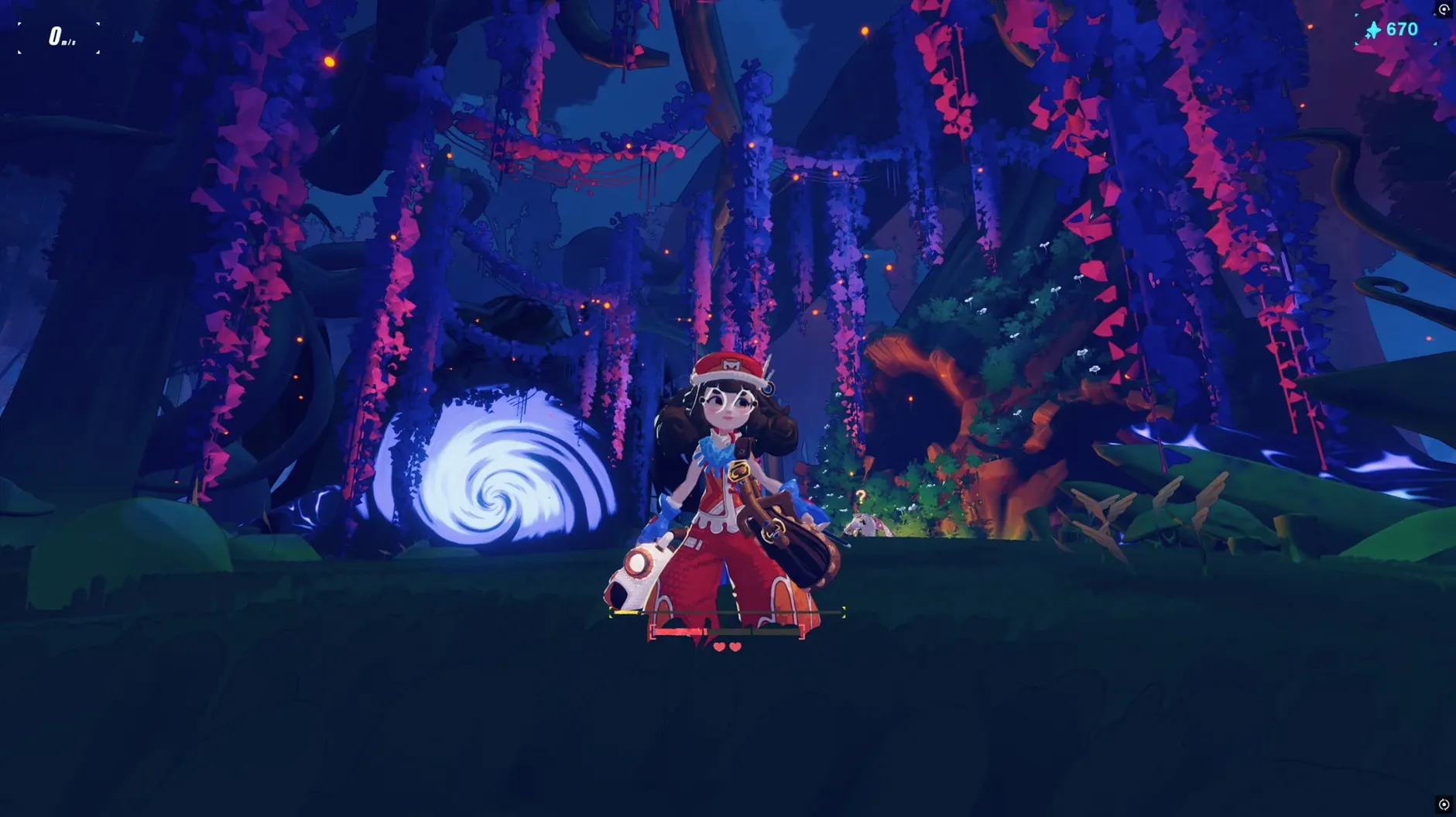
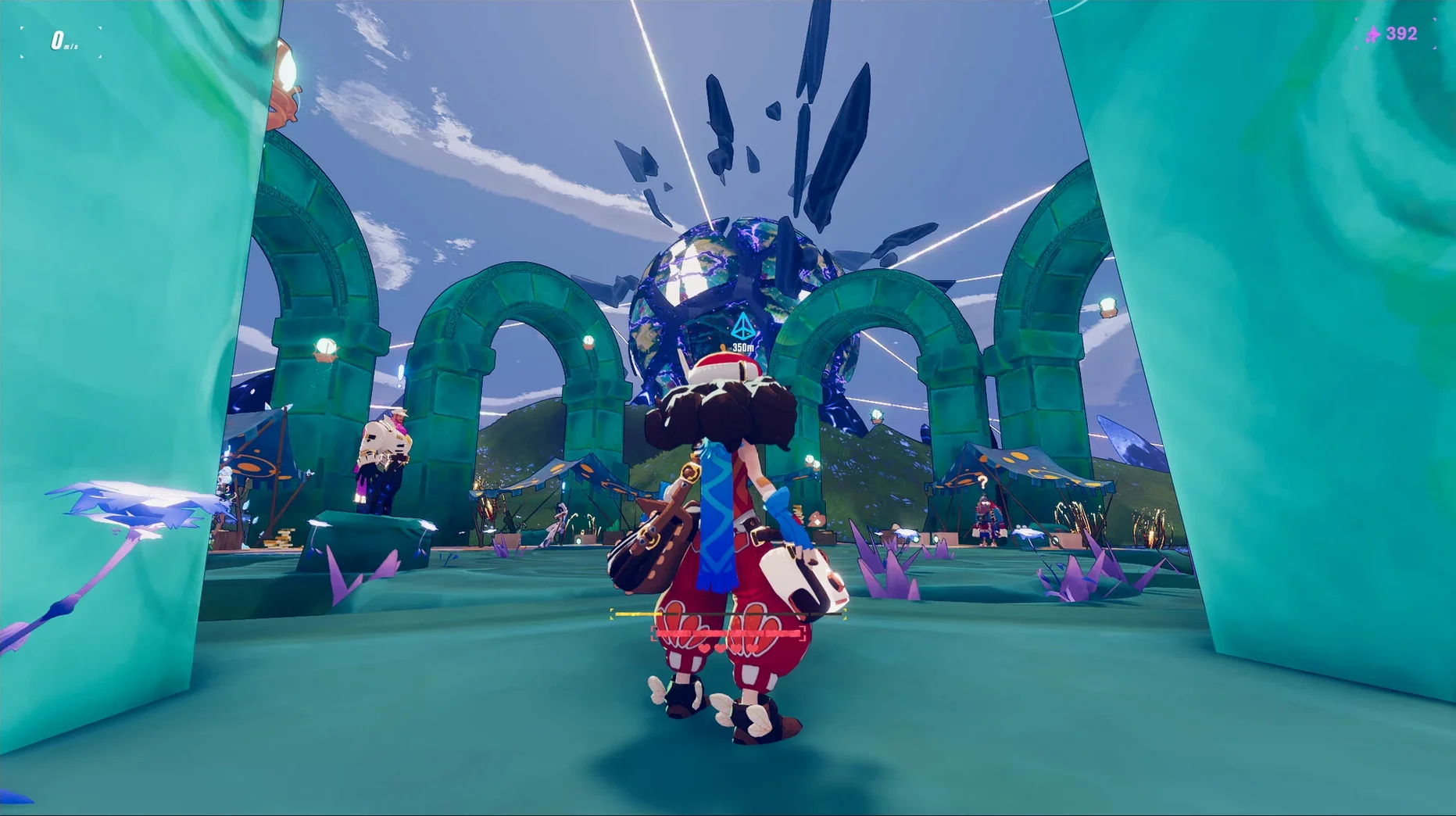
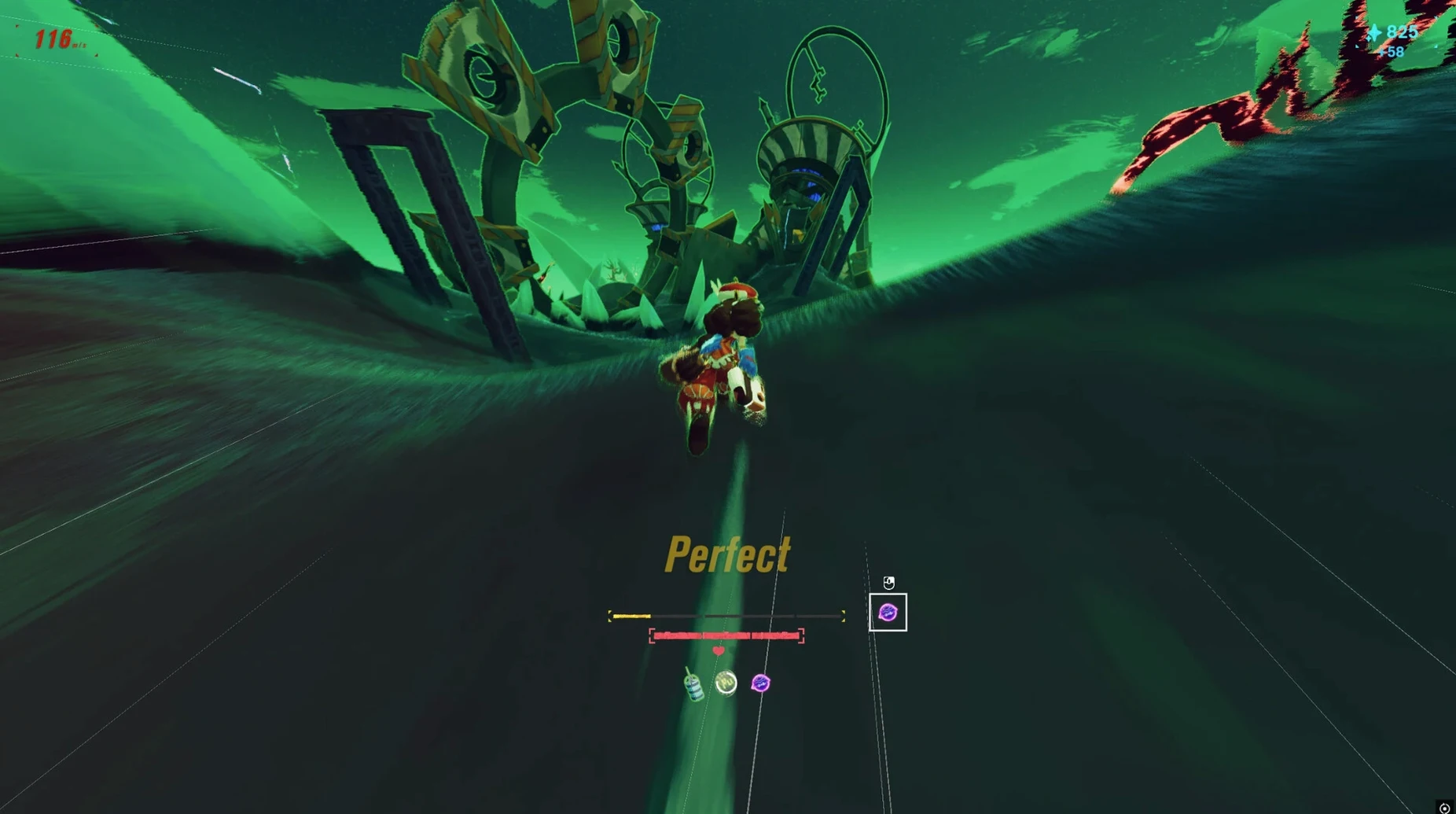
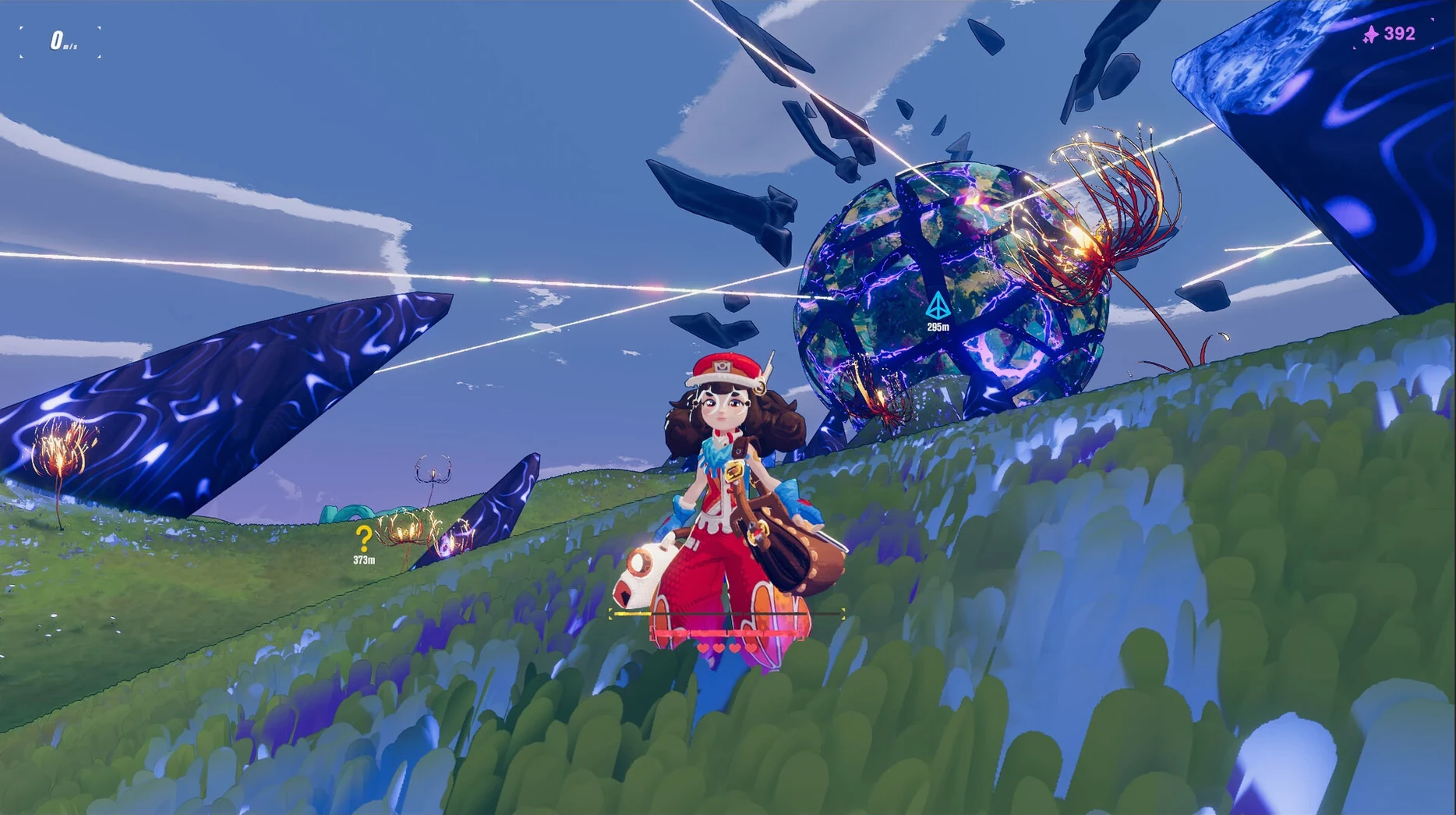
There is a particular restlessness that comes from knowing the ground beneath you won't hold. The problem Haste solves is one of momentum: how to keep moving forward when every world is designed to fall apart under your feet. You play as Zoe, a Courier racing through Shards — fragments of a universe that are procedurally generated and structurally impatient. Each level is a long, downhill sprint through terrain that disintegrates behind you, so standing still is never really an option.
Every run drops you into a fresh course you must read on the move
- Drop into a Shard. Each run places you at the top of a procedurally generated course. The layout is different every time, so you learn to read the landscape rather than memorise a route. The moment you land, the collapse timer starts its quiet countdown.
- Build speed with movement skills. Running is the foundation, but chaining slides, wall-runs and well-timed jumps is what keeps you ahead of the destruction. The controls reward rhythm — a slide into a slope, a hop over a gap, a sharp turn that barely holds. It feels less like a platformer and more like a fluid chase.
- Use items and abilities to buy yourself time. Scattered across each Shard are pickups that briefly alter your momentum: speed boosts, grappling hooks, and tools that let you reshape a section of the terrain. Choosing when to use them is half the tension, because you never know what the next bend will throw at you.
- Cross the finish line before the world caves in. Reach the end of the Shard and you are shunted into the next fragment. Fail, and you watch the ground swallow Zoe whole before you reset. Online co-op lets you share this panic with friends, and an endless mode unlocks for those who prefer their pressure with no finish line at all.
Through all of this, the game supports Steam Workshop, so player-made Shards can twist the formula further. One playthrough can also be shared across platforms — Steam, consoles, and the Windows Store — which keeps your progress tethered no matter where you play.
A runner's workflow: clearing a Shard without losing your nerve
The key to Haste is not raw speed, but what I call managed panic. Here is a workflow I settled on after the third Shard handed me a particularly cruel chain of collapsing bridges.
- Survey the opening three seconds. You always spawn with a brief view of the slope ahead. Use that heartbeat to pick a line — left for a cave system that might hold items, right for a cliff edge that rewards wall-running. The timer hasn't started yet, so there is no penalty for a short breath.
- Chain slides early, not late. A common mistake is saving slides for dramatic escapes. Slide the moment you hit a decent gradient. It builds speed faster than sprinting and keeps your hitbox low enough to slip under falling debris. If you hear the collapse sound cue shift in pitch, you have left it too late.
- Burn items on the flattest terrain. The grappling hook and speed boosts feel wasted on a steep downhill where gravity does the work. Save them for the flat stretches where Zoe's pace naturally dips. A well-timed boost across a crumbling plateau often saves more time than using it on a slope you would have cleared anyway.
- Read the procedural tells. The generation system places certain landmarks — a twisted tree, a stone arch — before the terrain shifts in difficulty. Learn these cues and you start reacting half a second earlier, which is often the difference between a clean exit and a reset.
From a quiet launch to the moment the ground gives way
You open Haste on a quiet evening, perhaps after a day when the urge to outrun something feels appropriate. The menu settles into view with little ceremony — just Zoe standing on a fragment of ground, the universe behind her already fraying at the edges.
You pick a Shard you have not yet cleared. The third one, say, because the second one taught you that wall-running is no longer optional. The procedural seed spins up a layout you have never seen: a canyon this time, with narrow ledges and a river of something luminous far below. You start running.
The first thirty seconds go well. You slide under a rockfall, chain a jump into a wall-run, and snag a grappling hook from a crumbling pillar. Then the canyon narrows and the collapse sound shifts — a deeper rumble that means the terrain behind you is breaking in larger chunks. You misjudge a turn, catch the lip of a ledge instead of clearing it, and Zoe stumbles. The ground beneath her vanishes. Reset.
You go again. The layout is different — a forest of stone spires this time — but your hands now know the rhythm. You reach the halfway point with a speed boost still in reserve, use it on a flat bridge section, and cross the Shard's finish line with a satisfying lurch as the world behind you finally gives way. The game logs your time and quietly unlocks the next fragment. You quit for the night, but the leaderboard ghost of your own run is already waiting for tomorrow's attempt.
One Courier, one afternoon
Consider someone who plays games not for completion but for the feel of a system under their fingers — a drummer, maybe, or a musician who practises scales until they become instinctive. For them, Haste is not really about the bosses or the Shard count. It is about the private satisfaction of a perfect run, where every slide chains into every jump and the collapse never catches them.
They might spend a Sunday afternoon on a single Shard, not because they are stuck, but because they are chasing a cleaner line. They notice that the grappling hook fires slightly faster if you are already in a slide. They learn that the fourth boss telegraphs its sweep attack with a twitch of its left limb. When a friend drops into their session via online co-op, the dynamic shifts — now the run is a shared rhythm, two Couriers calling out terrain cues and groaning in unison when one of them mistimes a jump. After the session ends, they browse the Steam Workshop for a player-made Shard that looks punishing, something to sharpen their timing against. The afternoon slips by, measured not in progress bars but in runs attempted and runs survived.
The press kit for version 1.11.c marks the release date as April 1, 2025, bringing the full collapsing-universe race to Mac players.
- macOS (supports both Apple Silicon and 64-bit Intel Macs)
- Internet connection required for online co-op
Questions I keep hearing
Can I play through the whole game with friends?
Yes, Haste has online multiplayer co-op that lets you play the entire game with other Zoes, sharing the chaos as each Shard collapses.
What does 'procedurally generated' mean here?
It means the layout of each Shard — the slopes, gaps, and item placements — is assembled by the game on the fly, so no two runs follow the same path.
Questions from the class 0
Sign in or join the class to ask a question.
Nobody has asked anything yet. If you have used it on a real job, say what the file did.
Also on the Games shelf
The whole Games shelf Hearts of Iron IV
Directs a single nation through the full machinery of World War II.
Hearts of Iron IV
Directs a single nation through the full machinery of World War II.
 Hello Kitty Island Adventure
Invites you to restore a pastel island alongside familiar Sanrio friends.
Hello Kitty Island Adventure
Invites you to restore a pastel island alongside familiar Sanrio friends.
 Half-Life Blue Shift
Adds a fresh security-guard campaign to the original Black Mesa disaster.
Half-Life Blue Shift
Adds a fresh security-guard campaign to the original Black Mesa disaster.
 Heroes of Might and Magic II: Gold Edition
Lays out a turn-based fantasy kingdom where every considered move counts.
Heroes of Might and Magic II: Gold Edition
Lays out a turn-based fantasy kingdom where every considered move counts.
 Hades
Turns each death into a fresh conversation in a story-driven dungeon crawl.
Hades
Turns each death into a fresh conversation in a story-driven dungeon crawl.
 GRIME II
Lets you absorb and summon the forms of every creature you defeat.
GRIME II
Lets you absorb and summon the forms of every creature you defeat.
 Hollywood Animal
Steers a fledgling film studio through decades of creative and business turmoil.
Hollywood Animal
Steers a fledgling film studio through decades of creative and business turmoil.
 Granny Remake
Traps you in a dark house where every sound alerts a hunting keeper.
Granny Remake
Traps you in a dark house where every sound alerts a hunting keeper.