 ASPNetWorld

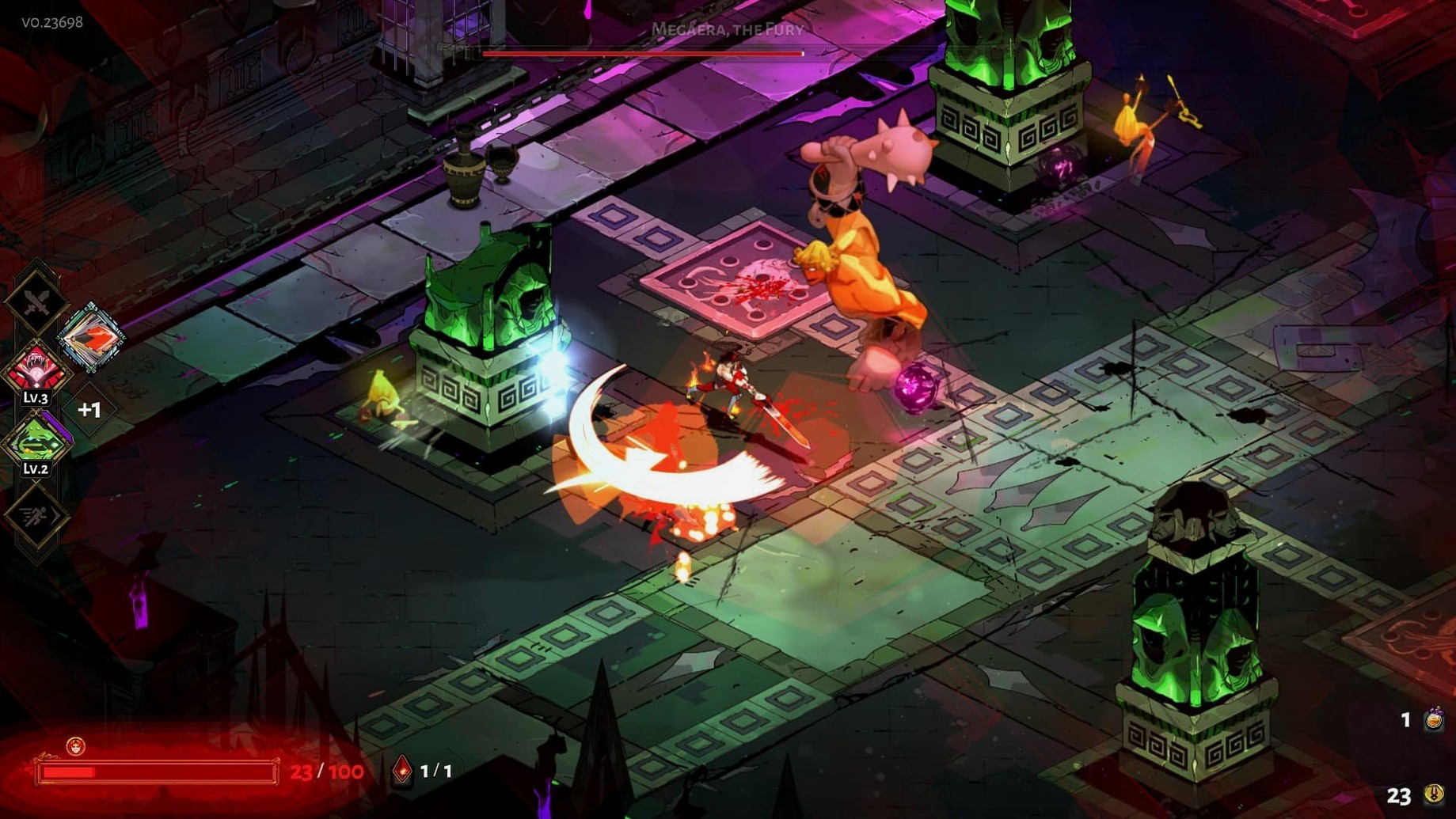
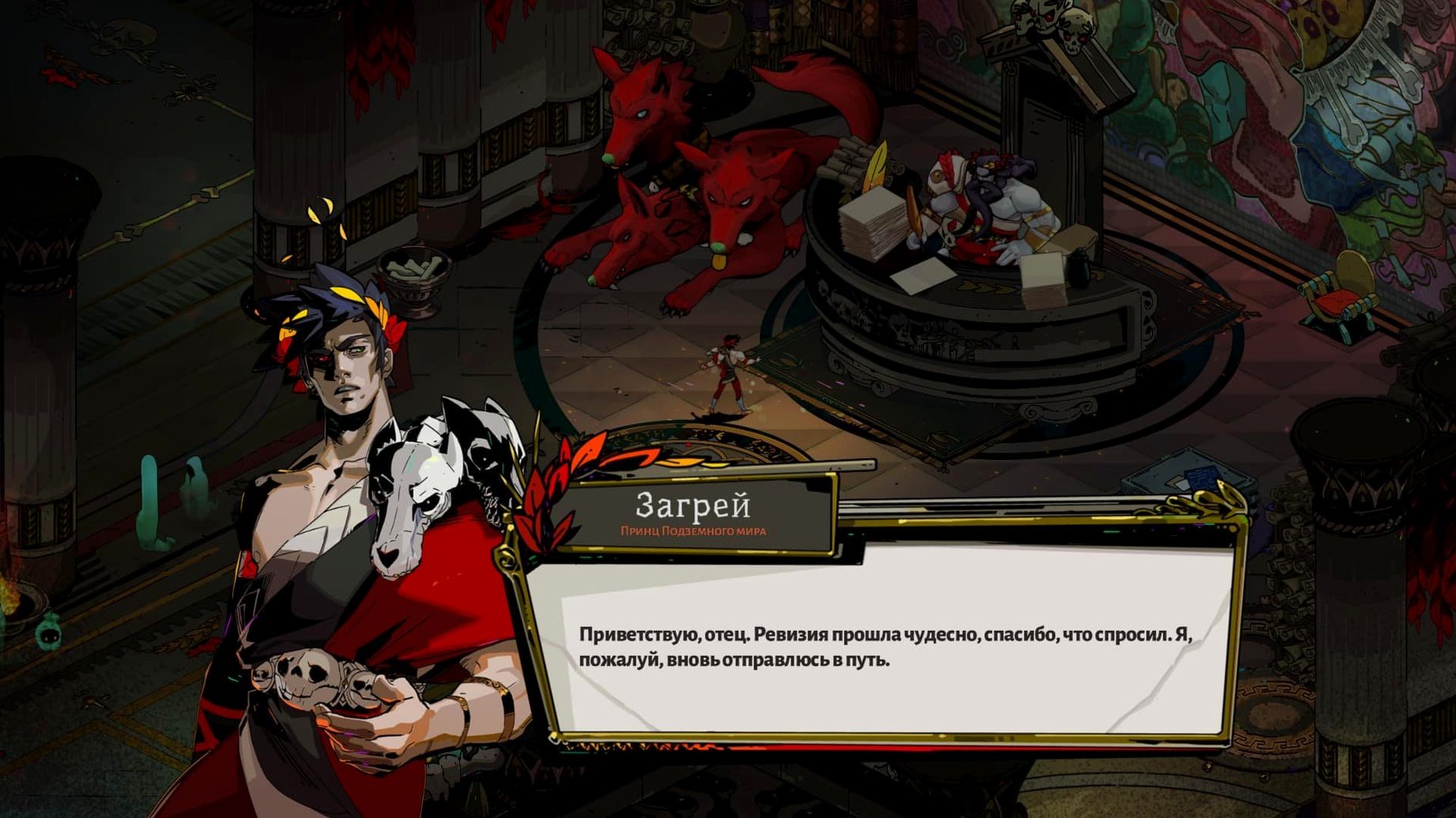
Nearly two dozen fully voiced characters await you in the House of Hades, and they all have something to say about your latest death. That's the first clue this isn't a typical dungeon crawler — dying isn't failure, it's how the story moves forward.
The full 1.0 narrative arc comes in the box
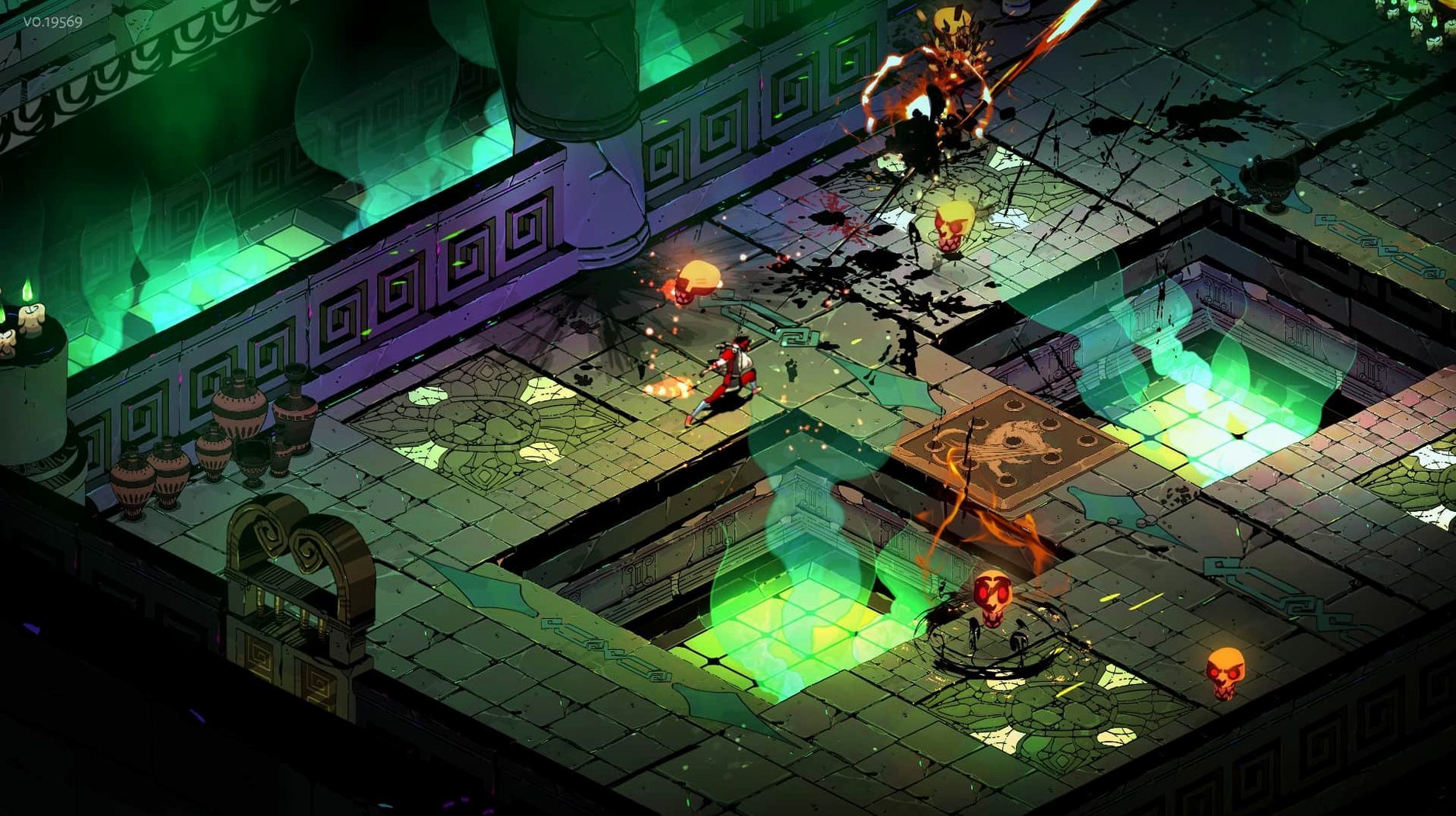
The package is refreshingly straightforward. You get the complete game as it stood at the 1.0 launch, with all four main biomes, the full arsenal of Infernal Arms, and the complete narrative arc that earned it such a following. There are no piecemeal DLC chapters or cosmetic packs to chase down. The original Darren Korb soundtrack is baked right in — that gorgeous blend of Mediterranean folk and driving rock sits in the game files, not in a separate download. Hand-drawn locations, from the fiery chambers of Tartarus to the overgrown ruins of Elysium, render in a style that owes as much to graphic novels as it does to Greek vase painting. The interface supports ten languages including Russian, Japanese, and Simplified Chinese, with the voice acting remaining in English across the board.
The Night Mirror and the long game
Early runs will humble you. Zagreus starts with nothing but a sword and a bad attitude, and the first few chambers teach you just how fragile that combination is. The Night Mirror, tucked away in your bedroom in the House of Hades, is where those defeats turn into leverage. Darkness collected during runs buys permanent stat upgrades — extra dashes, a second chance at death, backstab damage multipliers. It's the classic roguelike loop, executed with unusual care: each failed escape attempt funds the next one, and the dialogue system tracks your progress so other characters react to where you died, who you fought, and whether you've finally figured out how to dodge the bone hydra. By the time you're stringing together full clears, the game has quietly trained you into a much sharper player than the one who first picked up Stygius.
Escaping Elysium: a practical run breakdown
Let’s walk through a mid-game escape attempt where you have access to a few weapon aspects and a handful of Mirror upgrades. The goal is a clean Elysium clear — the third biome, and the point where many runs unravel. Start by selecting the Shield of Chaos with the Aspect of Chaos, which throws multiple shields after a Bull Rush. Before leaving the House, equip the Owl Pendant keepsake from Athena. This guarantees her boon will appear in the first chamber, and Divine Dash is the single most forgiving tool you can carry through the spear traps and chariots ahead.
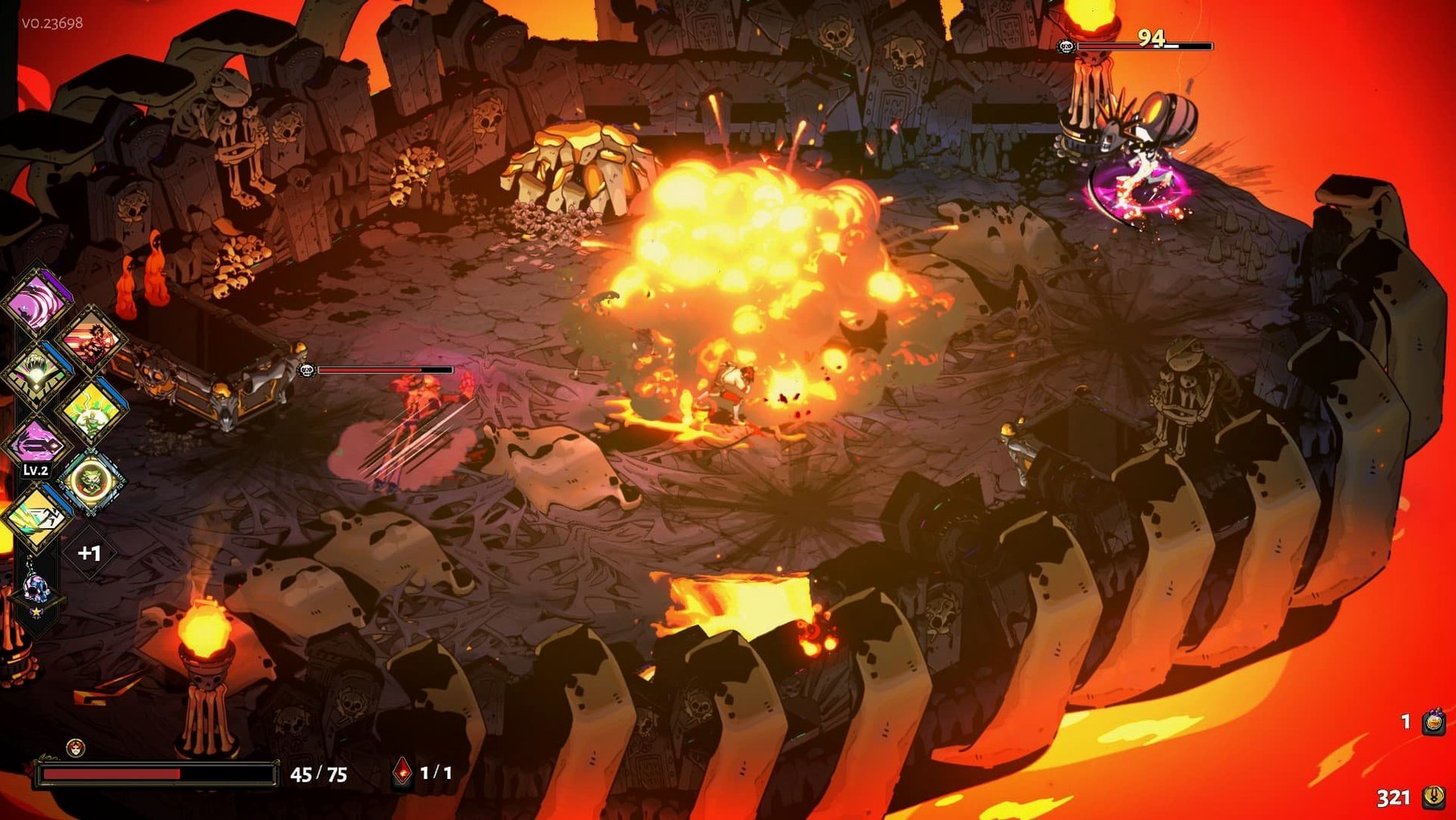
Tartarus dictates the early build. Prioritise Daedalus Hammers over everything else — a hammer transforms the shield throw into a bouncing nightmare that can handle the Witches’ Circle miniboss without breaking stride. By the time you reach Asphodel, you want Poseidon’s knockback on your special and at least one Chaos boon boosting attack damage. The lava-flooded platforms here punish stationary play, so lean into dash-attacks and resist the urge to trade hits with the Hydra. In Elysium itself, the butterfly-spewing Soul Catchers and the shielded Greatshields are the run-killers. Hang back, let the shield bounce, and never fight in doorways. Theseus and Asterius will test whether you have enough burst damage to drop the Minotaur before the chariot phase kicks in; if you do, the second half of the fight becomes a patient game of dodging spear thrusts while poking Theseus from behind a pillar. A clean Elysium clear with two Death Defiances still intact means you have a real shot at the final boss.
Dead Cells trades scattered lore for breakneck tempo
Put Hades next to Dead Cells and Enter the Gungeon, and the differences in philosophy become obvious quickly. Dead Cells is built around breakneck combat tempo and a sprawling weapon pool, but its narrative amounts to scattered lore rooms and a silent protagonist. Enter the Gungeon leans harder into bullet-hell patterns and a lighthearted tone, where the metaprogression is largely about unlocking items rather than advancing character relationships. Hades pulls in the other direction — the combat is kinetic but the pacing between runs is deliberately slow, filled with conversations that actually change based on what you did during the last attempt. For players who bounced off the minimal storytelling in similar roguelikes, that distinction lands hard.
Structurally, Hades is also more generous with its permanent upgrades. The Mirror and weapon aspects let you target specific power gains instead of praying for a lucky blueprint drop, and the keepsake system means you can steer your build before a run even starts. Where Dead Cells demands you adjust to what the game hands you, Hades invites you to plan. If you are replaying on a Mac after grabbing the Hades game torrent, that planning loop feels even tighter — the shorter runs fit neatly into a lunch break, and the dialogue system makes sure you always have a thread to follow.
Daily-driver notes: speed, chug, and stability
On the tested MacBook Air M1 running Sequoia, the game runs through Rosetta without complaint. Loading times between chambers hover around three to four seconds, and the hand-drawn art scales cleanly even on the built-in display. Frame pacing holds steady through the busiest Elysium rooms, including the Theseus fight with multiple chariots and butterfly swarms on screen. I have not seen a hard crash across dozens of hours, and the only quirk worth mentioning is that the game sometimes takes a beat longer to recognise a controller if you plug it in after launching — a quick restart sorts that. Memory pressure stays modest, leaving plenty of headroom for a browser and music app in the background. If you come to this version via the hades mac download after spending time with Hades II, the original feels noticeably leaner on its feet, partly because the enemy density feels tuned for the smaller arenas of the first game rather than the wider spaces of the sequel.
- macOS (Intel architecture, 64-bit)
- Runs on Apple Silicon via Rosetta 2
Questions I keep hearing
Does the game run natively on Apple Silicon?
The listed architecture is 64-bit Intel, so it runs via Rosetta 2 on Apple Silicon Macs — tested and working on macOS Sequoia with an M1 MacBook Air.
Questions from the class 0
Sign in or join the class to ask a question.
Nobody has asked anything yet. If you have used it on a real job, say what the file did.
Also on the Games shelf
The whole Games shelf Half-Life Blue Shift
Adds a fresh security-guard campaign to the original Black Mesa disaster.
Half-Life Blue Shift
Adds a fresh security-guard campaign to the original Black Mesa disaster.
 GRIME II
Lets you absorb and summon the forms of every creature you defeat.
GRIME II
Lets you absorb and summon the forms of every creature you defeat.
 Granny Remake
Traps you in a dark house where every sound alerts a hunting keeper.
Granny Remake
Traps you in a dark house where every sound alerts a hunting keeper.
 Haste
Races you through crumbling worlds where the ground disintegrates underfoot.
Haste
Races you through crumbling worlds where the ground disintegrates underfoot.
 Going Medieval
Guides a deeply personal colony of settlers through a harsh medieval world.
Going Medieval
Guides a deeply personal colony of settlers through a harsh medieval world.
 Hearts of Iron IV
Directs a single nation through the full machinery of World War II.
Hearts of Iron IV
Directs a single nation through the full machinery of World War II.
 Hello Kitty Island Adventure
Invites you to restore a pastel island alongside familiar Sanrio friends.
Hello Kitty Island Adventure
Invites you to restore a pastel island alongside familiar Sanrio friends.
 Goblin Sushi
Serves frantic goblin-run sushi shifts that reset every two minutes.
Goblin Sushi
Serves frantic goblin-run sushi shifts that reset every two minutes.