 ASPNetWorld
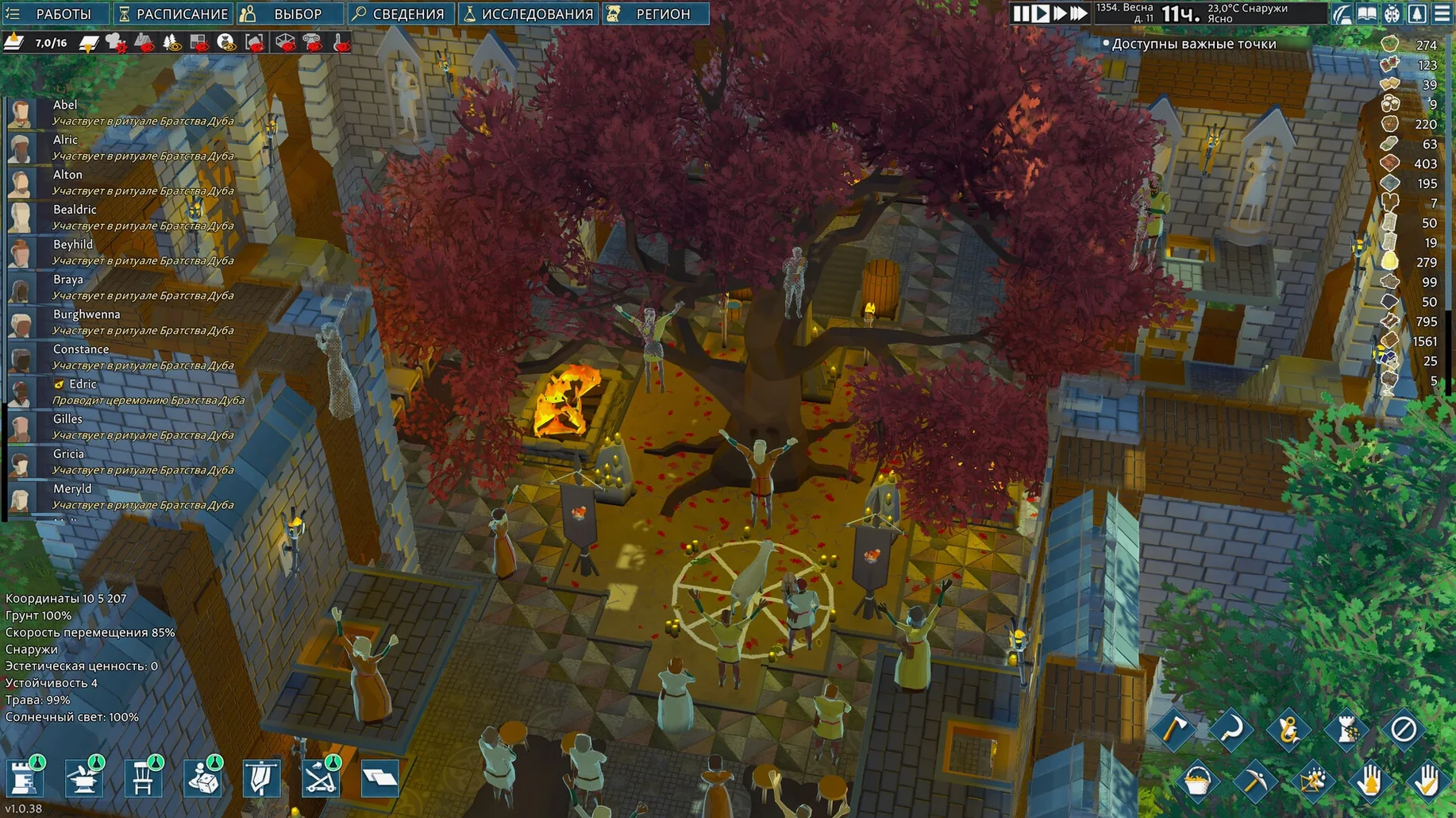
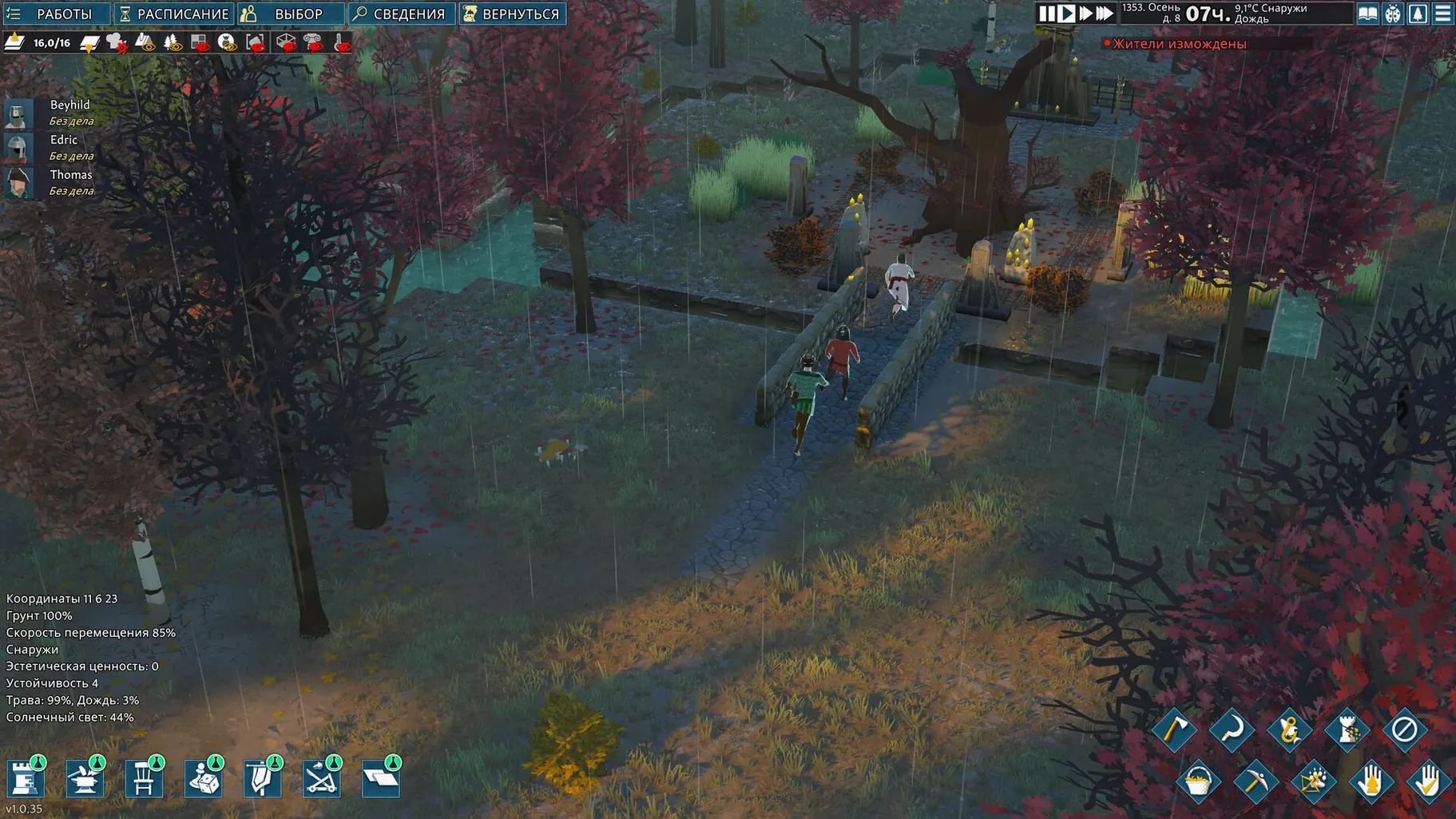
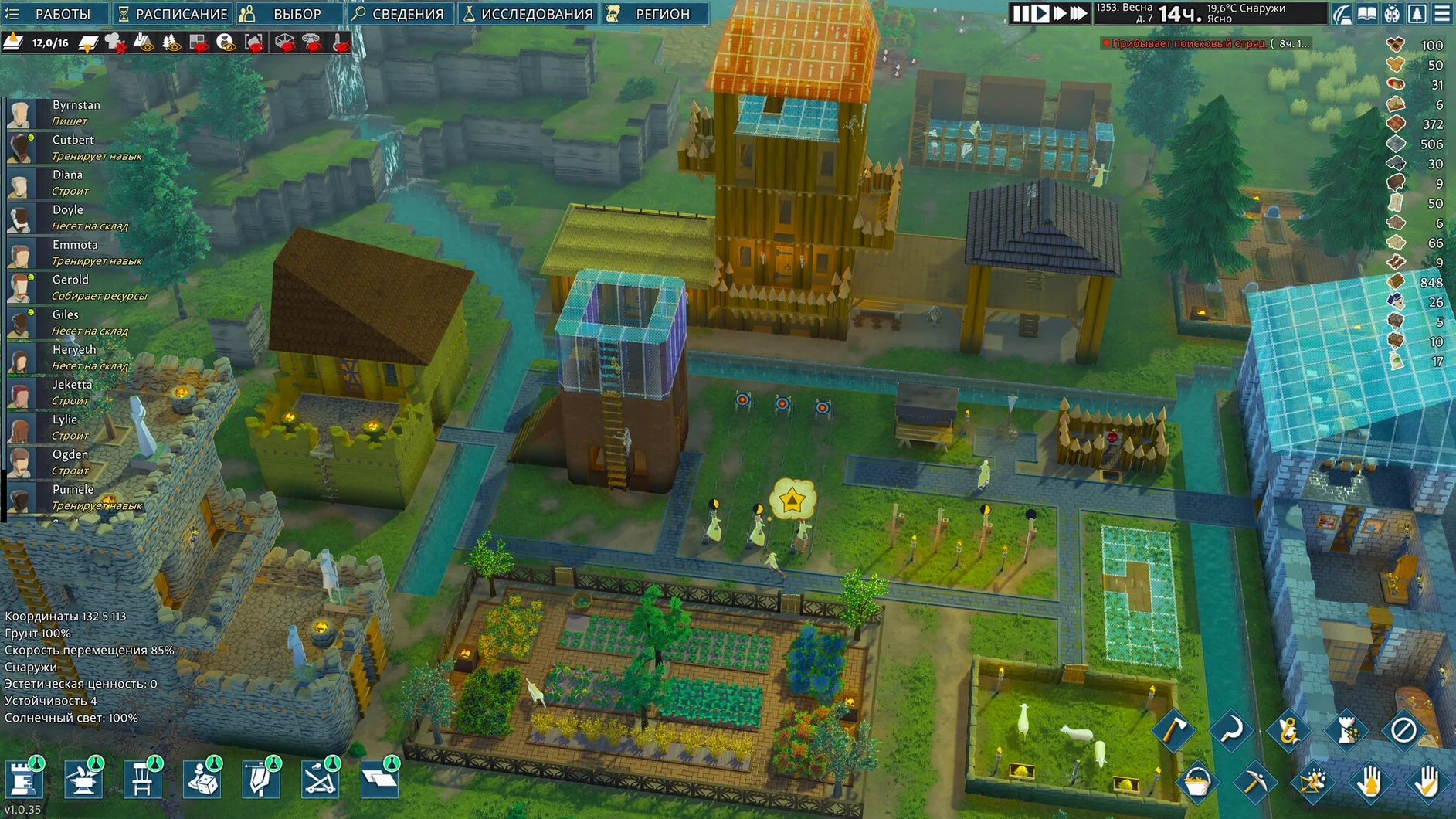
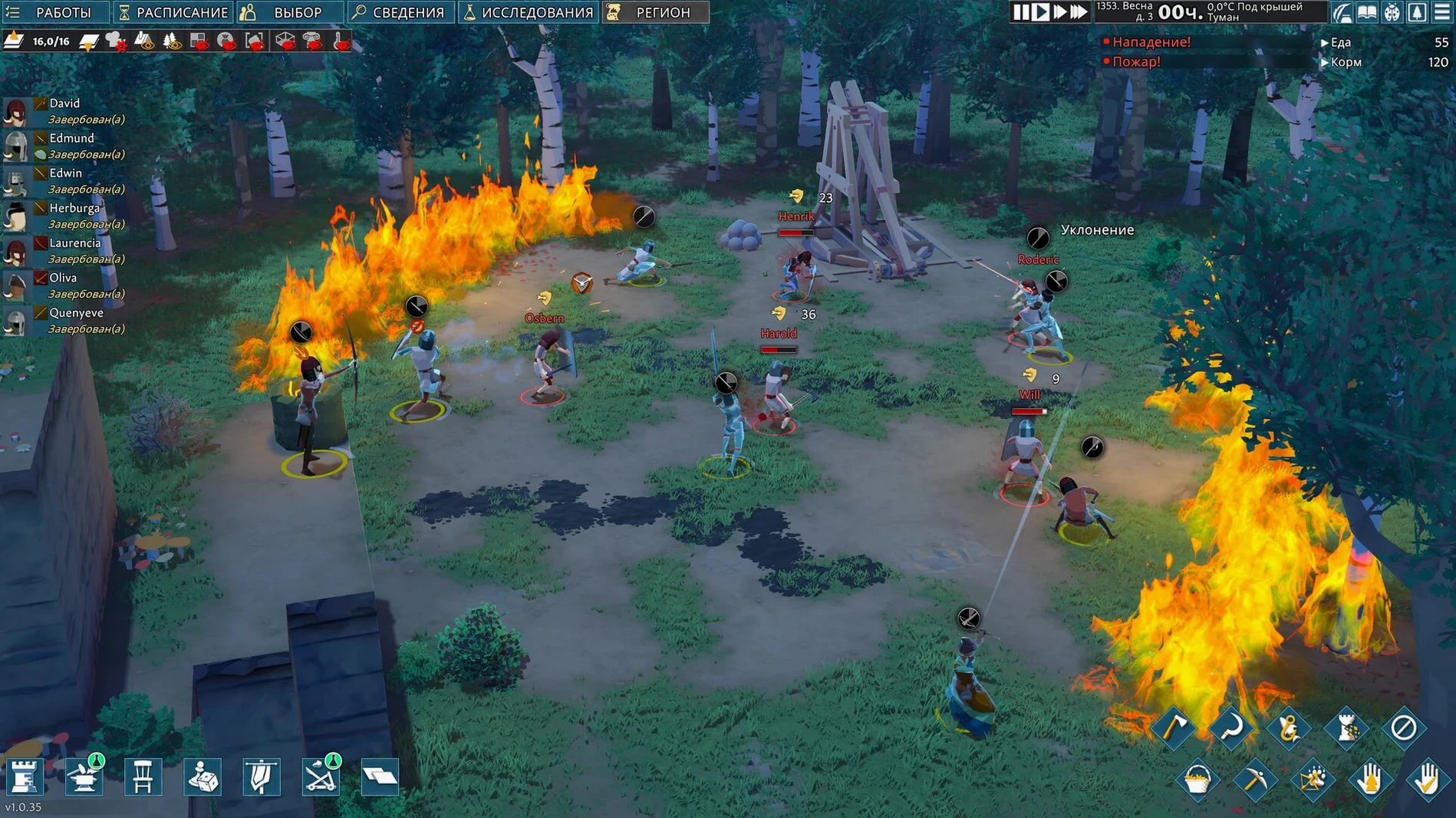
It tends to attract the kind of person who names their settlers, mutters at a badly placed roof beam, and feels genuinely wounded when a favourite character catches an arrow. Going Medieval isn't a brisk city painter — it's a slow, often punishing, deeply character-driven colony sim set in a world where the plague has done its worst and the wilderness has swallowed what remained.
What does the game actually ask of you?
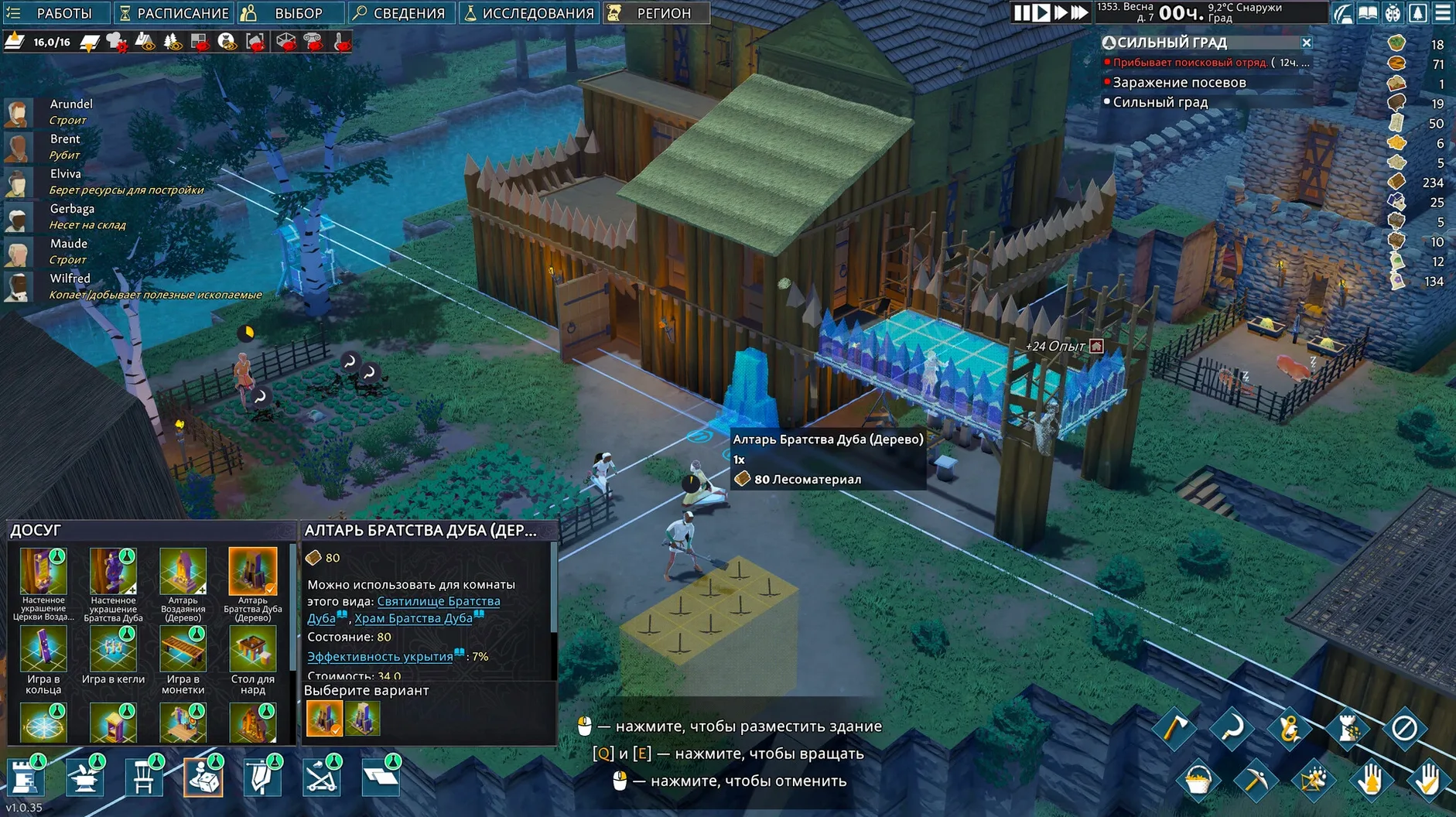
You guide a handful of survivors through the seasons, digging clay, hauling stone, and shaping a settlement that feels lived in. Research unlocks medieval inventions piece by piece, and you build proper rooms — halls, workshops, chapels, libraries — not just floor tiles. Every structure has a purpose, and the game cares where you put it.
Why do the settlers matter so much?
Each one arrives as a unique character with traits, background, and a set of needs you ignore at your peril. One might be a cheerful optimist who offsets a pessimist's gloom; another might refuse to haul because it's beneath them. Managing their moods is as much a part of the architecture as the walls themselves.
When does it stop being a builder and start being a fight?
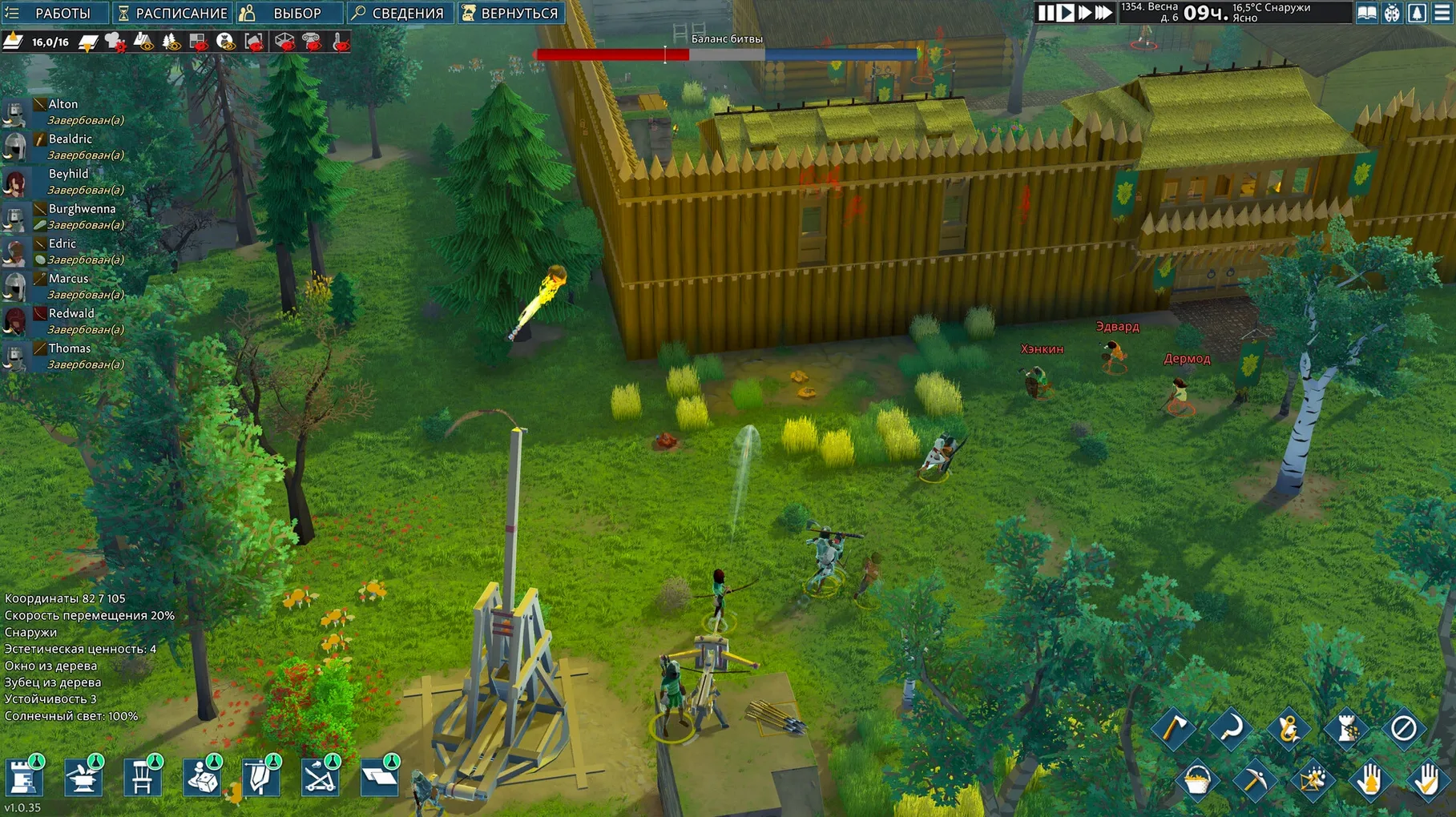
The moment raiders appear at your gate. You equip your settlers, draft them into position, and command them directly in battle. It is not a wargame, but the combat is blunt and personal — the blacksmith you trained all winter might not come back inside the keep.
The deliberate pace and acceptance of loss turns some away
If you want a fast city painter with gentle curves and instant results, this will frustrate you. The pace is deliberate, the systems have edges, and losing is part of the design. People who need total control without emotional cost may find it exhausting rather than gripping.
Build a single shared shelter before digging grand cellars
Start small and stay near the ground. Your first instinct might be to dig deep cellars or raise a grand tower, but early settlers are slow and easily exhausted. Focus on a single shared sleeping space with a roof that actually keeps the rain off, a stockpile zone that sits close to your work sites, and a campfire with a few stools around it — the mood boost from eating at a table is real and easy to miss when you are rushing towards research.
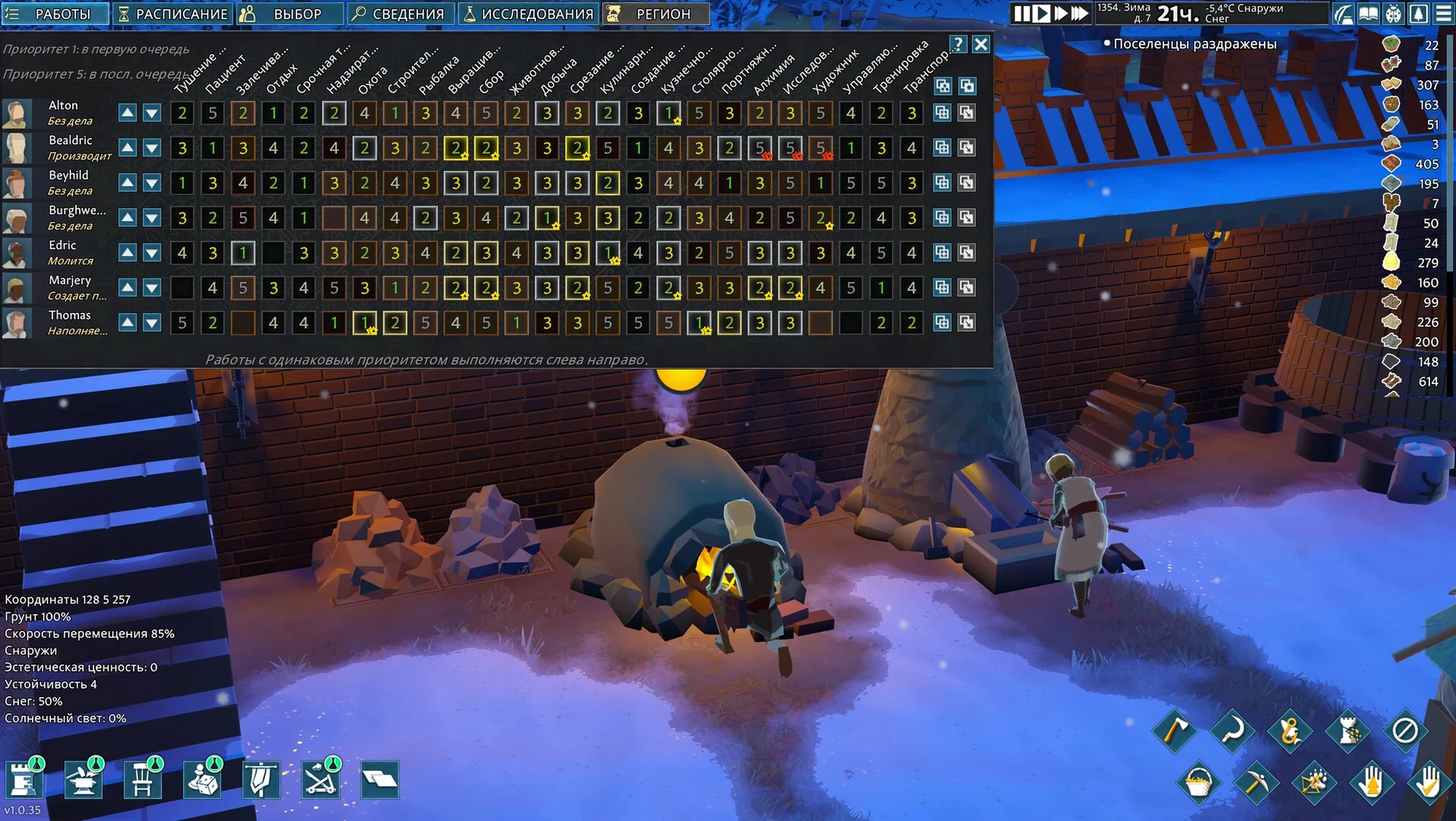
Give every settler a dedicated hauling slot in the work priorities tab. It sounds dull, but a settlement that cannot move stone to the stonemason’s bench grinds to a halt before winter hits. Also, check the wildlife tab on day two: marking a few deer or boars for hunting early builds a food buffer that prevents that desperate mid-January scramble through the snow.
Hold Alt to tuck a crop zone into an awkward corner
Holding Alt while placing a stockpile or growing zone lets you ignore grid snapping, so you can tuck a cabbage patch into an awkward corner between the chapel and the outer wall. The room overlay — toggled with a small icon in the bottom-right corner — tells you instantly why your library refuses to register as a library, usually because a single wall segment is missing a roof tile or the wrong door is fitted.
If you right-click a settler and select “Direct control,” you can manually lead them away from danger or towards urgent work without rewriting the entire priority system. It is a tiny thing, but during a bandit attack it saves lives. Build a wicker chest and set it to accept only meals and herbal remedies near the barracks; your defenders will resupply without a long trek to the larder.
A trader who digs in
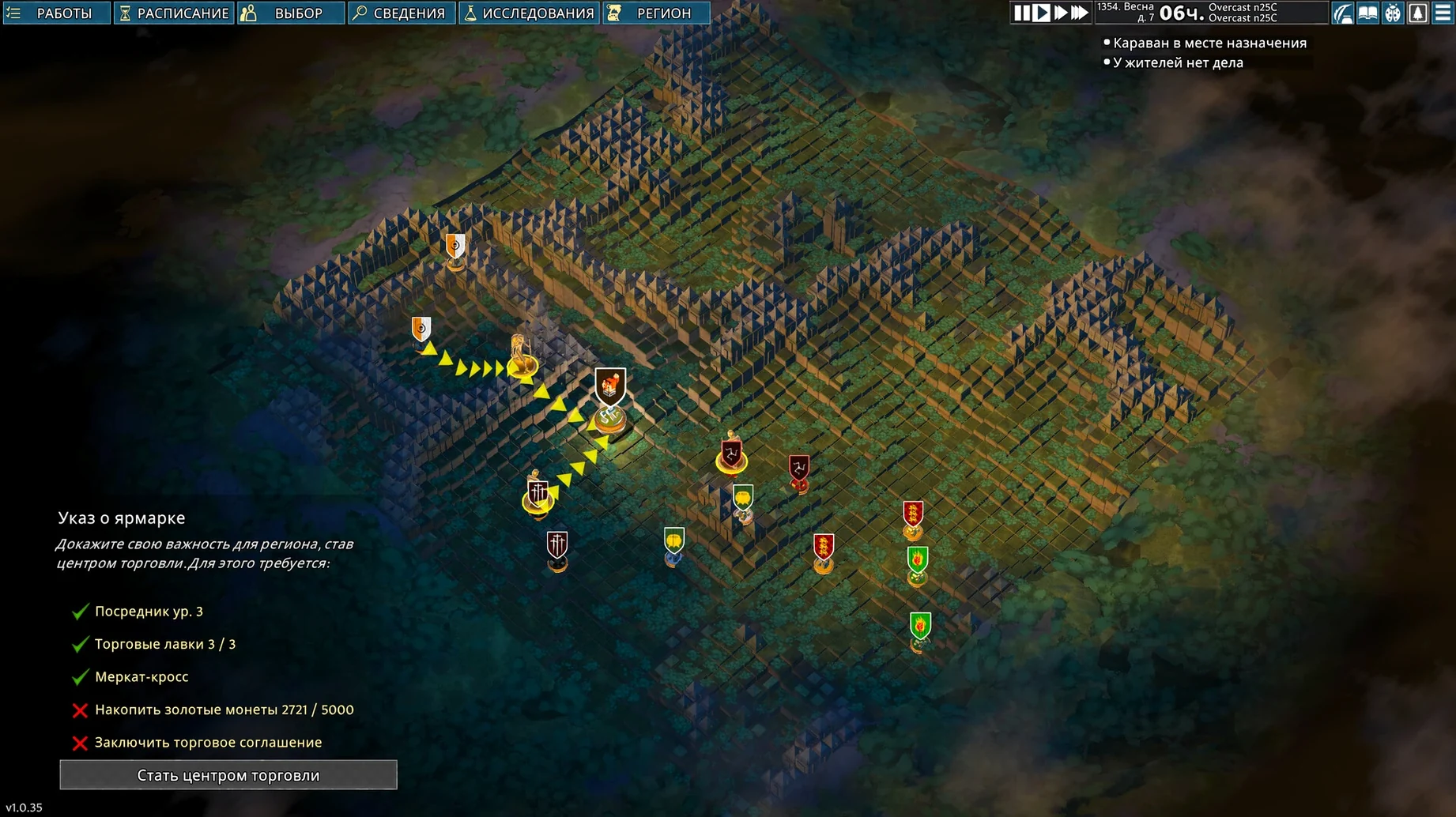
Consider a player who never intended to fight at all. They set up on a hillside with rich clay deposits, built three kilns, and ran a quiet ceramics trade — clay bowls, decorative pots, the lot. Friendly caravans came often, and the settlement grew fat on bartered steel and medicine. Then a raiding party arrived from the north-west, torched half the workshops, and killed the only settler who could negotiate trade deals.
What followed was not a military campaign but a slow rebuilding shaped by loss. The surviving cook took over smithing because nobody else would. A teenage recruit learned archery not by training but because traps alone could not hold the next wave. That is the game at its best: not when you win a fight, but when you work around the scars and carry on. If you find a copy labelled Going Medieval torrent macOS while searching, you are still getting the same unsentimental colonial sim — the drama comes from your settlers, not the distribution.
- Tested on macOS Tahoe
- Apple Silicon Mac
Questions I keep hearing
Does the Mac version run natively on Apple Silicon?
The current build is labelled 1.1.12 [Wineskin] and was tested on a Mac mini 2024 M4 with macOS Tahoe — it runs via the Wineskin wrapper rather than as a native Metal app.
What languages does the game support?
The interface is available in Russian, English, German, Spanish, Simplified Chinese, Korean, Polish, Portuguese, Turkish, French, and Japanese.
Questions from the class 0
Sign in or join the class to ask a question.
Nobody has asked anything yet. If you have used it on a real job, say what the file did.
Also on the Games shelf
The whole Games shelf Goblin Sushi
Serves frantic goblin-run sushi shifts that reset every two minutes.
Goblin Sushi
Serves frantic goblin-run sushi shifts that reset every two minutes.
 Granny Remake
Traps you in a dark house where every sound alerts a hunting keeper.
Granny Remake
Traps you in a dark house where every sound alerts a hunting keeper.
 Geometry Dash
Tests your timing through rhythm-driven obstacle courses.
Geometry Dash
Tests your timing through rhythm-driven obstacle courses.
 GRIME II
Lets you absorb and summon the forms of every creature you defeat.
GRIME II
Lets you absorb and summon the forms of every creature you defeat.
 Hades
Turns each death into a fresh conversation in a story-driven dungeon crawl.
Hades
Turns each death into a fresh conversation in a story-driven dungeon crawl.
 Frostpunk
Forces you to run a frozen city where every law has a cost.
Frostpunk
Forces you to run a frozen city where every law has a cost.
 Half-Life Blue Shift
Adds a fresh security-guard campaign to the original Black Mesa disaster.
Half-Life Blue Shift
Adds a fresh security-guard campaign to the original Black Mesa disaster.
 Football Manager 2026
Puts you in charge of a football club's tactics, transfers, and results.
Football Manager 2026
Puts you in charge of a football club's tactics, transfers, and results.