 ASPNetWorld
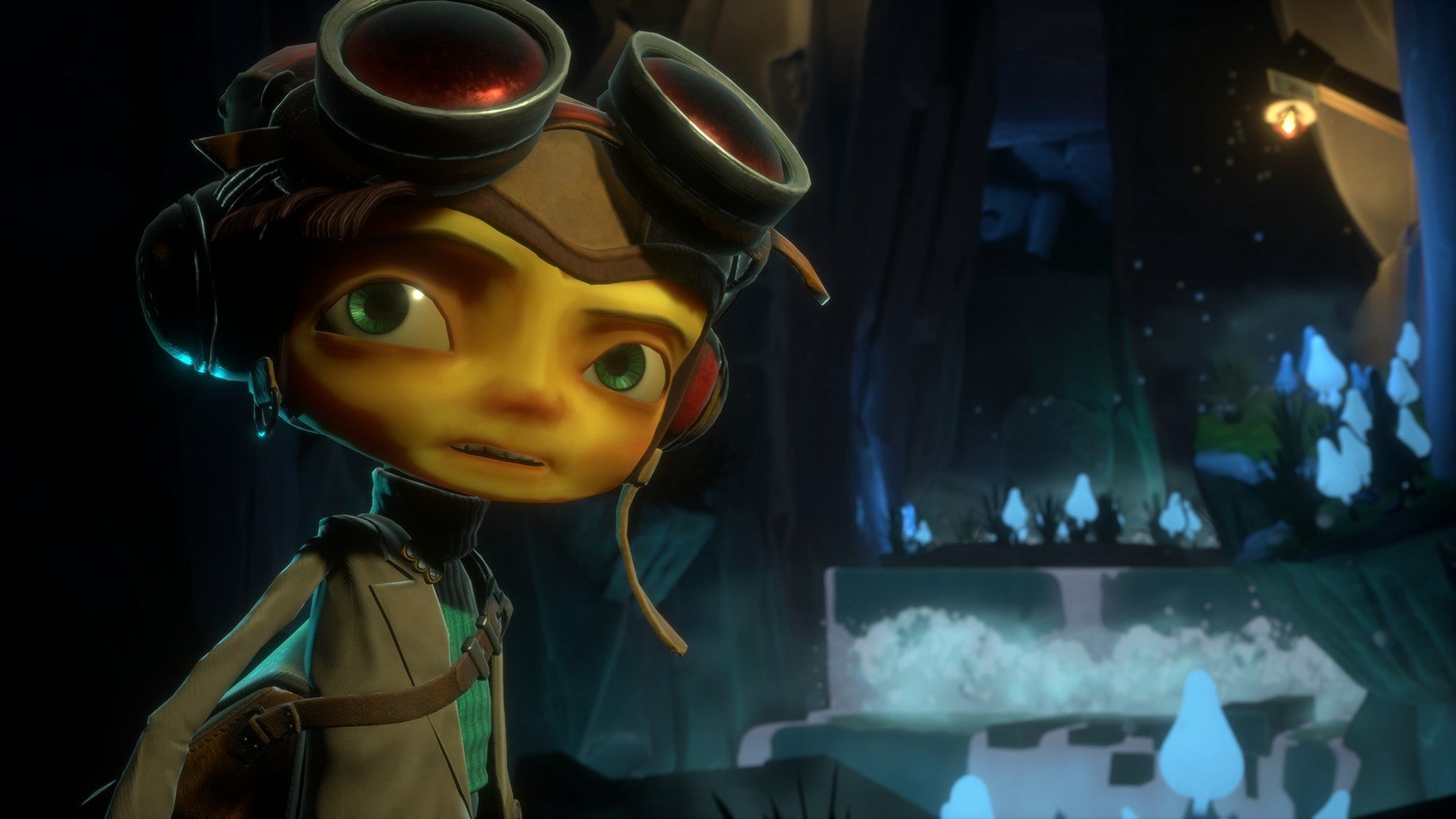
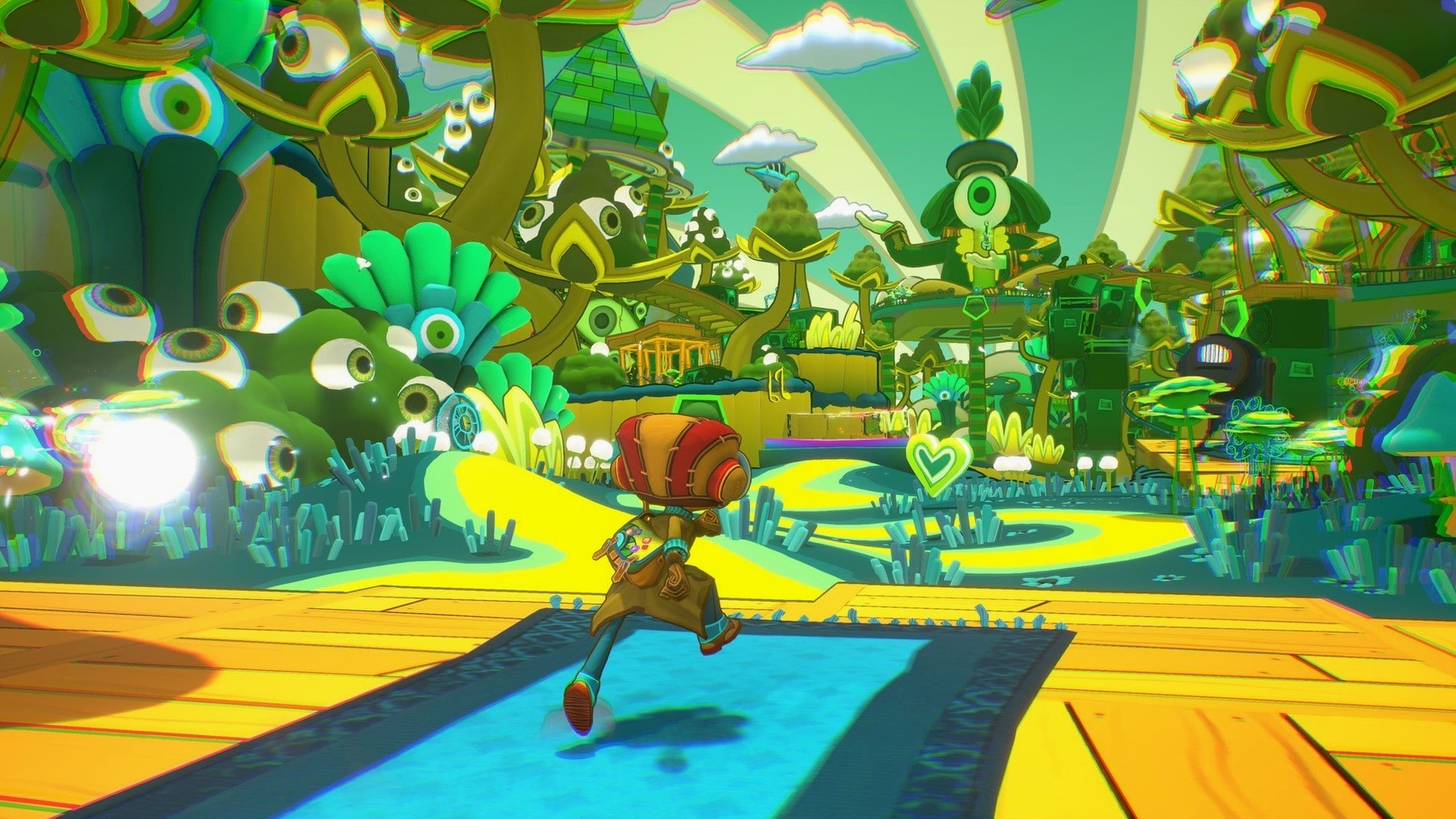
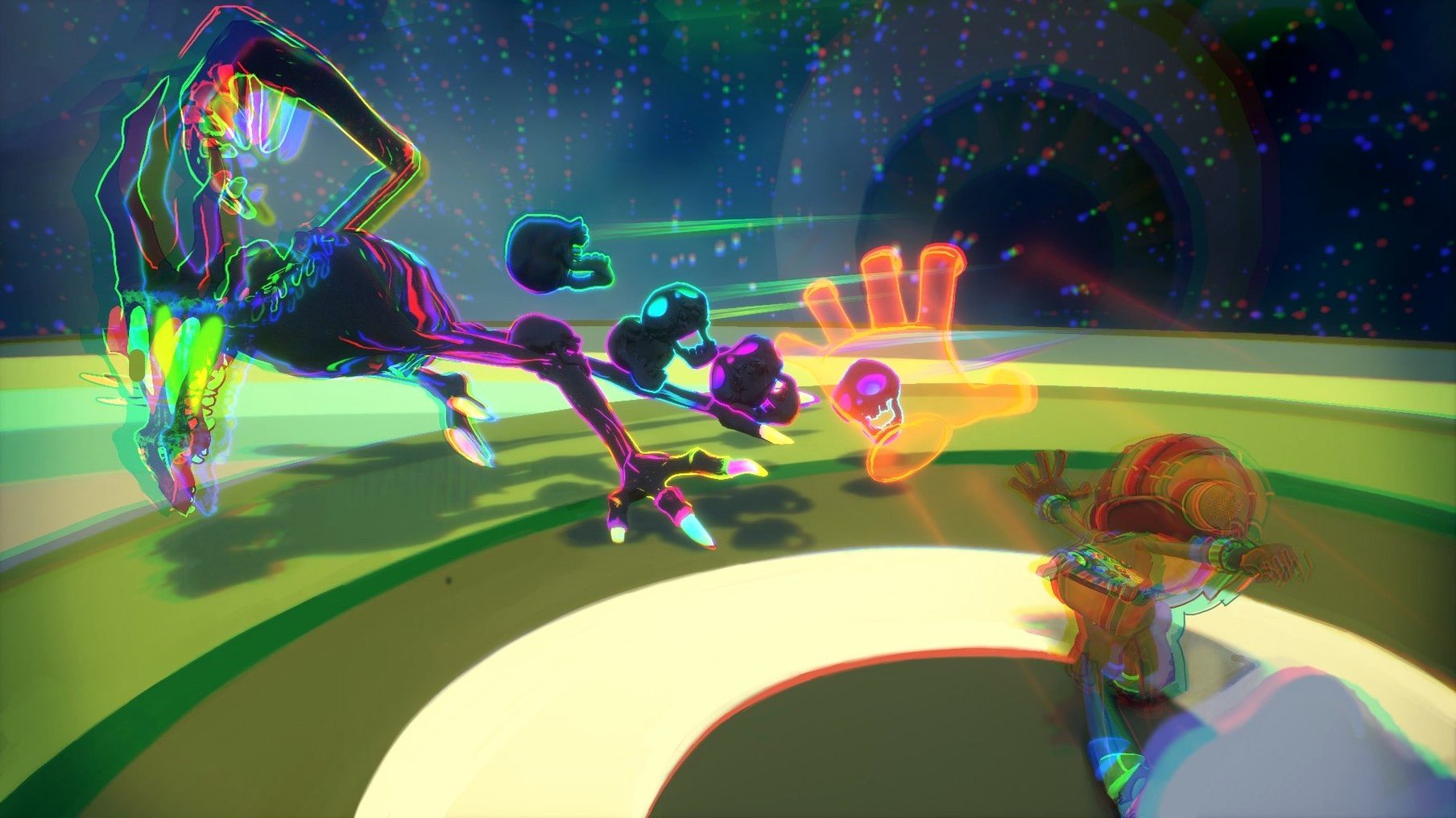
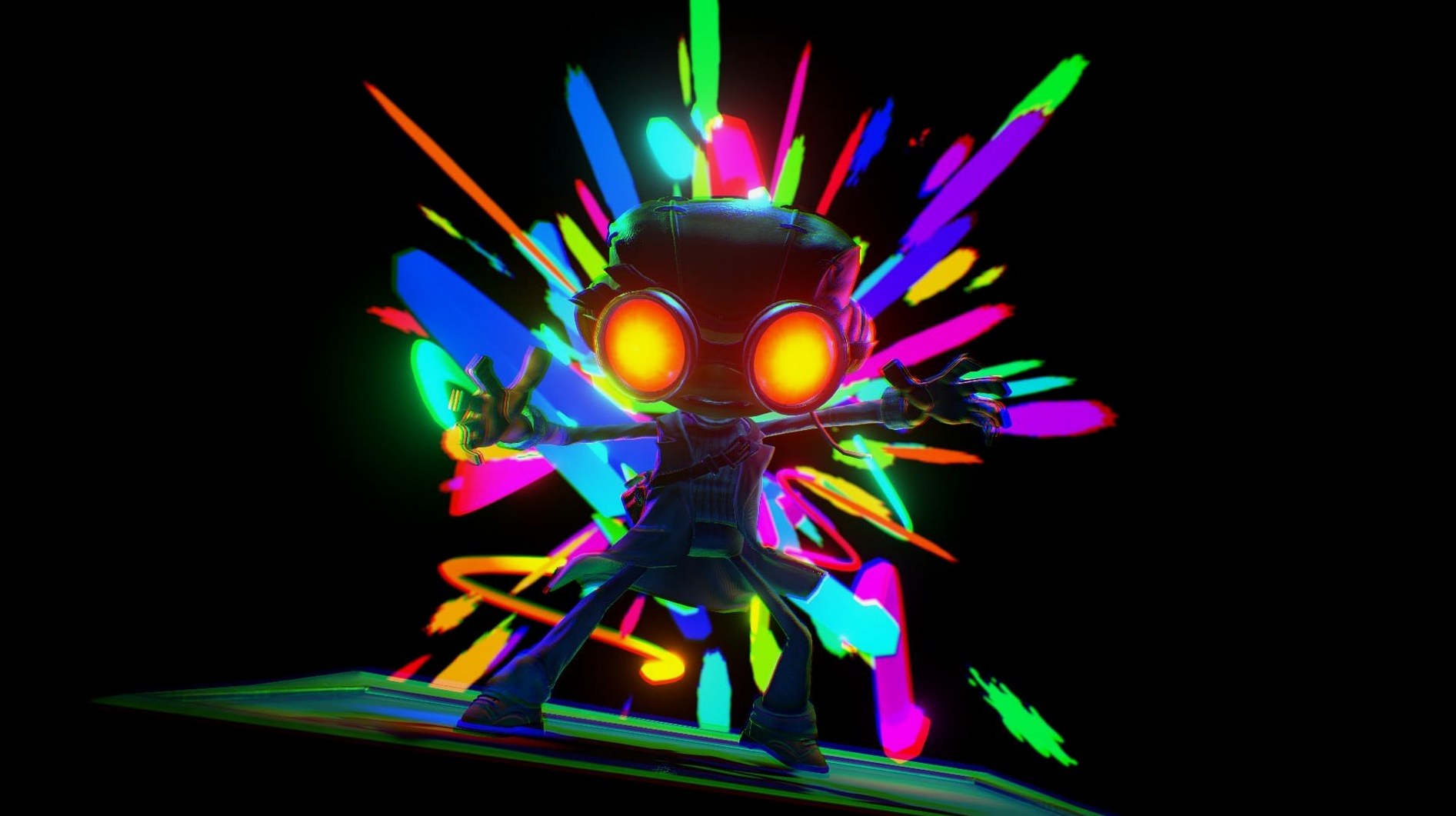
Psychonauts 2 is a cinematic platform-adventure where you guide the young psychic acrobat, Razputin Aquato, directly into the minds of a wonderfully odd cast of characters. Freshly inducted into the Psychonauts, Raz uses a gymnast’s agility and a growing set of customizable mental powers to tackle a conspiracy that twists through the organisation’s very core.
Inside the mind
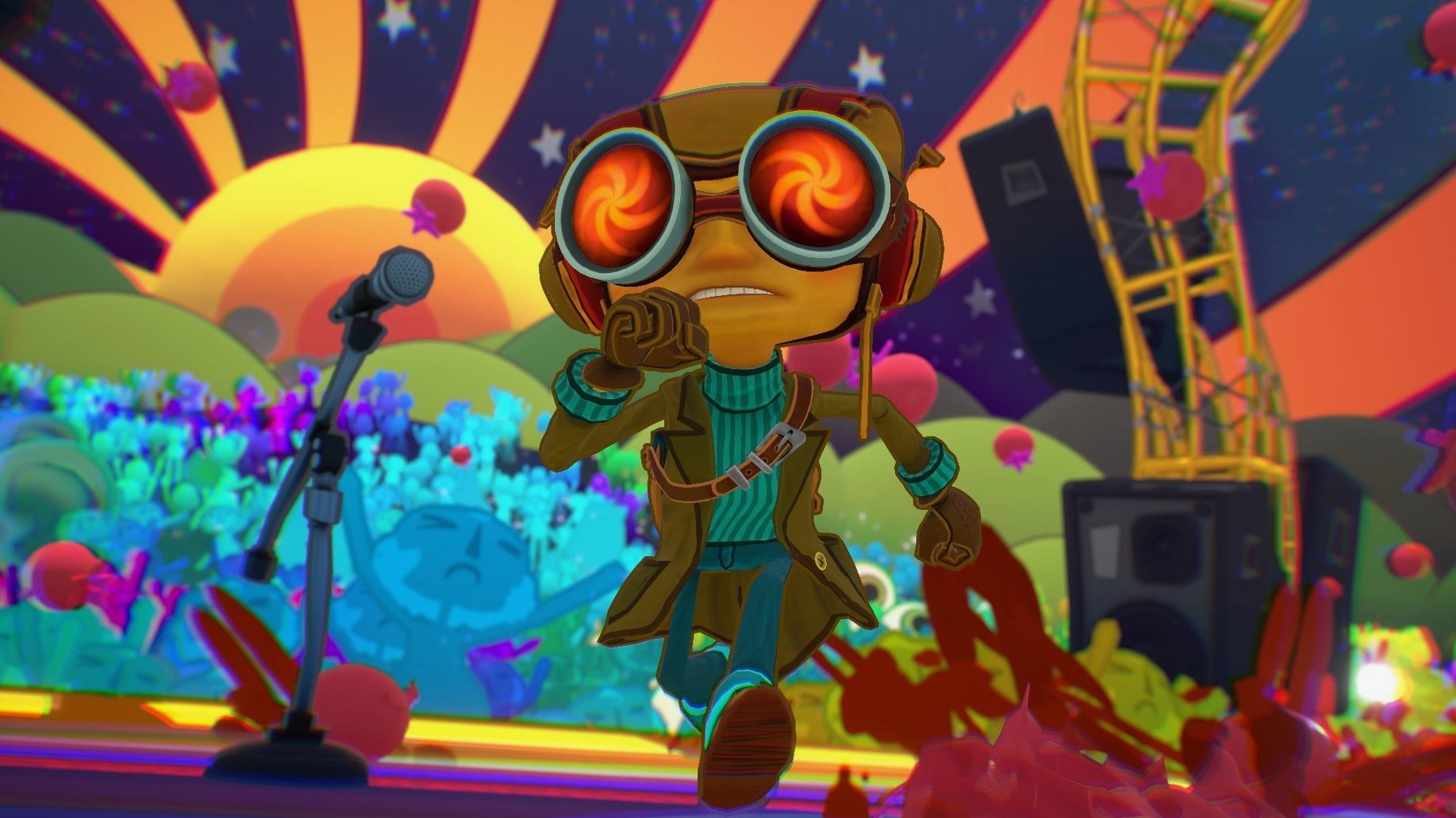
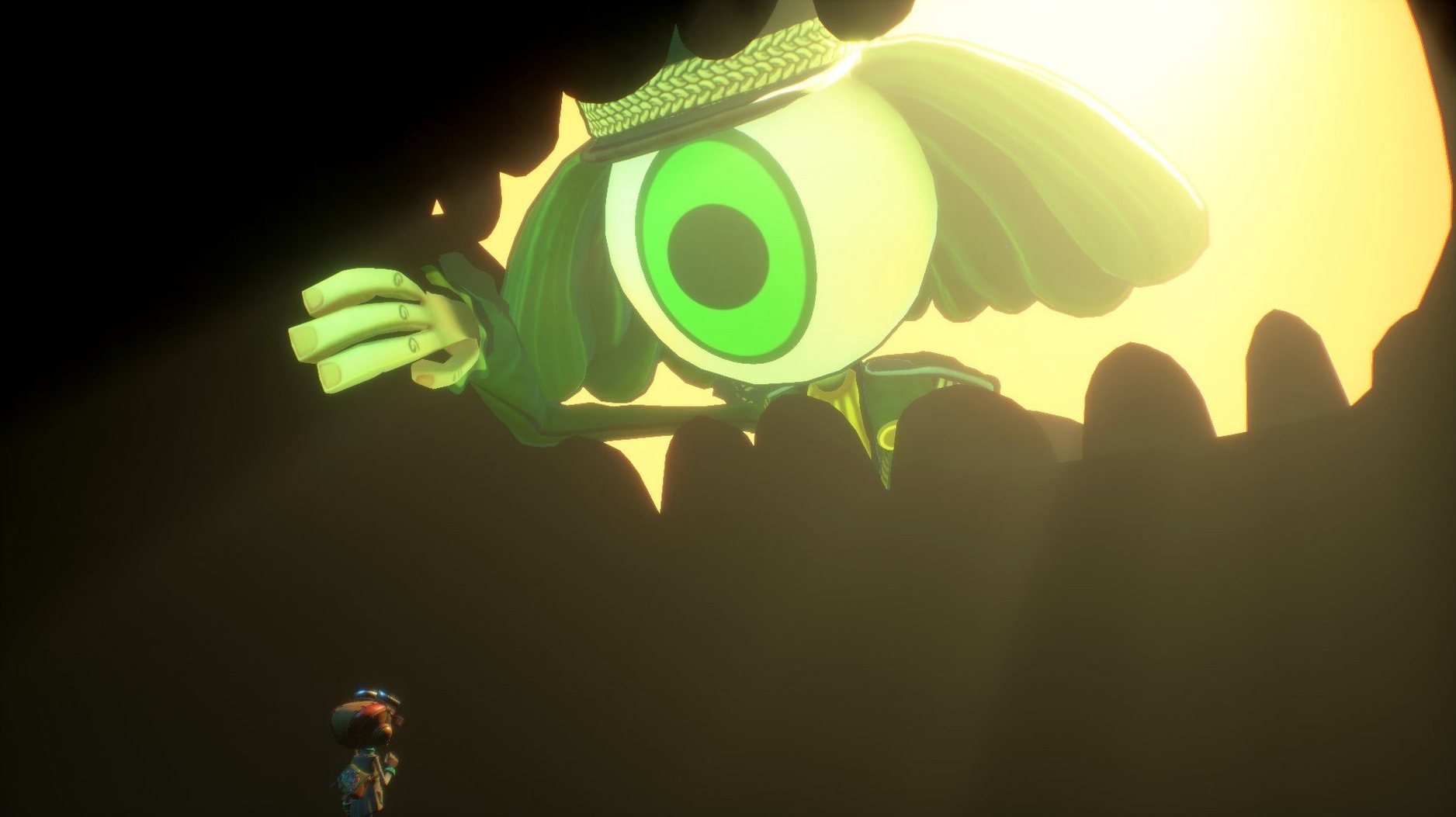
The game’s real playgrounds are the brains of its inhabitants. Each mind is a hand-crafted level with its own visual logic and physics, so one moment you’re leaping between towering books in a librarian’s orderly psyche and the next you’re navigating a surreal talk-show set inside a paranoid’s head. The platforming leans heavily on Raz’s circus upbringing: you will spend plenty of time swinging from trapezes, walking tightropes, and using a double jump that feels satisfyingly floaty. A set of assignable psychic abilities lets you approach combat and traversal your way, whether that means setting a mental panic attack on an enemy or riding a thought bubble like a zippy green skateboard.
Quirky missions and cinematic delivery
Double Fine’s signature storytelling sits front and centre. The missions are varied and never take themselves too seriously, swinging from slapstick comedy to surprisingly tender moments without losing momentum. The cinematic presentation, with sweeping camera work and full voice acting, makes it feel more like an interactive animated series than a conventional 3D platformer. The build tested on an M1 MacBook Air running macOS Sequoia was the Intel-native version, and it runs smoothly when dropped into the Applications folder on any system from macOS 10.14 onward.
Launching from Applications and falling into a relaxed evening rhythm
Let me walk you through a relaxed evening with the game, because the rhythm of a session is part of what makes it tick. You launch from the Applications folder, and after the Double Fine logo fades, you are standing in the Quarry, the Psychonauts’ woodland headquarters. The hub is dense with optional conversations, so you spend five minutes just chatting to interns and listening to the absurd two-headed radio banter near the campfire. Then you check your inventory for any new psi-cards or memory vaults you have missed, and pin a side mission about a missing emotional baggage tag.
When you are ready to push the main story forward, you approach a new brain door. Tonight it belongs to a comically insecure musician you met earlier. The loading screen is a swirling watercolour portrait of their anxieties, and then you are inside. The first thing you always do in a fresh mind is just stand still for a beat and take in the visual metaphor — this one is a multi-tiered recording studio where the drum kit hits back. You assign Levitation to a shoulder button because the level looks vertical, swap in Pyrokinesis to deal with creeping doubts that are physically blocking a corridor, and start climbing. A platforming set piece on a moving guitar string has you chaining trapeze swings, mid-air thought-bubble rides, and a last-second double jump that earns a genuine exhale of relief. You collect figments, a few emotional baggage pieces, and after about forty minutes, a boss fight that turns a self-critical inner monologue into a bullet-hell light show. After the boss, the mind’s weather clears, the colour palette shifts, and you walk out through the now-calmed memory with a new power rank and a piece of the conspiracy puzzle scribbled into the case board.
Raz is squishy, so stop treating combat like a brawler
A handful of habits trip up new players within the first few hours, and they are nearly always the same ones. The first is treating every combat encounter like a brawler. Raz is squishy. If you wade into a group of Regrets swinging the basic melee, you will lose health faster than you can collect mental-health pickups. The game wants you to cycle powers constantly — send one enemy levitating, set another on fire, then psi-blast a third — while staying on the move.
The second mistake is ignoring the configurable power pins. You unlock them early, and they let you tweak ability behaviour in small but meaningful ways. A common pin might extend your roll distance or make a fully charged psi-blast stun longer. New players often forget to visit the upgrade screen entirely, then complain that a later platforming gauntlet feels punishing when the real issue is an unmodified jump arc.
A subtler pitfall is treating figments as optional glitter. They are currency for rank-ups, and rank-ups gate your power upgrades. If you dash through a mind without sweeping the edges of rooms — behind a stack of giant books, atop a floating memory fragment — you will walk into the mid-game under-levelled. The game does not scold you for it, but the difficulty slope is built around the assumption that you are doing a reasonable amount of scavenging.
Collectathon veterans and anyone who loves poking their nose into corners
The obvious answer is platformer fans who grew up on the genre’s golden-age collectathons and still crave a world that rewards poking your nose into corners. But the game pulls in a broader audience than you might expect. Anyone who values story-driven action with proper scriptwriting will find the mileage here, because the dialogue is dense, funny, and voiced with real comic timing. If you habitually exhaust every conversation tree in a role-playing game, the Quarry hub will feel like home.
Mac users who keep an Intel machine alive for older software will appreciate that this is a native x86 64-bit build, not a Rosetta-translated afterthought. The tested system was an M1 MacBook Air on macOS Sequoia, and the game holds its frame rate without the thermal throttling that plagues some 3D titles on fanless hardware. That makes it a strong pick for someone with a recent MacBook Air who wants a visually lush platformer that will not turn the chassis into a hotplate. Fans of the original Psychonauts who have waited years for the sequel are, of course, the core constituency — and the story pays off that patience in ways that feel earned rather than nostalgic.
Invert Y-axis before you lose yourself in the first mind
Once the standard installation finishes and you have chosen the Applications folder as the game’s home, do three small things before you lose yourself in the first mind. First, invert the Y-axis — or not — in the controls menu, because the default setting catches people out during the opening acrobatics sequence. Second, remap the psi-power shortcuts to keys you can reach without looking. The game supports the usual WASD layout, but the number row for power selection is a stretch. I assign the four most-used abilities to 1-4 and then bind the others to extra mouse buttons, which makes mid-combat switching instantaneous.
Third, spend your first intern credits on the Mental Connection upgrade. It speeds up the traversal thought-bubble chains that appear in every mind, and the quality-of-life improvement is immediate. After that, take ten minutes in the Quarry to talk to every labelled character before you accept the first mission. Several side quests and psi-challenge markers only appear once you have had those conversations, and they are easy to skip if you are mission-rushing. Finally, if you are playing on an Intel Mac with integrated graphics, drop the resolution scaling to 90% in the display settings before you hit a busy particle-heavy mind. The art style is broad and painterly, so the difference is barely visible and the frame pacing improves noticeably.
- macOS 10.14 or later
- Intel-based Mac (x86 64-bit)
Questions I keep hearing
What kind of platforming does Psychonauts 2 involve?
Raz is a trained acrobat, so along with a generous double jump you will find yourself swinging on trapezes, walking on ropes, and clambering across elaborate mental landscapes.
Can I customise Raz's psychic abilities?
Yes. The game uses a set of assignable psychic powers that you can swap and upgrade, letting you tailor combat and movement to a style that suits you.
Does the game run natively on Apple Silicon?
The tested build is x86 64-bit, meaning it runs through Rosetta 2 on Apple Silicon Macs, and it was verified as working well on an M1 MacBook Air with macOS Sequoia.
Questions from the class 0
Sign in or join the class to ask a question.
Nobody has asked anything yet. If you have used it on a real job, say what the file did.
Also on the Games shelf
The whole Games shelf Project Hospital
Diagnoses patients and designs the clinical workflows that keep a hospital running smoothly.
Project Hospital
Diagnoses patients and designs the clinical workflows that keep a hospital running smoothly.
 Radiolight
Investigates supernatural disappearances in a 1985 park.
Radiolight
Investigates supernatural disappearances in a 1985 park.
 Rain World
Survives as a slugcat in an indifferent, living ecosystem.
Rain World
Survives as a slugcat in an indifferent, living ecosystem.
 Ravenfield
Fights large bot battles with ragdoll physics in single-player.
Ravenfield
Fights large bot battles with ragdoll physics in single-player.
 Plague Inc: Evolved
Evolves a pathogen and watches it spread across a realistically modelled world map.
Plague Inc: Evolved
Evolves a pathogen and watches it spread across a realistically modelled world map.
 Resident Evil Village
Survives a horror story in a mysterious European village.
Resident Evil Village
Survives a horror story in a mysterious European village.
 Rise of the Tomb Raider
Explores and survives in an action-adventure expedition.
Rise of the Tomb Raider
Explores and survives in an action-adventure expedition.
 Risen
Develops a character in a mysterious island RPG.
Risen
Develops a character in a mysterious island RPG.