 ASPNetWorld
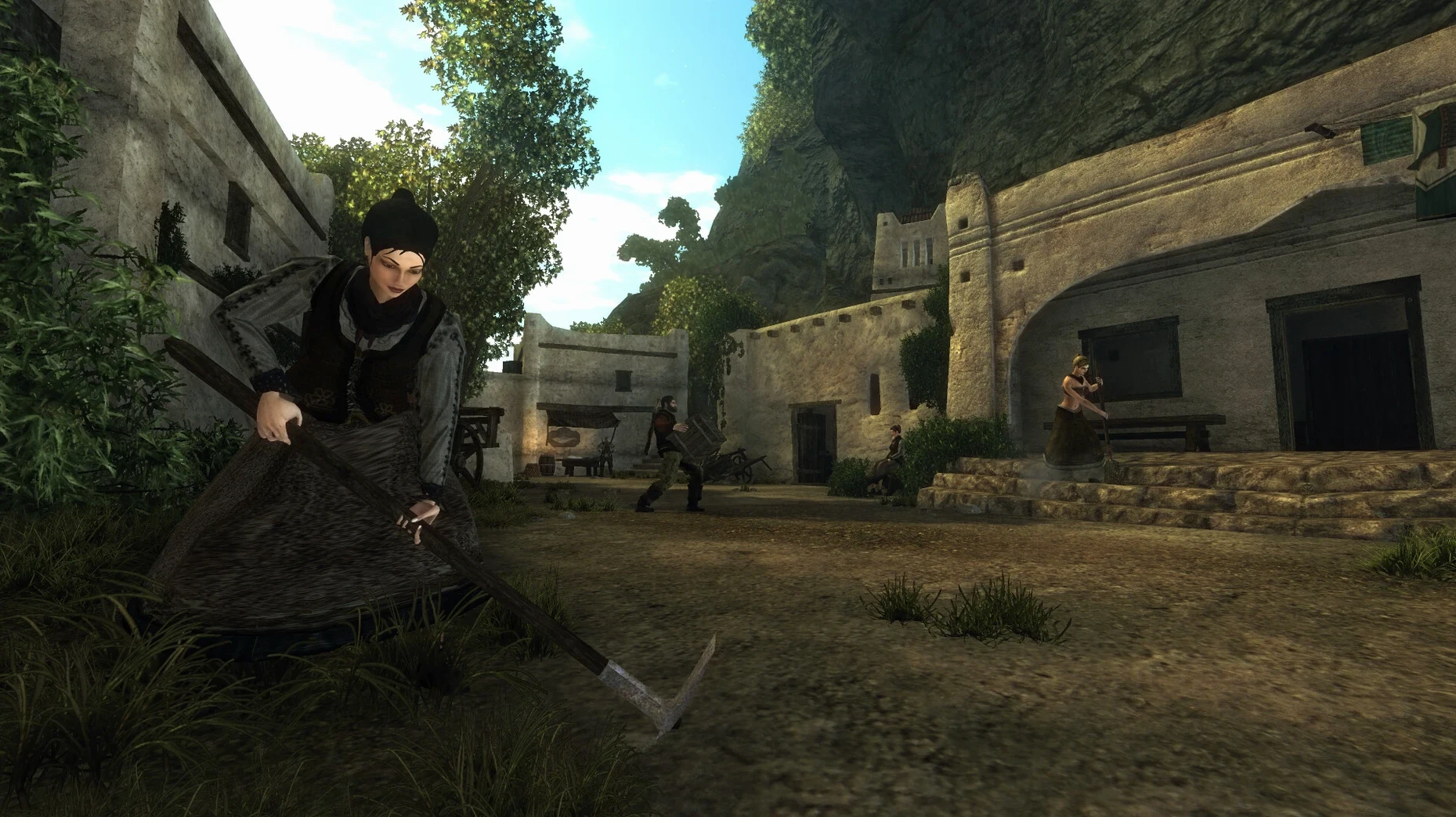
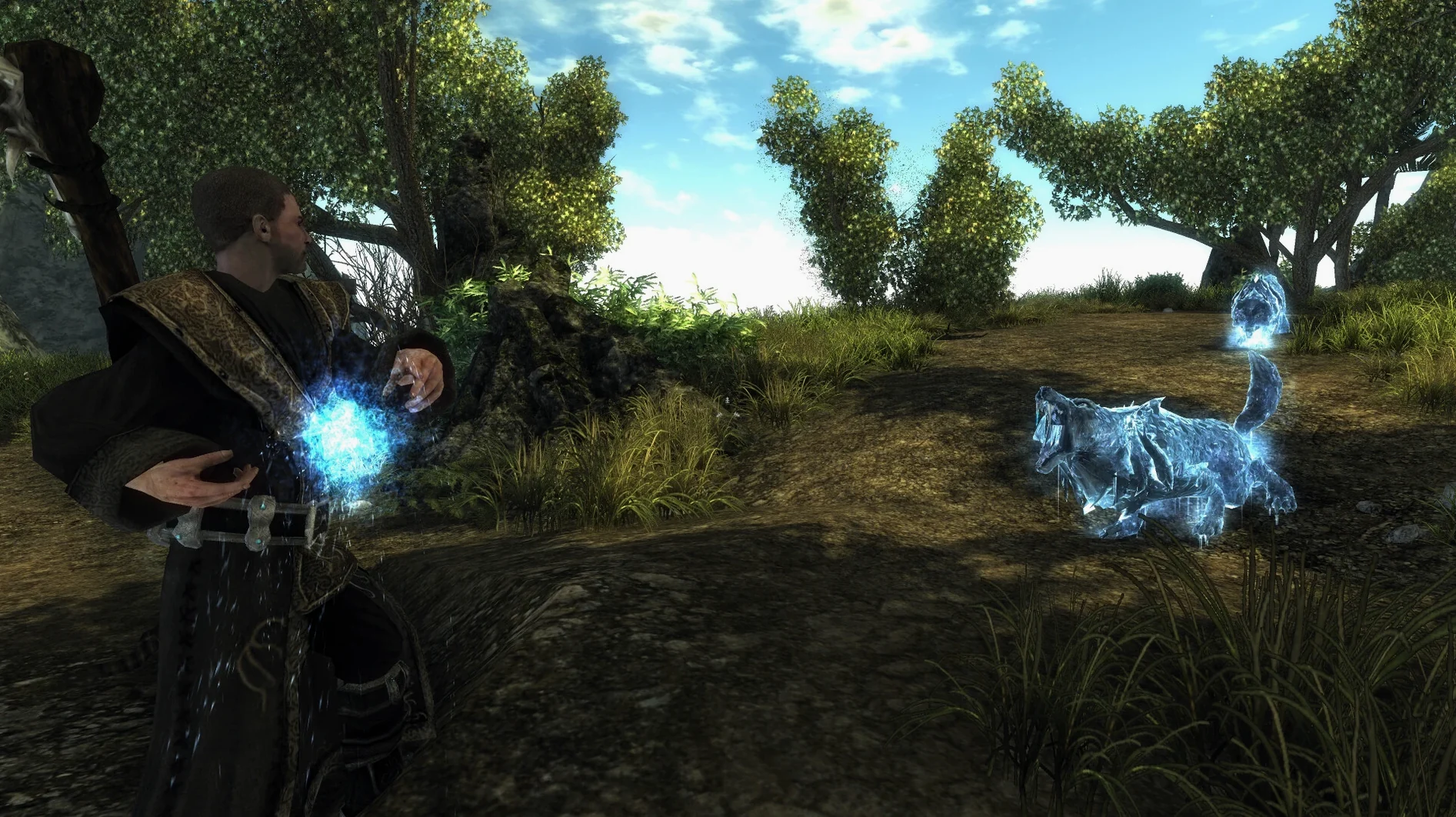
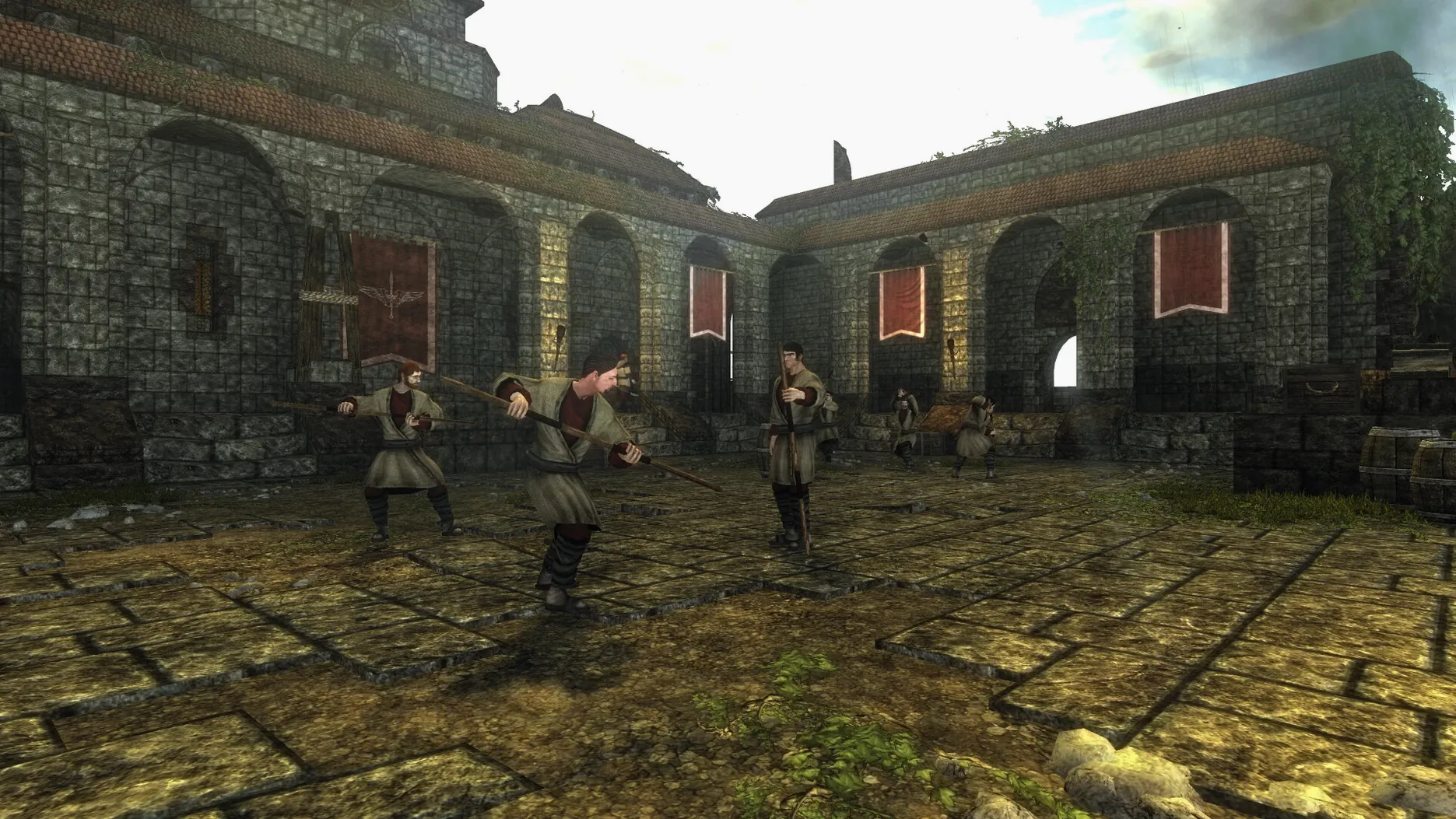
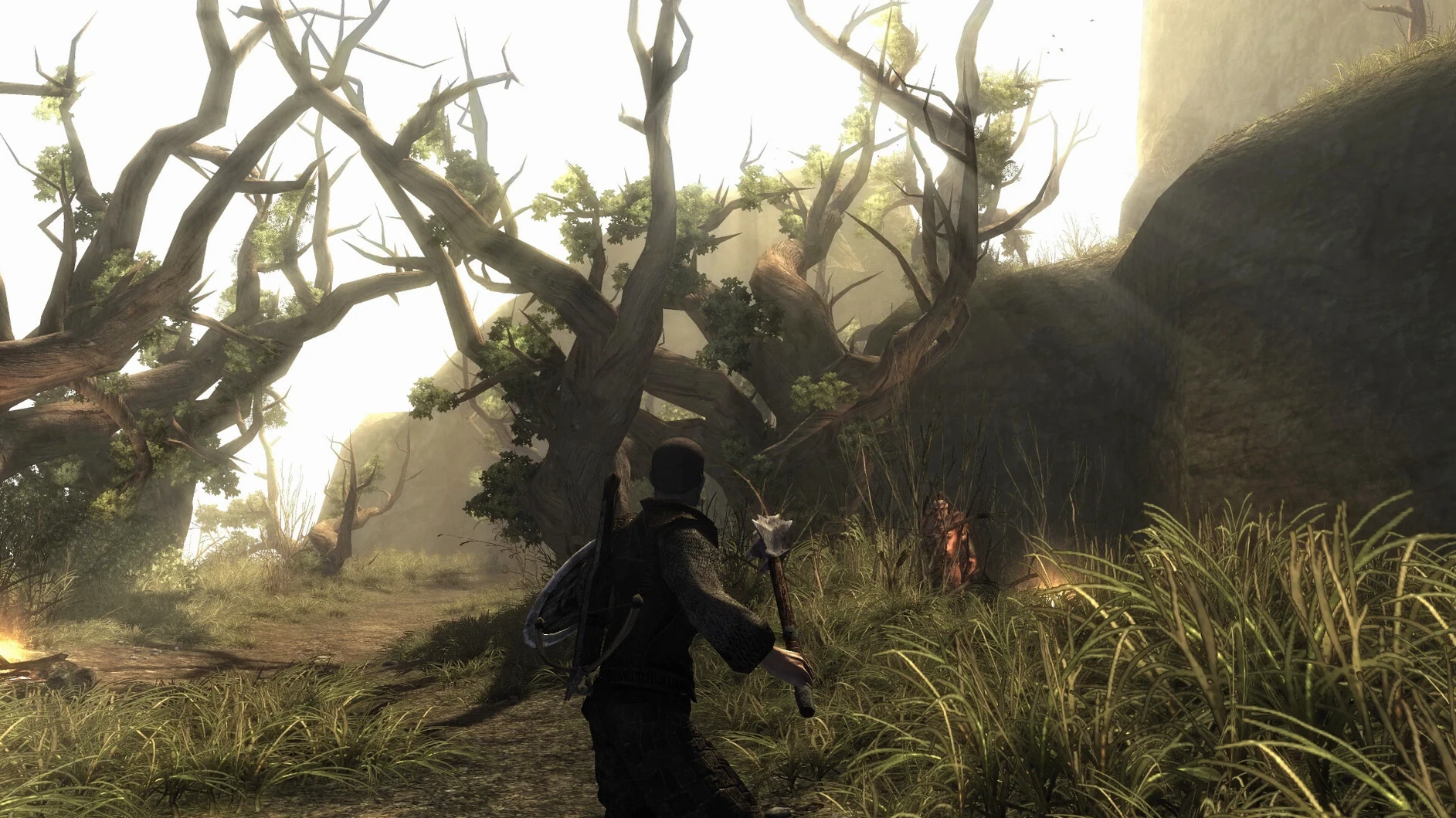
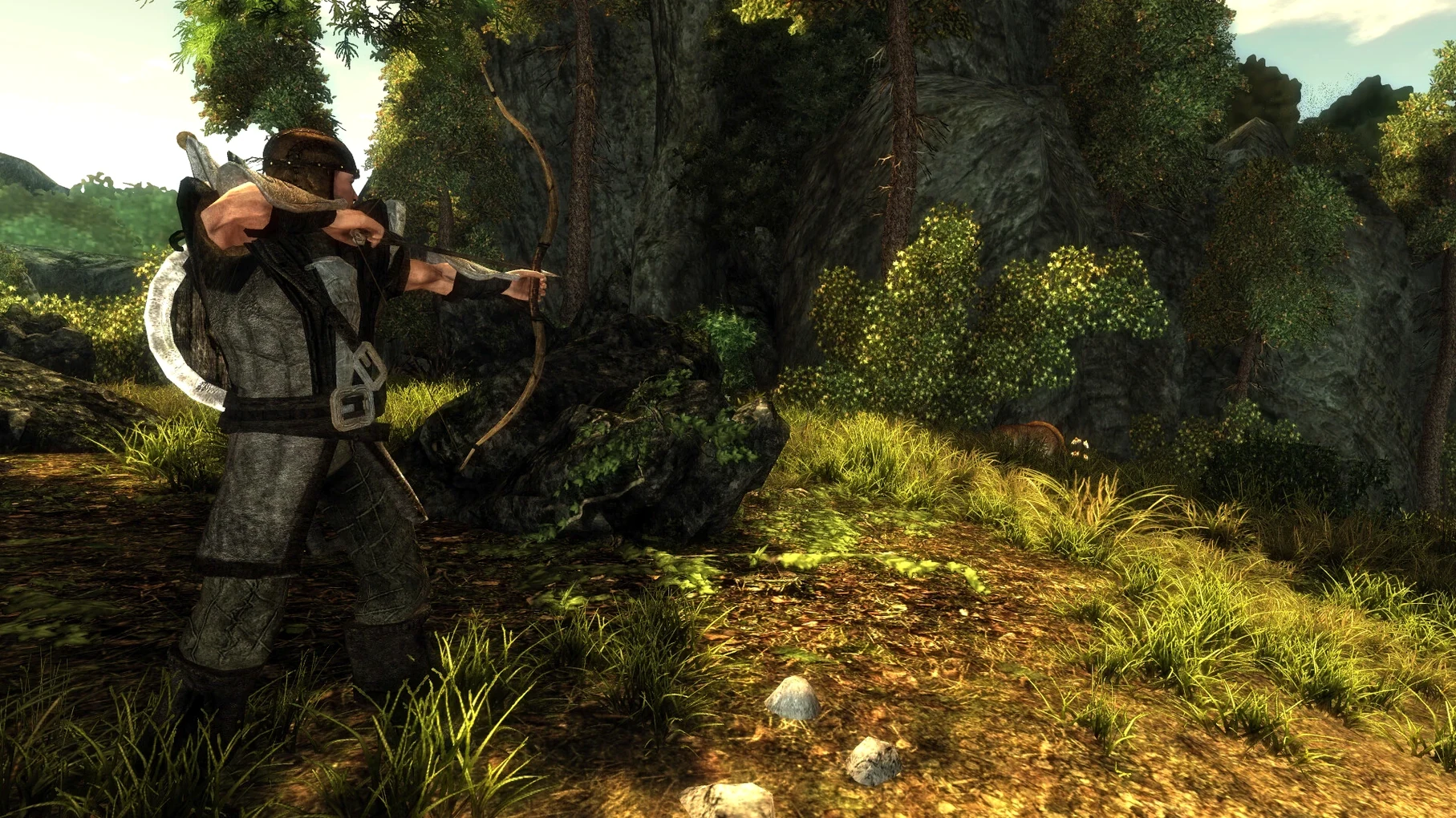
Staff fighting. It is easy to overlook when swords gleam and magic crackles, yet the rhythm of a quarterstaff – the sharp crack of wood against a temple – feels uniquely satisfying on Faranga. Getting it working smoothly on a modern Mac, however, takes a particular path of its own.
Setting up your Faranga expedition
- Raise the disk image. The downloaded file arrives as a mountable volume; double-click it in Finder so the virtual disk appears on your desktop.
- Place the application. Inside that mounted volume sits the game app. Drag it onto the Applications folder alias you will see right there – this copies the bundle to your main applications directory, which is essential for proper permissions.
- First launch and the fix. Eject the disk image, then open the game from Launchpad. If it greets you with an error rather than the title screen, do not panic. Reopen the disk image and run the Fix file bundled inside; it patches a common launch-blocking quirk on Apple Silicon.
Once the title screen appears, you are on the beach. The ARM-native build runs with comfortable frame pacing on an M4 Mac mini, tested under macOS Tahoe. There are no Rosetta translation layers to tax the CPU, so the sixty-plus hours of faction-choosing, consequence-heavy questing unfold without the stutter that plagued older ports. The interface supports English, German, French, Spanish, Italian, Polish and Russian, while voice acting covers the first four. Whether you drift towards the sword, the staff or the crystal magic, the island responds to your choices with a stubbornness that still feels refreshing.
What daily play actually feels like
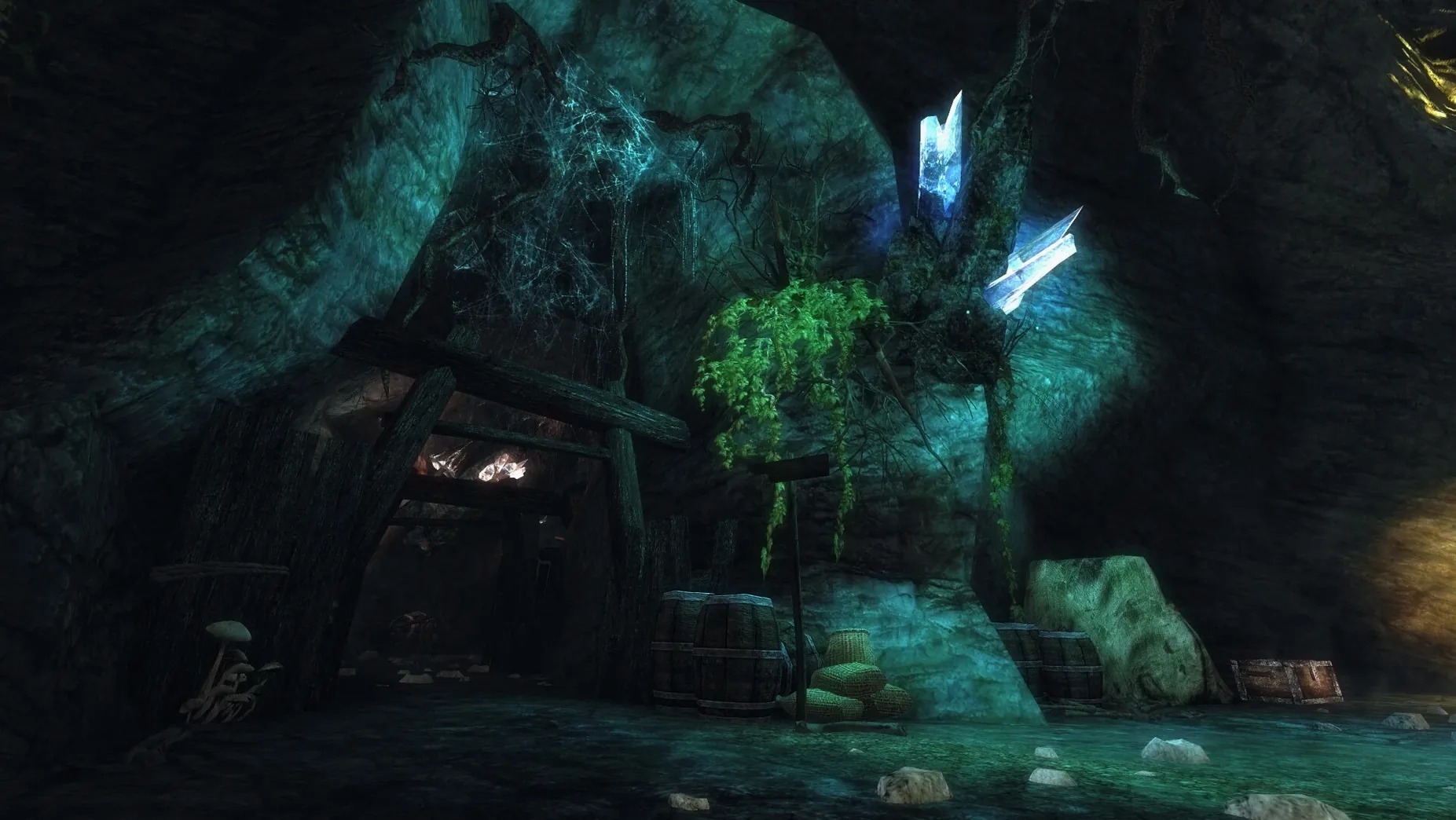
On an M4 Mac mini the frame rate stays butter-smooth through forest canopy, torch-lit ruins and the chaos of a five-bandit ambush. Load times between interior cells and the open island hover around two or three seconds — quick enough that you stop noticing them after the first hour. Memory pressure sits low; I can leave Risen running while hopping into a browser to look up alchemy recipes, and the system never breaks a sweat. The Wineskin wrapper introduces no perceptible overhead. One oddity: the game sometimes hesitates for a beat when auto-saving at a shrine, but it never loses progress and the stutter passes instantly.
Stability is the bigger story. Over a dozen hours I have not seen a single crash to desktop. The wrapper handles the old DirectX calls cleanly, and the audio pipeline — always a sore point in wrapped titles — delivers the wind, surf and creature snarls without crackle or dropout. Battery drain on a MacBook would be the only real consideration; this is a 2009 game running through a translation layer, so it draws more power than a native Apple Silicon title, though nothing alarming for a mains-connected desktop.
Black screen at the dock and the Fix script that clears it
The most common stumble happens right at the dock. If the game launches to a black screen with a cryptic Windows-style error, the Fix file inside the disk image almost always resolves it. That script adjusts the wrapper's configuration for current macOS security expectations. A rarer snag: the cursor can vanish if you tab out during a loading screen. The remedy is simple — press Cmd+Tab twice to cycle back in, and the pointer reappears.
A few players have reported that the risen torrent macos search path often leads to older Intel-only builds that lack the Fix file. If your download does not include that patch script alongside the app bundle, you are looking at the wrong package—simply seek out the ARM-native version where it sits plainly in the mounted volume. Audio balance can feel off too; voices come through loud while ambient sound recedes. Open the in-game audio sliders, nudge speech down to about seventy percent and leave effects at full — that single tweak brings Faranga's atmosphere back into proper relief.
A morning on Faranga
You wake from a beachside campfire save. The sky is overcast and a scavenger is already circling something further up the dunes. You ignore it — yesterday you promised yourself you would finally crack the Don's smuggling quest, and the contact waits inside the harbour warehouse. A quick parry practice against a couple of gnomes sharpens your timing. One lunges, you sidestep, the staff connects with a satisfying thud, and the creature drops a handful of gold.
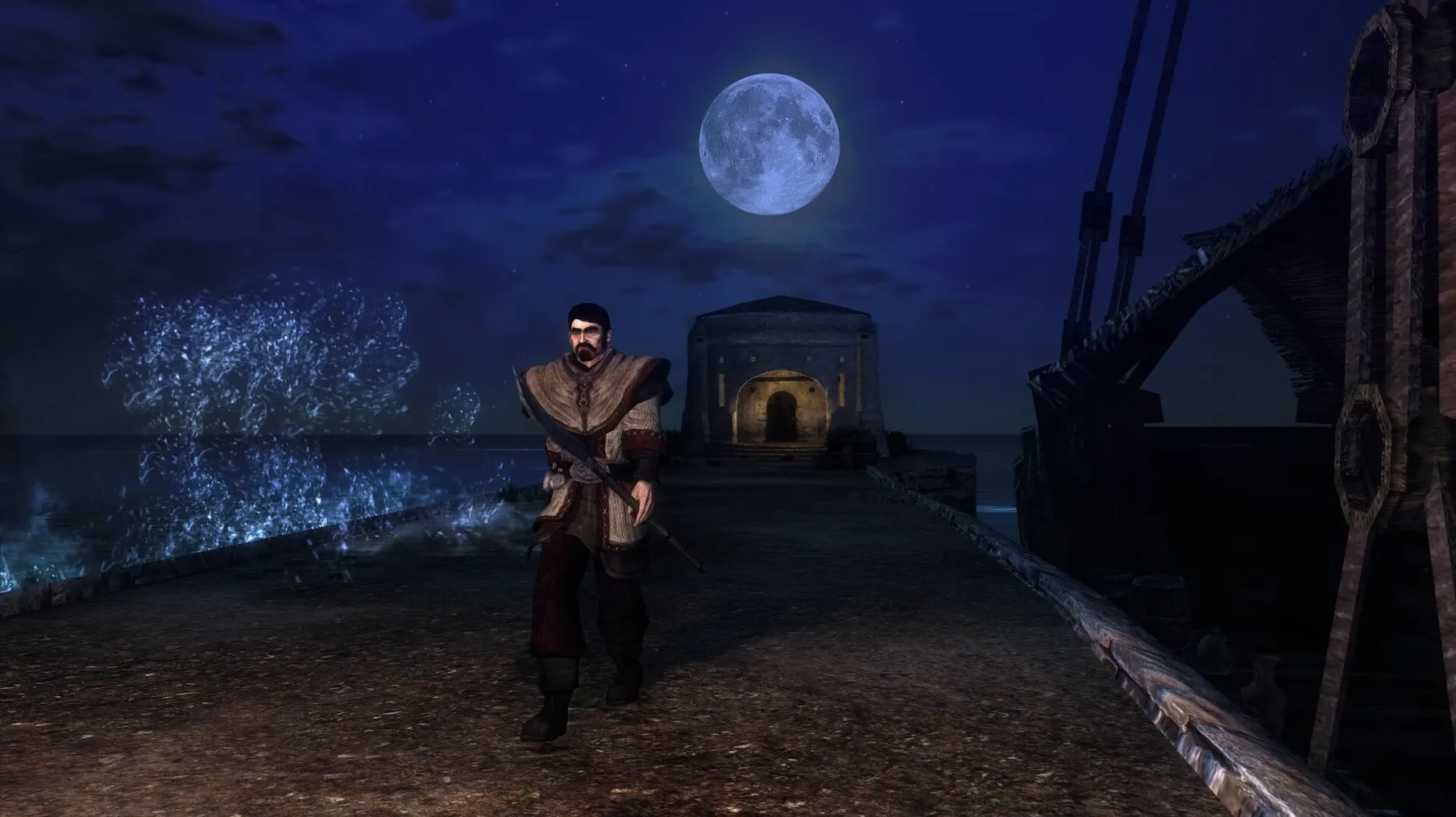
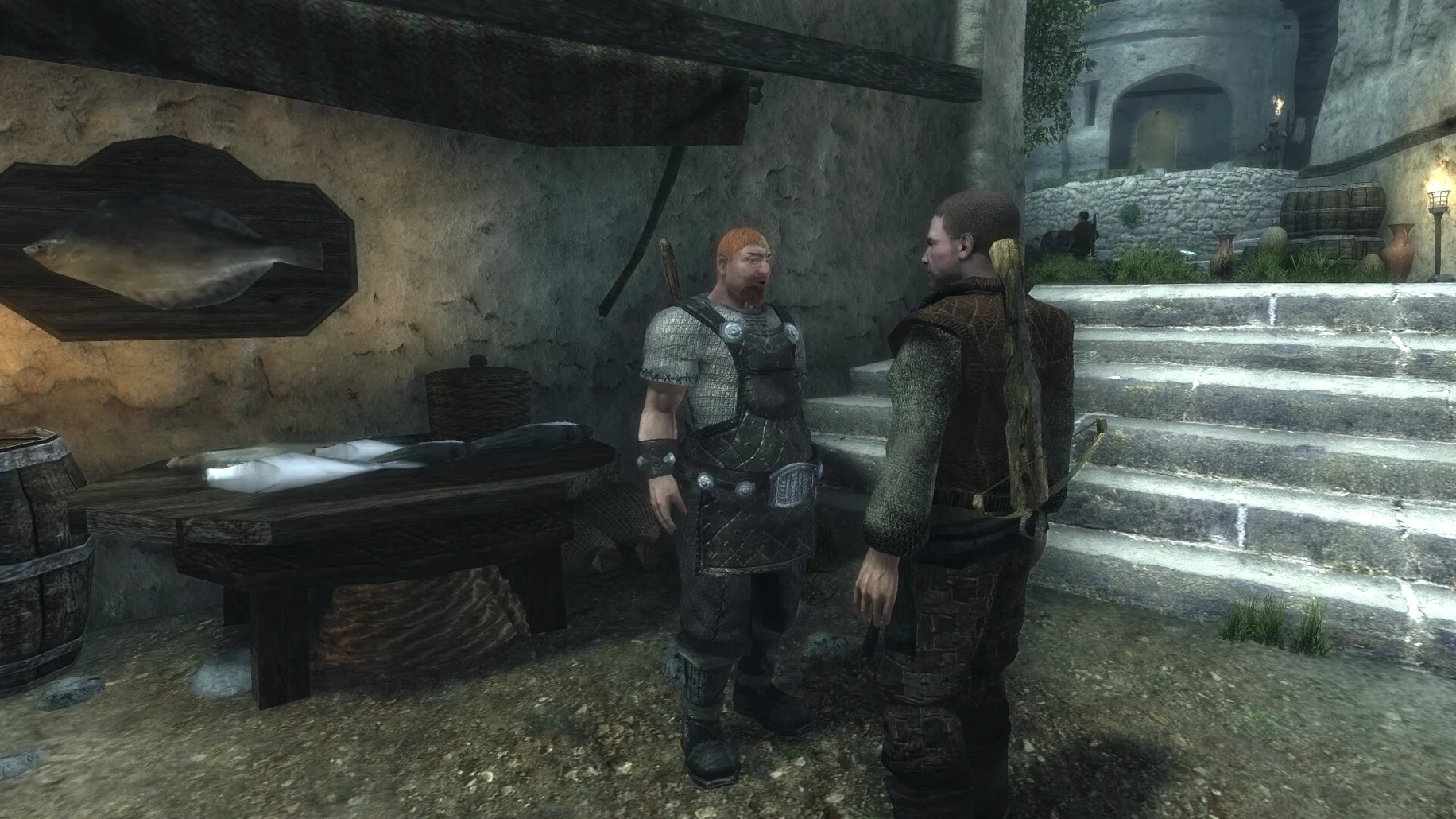
The warehouse interior loads in two seconds. You spot the NPC leaning against a crate, so you initiate dialogue. The conversation branches based on a faction choice you made ten hours ago; the contact trusts you now, and a new marker appears on your map. Outside, evening is falling — the lighting engine, ancient as it is, still paints the harbour in warm amber tones. You decide to push on to the swamp camp before saving. A shadowbeast ambushes you on the path, and the fight is messy. Your health drops fast, but a quick inventory pause lets you swallow a healing potion mid-retreat. The creature loses interest at the camp boundary and slinks back into the reeds. You exhale, light a campfire, and save. That half-hour loop — exploration, conversation, combat, recovery — is where Risen's rhythm still holds up beautifully.
- Architecture: Apple Silicon (ARM-native build)
- Tested on: macOS Tahoe, Mac mini 2024 (M4)
Questions from the class 0
Sign in or join the class to ask a question.
Nobody has asked anything yet. If you have used it on a real job, say what the file did.
Also on the Games shelf
The whole Games shelf Rise of the Tomb Raider
Explores and survives in an action-adventure expedition.
Rise of the Tomb Raider
Explores and survives in an action-adventure expedition.
 Road to Vostok
Survives harsh environments in a post-Soviet setting.
Road to Vostok
Survives harsh environments in a post-Soviet setting.
 Resident Evil Village
Survives a horror story in a mysterious European village.
Resident Evil Village
Survives a horror story in a mysterious European village.
 Ravenfield
Fights large bot battles with ragdoll physics in single-player.
Ravenfield
Fights large bot battles with ragdoll physics in single-player.
 Rain World
Survives as a slugcat in an indifferent, living ecosystem.
Rain World
Survives as a slugcat in an indifferent, living ecosystem.
 Radiolight
Investigates supernatural disappearances in a 1985 park.
Radiolight
Investigates supernatural disappearances in a 1985 park.
 Sid Meier’s Civilization VII
Leads a growing empire from ancient huts to a modern superpower, one turn at a time.
Sid Meier’s Civilization VII
Leads a growing empire from ancient huts to a modern superpower, one turn at a time.
 Psychonauts 2
Guides a psychic acrobat through minds in a story-driven platformer.
Psychonauts 2
Guides a psychic acrobat through minds in a story-driven platformer.