 ASPNetWorld
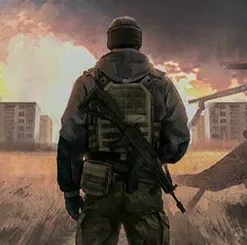
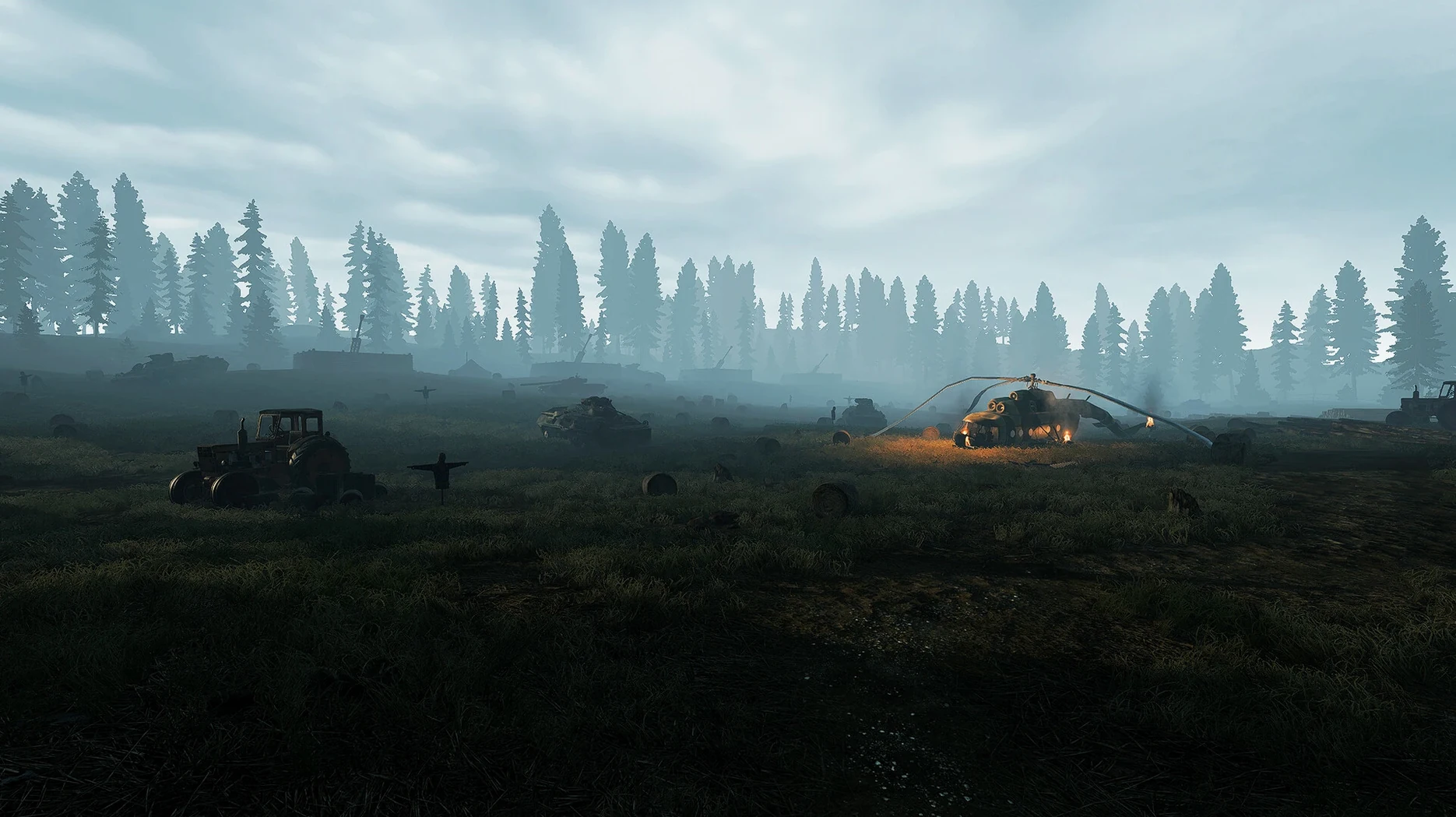
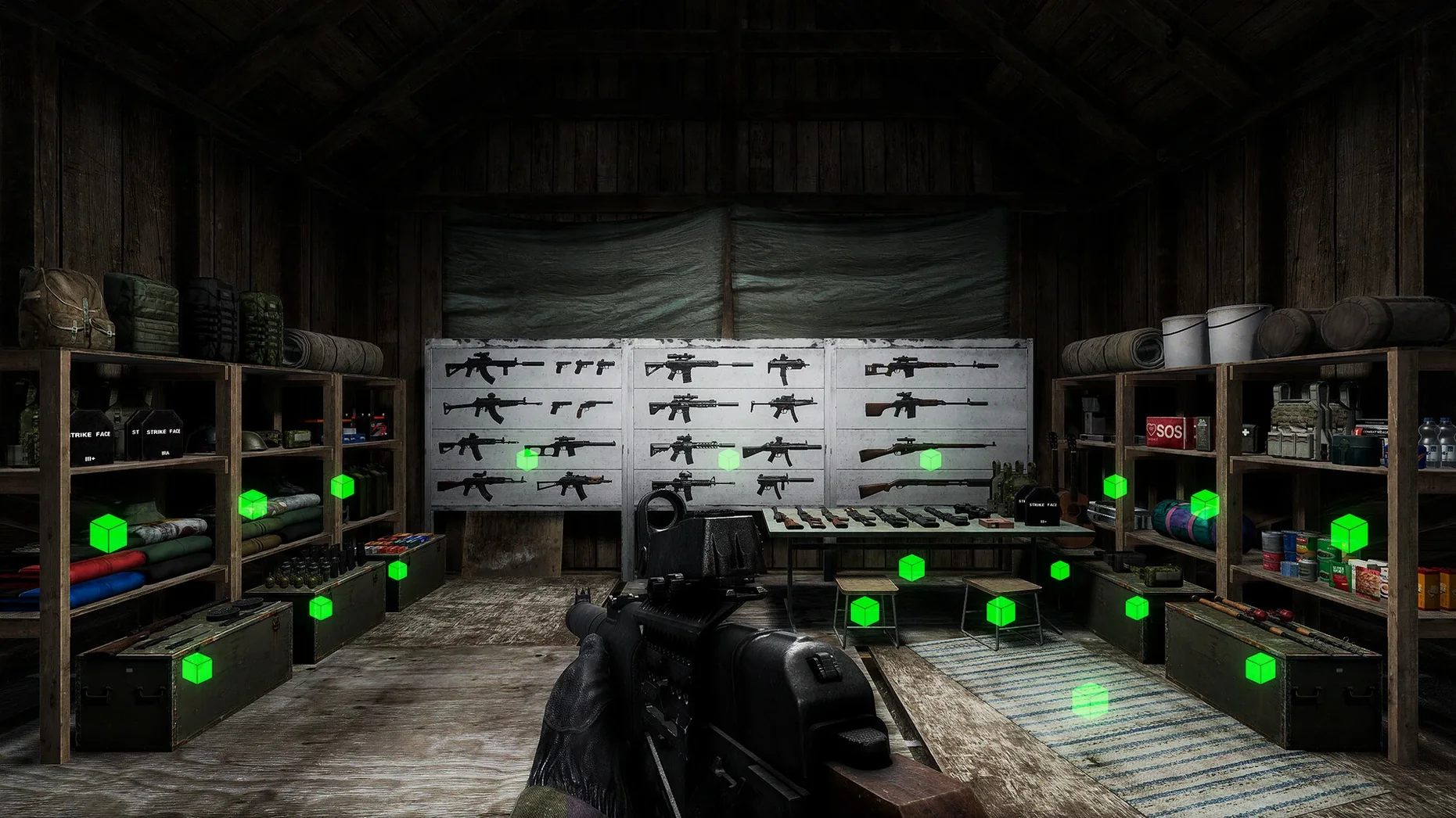
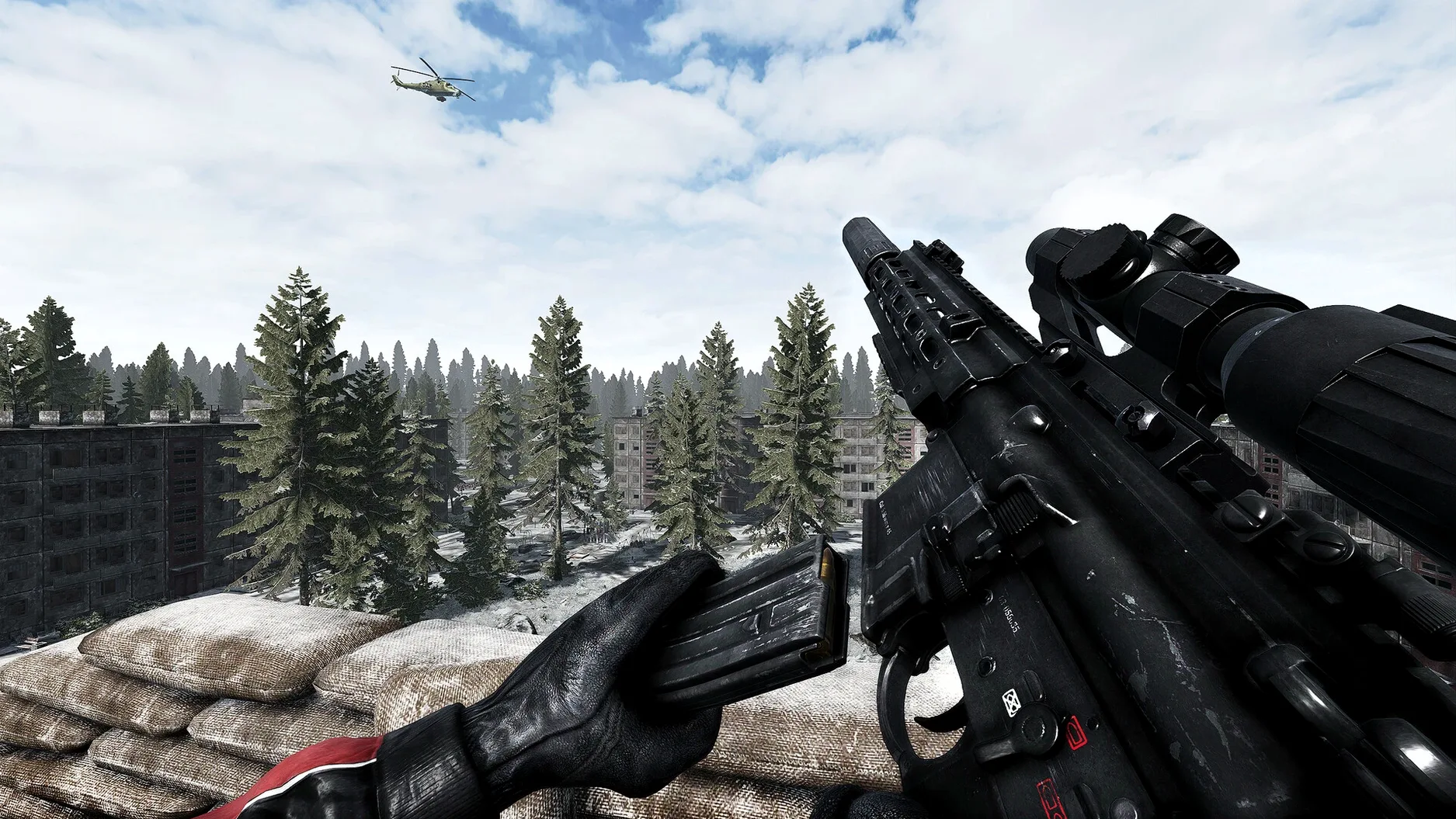
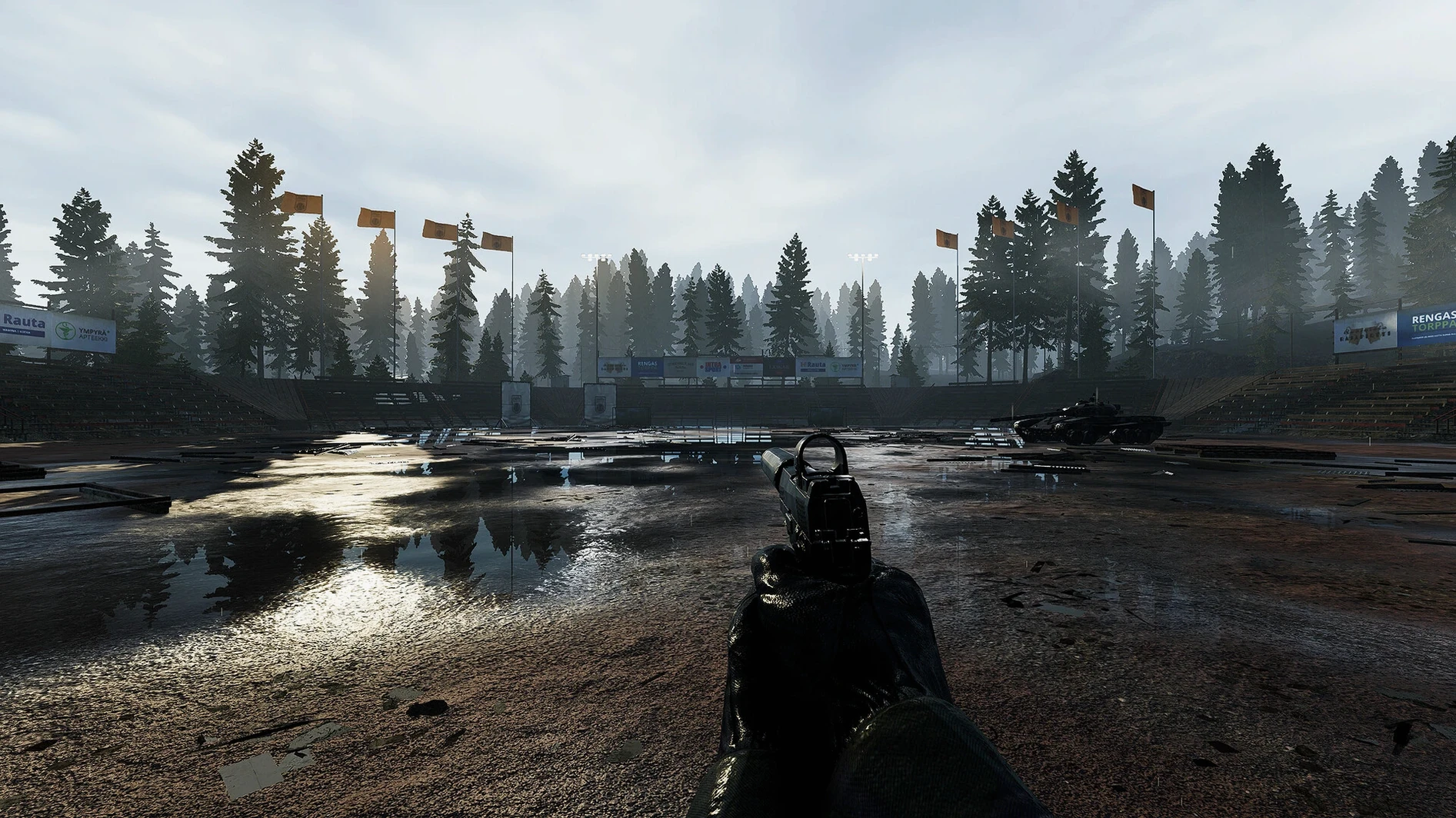
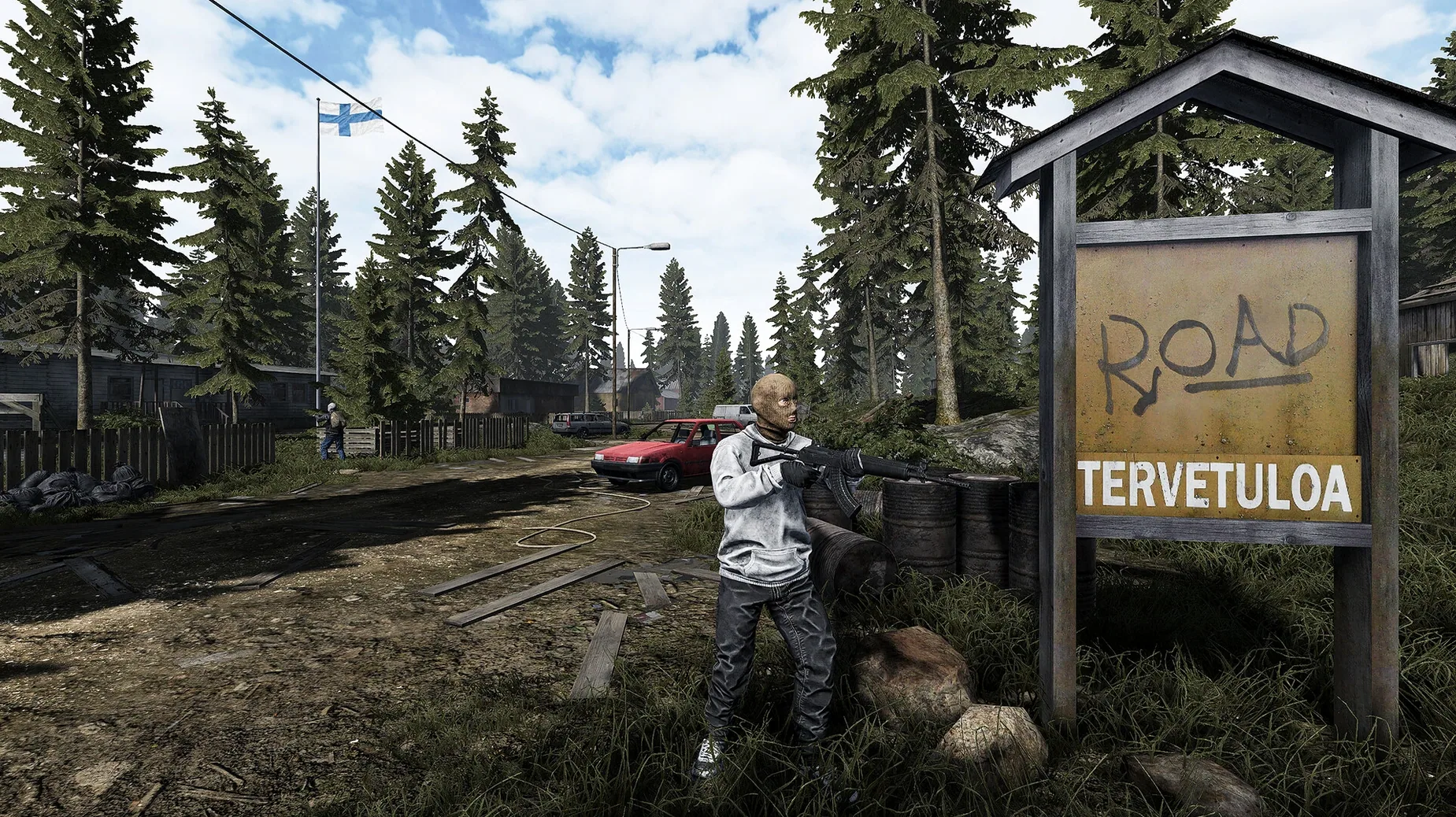
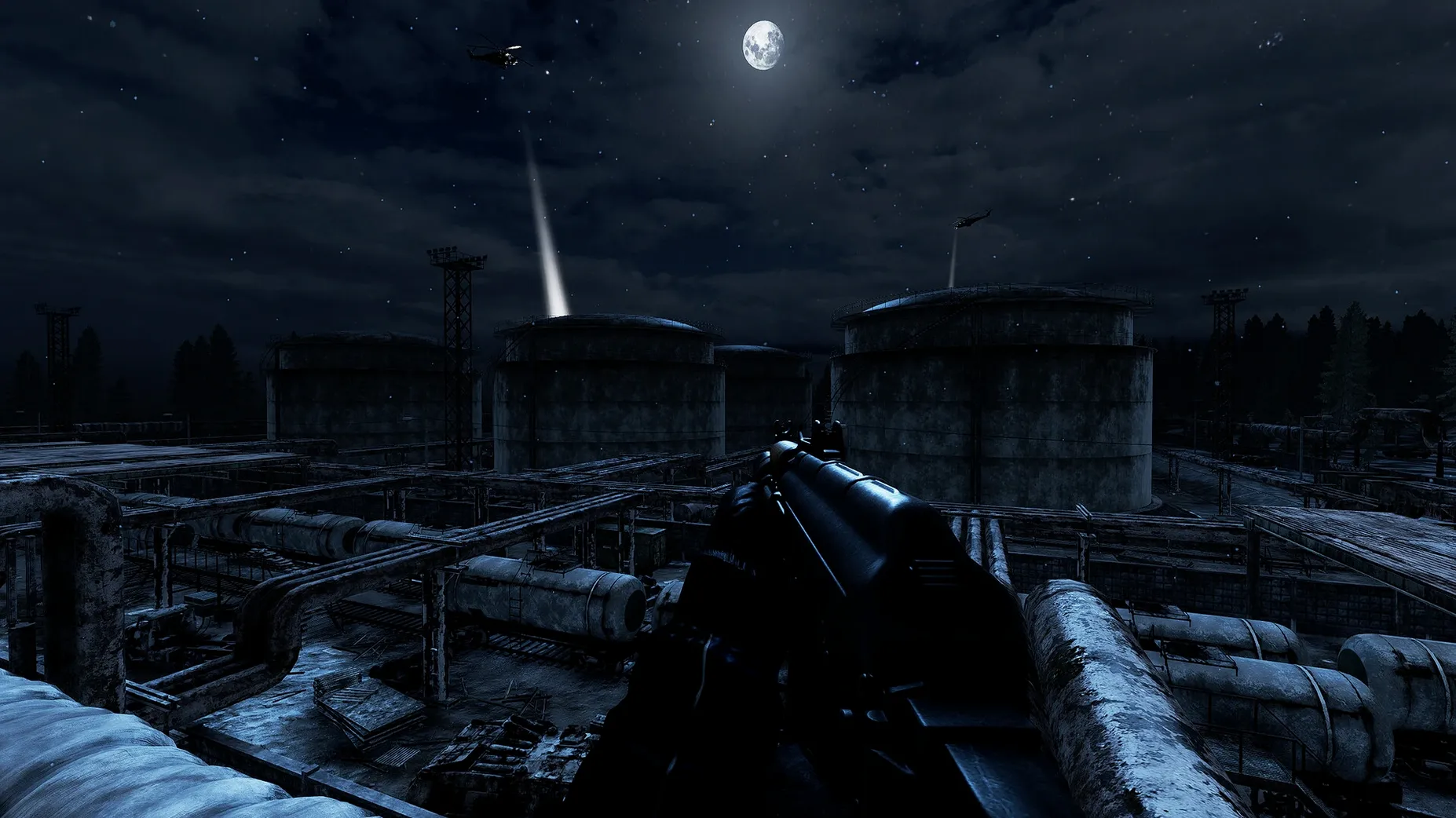
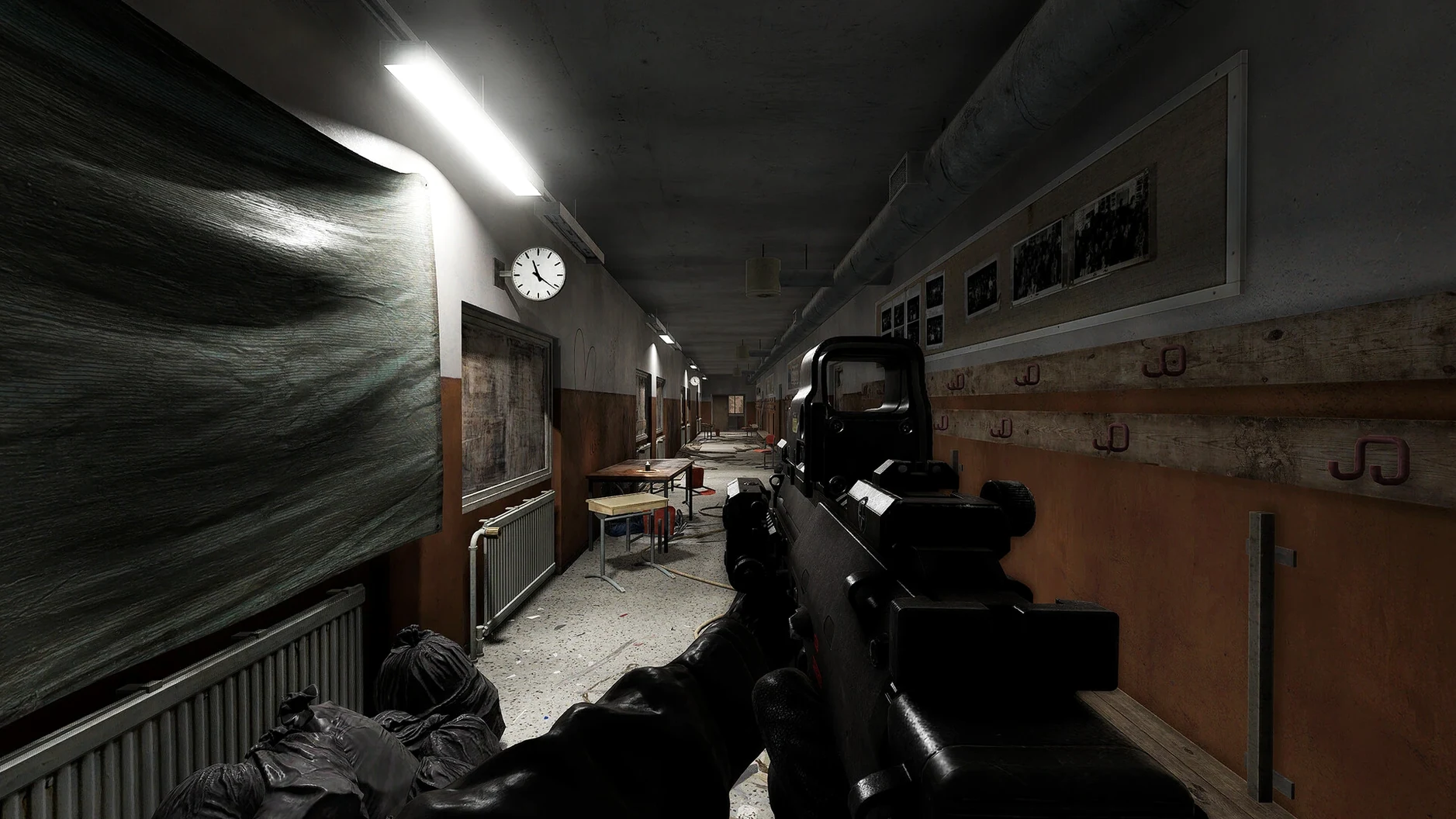
The current version, 0.1.1.3, continues to refine the game's unforgiving atmosphere ahead of its Steam Early Access launch. No sweeping feature overhauls this time—just the steady, quiet work of a developer sanding down the rough edges of a world that wants you dead.
The player who will thrive here
This is a game for the methodical survivor. The kind of player who enjoys checking every corner of a derelict building, managing an inventory down to the last bullet, and accepting that one mistake can undo hours of progress. The goal isn't to charge through a set-piece battle but to loot, plan, and prepare for a single, monumental journey across the border into Vostok. If you find satisfaction in a well-packed rucksack and a carefully laid route on a physical map, the game's deliberate pace will feel like home. It asks for patience, rewards caution, and treats the environment itself as the final boss.
The player who might struggle
If your ideal evening involves respawning quickly and getting straight back into the action, this will feel like a cold shower. There are no teammates to blame, no on-screen markers to follow, and the tension comes from long stretches of silence punctuated by sudden, lethal violence. The "hardcore" label isn't marketing fluff—it's a design philosophy. A torrented copy won't soften that, but a temperament geared toward instant gratification will find itself entirely at odds with the game's rhythms.
A complete loot run in Road to Vostok doesn't begin when you launch the app — it starts the evening before, in your head. I'll walk through a typical early-game supply sweep that shows how the loop actually breathes. You wake in a derelict cabin just west of the old checkpoint. Light is fading, so the first move is a quick audio check: you stand still for ten seconds, listening. The wind rattles a loose shutter; a crow lifts off somewhere to the north. Nothing with a pulse. Good. You open the journal — a physical, in-world object you have to look down at — and note your water level. It's low. The well in the nearby farmstead is the obvious play, but it's exposed. That tension shapes the next twenty minutes.
You move crouched along a drainage ditch, stopping every thirty metres to scan the treeline. The game's sound design does most of the heavy lifting here: a twig snap that isn't yours freezes you mid-step. It turns out to be nothing, but the delay costs daylight. At the farmstead you find a half-full jerrycan and a box of 7.62 cartridges — not the calibre you need, but tradeable later. Inventory management isn't a menu; it's a physical backpack you open on screen, moving items between pouches with deliberate drags. You leave the empty tin cans behind. They'd only weigh you down, and weight affects how quickly your character fatigues. By the time you're back at the cabin, the moon is up and you've spoken exactly zero words to another human being. That's the loop: plan, move, listen, loot, decide what matters, return. Repeat until you're ready for the crossing.
How the game leans on macOS
Because Road to Vostok offers no mid-session saves — only a checkpoint system that writes your state when you rest — I found myself relying on a few macOS behaviours to keep sessions manageable. Spaces turned out to be a quiet ally. I keep the game on its own desktop, so swiping left mid-session with a three-finger gesture drops me straight into a notes app where I jot down stash locations and ammo counts. It feels oddly in keeping with the game's analogue spirit: a digital journal alongside the in-game one. Quick Notes (triggered by a hot corner) works even better for fleeting observations — "two infected near the bridge, one limping" — without breaking immersion fully.
The game also plays nicely with Shortcuts and Automator if you want to build a pre-session ritual. I set up a simple Automator workflow that quits background apps, switches to a dark desktop picture, and launches the game from a single click. It's not necessary, but it gets me in the right headspace before the first footstep lands. On the audio side, the game's mix is dense with environmental detail, so I route its output through BlackHole occasionally when I want to capture clean gameplay clips without grabbing system audio. The game doesn't have a built-in clip exporter — it's not that kind of product — so this little chain gives me a way to study my own mistakes later.
Performance and daily reliability
On an Apple Silicon Mac — I've run this on a Mac mini M4 — version 0.1.1.3 is unexpectedly light on its feet. The frame rate stays smooth even during rain, which is the real stress test given how much particle work is happening. Loading into a new zone takes roughly four to five seconds, and I haven't seen a single hard crash across a week of daily sessions. Memory pressure sits in the green, hovering around 2.8 GB of RAM usage, which leaves plenty of room for a browser and Discord on a second display. The Intel build is available too, but I'd expect fans to spin up earlier on older machines — this engine likes a bit of GPU headroom when the fog rolls in thick.
One thing worth knowing: the game is perfectly happy running from an external SSD. I moved the install to a Samsung T7 over USB-C and noticed no difference in load times or texture streaming. That matters if you're keeping a lean internal drive or sharing the game between machines — just drag the .app where you want it. The lack of online authentication means you're not phoning home every session, so offline play is genuinely offline. For a game built around solitude and self-reliance, that feels thematically appropriate. The search term road to vostok mac download often turns up the same disk image we're describing here — mount it, drag it, and you're in the border zone with nothing between you and a bad decision but your own judgement.
- macOS Tahoe or later (tested on a Mac mini 2024 with M4 chip)
- Architecture: Apple Silicon (ARM) or Intel (x86, 64-bit)
- Interface language: English
Questions I keep hearing
Is there a release date for the full version?
The game is heading to Steam Early Access on the 7th of April, 2026, with a full release date still unannounced.
Does it run natively on Apple Silicon Macs?
Yes, the current build supports both ARM (Apple Silicon) and x86 (64-bit Intel) architectures, and it has been tested on a Mac mini M4 running macOS Tahoe.
Is Road to Vostok a multiplayer game?
No, it is a strictly single-player experience focused entirely on personal survival and planning.
Questions from the class 0
Sign in or join the class to ask a question.
Nobody has asked anything yet. If you have used it on a real job, say what the file did.
Also on the Games shelf
The whole Games shelf Risen
Develops a character in a mysterious island RPG.
Risen
Develops a character in a mysterious island RPG.
 Rise of the Tomb Raider
Explores and survives in an action-adventure expedition.
Rise of the Tomb Raider
Explores and survives in an action-adventure expedition.
 Resident Evil Village
Survives a horror story in a mysterious European village.
Resident Evil Village
Survives a horror story in a mysterious European village.
 Ravenfield
Fights large bot battles with ragdoll physics in single-player.
Ravenfield
Fights large bot battles with ragdoll physics in single-player.
 Rain World
Survives as a slugcat in an indifferent, living ecosystem.
Rain World
Survives as a slugcat in an indifferent, living ecosystem.
 Sid Meier’s Civilization VII
Leads a growing empire from ancient huts to a modern superpower, one turn at a time.
Sid Meier’s Civilization VII
Leads a growing empire from ancient huts to a modern superpower, one turn at a time.
 Radiolight
Investigates supernatural disappearances in a 1985 park.
Radiolight
Investigates supernatural disappearances in a 1985 park.
 Psychonauts 2
Guides a psychic acrobat through minds in a story-driven platformer.
Psychonauts 2
Guides a psychic acrobat through minds in a story-driven platformer.