 ASPNetWorld
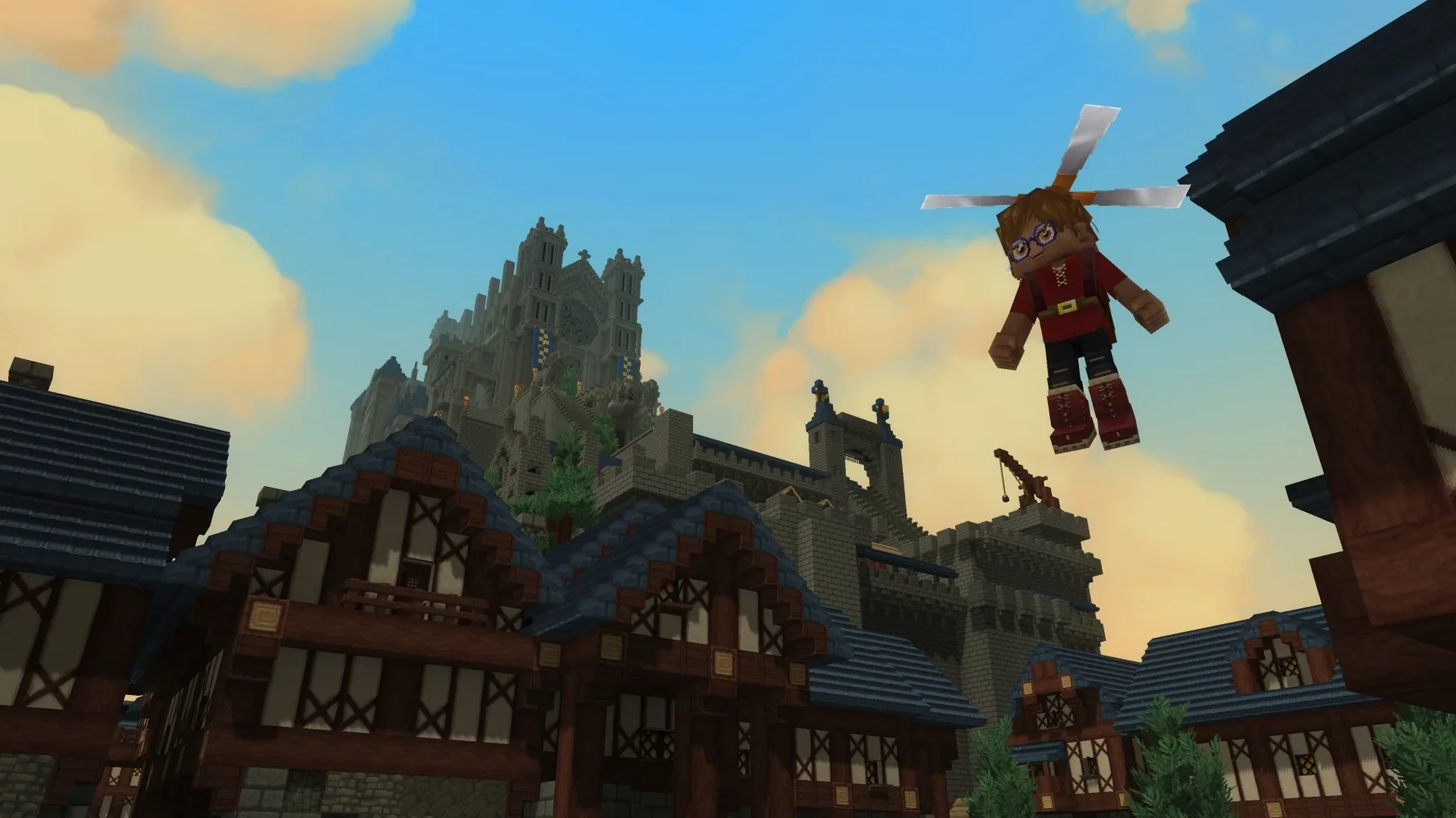
Minecraft veterans moving to a deeper world of quests and custom creation are the natural audience here.
Algorithmic terrain ensures no two expeditions unfold alike
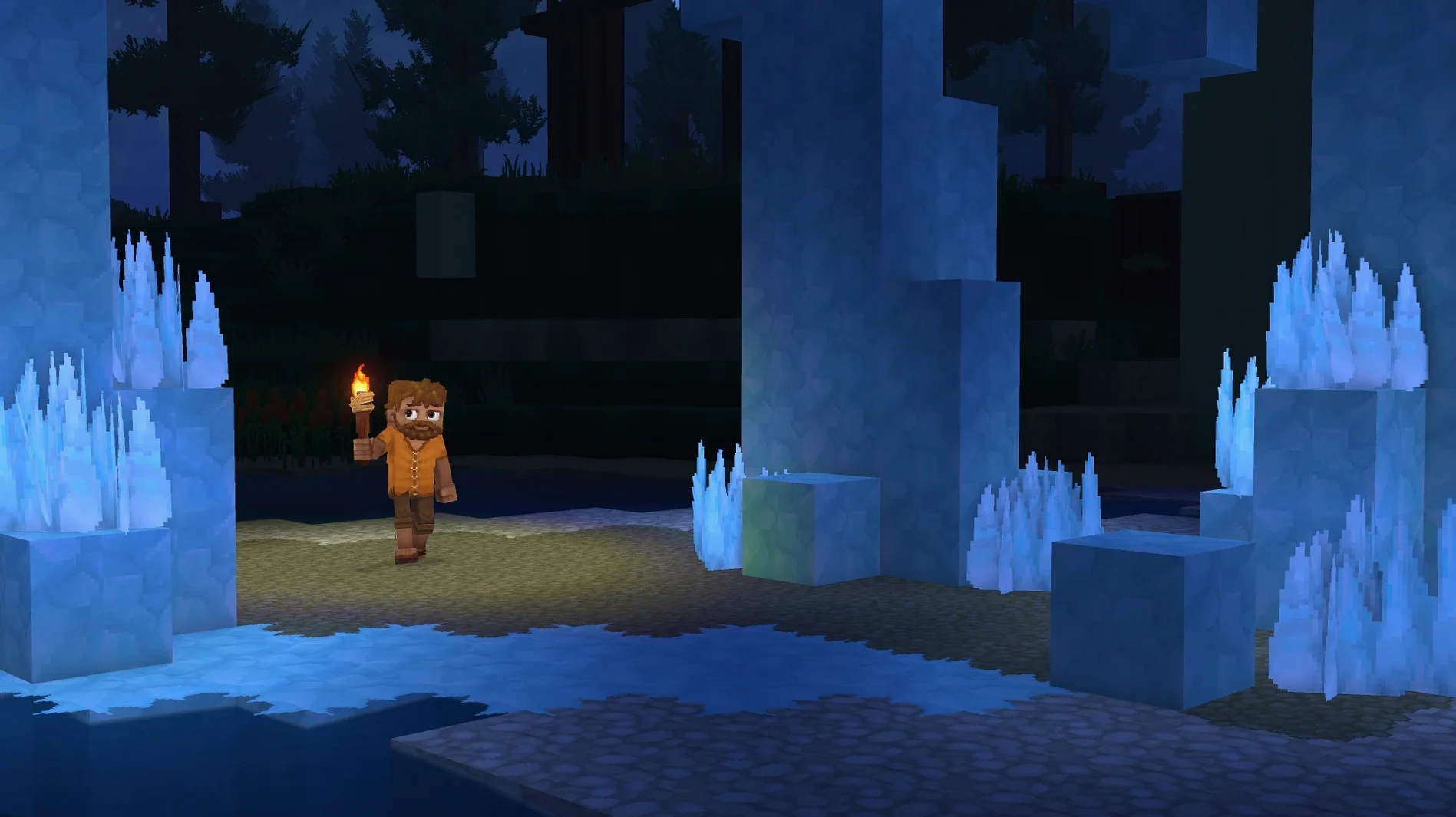
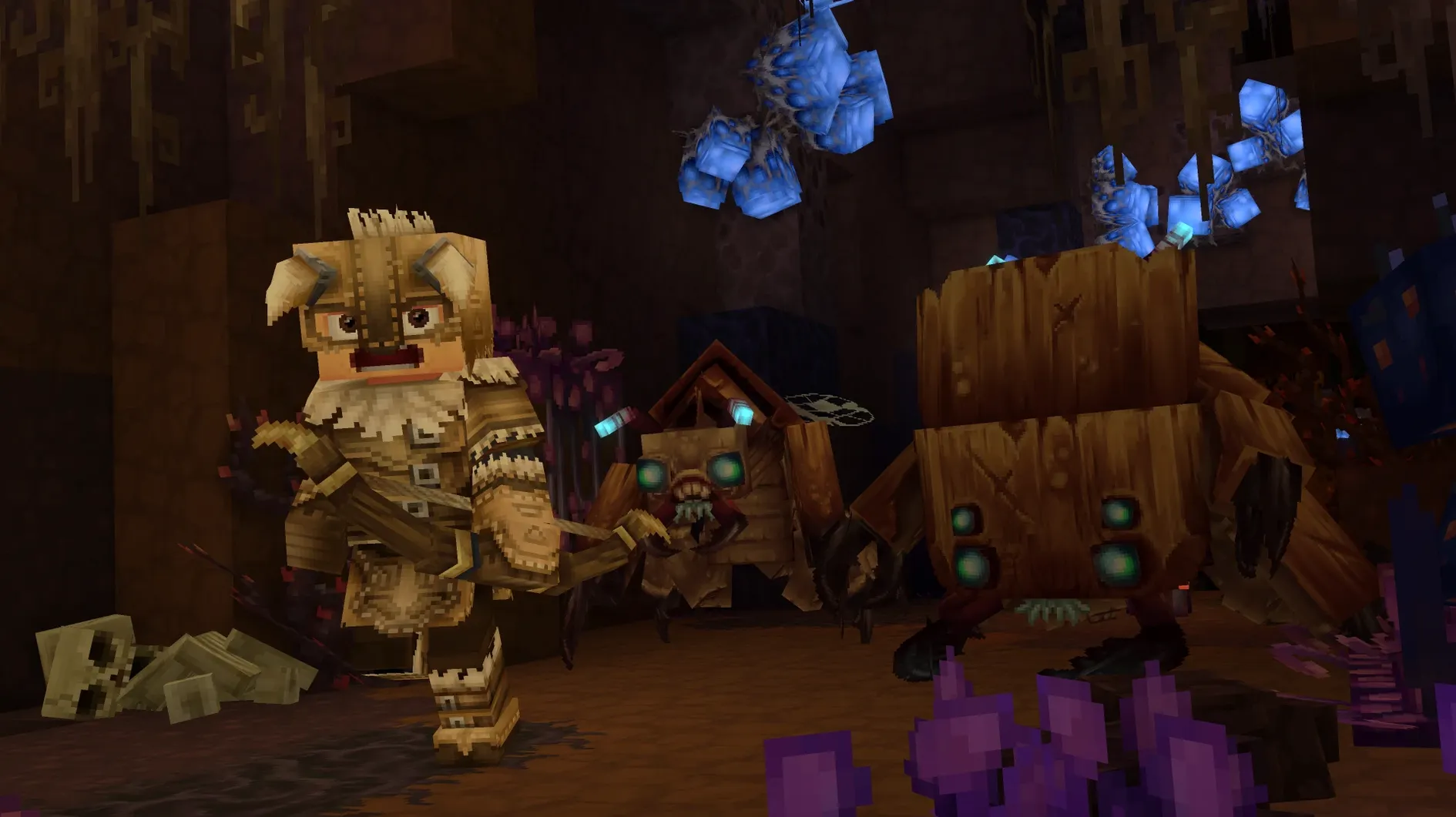
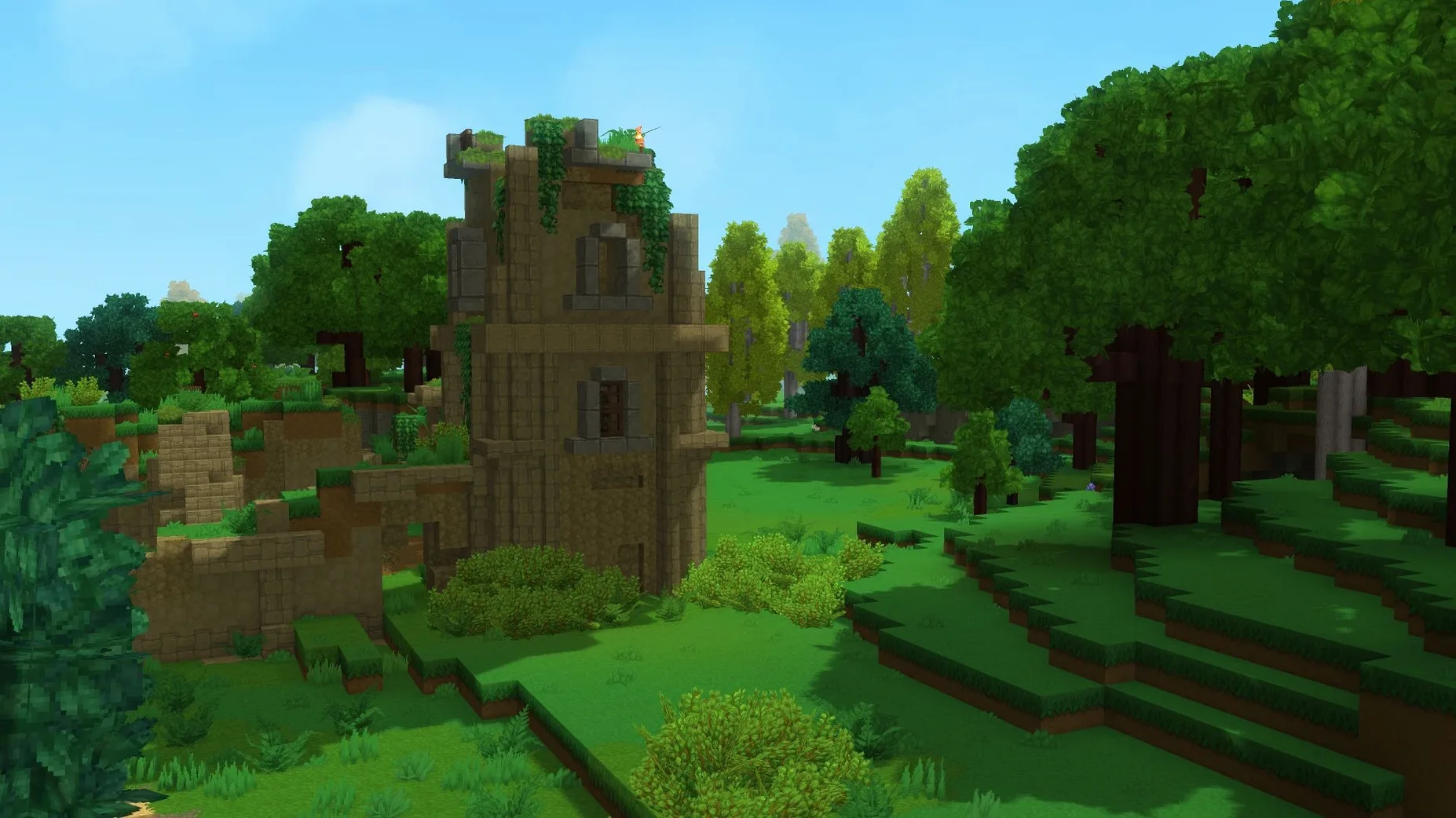
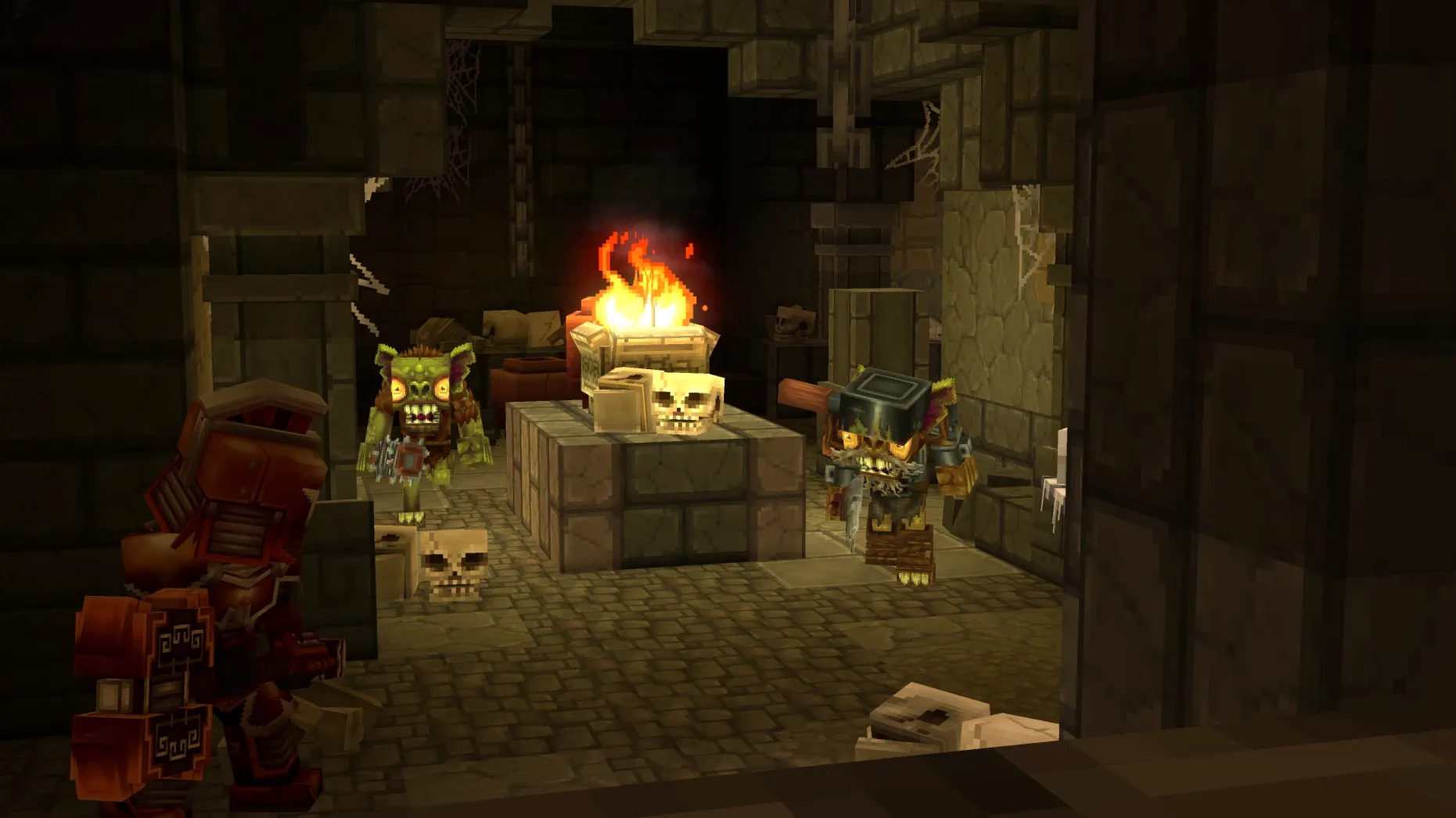
Procedurally generated world — the terrain, from crumbling ruins and damp caves to roaming creatures, is stitched together by algorithms, not a designer's hand, so no two expeditions start the same way.
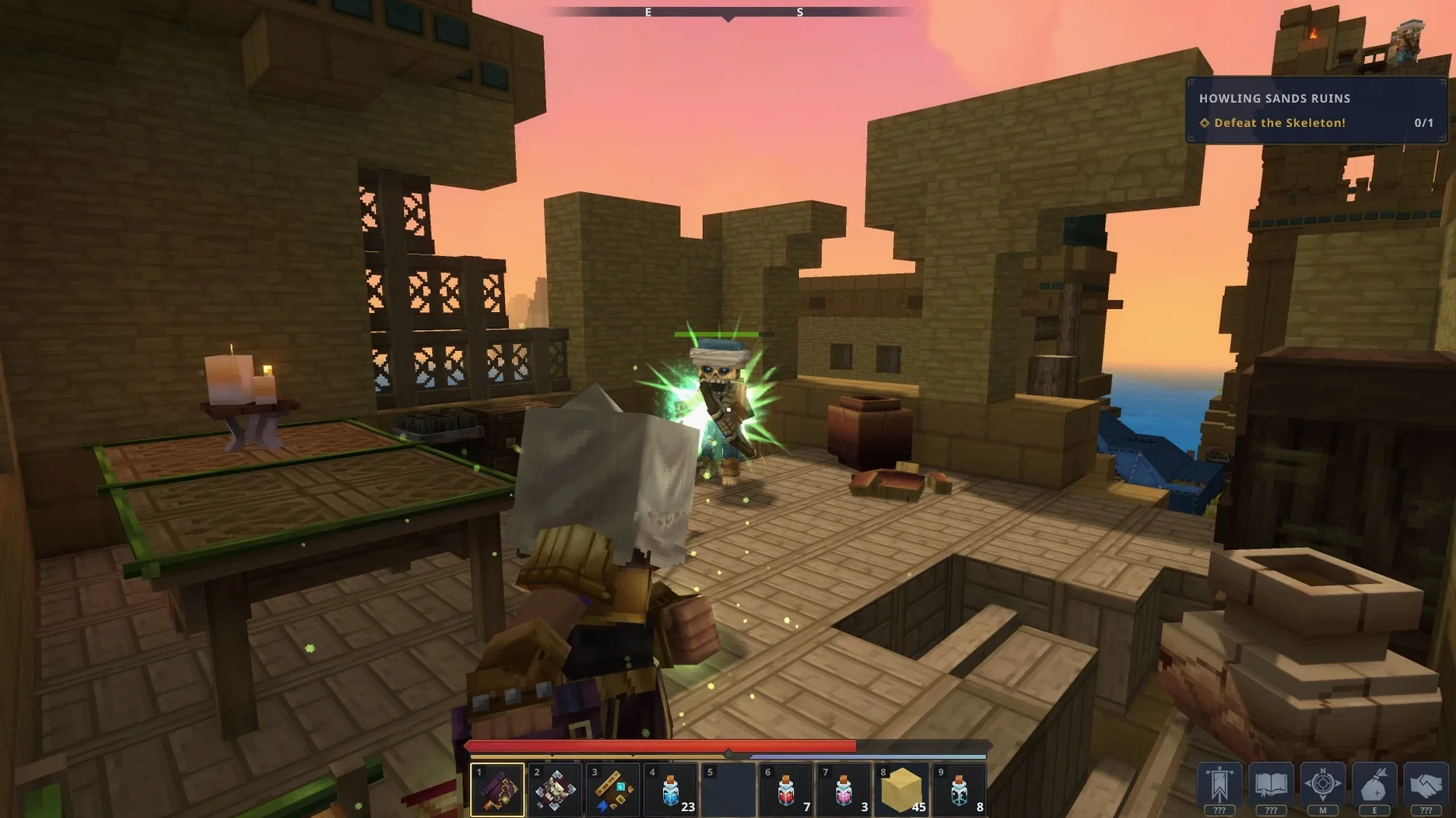
RPG progression — classic sandbox freedom meets a levelling spine. You dig, fight, and craft, but the numbers behind your character grow, unlocking tougher zones and deeper lore.
Exploration Mode — a dedicated way to play that dials down the building and pushes the adventure, sending you into dungeons and across biomes with survival and discovery at the fore.
Creative Mode — unlimited blocks, no hunger bar, and flight. The mode where you shape the landscape without the grind, testing builds or sculpting for the sheer pleasure of it.
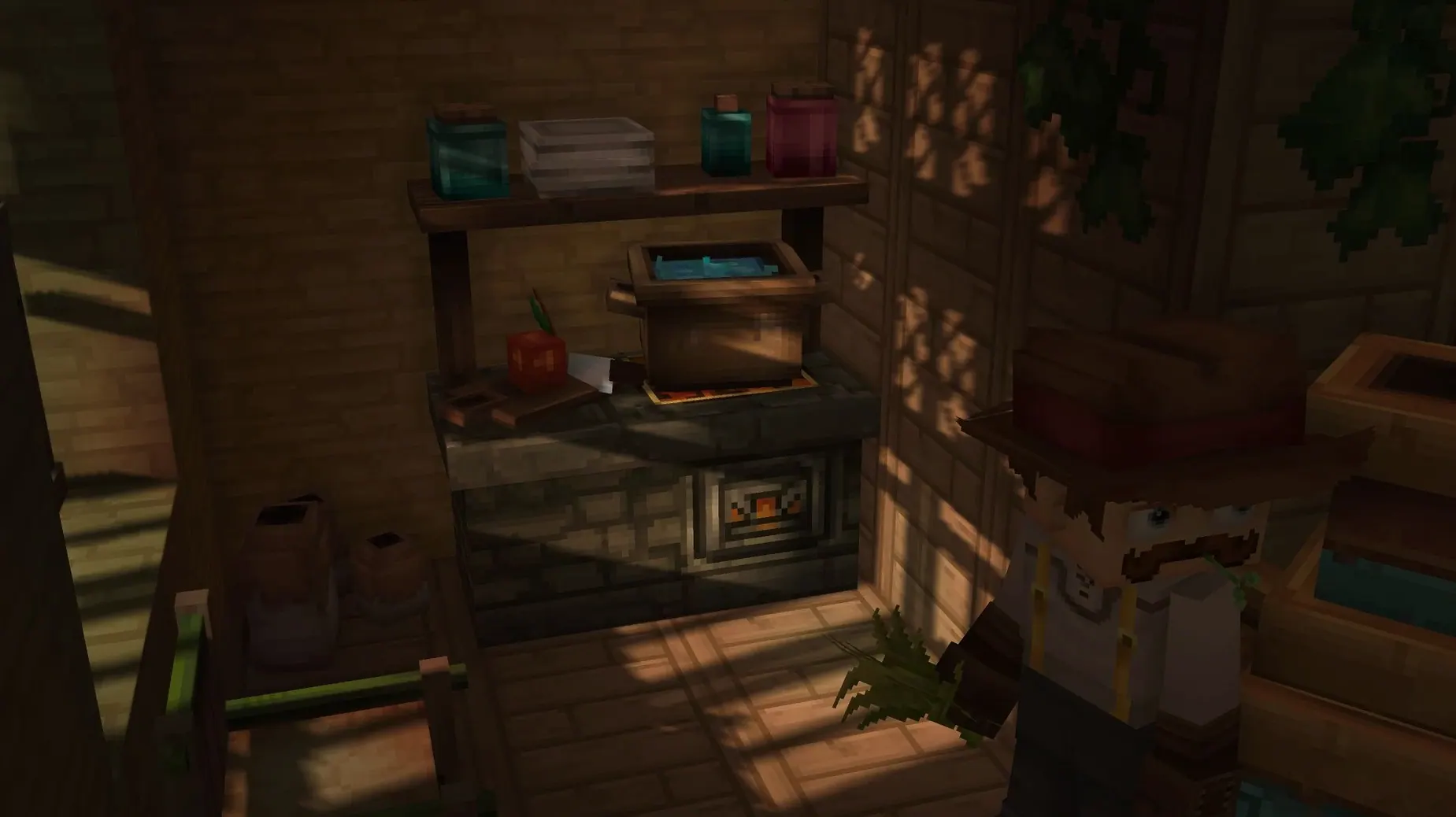
Creator tools — the same suite Hypixel Studios uses internally. You can model new blocks, script minigames, and run community servers, all with modding support baked in from this early build.
Multiplayer support — Early Access ships with the netcode live, so you can drag friends into your custom minigame or tackle a ruin together while the paint is still drying on the update cycle.
An Early Access build — systems like camera, combat, and audio have been tightened in this version, but rough edges remain. You are playing a snapshot of something still taking shape, with Russian and English as the interface languages.
Skipping the story-driven RPG spine costs you the early game
Treating Hytale as a pure sandbox on first launch is the quickest way to miss what makes it tick. The block-by-block muscle memory from other voxel games kicks in, and players start flattening hills before they have even peered into the cave entrance twenty blocks to the left. Exploration Mode exists for a reason — the procedural stitching of ruins, dungeons, and biome transitions is the engine that feeds the RPG loop. Ignoring it means you will hit a difficulty wall later with under-levelled gear and no sense of which faction controls the zone you just wandered into.
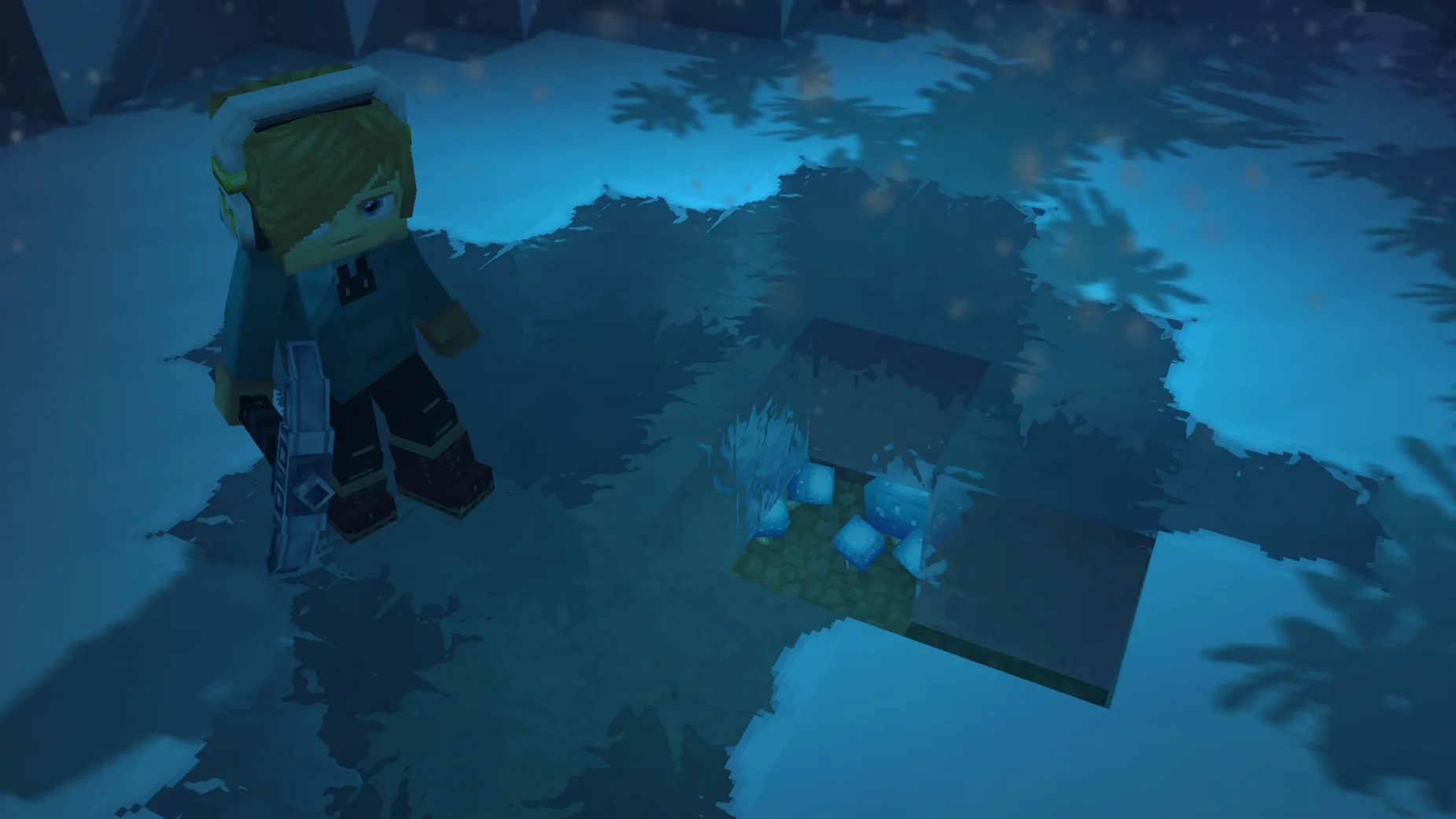
Another common slip is stockpiling the wrong materials. The crafting tree branches early, and hoarding surface stone while walking past the luminous resin found in deep caverns leaves you locked out of mid-tier tools. The game nudges you downward, but it never shouts. If your pickaxe bounces off a vein, make a mental note of the colour and depth — that is the progression system talking, not a bug.
Rushing into multiplayer servers without testing your build offline first is its own brand of chaos. Creator tools are wonderfully deep, but a minigame script that runs smoothly on a local instance can buckle under five simultaneous connections if you have not profiled the server tick rate. Spend twenty minutes in a private Creative Mode session stress-testing your world logic before you hand out invites.
How it lands for a small-server host
Picture someone who has run a Minecraft realm for half a dozen friends over the past three years. The group has exhausted the vanilla boss progression and a dozen modpacks, and conversations in Discord have drifted toward “what if we built something that plays more like an RPG campaign?” This host grabs the Early Access build, spins up a community server on a Mac mini, and spends an evening inside the creator tools designing a short dungeon crawl — three rooms, a custom loot table, and a scripted ambush triggered by crossing a pressure plate.
The session that follows is rough in the way all first drafts are rough. One player’s client stutters when the ambush spawns because the server is ticking too many entities on a single core. The host pauses, tweaks the spawn logic to stagger the wave, and restarts. By the second attempt, the group clears the dungeon, the rogue pulls a rare dagger from the chest, and the chat fills with suggestions for act two. What keeps the host up late is not the building — it is reading the Lua-like script hooks and realising just how much behaviour can be authored without touching compiled code.
A structured RPG spine fills the silence Minecraft leaves open
Minecraft is the obvious yardstick. Where Minecraft drops you into the world and trusts you to invent the story, Hytale layers a structured RPG spine — quest-like exploration triggers, biome-gated difficulty, and combat with weightier timing — on top of a familiar block-building foundation. The creator toolchain in Hytale also ships as a first-class citizen rather than a bolt-on, which means modelling and scripting live closer to the surface than they do in Mojang’s ecosystem.
Terraria shares the exploration-and-progression heartbeat, but its 2D plane and sprite-based world make verticality and architectural detail a different craft entirely. Hytale gives you the third dimension and a first-person camera, so the feeling of ducking under a low cavern ceiling or spotting torchlight across a ravine is more immediate. Terraria’s boss-battle spectacle, on the other hand, is far more mature at this stage — Hytale’s combat encounters are still finding their rhythm in Early Access.
Roblox Studio overlaps in the “make your own game and share it” space, but it approaches creation from a game-engine philosophy where scripting is front and centre. Hytale wraps its modding in a world that is already furnished with lore, biomes, and a working adventure loop, so you are remixing an existing universe rather than assembling one from primitives. For players who want to host a server with custom minigames without learning a full IDE, Hytale’s tools feel more like a workshop than a development environment. A hytale mac download bundles all of that under a single launcher, which keeps the toolset coherent compared to juggling separate editors.
This build marks the Early Access debut, bundling Exploration Mode, Creative Mode, modding support, and multiplayer into a single launch. Under the hood, fixes landed across the core pipeline — camera behaviour, movement, combat flow, crafting logic, building placement, the audio mix, and the rendering stack all saw attention ahead of the release.
- macOS Tahoe
- Apple Silicon architecture (tested on Mac mini 2024 M4)
Questions I keep hearing
Does Hytale run on Intel Macs?
No, the current build is compiled for Apple Silicon only and was tested on a Mac mini 2024 M4 running macOS Tahoe.
Can I make my own minigames right now?
Yes, modding support and the full suite of creator tools are included, so you can script custom minigames and run community servers from this build.
Questions from the class 0
Sign in or join the class to ask a question.
Nobody has asked anything yet. If you have used it on a real job, say what the file did.
Also on the Games shelf
The whole Games shelf HUNTDOWN: OVERTIME
Sends you on a roguelite rampage through procedurally shifting criminal districts.
HUNTDOWN: OVERTIME
Sends you on a roguelite rampage through procedurally shifting criminal districts.
 House Flipper
Clears rubbish, repaints walls and sells a neglected house for profit.
House Flipper
Clears rubbish, repaints walls and sells a neglected house for profit.
 Hollywood Animal
Steers a fledgling film studio through decades of creative and business turmoil.
Hollywood Animal
Steers a fledgling film studio through decades of creative and business turmoil.
 Into the Dead: Our Darkest Days
Leads a group of survivors through a zombie-infested city over weeks of scavenging and tough choices.
Into the Dead: Our Darkest Days
Leads a group of survivors through a zombie-infested city over weeks of scavenging and tough choices.
 inZOI
Hands you a virtual town where you create characters, build homes and direct everyday life stories.
inZOI
Hands you a virtual town where you create characters, build homes and direct everyday life stories.
 Heroes of Might and Magic II: Gold Edition
Lays out a turn-based fantasy kingdom where every considered move counts.
Heroes of Might and Magic II: Gold Edition
Lays out a turn-based fantasy kingdom where every considered move counts.
 Hello Kitty Island Adventure
Invites you to restore a pastel island alongside familiar Sanrio friends.
Hello Kitty Island Adventure
Invites you to restore a pastel island alongside familiar Sanrio friends.
 Hearts of Iron IV
Directs a single nation through the full machinery of World War II.
Hearts of Iron IV
Directs a single nation through the full machinery of World War II.