 ASPNetWorld
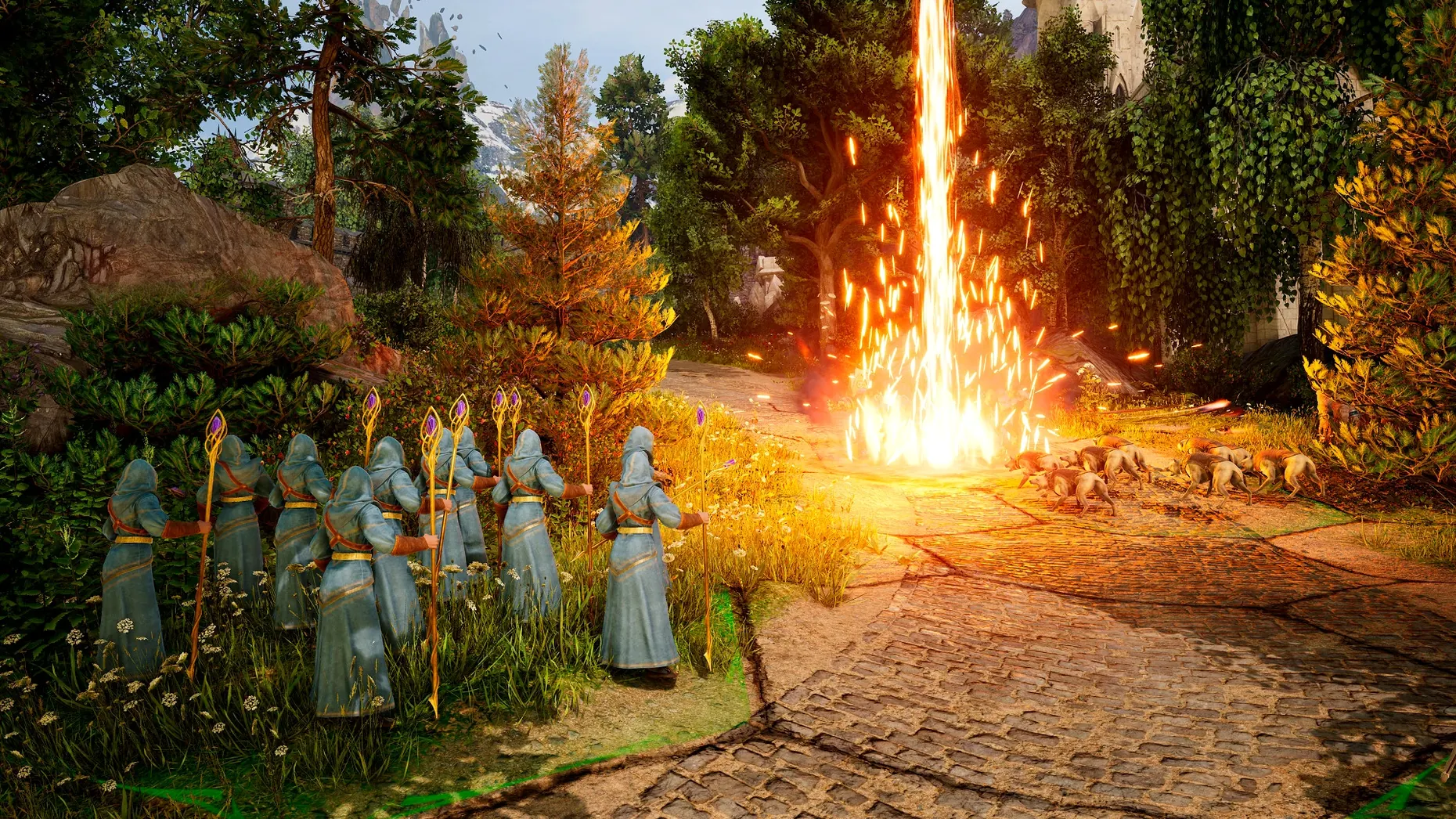
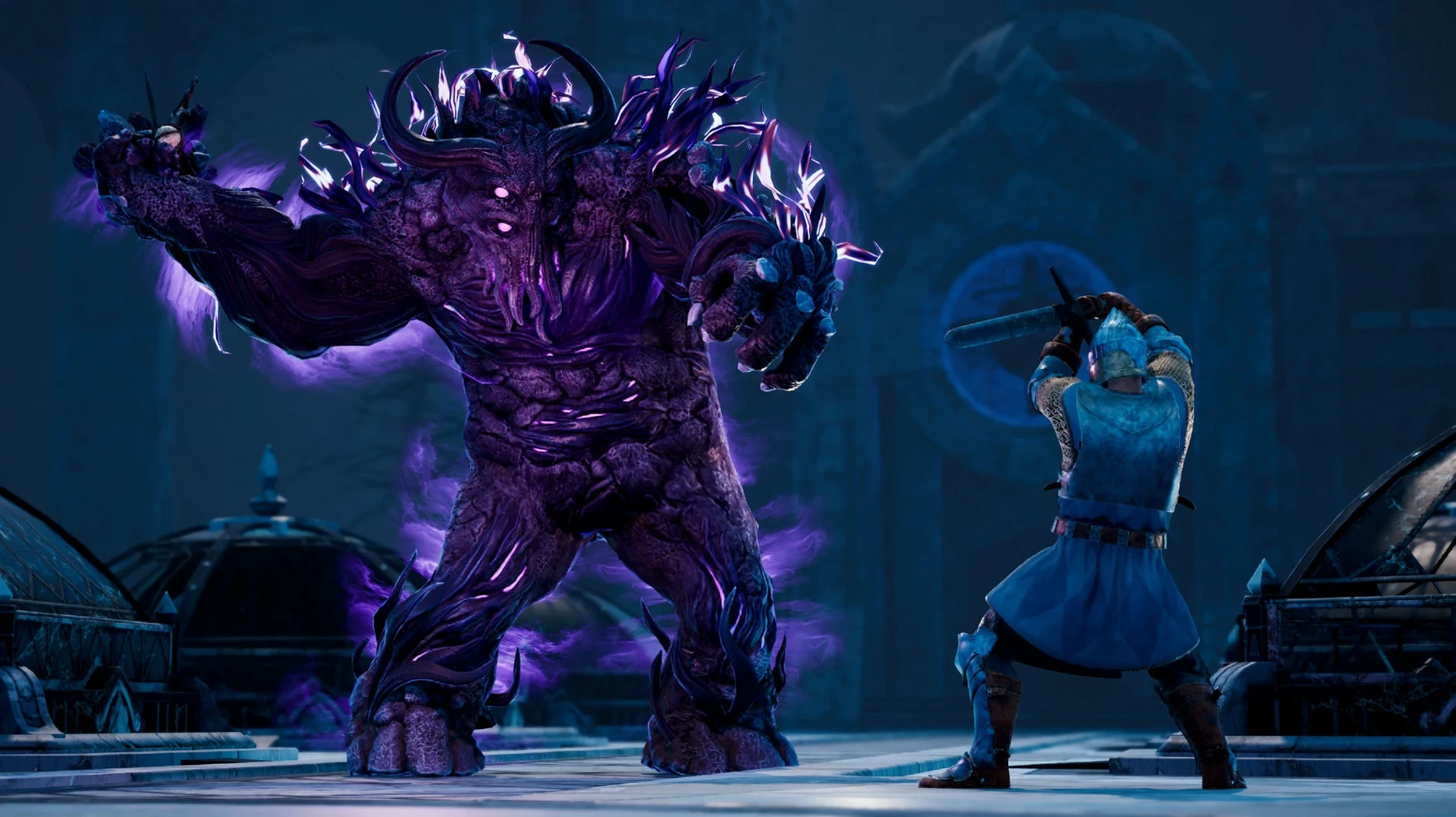
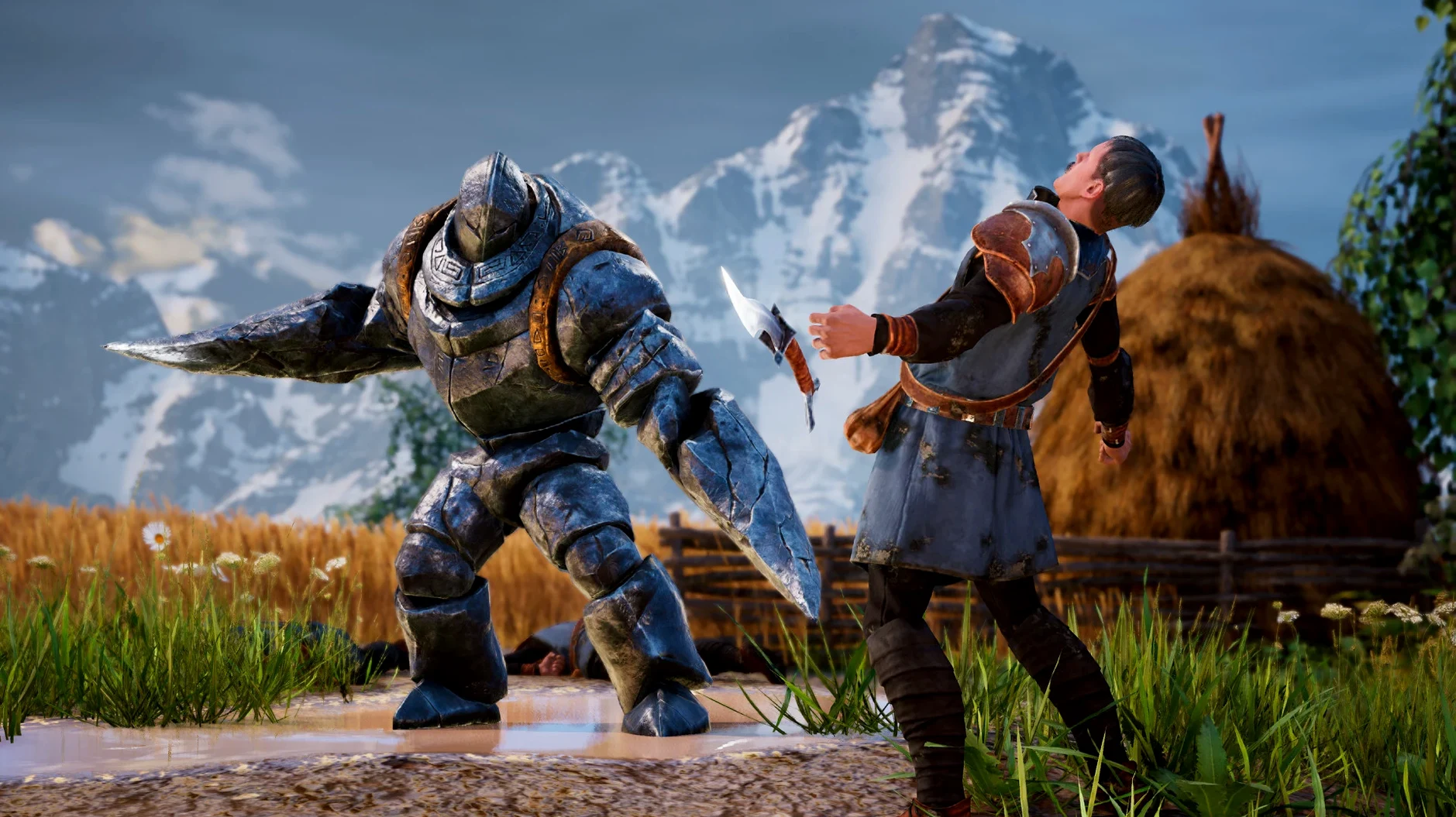
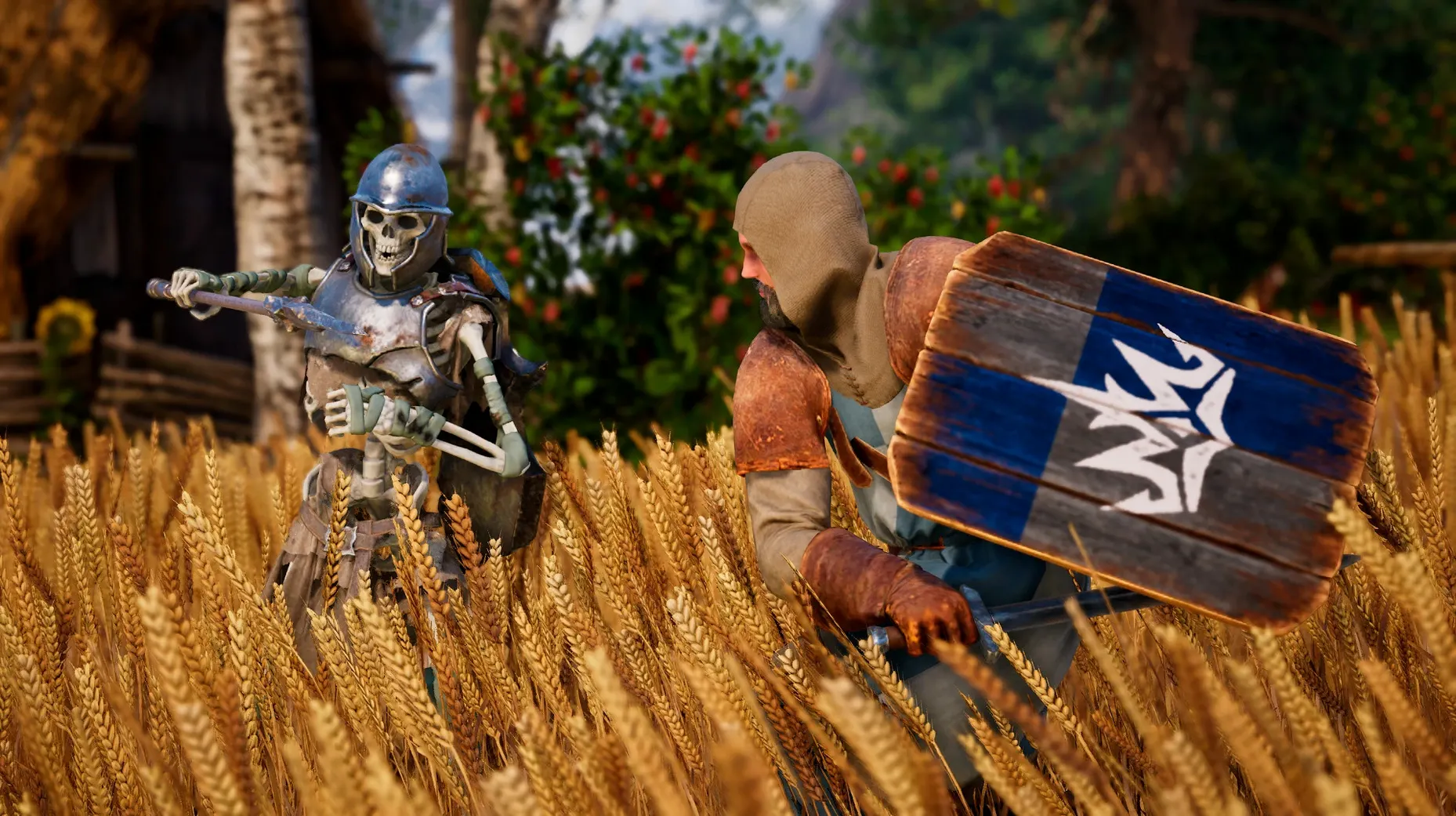
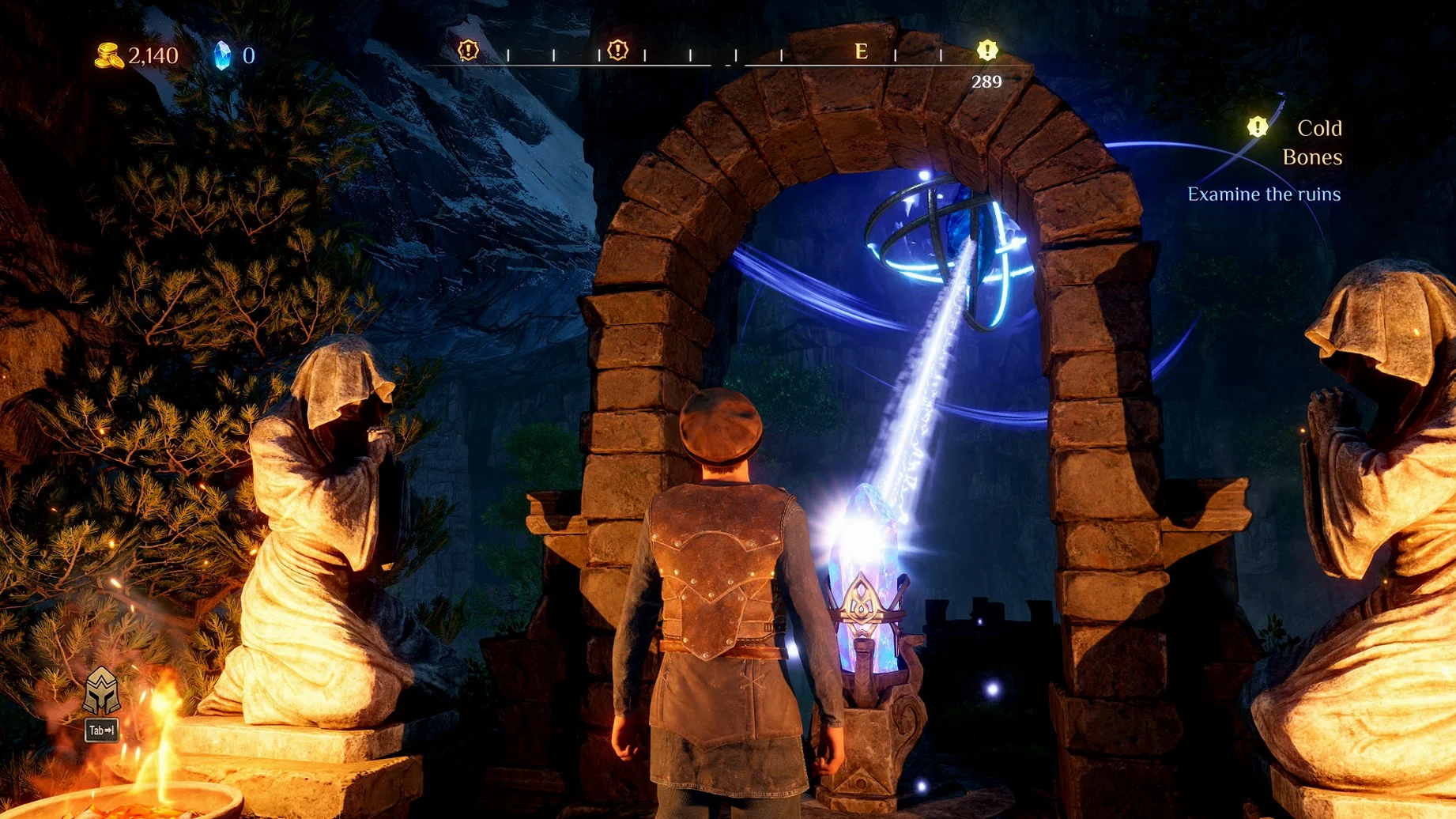
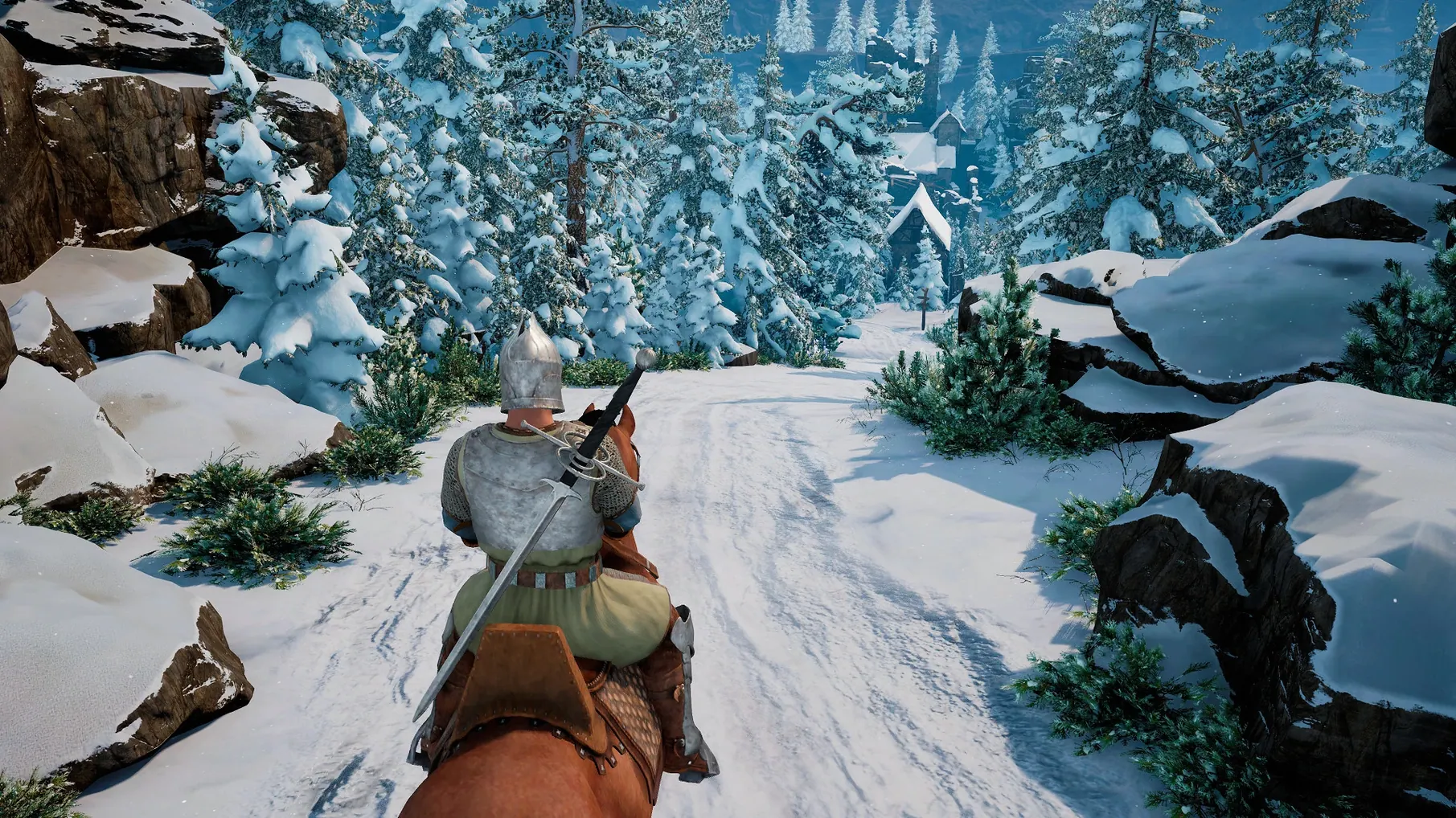
The Ideology system tracks every significant choice, quietly reshaping how the world of Antara responds to you.
Turn-based combat — Battles unfold on a hex grid where positioning, terrain and unit abilities matter as much as raw strength. You command an army of recruited soldiers, fantastical creatures and mercenaries, each with their own upgrade paths and battlefield roles.
Ideology — Rather than a simple morality meter, the game weighs your decisions against four philosophical poles: Order, Anarchy, Power and Finesse. Quests adapt, dialogue branches shift and certain units may only follow a leader whose convictions align with theirs.
Wineskin wrapper — The Mac build uses Wineskin to translate the Windows game for Apple Silicon. On an M3 Pro machine running macOS Sequoia, performance is smooth at high settings, though you may notice a slightly longer initial launch while the wrapper initialises. If the game throws an error on first launch, a repair file inside the disk image sorts it out quickly.
Voice and text — Spoken dialogue comes in English and Russian. Interface text extends to twelve languages including German, Japanese, Spanish, French and both Traditional and Simplified Chinese, which makes it approachable for a broad audience.
The Wineskin wrapper for Apple Silicon made booting reliable
Version 1.7 Build (8178363) arrived with the Wineskin wrapper tuned specifically for Apple Silicon, which is the single biggest practical shift from earlier Mac attempts. On an M3 Pro machine the game boots reliably — still a touch slower than a native ARM title because the wrapper needs a moment to stitch its Windows-to-Mac translation layer together, but once you are past the title screen the frame pacing settles into something comfortable. You will not need to babysit graphics settings; the build ships with sensible defaults that keep turn-based battles crisp and the overworld free of stutter.
Everyday changes that stuck with me after a few evenings in Antara:
- The repair file bundled inside the disk image has become the quiet hero of the installation. A handful of players hit a launch error where the wrapper misreads its own sandbox paths, and running that fixer script once rewrites the configuration so the game never complains again. It is a thirty‑second detour, not a troubleshooting rabbit hole.
- Game saves now live inside the app bundle itself, tucked under
SharedSupport/prefix/drive_c/users/Sikarugir/AppData/Local/KingsBounty2. The upside is that everything stays self‑contained — no scattered preference folders to hunt down. The small trade‑off: if you delete the app, you delete your campaign progress too, so back up that folder before clearing space. - Voice‑language switching between English and Russian works without a separate download, and the interface languages are all present from the moment you drag the app into the Applications folder. No waiting, no extra unpacking.
A short recruitment run: building an Order‑aligned company
Say you have decided to lean hard into the Order ideology. Your hero is Aivar, the paladin‑adjacent warrior whose dialogue nudges quests toward protect‑the‑realm outcomes, and you want an army that rewards that stance. Here is how a targeted recruitment session plays out, step by step.
You begin in the Crownlands hub, where the garrison commander offers a handful of basic swordsmen. Their upkeep is modest and they gain a morale boost when led by an Order‑focused commander, so you take four units. Aivar’s ideology meter sits at roughly thirty percent Order, which is enough to unlock a passive trait that reduces recruitment costs for human infantry. That trait did not exist at the start of the game — it appeared only after a quest where you chose to return stolen supplies to the Crown garrison rather than sell them to a black‑market contact. The game remembers.
From the Crownlands you ride west toward a marsh border post. The terrain en route is damp lowland; if a random encounter triggers here, ranged units suffer a slight accuracy penalty because of mist. You have brought two spearmen to screen your crossbow line, a precaution that costs you nothing now but saves a messy reload later. At the border post, a recruiter offers Sisters of Mercy — healer units that refuse to serve commanders whose Anarchy rating exceeds a threshold. Your Anarchy score is essentially zero, so they join without protest. Their area‑heal ability scales with the number of adjacent Order units, which will matter once your front line thickens.
Back at a campfire, you open the army panel and drag the Sisters behind your swordsmen, then promote one swordsman unit to Shieldbearers using experience you banked from the previous skirmish. Shieldbearers gain a taunt ability that draws enemy melee attacks away from softer targets, a tactic that becomes essential when you face the undead packs in the next province. The whole loop — ride, recruit, position, promote — took about twenty minutes, and the roster now has a clear identity rather than a grab bag of mismatched creatures.
Disciples: Liberation runs a darker, faster campaign alongside base-building
Put King’s Bounty II alongside Disciples: Liberation and the rhythm splits immediately. Disciples pushes you into a darker, faster‑paced campaign where base‑building and companion loyalty threads run in parallel with combat. Its battles feel more like a skirmish‑mode board game, whereas King’s Bounty II stretches out the time between fights — more riding, more talking, more room for the ideology system to breathe. If you want a tight loop of fight‑upgrade‑fight, Disciples pulls you in quicker. If you want the world to feel like it is slowly leaning in different directions based on your choices, King’s Bounty II is the one that delivers that.
Divinity: Original Sin 2 still casts a long shadow over any turn‑based RPG on macOS. Its elemental interaction system — puddles, clouds, cursed surfaces — adds a layer of tactical chaos that King’s Bounty II does not attempt to match. What King’s Bounty II offers instead is a more traditional hex‑grid wargame feel, where line of sight, elevation and unit placement matter without the spells‑turning‑the‑floor‑to‑poison fireworks. It also runs more comfortably on a wider range of Mac hardware because the Wineskin build is less demanding than Divinity’s native but heavy engine.
Where King’s Bounty II stands apart from both is the recruitment‑as‑story device. You are not just unlocking unit types because you reached a certain level; units care about what your hero believes. That gates your roster in a way that can feel restrictive early on, but it also means a second playthrough with a different ideology genuinely reshuffles the tactical puzzle. Neither Disciples nor Divinity ties recruitment this tightly to a moral‑philosophy framework, so the comparison is less about which game is better and more about which kind of friction you enjoy.
Fitting King’s Bounty II into a wider Mac setup
The Wineskin nature of this build means the app behaves like a self‑contained Windows bottle wearing a Mac icon. On the surface it launches from Launchpad, appears in the Dock and responds to Command‑Tab like any other application. Underneath, the prefix folder inside the bundle is where you can reach save files if you ever want to archive a completed campaign or move progress to another Mac — just copy the KingsBounty2 folder out, then paste it back into the same relative path on the new machine after installing the game there.
macOS screen recording handles the game well. QuickTime Player or the Screenshot tool (Command‑Shift‑5) can capture battle footage without a stutter, which is handy if you want to share a particularly tight tactical win. Because the audio runs through the system output, you can route game sound into a pair of reference monitors or headphones via an audio interface with no extra configuration.
VoiceOver and the accessibility subsystem do not interact deeply with the Wineskin layer — the game’s UI is not mapped to macOS accessibility APIs — but standard system shortcuts for volume, brightness and Do Not Disturb all work while the game is running. If you play with a Bluetooth controller, macOS recognises it before the game does; the wrapper picks it up as a generic input device, and you can remap buttons inside the game’s own settings panel.
For players who enjoy capturing a record of their campaign choices, the ideology‑tracking journal sits entirely in‑game, but you can use the macOS Notes app or a simple text file in the same iCloud folder to jot down key decisions alongside save‑file backups. It is low‑tech, but when you return to a half‑finished playthrough after a month away, those notes are the difference between remembering why your Finesse rating is high and staring blankly at a mercenary who refuses to join.
- Apple Silicon Mac (M1, M2, M3 or later)
Questions I keep hearing
Does King's Bounty II run natively on Apple Silicon?
It runs through a Wineskin wrapper built for ARM architecture, so it works directly on M-series chips without Rosetta.
What should I do if the game shows an error at launch?
Open the downloaded disk image and run the repair file included there — it resolves the launch issue.
Questions from the class 0
Sign in or join the class to ask a question.
Nobody has asked anything yet. If you have used it on a real job, say what the file did.
Also on the Games shelf
The whole Games shelf Legacy of Kain: Blood Omen 2
Tells a gothic tale of vampiric revenge through third-person action and puzzle-solving.
Legacy of Kain: Blood Omen 2
Tells a gothic tale of vampiric revenge through third-person action and puzzle-solving.
 Library Of Ruina
Turns deck-building combat into a tactical puzzle by revealing every enemy move in advance.
Library Of Ruina
Turns deck-building combat into a tactical puzzle by revealing every enemy move in advance.
 LIMBO
Challenges you to guide a boy through a perilous monochrome world in search of his sister.
LIMBO
Challenges you to guide a boy through a perilous monochrome world in search of his sister.
 inZOI
Hands you a virtual town where you create characters, build homes and direct everyday life stories.
inZOI
Hands you a virtual town where you create characters, build homes and direct everyday life stories.
 Into the Dead: Our Darkest Days
Leads a group of survivors through a zombie-infested city over weeks of scavenging and tough choices.
Into the Dead: Our Darkest Days
Leads a group of survivors through a zombie-infested city over weeks of scavenging and tough choices.
 Hytale
Generates a quest-filled block world that responds to your own custom creations.
Hytale
Generates a quest-filled block world that responds to your own custom creations.
 HUNTDOWN: OVERTIME
Sends you on a roguelite rampage through procedurally shifting criminal districts.
HUNTDOWN: OVERTIME
Sends you on a roguelite rampage through procedurally shifting criminal districts.
 House Flipper
Clears rubbish, repaints walls and sells a neglected house for profit.
House Flipper
Clears rubbish, repaints walls and sells a neglected house for profit.