 ASPNetWorld

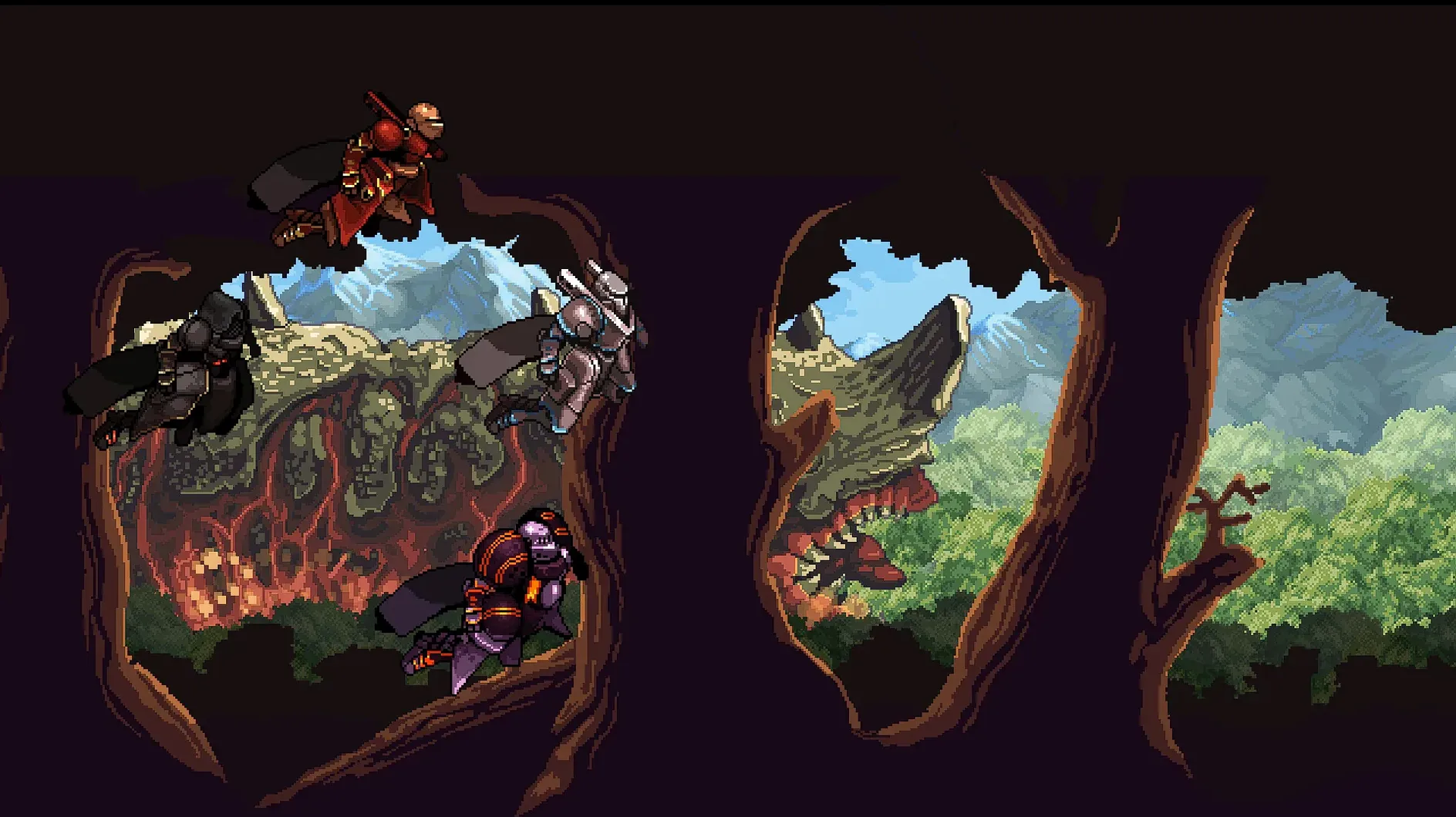
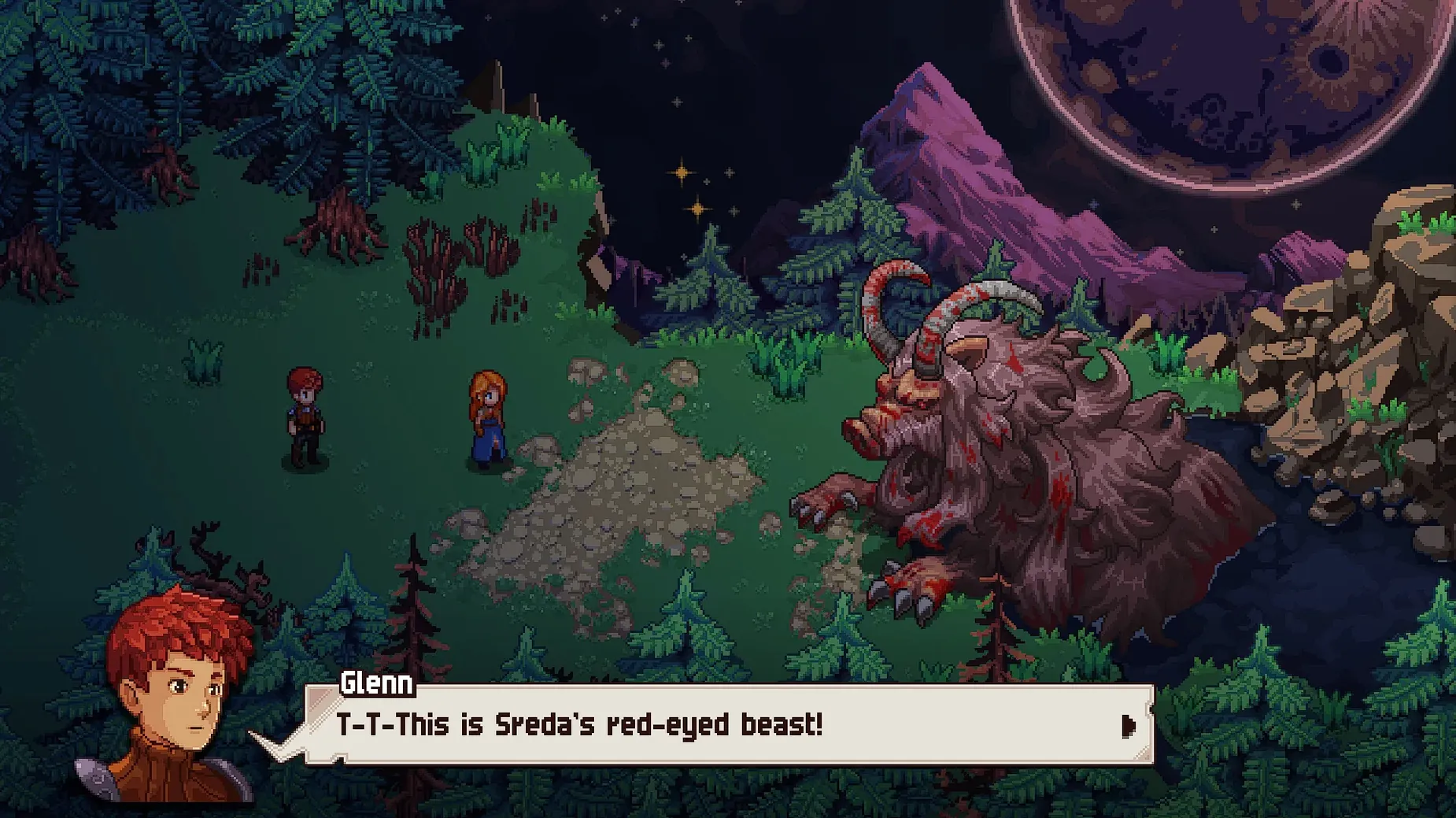
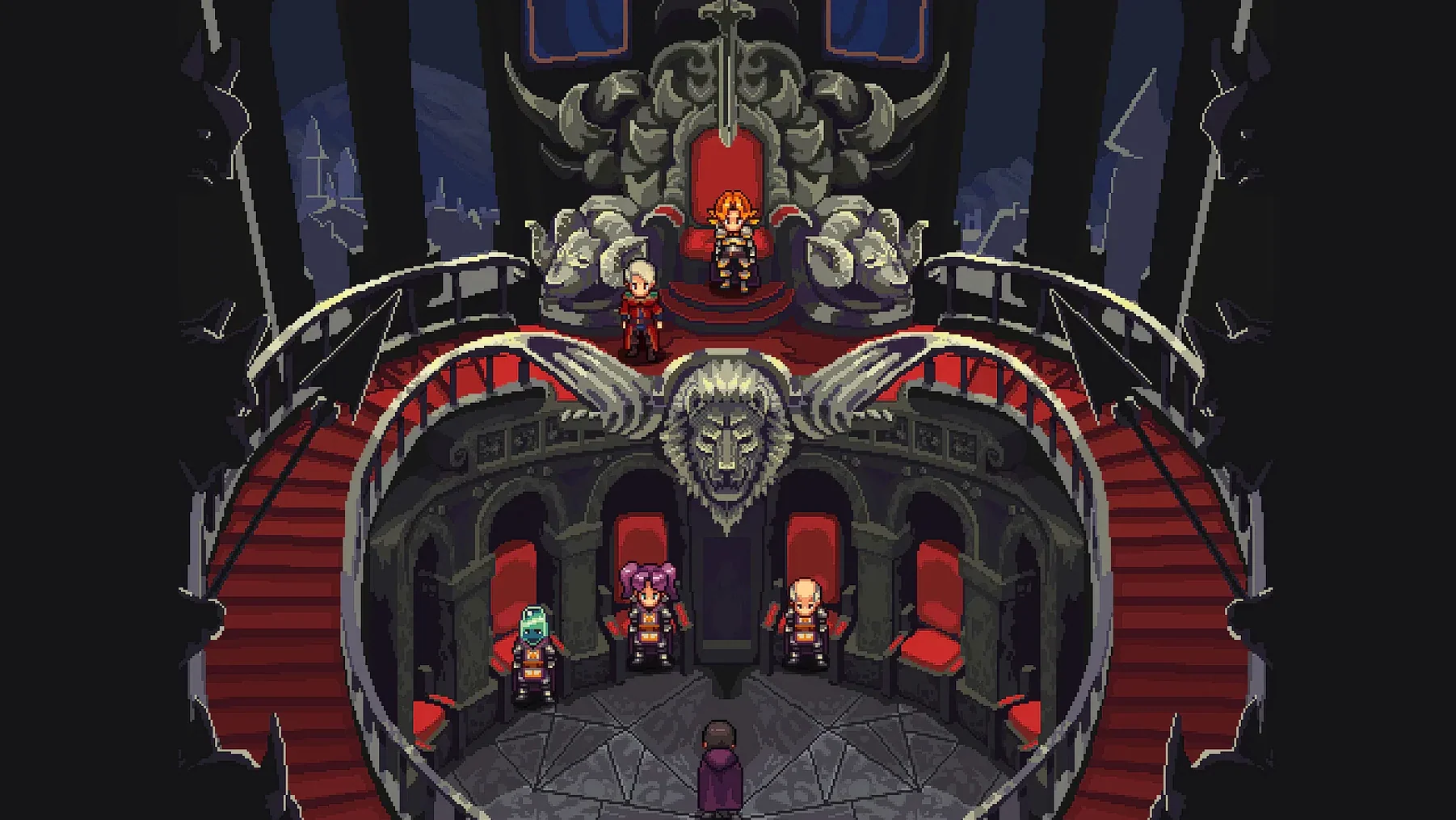
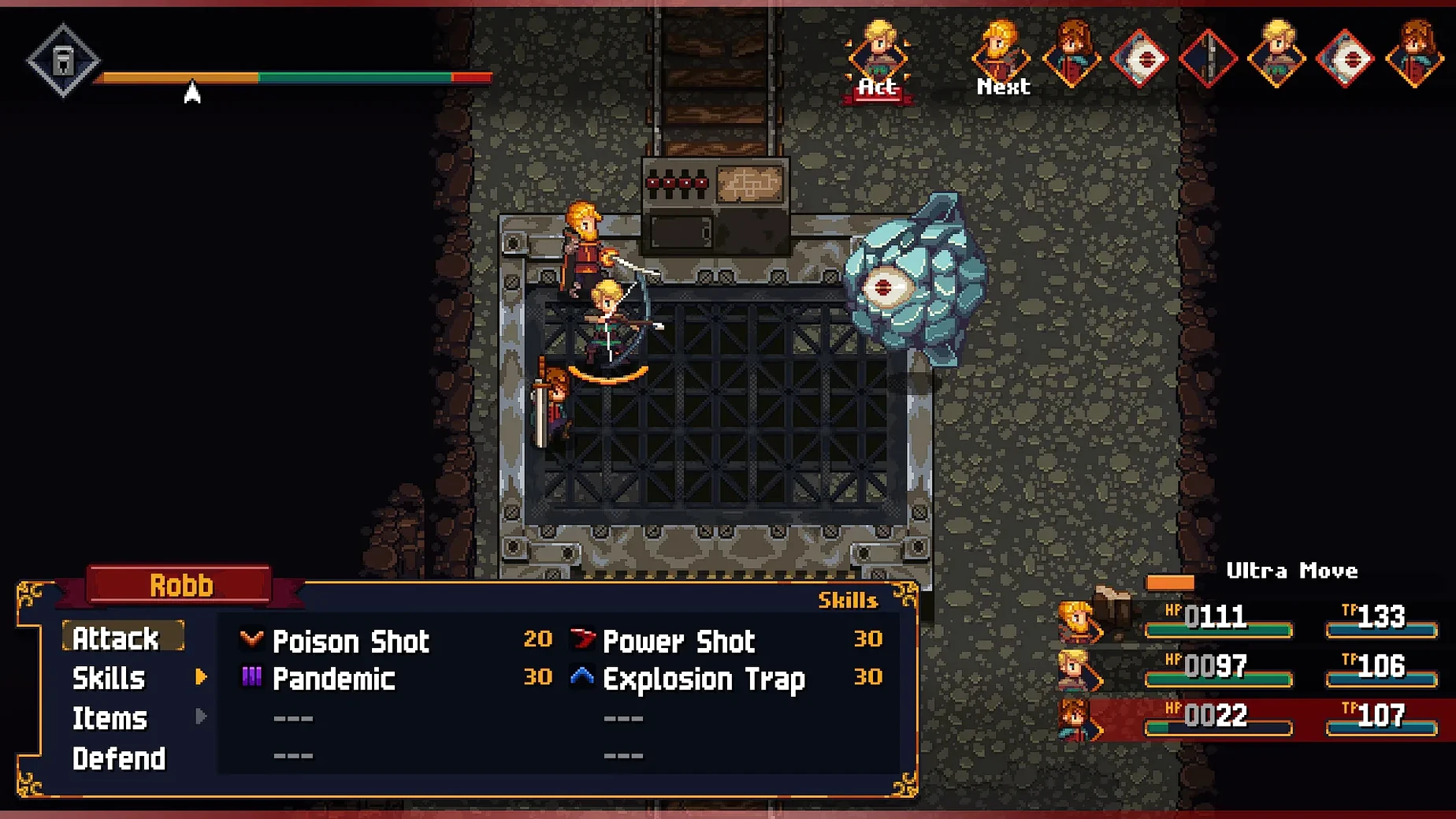
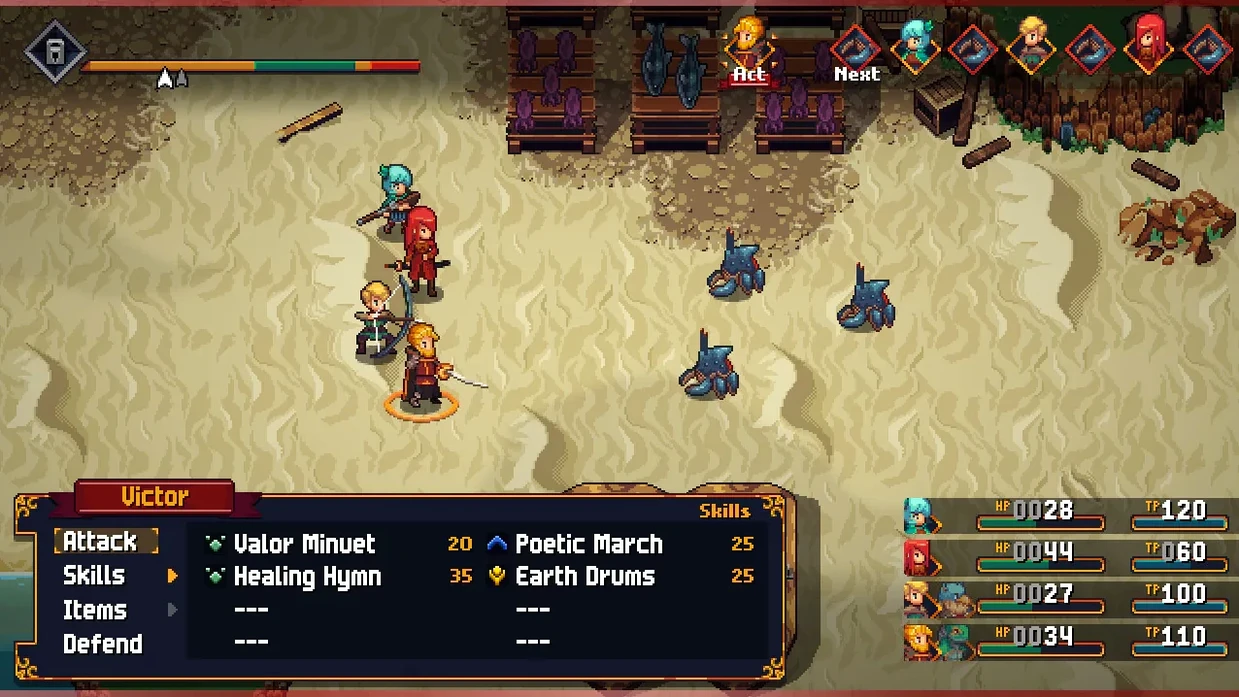
If your idea of a perfect evening once involved a SNES and a copy of Chrono Trigger, the rhythm of Chained Echoes will feel like muscle memory. It opens on the continent of Valandis with a story that pulls you straight into a tangle of warring kingdoms, but the minute-to-minute play is where it really sinks its claws in.
What does the moment-to-moment exploration look like?
You guide a party across a pixel-art overworld and through dungeons, talking to townsfolk and uncovering treasure. The 16-bit visuals aren't just a skin; the tile-by-tile movement and hidden paths reward you for prodding at every corner of the map just like the classics did.
How does the turn-based combat work?
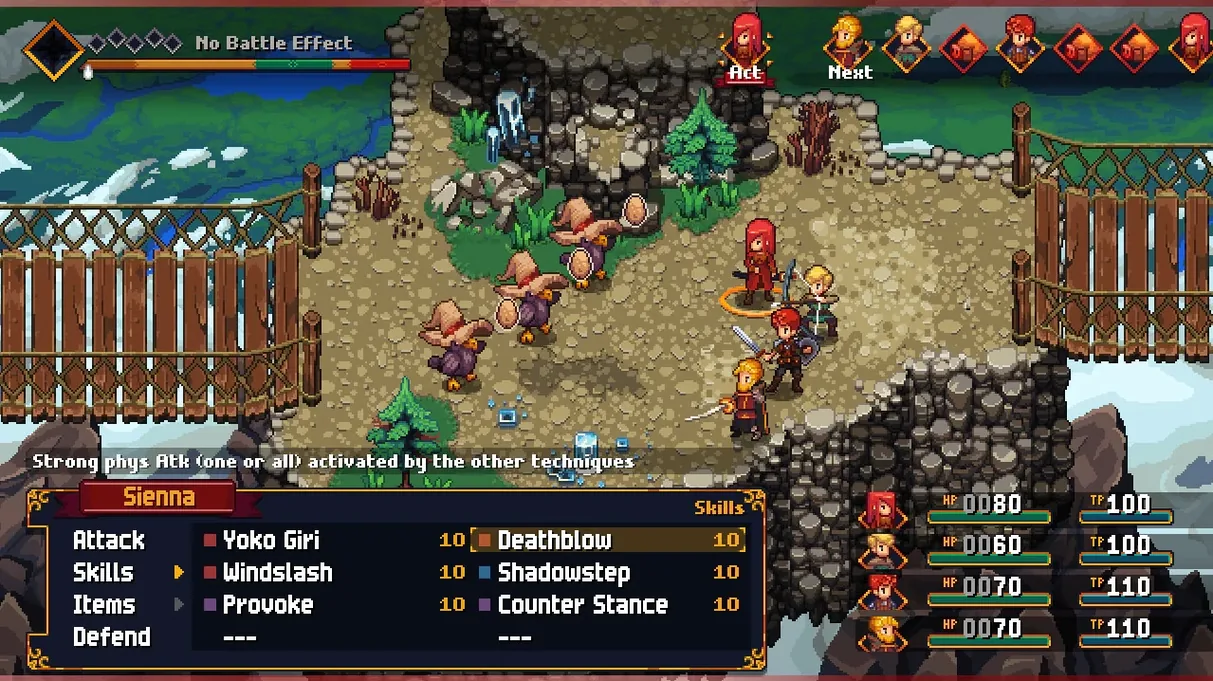
Fights are turn-based but governed by an overdrive bar that forces you to vary your actions instead of spamming the same attack. You'll manage a skill and equipment system where swapping gear and abilities between battles genuinely changes your approach, making each encounter a small tactical puzzle.
What's different about the mech battles?
Early on you gain the ability to pilot a battle mech. These aren't just temporary summons—the mechs have their own combat system and you'll switch between on-foot skirmishes and armoured brawls depending on the situation, which lets the game shift scale between a personal duel and a war machine tearing through a battlefield.
After a dozen hours of switching between on-foot skirmishes, mech deployment and the occasional sky-pirate detour in the airship, the engine's behaviour becomes second nature—and that consistency is one of the quiet achievements here. On a machine running Apple Silicon the game settles into a steady cadence. Loading screens between regions are brief enough that you rarely finish reading the location name before the next area appears. I noticed no frame pacing hitches during spell effects that layer multiple transparency passes, which is where retro-style engines sometimes stumble. Memory pressure stays modest even after a three-hour session with the soundtrack humming away in the background; the Activity Monitor trace barely nudges above what a handful of browser tabs would pull. The Intel build is similarly polite, though Rosetta 2 users on older Intel machines might see slightly longer initial loads for the larger dungeon maps. Stability over a forty-hour playthrough has been remarkably clean—one quicksave hiccup in a flooded city zone that a restart fixed, and otherwise not a single crash to desktop.
A single interwoven party instead of eight separate paths
Stack Chained Echoes against something like Octopath Traveler II and the difference is philosophical rather than qualitative. Octopath spreads its storytelling across eight separate paths with a sumptuous HD-2D lighting engine; Chained Echoes commits to a single, tightly interwoven party narrative and a purer 16-bit look. Where Octopath's break-and-boost system rewards saving up for big turns, the overdrive bar here punishes you for getting predictable—two different kinds of tension. Against Sea of Stars, the comparison cuts closer because both games wear their Chrono Trigger inspirations openly. Sea of Stars leans harder into traversal puzzles and timed-hit combat flourishes; Chained Echoes puts its weight behind gear customisation and the mech layer. If Sea of Stars is the sunlit, polished companion, Chained Echoes is the one that keeps handing you systems to tinker with late into the night. Neither approach is better, but players who enjoy finding a broken synergy in the skill menu will gravitate towards Valandis.
Visible foes let you hug walls and pull groups strategically
A handful of design choices are easy to overlook in the first ten hours but quietly reshape how you play:
- Enemy grouping on the field map. Because foes are visible before contact, you can hug a wall to pull a single creature instead of the whole pack. Obvious in hindsight, but the game never tutorialises it.
- The steal pool resets on retry. If you fail a steal attempt and the battle ends, the item isn't gone forever. Loading a save or re-entering the area restores the chance, which cuts down on grinding frustration considerably.
- Airship quick-dock points. Once the airship is airborne, you can tap a map marker to land directly at previously visited settlements without navigating the overworld manually. The prompt is tiny and easy to miss the first time you open the world map from the helm.
- Mech customisation carries a respec option. Buried in the mech hangar menu is a full refund of spent upgrade points, encouraging experimentation with different arm and chassis loadouts rather than locking you into an early choice.
- Dialogue log during cutscenes. Pressing a shoulder button while characters are talking brings up a scrollable log of the last twenty or so lines—useful if you glance away during a lore-heavy exchange or want to double-check a kingdom name.
- Runs natively on both Intel and Apple Silicon Macs
- Interface languages: English, German, Korean, French
Questions I keep hearing
Does the soundtrack come with the base game?
No, the soundtrack is sold separately as additional content. It's described as being in the vein of classic RPG scores and does not include the base game itself.
Do I need the main game to play the Ashes of Elrant DLC?
Yes, the official DLC is called Ashes of Elrant and it requires the base game to play.
Questions from the class 0
Sign in or join the class to ask a question.
Nobody has asked anything yet. If you have used it on a real job, say what the file did.
Also on the Games shelf
The whole Games shelf Celeste
Guides a young climber up a treacherous mountain through hundreds of instant-respawn platforming rooms.
Celeste
Guides a young climber up a treacherous mountain through hundreds of instant-respawn platforming rooms.
 Cheap Car Repair
Tasks you with diagnosing and fixing battered cars in a post-communist workshop on a shoestring budget.
Cheap Car Repair
Tasks you with diagnosing and fixing battered cars in a post-communist workshop on a shoestring budget.
 Chilla's Art Okaeri
Traps you in an ordinary Japanese home where your mother's absence twists into a quiet nightmare.
Chilla's Art Okaeri
Traps you in an ordinary Japanese home where your mother's absence twists into a quiet nightmare.
 Cities: Skylines
Hands you a bare plot and a budget so you can zone, pipe, and police a metropolis into existence.
Cities: Skylines
Hands you a bare plot and a budget so you can zone, pipe, and police a metropolis into existence.
 Castle Crumble
Challenges you to topple ancient fortresses with a limited supply of physics-driven cannonballs.
Castle Crumble
Challenges you to topple ancient fortresses with a limited supply of physics-driven cannonballs.
 Civilization V
Marches a chosen nation from a single settler to a space-age superpower on a hex-grid world.
Civilization V
Marches a chosen nation from a single settler to a space-age superpower on a hex-grid world.
 Borderlands 2
Sends you on a co-op treasure hunt across a hostile planet with a billion procedurally generated guns.
Borderlands 2
Sends you on a co-op treasure hunt across a hostile planet with a billion procedurally generated guns.
 Command & Conquer: Generals
Rethinks real-time strategy missions by scripting victory conditions beyond base capture.
Command & Conquer: Generals
Rethinks real-time strategy missions by scripting victory conditions beyond base capture.