 ASPNetWorld
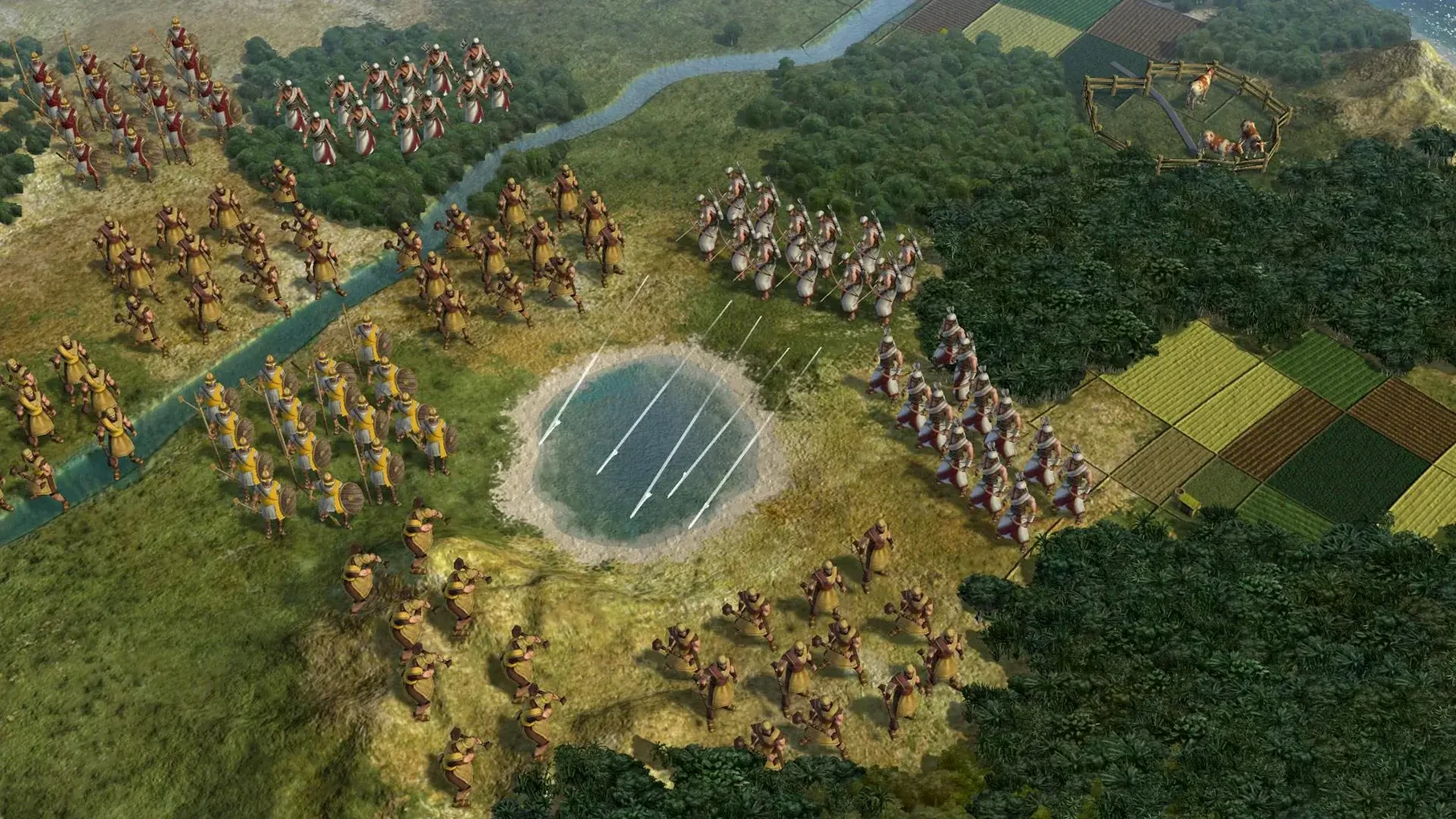
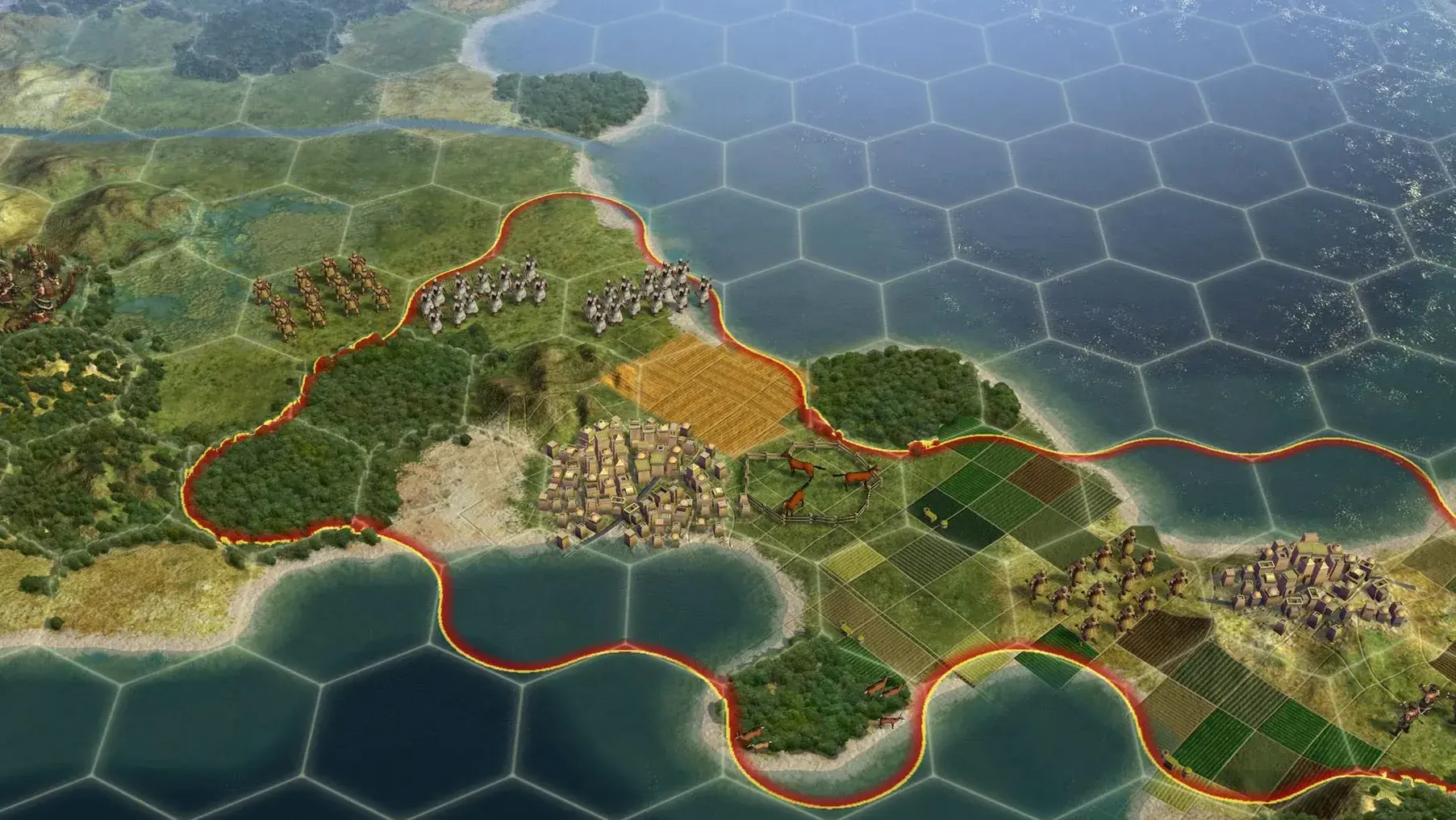
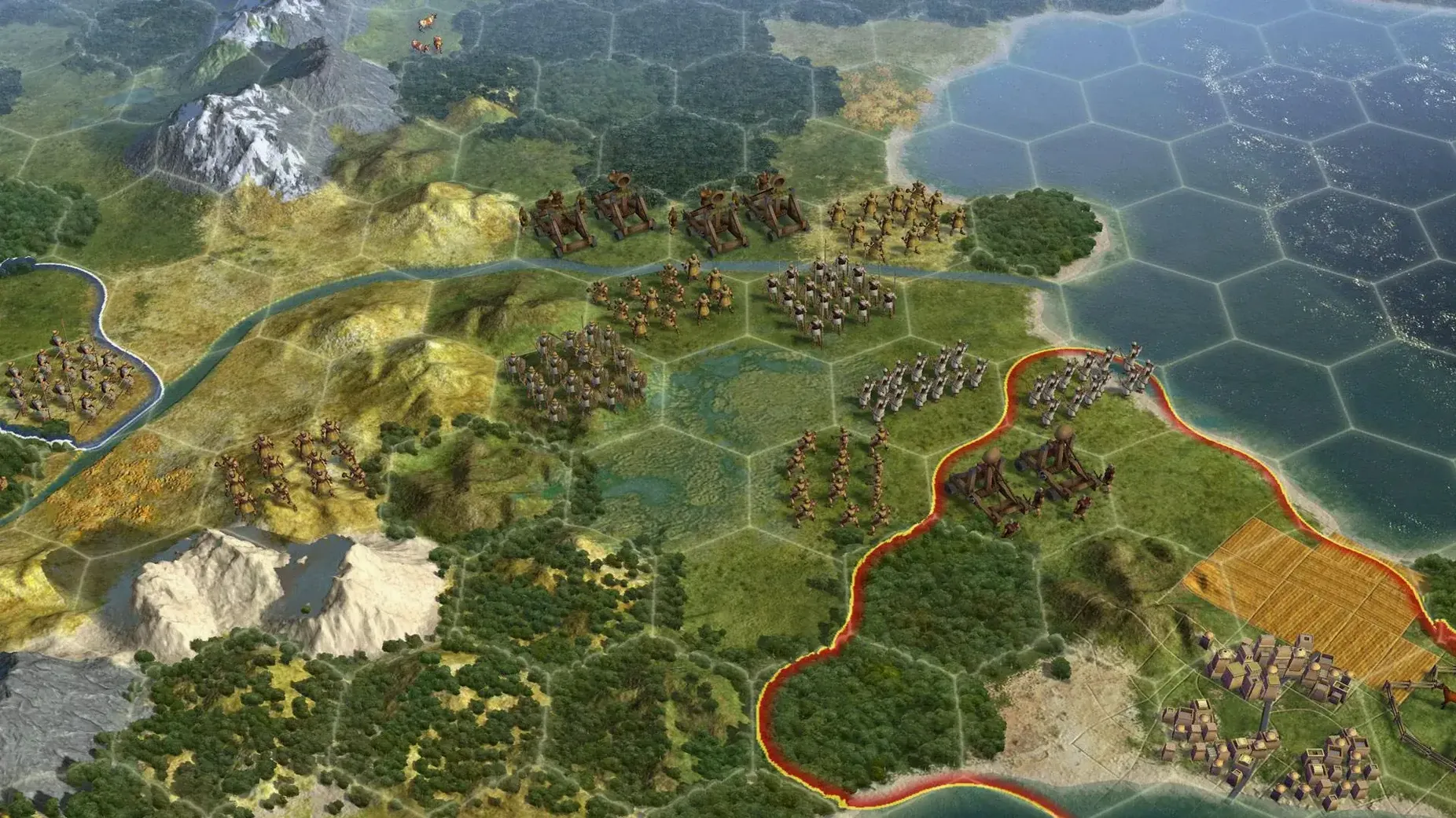
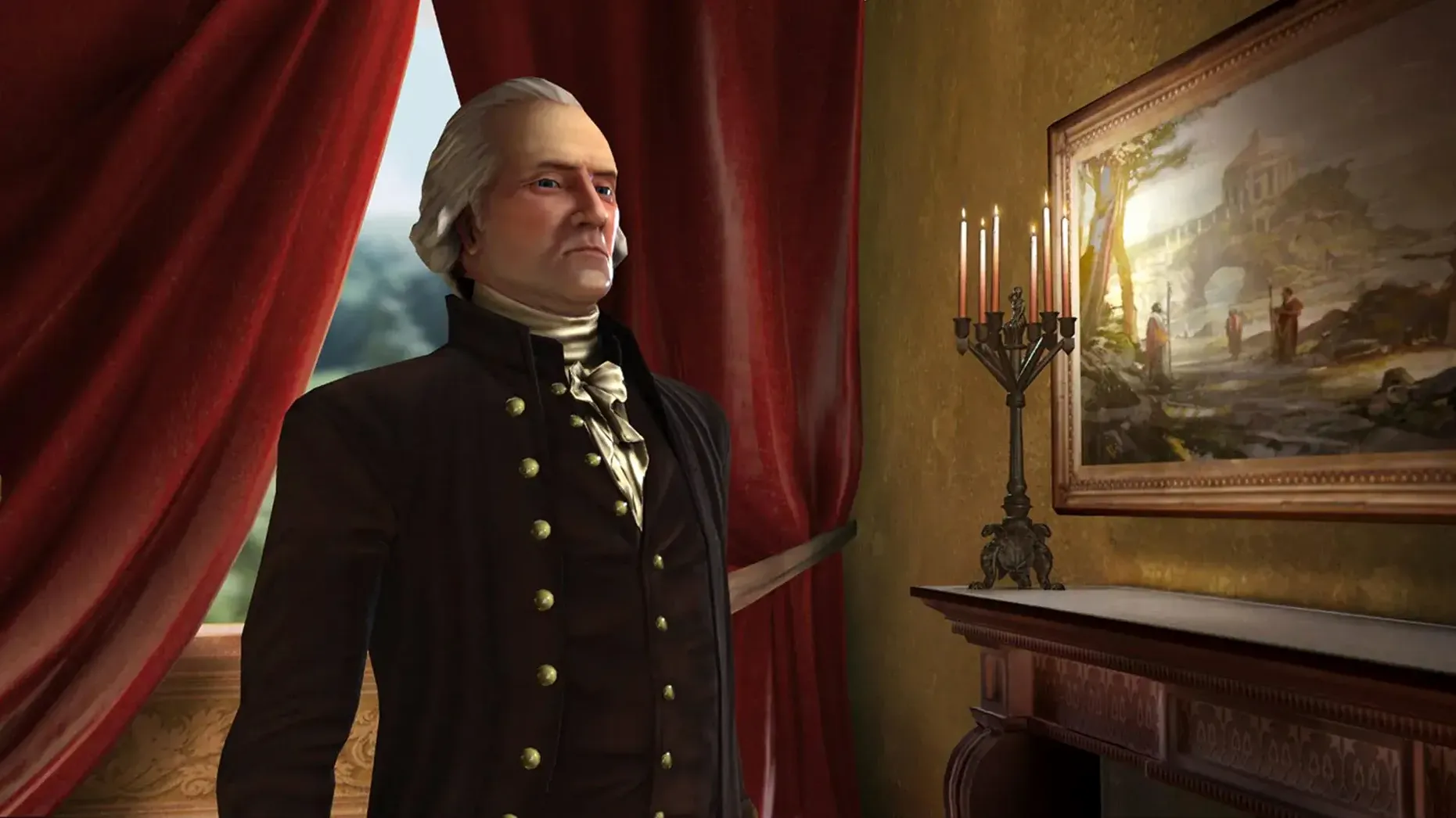
Every game begins with a single Settler and a Warrior on a hex grid, in the year 4000 BC. It's a format that frames everything that follows: your first action will almost certainly be to found your capital city.
Your first turns: the work of a city
- Choose a tile to settle. The game highlights the city's potential working radius — a three-hex ring around your chosen spot. You're looking for a mix of food and production, with a river for long-term growth.
- Set a production project. Your new city needs to build something immediately, usually a Scout or a Monument. This choice is your first strategic commitment, locking the city's output for a set number of turns.
- Assign a technology to research. You pick from the tech tree, steering your civilization towards a particular early advantage like Pottery for a granary or Animal Husbandry to reveal horses.
- Move your Warrior. You push back the fog of war by sending your military unit to explore the hexes around your city, uncovering ancient ruins and meeting city-states.
- Hit 'Next Turn'. This is the drumbeat of the game. You press it, the world processes your orders, and a new cycle of choices begins — each turn advancing your city's construction, research, and exploration by one increment.
This pattern scales. A hundred turns later, you might have five cities and three military units. Now a turn means checking each city's build queue, moving each unit across the map, managing workers who are improving tiles, and conducting diplomacy with rival leaders — all before you hit that button again. The minute-to-minute loop is a cycle of inspection and small decisions: scan your territory, tweak a citizen's work assignment in a city to focus on gold, move an archer onto a hill for a sight bonus, and then advance time.
When conflict erupts, the tempo changes. Capturing a city presents a distinct set of moral and strategic options. You can annex it and absorb its production directly, or install a puppet government that gives you its research and gold without the burden of managing its build orders. A captured city-state capital cannot be razed, and neither can a holy city. For other conquests, you can choose to burn the city to the ground — a process that takes several turns of razing, during which the decision can be reversed if you change your mind. A city you founded yourself can only be razed if an enemy takes it first and you recapture it. As the eras roll forward from ancient times towards the near future, these city-management decisions, layered on top of the core turn rhythm, form the entire texture of play.
Imagine a historian coming home after a long day of marking essays on early modern trade routes. She's not looking for a twitchy real-time scramble; she wants the quiet, methodical construction of an alternative history. She launches Civilization V, selects Elizabeth I, and sets the map to Archipelago. Her goal isn't a military victory. She wants to see a web of naval trade routes and cultural influence spread across the oceans, turning a cluster of island cities into a story she can almost footnote. The first hour is pure archaeology of place: scouting the coastline, naming the rock formations in her head, and deciding that a particular one-tile island will be her strategic Gibraltar. For this player, the game is a narrative engine powered by hex tiles, not a puzzle to be solved. The joy isn't in winning; it's in the slow reveal of a world shaped by her own decisions about which tiles to work and which coasts to settle.
Catherine the Great now barks in her native tongue
What the 1.4.2 build quietly demonstrates is how a strategy game ages into a stable artefact. The inclusion of the Russian language in this version means a Muscovite playthrough now has fully localised menus and, crucially, Catherine the Great's diplomatic taunts in her own tongue. In everyday use, this transforms the feel of a neighbouring Russia on the map. Instead of a translated abstraction, her trade requests and declarations of friendship land with a specific cultural weight. The shift from the build being labelled simply "multilingual" to explicitly including Russian isn't a small patch note; it's the difference between reading a leader and hearing them. A session played as Bismarck, with neighbours speaking French in the west and Russian in the east, suddenly feels like a linguistic map of continental tension, a layer of immersion the original launch version never quite achieved.
A worker's morning: improving a city's land
Let's walk through a specific task: transforming a newly founded coastal city into a production hub. The city, placed on a river mouth, has three fish resources within its borders and a hill to the north. Start by opening the city screen — click the city banner, and look at the tile yield icons. The fish tiles show high food but no hammers. The hill shows two hammers. The city is growing fast but building a lighthouse will take thirty-four turns at this rate.
First, select your Worker unit, built two turns ago in the capital and now stationed on the hill. The action panel shows a 'Construct a Mine' icon shaped like a pickaxe. Order the mine; the Worker will spend four turns hammering iron struts into the rock. Next, go to the technology tree. You're researching Sailing, which will unlock Work Boats. While the mine is being built, change the city's citizen allocation manually: click the 'Citizen Management' drop-down in the top right of the city screen and switch to 'Production Focus'. The governor will automatically slot a citizen onto the hill, swapping a fish tile's food surplus for immediate hammers. The lighthouse build time drops to twenty-one turns. Finally, check the map for a nearby city-state. Brussels, a maritime city-state, sits six hexes down the coast. Save up 500 gold — gold you can boost by buying a coastal gemstone tile within your borders for 75 gold — and gift it to Brussels to become their ally. They'll start sending food shipments to your capital, which frees up another citizen in the new city to work the soon-to-be-completed mine. The sequence is mine first, then work boats for the fish, then a lighthouse, and suddenly your quiet coastal village is churning out triremes in half the time.
One game, one story
You start a session at 9pm with a cup of tea. The loading screen gives way to a continent map, and your Warrior's first step east reveals a ruin that grants you a free technology — Calendar. A small smile; the map just changed. You found London on a coastal hill next to a source of marble, and your mind immediately sketches a plan for a wonder-focused culture game. A Scout pushes north, meeting Gandhi, who is unfailingly polite but already has a second city by turn twenty. Tension. You queue a Settler. While it builds, you manually click a citizen off a food-rich grassland onto a forested plains tile, shaving two turns off the production time but stunting the city's growth for a cycle. It's a deliberate trade-off, and you feel its weight. By turn fifty, Rome has declared a surprise war and a legion is two hexes from your borders. The calm planning phase evaporates. You upgrade your Warrior to a Spearman, buy an Archer for 200 gold, and move both onto a forested hill next to the river, setting up a defensive line on favourable terrain. The Roman legion attacks across the river — a combat penalty for them — and survives with a sliver of health. Your Archer finishes it off from the city. The crisis passes. You glance at the clock: midnight. You hit 'Next Turn' just one more time, knowing full well you need to see if Gandhi will accept your trade deal for incense. The session has been a miniature epic of urban planning, diplomacy, and sudden violence, all conducted at the pace of a chess match, and the map is now a palimpsest of your own decisions. The Civilization V torrent of activity — the whir of build times, unit movements, and diplomatic to-and-fro — has resolved into a singular, remembered history.
The latest build adds full Russian-language support and is labelled as the Russian version, while still including English, German and French as multilingual options.
- macOS Sonoma
- 64-bit Intel processor (tested on MacBook Air with M1, 2020)
Questions from the class 0
Sign in or join the class to ask a question.
Nobody has asked anything yet. If you have used it on a real job, say what the file did.
Also on the Games shelf
The whole Games shelf Cities: Skylines
Hands you a bare plot and a budget so you can zone, pipe, and police a metropolis into existence.
Cities: Skylines
Hands you a bare plot and a budget so you can zone, pipe, and police a metropolis into existence.
 Chilla's Art Okaeri
Traps you in an ordinary Japanese home where your mother's absence twists into a quiet nightmare.
Chilla's Art Okaeri
Traps you in an ordinary Japanese home where your mother's absence twists into a quiet nightmare.
 Cheap Car Repair
Tasks you with diagnosing and fixing battered cars in a post-communist workshop on a shoestring budget.
Cheap Car Repair
Tasks you with diagnosing and fixing battered cars in a post-communist workshop on a shoestring budget.
 Celeste
Guides a young climber up a treacherous mountain through hundreds of instant-respawn platforming rooms.
Celeste
Guides a young climber up a treacherous mountain through hundreds of instant-respawn platforming rooms.
 Castle Crumble
Challenges you to topple ancient fortresses with a limited supply of physics-driven cannonballs.
Castle Crumble
Challenges you to topple ancient fortresses with a limited supply of physics-driven cannonballs.
 Command & Conquer: Generals
Rethinks real-time strategy missions by scripting victory conditions beyond base capture.
Command & Conquer: Generals
Rethinks real-time strategy missions by scripting victory conditions beyond base capture.
 Counter-Strike: Source
Brings the defining team-based tactical shooter into a physics-driven engine for offline practice.
Counter-Strike: Source
Brings the defining team-based tactical shooter into a physics-driven engine for offline practice.
 Borderlands 2
Sends you on a co-op treasure hunt across a hostile planet with a billion procedurally generated guns.
Borderlands 2
Sends you on a co-op treasure hunt across a hostile planet with a billion procedurally generated guns.