 ASPNetWorld

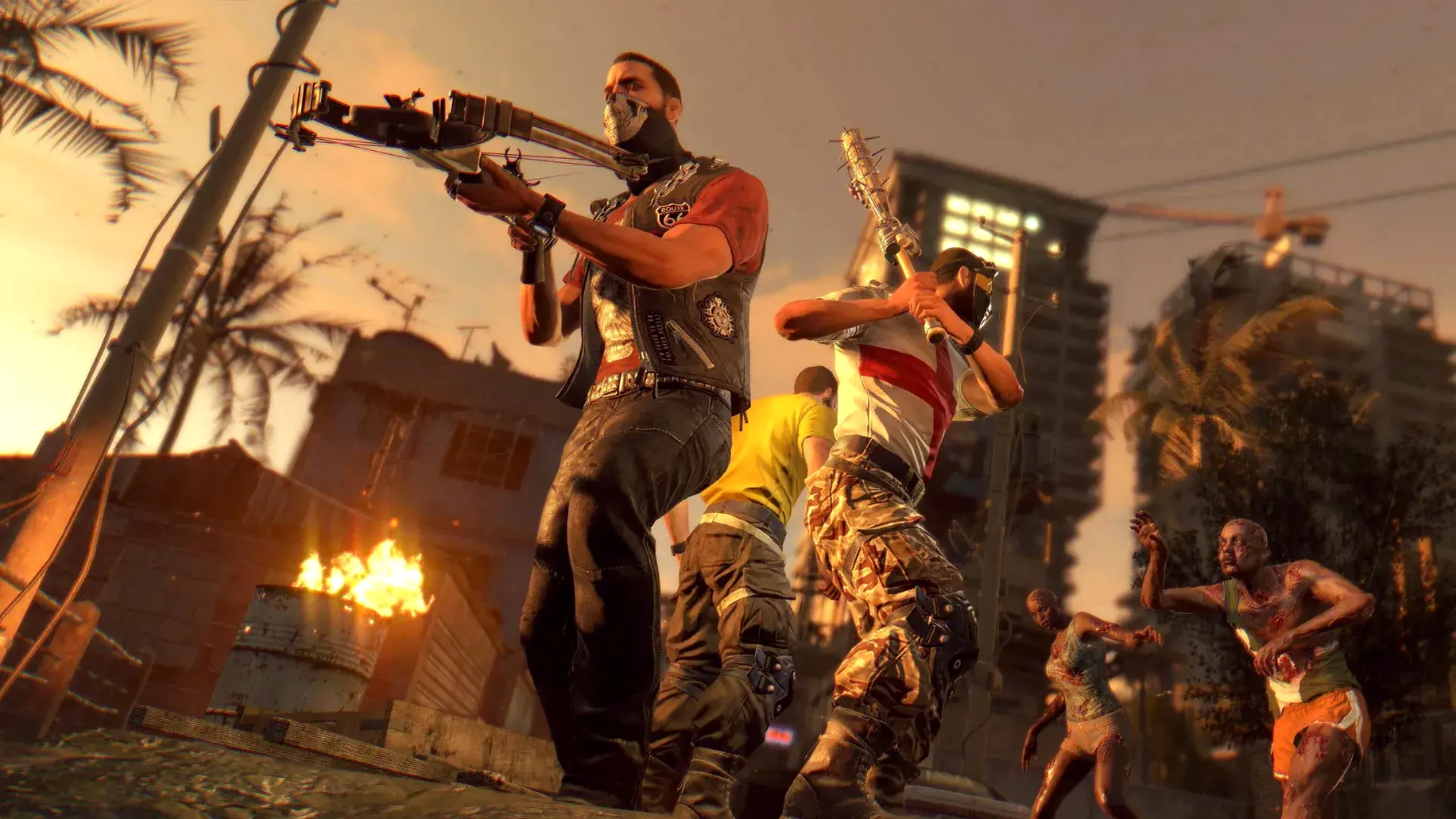
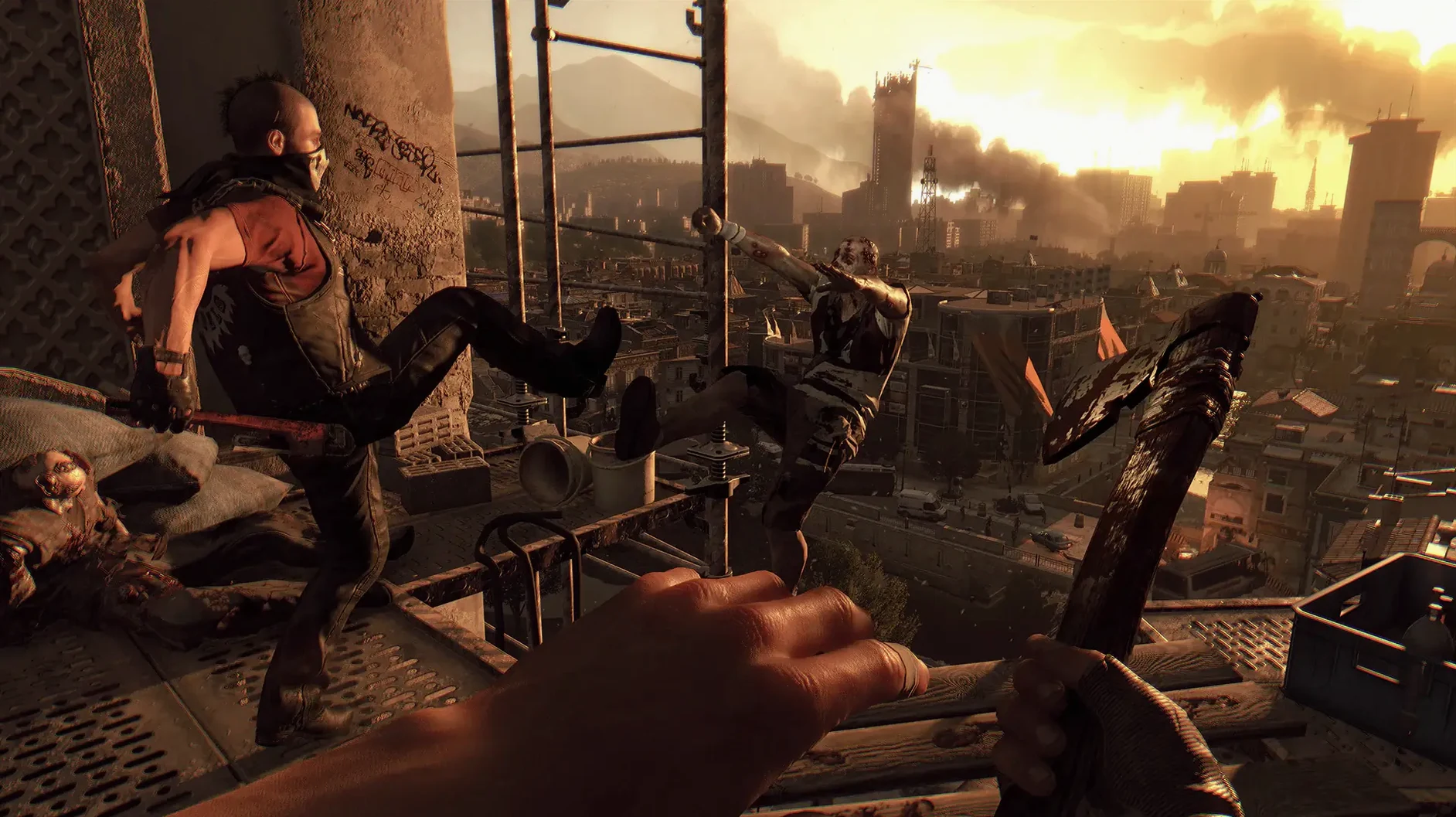
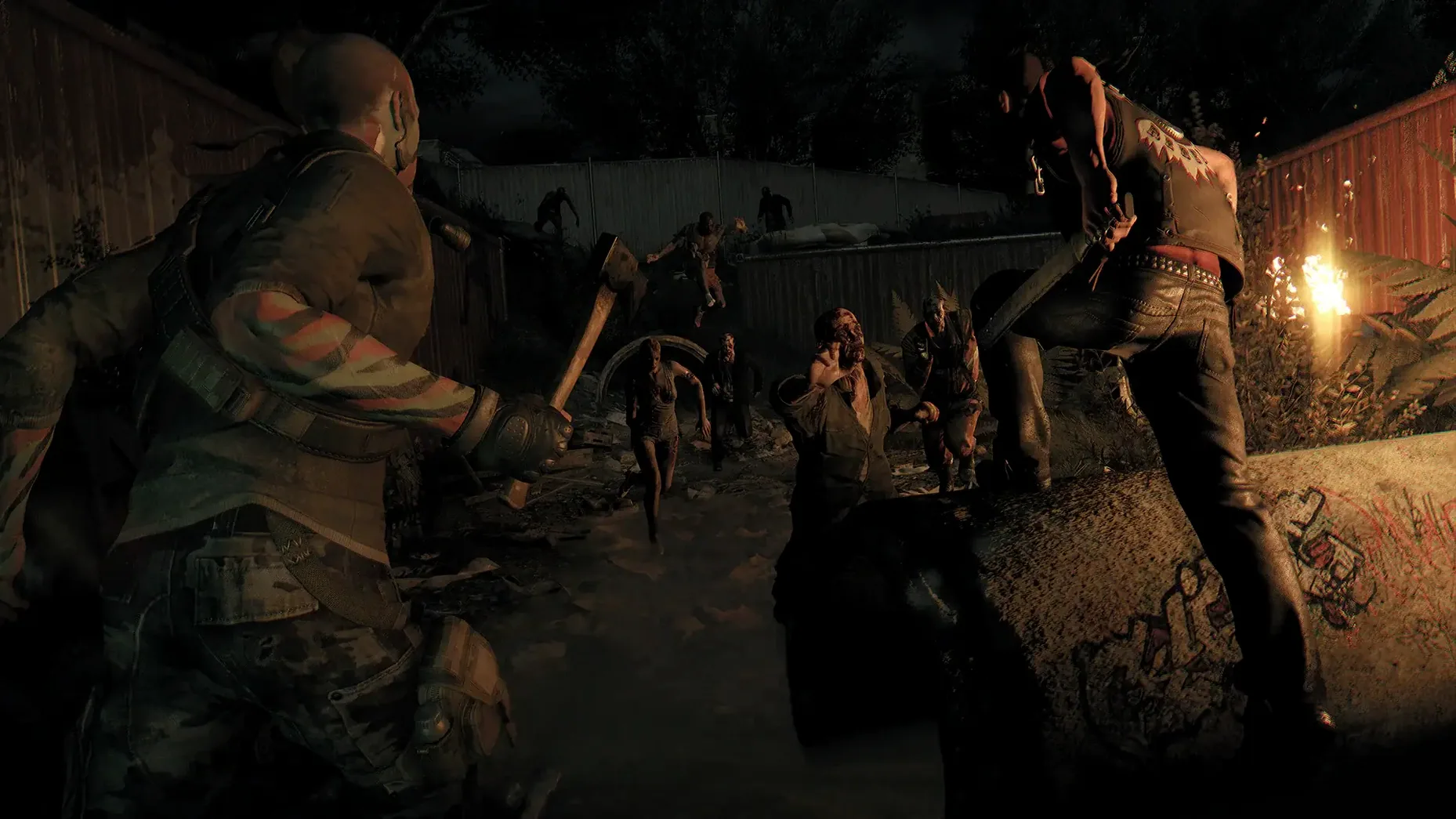
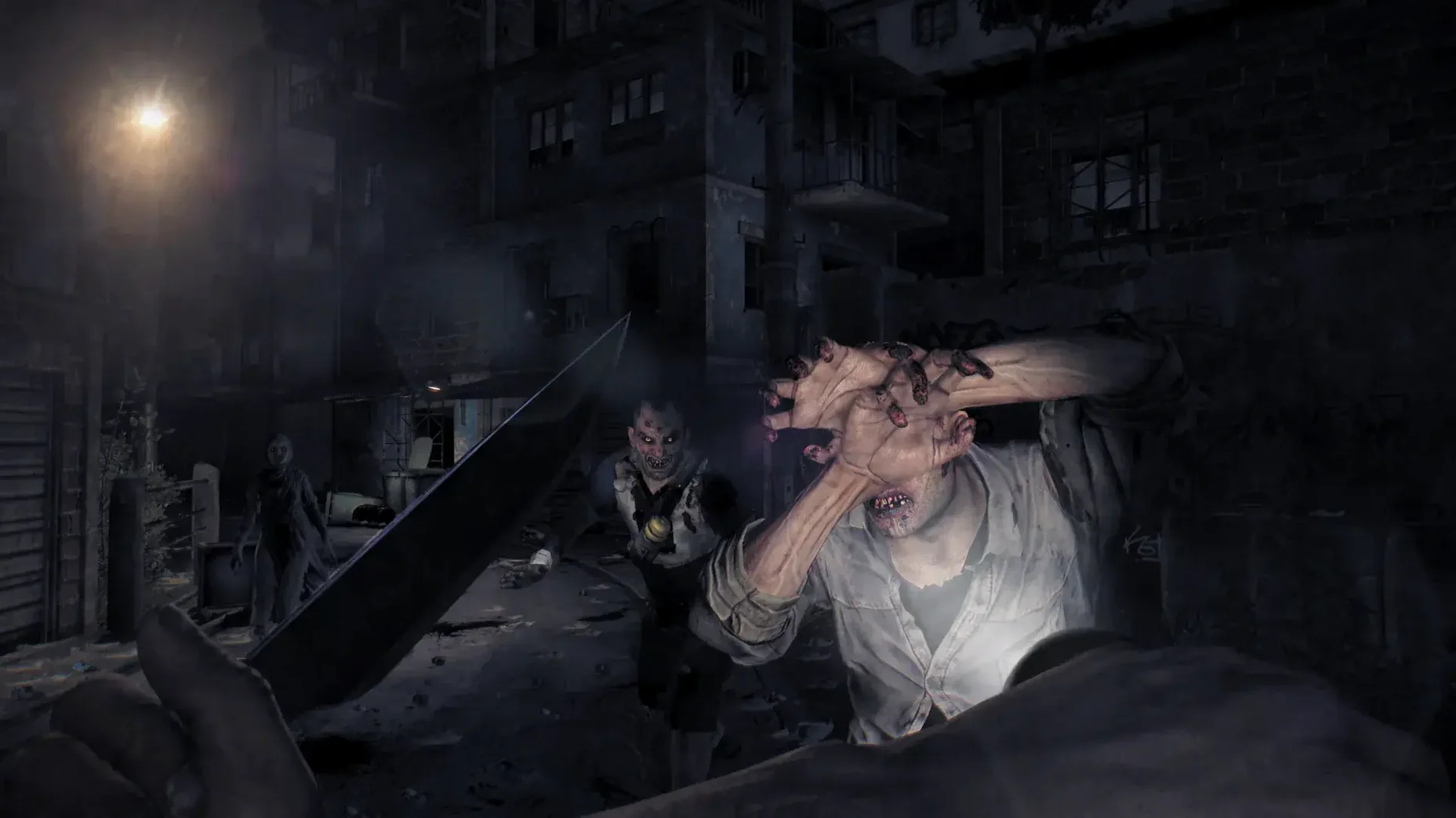
Dying Light runs on a wide spread of Macs these days — both Intel machines and Apple Silicon models are supported, and the current build is perfectly happy on a modern M4 Mac mini running macOS Tahoe. Techland's 2015 open-world action game puts you in the trainers of a runner in the quarantined city of Harran, where a viral outbreak has turned most of the population into something hungry. You scavenge, craft, fight and — crucially — parkour your way across rooftops while the game's centrepiece mechanic quietly ticks toward dusk.
Parkour mastery matters more than a skill tree
- Players who love movement systems that reward practice. The first-person parkour feels weighty and deliberate; you get better because your hands get better, not because a skill tree handed you a double jump.
- Anyone who wants a zombie game where daylight actually matters. The day/night cycle isn't cosmetic — night brings faster, deadlier infected that completely change how you move through the city, and the doubled XP reward for nocturnal activity is a genuine risk/reward proposition.
- Co-op fans who prefer drop-in, drop-out mayhem. The campaign supports four-player co-op that keeps story progress synced without fuss.
Early combat means kicking zombies when your pipe snaps
- The combat is deliberately scrappy in the early hours. Weapons degrade, guns are rare, and you will spend a lot of time kicking zombies off ledges because your pipe just snapped. If you want power-fantasy zombie slaying from minute one, this is a slower burn.
- The tone is earnest 2010s action-horror. Characters are broad, the script is functional, and the side content leans heavily on fetch quests. It works if you're here for the systems, less so if you need a tight narrative.
- This is the first game in the series, not its sequel. If you arrived looking for Dying Light 2's faction choices and larger map, you'll find a more focused, grittier experience here — which may be exactly what you prefer.
A rusty pipe is not a sword
The most common one I see in my evening classes — because someone always ends up talking about what they played last night — is treating the early game like a brawler. A rusty pipe is not a sword, and the stamina bar at level one is unforgiving. You can't trade blows with three biters and walk away. New players wade in swinging, get grabbed, panic, and die in a corner. The game wants you to use the rooftops, shove enemies into spikes, and run when the numbers tilt against you. Kicking a zombie off a ledge costs no weapon durability and works every time.
Another classic slip: ignoring the mini-map at night. Volatiles — the armoured nightmares that only come out after dark — don't show up on survivor sense until you're practically in their arms. But their cone of vision does appear on the mini-map. I watched a student sprint blindly down a street at midnight, straight into a pack of them, because he never glanced at the corner of the screen. That run ended about four seconds later.
Finally, beginners hoard firecrackers. They're one of the first throwables you craft, and they seem too precious to waste. In practice, they're cheap and they solve dozens of problems: distract a group while you pick a lock, lure infected into environmental traps, or clear a path to a safe zone when you're out of stamina. Throw them liberally.
Climb the bridge before chasing story missions
Once the download's mounted and the app is sitting in your Applications folder, spend your first session getting comfortable with the movement before you chase story missions. Climb the bridge near the Tower safe zone. Practice chaining vaults over low obstacles into ledge grabs. The parkour is muscle memory, and the faster you build it, the more the city opens up. A useful drill: pick two rooftops with a gap between them and cross it ten times without touching the street. By the fifth attempt you'll start feeling the rhythm.
Unlock the dropkick skill as soon as you can — it's in the Power tree and it's absurdly satisfying. It also solves the early-game weapon degradation problem because a well-aimed dropkick sends enemies flying off roofs without costing a single point of durability. Combine it with a crafted electric fence trap and you can clear a whole street without swinging once.
If you're playing on an Apple Silicon Mac — and the current build runs beautifully on an M4 Mac mini — take five minutes in the graphics settings. The game defaults to modest settings that preserve frame rate, but you can usually push textures and draw distance further than the auto-detect suggests. The Harran skyline at sunset is worth the tweaking. And if you've been hunting for a dying light mac download that just works without fiddly wrappers or compatibility layers, this native build is the one you want.
- Supports Apple Silicon and Intel Macs
Questions I keep hearing
Does Dying Light run natively on Apple Silicon Macs?
Yes, the current version supports Apple Silicon and Intel Macs, and performs smoothly on recent hardware such as an M4 Mac mini.
Is Dying Light 2 also available on Mac?
Dying Light 2 is currently available for Windows via Steam and Epic Games Store; this entry covers the original Dying Light, which is the one available for macOS.
Questions from the class 0
Sign in or join the class to ask a question.
Nobody has asked anything yet. If you have used it on a real job, say what the file did.
Also on the Games shelf
The whole Games shelf Easy Red 2
 Dustborn
Takes a misfit crew on a road trip across a divided America where words are actual weapons.
Dustborn
Takes a misfit crew on a road trip across a divided America where words are actual weapons.
 Dune: Imperium
Lets you place agents and build a deck to win control of the desert planet Arrakis.
Dune: Imperium
Lets you place agents and build a deck to win control of the desert planet Arrakis.
 Escape from Duckov
Sends you on short solo raids where every trip teaches you a little more about survival.
Escape from Duckov
Sends you on short solo raids where every trip teaches you a little more about survival.
 Euro Truck Simulator 2
Settles you behind the wheel for long-haul deliveries across calm roads.
Euro Truck Simulator 2
Settles you behind the wheel for long-haul deliveries across calm roads.
 Europa Universalis IV
Puts you in charge of a nation's trade, diplomacy, and growth over centuries.
Europa Universalis IV
Puts you in charge of a nation's trade, diplomacy, and growth over centuries.
 DOOM
Sends you running and gunning through hellish arenas packed with demons and big guns.
DOOM
Sends you running and gunning through hellish arenas packed with demons and big guns.
 Don’t Starve Together
Drops you into a hostile wilderness where you and friends must gather, build, and not starve.
Don’t Starve Together
Drops you into a hostile wilderness where you and friends must gather, build, and not starve.