 ASPNetWorld
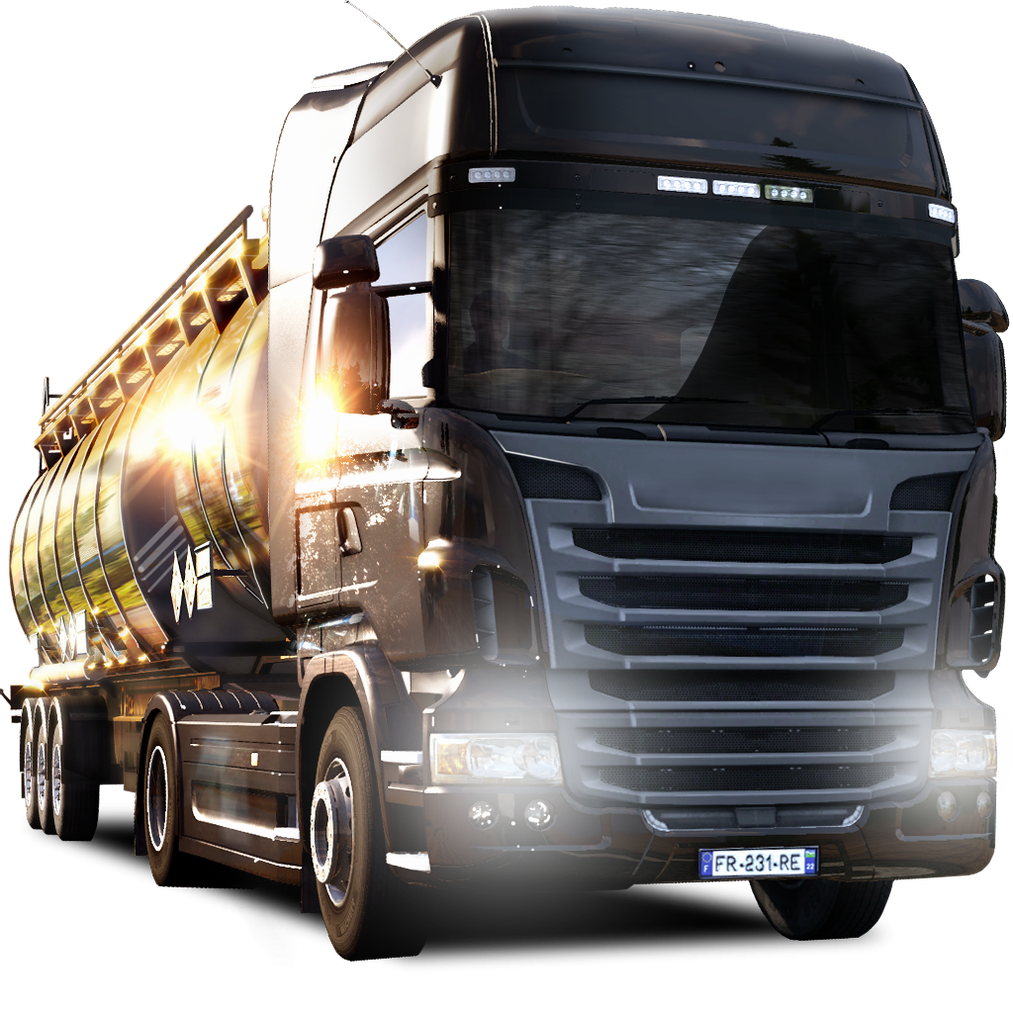
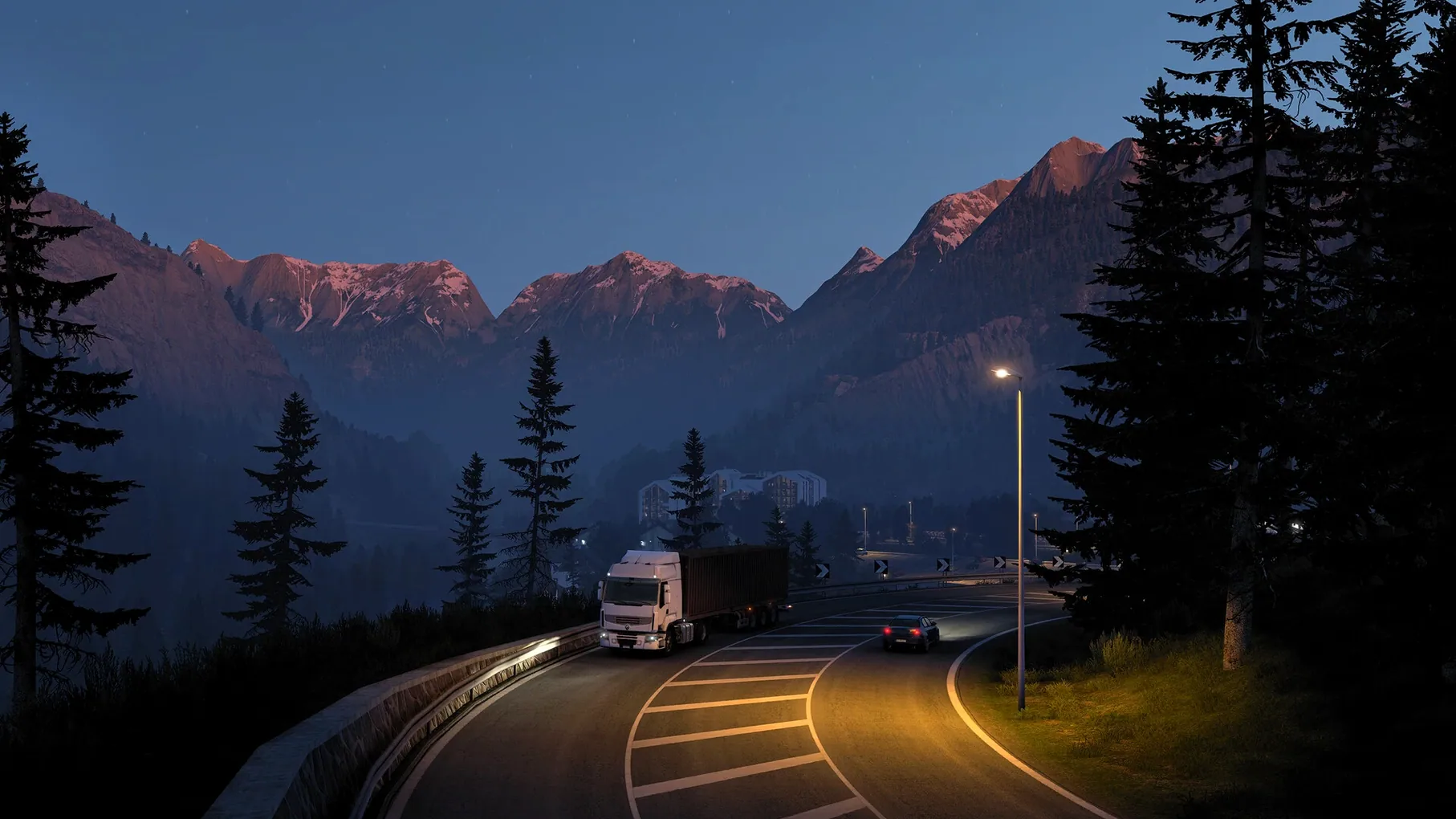
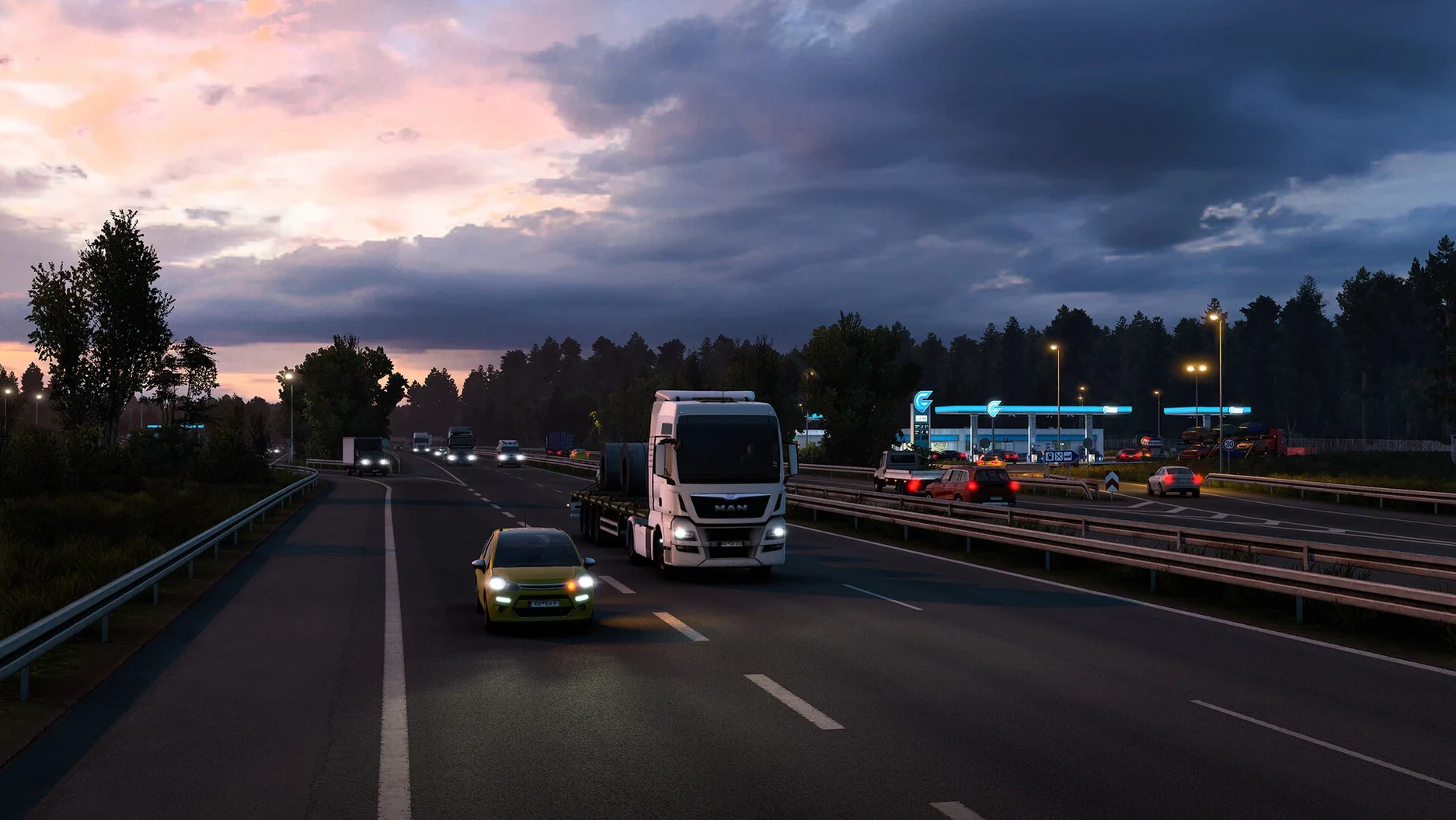
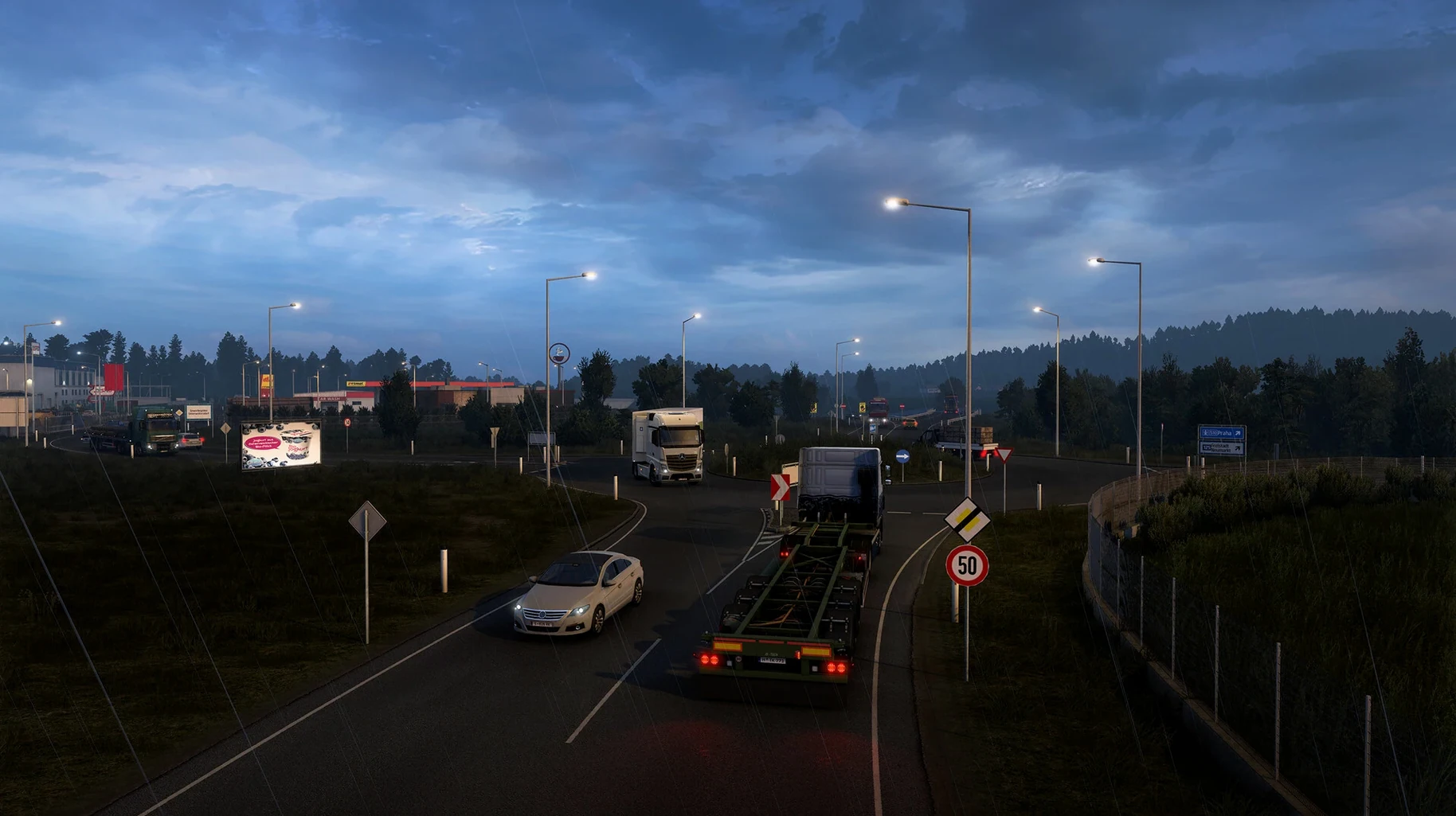
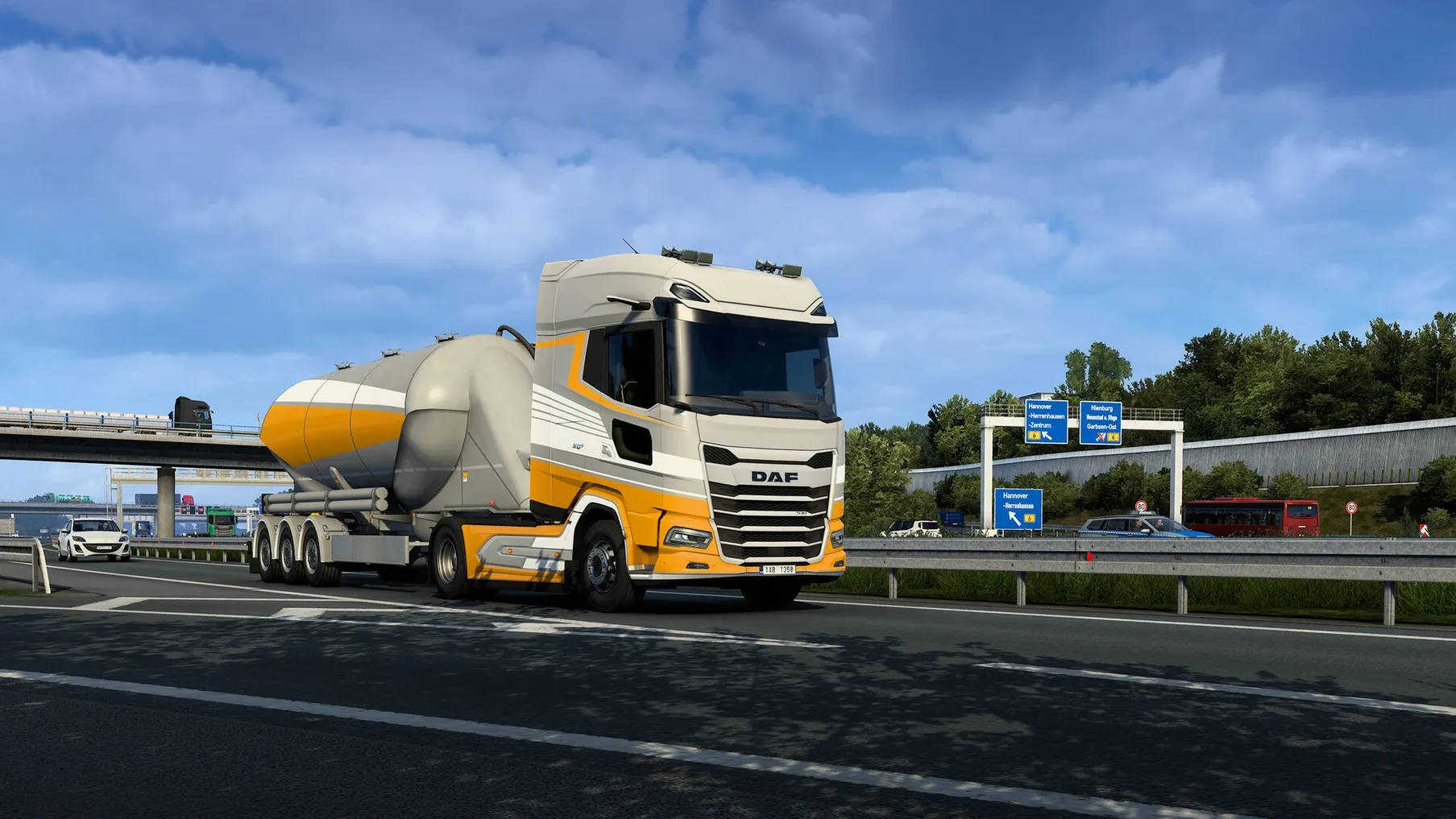
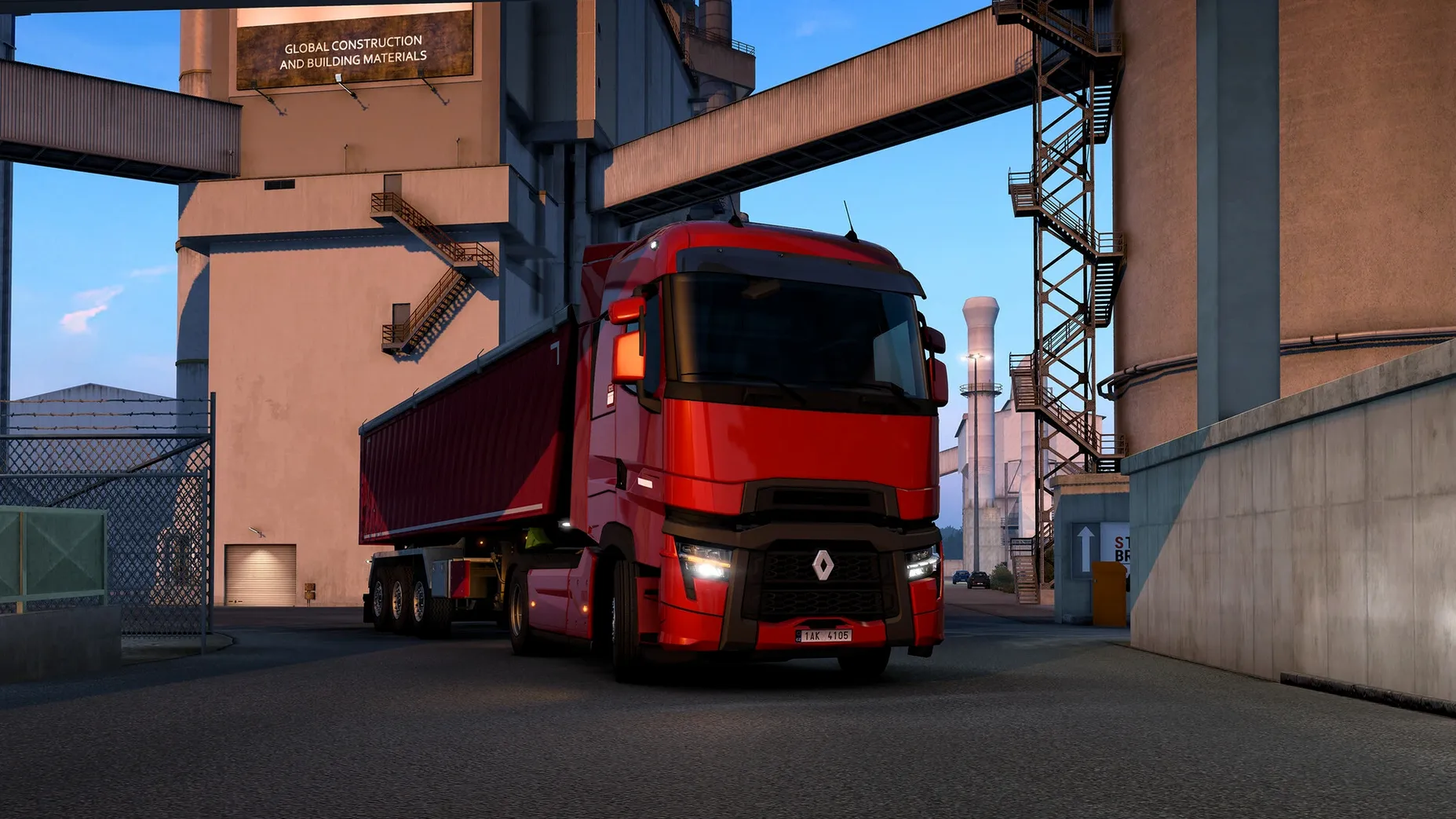
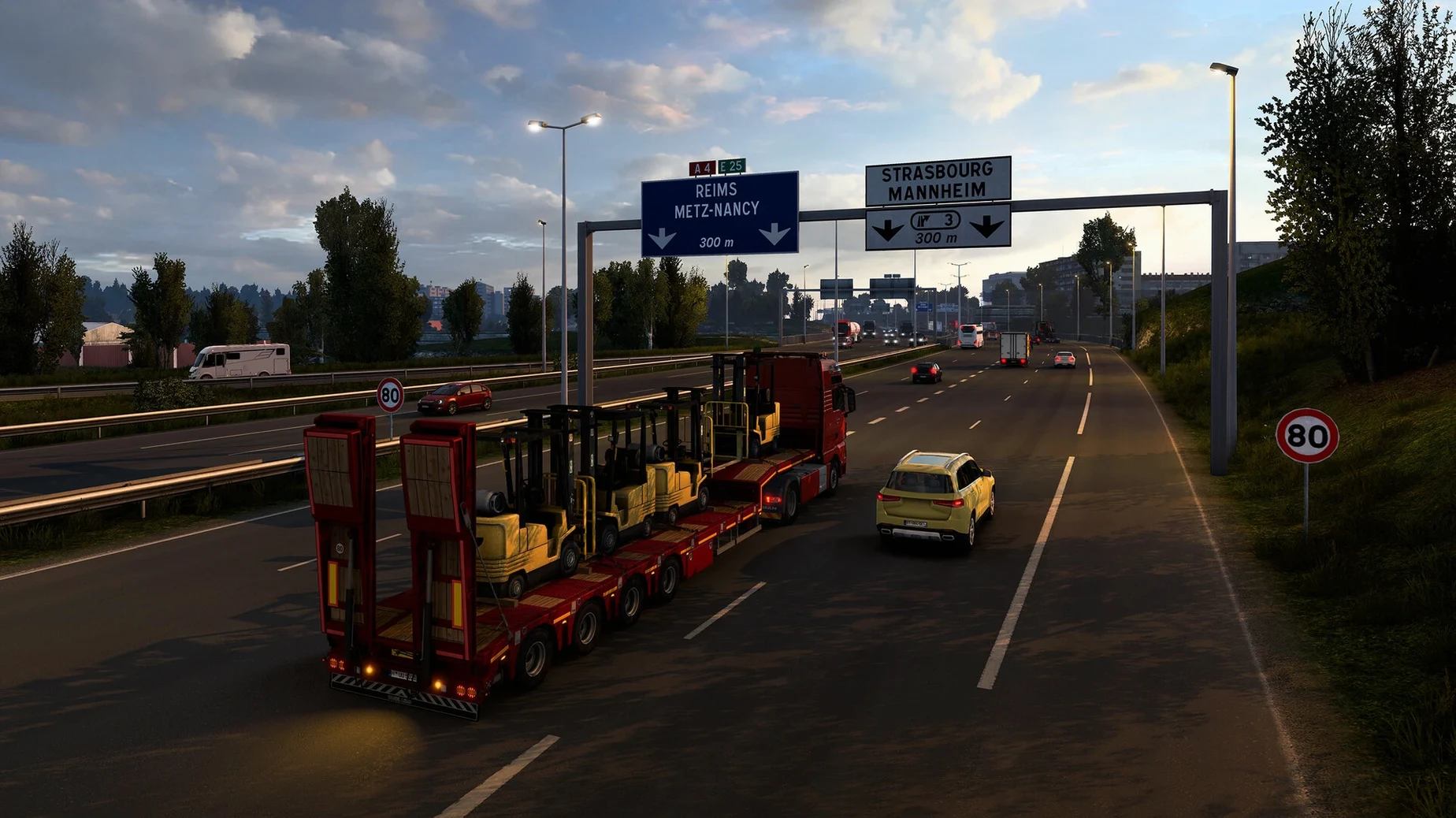
The sun is coming up over the autobahn and you have twelve tonnes of frozen orange juice in the trailer. Stuttgart to Dresden, no radio on—just the sound of a 13-litre engine at 1,400 rpm and the quiet satisfaction of keeping the speed steady on a long, gentle incline. That is the rhythm of Euro Truck Simulator 2.
Pick up a load
You start in any of more than sixty cities, browse the freight market, and choose a job that suits your mood—a short hop across the Midlands or a multi-day run from Milan to Poznań. The cargo determines the weight, the urgency and the money, so you quickly learn to read a job sheet like a real driver.
Manage the drive
Minute to minute, you are working the wheel and pedals, watching your mirrors, indicating for lane changes and trying not to clip a guardrail on a tight off-ramp. Fatigue and speed cameras are real factors, so you balance making good time against the cost of a fine or a wrecked delivery bonus.
Tweak your truck
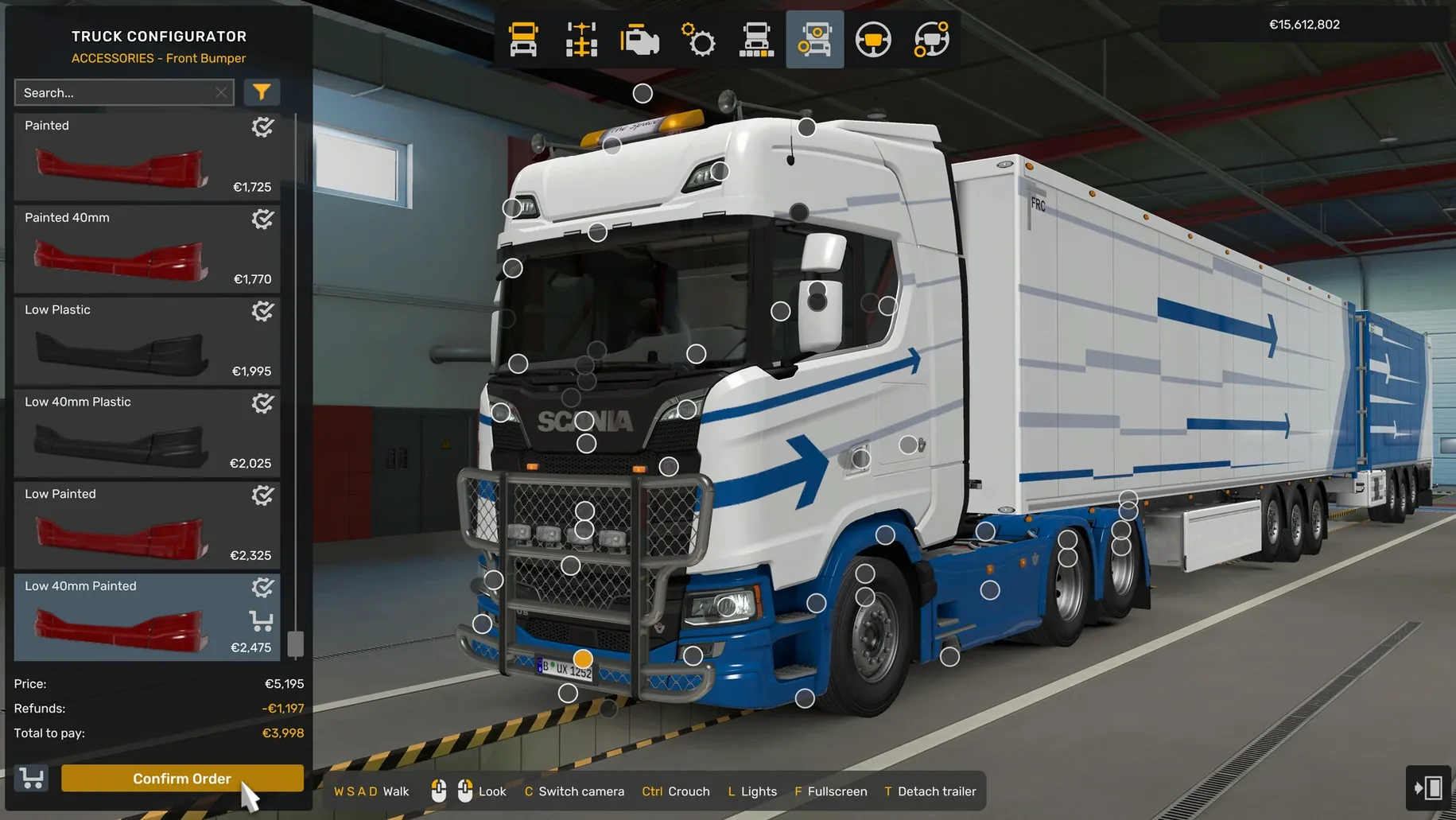
Back in the garage, the game turns into a mechanical playground. You can swap headlights, beacons, exhaust systems and signal units, playing with both the technical characteristics and the look of the vehicle until the cab feels like your own private office on wheels.
What the 1.61.1.1s update changes in everyday play
Version 1.61.1.1s doesn't overhaul the map or rewrite the physics engine, but it quietly shifts how you interact with the world. The star of the update is Proximity Exploration, a small mechanic that solves an old annoyance: previously, a city or junction stayed grey on the map until you drove through its centre marker. Now the game automatically reveals a small radius around your vehicle as you move, so those slightly off-route fuel stations and scenic viewpoints pop onto the map without you needing to detour deliberately. It rewards natural curiosity instead of OCD map-scrubbing.
The Volvo FH Series 6 100 Year Edition lands in the truck dealer with a special anniversary livery and a cabin trim that feels noticeably more polished than the stock FH. Visually it is a treat, but the practical change is that you now have another high-spec chassis option for long-haul jobs that require a touch more prestige. It sits nicely alongside the existing Volvo range without upsetting the balance.
Under the bonnet, the Improved Material System gives selected trucks a subtler, more realistic sheen. Paint looks deeper, chrome catches the light at motorway speeds, and plastic trims lose that slight plastic-toy gloss they used to have in overcast weather. You notice it most at dawn and dusk, when the low sun rakes across the bodywork. The reworked Livestock Trailer is the other visual anchor of this update: the model is sharper, the textures grittier, and the whole thing looks more like a working trailer and less like a clean showroom prop. It does not change the cargo physics, but it makes pulling a load of cattle through rural France feel that bit more grounded.
The wheel-and-pedal crowd, plus a quieter group that stays for the road
The obvious audience is simulation purists who own a wheel and pedal set and have strong opinions about engine-brake mapping. They are well served, but there is a quieter group that gets just as much out of the game: people who want a mental decompression chamber. You come home tired, you pick a route, you drive. The demands are gentle and the feedback is steady. It is a focus tool disguised as a game.
Route planners and logistics nerds find a deep well here. The freight market and company management layer lets you treat Europe as a giant optimisation puzzle—which garage gives the shortest deadhead runs, which cities produce the best-paying return loads, how many drivers you need before the bank balance stops being a monthly worry. That side of the game rewards methodical thinking and a bit of spreadsheet intuition.
Casual explorers who just want to see landmarks also fit. The map covers real roads and hundreds of recognisable structures, so you can set the GPS for a city you have visited in real life or one you have always wanted to see, and just absorb the scenery at 80 km/h. No combat, no countdown timers, just a long road and a destination.
A rainy Felixstowe morning and a medical load bound for Rotterdam
You open the game at the garage in Felixstowe. The morning light is flat grey and a light rain is spotting the windscreen. You check the freight market and spot a load of medical equipment heading to Rotterdam—good money, tight deadline, and a ferry crossing to catch. You take the job.
First ten minutes: you ease out of the yard, signal left, and join the A14. The truck feels heavy with a full trailer and you work up through the gears listening to the turbo spool. A speed camera flashes on the outskirts of Cambridge and you wince, mentally docking fifty quid from the profit. At Harwich you queue for the ferry, kill the engine, and let the cutscene roll. The game skips the crossing and drops you at the Hook of Holland with the sun lower and the rain clearing.
The Dutch section is flat and fast. Proximity Exploration has already painted in the rest areas you passed near the port, so you have a cleaner view of the route south towards Rotterdam. You pull into the delivery depot with twenty minutes to spare, reverse the trailer into the bay on the second attempt, and collect your payment. The satisfaction is quiet but real—no fanfare, just the click of the job-complete screen and a nudge to check on your hired driver, who has just finished a run from Lyon to Turin and made you a tidy sum while you were at sea.
First-week advice
Start with short hauls. The temptation to grab a 2,000-kilometre marathon on day one is strong, but short runs teach you the braking distances, the turning circle of a tractor unit, and the rhythm of motorway exits without the sting of losing two hours of progress to a rolled trailer. Ten to fifteen jobs under 400 kilometres each will build muscle memory faster than one epic slog.
Bank your first loan carefully. The game nudges you towards expanding the garage early, but a better first move is upgrading your own truck's engine and chassis so that heavier loads do not turn hills into a crawl. A driver stuck in a base-spec truck earns slowly; a player stuck in one gets frustrated. Upgrade yourself first, then hire.
Turn off the speed limiter in the options when you are on quiet roads and want to learn the feel of the truck at full throttle—just be ready to toggle it back on before you enter camera-heavy zones. And map a button for the engine brake. The default auto-setting is fine for flat terrain, but on Alpine descents you want manual control to keep the service brakes cool and the speed steady without constantly stabbing the pedal.
Finally, let Proximity Exploration do its work. Do not drive loops around a junction just to clear the map fog. Drive naturally, and the grey patches will fill in around you. The update rewards the kind of relaxed, eyes-on-the-road driving the game was always about.
The latest update quietly improves the texture and feel of the world. Proximity Exploration now automatically reveals a small patch of the map as you drive, so the route ahead feels more organic. The Volvo FH Series 6 100 Year Edition joins the garage, a reworked Livestock Trailer rolls into service, and an Improved Material System gives selected trucks a more natural finish.
- Architecture: 64-bit Intel
Questions I keep hearing
Does the game include real European landmarks?
Yes, the map features hundreds of famous places and structures, with dozens of cities across Great Britain, Belgium, Germany, Italy, the Netherlands, Poland and other countries.
Can I change how my truck looks and performs?
Absolutely. You can customise technical characteristics and replace parts including headlights, signals, beacons and exhaust systems to suit your taste.
Questions from the class 0
Sign in or join the class to ask a question.
Nobody has asked anything yet. If you have used it on a real job, say what the file did.
Also on the Games shelf
The whole Games shelf Escape from Duckov
Sends you on short solo raids where every trip teaches you a little more about survival.
Escape from Duckov
Sends you on short solo raids where every trip teaches you a little more about survival.
 Europa Universalis IV
Puts you in charge of a nation's trade, diplomacy, and growth over centuries.
Europa Universalis IV
Puts you in charge of a nation's trade, diplomacy, and growth over centuries.
 Factorio
Challenges you to design and automate ever-growing production chains.
Factorio
Challenges you to design and automate ever-growing production chains.
 Fallout: A Post Nuclear Role Playing Game
Drops you into a retrofuturistic wasteland to survive and explore.
Fallout: A Post Nuclear Role Playing Game
Drops you into a retrofuturistic wasteland to survive and explore.
 Easy Red 2
 Farming Simulator 25
Lets you run a working farm from planting to harvest.
Farming Simulator 25
Lets you run a working farm from planting to harvest.
 Dying Light
Sets you loose in a quarantined city where you parkour across rooftops and fight after dark.
Dying Light
Sets you loose in a quarantined city where you parkour across rooftops and fight after dark.
 Fear & Hunger
Places you in a grim dungeon where survival depends on luck and nerve.
Fear & Hunger
Places you in a grim dungeon where survival depends on luck and nerve.