 ASPNetWorld

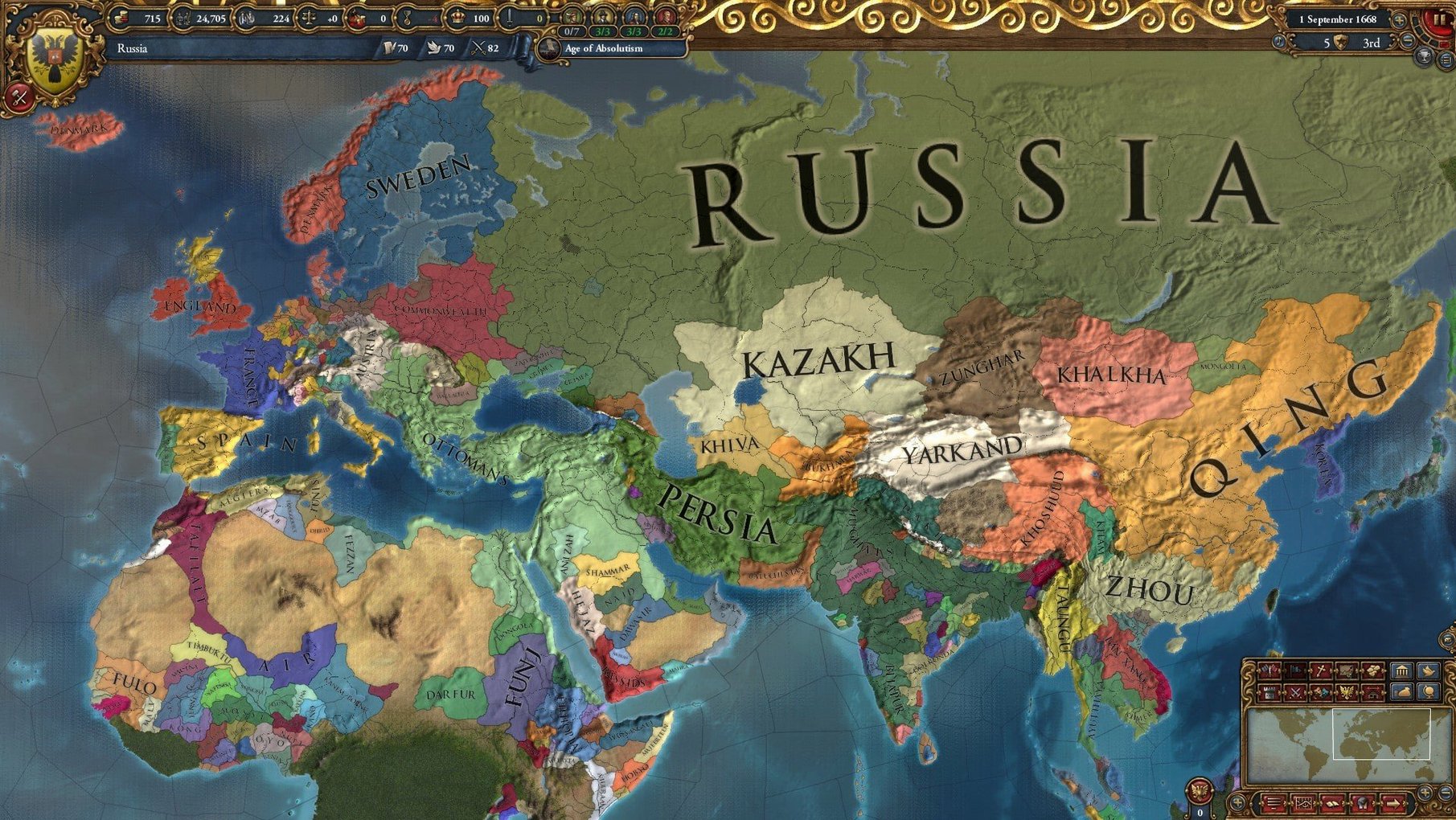
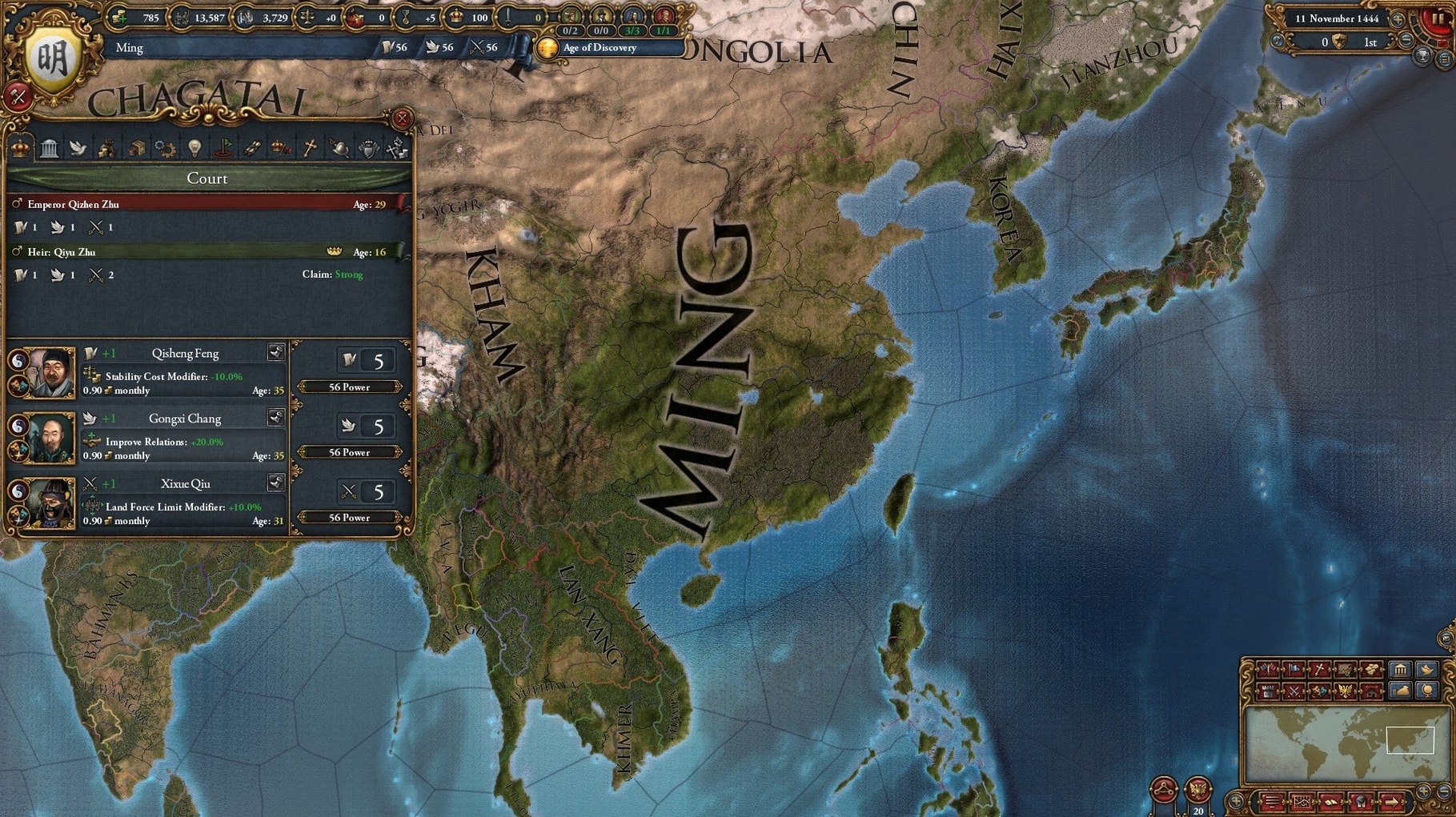
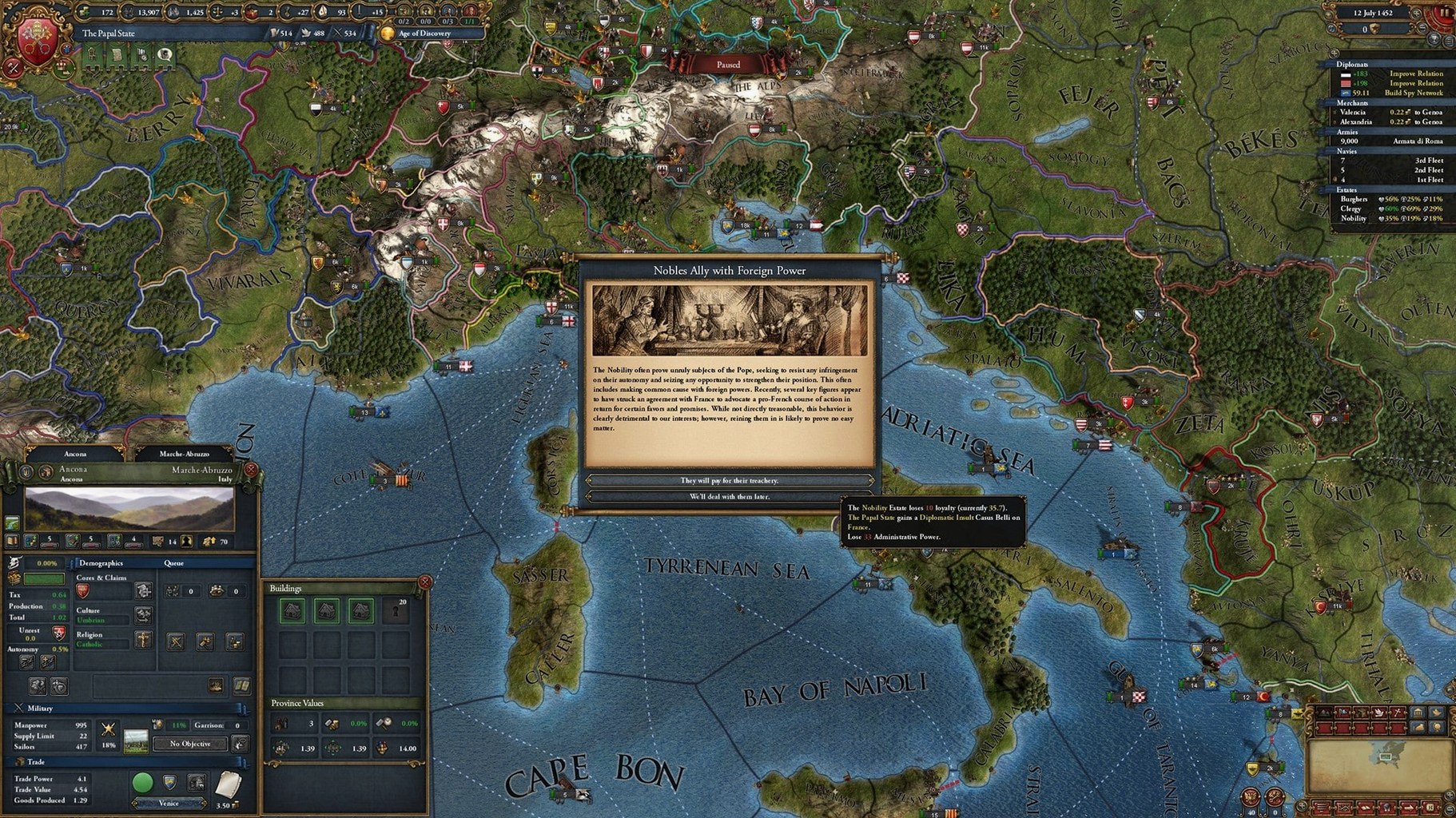
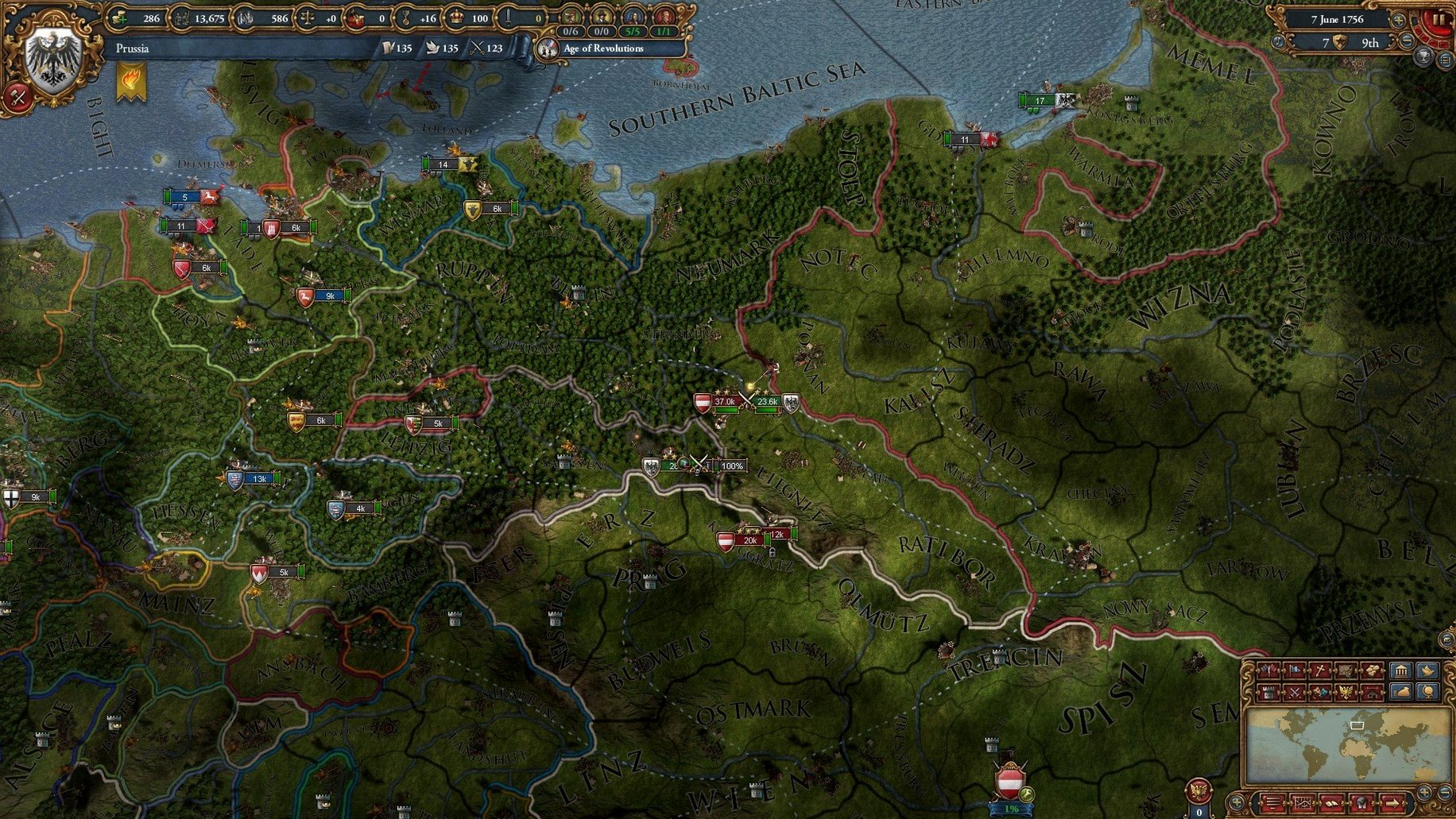
If you have spent time with Paradox’s Crusader Kings series, Europa Universalis IV will feel like stepping from a dynasty drama into a director’s chair overlooking the globe. Here the focus shifts from characters and bloodlines to the nation itself — its trade routes, diplomatic weight, colonial ambitions and military reach. You pick any country that existed during the game’s timespan, which runs from 1444 to 1821, and guide it through over three centuries of history as it unfolds on a richly detailed map. Music plays a genuine role in setting the tone, with an audio component that shifts as your empire grows or comes under strain.
Good for
- Players who enjoy slow-burn strategy where a single campaign can unfold over dozens of hours.
- Anyone curious about the mechanics of trade, diplomacy and colonisation in a historical sandbox.
- Mac users running Intel hardware — the architecture is x86 64-bit, and it has been tested on macOS Tahoe on a 2024 M4 Mac mini.
Keep in mind
- The game does not hold your hand; systems like trade steering and aggressive expansion take time to learn.
- It is a product of its era: originally released in August 2013, so the interface and visual style reflect that vintage.
- Interface languages include Russian, English, German, Spanish and French, though English voice and text remain the default for many players.
Which Mac users get the most out of Europa Universalis IV
The player who sinks deepest into Europa Universalis IV tends to be someone who treats a Tuesday evening the way a chess player treats a board — happy to sit, study the position of rivals, and consider moves that won't pay off for another century. Grand strategy veterans from the Europa Universalis series will slide straight into the trade-node and manpower rhythms, but the game also clicks surprisingly well for two other groups. The first is history enthusiasts who don't necessarily play many games at all; they come for the plausible alternative timelines and stay because the diplomatic web feels recognisable, not arcade-like. The second is the spreadsheet-minded tinkerer — someone who genuinely enjoys comparing the income gains from shifting a merchant from Genoa to Sevilla versus upgrading a marketplace in Champagne. If you're the sort of Mac user who has a note open on the side listing which idea groups to unlock next, this is your kind of sandbox.
Conversely, players who want a tight narrative or a clear win condition in a single evening will find the game's open-ended structure baffling rather than liberating. There is no victory screen telling you you've won, just the satisfaction of watching your nation's colour spread across the map — or the quiet panic of a coalition forming on your borders.
Impressions of speed, stability and resource use
On modern Mac hardware — particularly anything built in the last few years — Europa Universalis IV runs with a lightness that belies the complexity under the hood. The x86 64-bit architecture means it's at home on Intel Macs, and testing on macOS Tahoe with a 2024 M4 Mac mini shows the game holding a steady frame rate even during the late-game slog when dozens of armies crawl across Europe. The initial month ticks fly by; by the 1700s you'll notice a slight rhythm to each month-end as the processor chews through thousands of AI decisions, but it never tips into frustration. Stability is, by current standards, a settled affair — this is a game that has been patched and polished for over a decade, and the 1.37.5.2 fix build reflects that maturity. Crashes are rare, and autosaves are frequent enough that you won't lose a day's scheming.
Memory use is modest for a strategy title. You can comfortably keep a browser open with a wiki page or two — particularly useful if you're hunting down the finer points of a europa universalis iv mac download while the game hums in the background. Load times from an SSD are brief, though the initial splash-screen sequence can feel leisurely on a first launch.
Mistakes beginners make
Almost every new player makes the same error in the first few hours: they treat coalitions as a suggestion rather than a hard brake. Aggressive expansion is a number on a screen until half of Germany forms a pact to dismantle you, and by then the lesson is memorably painful. The second classic stumble is neglecting trade steering. Newcomers often assign merchants to collect in every node they touch, not realising that chaining merchants to steer value towards a single home node multiplies income far more effectively. Think of it like a river system — you want to channel the flow, not scoop water from every tributary.
Another quiet trap is over-reliance on mercenaries early on without checking the army professionalism cost. The game lets you do it, and in a panic it feels smart, but the long-term hit to your military quality leaves you with expensive paper armies just when a rival smells weakness. Finally, a surprising number of players stumble simply because they launch the wrong file — the install notes specify going into eu4.app, opening the Contents/MacOS folder and using the eu4 file directly if the app doesn't start as expected. It's a small, almost old-school Mac quirk, but it catches out people accustomed to double-clicking an icon and being done with it. Worth remembering if your first attempt with a Europa Universalis IV torrent doesn't behave the way you assumed it would.
- Architecture: Intel (x86 64-bit)
- Tested on macOS Tahoe with a Mac mini 2024 M4
Questions I keep hearing
Which countries can I play in Europa Universalis IV?
You can control any nation that appears on the map between 1444 and 1821, from major European powers to small states in Asia, Africa and the Americas.
Questions from the class 0
Sign in or join the class to ask a question.
Nobody has asked anything yet. If you have used it on a real job, say what the file did.
Also on the Games shelf
The whole Games shelf Euro Truck Simulator 2
Settles you behind the wheel for long-haul deliveries across calm roads.
Euro Truck Simulator 2
Settles you behind the wheel for long-haul deliveries across calm roads.
 Escape from Duckov
Sends you on short solo raids where every trip teaches you a little more about survival.
Escape from Duckov
Sends you on short solo raids where every trip teaches you a little more about survival.
 Factorio
Challenges you to design and automate ever-growing production chains.
Factorio
Challenges you to design and automate ever-growing production chains.
 Fallout: A Post Nuclear Role Playing Game
Drops you into a retrofuturistic wasteland to survive and explore.
Fallout: A Post Nuclear Role Playing Game
Drops you into a retrofuturistic wasteland to survive and explore.
 Farming Simulator 25
Lets you run a working farm from planting to harvest.
Farming Simulator 25
Lets you run a working farm from planting to harvest.
 Easy Red 2
 Fear & Hunger
Places you in a grim dungeon where survival depends on luck and nerve.
Fear & Hunger
Places you in a grim dungeon where survival depends on luck and nerve.
 Dying Light
Sets you loose in a quarantined city where you parkour across rooftops and fight after dark.
Dying Light
Sets you loose in a quarantined city where you parkour across rooftops and fight after dark.