 ASPNetWorld

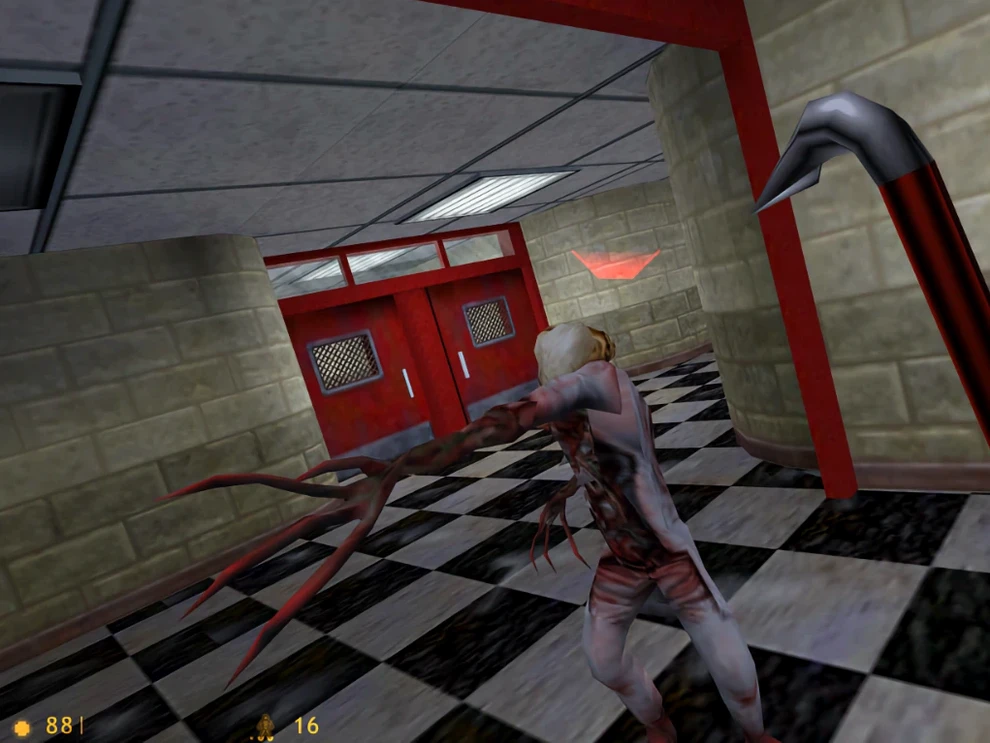
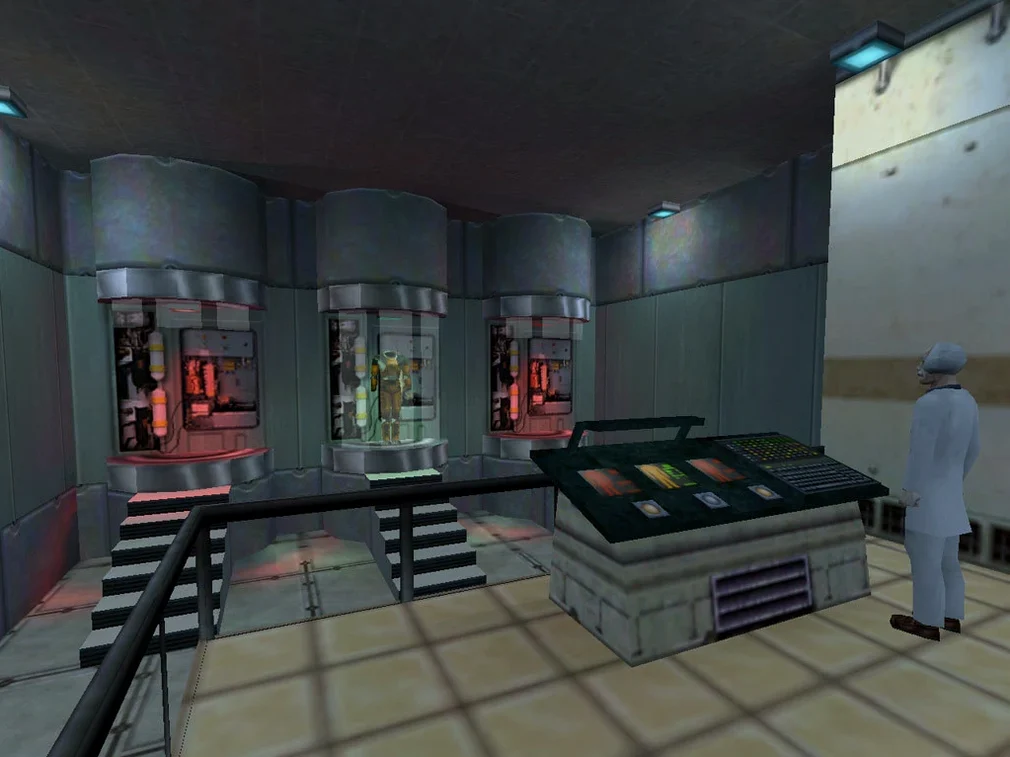
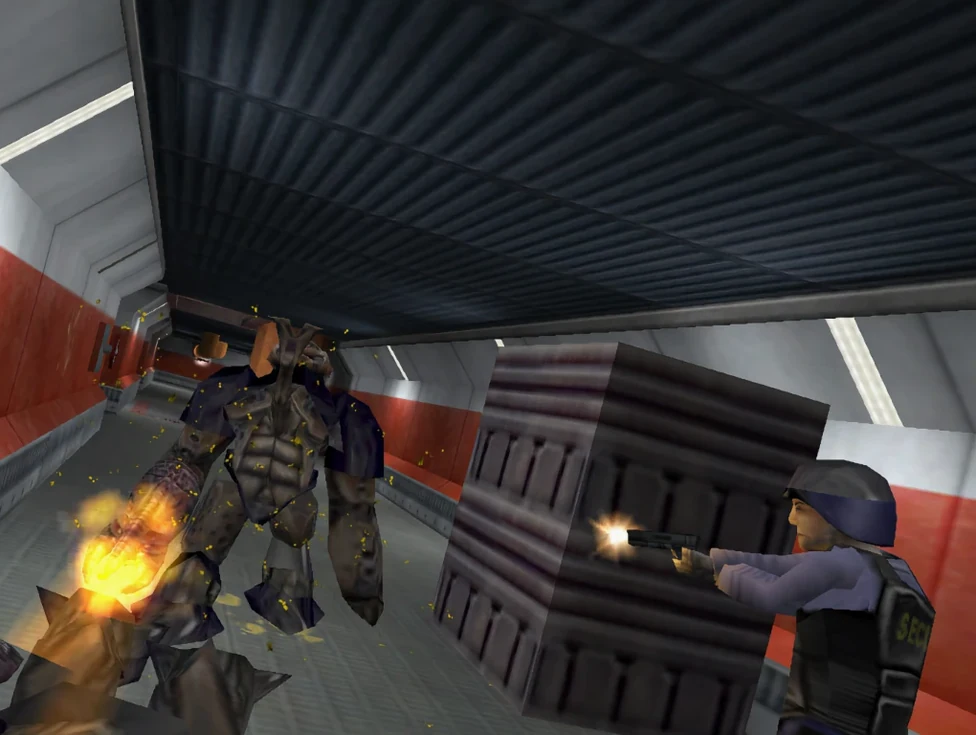
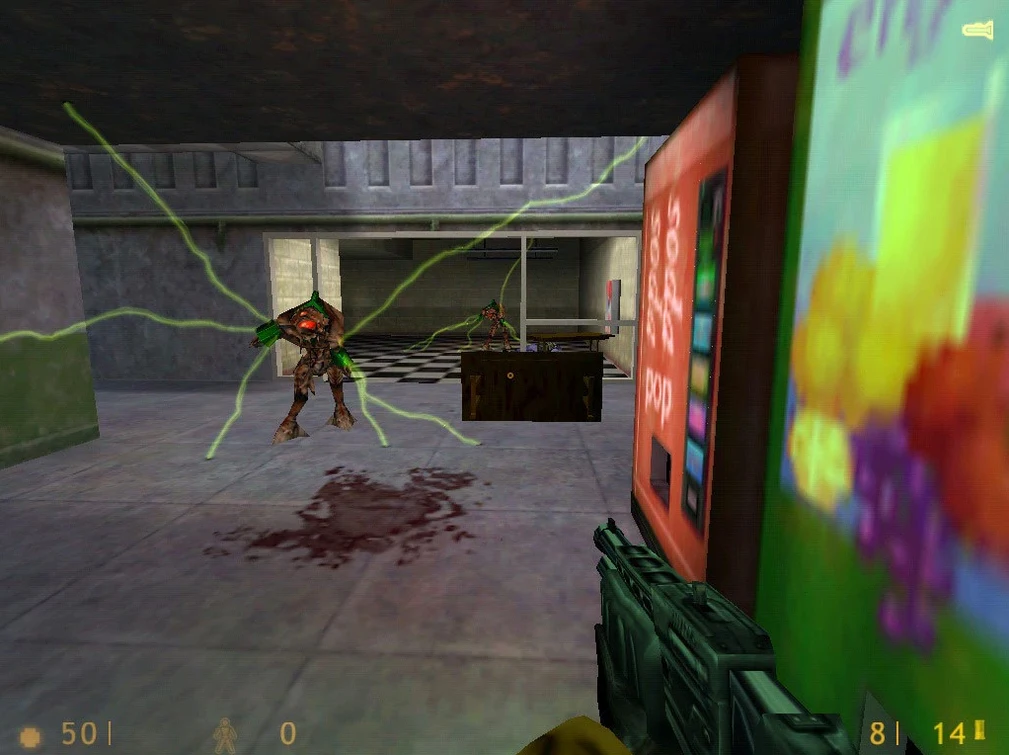
Build 8491853 weighs in at just under three gigabytes, a compact time capsule from 2004.
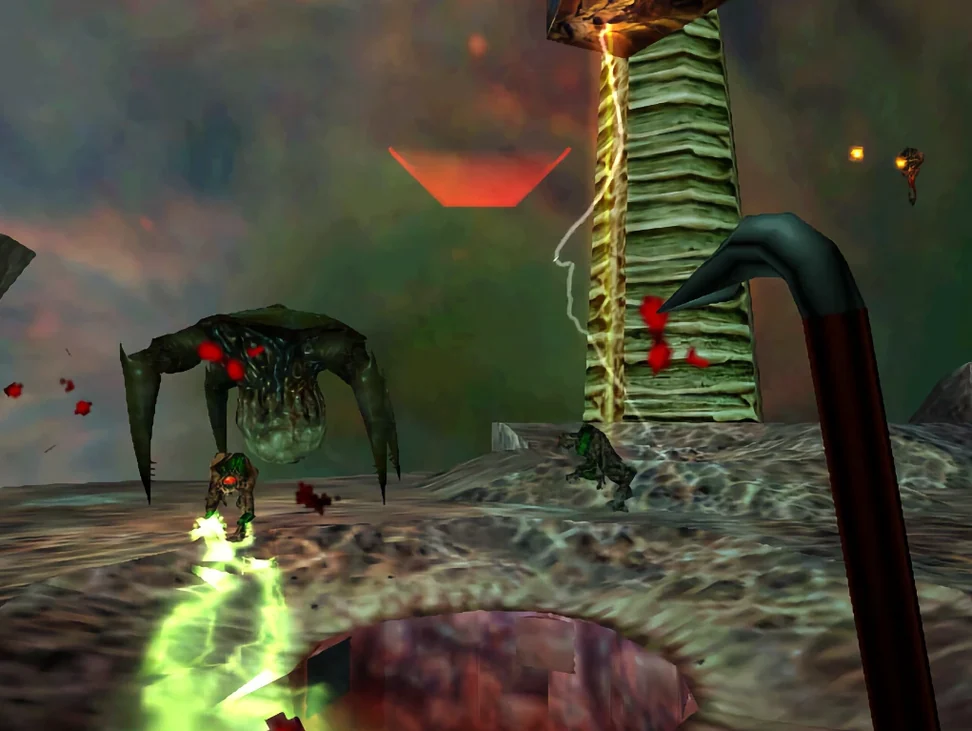
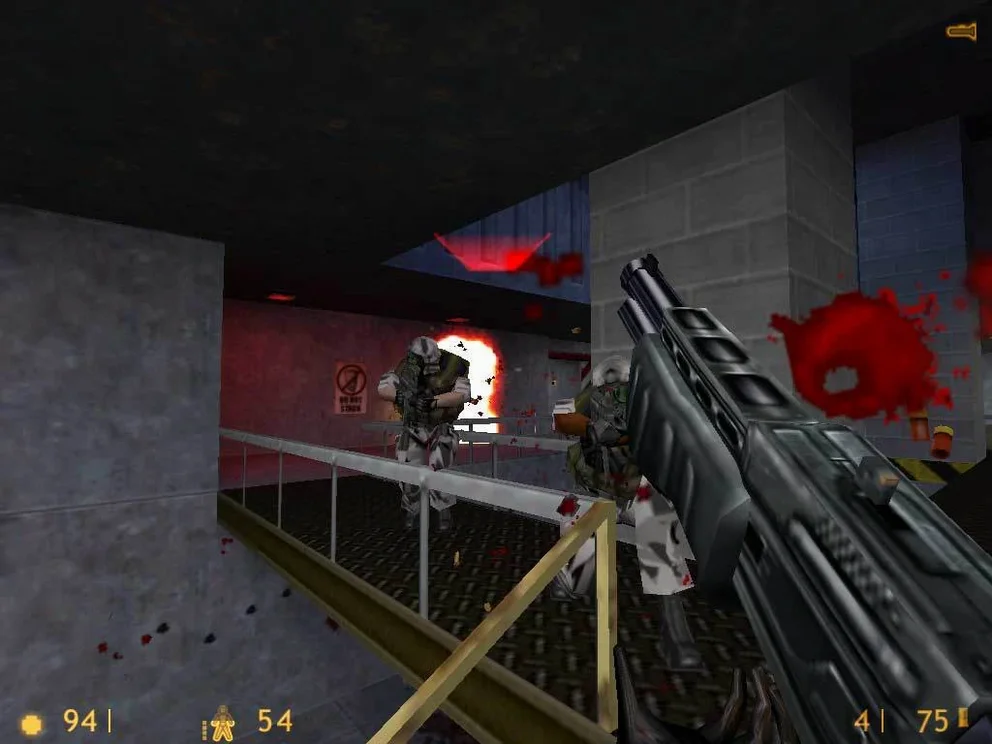
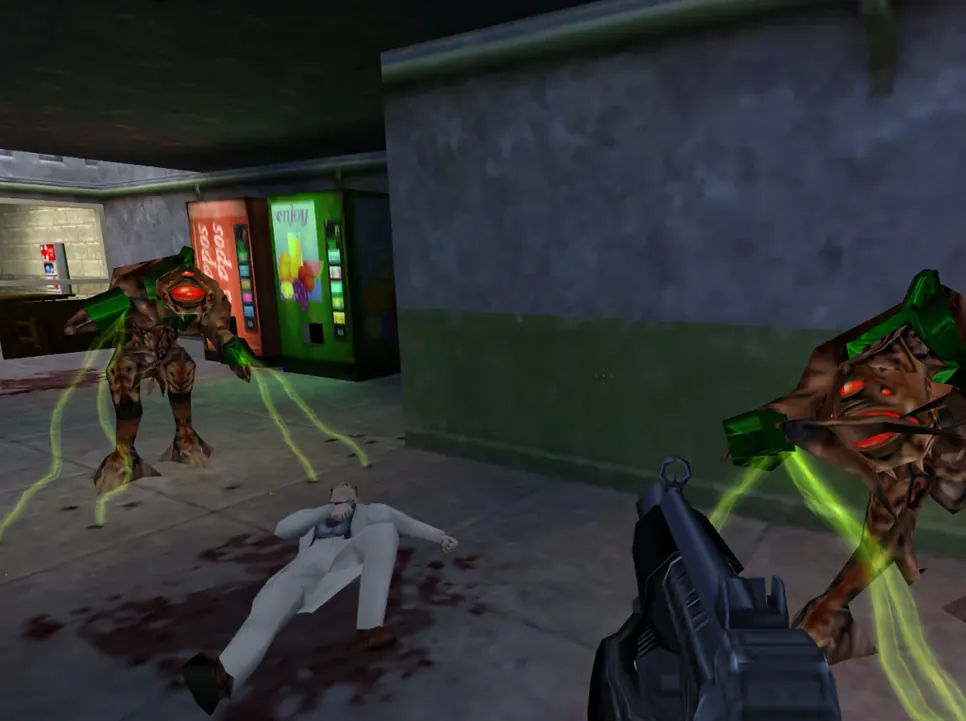
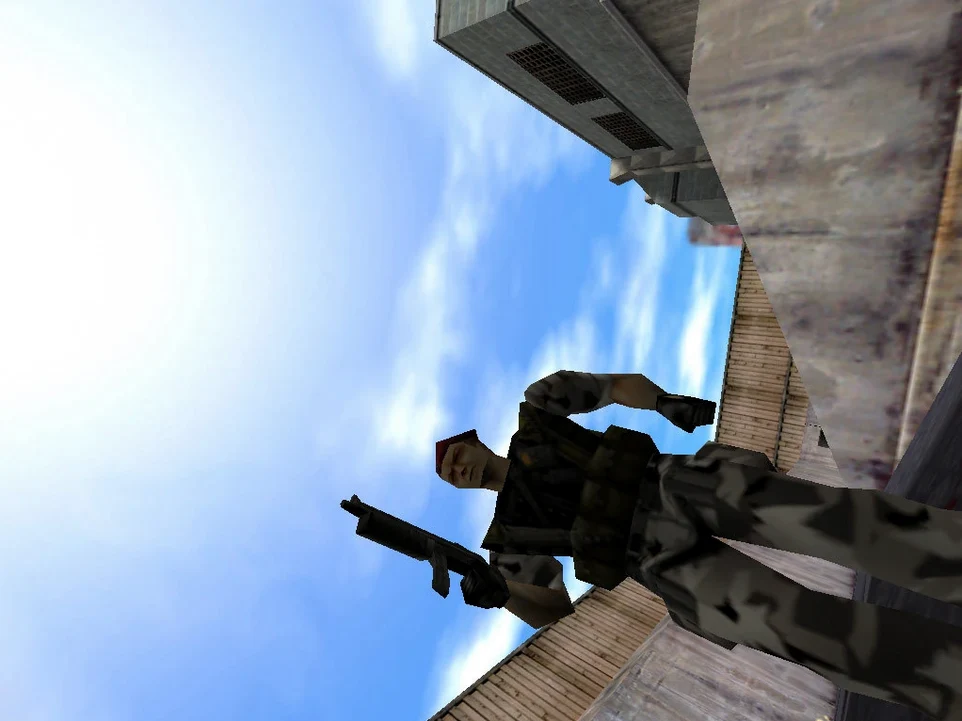
Source engine remaster — Half-Life's original code and assets ported into the then-new Source engine, bringing ragdoll physics, improved water shaders, and more realistic lighting to the 1998 classic.
Enhanced effects — dynamic shadows, reflective surfaces and particle effects that were absent from the original GoldSrc release, though the character models and textures remain largely untouched.
This is a remaster for completists. If you already know every corridor of Black Mesa by heart, the visual tweaks are a pleasant novelty, like seeing an old photograph restored. The action-adventure pacing is unchanged: tense firefights punctuated by environmental puzzles, all driven by that wonderfully understated storytelling Valve perfected. But the Source port introduces its own oddities. Some scripted sequences break, enemy AI behaves unpredictably, and the overall package feels less polished than the original. Players chasing a definitive way to experience Gordon Freeman's debut may leave disappointed. Those curious about engine history, however, will find a fascinating curio. It is Half-Life seen through a slightly warped lens, and that is precisely its appeal.
The shift to Apple Silicon under Build 8491853 brings one of those quiet quality-of-life improvements that is easy to overlook until you notice its absence: the Mac mini stays cool. On an Intel Mac, the Source engine could spin the fans into a mild panic during the Surface Tension chapter, but the M1 handles the Havok-derived physics with the same thermal indifference it shows a YouTube video. Load times are equally transformed. The original 2004 release kept you staring at a progress bar while each map decompressed; here, the transition between the Anomalous Materials lab and the transit system is nearly instantaneous.
Stability is more of a mixed bag, and that is less about the Mac port and more about the Source 2013 Singleplayer update Valve pushed to the Windows build years ago. That update fixed a handful of long-standing bugs and quietly introduced several new ones. A few of those quirks are present in this build. Barnacles occasionally fail to retract their tongues after grabbing a scientist, and the HECU Marines sometimes forget they are supposed to flank and simply stand in doorways, firing at nothing. These are not show-stoppers, but they chip away at the polish you may remember.
Tiny touches worth knowing about
Half-Life Source is not a game that advertises its conveniences. A few are genuinely useful once you stumble across them.
Saves live in an unusual spot: inside the app bundle itself, under Contents/Resources/GameData/hl1/save. That is worth bookmarking if you plan to back up a playthrough or transfer progress. It also means deleting the app wipes your saves without warning, so drag the folder to a safe place before tidying up.
Language switching is similarly tucked away. Editing HL.command with TextEdit is the official route, and it works, but keep a copy of the original line somewhere. A stray space or missing semicolon will send the launcher into a sulk, and the error message it produces is not especially helpful.
The included Fix file is another small mercy. If the game throws an error at first launch — a surprisingly common occurrence on Sonoma — running that file from the disk image resolves most cases without requiring a terminal session. Valve never shipped anything like that in 2004, and it is a thoughtful addition to this package.
Three hours in, just 1.2 GB of RAM used
Memory usage stays civil. After three hours of play, Activity Monitor reported just under 1.2 GB of RAM in use, leaving plenty of headroom for background apps. Frame pacing on the M1 is smooth enough that the occasional stutter during autosaves feels like a deliberate comma in the action rather than a performance hiccup. The Source engine's water shaders, still lovely after two decades, render without the flickering artefacts that plagued early Mac Source ports.
It is worth keeping expectations grounded. A search for half-life source torrent macos will turn up plenty of older, patched-together ports that you can get running smoothly on modern macOS versions by toggling a few compatibility settings. This build sidesteps most of those headaches simply by being compiled for ARM rather than translated through Rosetta. If you have already downloaded and installed it, the day-to-day experience is closer to the original 2004 release than any community wrapper has managed in years — quirks included, but never enough to pull you out of Black Mesa entirely.
Build 8491853 carries the Source 2013 Singleplayer update, a long-tail maintenance patch that, rather unfortunately, introduced a fresh crop of bugs alongside its engine-level fixes.
- macOS on Apple Silicon (tested on Sonoma, Mac mini M1)
Questions I keep hearing
Where are the save files stored on macOS?
The save folder lives inside the app package at/Applications/Half-Life Source macOS.app/Contents/Resources/GameData/hl1/save, so you will need to browse the package contents to reach it.
How do I change the interface language?
Open the app package contents, find theHL.command file, and edit it in TextEdit to set your preferred language from the eleven available options.
Does Half-Life Source include any new story content?
No, it is a straight engine remaster of the original Half-Life campaign with enhanced visual effects but no additional levels or narrative changes.
Questions from the class 0
Sign in or join the class to ask a question.
Nobody has asked anything yet. If you have used it on a real job, say what the file did.
Also on the Games shelf
The whole Games shelf Half-Life Opposing Force
 Half-Life Blue Shift
Adds a fresh security-guard campaign to the original Black Mesa disaster.
 Hades
Turns each death into a fresh conversation in a story-driven dungeon crawl.
 Haste
Races you through crumbling worlds where the ground disintegrates underfoot.
 Heads Will Roll: Reforged
 GRIME II
Lets you absorb and summon the forms of every creature you defeat.
 Hearts of Iron IV
Directs a single nation through the full machinery of World War II.
 Hello Kitty Island Adventure
Invites you to restore a pastel island alongside familiar Sanrio friends.