 ASPNetWorld

Version 2.8a is a stability pass, quietly tightening the bolts on Norman’s journey without moving the furniture. It doesn't change the story, but it makes the road a little smoother.
How a single campaign plays out
- You begin as nobody. A foot soldier with raw stats, which is your first lesson in vulnerability — the game calls this “survival mechanics.” When you're a peasant on a muddy battlefield, a bad decision means a proper game over.
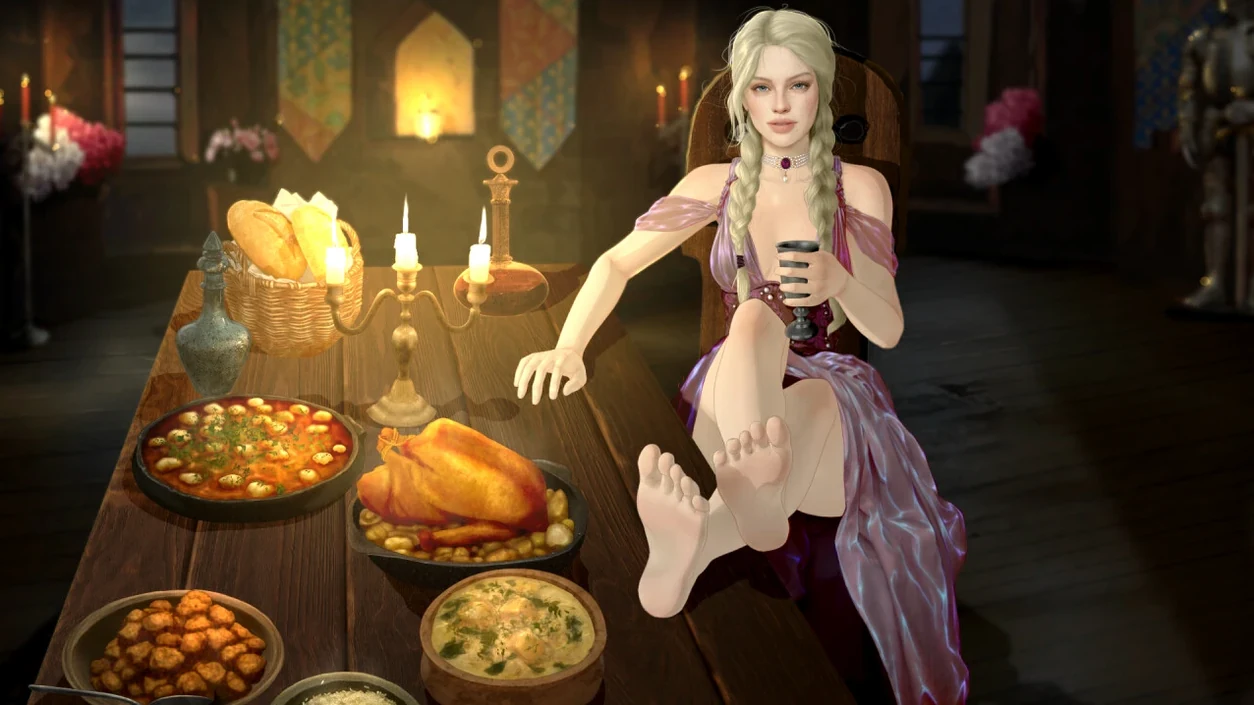
- Meet the locals. Non-player characters remember. If you act like a hero in a skirmish, the blacksmith might give you a discount. Threaten a merchant, and their cousin won't sell you arrows later. It's a reputation system woven into everyday barter and chatter.
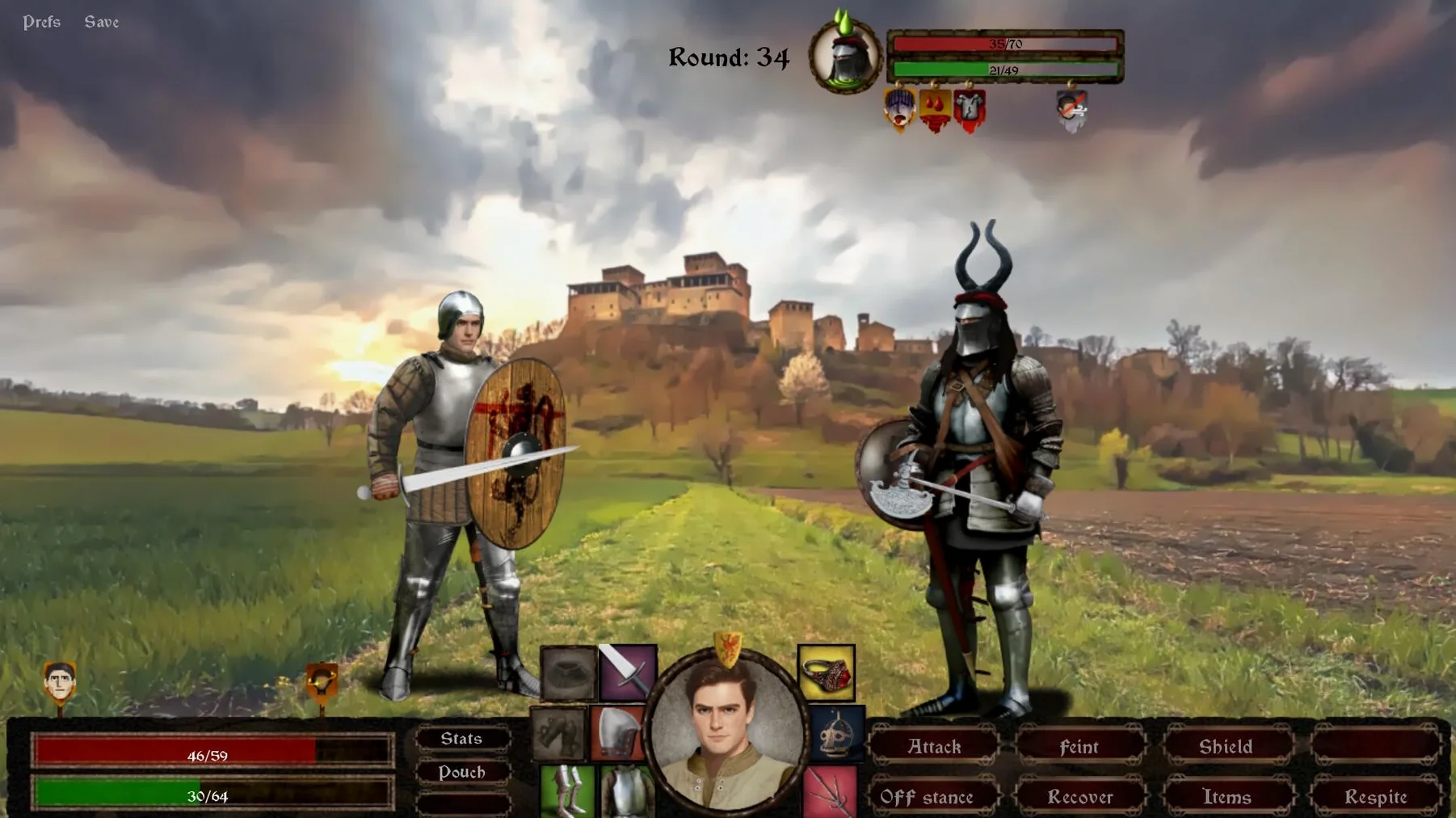
- Fight in turns, not in haste. With dozens of weapons — swords, maces, throwing knives, crossbows — each scrap becomes a chess match. You weigh a spear's reach against an axe's damage while watching your stamina drain.
- Live with your legend. Every combat decision and campfire conversation shifts how the world sees you. By the time you reach the late game, you're not just a set of stats; you're the person those early grudges and kindnesses made you.
This rhythm — from anonymous soldier to battle-scarred figure — appeals to patient strategists who enjoy reading characters as much as landing blows. If you're after instant action or a power fantasy, the slow burn here might feel more like a slog than a saga.
Combat only feels sluggish if you forget stamina carries across turns
Does the turn-based combat feel sluggish? Only if you expect it to move like a real-time brawler. Every action — swing a mace, notch a crossbow bolt, reposition behind a shield-bearer — costs stamina you'll need three turns from now. It's methodical, not slow. The tension lives in the pauses, when you realise the enemy archer has a clean line of sight and your armour is already battered. Once you treat each encounter as a puzzle with medieval weaponry, the pace makes sense.
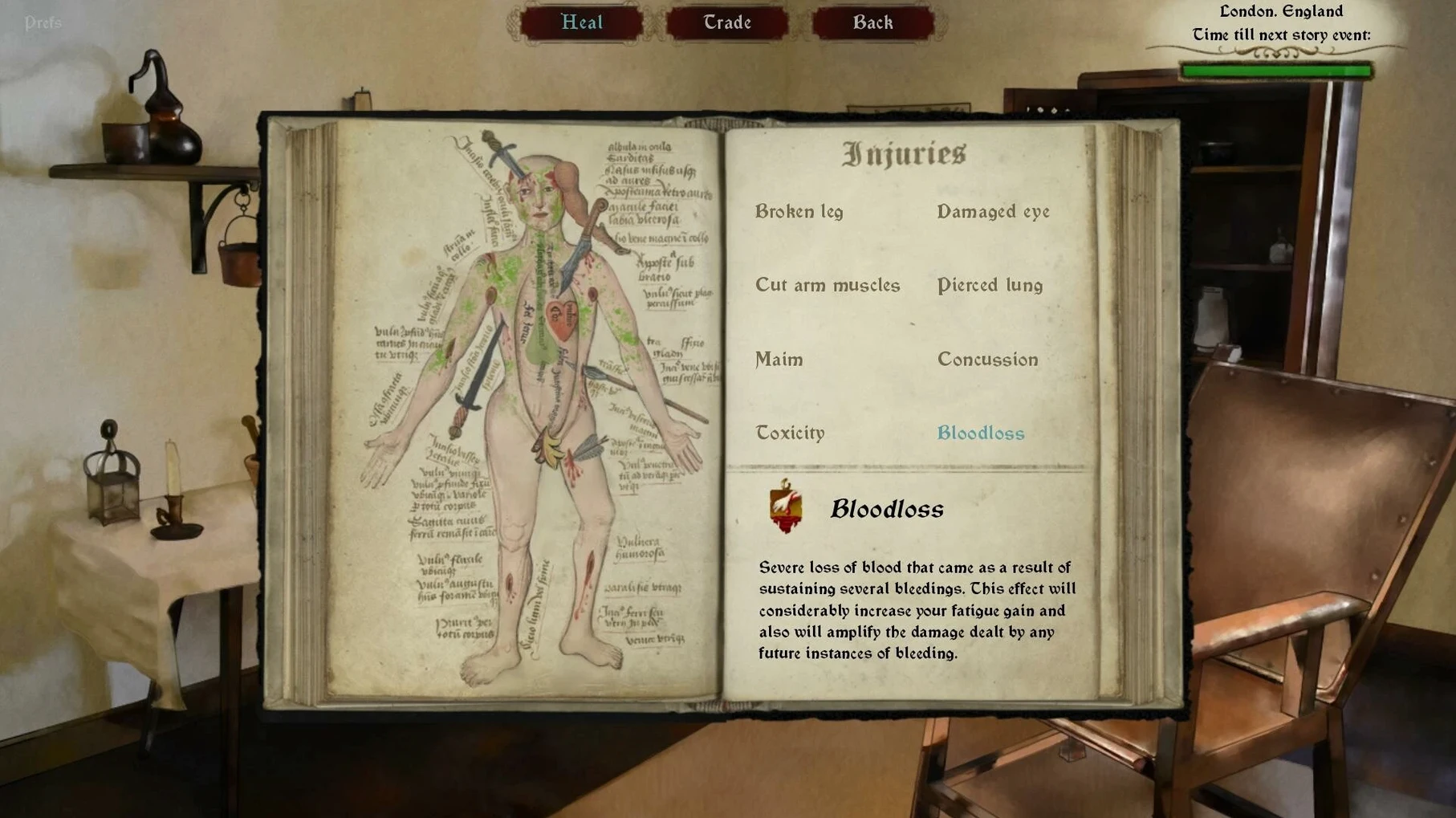
Will the survival mechanics turn it into a chore? They're present without being punishing. You craft bandages, salves, and crossbow ammunition from what you scavenge, but the game doesn't nag you to eat every ten minutes or freeze to death in the rain. Think of survival as texture: it gives weight to your decisions without becoming the main event. You'll curse a botched crafting roll, then push on, which is exactly the tone a Hundred Years' War story needs.
How different are playthroughs really? The random generation shuffles loot tables, enemy placements, and some quest triggers, so two runs won't produce identical battlefields. Combine that with non-player characters who remember your behaviour, and you get genuine divergence. A Norman who charms a village priest will face different late-game alliances than one who looted the chapel. In roguelike mode, those differences hit harder because there's no quick load to undo a social misstep.
What version 2.8a quietly changed
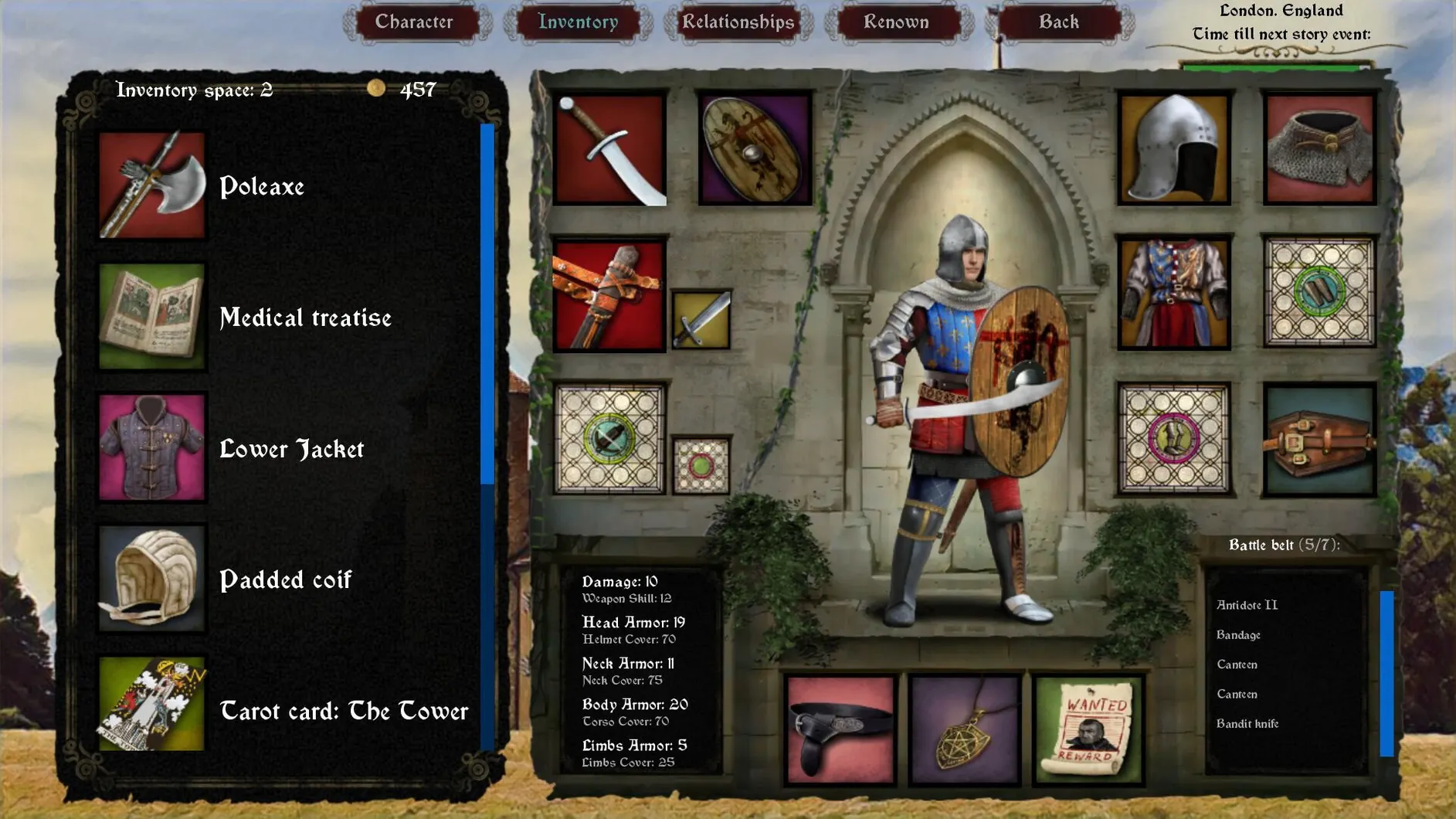
If you played earlier builds, you'll notice fewer crashes when transitioning from camp menus into combat scenes — the kind of stability fix that doesn't make patch note headlines but prevents a ruined evening. Inventory sorting handles large stacks of crafted bolts and medical items more reliably, so late-game tinkering feels less like wrestling a sack of scrap metal. The Hundred Years' War setting also benefits from subtle audio adjustments; the music bed no longer clips during scene changes, which matters when you're trying to read a tense negotiation with a wounded knight. These aren't glamorous changes, but they're the sort that let you stay in fourteenth-century France instead of jolting back to your desktop.
Where newcomers tend to stumble
Ignoring reputation until it's too late. The most common mistake is treating non-player characters like vending machines. Threaten a merchant for a few extra coins early on, and you might find their cousin runs the only armourer in the next province. The game doesn't flash a warning; it simply closes doors. Spend the first few hours listening before swinging, because a reputation built on threats is harder to repair than a cracked gorget.
Over-crafting before understanding what you need. With over 200 items and dozens of weapon types, it's tempting to craft everything the moment you gather ingredients. But inventory weight matters, and those throwing knives you made in bulk won't help when you need a steady supply of bandages for a prolonged siege. Craft reactively — respond to what the last fight taught you — rather than trying to prepare for every scenario at once.
Treating roguelike mode like story mode. The quick-save safety net vanishes in roguelike runs, and old habits die hard. Beginners charge into a skirmish assuming they'll reload if it goes badly, then stare at a permanent death screen. In roguelike mode, caution isn't optional; it's the whole point. Scout with ranged weapons, keep escape routes open, and accept that some fights are better avoided until your gear catches up. The game rewards those who learn to read a battlefield before committing to it, and roguelike mode simply removes the undo button.
Version 2.8a is a quiet maintenance update. The developer has focused purely on under-the-hood stability, so while you won't find a new weapon to swing or a fresh face at the campfire, the journey through medieval France should now run with fewer hiccups.
- Architecture: Intel (x86 64-bit)
- Interface languages: Russian, English
Questions from the class 0
Sign in or join the class to ask a question.
Nobody has asked anything yet. If you have used it on a real job, say what the file did.
Also on the Games shelf
The whole Games shelf Hearts of Iron IV
Directs a single nation through the full machinery of World War II.
Hearts of Iron IV
Directs a single nation through the full machinery of World War II.
 Hello Kitty Island Adventure
Invites you to restore a pastel island alongside familiar Sanrio friends.
Hello Kitty Island Adventure
Invites you to restore a pastel island alongside familiar Sanrio friends.
 Haste
Races you through crumbling worlds where the ground disintegrates underfoot.
Haste
Races you through crumbling worlds where the ground disintegrates underfoot.
 Heroes of Might and Magic II: Gold Edition
Lays out a turn-based fantasy kingdom where every considered move counts.
Heroes of Might and Magic II: Gold Edition
Lays out a turn-based fantasy kingdom where every considered move counts.
 Half-Life Blue Shift
Adds a fresh security-guard campaign to the original Black Mesa disaster.
Half-Life Blue Shift
Adds a fresh security-guard campaign to the original Black Mesa disaster.
 Hollywood Animal
Steers a fledgling film studio through decades of creative and business turmoil.
Hollywood Animal
Steers a fledgling film studio through decades of creative and business turmoil.
 Hades
Turns each death into a fresh conversation in a story-driven dungeon crawl.
Hades
Turns each death into a fresh conversation in a story-driven dungeon crawl.
 House Flipper
Clears rubbish, repaints walls and sells a neglected house for profit.
House Flipper
Clears rubbish, repaints walls and sells a neglected house for profit.