 ASPNetWorld

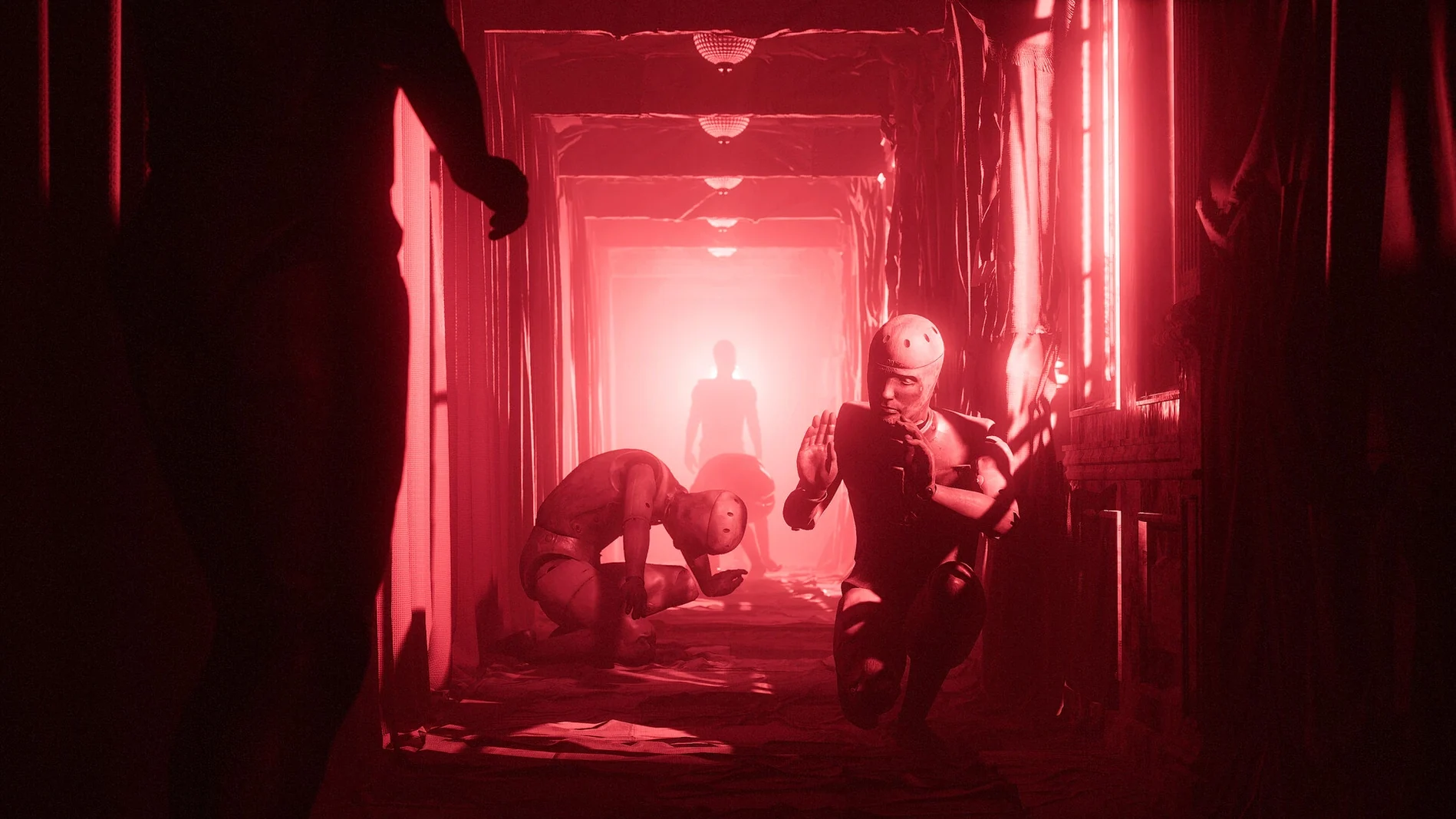
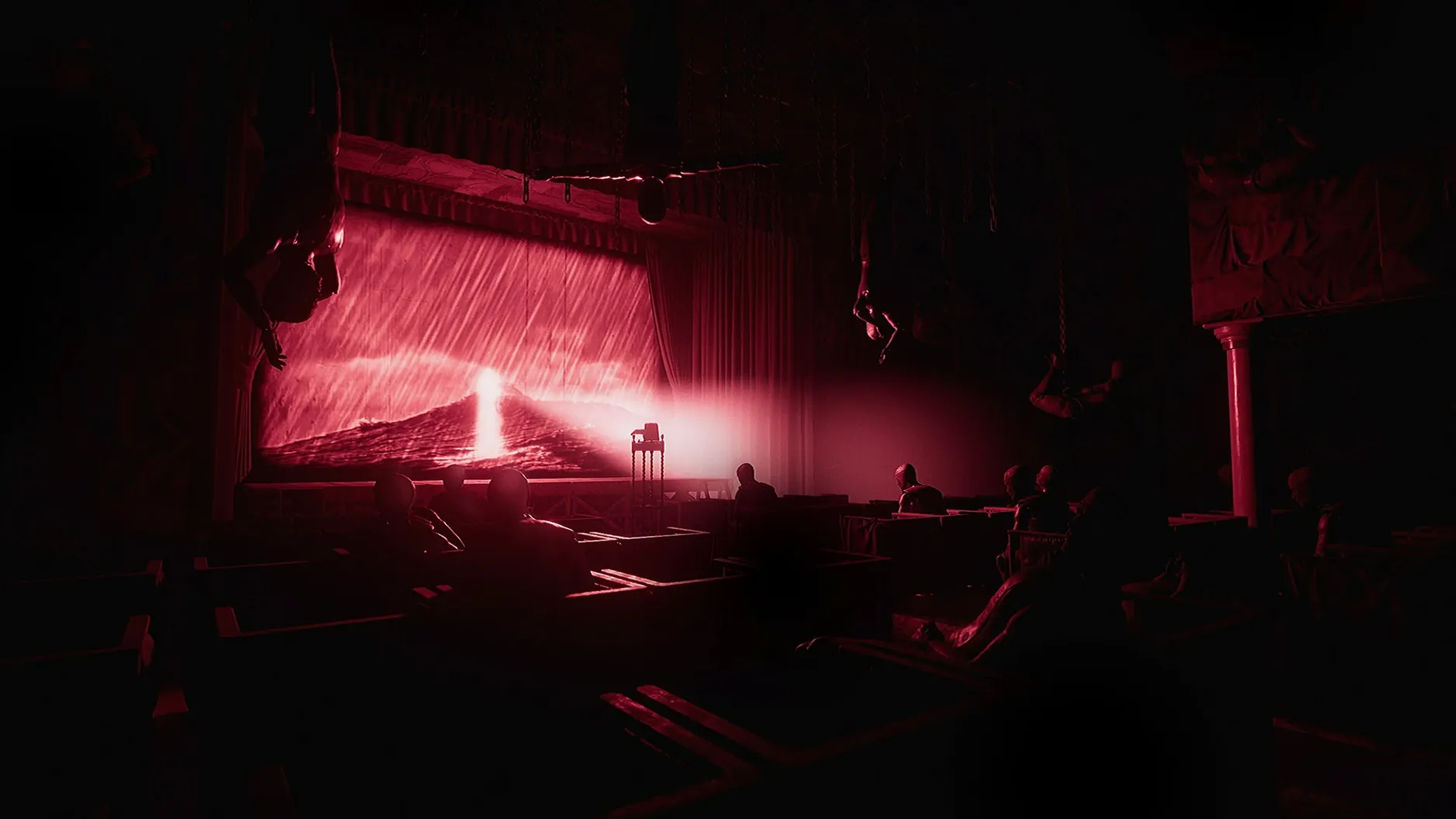
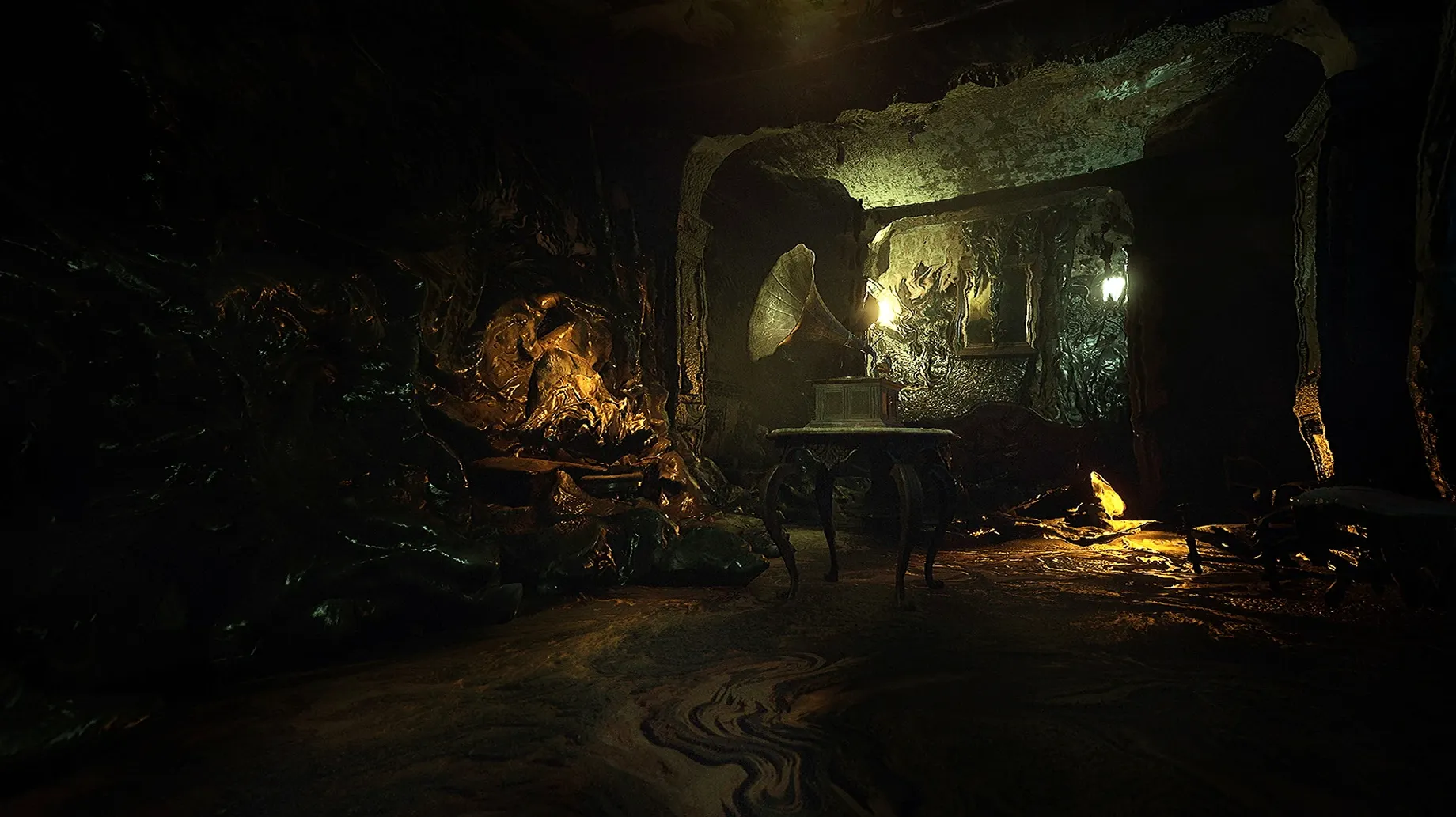
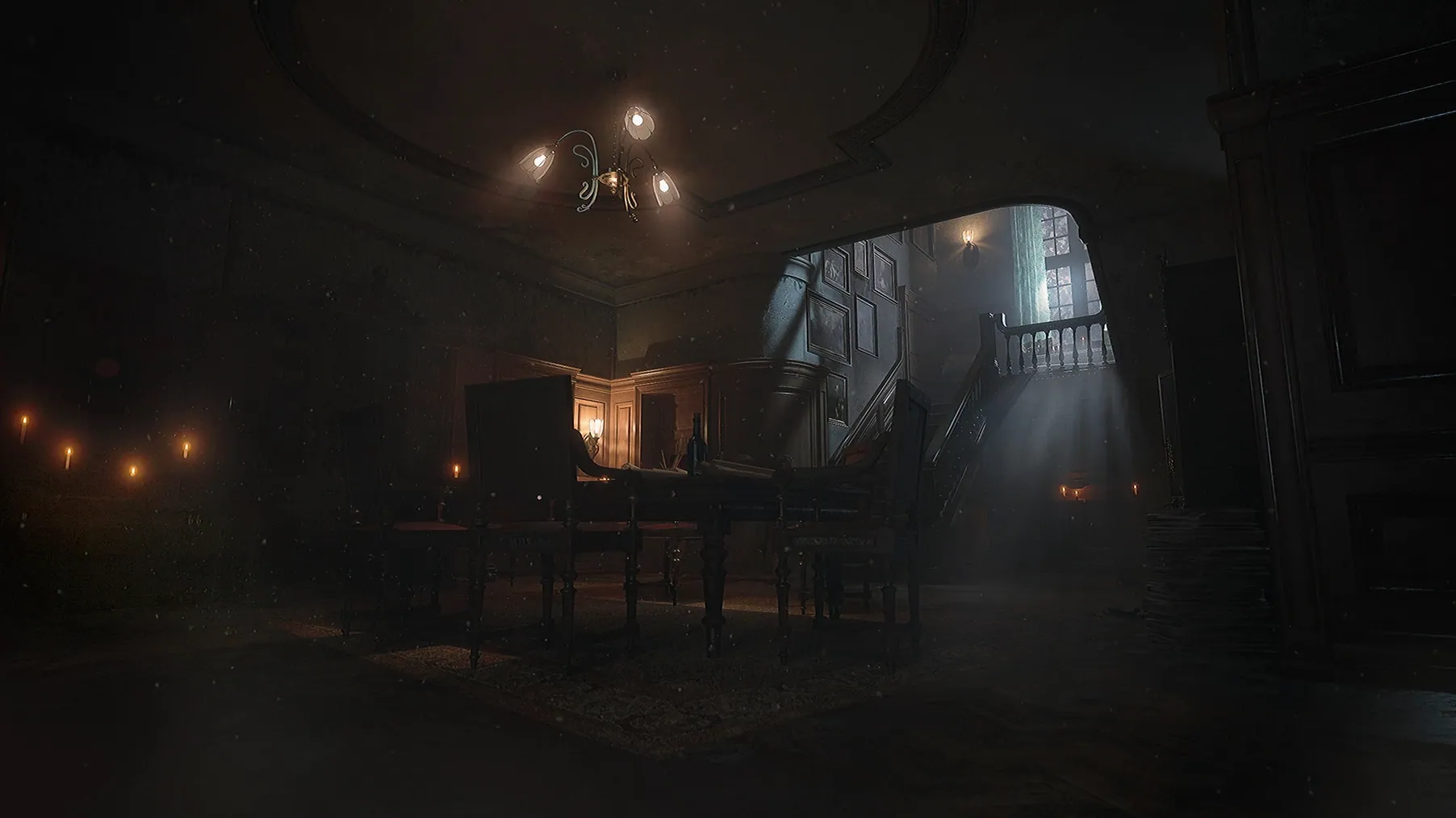

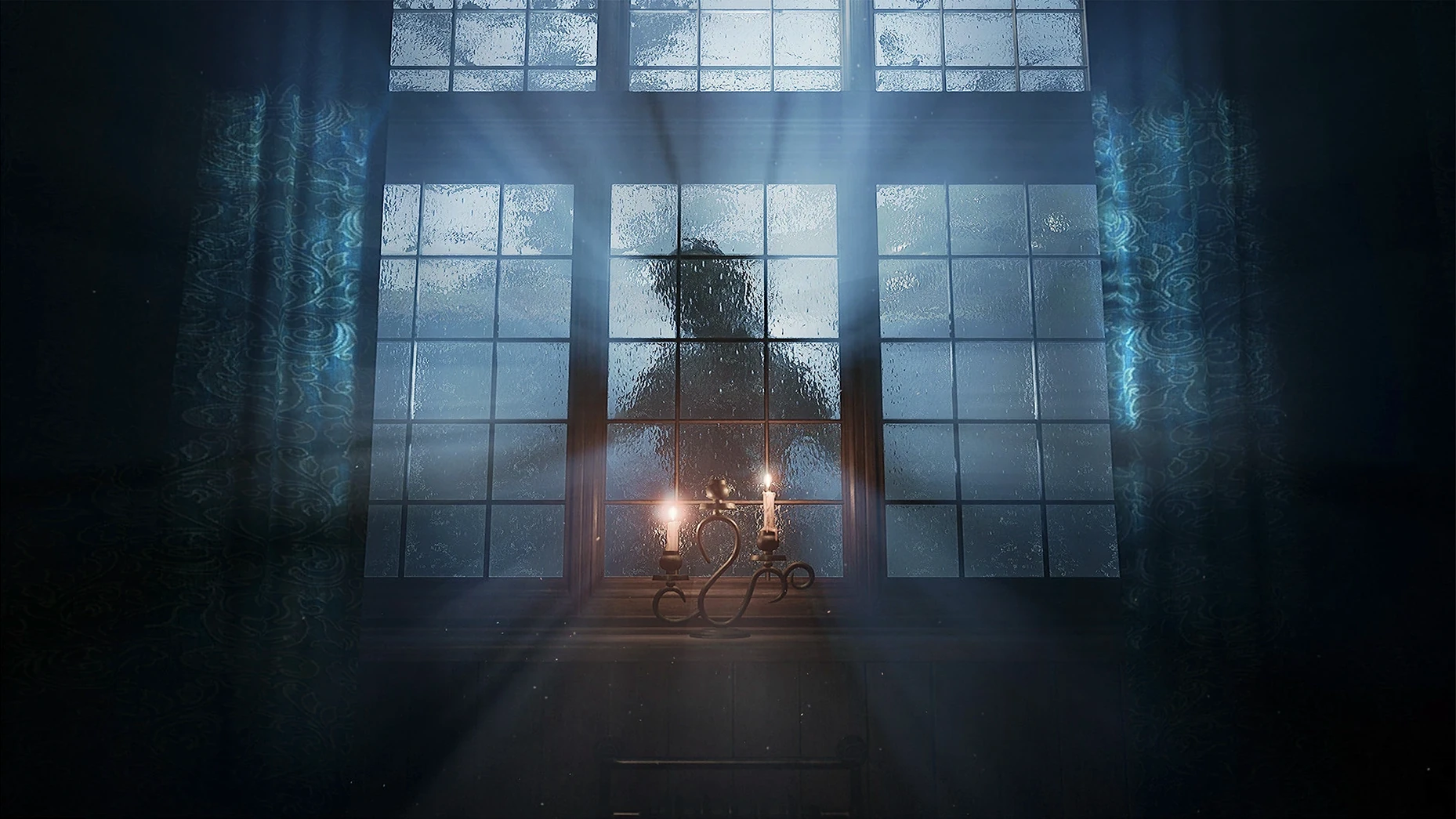
Layers of Fear is for the player who likes their horror to creep under the skin rather than leap at the throat. You step into the shoes of a painter obsessed with finishing a masterpiece, exploring a Victorian mansion that rearranges itself when you look away. It's a game built on atmosphere, not action — if you enjoy piecing together a broken psyche one unsettling diary entry at a time, you'll feel right at home.
What it doesn't offer is combat, inventory management, or the frantic chase sequences that define many modern horror titles. This is a walking simulator in the best sense: you move through lavishly detailed rooms, examine objects, and watch reality warp around you. The Mac version, released in mid-2023, bundles the original game, its sequel, all DLC, and a fresh linking story into one package rebuilt on Unreal Engine 5. The painterly lighting and shifting architecture benefit enormously from the engine upgrade.
The experience demands patience. The pacing is deliberate, the scares are psychological rather than visceral, and the story unfolds through environmental clues you have to work for. Players who need a clear objective marker or a sprint button may find it frustrating. But if you're the sort who savoured the slow dread of games like What Remains of Edith Finch and wanted it to twist into something darker, this hits a similar note. The new story thread that weaves through the collection gives returning players a reason to revisit familiar corridors, too.
A word on hardware: this is an Apple Silicon native build, so it runs smoothly on M1 and later chips, with HDR and 4K support if your display allows. The English voice acting carries the narrative well, though the real star is the sound design — every creak and whisper is placed with surgical precision. It's a game best played alone, in the dark, with good headphones, when you're in the mood to be unsettled rather than entertained in the traditional sense.
A Painter's Process: Rebuilding the Masterpiece
The core loop of the original Layers of Fear centres on collecting fragments of a shattered painting, and the workflow is more methodical than it first appears. You begin in the studio, facing an incomplete canvas. The room is a tutorial in miniature — it teaches you to open drawers, twist door handles, and turn objects over in your hands. A note on the easel hints at what's missing. From there, you push into the house proper, and the real work starts.
The game rarely tells you what to look for; instead it trains you to notice what's wrong. A stack of paintings on a wall might all be askew except one. A mirror might reflect a hallway that doesn't exist behind you until you turn and find it suddenly there. Each chapter presents six or seven such environmental triggers, and finding enough of them assembles the next piece of the masterpiece back in the studio. The sequence matters less than your attention span. You'll spend a lot of time standing still, rotating an old photograph or a child's drawing in your hand, waiting for the sound cue that says the object has done its work.
A typical session runs about an hour — long enough to complete a single chapter and return to the studio with a new scrap of the painting, short enough that the tension doesn't curdle into exhaustion. The game autosaves at chapter boundaries, so you can step away cleanly. I found the rhythm best when I treated each chapter as a contained short story rather than a level to clear.
An Evening in the House
You launch the game after sunset, headphones on, lights off. The Unreal Engine 5 build loads fast on Apple Silicon — from Launchpad click to the main menu takes under fifteen seconds on an M1 MacBook Air. You select the original Layers of Fear story from the unified launcher and pick up where you left off: a narrow corridor on the second floor, wallpaper peeling in the candlelight.
Movement is slow and deliberate. You nudge the mouse, and the painter's hand sways slightly as he walks — the game never lets you forget you're inhabiting a body that is not entirely steady. You check a wardrobe. Empty. You turn back to the door and the corridor has stretched, elongated into something physically impossible. This isn't a jumpscare; it's a quiet realignment of space that leaves you doubting where you are. You step forward anyway, because the game has taught you that retreating is rarely an option.
Over the next forty-five minutes you work through a series of rooms that each feel like a stage set for a different memory. A child's nursery where a music box plays itself. A dining room laid for a meal no one attended. A bathroom where the mirror shows a face that isn't quite yours. Every few minutes you pause to examine an object — a letter, a paintbrush, a burnt photograph — and the environment shifts subtly in response. The trick is that the game never breaks immersion with a loading screen during these transitions; the corridor simply curls around itself and you're somewhere new.
By the time you reach the chapter's end and the canvas updates in the studio, your shoulders are tight and you're aware of every creak in your own house. That's the measure of the sound design. You save and quit, not because you're bored, but because you need a moment of ordinary silence.
It rewards players who stop to read the wall posters
The Mac gamer who gets the most from Layers of Fear is the one who values texture over pace. If you regularly explore the environments in story-driven games just to read the posters on the walls, you'll find a deep well here. The mansion is dense with period detail — every frame, every scrap of newspaper, every smudged paint tube contributes to the narrative. It rewards the player who zooms in.
It's also a natural fit for the Apple Silicon owner who wants to see what their machine can do without melting the fans. The native ARM build runs cool and quiet, with ray tracing and HDR support that make the lighting genuinely painterly. If you've been looking for a layers of fear mac download that feels like it was built for the platform rather than ported as an afterthought, this is the version that justifies that search. Creative professionals — designers, illustrators, anyone who works with colour — may find the visual direction doubly absorbing; the art team drew on real oil painting techniques to build the game's aesthetic, and it shows in every frame.
Players who bounce off traditional horror mechanics — no interest in aiming a weapon or managing a stamina bar — often find a home here. The only threat is psychological, and the only failure state is missing a piece of the story. That makes it unusually accessible for a horror title, provided you have the nerve for what it asks of you.
This 2023 release isn't a simple port. The original Layers of Fear and its sequel have been completely rebuilt on Unreal Engine 5, bringing ray tracing, HDR, and 4K support to the Mac for the first time. It also bundles all previous DLC and introduces a new narrative thread designed to tie the whole series together.
- macOS 12.0 or later
- Apple Silicon (M1 chip or newer)
Questions I keep hearing
Does Layers of Fear run on Intel Macs?
No, the 2023 Mac release requires an Apple M1 chip or later and will not launch on Intel-based Macs.
What's included in this version?
It combines Layers of Fear, Layers of Fear 2, all additional content, and a brand-new story that connects the series, all remade on Unreal Engine 5.
Is Layers of Fear a jump-scare game?
Not primarily. It focuses on slow-building psychological horror, environmental storytelling, and a constantly shifting setting rather than frequent jump scares.
Questions from the class 0
Sign in or join the class to ask a question.
Nobody has asked anything yet. If you have used it on a real job, say what the file did.
Also on the Games shelf
The whole Games shelf Legacy of Kain: Blood Omen 2
Tells a gothic tale of vampiric revenge through third-person action and puzzle-solving.
 Library Of Ruina
Turns deck-building combat into a tactical puzzle by revealing every enemy move in advance.
 Life Is Strange 2: Complete Season
 LIMBO
Challenges you to guide a boy through a perilous monochrome world in search of his sister.
 King's Bounty II
Marches your army across a hex grid in turn-based fights shaped by your moral choices.
 Lolipop Chainsaw RePOP
 Machinarium Collector's Edition Fantasy Adventure
Sends you on a hand-drawn point-and-click quest to save a robot city from a gang of bullies.
 Mafia III
Ports a gritty organised-crime drama to the Mac with faithful controls.