 ASPNetWorld

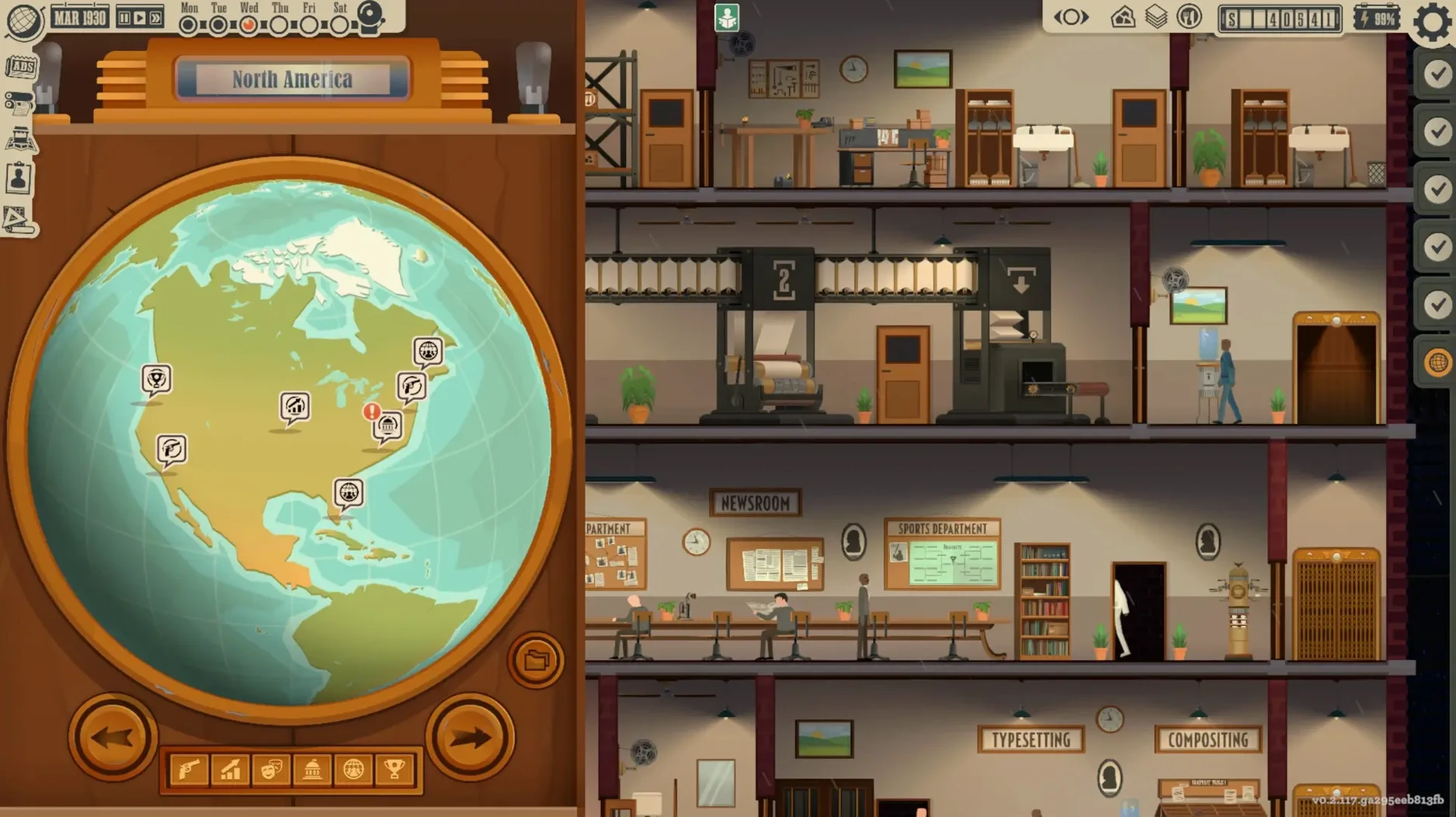
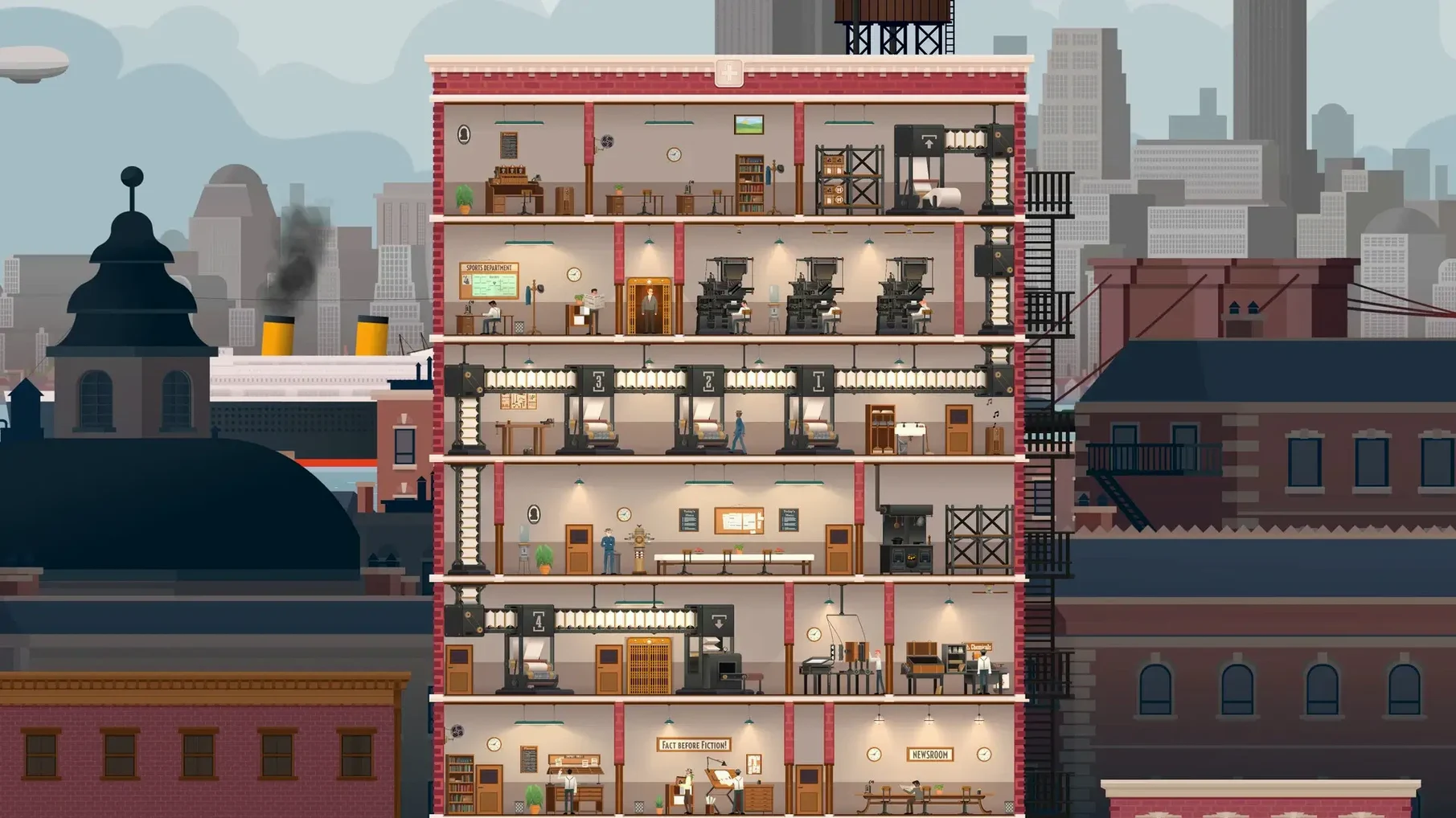
It's for the armchair editors, the ones who'd rather chase a lead than a high score. You start with a grubby little Brooklyn broadsheet and a handful of reporters who need a firm guiding hand.
A day at the News Tower
- Scan the telegraph station. The wire machine chatters with tips about Wall Street shenanigans, a rumble down at the Bay, or a player's strike at Yankee Stadium. You decide which stories your paper will chase — and whether you'll report the facts or nudge the narrative.
- Dispatch your crew. Send reporters out before the trail goes cold. A photographer might tag along, but you'll pay their wages either way. Meanwhile, your ad sellers are sweet-talking local businesses and the cleaner is mopping coffee from the floor. Everyone needs a paycheck.
- Shape the front page. Stories trickle back to the office. You lay out columns, crop photographs, and write headlines. Two reporters on the same beat might bring back very different versions of the truth; your choice of coverage path determines what the city reads at breakfast.
- Beat the deadline. A story that isn't on the press by the time the trucks roll is just expensive gossip. Outdated copy gets spiked, and your rivals fill the gap. As the paper's reputation grows, so does your floor plan — new offices to decorate, new boroughs to conquer, and bigger 1930s events demanding column inches.
It's a rhythm of controlled chaos. The telegraph chatters, the clock ticks, and every edition is a balancing act between truth, profit, and the sheer cost of ink.
Auto-pause bills and telegraph warnings before week three
News Tower ships with defaults that work, but a few tweaks make the early game far less punishing. Open the settings menu before you hire your first reporter — you'll thank yourself around week three when the bills land.
Auto-pause on deadline day is off by default. Turn it on. Sunday morning arrives fast when you're deep in a multi-source investigation, and nothing stings like watching two finished columns miss the press because you were busy decorating the third floor. While you're there, set telegraph alert sounds to high; the wire machine's rhythmic clatter is your early-warning system, and a missed tip about a breaking scandal means a rival scoops you before lunch.
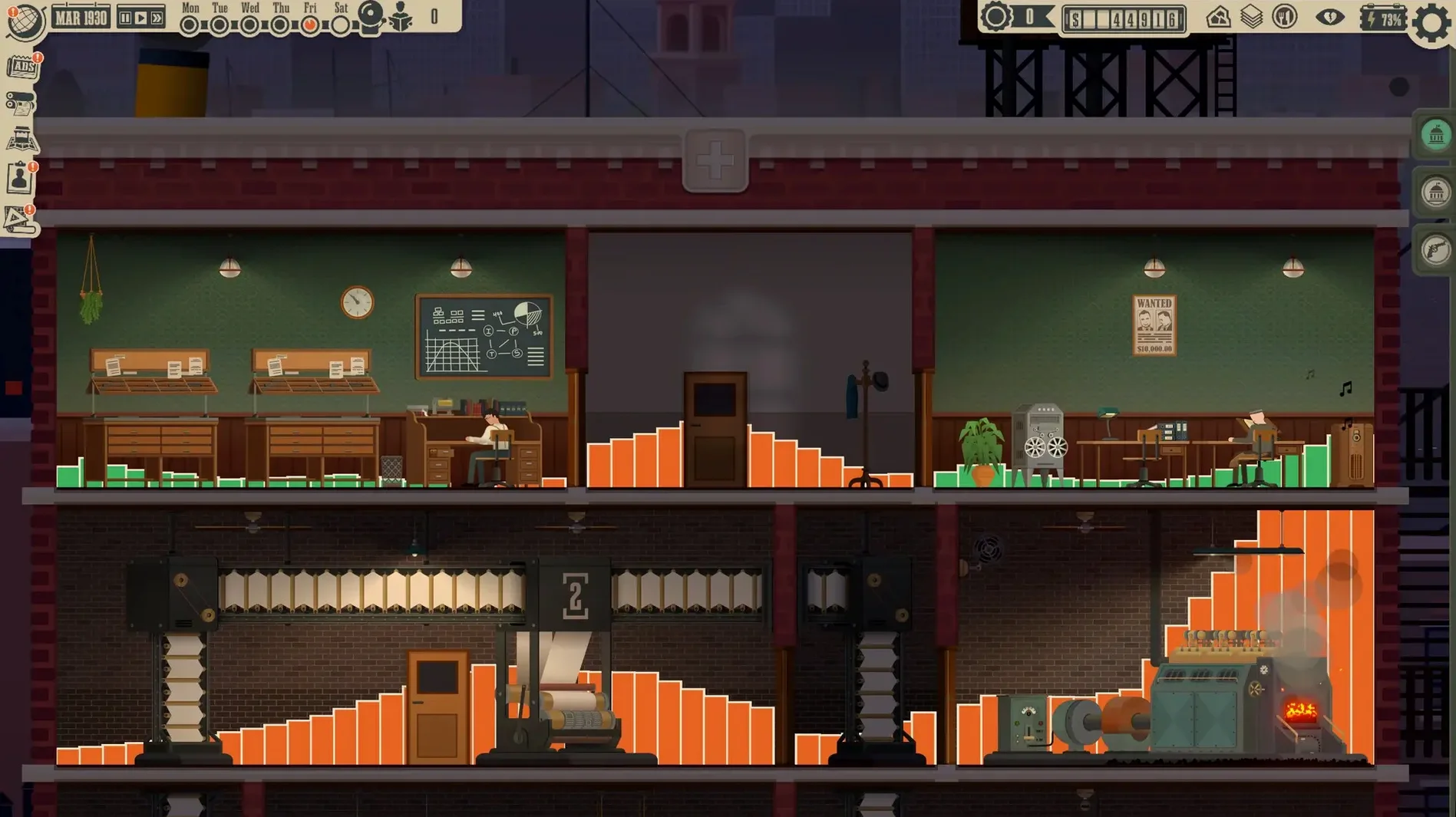
The floor-plan grid overlay sits in the interface tab, not the graphics menu — easy to overlook. Switch it on. When you later expand into a second newsroom and start cramming desks, darkrooms and coffee stations into a tight footprint, that grid saves you from the beginner's mistake of trapping a photographer behind a row of filing cabinets with no path to the door.
One setting that sounds cosmetic but isn't: column-width preview. With it enabled, you'll see exactly how a long headline will wrap before you commit it to the layout. Without it, you're guessing — and a badly wrapped banner on page one looks amateurish, which drags down your prestige score with the city's advertisers.
A workflow: chasing a Wall Street tip from wire to print
Let's walk through a single story from spark to Sunday morning, because the game's logic rewards a methodical touch. Suppose the telegraph spits out a rumour about irregular trading at a brokerage on Wall Street — vague, but juicy.
First, assign your most experienced financial reporter. Sending a junior crime reporter because they're available is the classic beginner's blunder; beat familiarity affects how many leads they can pull from a source, and a Wall Street tip needs someone who knows a bond from a bribe. Tick the checkbox to attach a photographer — the photo desk adds credibility, and a crisp shot of a nervous broker outside the exchange building lifts the story's impact score on the layout grid.
While the reporter is out, watch the story's freshness timer. Every tip has a hidden shelf life. If the reporter isn't back before the timer empties, the piece gets flagged as stale and its column value drops. This is where your office layout matters — a reporter who has to walk past three sofas and a water cooler to reach their desk loses precious minutes. Keep workstations close to the entrance on deadline-heavy beats.
When the copy lands, read the coverage-path options. One path might frame the story as a minor bookkeeping error; another paints it as systemic fraud. The first keeps the brokerage happy and might earn you an exclusive tip later. The second sells more copies but burns a bridge. There's no objectively right answer — just the paper you've chosen to run. Drag the finished piece onto the front-page grid, check the column-width preview so the headline doesn't break awkwardly, and hit the press.
Mistakes that sink a new publisher
Every News Tower player makes these. The trick is making them once, not for three in-game years.
Hiring too many writers before you have enough ad sellers. Reporters produce content, but ad sellers produce the revenue that pays them. A newsroom with six journalists and one overworked ad rep haemorrhages cash by month two. The balance that keeps a small paper afloat is roughly two reporters per ad seller in the early Brooklyn days — you can skew more heavily toward editorial once you're pulling circulation from Queens and the Bronx.
Ignoring the cleaner and the lawyer until something breaks. A dirty office tanks staff morale, and low morale slows every reporter's workflow by a noticeable margin. A newspaper without a lawyer, meanwhile, is one libel accusation away from disaster — especially if you've been taking the scandalous coverage path on stories about powerful people. Hire both before you think you need them.
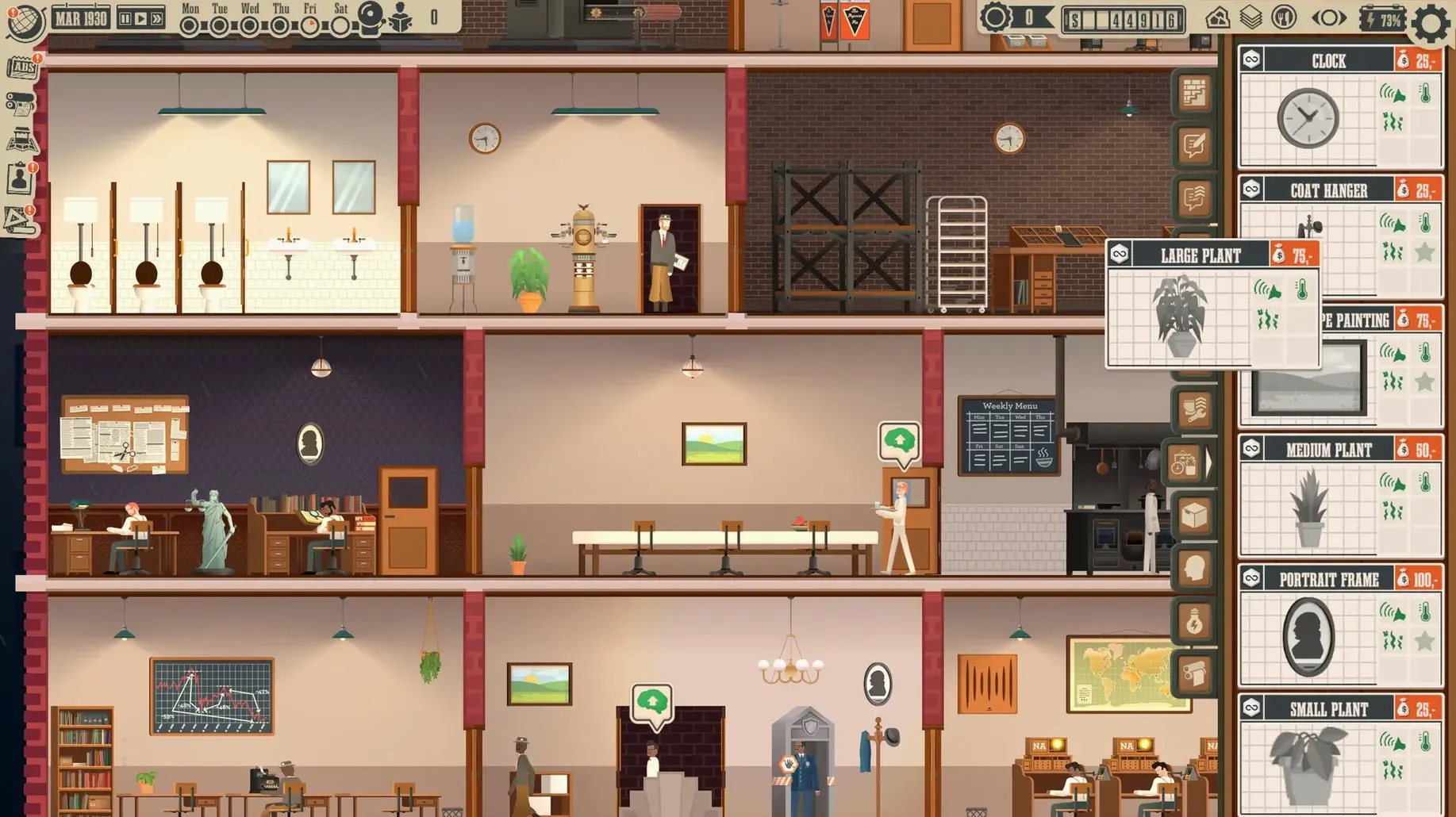
Over-decorating the skyscraper on credit. New wallpaper and a potted plant in the lobby feel like progress, but the game's financial model doesn't reward aesthetic spending until your circulation is stable. Early funds belong in desks, the telegraph station, and salaries. The décor tab can wait until you've survived your first profitable quarter — and you'll know the feeling when a News Tower torrent macOS players enjoy starts turning money out into money staying in.
- Architecture: runs natively on both Apple Silicon and Intel Macs.
- Interface languages: English.
- Voice work: English.
Questions from the class 0
Sign in or join the class to ask a question.
Nobody has asked anything yet. If you have used it on a real job, say what the file did.
Also on the Games shelf
The whole Games shelf Neva
 No, I'm Not a Human
Forces you to decide which desperate strangers to let into your shelter during an apocalypse.
 No Man’s Sky
Explores an endless galaxy, landing on planets without a loading screen.
 NBA 2K26 Arcade Edition
Lets you command an NBA team through a full season of five-on-five basketball.
 NBA 2K25 Arcade Edition
Lets you play full five-on-five basketball with official NBA teams and a career mode.
 Nova Roma
Guides a fledgling settlement as you build aqueducts, manage trade, and appease the Roman gods.
 My Winter Car
Tasks you with building a project car while staying fed, warm, and alive through a Finnish winter.
 My Dream Setup
Lets you design a detailed room by sliding furniture freely without any snap-to-grid fighting.