 ASPNetWorld

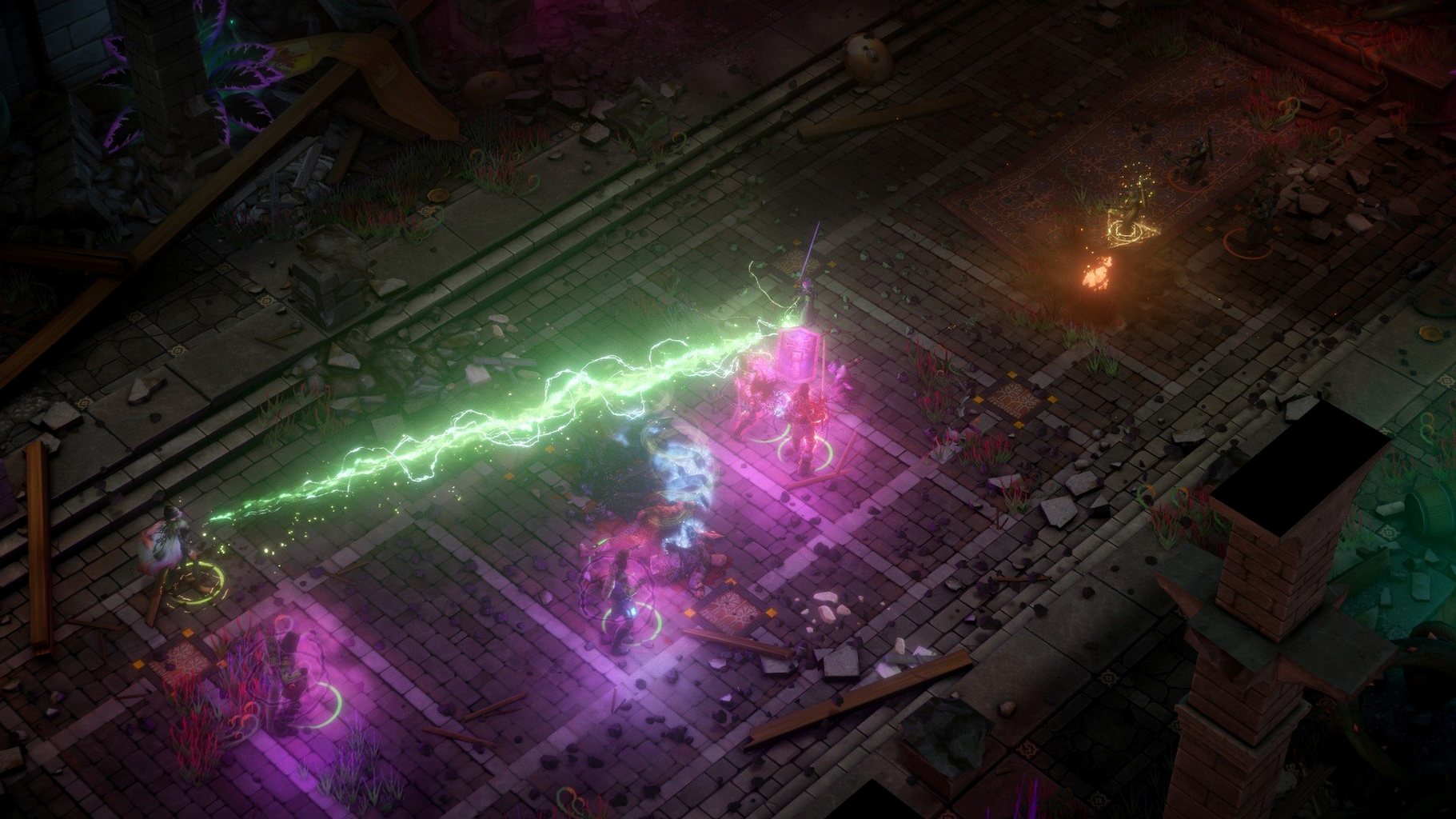
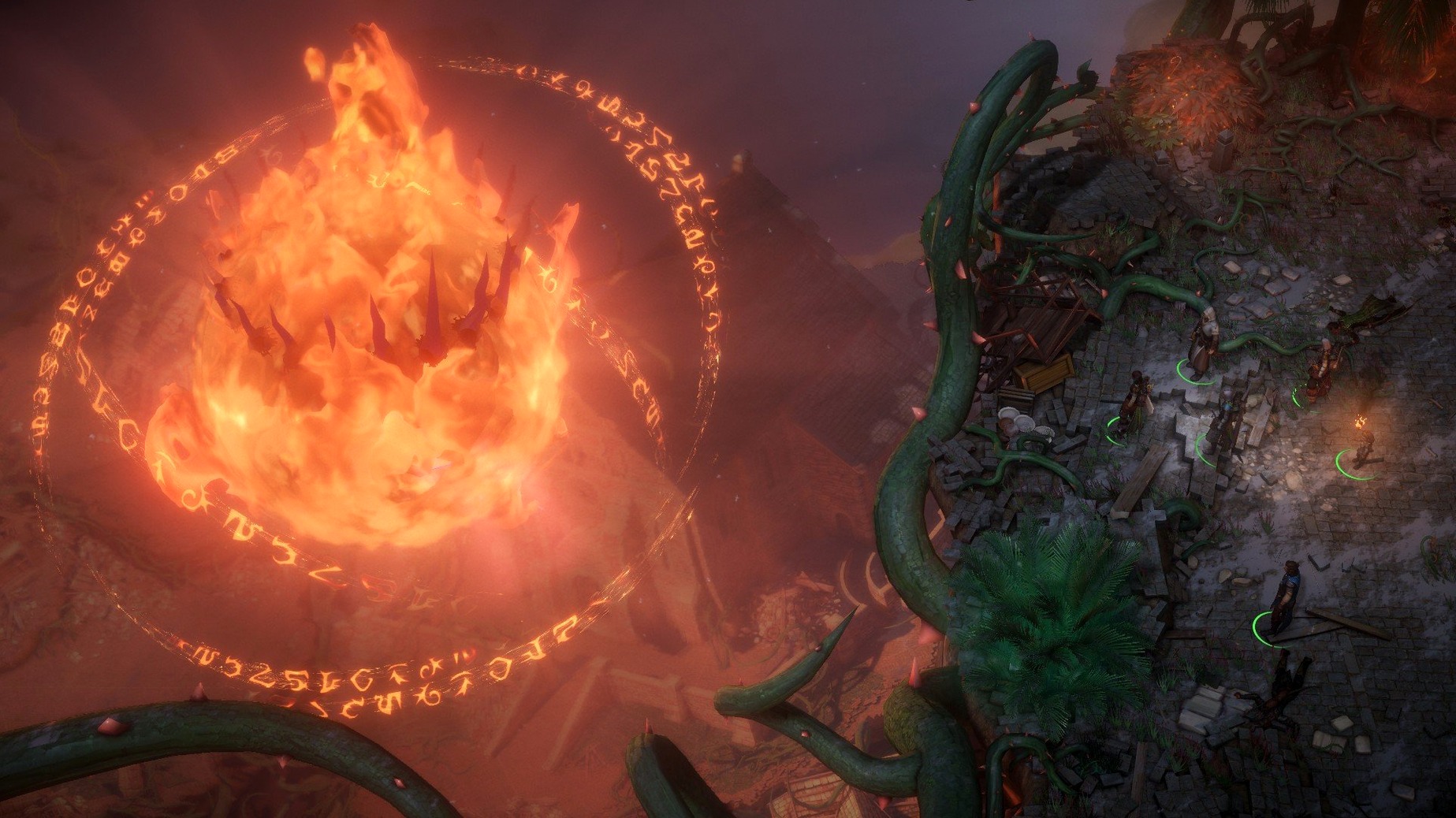
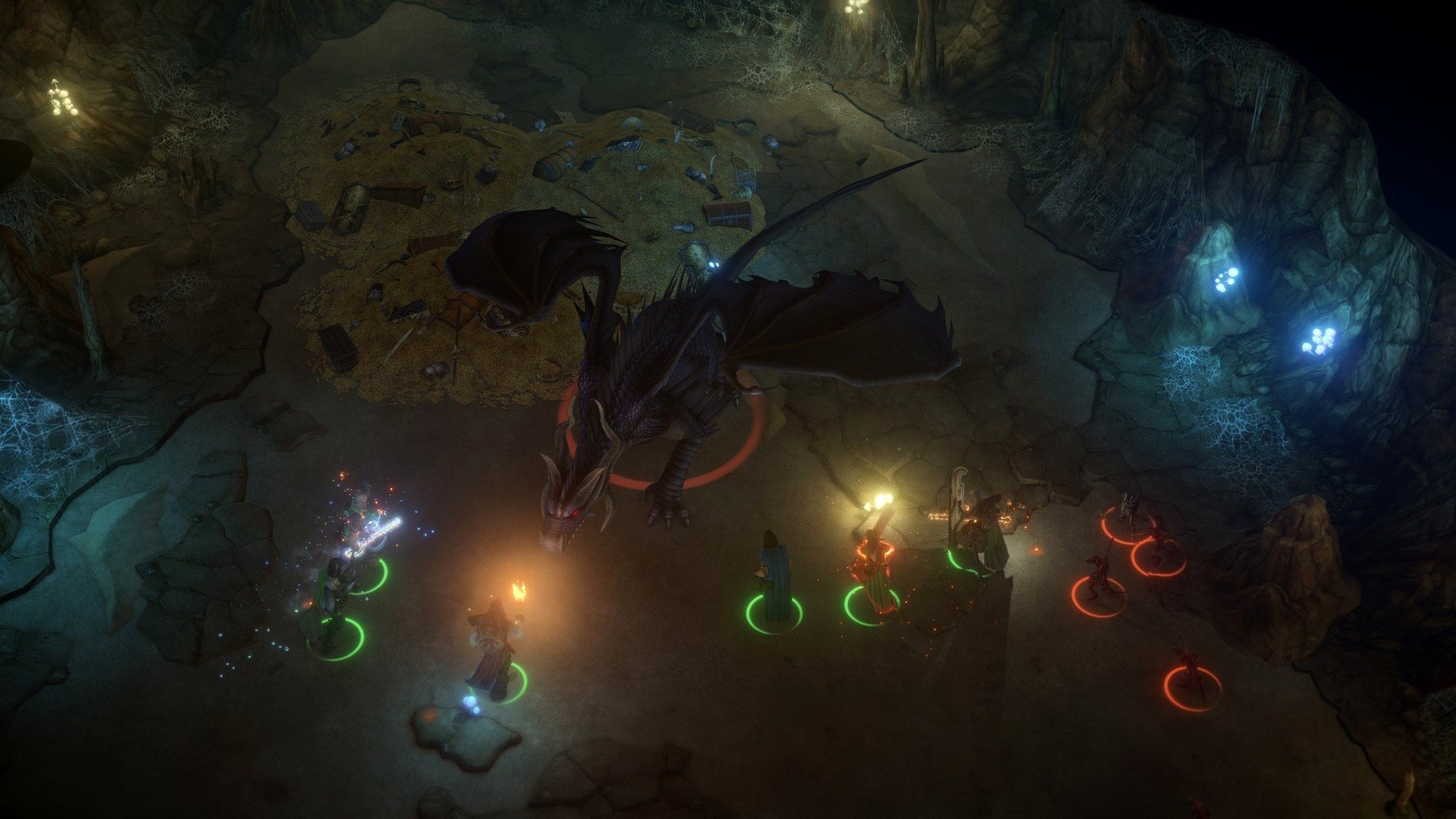
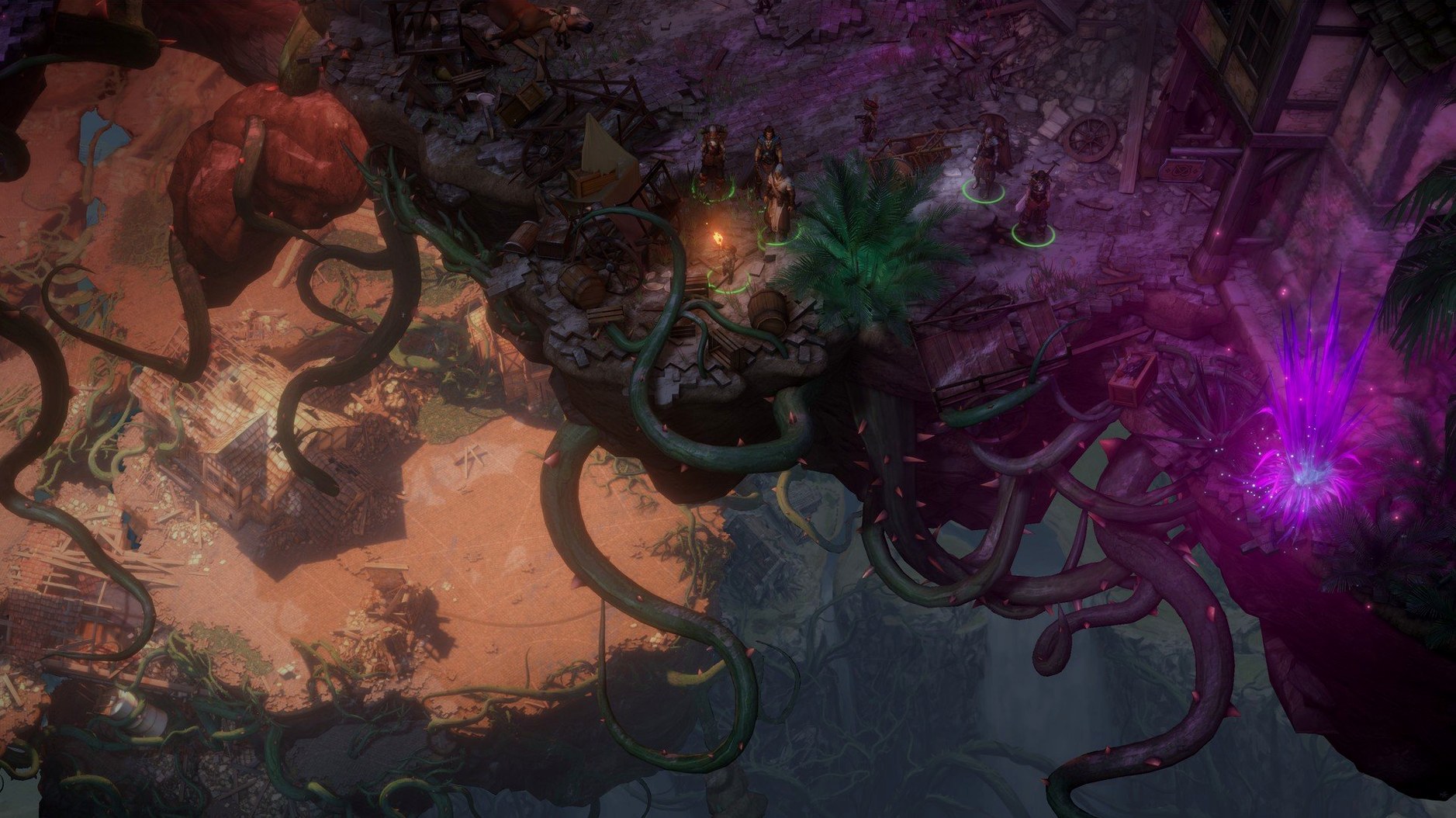
Mage armour glinting, Linzi scribbling furiously in her journal beside you, the glade ahead holds more than just moonlight. The turn-based planning here lets you pause mid-stride, queue a volley of arrows, then switch to Amiri for a reckless charge — all before the enemy’s next heartbeat. It’s the blend of real-time with pause and the deliberate, turn-based mode that gives each skirmish its weight, letting you stack buffs and flanking bonuses as if you were leaning over a tabletop grid.
Build a party with real personality
Every companion you meet carries their own attributes, quirks, and a stubborn opinion on how you should handle the next diplomatic disaster. Valerie deflects blows with tower-shield precision while Octavia’s transmutation spells rewrite the battlefield. Their distinct features aren’t just stat blocks; they’re the reason you’ll reload a save just to see a different conversation branch.
Rule the Stolen Lands
Between quests, you’re not just camping — you’re a baron. The kingdom management layer asks you to balance advisors, settle border disputes, and decide whether to fund a new hospital or a monster-hunting lodge. Neglect an aspect of your realm and the wilderness pushes back, hard.
Explore a world thick with secrets
Off the dirt road, behind a waterfall that wasn’t on your map, a hidden crypt holds a lich and a moral choice that ripples for chapters. The isometric view frames dozens of locations like this, each packed with quests that rarely resolve in a clean, comfortable way.
Auto-pause options that stop the opening ambush from becoming a wipe
Out of the box, the game makes a few assumptions about how you want to control your party that are worth revisiting. The auto-pause options live under the gameplay tab, and I’d suggest turning on pause at the start of combat and when a party member falls below twenty percent health — those two alone prevent the kind of chaos where you realise your cleric has been bleeding out for three rounds while you were micro-managing the wizard.
If you’re dipping into the turn-based mode, switch the speed slider for enemy turns up a notch. The default pacing respects the tabletop roots a little too faithfully, and watching a pack of kobolds deliberate for seconds each can drain the tension from an ambush. On the visual side, the edge-scrolling sensitivity often feels sluggish on larger screens; a slight bump in the control settings stops the camera from feeling like it’s wading through honey when you’re scanning a battlefield.
One more that’s easy to miss: the kingdom management difficulty can be toggled independently of combat difficulty. On your first run, setting it to effortless doesn’t rob you of the narrative — it just stops a missed decree from snowballing into a realm-wide collapse while you’re three dungeons deep and not in the mood for paperwork.
The barony is not a side quest to clear after the main story
The most common stumble I see in the evening classes — yes, we’ve had a few RPG enthusiasts drifting in — is treating the Stolen Lands like a side activity. You clear the first chapter, get handed a barony, and think the quest journal will wait. It won’t. Kingdom events tick on a hidden calendar, and ignoring the main threat quests to chase every side rumour can spiral your realm into unrest that takes hours of play to claw back.
Another classic: hoarding consumables. Scrolls of delay poison, potions of remove fear, wands you found in a spider-infested basement — they’re not museum pieces. A fight that feels impossible often softens the moment you remember you’ve been carrying a scroll of stinking cloud since level three. Use them. The next dungeon will drop more.
Party composition also catches people out. Four characters means no single role can be a passenger. Bringing two fragile damage-dealers and no off-tank works beautifully until something with reach and a grudge ignores your front line entirely. Linzi’s buffs and a well-placed grease spell count as defence, but only if you position them before the charge connects.
Stability fixes for long throne-room management sessions
Version 2.1.7b.fix.again (47360) arrived as a fix release, and the practical impact shows most in stability during long kingdom management sessions. Earlier builds had a habit of stuttering after extended play, particularly when flipping between the throne room and the world map — that friction has largely disappeared on the current version, even on Intel Macs running older macOS releases.
Load times into the capital also feel noticeably tighter. It’s not a sweeping overhaul, but the cumulative effect of several quiet fixes means you’re spending fewer minutes staring at a loading screen and more minutes regretting the diplomatic incident you caused at the feast. For anyone picking up the pathfinder kingmaker mac version now, the kingdom interface responds with less input lag than it did at launch, which matters more than it sounds when you’re assigning advisors across a dozen pending events.
A maintenance build, version 2.1.7b.fix.again, squashes lingering issues.
- Labeled as a fix build, addressing stability and minor bug corrections.
- macOS (tested on macOS Tahoe)
- Intel 64-bit processor
- Apple Silicon Macs supported via Rosetta (tested on Mac mini 2024 M4)
Questions I keep hearing
Does Pathfinder: Kingmaker run on Apple Silicon Macs?
The game lists Intel 64-bit architecture but was tested successfully on a Mac mini with an M4 chip running macOS Tahoe.
Questions from the class 0
Sign in or join the class to ask a question.
Nobody has asked anything yet. If you have used it on a real job, say what the file did.
Also on the Games shelf
The whole Games shelf Parkitect
Simulates every nut and bolt of running a theme park, right down to the litter bins.
Parkitect
Simulates every nut and bolt of running a theme park, right down to the litter bins.
 Palworld
Sets you loose in an open world to build, fight and ranch bizarre creatures alongside friends.
Palworld
Sets you loose in an open world to build, fight and ranch bizarre creatures alongside friends.
 Oxygen Not Included
Models the thermodynamics, plumbing and morale of an asteroid colony that digs too deep.
Oxygen Not Included
Models the thermodynamics, plumbing and morale of an asteroid colony that digs too deep.
 Plague Inc: Evolved
Evolves a pathogen and watches it spread across a realistically modelled world map.
Plague Inc: Evolved
Evolves a pathogen and watches it spread across a realistically modelled world map.
 Old World
Mixes turn-based empire management with unfolding family dramas and a dynastic line you must protect.
Old World
Mixes turn-based empire management with unfolding family dramas and a dynastic line you must protect.
 Oceanhorn 3: Legend of the Shadow Sea
Sets you loose across a flooded fantasy kingdom to sail, dive, and battle colossal mechanical Titans.
Oceanhorn 3: Legend of the Shadow Sea
Sets you loose across a flooded fantasy kingdom to sail, dive, and battle colossal mechanical Titans.
 Nova Roma
Guides a fledgling settlement as you build aqueducts, manage trade, and appease the Roman gods.
Nova Roma
Guides a fledgling settlement as you build aqueducts, manage trade, and appease the Roman gods.
 Project Hospital
Diagnoses patients and designs the clinical workflows that keep a hospital running smoothly.
Project Hospital
Diagnoses patients and designs the clinical workflows that keep a hospital running smoothly.