 ASPNetWorld

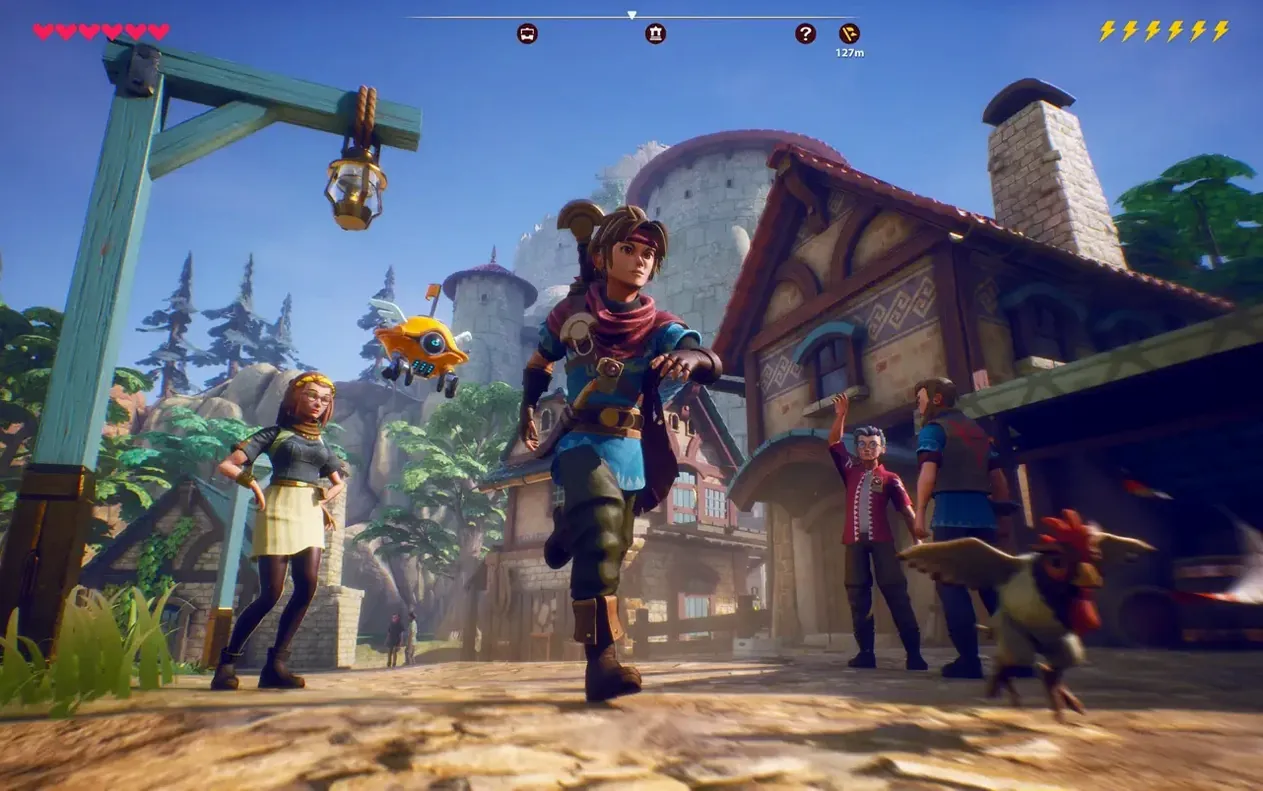
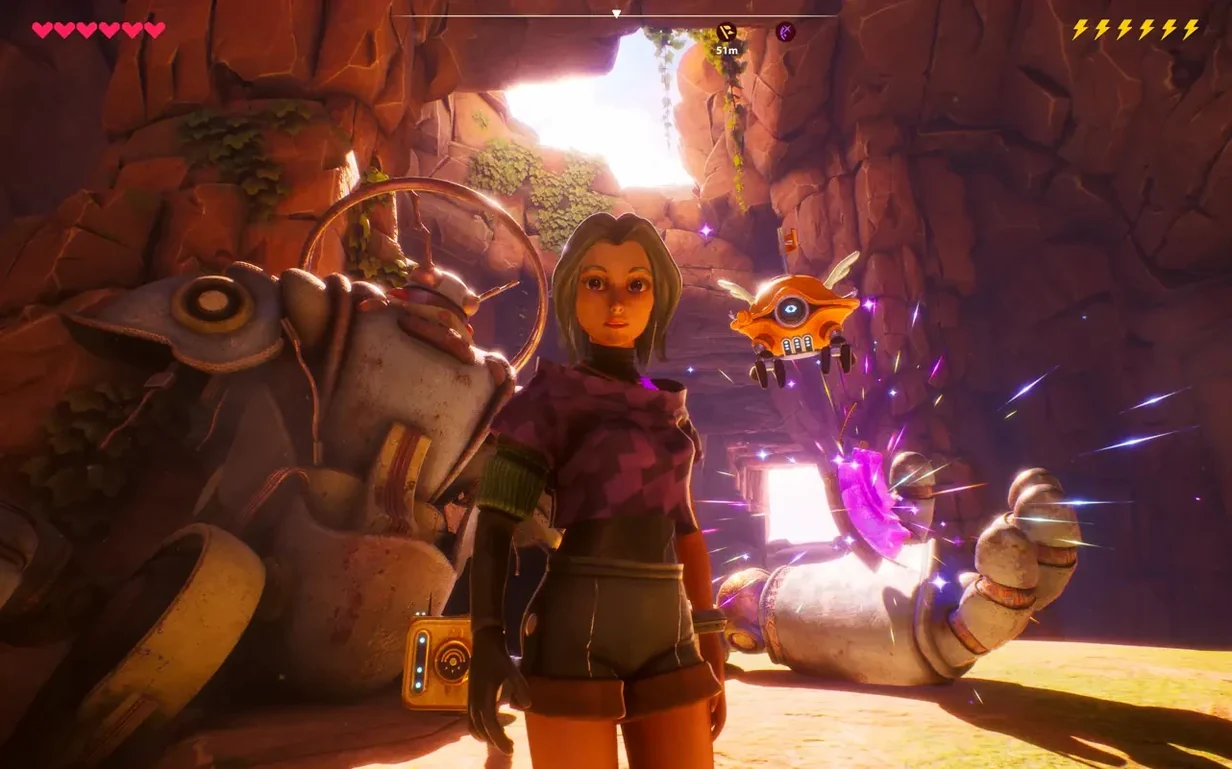
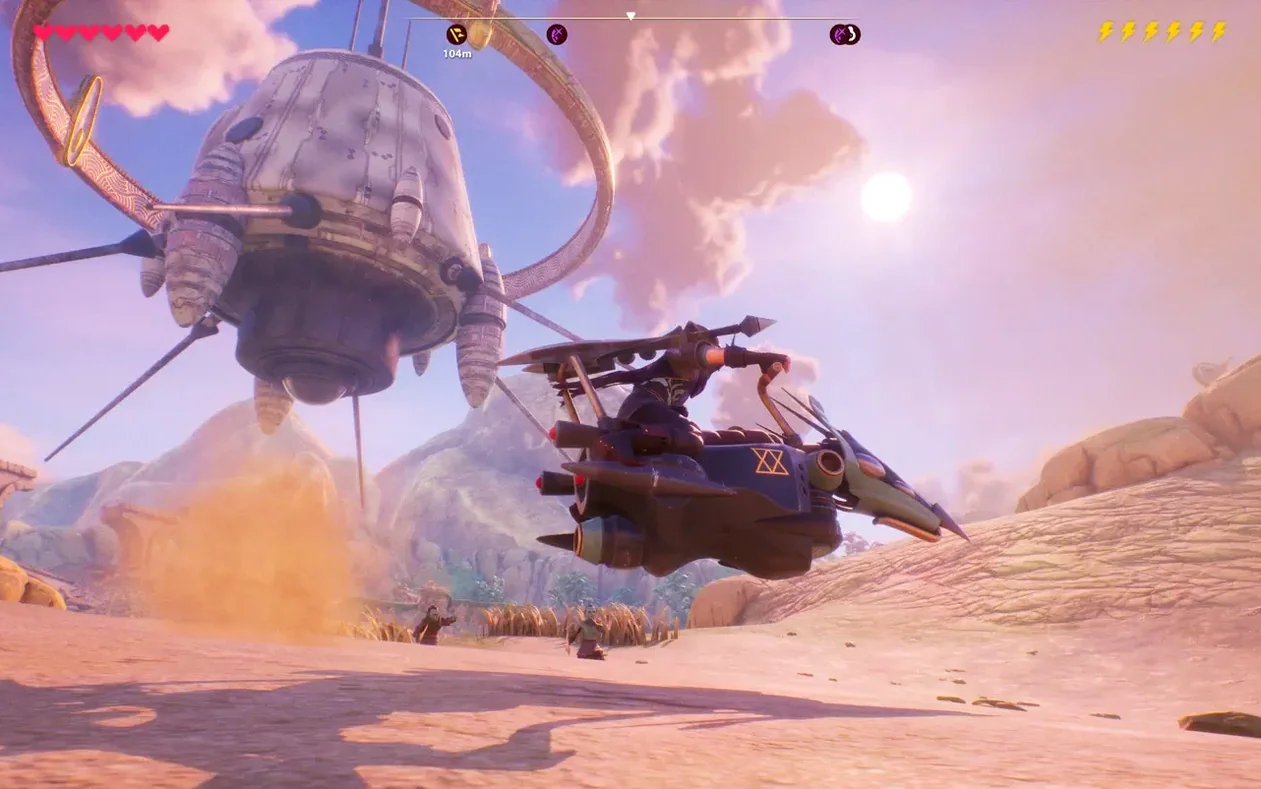
Open-world games often hand you a map the size of a small country, then leave you wondering what you are supposed to do first. Oceanhorn 3 narrows that gap by giving you the rhythm of a seafaring adventurer from the moment you step off the dock.
Sailing, diving, and the Titan loop
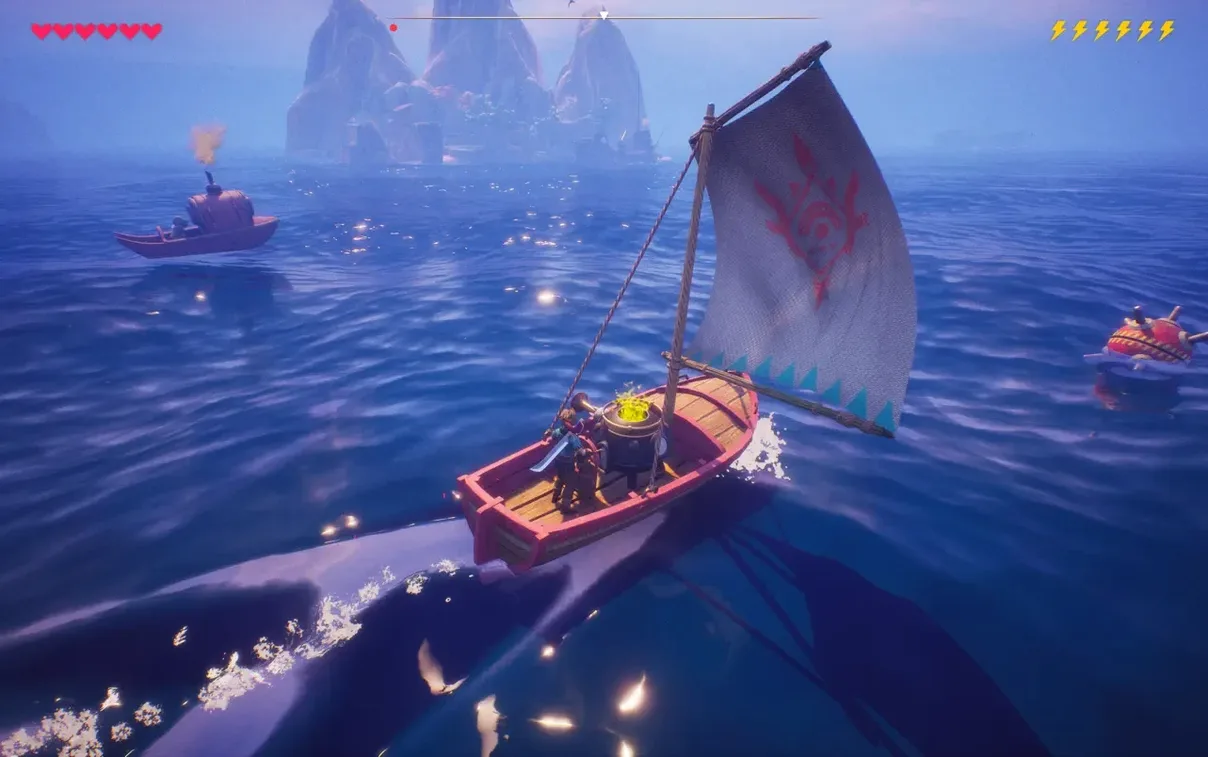
- Push out from the harbour settlement in your small sailboat, the wind filling the canvas automatically as you angle towards a dark silhouette on the horizon. The crossing takes a quiet minute—waves slap the hull, a few gulls circle—long enough to make you feel the distance without getting bored.
- Dive over the side when the water shallows. Under the surface, ancient stone markers glow faintly; you follow them through kelp beds and crumbling archways, surfacing inside a sunken temple that the map never labelled.
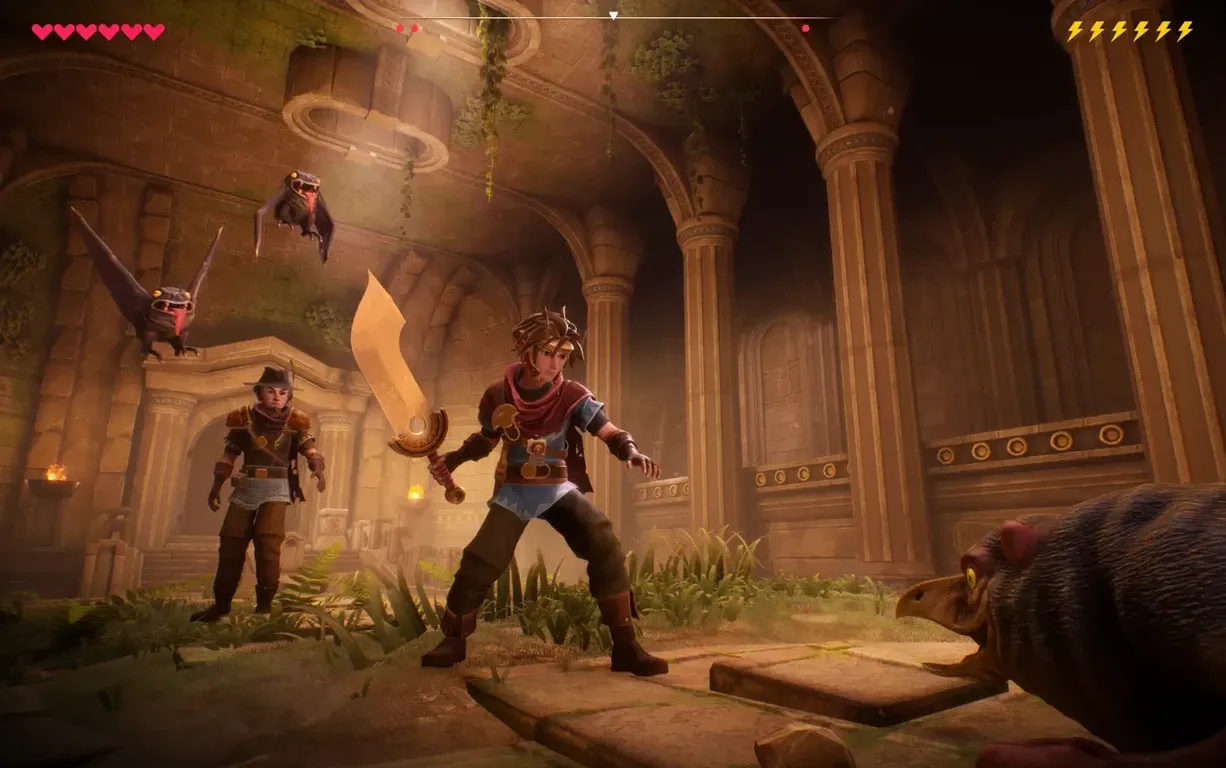
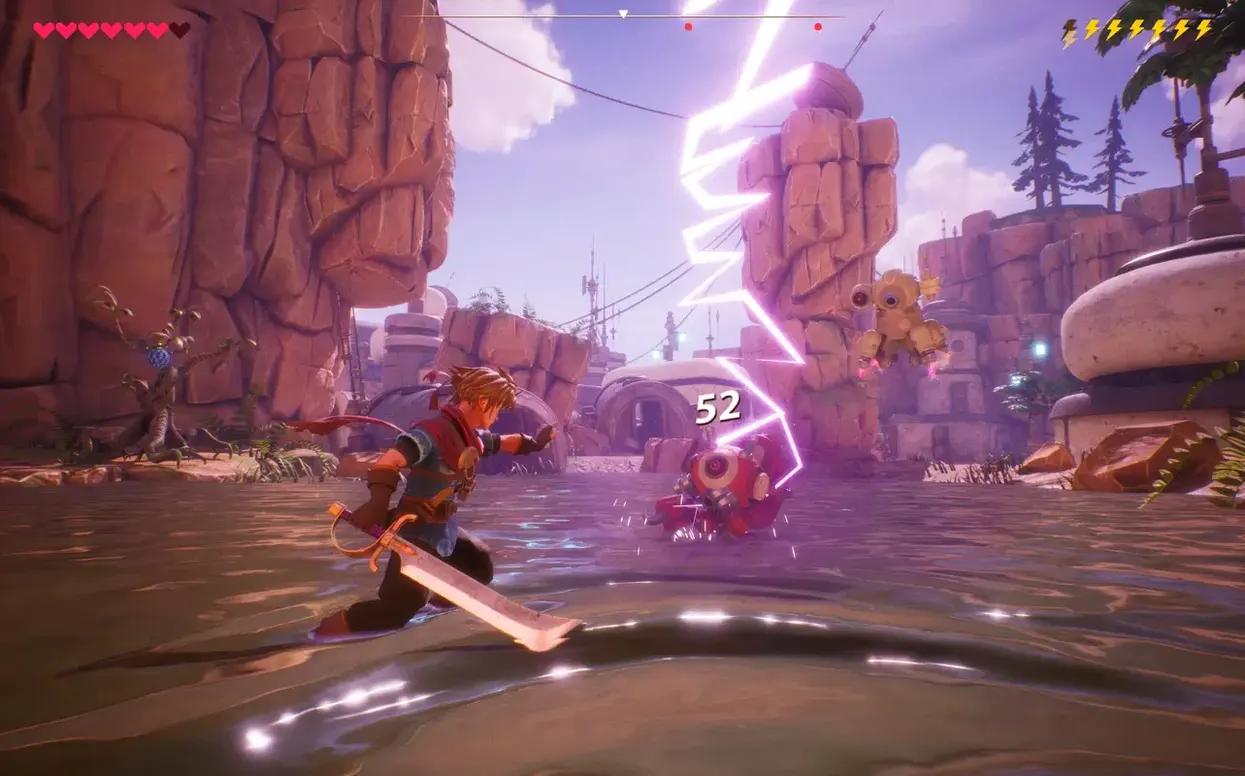
- In the temple, you piece together pressure-plate puzzles and torch corridors with your lantern, collecting scraps of lore while small, skittering enemies test your sword timing. The block-and-dodge rhythm is generous but punishes button-mashing.
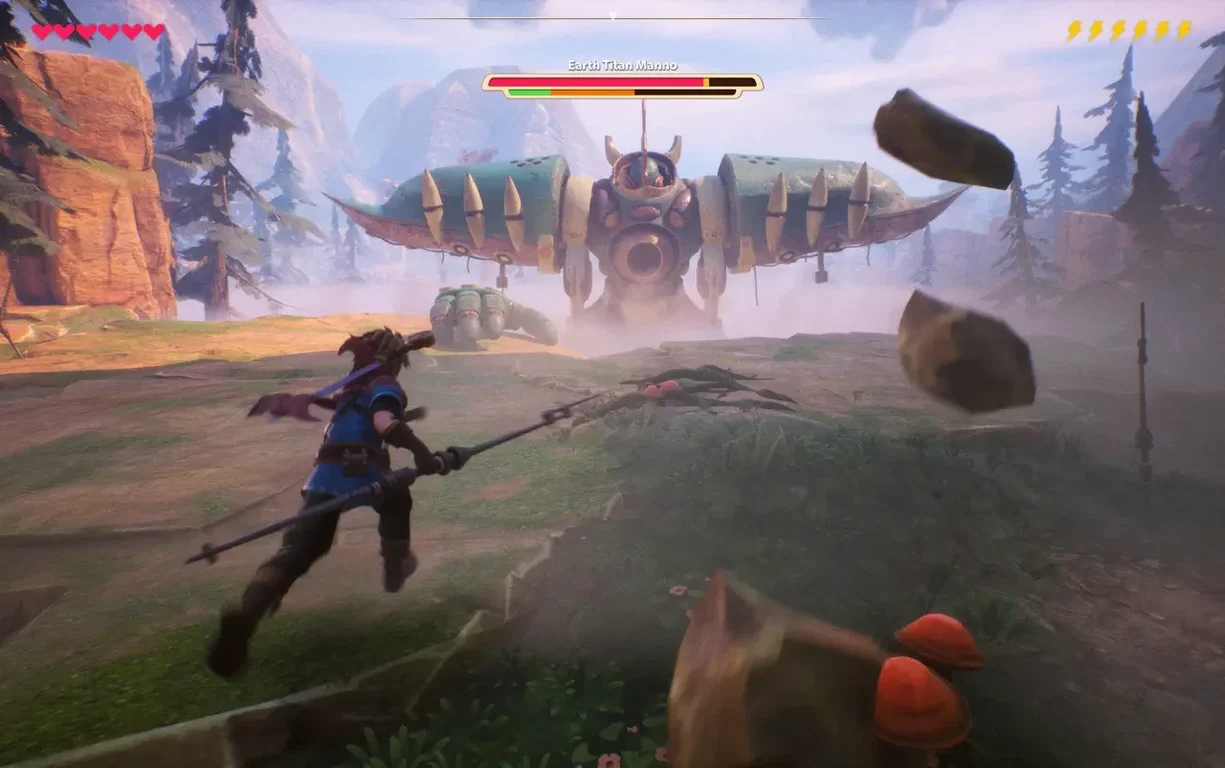
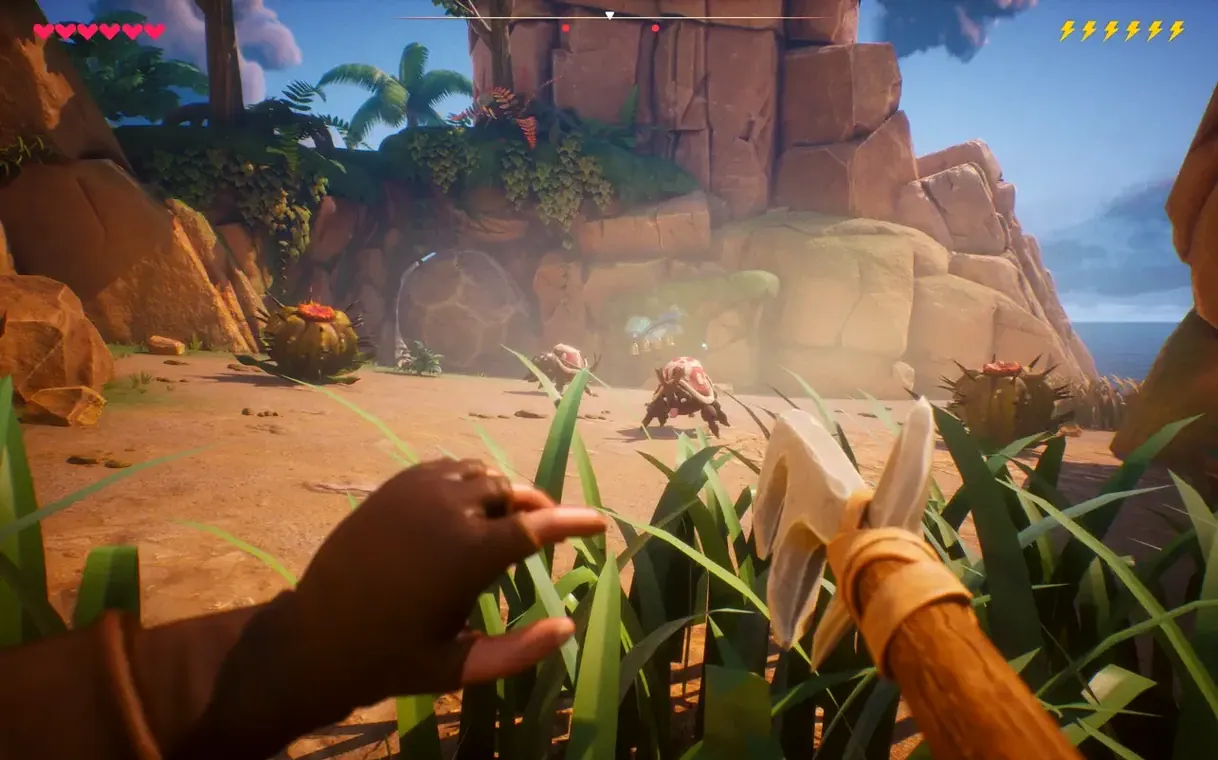
- When a Titan awakens further down the island chain, the screen shifts: you switch to first-person mode to sight its weak points across the arena, then close the distance for melee combos that feel weighty and deliberate.
- Between main quests, you spot a drifting bottle or a signal flare on the horizon—optional side adventures that might lead to a smuggler's cove or a forgotten gear upgrade tucked under a reef.
The Shadow Sea itself, set a thousand years after Oceanhorn 2, acts as both a hub and a mystery. Sailing feels like a kind of loading screen with scenery—a design choice that keeps the explorers, raiders and storytellers in your head talking to each other. Play across Mac, iPad or even Apple Vision Pro, and the same save follows you, so that half-hour dive session on the sofa carries cleanly onto the desk when you want to tackle a Titan with a keyboard and mouse.
Performance and everyday polish
On a Mac mini M4 running macOS Tahoe, Oceanhorn 3 settles into a steady sixty frames per second at high settings without the fan ever becoming audible. Loading times between islands hover around four seconds—just enough to read a tip card or glance at the tide chart on the world map. The real test comes during Titan encounters, where particle effects from crashing stone and phosphorescent water spray fill the screen. Even then, the frame pacing stays smooth, and I have yet to see a dropped input in the middle of a timed parry. Memory use sits around 3.5 GB during extended sessions, which leaves plenty of breathing room for a browser and a music app in the background. If you are running an older Intel Mac, the game scales back shadow resolution and water reflections automatically; the visual difference is noticeable in side-by-side comparisons, but the combat responsiveness feels identical.
One surprise is the game’s attitude towards battery. On an M-series MacBook Air, a full charge gives you roughly two and a half hours of uninterrupted sailing and dungeon crawling—respectable for a 3D action RPG, and a figure that holds up because the engine pauses heavy post-processing when the lid is closed and the external display disconnects.
Worn out the earlier games and love Wind Waker-style exploration
The obvious audience is anyone who has worn out the earlier Oceanhorn titles and wants the next chapter, but the game casts a wider net than that. Players who enjoy exploration-heavy RPGs like The Legend of Zelda: The Wind Waker will recognise the island-hopping loop immediately, while the first-person diving sections borrow a quiet tension from games such as Subnautica—minus the survival-crafting busywork. The skill tree, dubbed the Stream of Creation, keeps number-crunchers busy with branching upgrade paths that affect everything from lantern burn time to shield-bash knockback, so the min-maxing crowd can spend evenings tweaking builds.
Casual players get a gentler on-ramp: the side adventures are genuinely optional, and the tactical combat system offers an assist mode that widens parry windows without advertising it to the rest of the world. Cross-device syncing makes the game a natural fit for anyone who splits their day between an iPad on the train and a Mac at home. A student might chip away at a sunken temple on an iPhone during lunch, then sail the same save onto a MacBook in the evening—the transition is invisible. The Apple Vision Pro support is more of a novelty, but lying flat while the Shadow Sea fills your ceiling is the kind of thing you show a friend who thinks RPGs peaked in the nineties.
Bump mouse look speed to 70% to wake the game up
The default camera sensitivity is tuned for a controller, and on a mouse it feels syrupy. Bump the look speed up to roughly seventy percent in the controls menu and the whole game wakes up. Next, head into the audio panel and switch the music mode from Adaptive to Full Score—the adaptive mix is clever, swelling during combat and fading to near-silence while sailing, but the orchestral pieces deserve to be heard in their entirety, especially the horn theme that kicks in when a Titan rises from the sea. Under gameplay settings, turn on Interaction Prompts: Minimal. The default setting paints every climbable ledge, dive point and switch with a glowing icon; pulling those back makes the environmental puzzles feel more like actual archaeology and less like a guided tour. Finally, if you are on a Mac with a ProMotion display, cap the frame rate at 60 in the graphics menu rather than leaving it uncapped—the engine’s frame pacing is tuned for sixty, and an uncapped rate can introduce occasional micro-stutter during camera pans across busy harbour towns.
Clinging to copper gears and phosphor shards instead of spending them
The most frequent one I see in my evening classes is hoarding crafting materials. The game’s economy is built around a generous drop rate and a shared inventory across saves, yet new players cling to copper gears and phosphor shards as if they will need a hundred of them later. Spend them. Craft the mid-tier sword hilt and the reinforced diving mask as soon as the recipes unlock—the difficulty curve assumes you are upgrading regularly, and the difference between a stock weapon and one with a single damage mod is stark. Another common misstep is treating the sailing sections as downtime. The boat is slow by design, but the spyglass reveals floating barrels, message bottles and small uncharted skerries that never appear on the main map. A full circumnavigation of each island chain usually turns up at least one side adventure or rare salvage crate that the critical path sails right past.
Beginners also tend to ignore the first-person mode outside of Titan fights. It is not just a combat gimmick—ducking into first-person while exploring a reef reveals cave entrances and current patterns that the third-person camera angles miss. The same mode makes the Witchslayer’s Revenge, Em’s ship, feel like a place rather than a menu hub; walking her decks in first-person, you notice crew dialogue and environmental details that simply do not trigger when you are rushing between the helm and the crafting bench. The last trap is respeccing the Stream of Creation too early. The skill tree locks certain branch points behind story milestones, not just experience levels, so reassigning points at level eight when a juicy ability sits in a locked branch accomplishes nothing but a wasted respec token. Wait until the second Titan falls and most of the tree opens up before you reshape your build.
The 2026-03-05 update brings version 2.1.0, a release that focuses on stability improvements across the Shadow Sea.
- macOS Tahoe (tested on a Mac mini 2024 M4)
- Supports both Apple Silicon (ARM) and Intel (x86 64-bit) Macs
Questions I keep hearing
Is there a first-person view available during combat?
Yes, Oceanhorn 3 includes a first-person view mode, which is particularly useful during Titan encounters for targeting weak points before you close in for melee strikes.
Questions from the class 0
Sign in or join the class to ask a question.
Nobody has asked anything yet. If you have used it on a real job, say what the file did.
Also on the Games shelf
The whole Games shelf Old World
Mixes turn-based empire management with unfolding family dramas and a dynastic line you must protect.
Old World
Mixes turn-based empire management with unfolding family dramas and a dynastic line you must protect.
 Nova Roma
Guides a fledgling settlement as you build aqueducts, manage trade, and appease the Roman gods.
Nova Roma
Guides a fledgling settlement as you build aqueducts, manage trade, and appease the Roman gods.
 No Man’s Sky
Explores an endless galaxy, landing on planets without a loading screen.
No Man’s Sky
Explores an endless galaxy, landing on planets without a loading screen.
 No, I'm Not a Human
Forces you to decide which desperate strangers to let into your shelter during an apocalypse.
No, I'm Not a Human
Forces you to decide which desperate strangers to let into your shelter during an apocalypse.
 Oxygen Not Included
Models the thermodynamics, plumbing and morale of an asteroid colony that digs too deep.
Oxygen Not Included
Models the thermodynamics, plumbing and morale of an asteroid colony that digs too deep.
 Palworld
Sets you loose in an open world to build, fight and ranch bizarre creatures alongside friends.
Palworld
Sets you loose in an open world to build, fight and ranch bizarre creatures alongside friends.
 Parkitect
Simulates every nut and bolt of running a theme park, right down to the litter bins.
Parkitect
Simulates every nut and bolt of running a theme park, right down to the litter bins.
 NBA 2K26 Arcade Edition
Lets you command an NBA team through a full season of five-on-five basketball.
NBA 2K26 Arcade Edition
Lets you command an NBA team through a full season of five-on-five basketball.