 ASPNetWorld
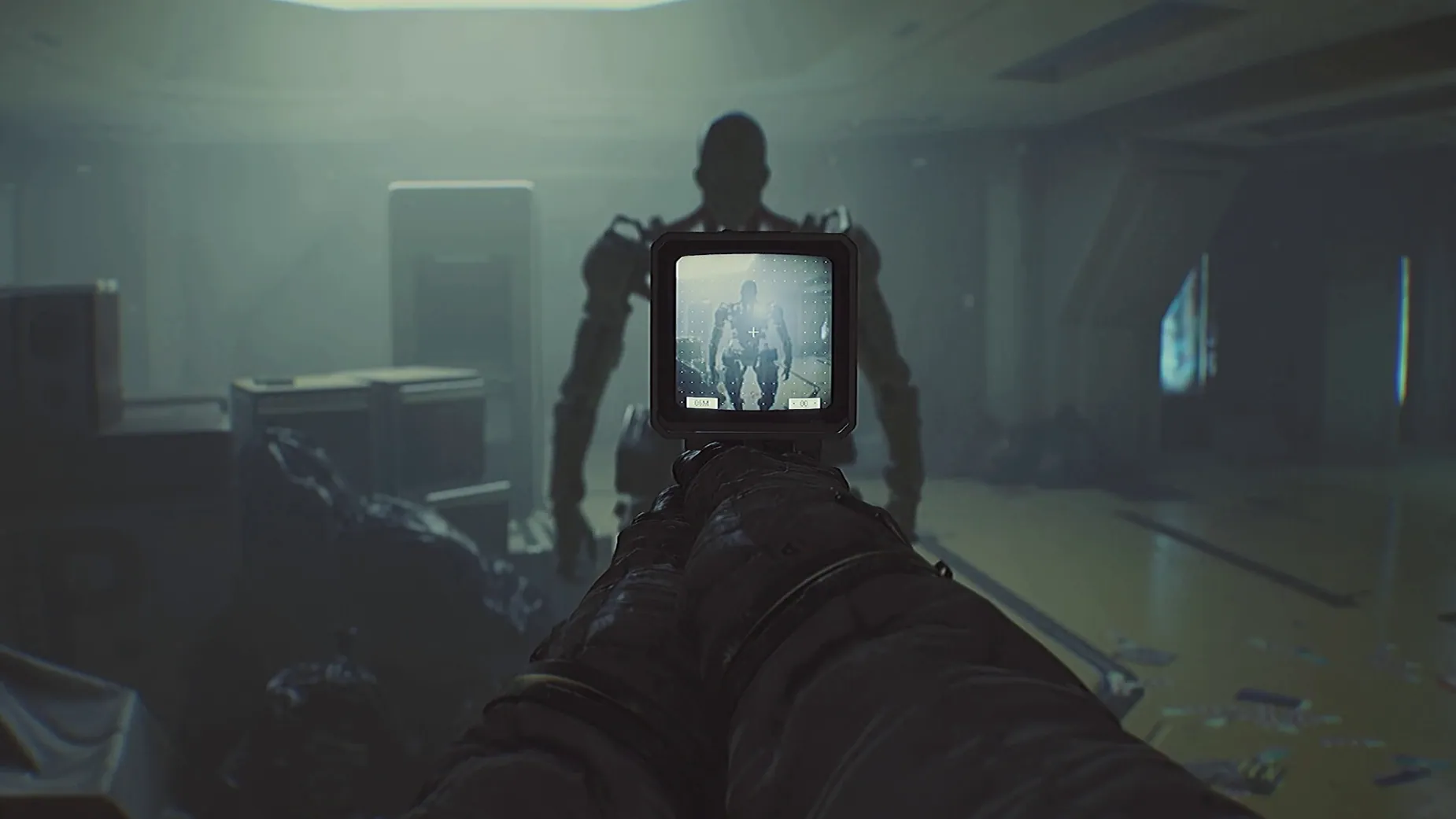
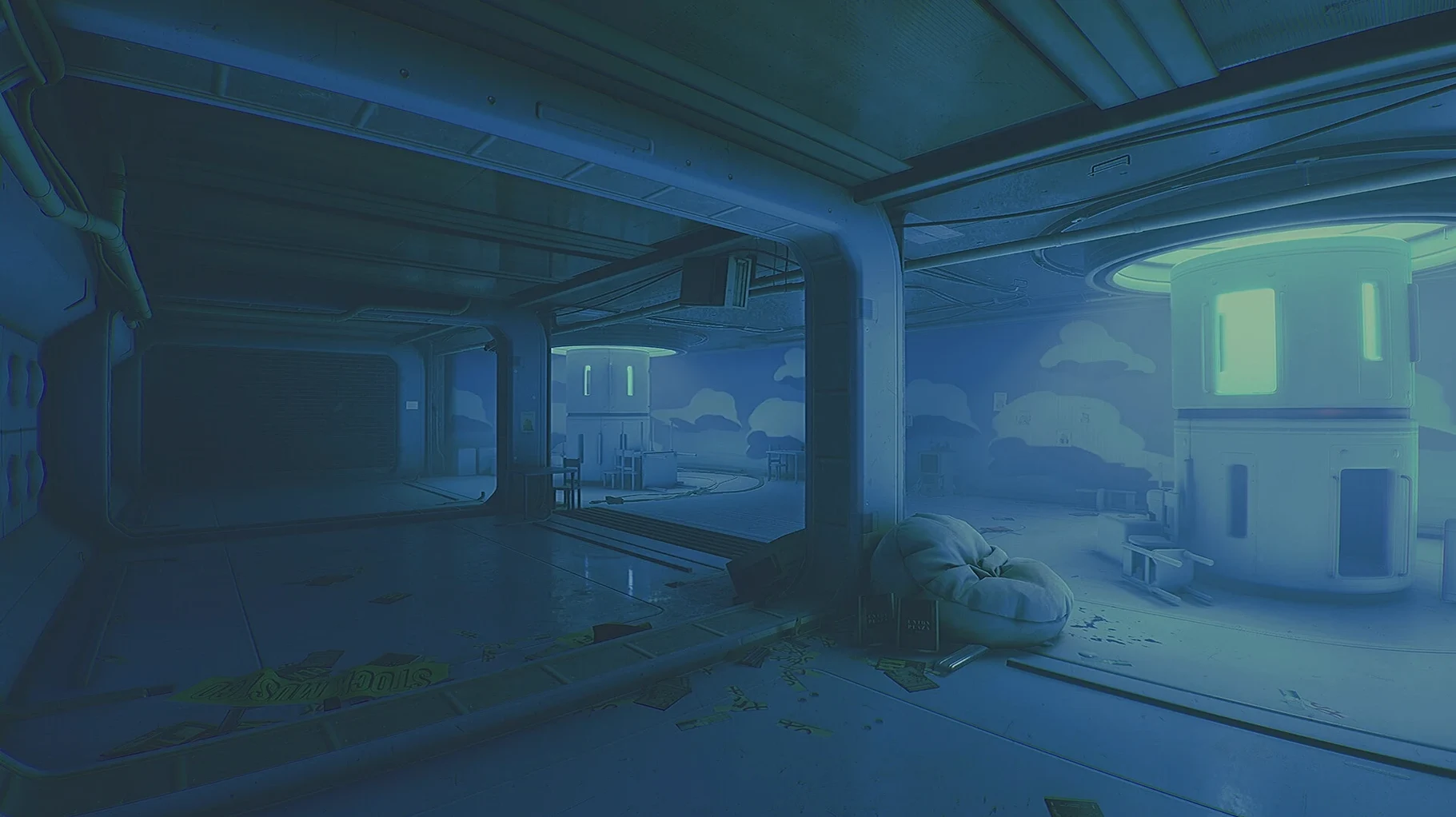
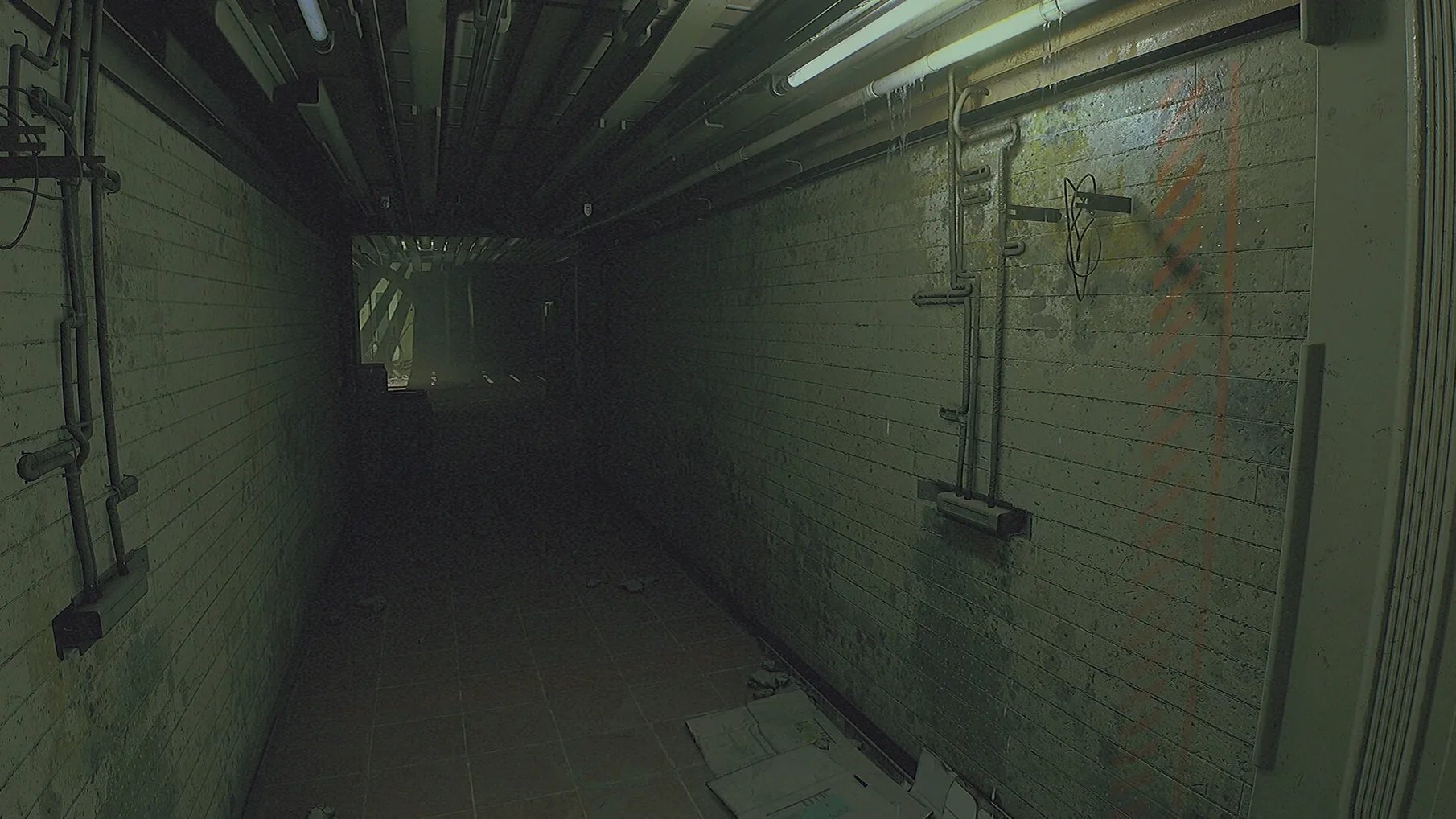
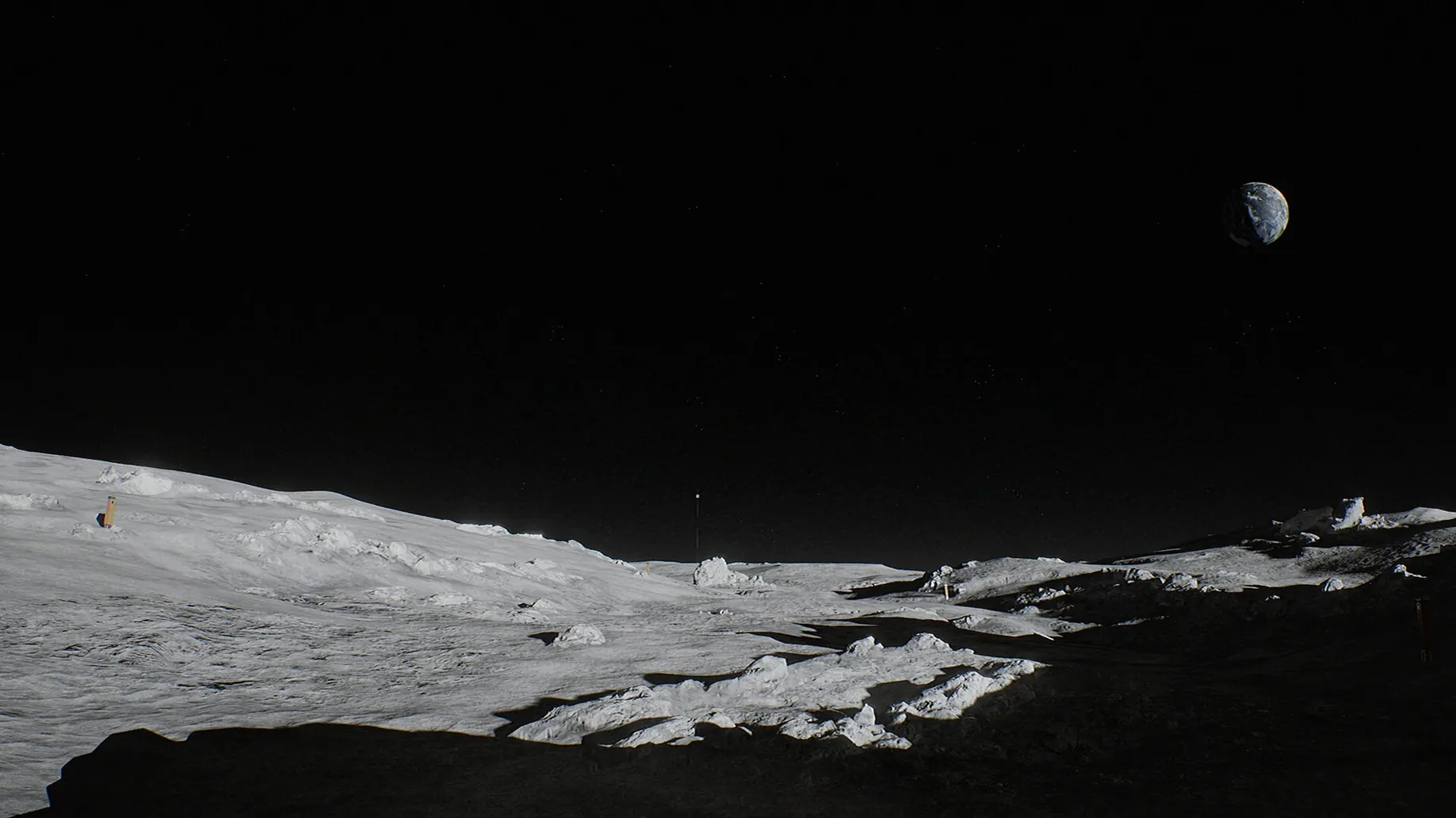
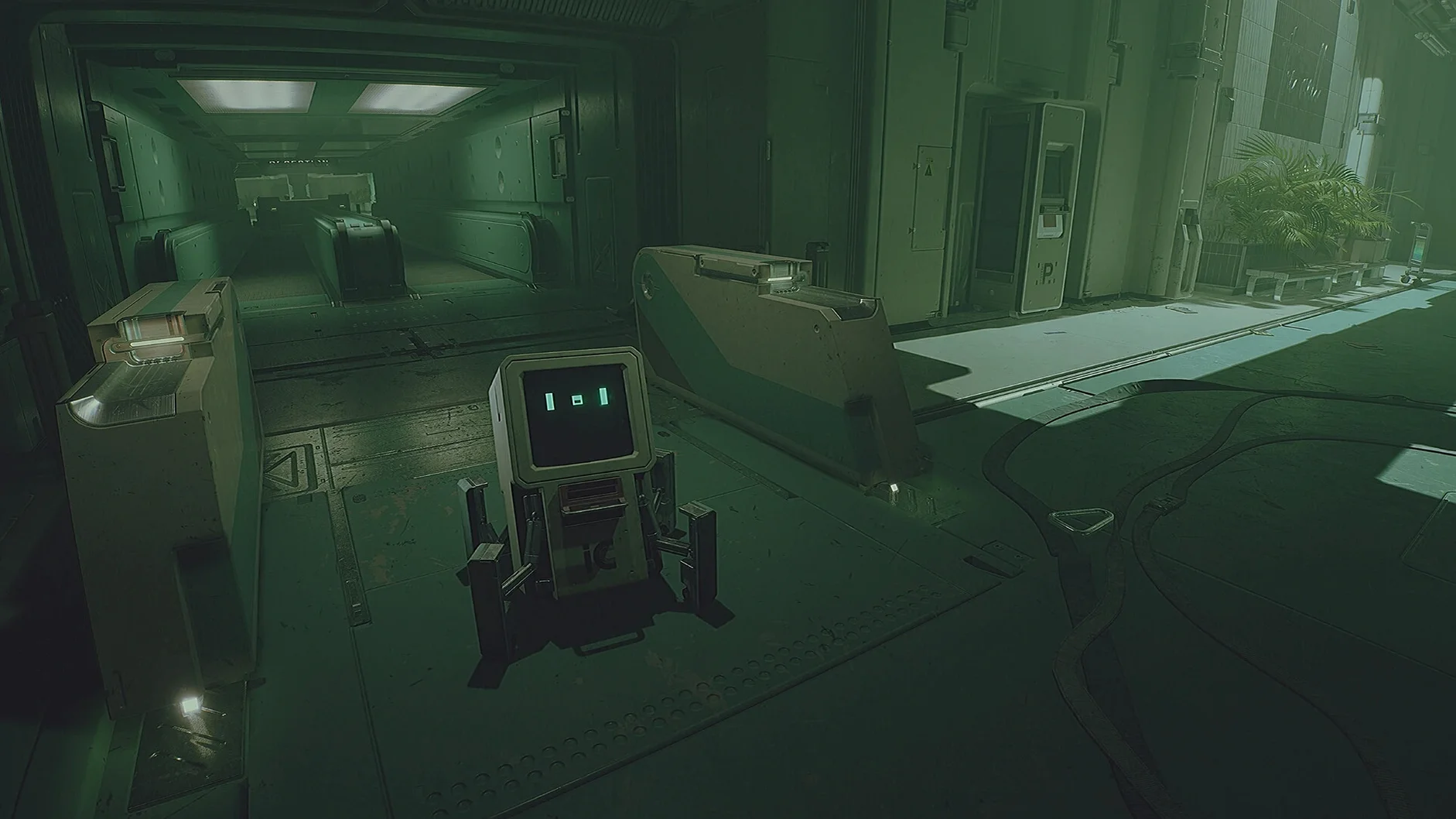
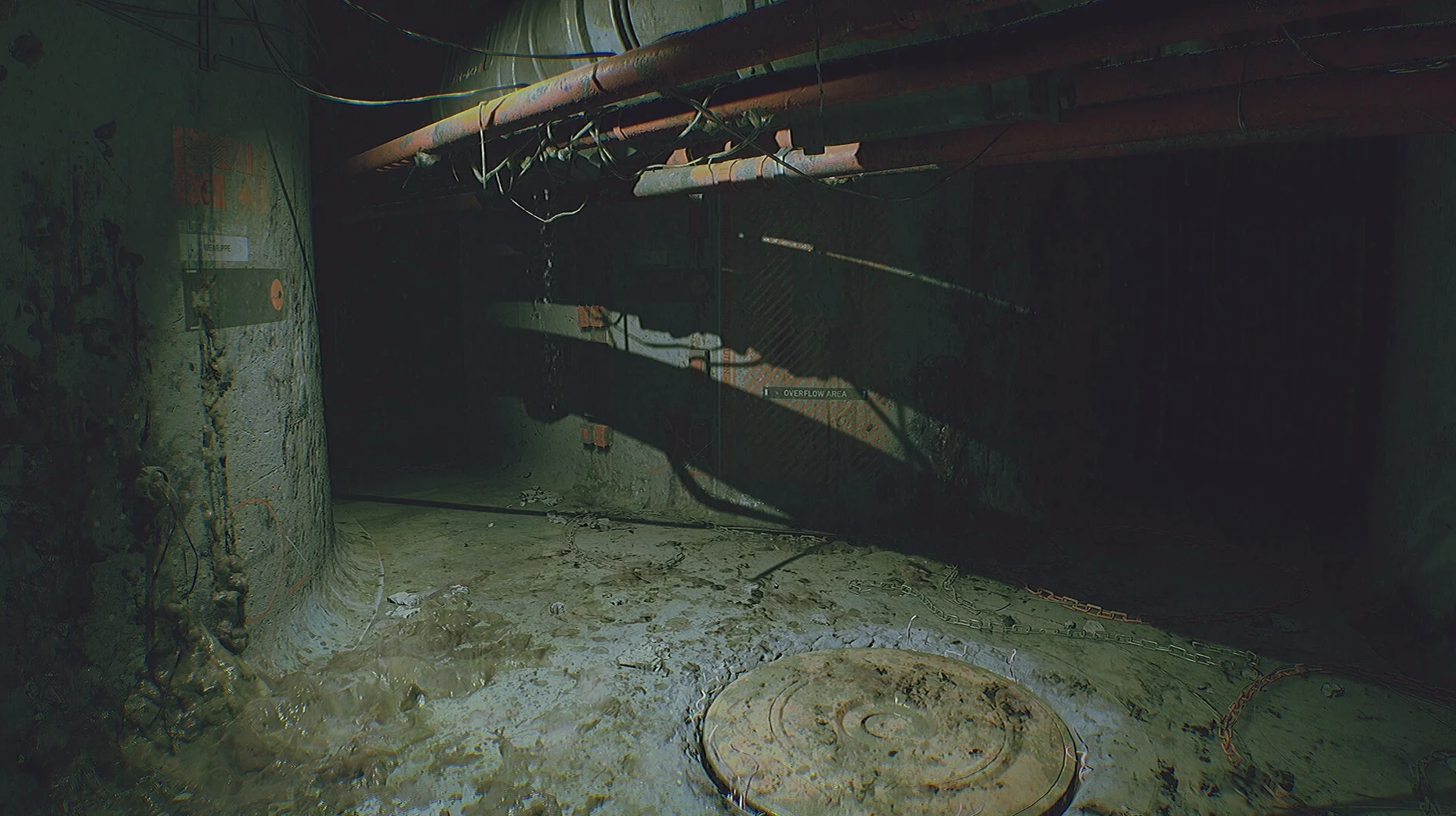
One save file. That is all you get. Routine is a first-person survival-horror game set on an abandoned lunar base, and its most important design choice is the complete absence of checkpoints. When the airlock door closes behind you and the lights begin to flicker, every decision you make is committed immediately.
Equipping the Cosmonaut Assistance Tool
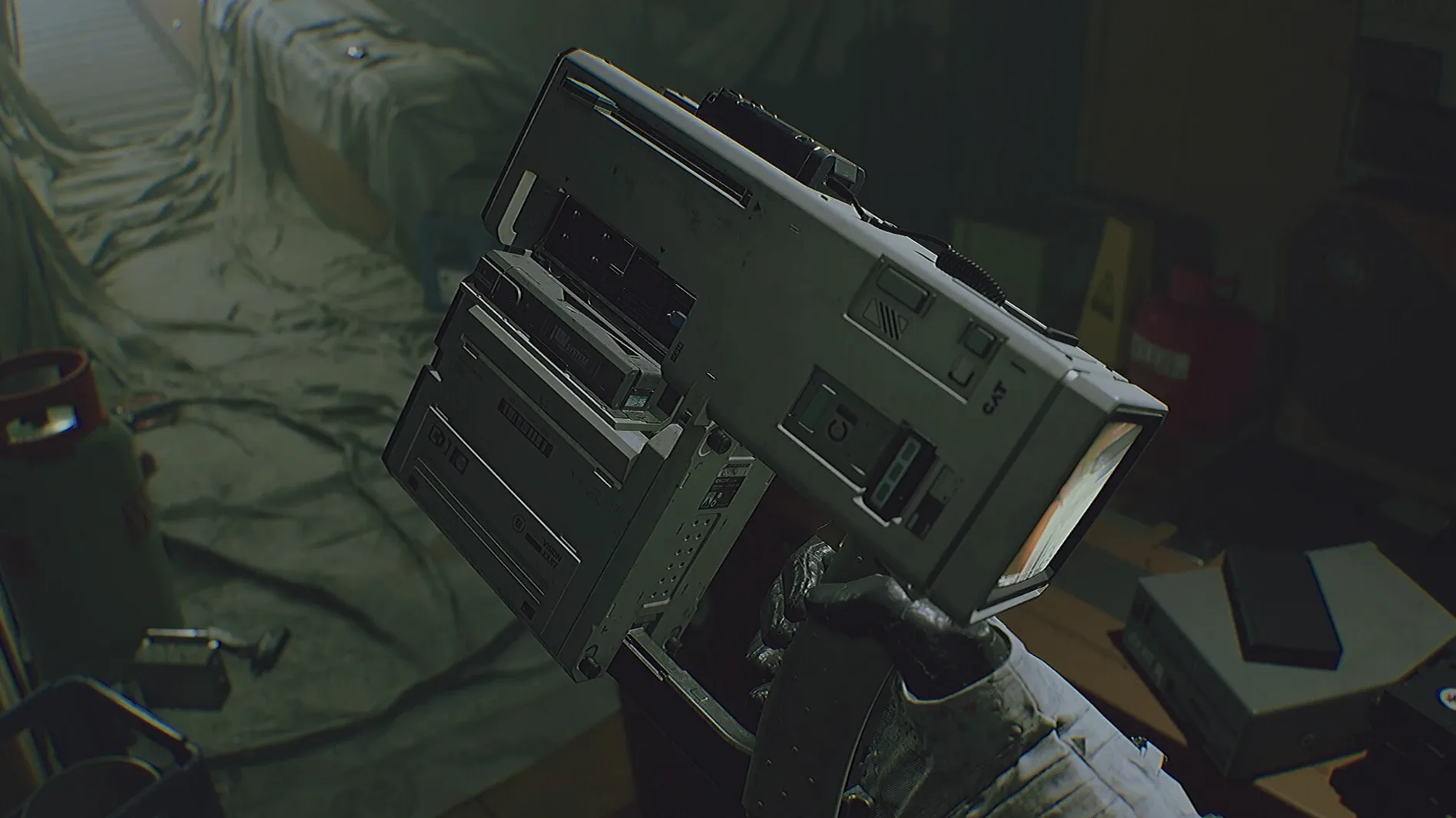
Your first move inside the station is to power up the Cosmonaut Assistance Tool — a chunky handheld device that looks like it was designed on a drawing board in 1983. The interface is deliberately minimal: no health bars, no objective markers floating in your field of view. The tool gives you environmental readings and a rough map, but finding your way through the base is part of the gameplay, and the map fills in only as you explore.
Navigating the lunar silence
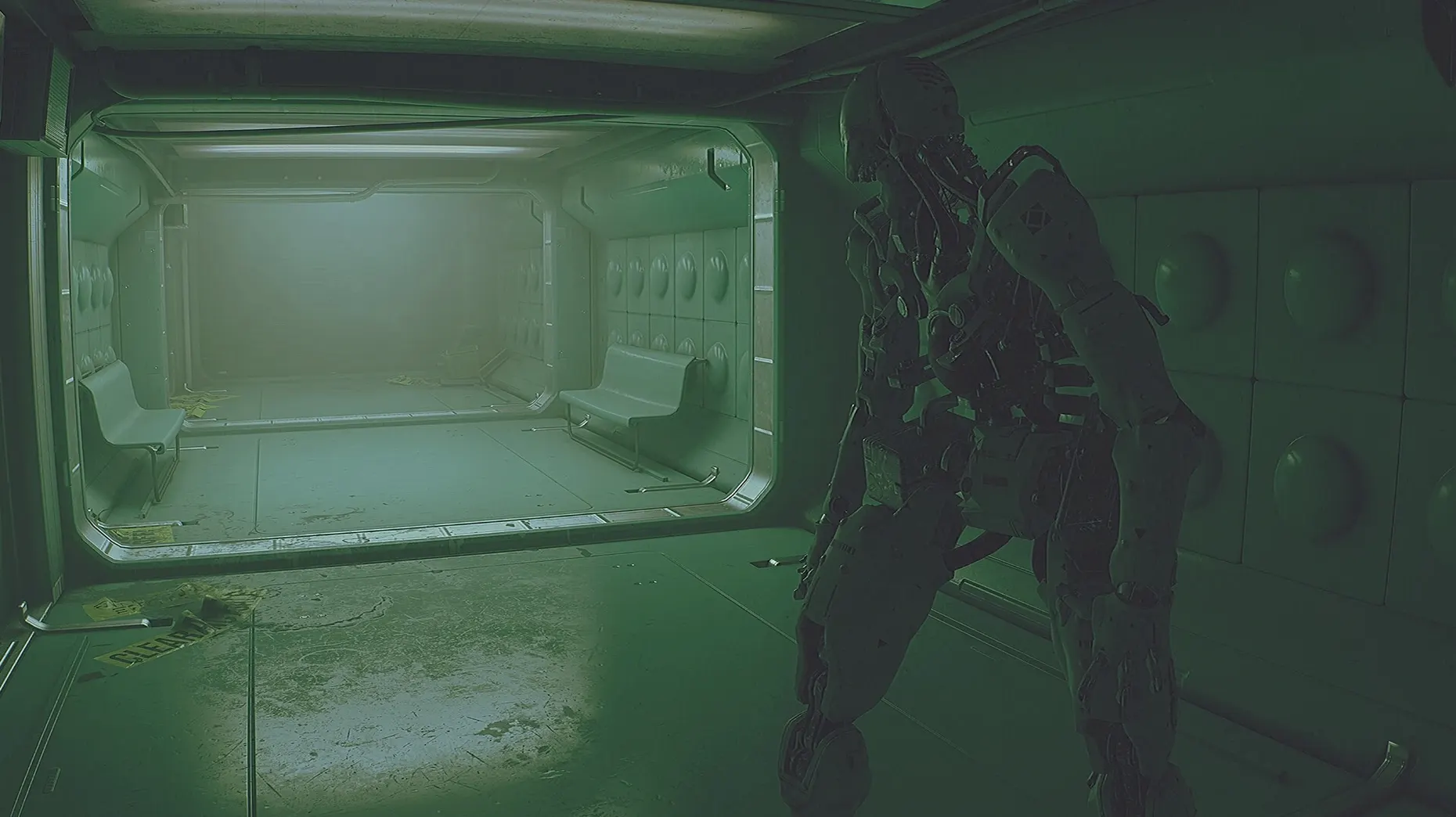
The world design leans hard into an eighties vision of the future — all moulded plastic consoles, CRT-style displays and heavy mechanical switches. It feels less like science fiction and more like a forgotten Soviet-era research station that happens to be on the moon. The audio does a lot of heavy lifting here: distant thumps, the groan of straining metal, a low hum that cuts out at exactly the wrong moment.
Surviving with no safety net
Because there are no checkpoints, tension builds in a way that checkpoint-based horror games rarely manage. You are not replaying a tricky section until you memorise the enemy pattern; you are genuinely afraid of what is around the next corner because you have something to lose. That single save file sits in the menu like a dare.
Quiet confidence on an M4 Mac mini
On a 2024 Mac mini with the M4 chip, Routine runs with a quiet confidence that suits its setting. The frame rate stays smooth even when the station's lighting system throws long shadows across a corridor and the audio engine is tracking half a dozen off-screen sound sources. Loading times are brief — a few seconds between areas — and the game never hitched during a three-hour session that included several frantic sprints through vent shafts. Memory use hovers around 4.5 GB, which is modest by current standards, and the fan stayed silent throughout. The Wineskin wrapper adds a negligible layer of overhead; you would not know it was there without being told.
The retro-future fidelity Alien: Isolation shares
Routine invites comparison with a handful of first-person horror titles that share its fondness for isolation and minimal hand-holding.
Alien: Isolation has the same commitment to an authentic retro-future aesthetic and a single, relentless antagonist, but it gives you a motion tracker and a crafting system. Routine strips those comforts away. The Cosmonaut Assistance Tool is no motion tracker — it will not beep faster when something is closing in. You read the environment with your own ears, and the off-screen audio design rewards that attention with genuine dread.
SOMA shares Routine's taste for abandoned research stations and existential unease, yet it leans far more on narrative set-pieces and guided exploration. Routine trusts you to find the story yourself, buried in terminal entries and environmental clues. There is no companion voice guiding your steps, just the hum of failing machinery and your own rising heartbeat.
Amnesia: The Bunker operates in a similarly cramped, semi-open space and also saves continuously, but its resource-management loop — fuel, bullets, wound dressing — creates a different kind of pressure. Routine's pressure is purely psychological. You carry no inventory, you craft nothing, and the enemy cannot be studied from a safe hiding spot for long because the station itself feels hostile even when you are alone.
Push the field of view to 85 before the airlock
Before you step through the airlock, open the options menu and make a couple of adjustments that the defaults do not get quite right. The field-of-view slider sits at a conservative 75 degrees; pushing it to 85 or 90 opens up the peripheral vision that the off-screen audio teasingly denies you, making it easier to catch motion at the edge of the screen without spoiling the claustrophobia. Motion blur is on by default and can smudge the CRT-style displays into illegibility during quick turns — switch it off. Headphone mode, buried in the audio settings, applies a binaural processing layer that makes the detailed off-screen sound cues strikingly directional. If you are playing with a good pair of closed-back headphones, enable it immediately. Lastly, disable the tutorial prompts once you have used the Cosmonaut Assistance Tool for the first terminal hack. They repeat for every interaction type, and a Routine torrent of reminder text does nothing for the atmosphere.
Lunar Software released Routine on December 4, 2025. The official launch page confirms the game became available that day, marking the end of a famously long development journey.
- Apple Silicon chip required
- Tested on macOS Tahoe with M4
Questions I keep hearing
What languages does Routine support on Mac?
The interface is available in Russian, English, German, Spanish, Simplified Chinese, Korean, Portuguese, French and Japanese.
Does Routine run on Intel Macs?
No, the game requires Apple Silicon and has been tested on a 2024 Mac mini with an M4 chip running macOS Tahoe.
Questions from the class 0
Sign in or join the class to ask a question.
Nobody has asked anything yet. If you have used it on a real job, say what the file did.
Also on the Games shelf
The whole Games shelf Road to Vostok
Survives harsh environments in a post-Soviet setting.
 Risen
Develops a character in a mysterious island RPG.
 Rise of the Tomb Raider
Explores and survives in an action-adventure expedition.
 Resident Evil Village
Survives a horror story in a mysterious European village.
 Sid Meier’s Civilization VII
Leads a growing empire from ancient huts to a modern superpower, one turn at a time.
 Ravenfield
Fights large bot battles with ragdoll physics in single-player.
 Rain World
Survives as a slugcat in an indifferent, living ecosystem.
 Radiolight
Investigates supernatural disappearances in a 1985 park.