 ASPNetWorld

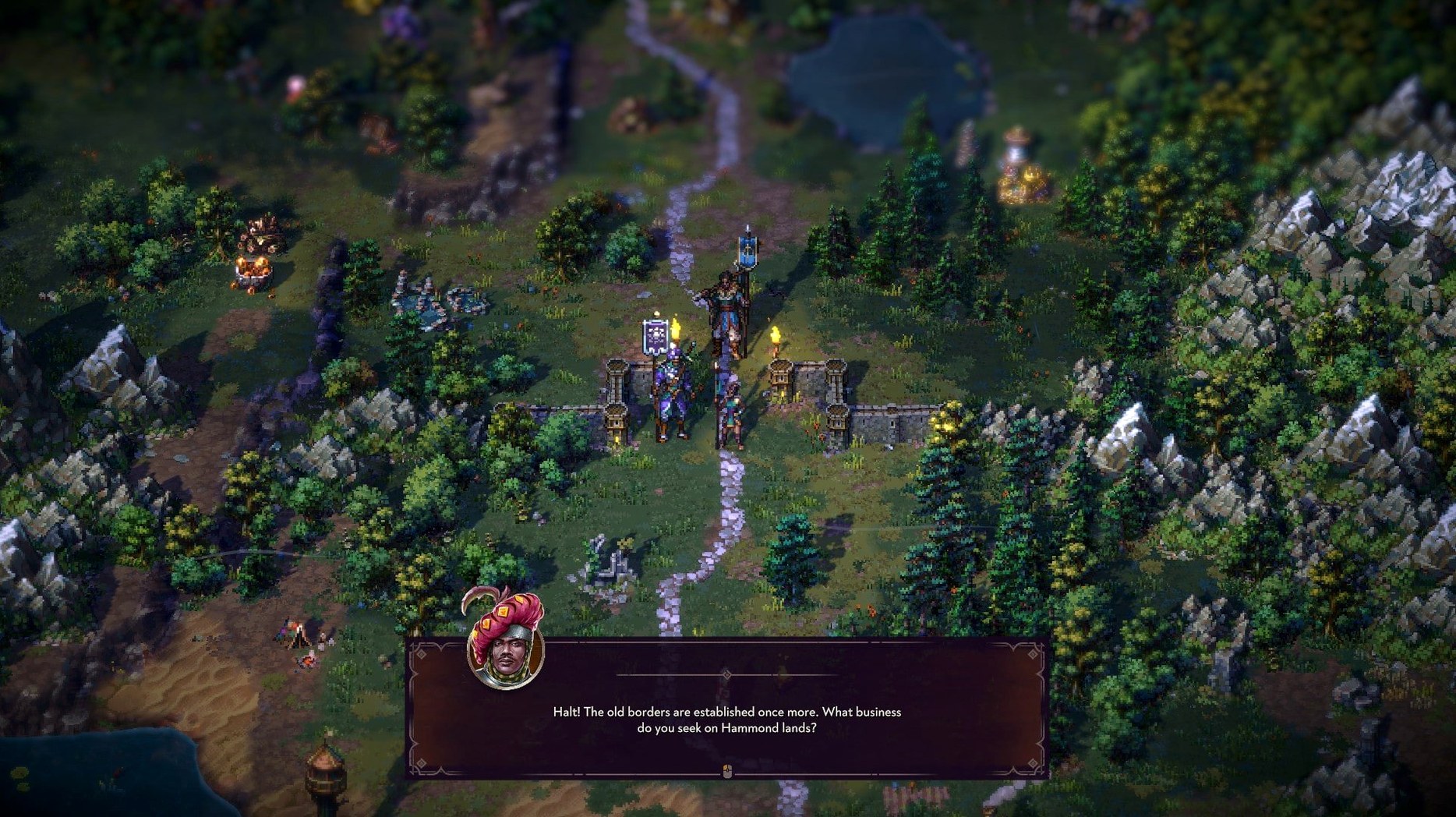
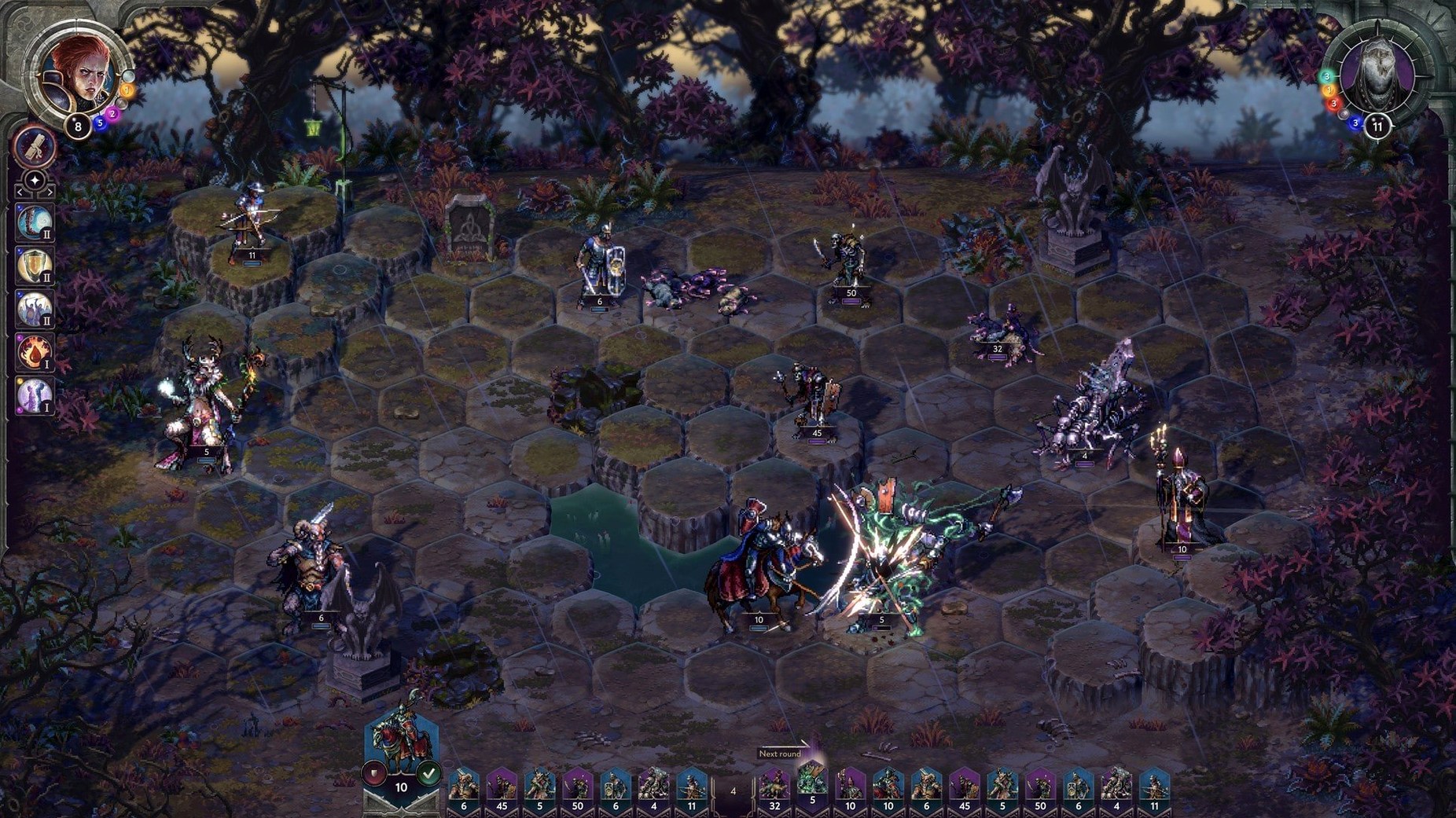
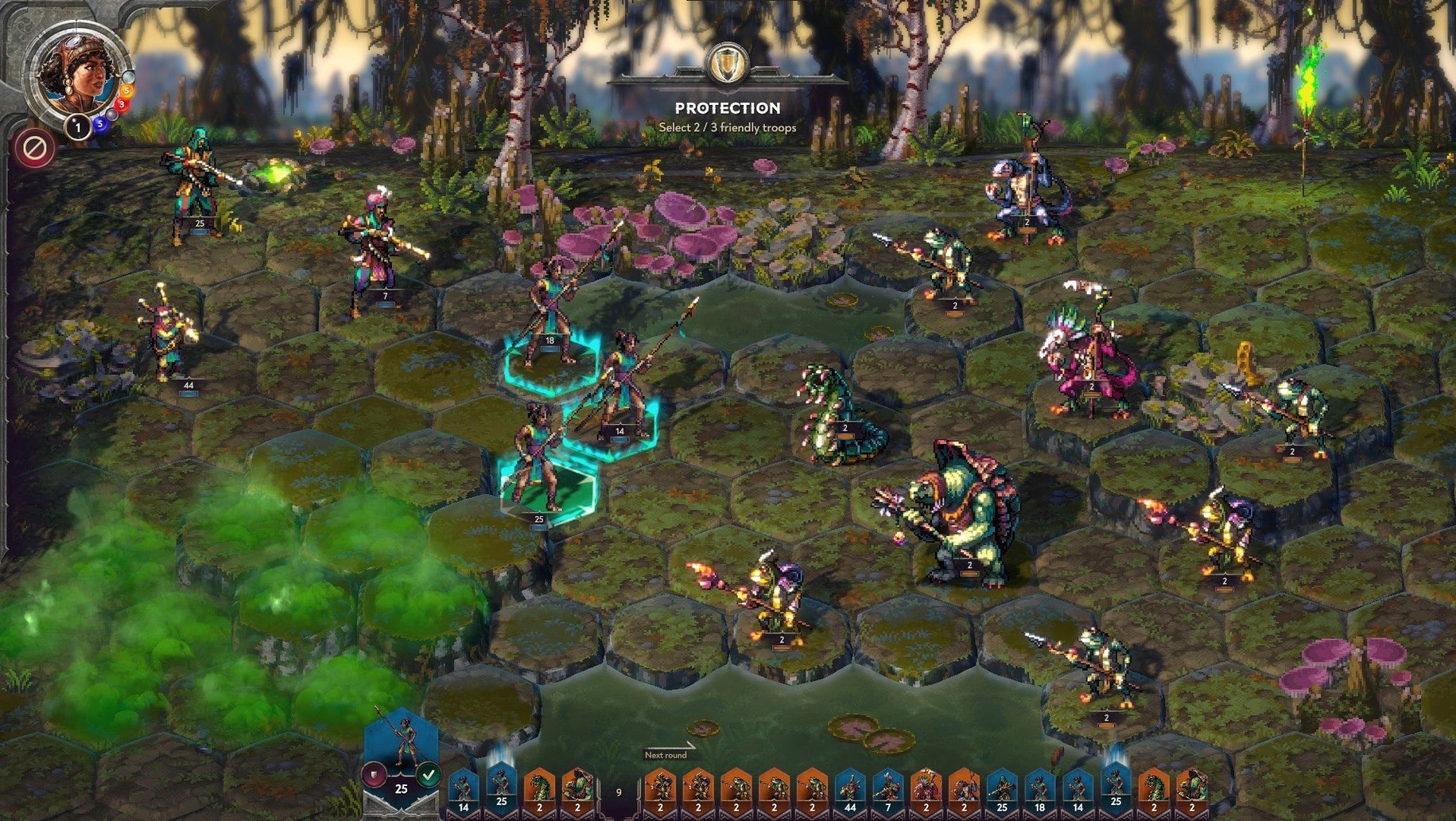
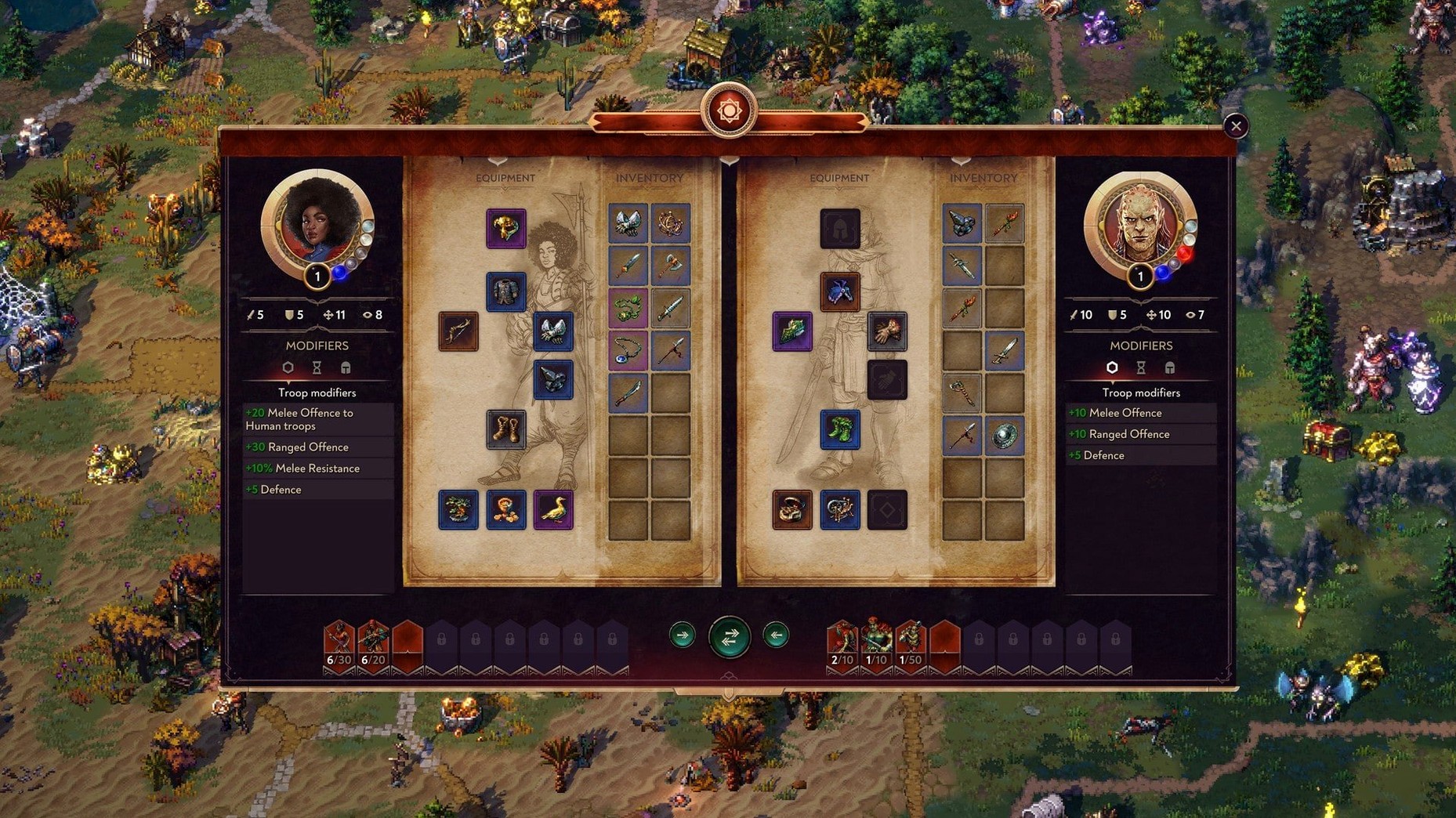
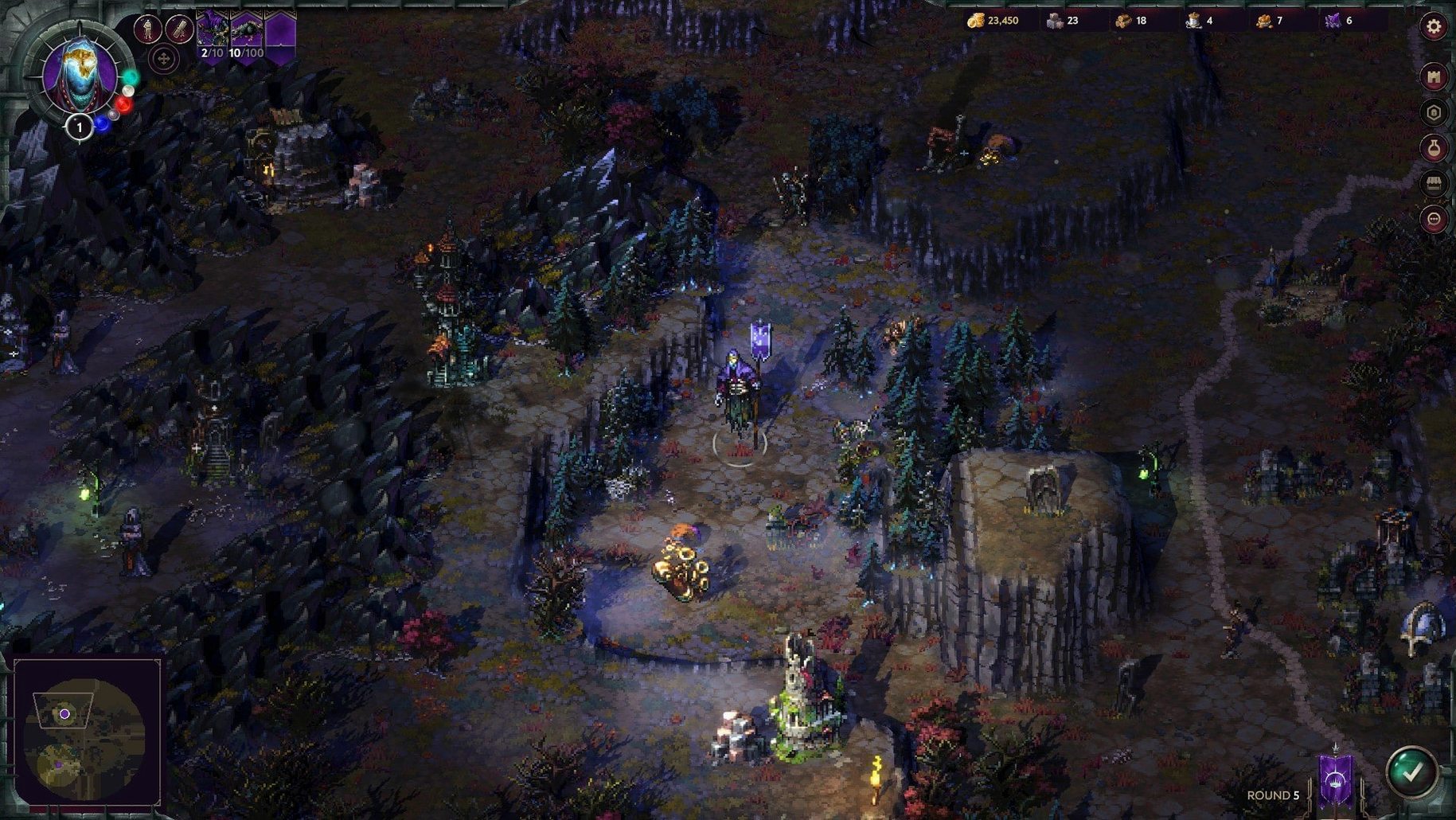
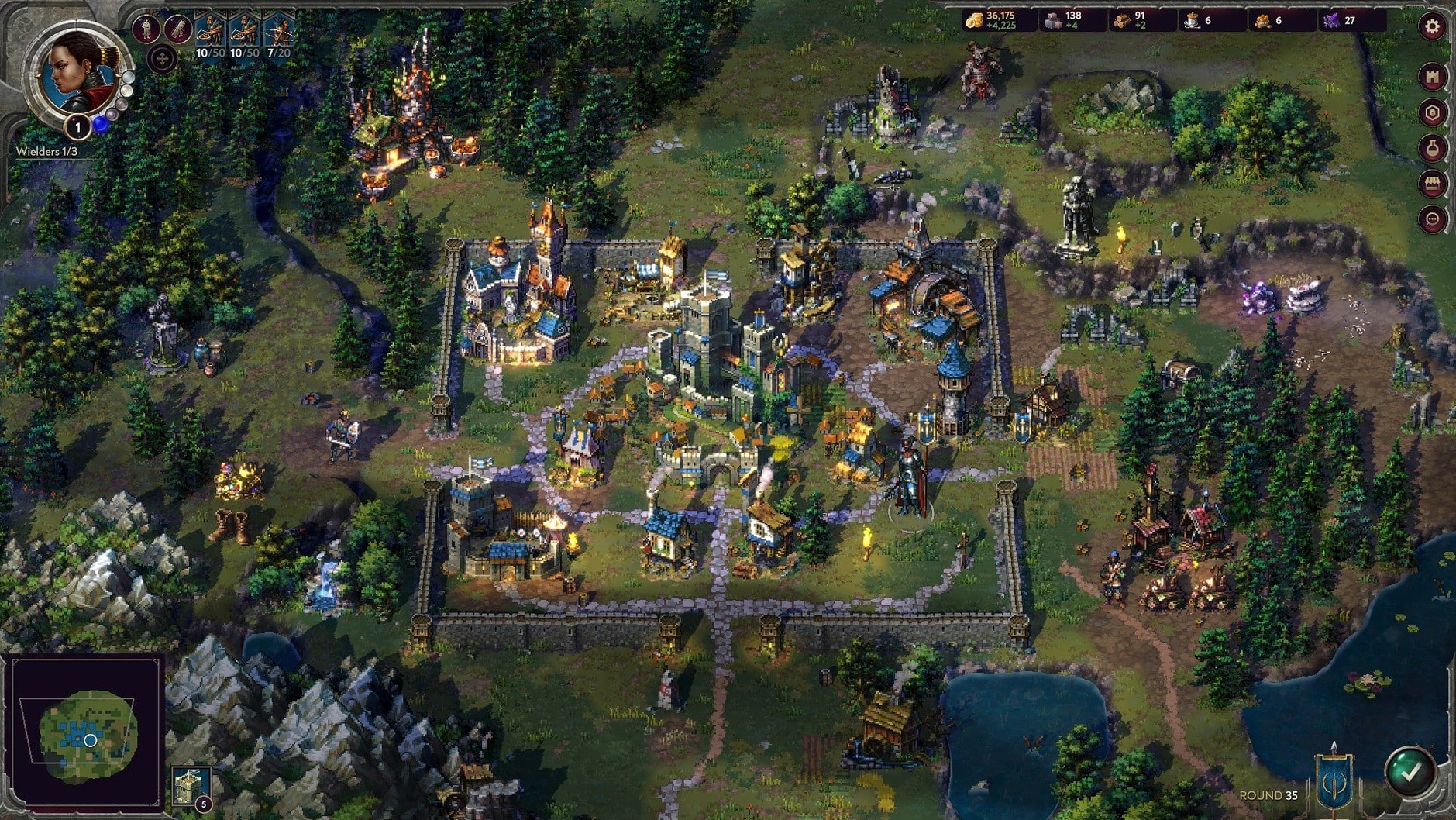
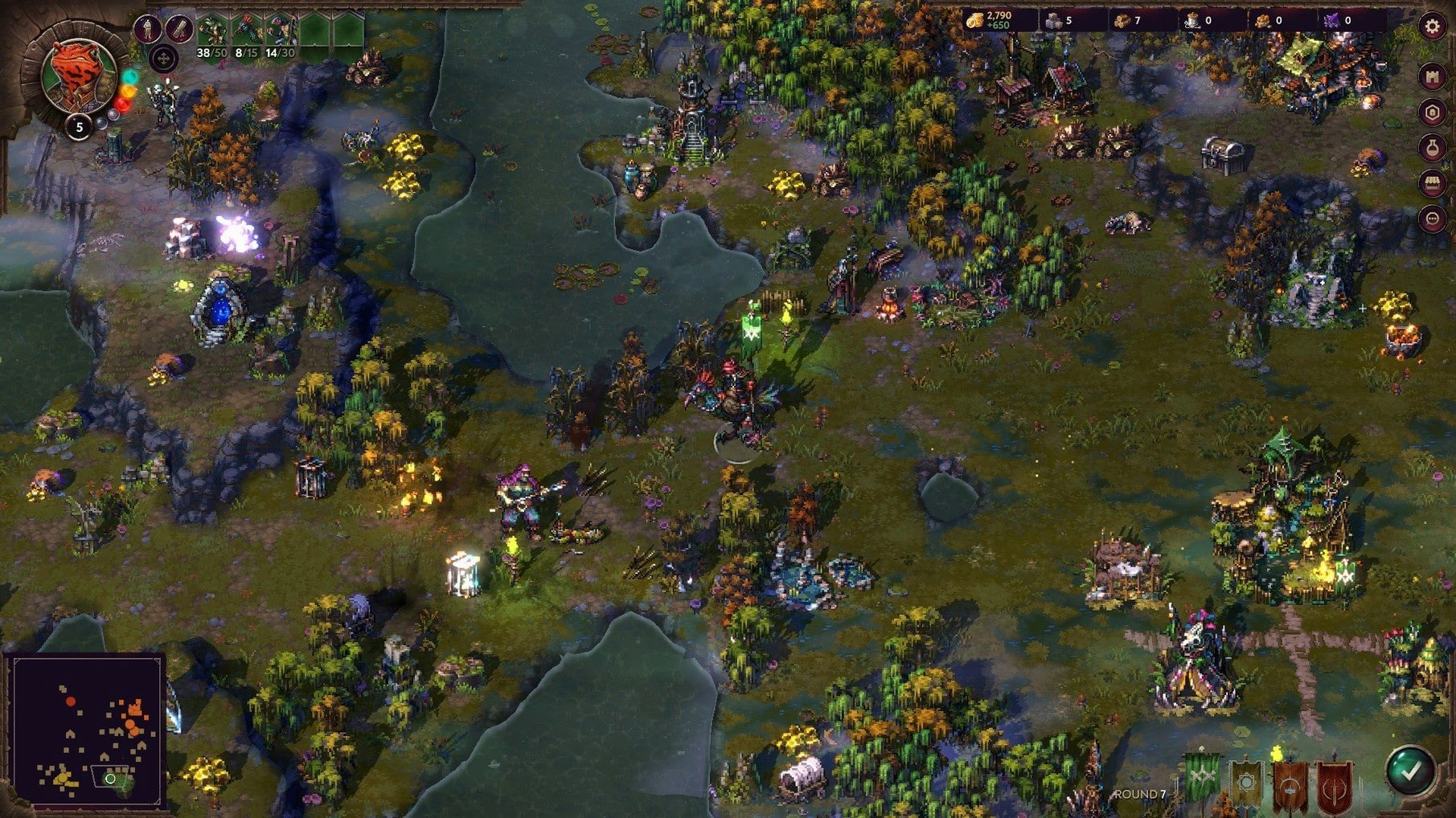
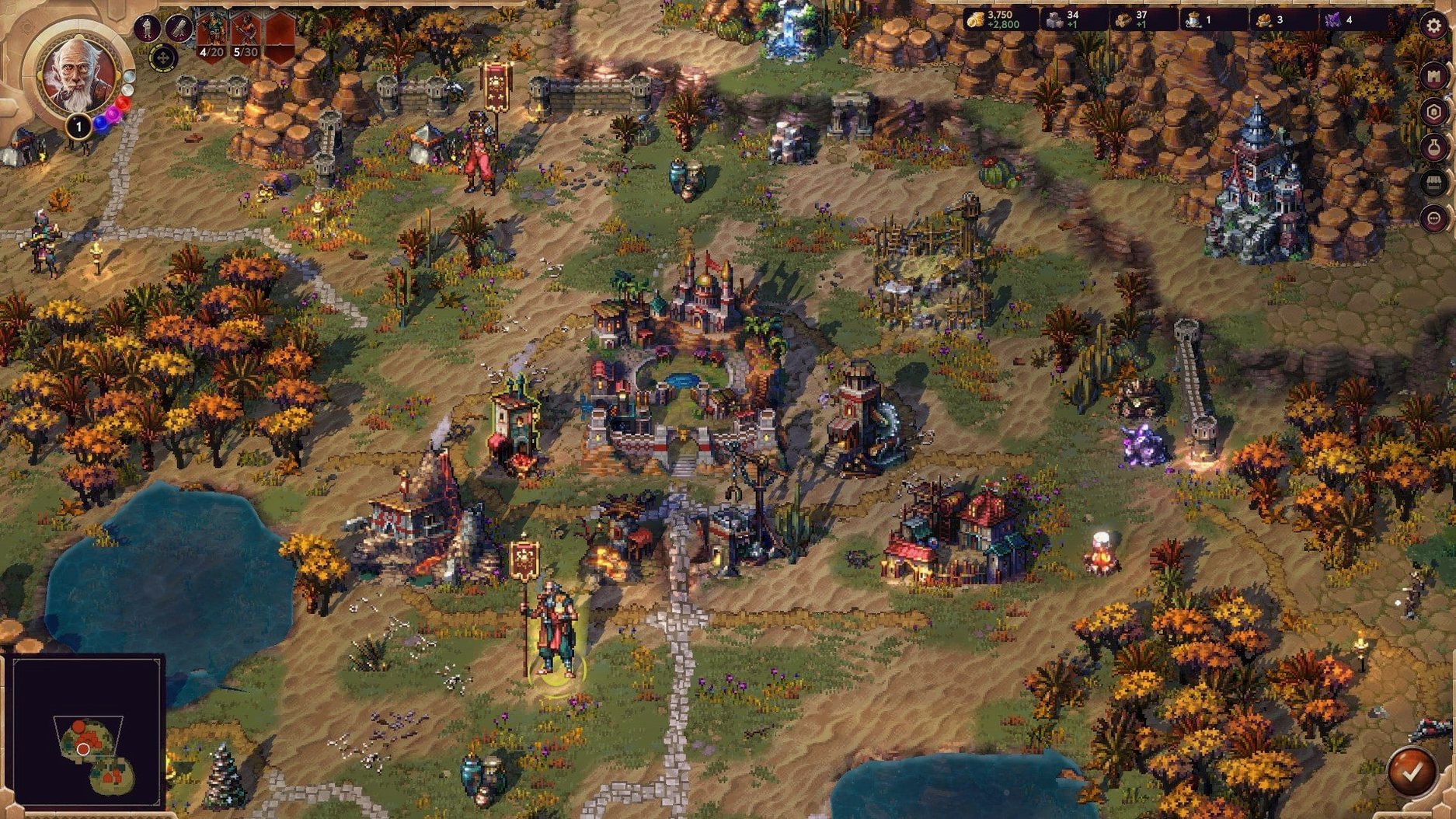
The Command ability, for instance, lets a Wielder grant an adjacent troop a second action each turn—a simple pivot that can unravel the most carefully stacked enemy formation. It’s one of dozens of tactical wrinkles tucked inside Songs of Conquest, a turn-based strategy game that wears its 1990s inspirations proudly without feeling like a museum piece. You roam layered, hand-drawn maps as a Wielder, gathering resources, recruiting troops, and unearthing powerful artifacts before clashes pull you down onto a hex grid where unit-specific abilities and magic spells dictate the rhythm.
Fog of war hides fresh threats and forgotten trinkets on every map
A campaign and scenario system sends you across varied maps, each seeded with different opponents and loot caches, so the fog of war always hides a fresh threat or a forgotten trinket. Outside the authored stories, the bundled level editor lets you build your own campaigns and skirmish maps from scratch—same tools the developers use, no hidden compartments. Combat leans on unique unit abilities: archers can overwatch, necromancers raise fallen enemies as temporary allies, and spellcasting Wielders reshape terrain or tip morale with a single incantation.
Voices, languages, and the Rosetta note
English voice acting gives the narrative beats a grounded, theatrical feel, while the interface switches between Russian, English, German, Spanish, Italian, Simplified Chinese, Polish, Portuguese, and French. The game runs natively on both Intel and Apple Silicon Macs from macOS 10.13 onward, though opening it with Rosetta is the key that unlocks all DLC content—a quirk worth remembering when you first launch.
Multi-tile creatures no longer stutter-step along cliff edges
Version 1.10.4.a515e789d6.3866 didn’t arrive with a fanfare, but the patch notes tell a story that experienced players will feel in their bones. Unit pathfinding around multi-tile creatures—the towering dragons and bone golems that used to stutter-step along cliff edges—now resolves cleanly, so a misclick no longer sends your heavy hitter on a scenic detour. More practically, the level editor received a raft of scripting fixes: event triggers that previously ignored certain dialogue conditions now fire reliably, which matters enormously if you’ve spent an evening weaving branching conversations into a custom scenario. Load times on Apple Silicon shrank by a small but noticeable margin, and a memory leak that crept in during long play sessions with the Loth faction was plugged. None of this rewrites the game, but it means a late-game siege no longer degrades into a slideshow just as the necromancers start raising their third wave.
Three mistakes that trip up new Wielders
Beginners often treat Songs of Conquest as a pure conquest sim—they push troops forward every turn and neglect the research tree back in town. Without upgraded dwellings, your tier-one archers face late-game horrors with little more than sharp sticks. The second misstep is hoarding resources for a mythical doom stack; the map’s pacing rewards constant, modest expansion, and sitting idle lets neutral camps grow teeth. A third classic stumble involves the Command ability. New players park the Wielder next to a single powerful unit and call it a day, forgetting that Command resets each round and can bounce between two or three key troops like a conductor cueing different sections of an orchestra. Practice shifting that extra action across your line and you’ll break stalemates that initially looked unwinnable.
Painterly towns and terrain-tied abilities replace spreadsheet-stiff screens
Stack it against Heroes of Might and Magic III, the obvious ancestor, and the differences crystallise fast. Songs of Conquest replaces the older game’s spreadsheet-stiff town screens with a layered, painterly interface and ties unit abilities more tightly to terrain elevation and spell interplay. Compared to Eador: Masters of the Broken World, which sprawls across a fractured multiverse, Lavapotion’s game feels tighter and more deliberate—fewer systems but each one polished until it gleams. Battle for Wesnoth fans will recognise the hex-grid DNA and the map editor ethos, though Songs of Conquest wraps its tactical skeleton in a richer narrative skin, with the four factions—Arleon, Rana, Loth, and Barya—each carrying a distinct campaign voice and a soundtrack tracklist that shifts in tone as dramatically as the terrain does. Where Wesnoth thrives on community-driven austerity, this game aims for a curated, almost storybook atmosphere while still handing you the editor’s keys. The Mac build, tested on an M4 Mac mini under macOS Tahoe, keeps pace with its Windows sibling without compromise, which hasn’t always been true of turn-based strategy ports.
- macOS 10.13 or later
- Intel or Apple Silicon Mac
- English voice acting included
Questions I keep hearing
Can I make my own maps in Songs of Conquest?
Yes, the game includes a level editor that lets you create your own campaign scenarios and skirmish maps.
Questions from the class 0
Sign in or join the class to ask a question.
Nobody has asked anything yet. If you have used it on a real job, say what the file did.
Also on the Games shelf
The whole Games shelf Software Inc
Simulates running your own software company, from hiring staff to launching buggy products.
Software Inc
Simulates running your own software company, from hiring staff to launching buggy products.
 South Park: Snow Day!
Fights through a snowed-in South Park with foul-mouthed kids and quick co-op brawls.
South Park: Snow Day!
Fights through a snowed-in South Park with foul-mouthed kids and quick co-op brawls.
 Stardew Valley
Builds a quiet life on a farm.
Stardew Valley
Builds a quiet life on a farm.
 Stellaris
Guides a civilisation through the stars.
Stellaris
Guides a civilisation through the stars.
 Sid Meier’s Civilization VII
Leads a growing empire from ancient huts to a modern superpower, one turn at a time.
Sid Meier’s Civilization VII
Leads a growing empire from ancient huts to a modern superpower, one turn at a time.
 STORROR Parkour Pro
Lets you practise parkour across city rooftops.
STORROR Parkour Pro
Lets you practise parkour across city rooftops.
 Stronghold Crusader HD
 Stronghold Definitive Edition
Builds and defends medieval castles.
Stronghold Definitive Edition
Builds and defends medieval castles.