 ASPNetWorld

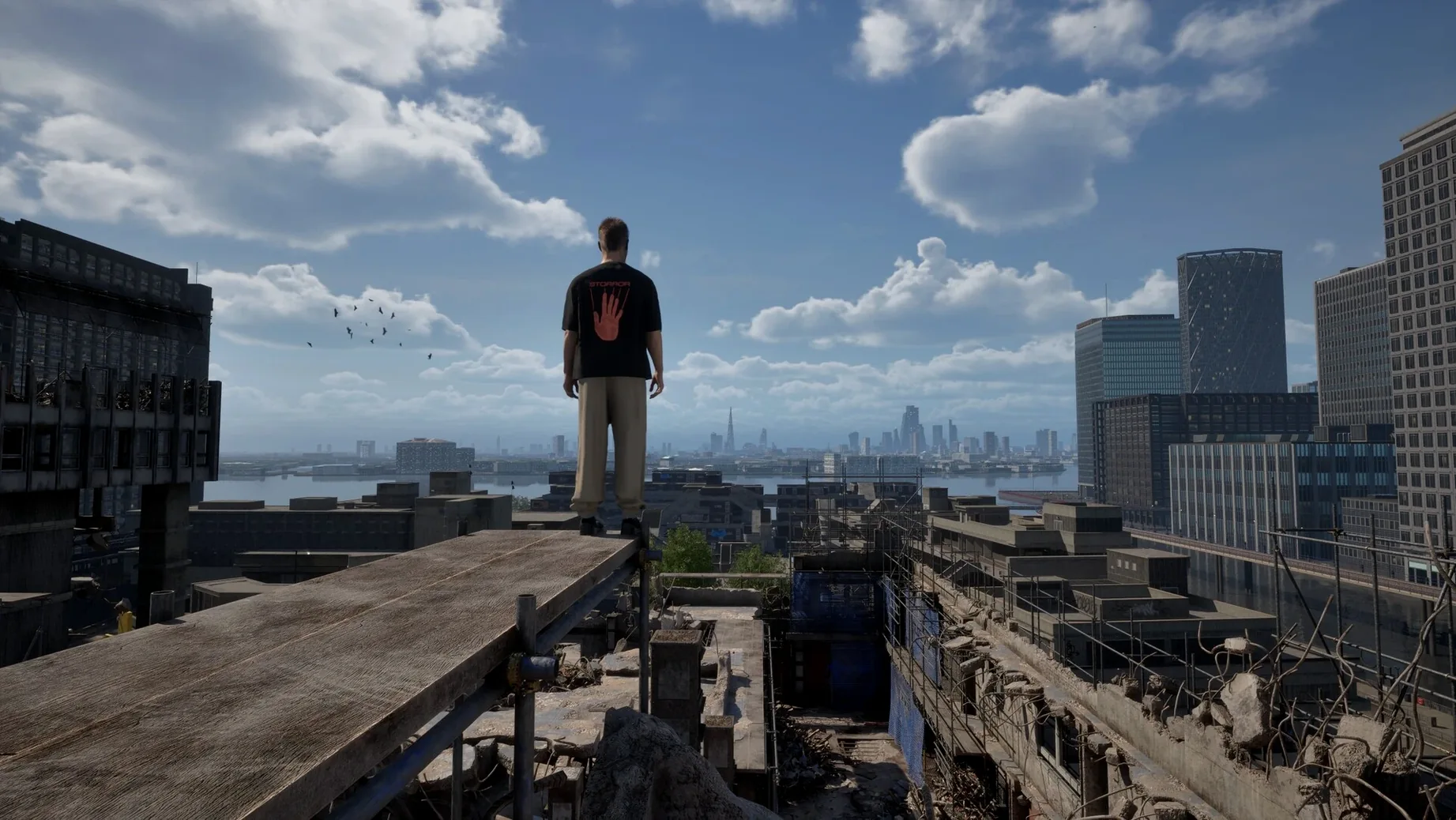
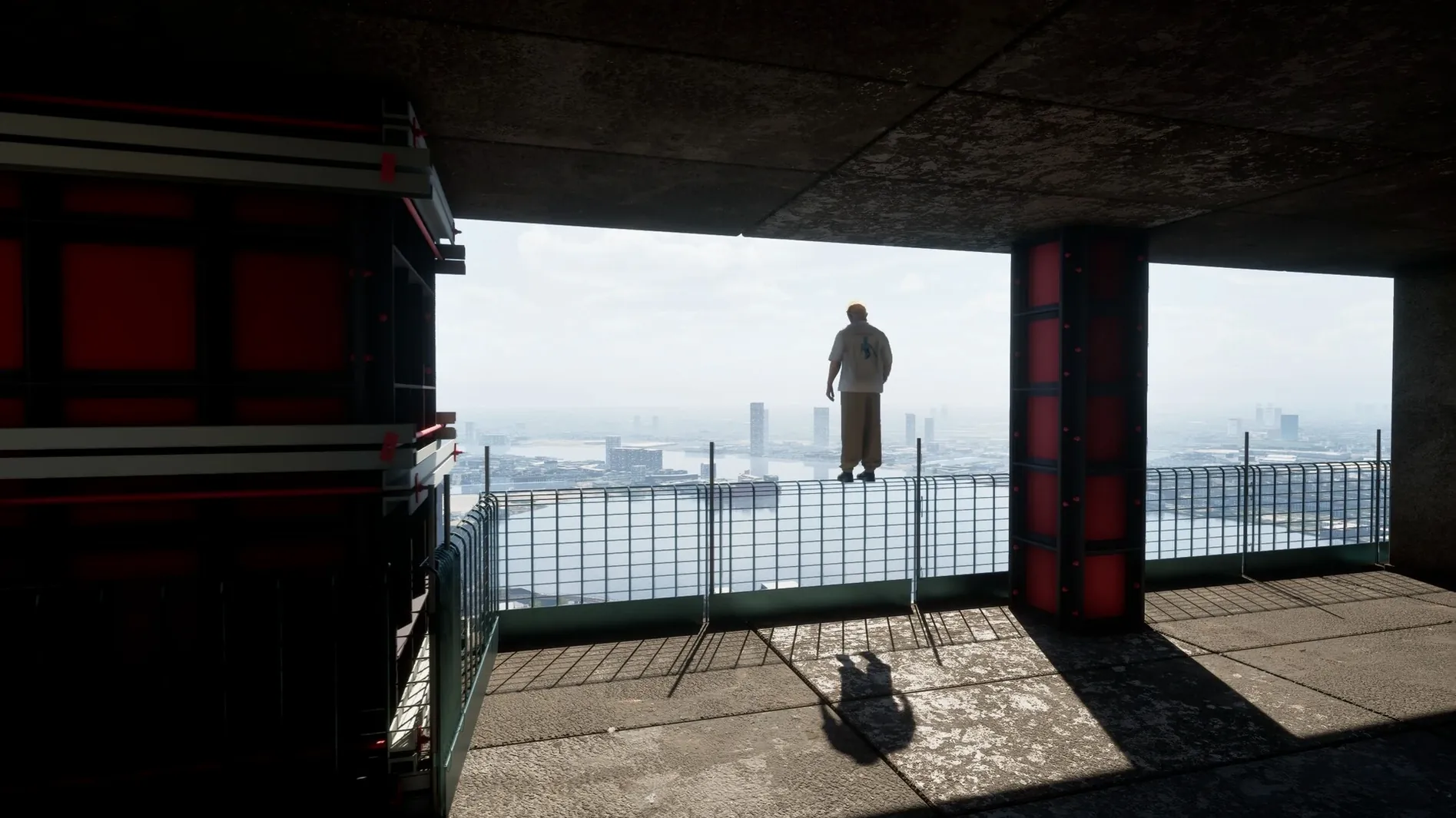
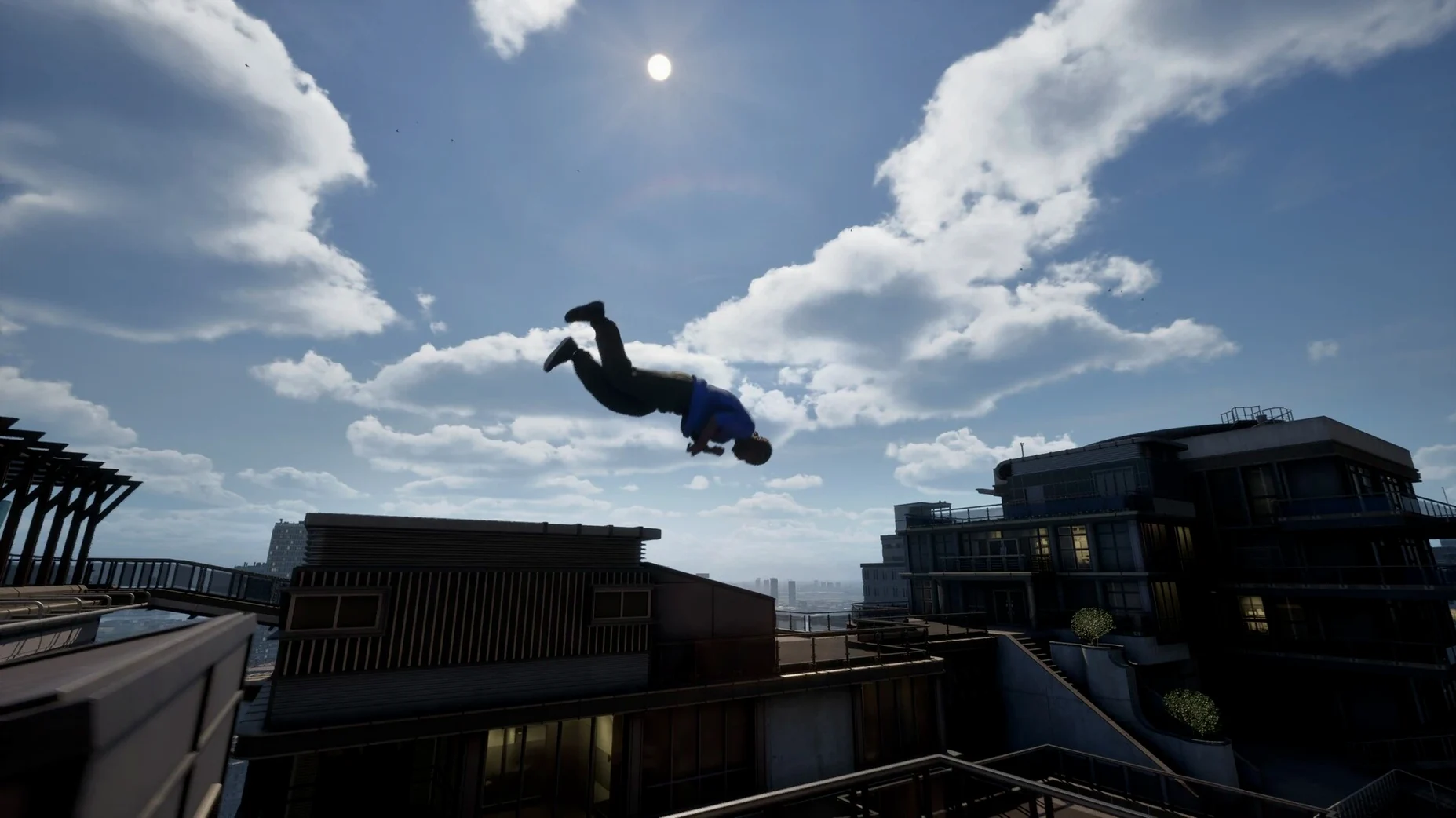
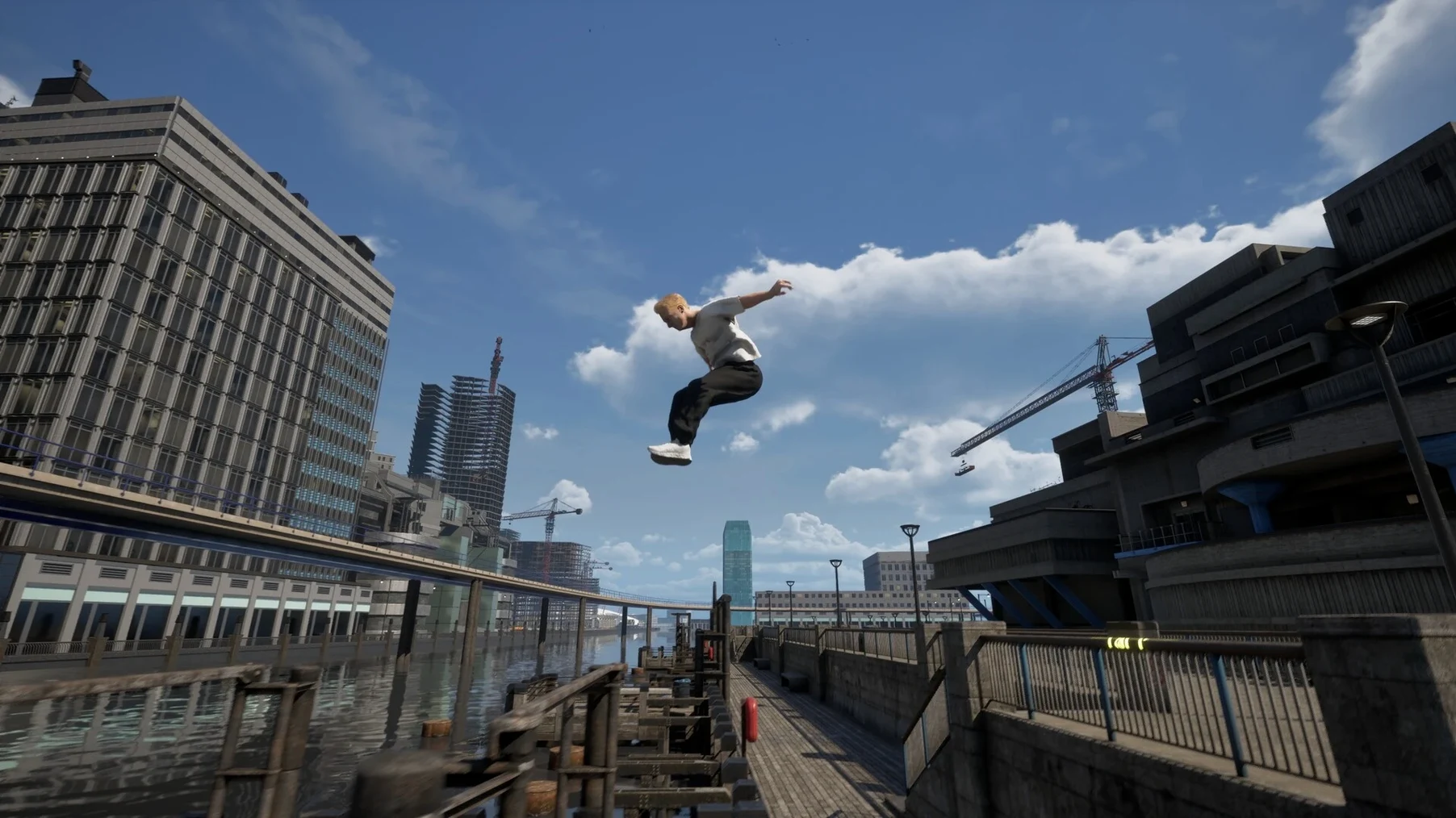
The latest build lands without a formal changelog, so let’s treat this as a clean snapshot of what’s in the box right now — version 0.39.0 on Apple Silicon. Hole in the Sleeve Game Studios has been quietly expanding the playground, and the current shape of the game already gives you a proper taste of its free-running ambitions.
What is the setting?
The action unfolds in a reimagined Isle of Dogs, a slice of east London that feels familiar but stretched just enough to make every rooftop gap interesting. The voice work comes through in English, while the interface supports a generous spread of languages — Russian, German, Spanish, Japanese, Ukrainian, both Chinese variants, and a dozen more — which keeps the on-screen instructions readable for a wide audience.
What modes and challenges are available?
Right now you can jump into Speed Challenges that test how cleanly you chain moves across the urban landscape, and there’s a first Storror Mission that adds a layer of narrative purpose to your scrambling. The mission structure suggests more will follow, but even this early slice gives you something to chase beyond the clock.
What parkour moves does the environment allow?
Two standout interactions make the city feel properly alive: you can ride on top of trains, hitching a high-speed line across the map, and you’ll sometimes need to avoid helicopters — a mechanic that turns a simple rooftop run into a more tense, cat-and-mouse affair. The joy is in linking these moments rather than treating them as isolated set-pieces.
How the game runs day-to-day
On a Mac mini M4 the build settles into a comfortable rhythm. The initial load into the Isle of Dogs takes about twelve seconds from a cold start, and once you are in, the frame pacing stays steady even when the game throws a lot of glass reflections and moving geometry at the screen. I have not seen a single stutter during a wall-run-to-precision-jump chain, which is the kind of moment where a dropped frame really stings. The physics engine — a blend of motion-captured athlete data and real-time collision — feels greedy for CPU cycles, but the M4 handles it without the fans ever becoming audible.
Memory use hovers around 2.1 GB during normal play and climbs closer to 2.8 GB when you are sprinting across a train roof while a helicopter pans overhead. That is modest by modern game standards, and it leaves plenty of headroom for a browser full of tabs or a music app in the background. The game does not yet offer a true fullscreen exclusive mode, so it respects the macOS window server; that means no awkward display flickers when you swipe between desktops, but it also means you are sharing resources with anything else that wants GPU time. Keep a heavy render running in Blender and you will feel the difference, but for a typical desktop setup the experience is smooth.
Stability is what you would expect from a build numbered 0.39.0 — solid during challenges, occasionally creaky around the edges. I had one crash in about six hours of play, triggered by vaulting a railing just as a Speed Challenge timer expired. The autosave had my back, and restarting put me thirty seconds before the incident. Other oddities are minor: a mission prompt once lingered on screen after I had already triggered the next checkpoint, and a distant crane hook sometimes twitches as if the physics solver has momentarily forgotten its mass. Nothing that breaks the flow, just the fingerprints of early access.
Chase and Escape mode arrives in the latest build
Although the developer has not published a detailed patch log, the jump to 0.39.0 brings a few changes you can feel in everyday play. The biggest is the Chase and Escape mode, which was not present in earlier builds and now gives the game a proper multiplayer heartbeat. You can host a session and invite a friend to sprint through the docks together, one player taking the pursuit role while the other ducks through alleyways and scrambles up drainpipes. It is the sort of mode that turns a quiet evening into a noisy one, and it makes the map feel less like a solo playground and more like a shared stage.
Line Challenges have also been tightened up. In earlier versions the trigger zones for a successful landing could be a little forgiving to the point of vagueness; now they feel deliberately placed, rewarding you for hitting a specific handrail or wall edge rather than just being in the postcode. The mission structure has expanded too, with the first Storror Mission now acting as a proper narrative thread — brief but voiced, and clearly designed to teach you the movement vocabulary before you tackle the harder Speed Challenges.
If you have been keeping a storror parkour torrent folder updated across versions, you will notice the disk footprint has grown slightly, nudging past 4 GB. The extra weight comes from additional motion-capture data, which feeds into the expanded animation library. That library now numbers in the hundreds of distinct moves, and the transitions between them feel less mechanical than they did six months ago — a vault flows into a roll with the kind of weight shift you would expect from a real traceur.
Clean 4K scaling on M4 but no Retina HUD yet
The game plays well with macOS features, though it does not yet tick every box. It supports the native screen resolution of the M4 mini, scaling cleanly to 4K without the blurry upscaling artefacts you sometimes get on Unity-based titles that have not been tuned for Retina displays. Mission Control handles it gracefully; you can swipe to a desktop with the game running, and it pauses cleanly in the background without chewing through CPU cycles. That makes it easy to keep a storror parkour pro mac session running while you switch over to check a message or tweak a playlist.
Audio routing works as expected through the system output, so if you are using an external interface or a pair of studio monitors, the game simply follows whatever device you have selected in Control Center. The spatial audio mix is basic — you get a sense of direction from helicopter blades and train rumble — but it does not yet tap into Apple’s spatial audio APIs for head-tracked output. That feels like a missed opportunity for a game built around verticality and sound cues from above.
If you grabbed a storror parkour pro torrent to try the game on a MacBook Air, you will appreciate that it respects battery saver mode. Frame rates drop from a capped 60 fps to a steady 40 fps when macOS flips into low-power mode, and the difference is barely noticeable during free exploration — only the tighter Speed Challenges really suffer from the reduced headroom. The game also writes its save data into the standard ~/Library/Application Support/ directory, which means Time Machine backs it up automatically, and you can symlink the folder to iCloud if you want to share progress between two Macs. Just bear in mind that the multiplayer mode ties progression to the local machine, so you cannot yet carry your Chase and Escape stats across devices.
- macOS 14.0 or later
- Apple Silicon (ARM) Mac
Questions I keep hearing
Does STORROR Parkour Pro run on Intel Macs?
No, the build is compiled for ARM architecture only and requires an Apple Silicon Mac running macOS 14.0 or later.
How many languages does the game support?
The interface is localised into eighteen languages, including Russian, German, Spanish, Korean, and Traditional Chinese, with English voice acting throughout.
Questions from the class 0
Sign in or join the class to ask a question.
Nobody has asked anything yet. If you have used it on a real job, say what the file did.
Also on the Games shelf
The whole Games shelf Stellaris
Guides a civilisation through the stars.
Stellaris
Guides a civilisation through the stars.
 Stronghold Crusader HD
 Stronghold Definitive Edition
Builds and defends medieval castles.
Stronghold Definitive Edition
Builds and defends medieval castles.
 Stardew Valley
Builds a quiet life on a farm.
Stardew Valley
Builds a quiet life on a farm.
 South Park: Snow Day!
Fights through a snowed-in South Park with foul-mouthed kids and quick co-op brawls.
South Park: Snow Day!
Fights through a snowed-in South Park with foul-mouthed kids and quick co-op brawls.
 Supermarket Simulator
Simulates running a small supermarket.
Supermarket Simulator
Simulates running a small supermarket.
 Suzerain
Puts you in charge of a fictional country.
Suzerain
Puts you in charge of a fictional country.
 Songs of Conquest
Commands armies and builds kingdoms in a turn-based fantasy world that rewards careful positioning.
Songs of Conquest
Commands armies and builds kingdoms in a turn-based fantasy world that rewards careful positioning.