 ASPNetWorld
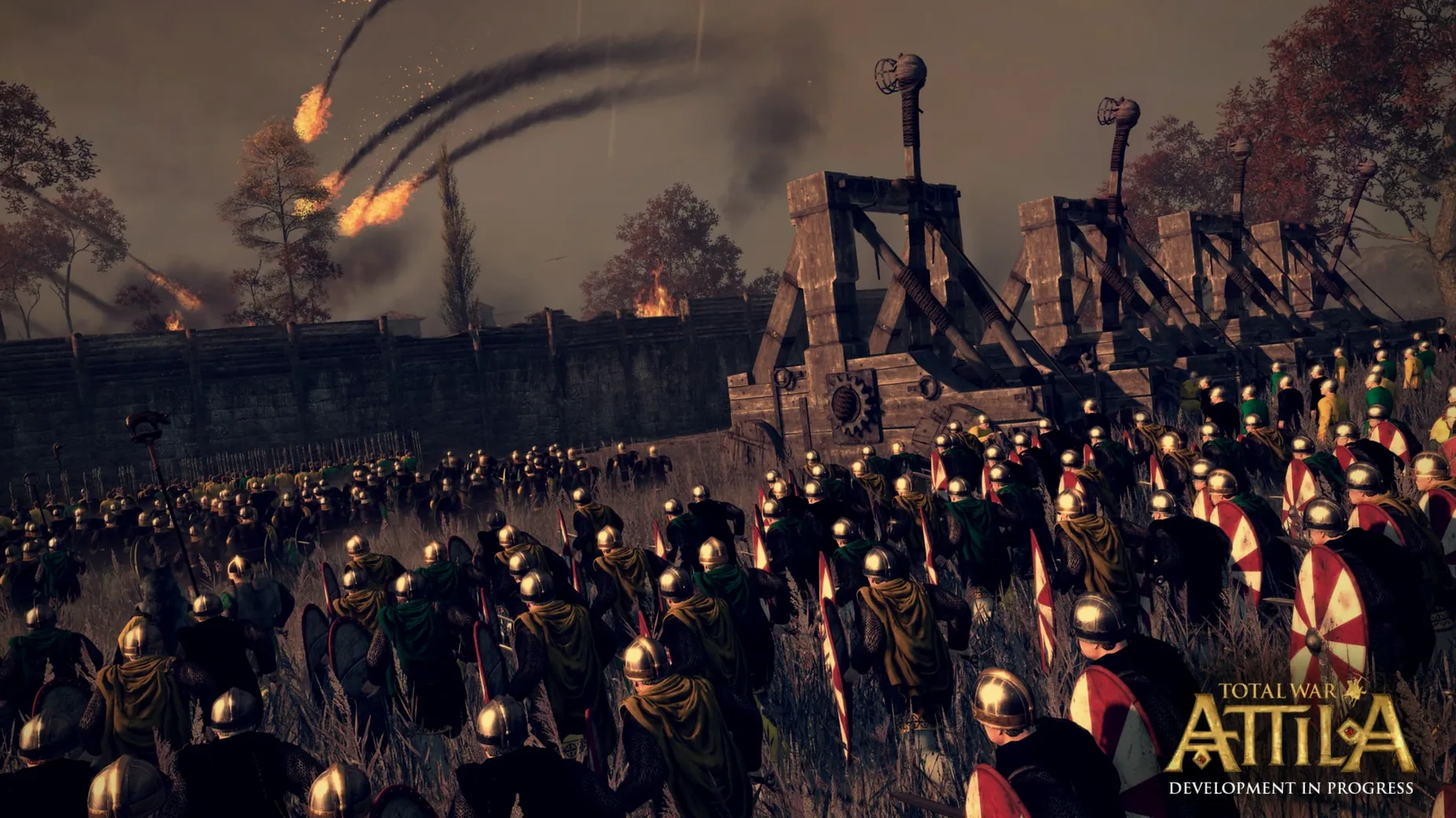
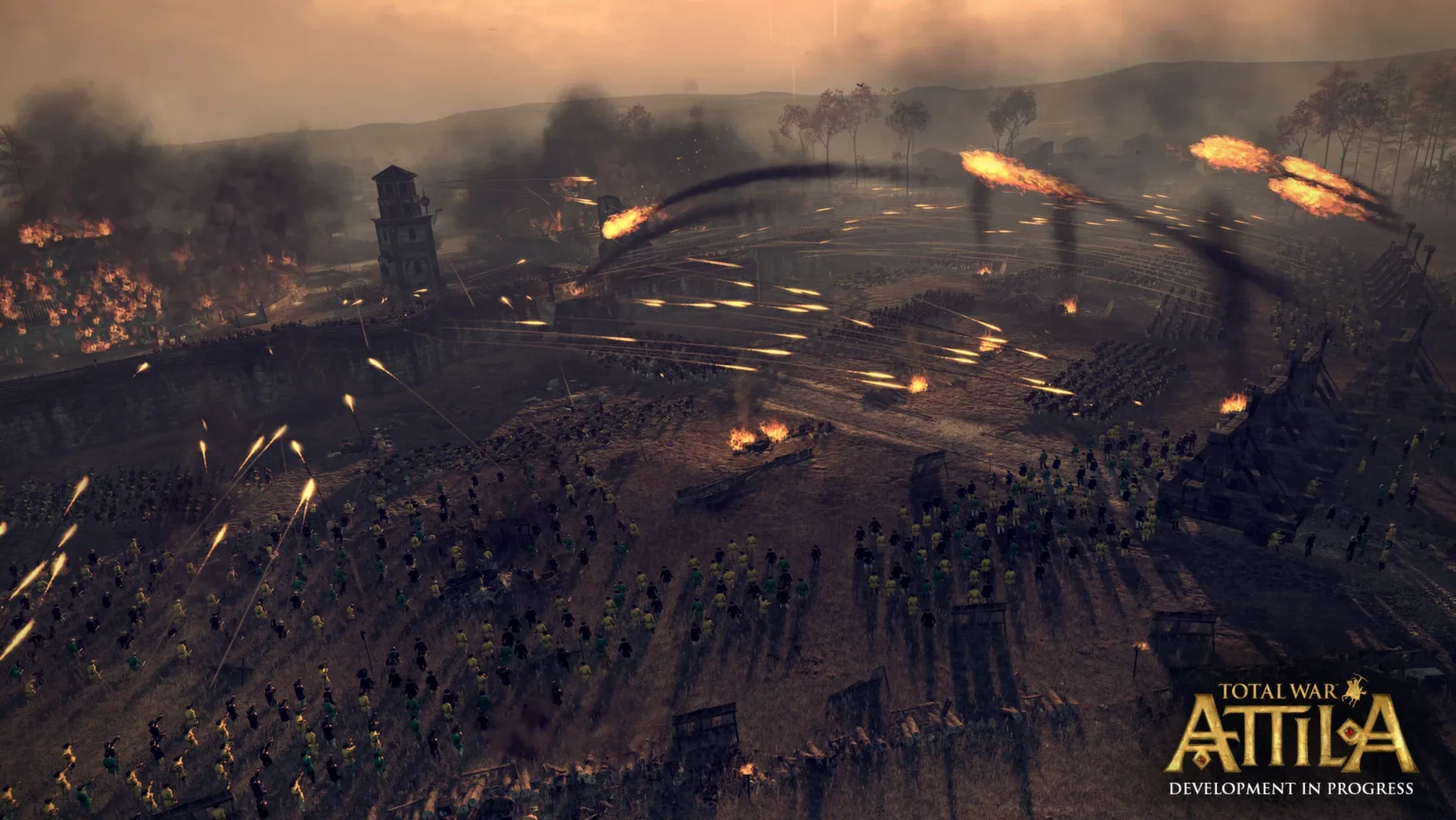
Total War: ATTILA is a grand strategy game that drops you into the year 395 AD, asking a stark question: can you guide a fragile empire through the climate shocks, mass migrations, and political decay that are tearing the classical world apart? This Feral Interactive macOS release wraps the complete experience into a single, weighty package.
- The grand campaign — a turn-based sandbox where you manage family trees, civil administration, and a technology tree that progresses from the late Roman era towards a darker future. Choose to prop up the crumbling Western Roman Empire or forge a new power from one of the eastern kingdoms.
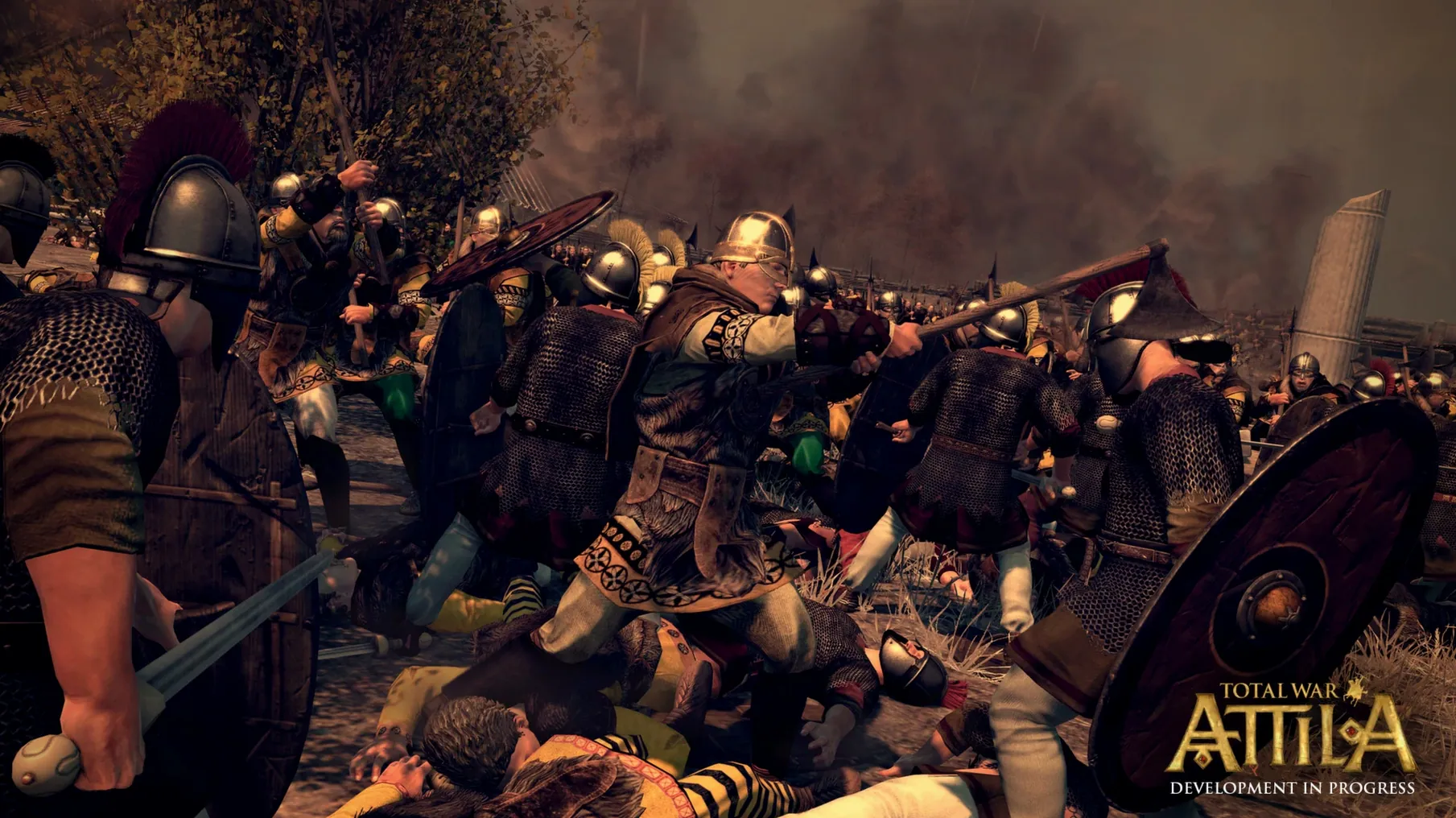
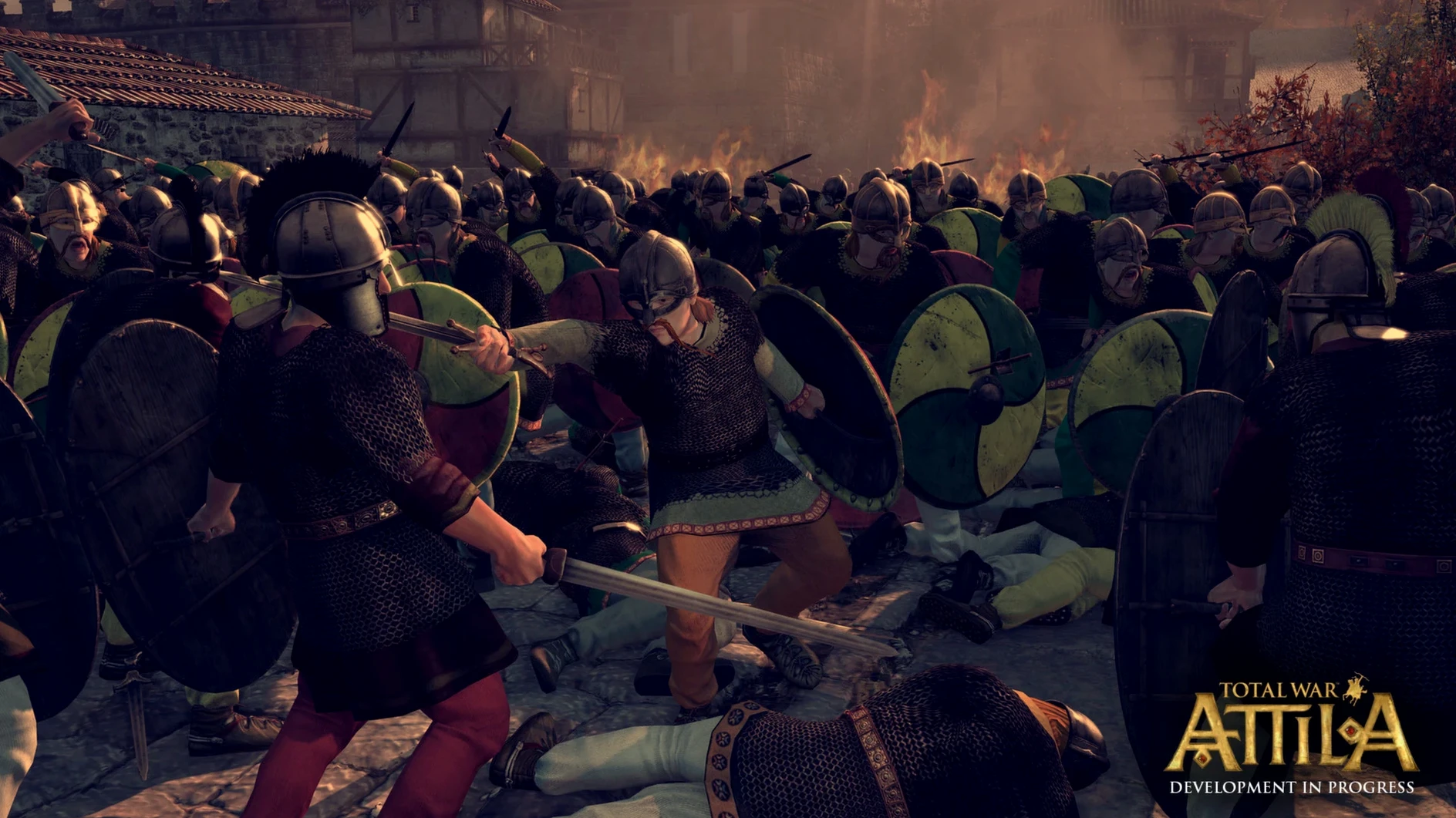
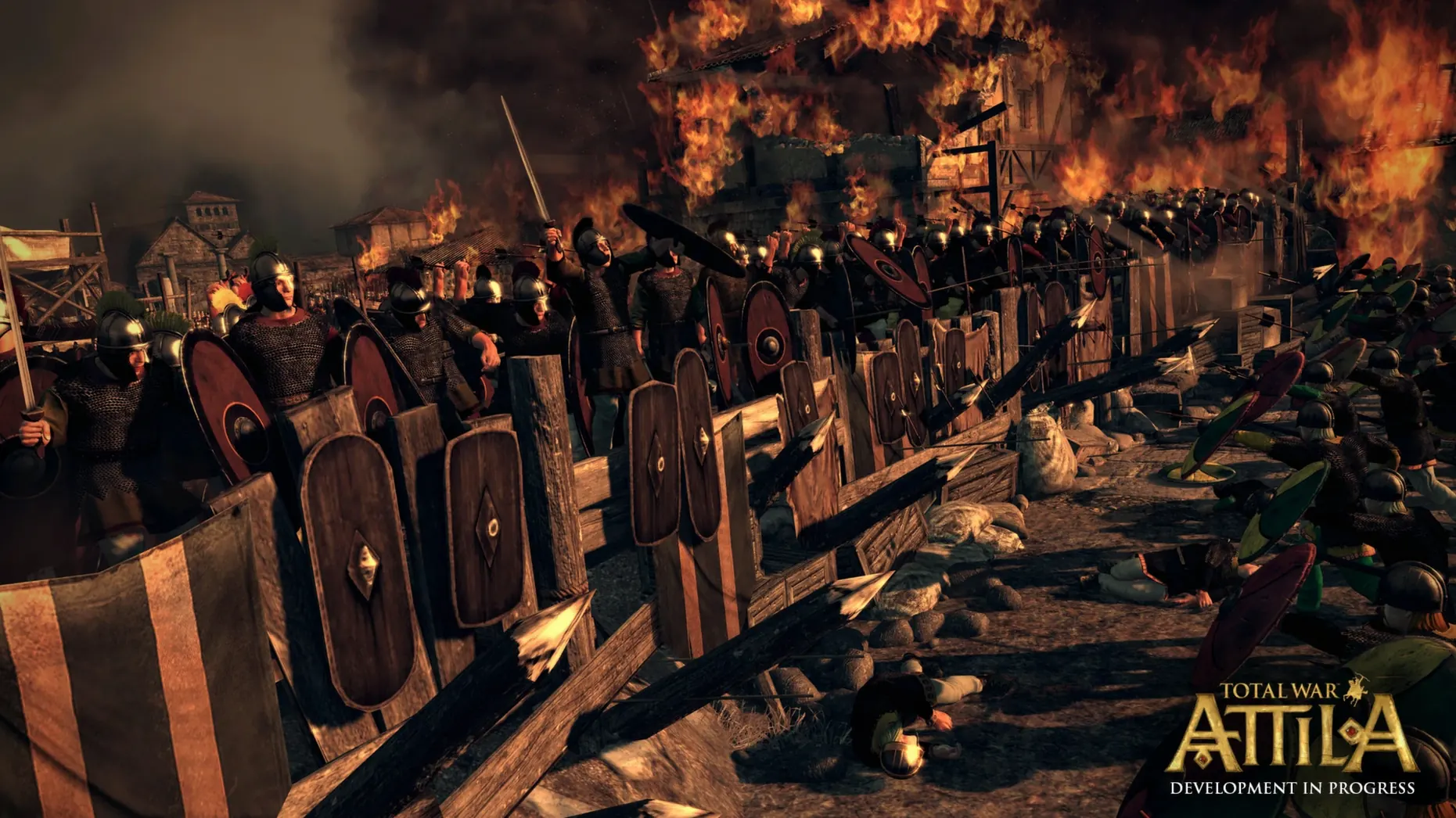
- Real-time tactical battles — when armies meet, you command thousands of soldiers on the field. Fire spreads dynamically through settlements, letting you burn gates, destroy buildings, and use the landscape itself as a weapon.
- The political system — a web of governors, generals, and family members who scheme for influence. Their loyalty shapes your campaign as much as any invading horde.
- An apocalyptic mood — the game charts the collapse of civilization itself, with food shortages, plague, and the relentless pressure of displaced peoples forcing hard choices every turn.
- Native Apple Silicon support — the modern macOS build runs directly on M1, M2, and A18 Pro chips, delivering the improved performance and UI scaling needed for these sprawling battlefields.
Everything sits together in a single 33 GB install. The interface scales cleanly on high-resolution displays, and the game speaks your choice of nine languages—including English, Russian, and Polish—so you can focus on the strategy rather than the setup.
A sunlit empire-builder compared with darker intrigue
Mac grand strategy fans usually weigh this one against Total War: ROME II, Crusader Kings III, and occasionally Civilization VI. They share a genre but not a personality.
Total War: ROME II feels like empire-building in sunlight. The campaign map is more optimistic, the factions start from a position of strength, and you spend your turns expanding. ATTILA flips that. You begin with an overstretched Western Roman Empire already on fire—literally, in some provinces—and the question isn’t how far you can conquer, but what you can hold. The climate-change mechanic and the migrating horde factions create a pressure ROME II never quite builds. If ROME II is a game about glory, ATTILA is a game about survival, and the mood difference alone justifies having both on your drive.
Crusader Kings III does family politics with more depth—seduction schemes, dynastic marriages, and lunatic uncles who somehow inherit a duchy. ATTILA’s political system is simpler but tied more tightly to the battlefield. A disloyal general in Crusader Kings III might plot against your heir; in ATTILA, that same general is leading three legions on the Danube frontier when he decides to rebel. The stakes feel more immediate. What Crusader Kings III does with character, ATTILA does with atmosphere: the map darkens, crops fail, and the soundtrack hums with dread. They scratch different itches.
Civilization VI is the odd comparison, but people ask. Both are turn-based, both have tech trees. Civilization, though, is a board game at heart—tile yields, district adjacency, a victory screen. ATTILA’s campaign layer is a simulation of decline, not a race to space. The battles aren’t abstracted into unit icons bumping into each other; you zoom right into the grass and watch your cavalry wheel around a burning settlement. If you want a pure strategy puzzle, Civilization fits. If you want to feel history crumbling under your hands, ATTILA is the call.
Native Apple Silicon support eliminates the Rosetta penalty
Does it run natively on Apple Silicon, or is it emulated? The current macOS build includes native ARM support. On an M1 or later chip, the game runs directly—no Rosetta layer—and the performance gains show most clearly in large siege battles where fire effects and unit counts used to choke older Macs. A 2024 Mac mini with an M4 chip handles a full-stack army engagement smoothly, with UI elements scaled correctly for high-DPI displays.
Is the campaign too punishing for someone who only played Shogun 2? The learning curve is steep, but it is steep by design, not by accident. The Western Roman Empire campaign is famously brutal, and the game tells you that upfront. Start as the Sassanid Empire or one of the eastern factions if you want to learn the religion, sanitation, and food systems without simultaneously fighting five wars. The tooltips are thorough, and the UI scaling improvements in this version make reading those tooltips less of a squint.
Does the Mac version support the same mods as Windows? Many of the popular Steam Workshop mods work on macOS, particularly those that alter unit stats, campaign AI, or textures. Overhauls that rely on external script extenders can be hit or miss—worth checking the mod’s discussion page if it’s a dealbreaker. The file structure mirrors the Windows version closely, so manual installation of .pack files into the data folder is straightforward once you locate the app bundle.
A Workflow: Surviving the First Ten Turns as the Western Roman Empire
This is the campaign everyone talks about, and for good reason. You control sixty-plus settlements, but your treasury is bleeding, public order is collapsing, and several frontier provinces are already under siege. Here is a turn-by-turn plan that keeps the empire breathing long enough to fight back.
Turn one: audit the empire. Open the province panel and sort by public order. Identify the three worst provinces—usually in Gaul or Britain. Demolish any churches in those provinces immediately; you need the income more than the religious pressure, and you can rebuild later. Set the tax rate to its lowest level empire-wide. The short-term revenue hit is less damaging than the rebellions you are about to prevent.
Turns two through four: consolidate the armies. You have legions scattered from Hispania to the Middle East. Pull the two northernmost field armies back towards Mediolanum. Abandon any settlement in Britain that lacks walls—the garrison cannot hold, and the army is needed in Italy. It feels wrong to retreat, but the empire’s survival depends on a defensible core. Use your fleet to move troops across the Mediterranean; sea travel is faster and safer than marching through hostile territory.
Turns five through eight: stabilise the heartland. Focus all construction on food-producing buildings in Italia and North Africa. A starving capital triggers cascading public order penalties. Appoint governors with the highest cunning stat to your food provinces—cunning governors boost agricultural output. Check the family tree and secure a marriage alliance with the Eastern Roman Empire; they will not send armies, but the diplomatic bonus reduces the chance of a two-front war while you handle the west.
Turns nine and ten: pick one fight. By now, a horde faction—often the Visigoths—will have settled near your borders. Do not chase them. Fortify the nearest walled city, park a full stack inside, and let them siege it. A defensive battle with flaming arrows and boiling oil can destroy an invading army more efficiently than any open-field engagement. Once the horde breaks, you have a short window to rebuild before the
Version 1.6.1 brings the game fully onto modern Mac hardware with a rewritten engine layer. The headliner is native Apple Silicon support, which means the game no longer runs through Rosetta translation on M-series chips.
- Native Apple Silicon support for M1, M2, and A18 Pro processors.
- Improved performance across all supported hardware, especially in large-scale battles with fire and particle effects.
- UI scaling that adapts properly to high-resolution Retina displays.
- macOS 15.7 or later
- Apple M1, Apple A18 Pro, or better processor
- 8 GB RAM
- 33 GB free disk space
Questions I keep hearing
Does Total War: ATTILA for Mac include the real-time battles?
Yes, it combines turn-based campaign management with large-scale real-time tactical battles where you command thousands of troops directly.
Can I play as the Western Roman Empire?
Absolutely. You can lead the Western Roman Empire through its decline or build up an eastern kingdom, each with its own political and military challenges.
Questions from the class 0
Sign in or join the class to ask a question.
Nobody has asked anything yet. If you have used it on a real job, say what the file did.
Also on the Games shelf
The whole Games shelf Total War: PHARAOH DYNASTIES
Rewrites a Bronze Age grand strategy game with four new cultures and deeper court politics.
 Total War: WARHAMMER II
 Tower of Babel: Survivors Of Chaos
Survives monster waves and reshapes your build with every piece of gear that drops.
 Timberborn
Commands a colony of beavers to reshape rivers and build layered wooden cities.
 Tropico
Governs a scattered archipelago, balancing promises, power lines and your Swiss bank account.
 Thronefall
Builds a compact base by day and defends it by night in stripped-back tactical battles.
 Two Point Museum
Curates exhibits, designs gift shops and sends experts on expeditions to find new treasures.
 The Sims 4
Sculpts characters, builds homes, and lets their little lives unfold around you.