 ASPNetWorld

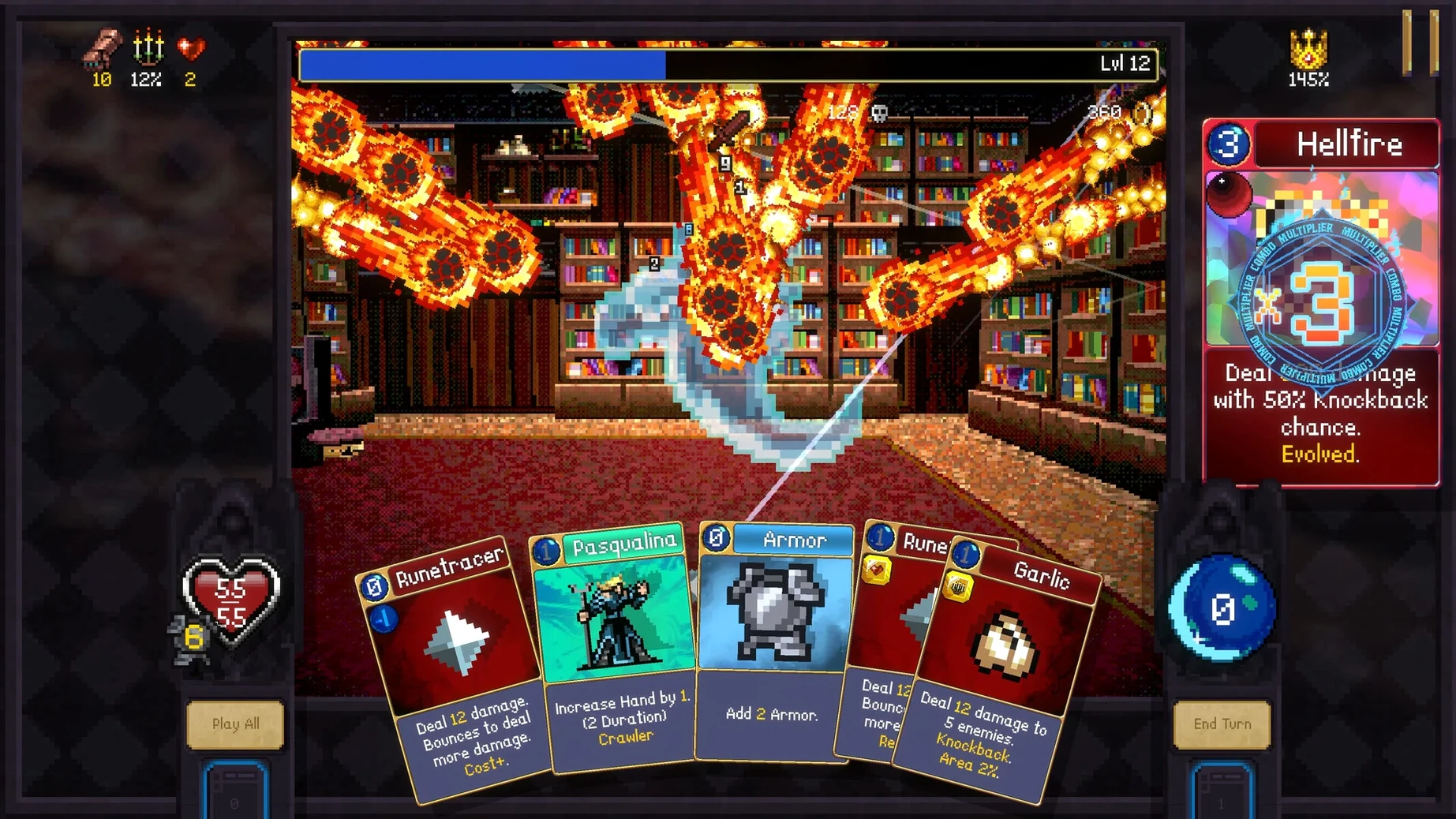

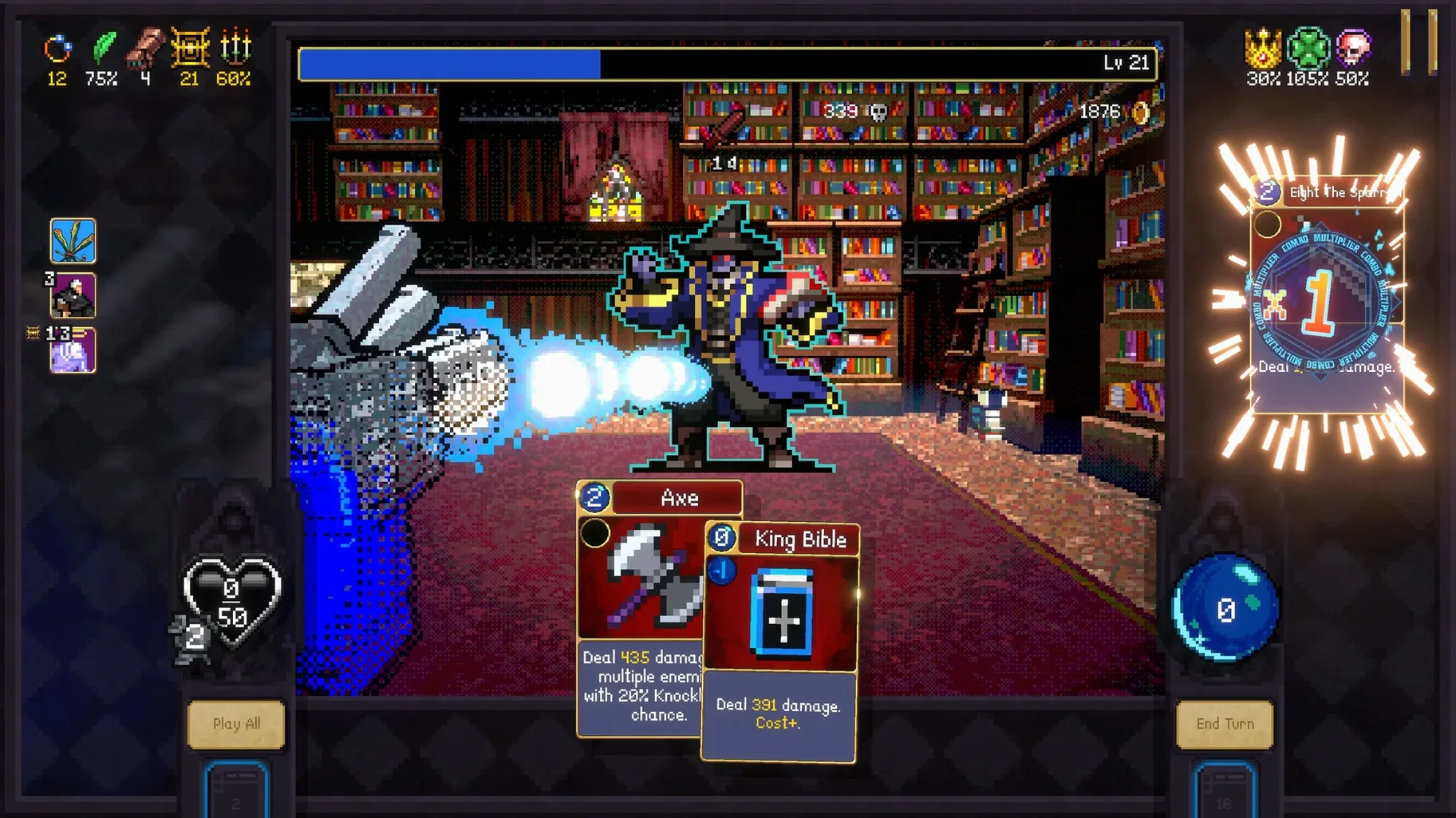
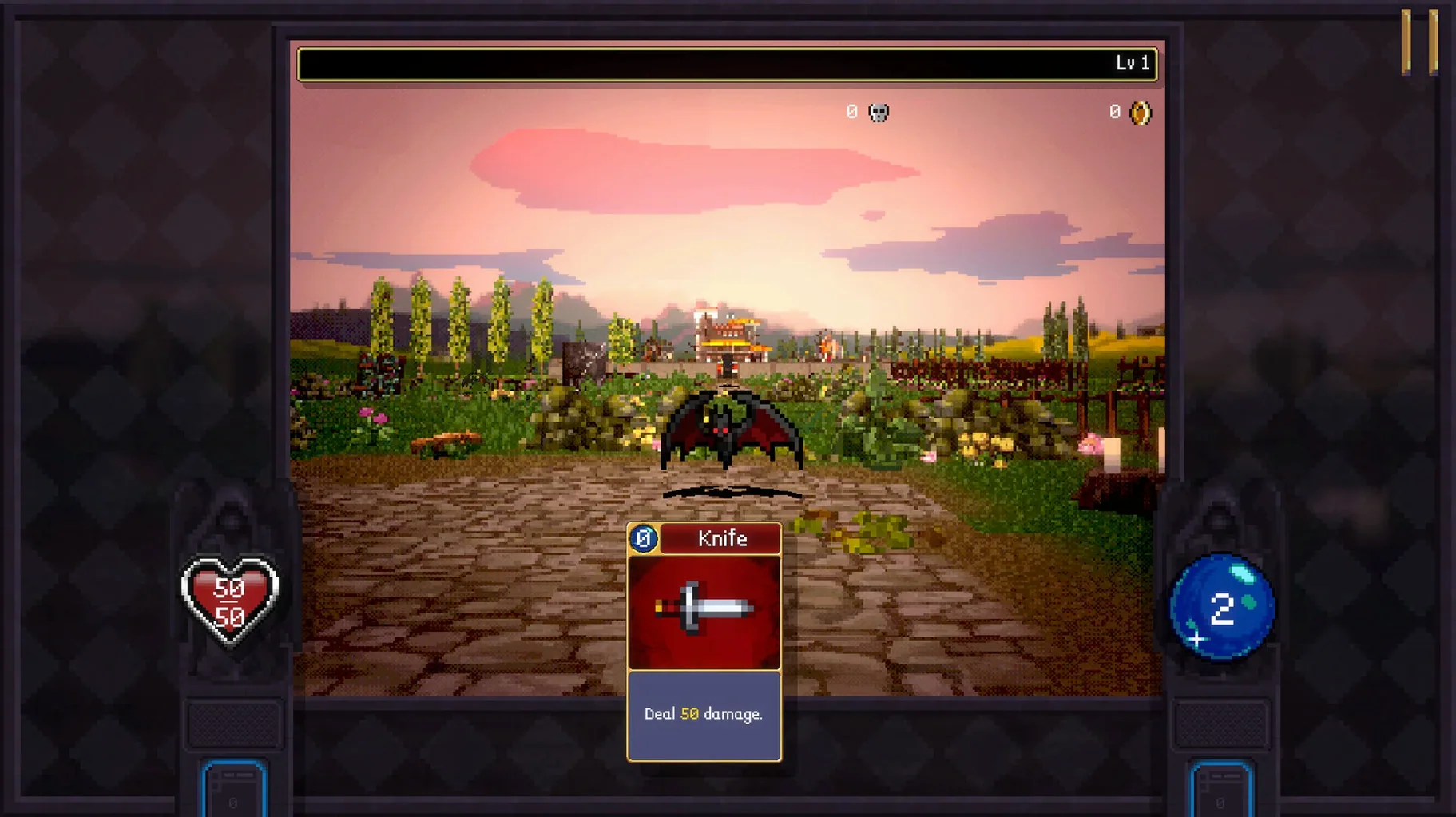
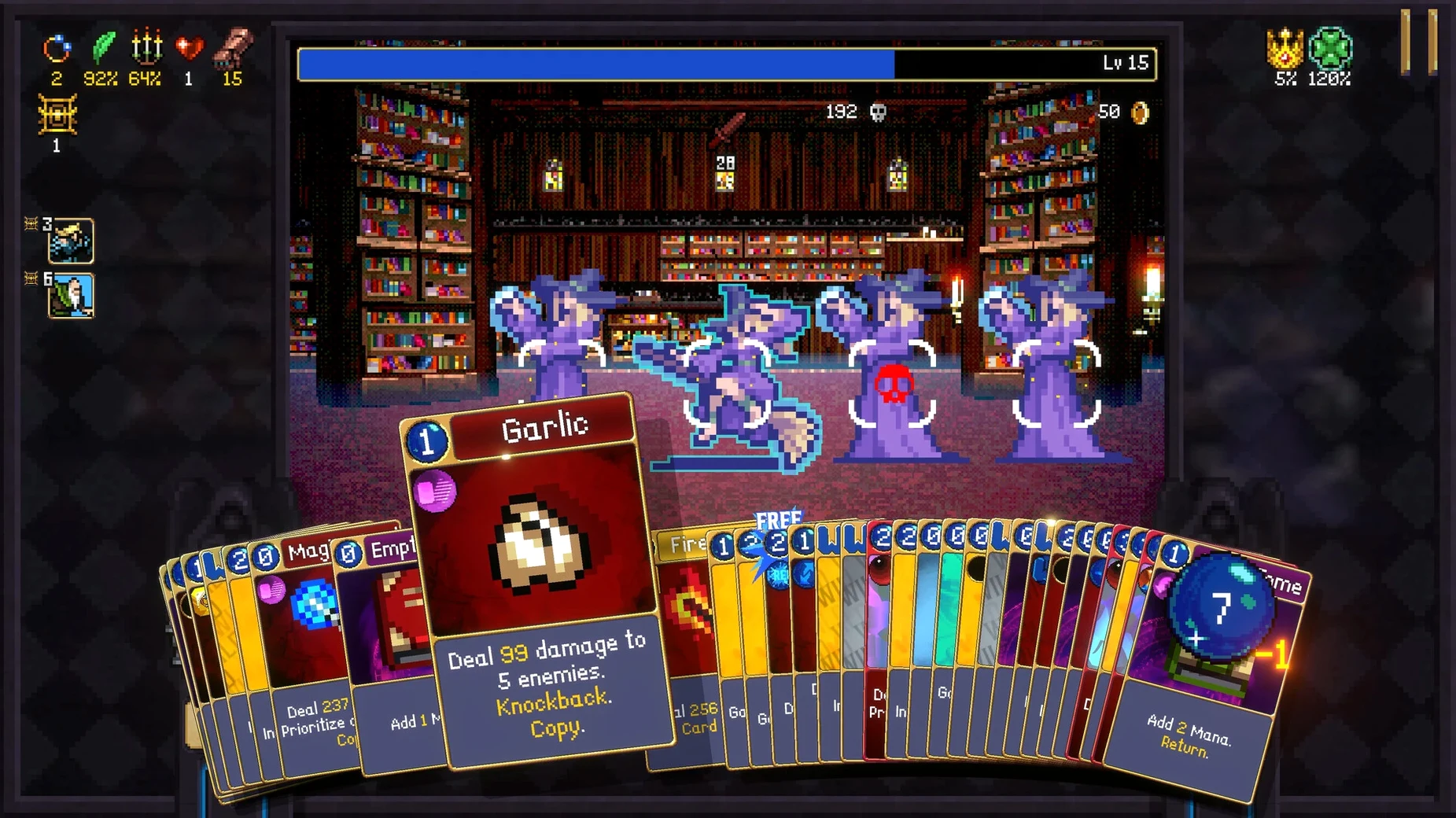
You've just drawn a hand full of fangs, a couple of rusty blades, and a Joker. The dungeon room ahead has a sarcophagus in the corner and a chest sitting smugly against the far wall. You play the Joker first — it's a Turbo Wildcard, so it links anything — then snap two bite cards onto it, then a sword, then another bite. The combo counter ticks to five, a skeleton crumbles, and the chest bursts open, spilling gems and a shiny new cleaver upgrade into your deck. That's the minute-to-minute rhythm: explore, break things, chain cards, and try to keep the run alive long enough to see what absurd 20-card combo feels like.
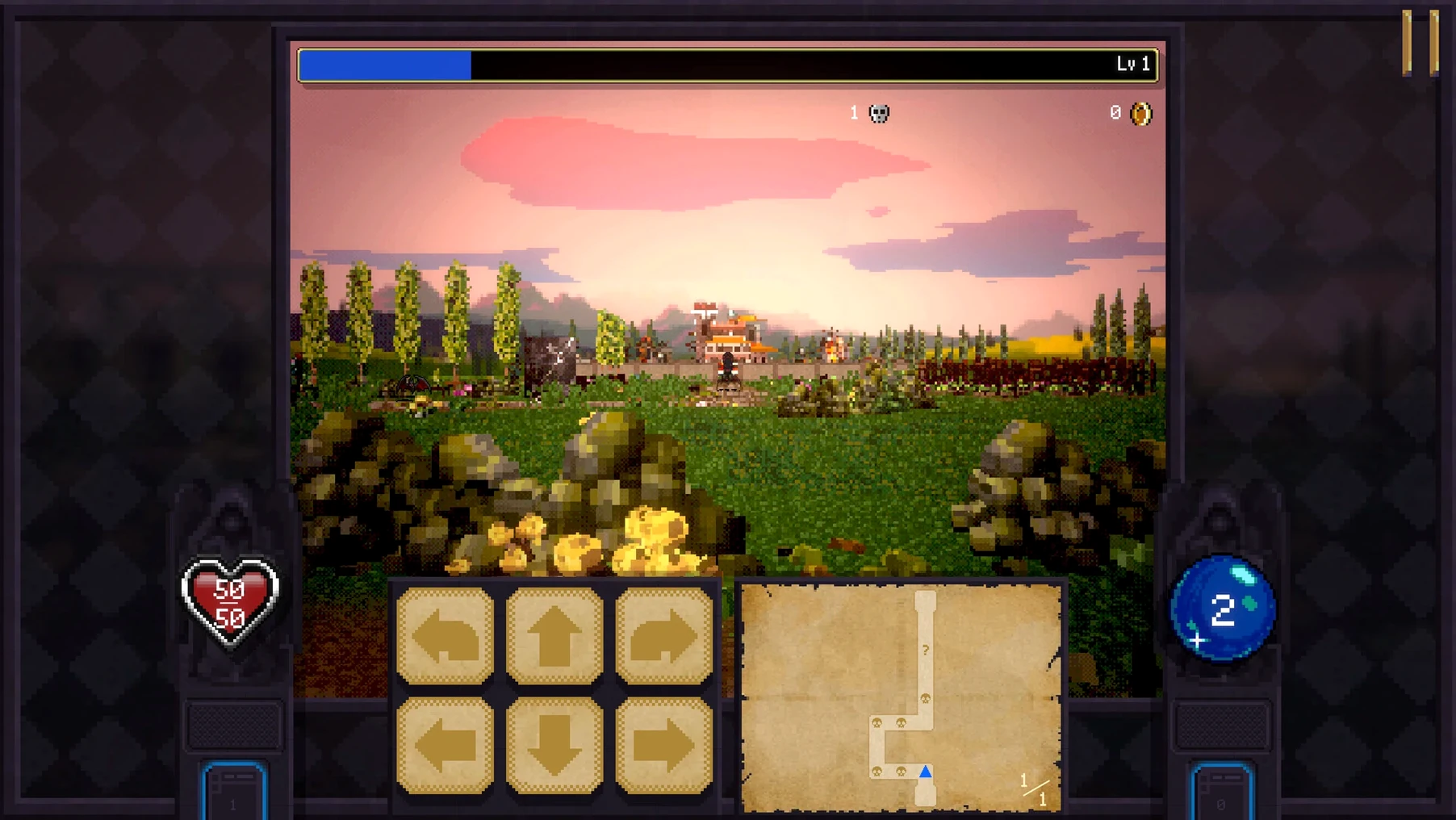
Each run drops you into a dungeon with walls that actually matter — you'll peek round corners, find unique treasures, and interact with objects that aren't just scenery. Chests are your best friend. Smash them open and you get power-ups, gems for your cards, and the kind of loot that turns a scrappy deck into a monster-mulching machine. Experience points trickle in as you fight, and levelling up hands you fresh cards to slot into your build. The deck-building isn't about meticulous pre-planning; it's about adapting to what the dungeon coughs up and spotting synergies before the next encounter chews your health bar to nothing.
Weapon upgrades stack in satisfying ways. A basic claw card might gain bleed, then lifesteal, then an extra hit. The real fireworks start when a Joker lands in the middle of your combo chain, letting you stretch sequences to 10, 15, or even 30 cards in a single glorious flourish. It's a spin-off that shares DNA with Vampire Survivors — the same love of escalating chaos — but channels it through turn-based decisions rather than bullet-heaven reflexes.
It rewards thinking a couple of steps ahead, not spreadsheet maths
If you enjoy deckbuilders but find some of them a little too clinical — endless menus, punishing difficulty curves, spreadsheet-grade optimisation — this one lands in a gentler spot. It rewards players who like to think a couple of steps ahead without demanding grand strategy from the first card. The roguelite structure means a bad run never overstays its welcome, and a good run can spiral into the kind of nonsense that makes you grin at the screen.
Vampire Survivors fans will recognise the spirit of the thing even though the mechanics are different. The same gleeful escalation is there, just expressed through card sequencing instead of screen-filling projectiles. Casual roguelite players get a turn-based alternative to twitchy action games, while card game veterans can chase the deeper combo chains that Jokers enable. People who only have twenty minutes here and there will appreciate that a run rarely asks for more than that — and the dungeon exploration gives your eyes something to do between hands.
A Run, Start to Finish
Say you want to build around bite cards and lifesteal. You start by exploring the first few rooms slowly, breaking every chest you find rather than rushing toward the stairs. Gems from those chests go straight into upgrading your basic bite card, and by the third room you've picked up a familiar hero summon who deals bonus damage when your health is full. Now you have a plan: keep the combo chain alive, heal faster than the dungeon hurts you, and let the summoned hero mop up.
Mid-run, you grab a shovel and dig down a level earlier than expected. That's a calculated risk — you're skipping potential upgrades, but the lower floor has tougher enemies that drop more gems. The gamble pays off when a Joker appears in your hand alongside three bite cards. You play two bites, then the Joker, then a third bite and a sword. The chain stretches to seven, your health bar barely moves, and a room full of skeletons collapses. By the final stretch you're deliberately holding cards until the perfect sequence lines up, because a 15-card combo is no longer a fantasy — it's the strategy. The run ends with a treasure room, a new weapon upgrade unlocked for future attempts, and a strong sense that next time you'll dig even earlier.
Playing cards in the wrong order makes the combo fizzle
The combo fizzles out before it starts. This usually means you're playing cards in whatever order they arrive. Check the mana costs before you commit — the game wants you to play them in increasing order. A Joker resets that expectation, so treat it as a bridge card when your hand has awkward gaps.
You keep dying on the second floor. The temptation is to dig down as soon as the shovel appears. Resist it for a run or two. Spend more time on the first floor breaking chests and upgrading core cards. A slightly longer early game makes the lower floors far less punishing.
Your deck feels bloated. Level-up rewards are exciting, but not every card belongs in a focused build. If a new card doesn't feed your combo chain or your chosen damage type, don't let it into rotation. A lean deck draws its best cards more often, which matters more than a big collection of mediocrity.
The game launched on 21 April 2026, bringing the full turn-based deckbuilder to Mac for the first time. This first public build includes all core dungeons, the Joker combo system, and full localisation across twelve languages.
- Tested on macOS Tahoe
- Apple Silicon or Intel Mac
- Tested on Mac mini (2024) with M4
Questions I keep hearing
Is this a direct sequel to Vampire Survivors?
No, it's a spin-off that takes the same universe and reimagines it as a turn-based deckbuilder with dungeon exploration rather than a survival action game.
Questions from the class 0
Sign in or join the class to ask a question.
Nobody has asked anything yet. If you have used it on a real job, say what the file did.
Also on the Games shelf
The whole Games shelf Vampire Survivors
Sends waves of monsters at you while your weapons fire automatically and you simply steer.
Vampire Survivors
Sends waves of monsters at you while your weapons fire automatically and you simply steer.
 Unmourned
 Victoria
Simulates a century of global change through the politics, economics, and diplomacy of your chosen nation.
Victoria
Simulates a century of global change through the politics, economics, and diplomacy of your chosen nation.
 Two Point Museum
Curates exhibits, designs gift shops and sends experts on expeditions to find new treasures.
Two Point Museum
Curates exhibits, designs gift shops and sends experts on expeditions to find new treasures.
 Tropico
Governs a scattered archipelago, balancing promises, power lines and your Swiss bank account.
Tropico
Governs a scattered archipelago, balancing promises, power lines and your Swiss bank account.
 Tower of Babel: Survivors Of Chaos
Survives monster waves and reshapes your build with every piece of gear that drops.
Tower of Babel: Survivors Of Chaos
Survives monster waves and reshapes your build with every piece of gear that drops.
 Total War: PHARAOH DYNASTIES
Rewrites a Bronze Age grand strategy game with four new cultures and deeper court politics.
Total War: PHARAOH DYNASTIES
Rewrites a Bronze Age grand strategy game with four new cultures and deeper court politics.
 Timberborn
Commands a colony of beavers to reshape rivers and build layered wooden cities.
Timberborn
Commands a colony of beavers to reshape rivers and build layered wooden cities.