 ASPNetWorld

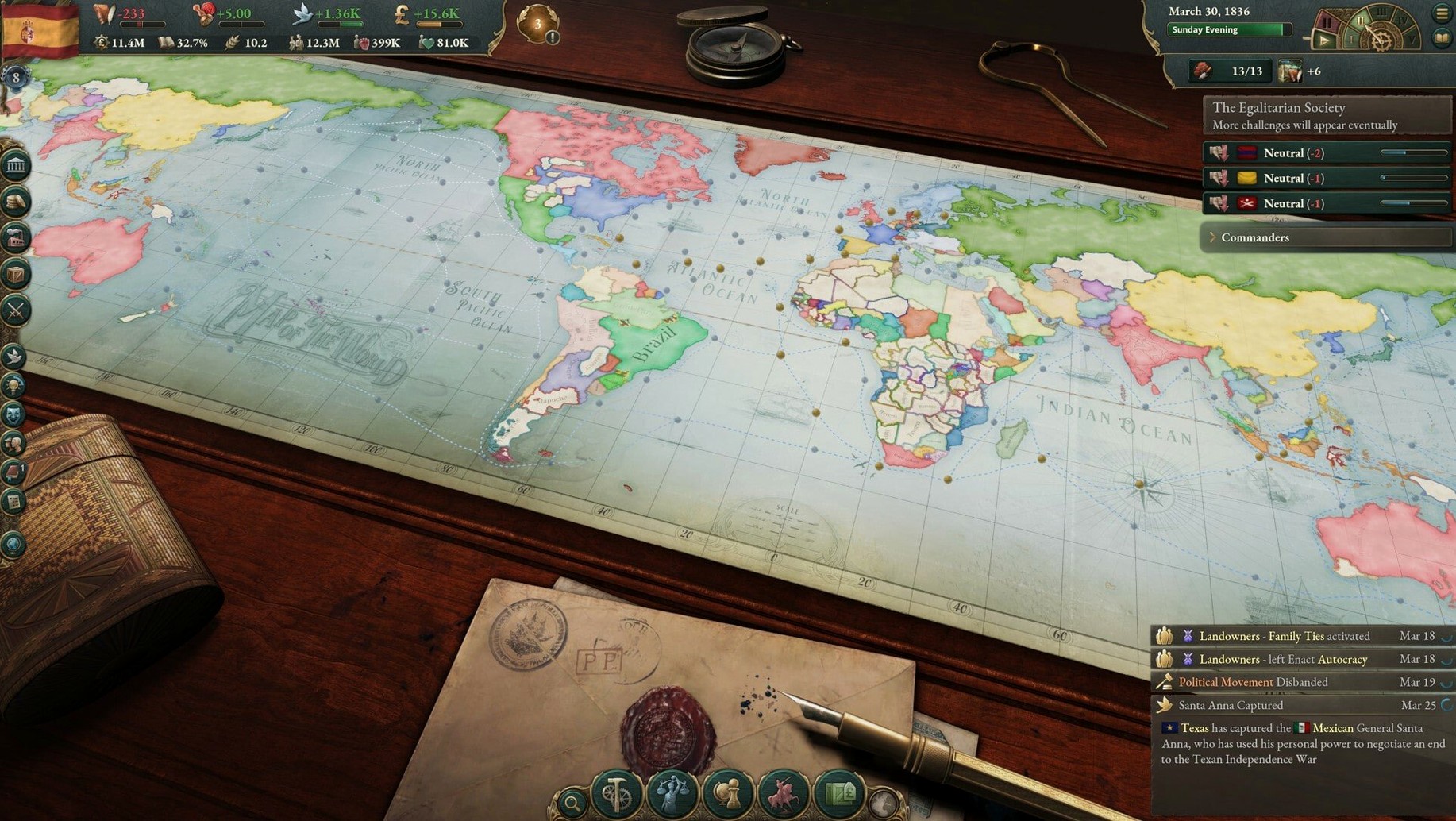
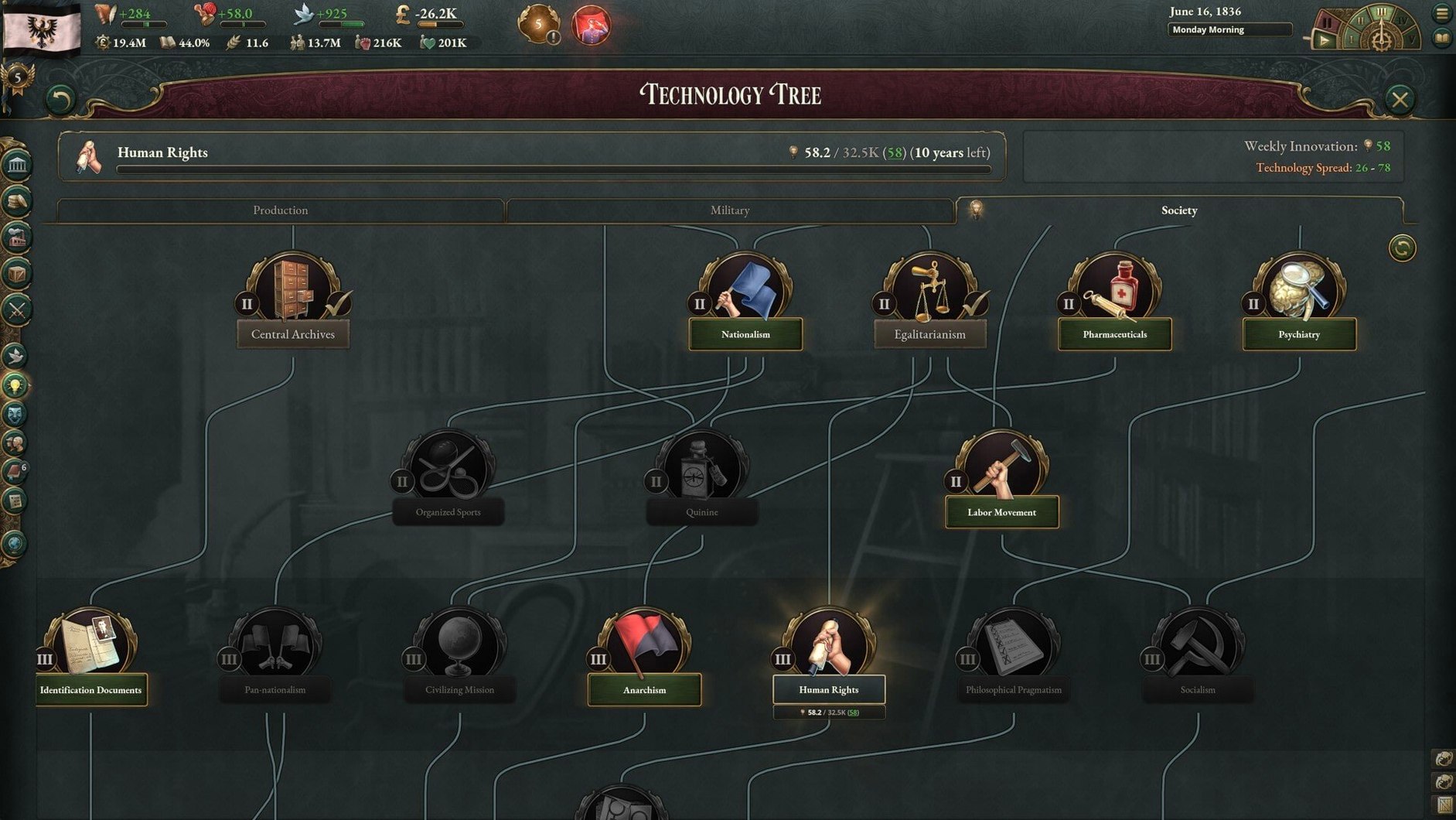
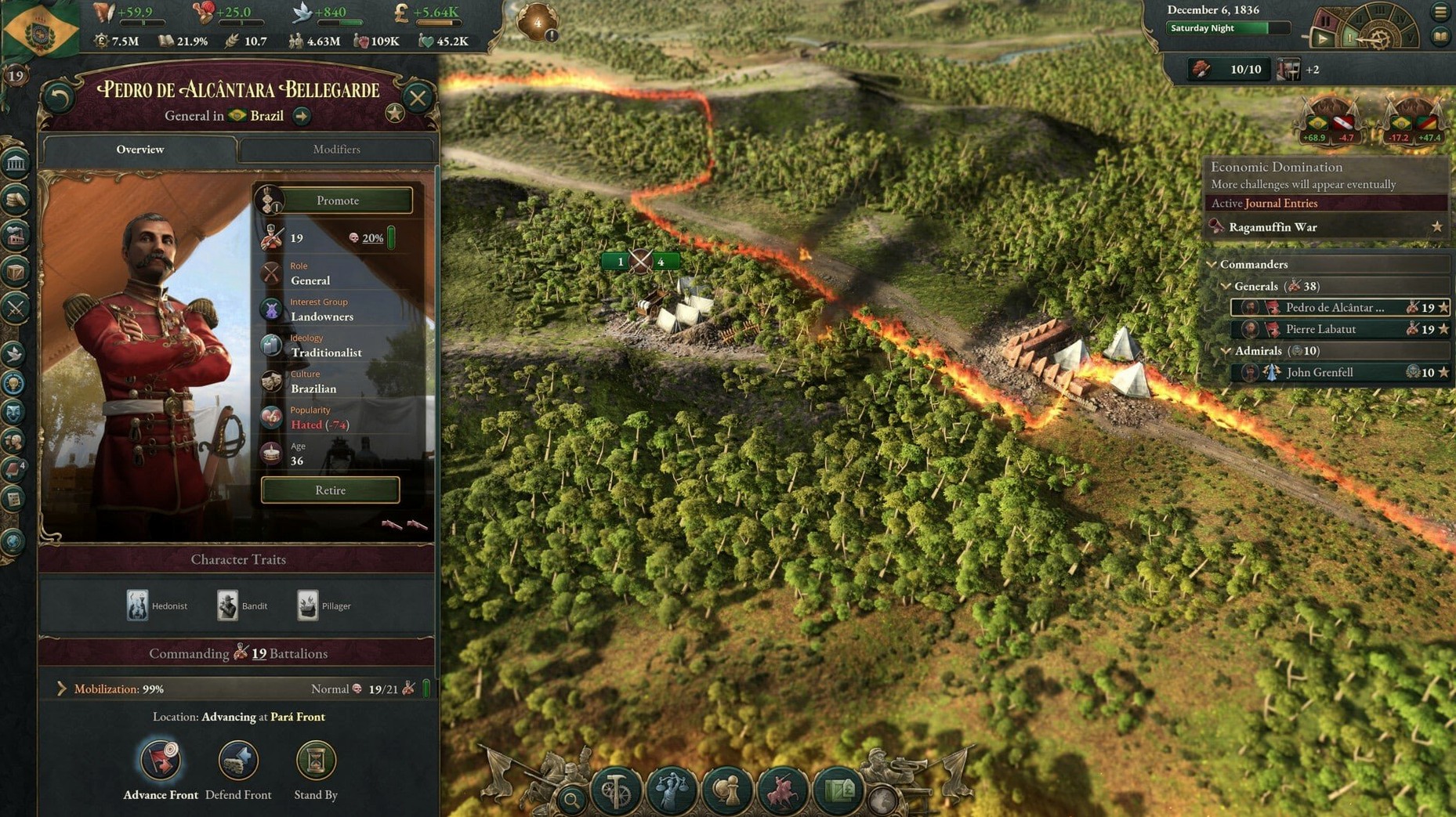
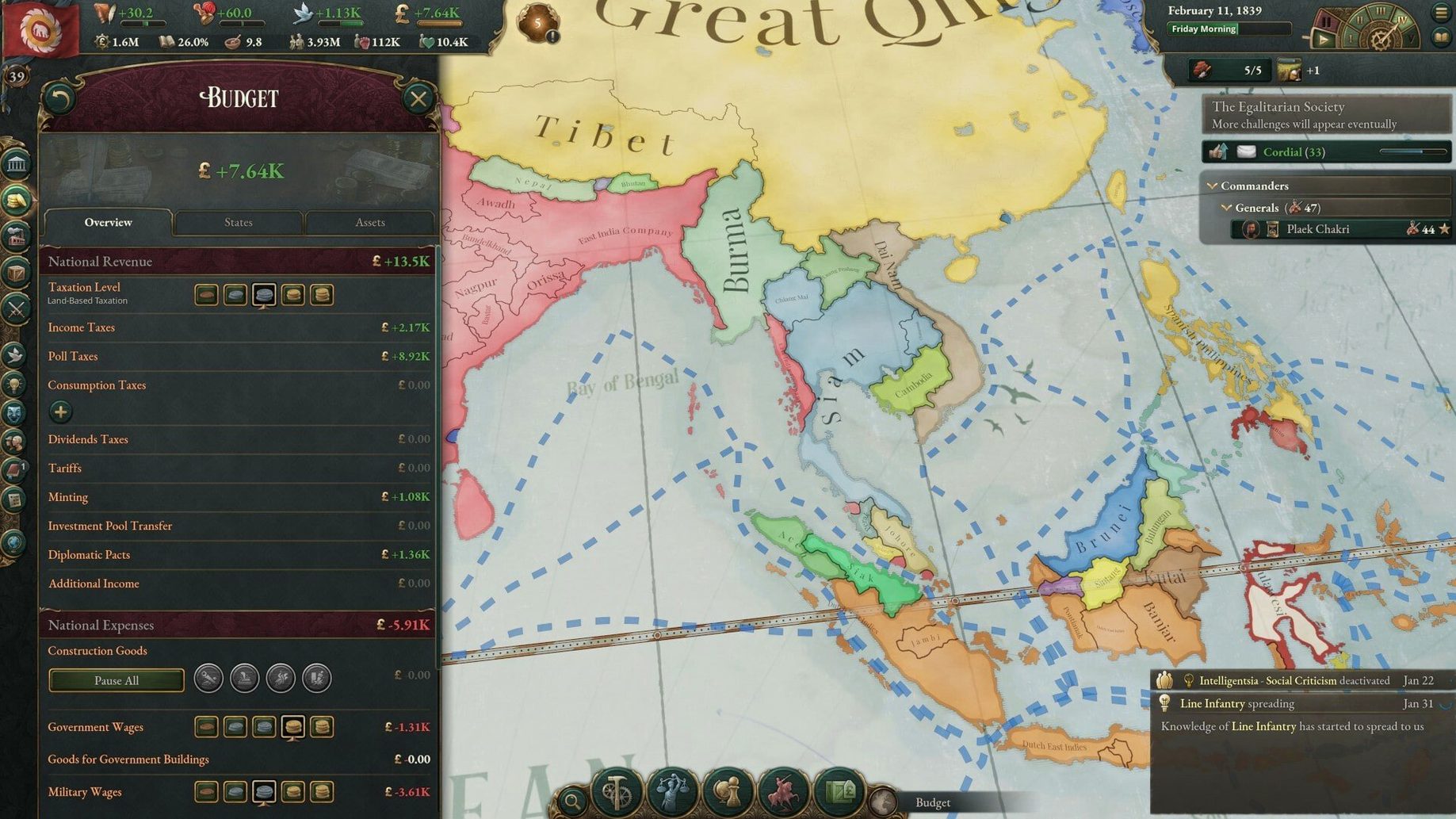
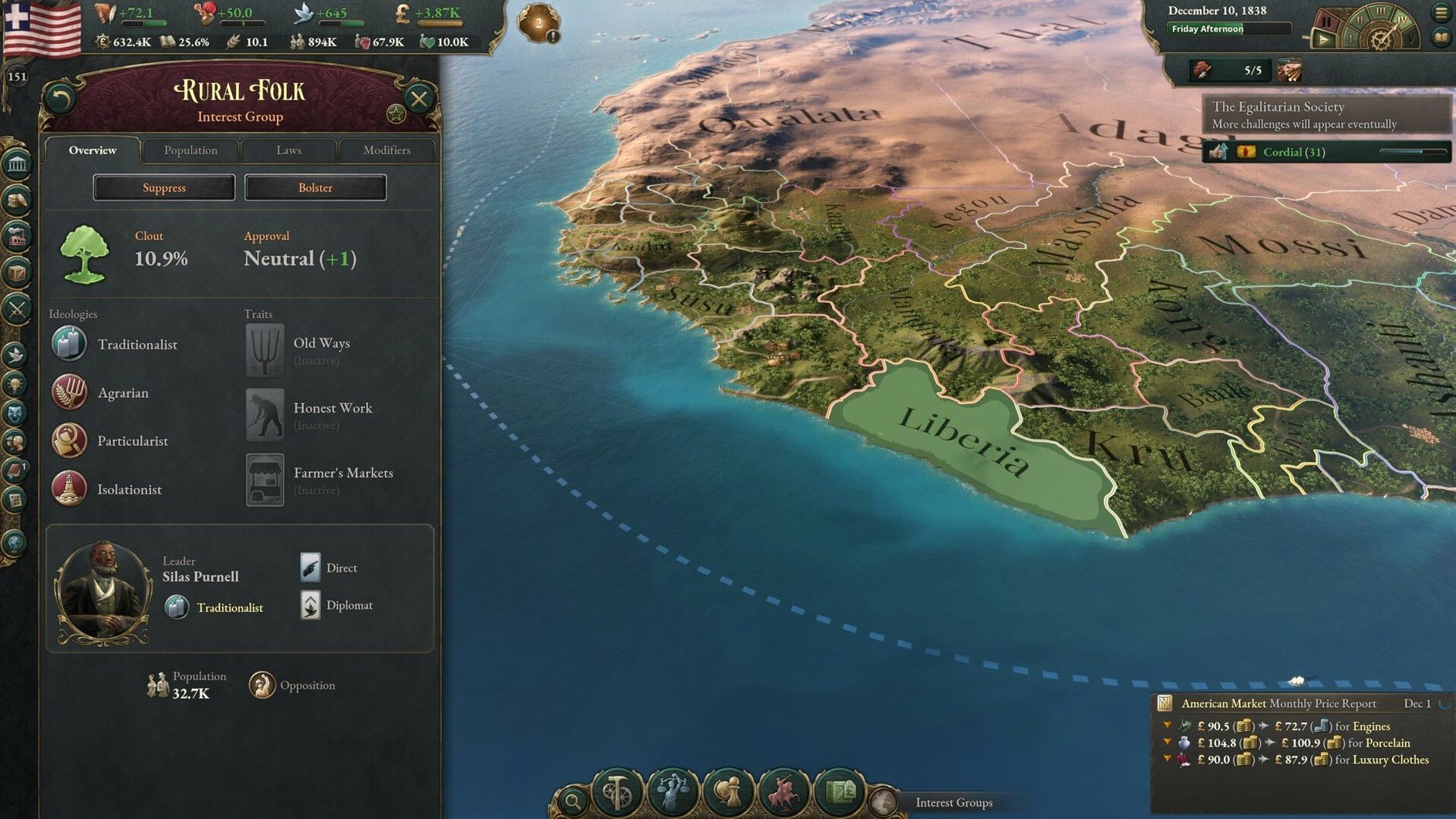
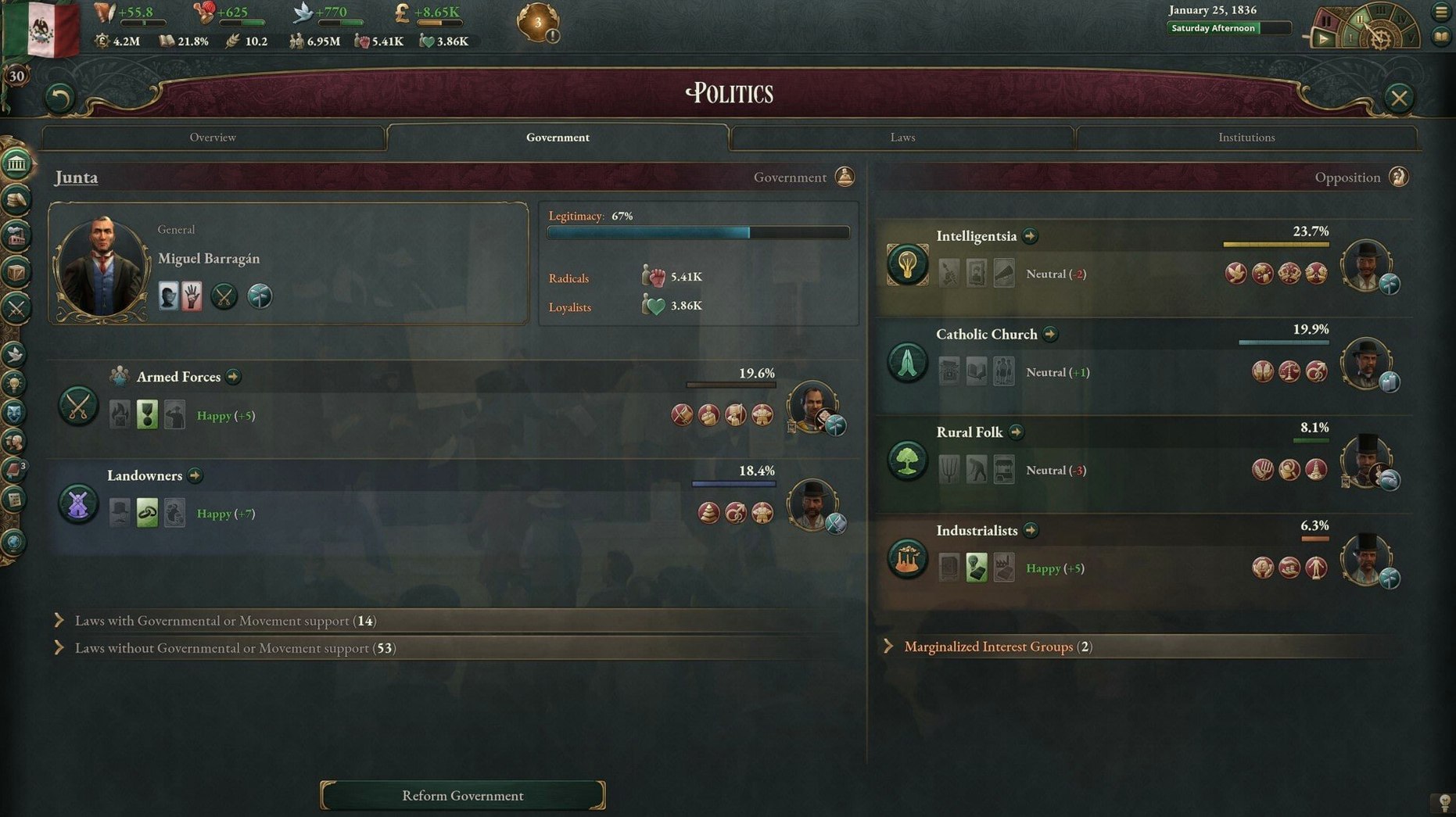
Victoria 3 is a grand strategy game from Paradox Development Studio that simulates a century of global change through the interconnected lenses of politics, economics, and diplomacy, letting you guide any of dozens of nations from 1836 to 1936.
Build an economy that breathes
If your idea of a good time involves fine-tuning import tariffs, growing a fledgling industrial base, and watching the price of grain ripple through your population’s standard of living, this is your sandbox. The economic model ties together trade, taxes, goods regulation, and territorial expansion in a way that rewards patient tinkerers.
Reshape a society from within
Players who love internal politics and gradual reform will find the deepest satisfaction here, steering government changes and constitutional debates that genuinely alter who holds power. It is less about painting the map and more about the quiet battles fought in parliament and the press.
When the pace feels wrong
Someone craving the moment-to-moment command of a real-time tactics game or the personal drama of a character-driven RPG may bounce off Victoria 3. Its rewards sit in spreadsheets, demographic shifts, and the slow burn of a diplomatic play, not in clicking faster than an opponent.
Brisk turns suit the contemplative rhythm on Apple Silicon
On a modern Apple Silicon Mac the simulation turns are brisk rather than blistering, which suits the game’s contemplative rhythm. The hotfix in version 1.13.11 squashed a particularly annoying crash that could fire at the turn of a month when sway offers were left dangling in a diplomatic play, and since then I have not seen a single unexpected quit across several full campaigns. Late-game slowdown is real—once every great power is fielding hundreds of battalions and the trade routes have multiplied, a year takes longer to process—but it is a gentle deceleration, not a slide into sludge. Memory use sits around 5 to 6 GB during a busy 1890s session, so machines with 8 GB of unified memory will feel the pressure if you keep a browser and a music app open alongside it.
The Intel build runs capably on older hardware too, though the fan curve tells the story: sustained play pushes thermals more aggressively, and the month-end tick can pause for an extra beat on a machine with fewer cores. If you have been waiting for a reason to try a Victoria 3 macOS campaign without technical hiccups, the current build is in the calmest state I have experienced since launch.
Shift-click switches every building level in a state at once
Paradox grand strategy games accumulate dozens of tiny interface shortcuts over their patch cycles, and Victoria 3 is no exception. Holding Shift while clicking a production method in a building switches every level of that building in the state at once—a massive time-saver when you are converting a whole industrial belt from basic steel to the Bessemer process. Right-clicking a goods icon in the market panel opens the trade routes filter for that exact item, skipping four or five clicks through nested screens.
The Ctrl+Click trick on a diplomatic play notification centres the map on the strategic region in question, which sounds minor until you are juggling three simultaneous plays across Africa and South America. Another quiet gem: dragging a navy from an outliner entry directly onto a sea node orders an immediate patrol, bypassing the fleet detail window entirely. Even the humble pause button on the outliner—the tiny pause icon next to a construction queue—lets you freeze a single building project without pausing the whole economy, useful when you need to redirect funds to a sudden war but do not want to cancel the railway expansion outright.
A session from evening to empire
I start as Sweden in 1836, not because it is powerful but because it is small enough to feel every decision. The first twenty minutes go to surveying the population tab: literacy is decent, the aristocracy clings to political strength, and the peasantry outnumber everyone. I set a national focus to encourage intellectuals and queue up paper mills and a single arms factory—nothing ambitious, just enough to stop importing rifles from Prussia.
By 1845 the budget is wobbling. I raise tariffs on luxury furniture and lower taxes on the middle strata, hoping to boost demand for the clothes my fledgling textile mills are churning out. A diplomatic play flares in Holstein, and I spend ten minutes hovering over the sway screen, weighing whether to back Denmark in exchange for an obligation. I commit, and a short, bloody war teaches me that my navy is a floating embarrassment. The next decade is a quiet scramble to reform education laws, pass a health system, and slowly price the landowners out of government. Somewhere around 1880 I notice emigration has dropped—people are staying—and that tiny victory feels larger than any territorial gain. By 1905 I am a respectable middle power with a humming steel industry and a colonial toehold in West Africa, and I close the laptop aware that I have barely touched the military side of the game.
An economic historian’s laboratory
Imagine a university lecturer preparing a module on industrialisation who wants students to feel, rather than merely read about, the ripple effects of a tariff change. She fires up a campaign as Japan, isolates the economy from the world market, and screenshots the standard-of-living map in 1850. Then she reloads the same save, opens trade with the European powers, and watches the price of silk climb while the cost of imported tools undercuts the domestic artisan workshops. Within a decade the map tells a different story: higher GDP but rising inequality, and a nascent industrial working class beginning to agitate in the capital. The before-and-after comparison, pulled from a single evening’s play, gives her a teaching aid no textbook graph can match. For that kind of user—someone who treats the Victorian era as a system to be poked and prodded—each session becomes a reusable case study, and the game’s stable performance on a MacBook means she can run it during a lecture without crossing her fingers.
That same user might discover Victoria through a search for a Victoria 3 mac torrent out of sheer curiosity about the historical model, and then find herself still tinkering with Meiji-era tax policy at midnight. The simulation is forgiving enough to reward that kind of unstructured exploration, and the macOS build, particularly on Apple Silicon, hums along quietly while she experiments.
Version 1.13.11 is a tidy stability and balance pass. Most notably it squashes a month-turn crash tied to pending sway offers in diplomatic plays, nudges Banana Plantation output to sit better alongside other cash crops, and reworks the available outcomes for the A Doctrine of Iron and Steel event.
- Architecture: Apple Silicon (ARM) and 64-bit Intel
- Languages: English, French, German, Spanish, Polish, Portuguese, Russian, Simplified Chinese, Korean, Japanese, Turkish
- Voice / audio language: Music
Questions I keep hearing
Does Victoria 3 run natively on Apple Silicon Macs?
Yes, the build includes native support for both ARM (Apple Silicon) and 64-bit x86 architectures, so it runs without Rosetta on M-series Macs and has been tested on a Mac mini 2024 M4 with macOS Tahoe.
Questions from the class 0
Sign in or join the class to ask a question.
Nobody has asked anything yet. If you have used it on a real job, say what the file did.
Also on the Games shelf
The whole Games shelf Vampire Survivors
Sends waves of monsters at you while your weapons fire automatically and you simply steer.
Vampire Survivors
Sends waves of monsters at you while your weapons fire automatically and you simply steer.
 Vampire Crawlers: The Turbo Wildcard from Vampire Survivors
Deals a roguelike card game where you chain fangs, blades, and wildcards to clear dungeon rooms.
Vampire Crawlers: The Turbo Wildcard from Vampire Survivors
Deals a roguelike card game where you chain fangs, blades, and wildcards to clear dungeon rooms.
 Unmourned
 Two Point Museum
Curates exhibits, designs gift shops and sends experts on expeditions to find new treasures.
Two Point Museum
Curates exhibits, designs gift shops and sends experts on expeditions to find new treasures.
 Tropico
Governs a scattered archipelago, balancing promises, power lines and your Swiss bank account.
Tropico
Governs a scattered archipelago, balancing promises, power lines and your Swiss bank account.
 Tower of Babel: Survivors Of Chaos
Survives monster waves and reshapes your build with every piece of gear that drops.
Tower of Babel: Survivors Of Chaos
Survives monster waves and reshapes your build with every piece of gear that drops.
 Total War: PHARAOH DYNASTIES
Rewrites a Bronze Age grand strategy game with four new cultures and deeper court politics.
Total War: PHARAOH DYNASTIES
Rewrites a Bronze Age grand strategy game with four new cultures and deeper court politics.
 Timberborn
Commands a colony of beavers to reshape rivers and build layered wooden cities.
Timberborn
Commands a colony of beavers to reshape rivers and build layered wooden cities.