 ASPNetWorld

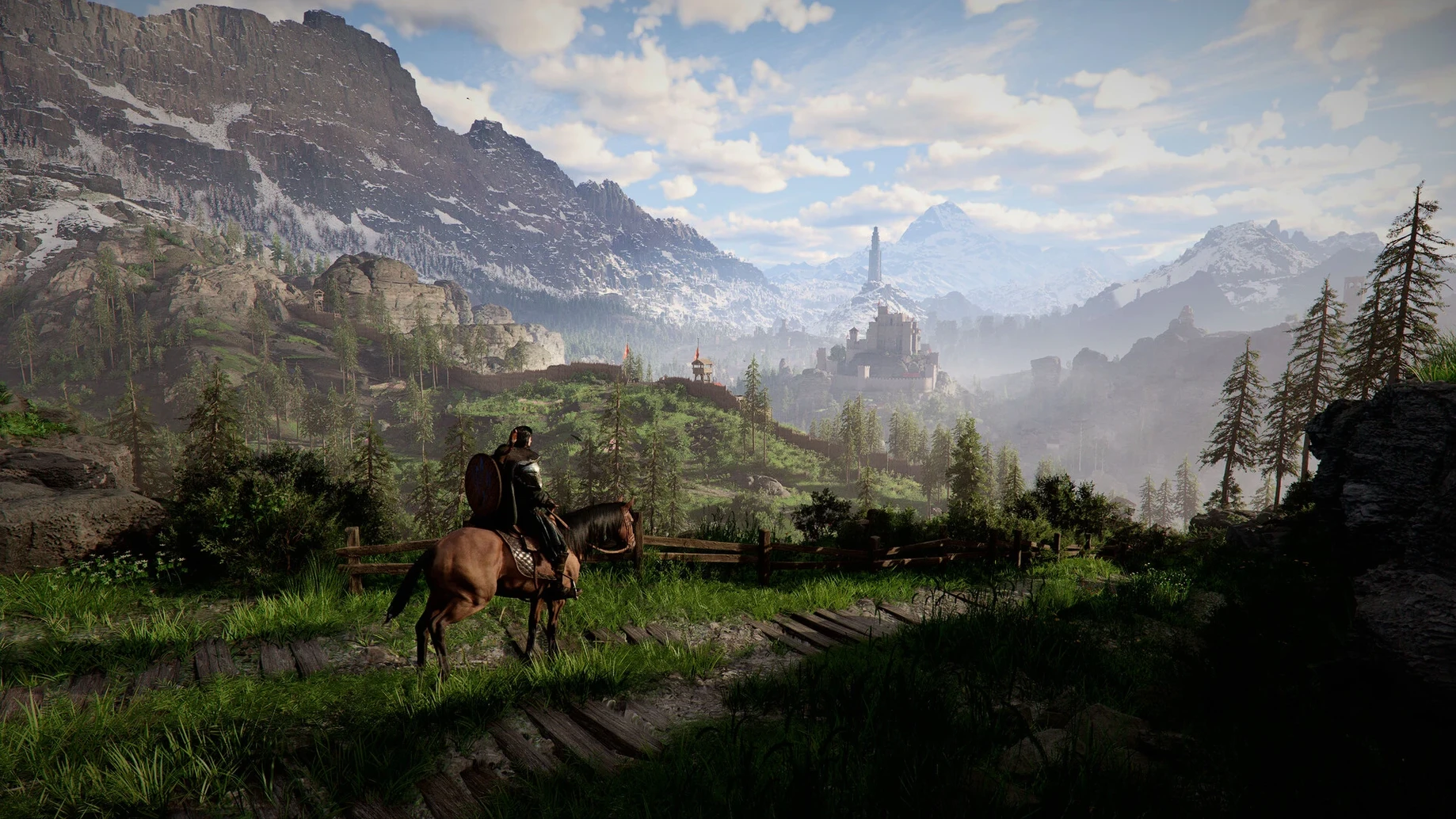
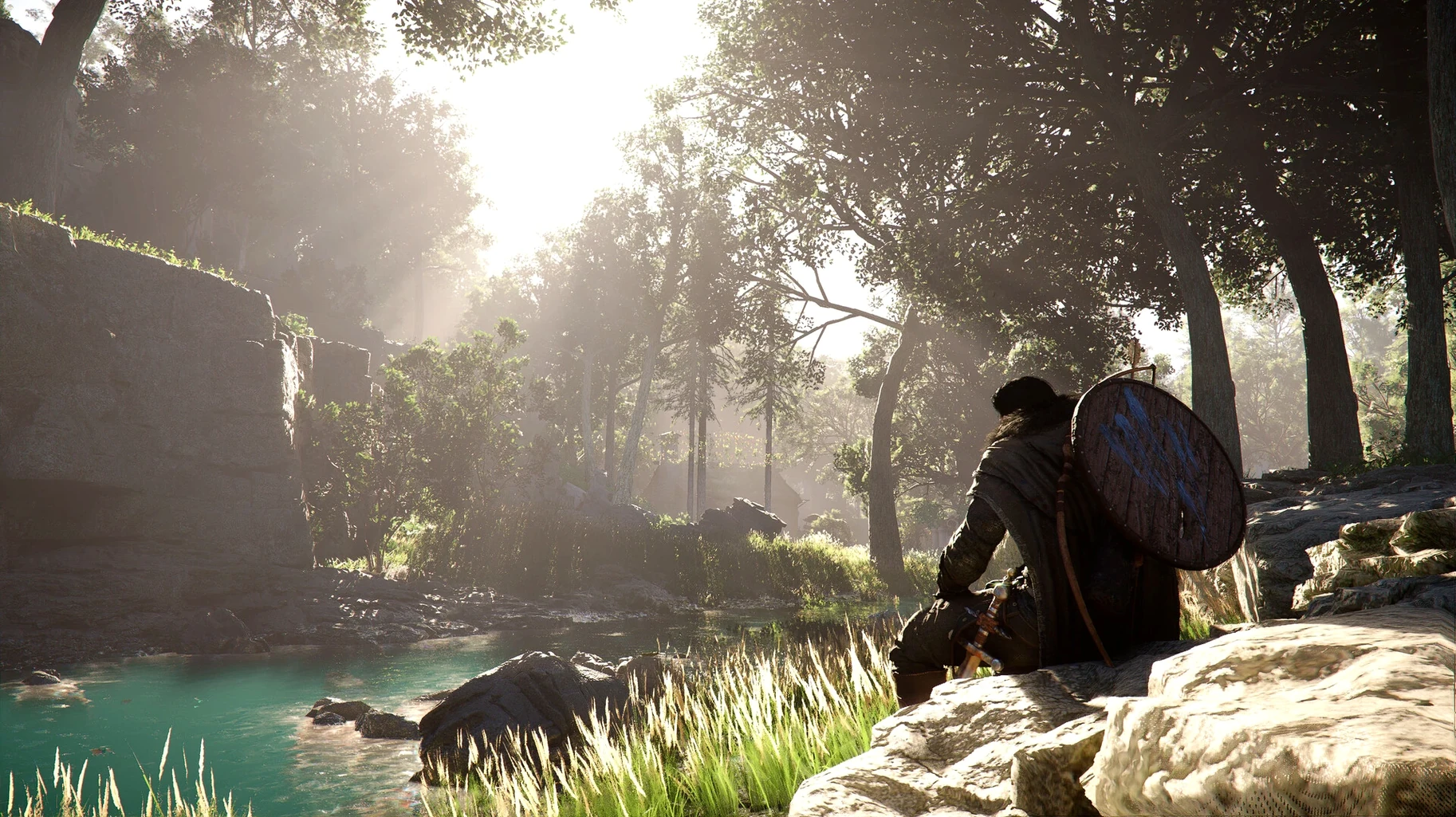
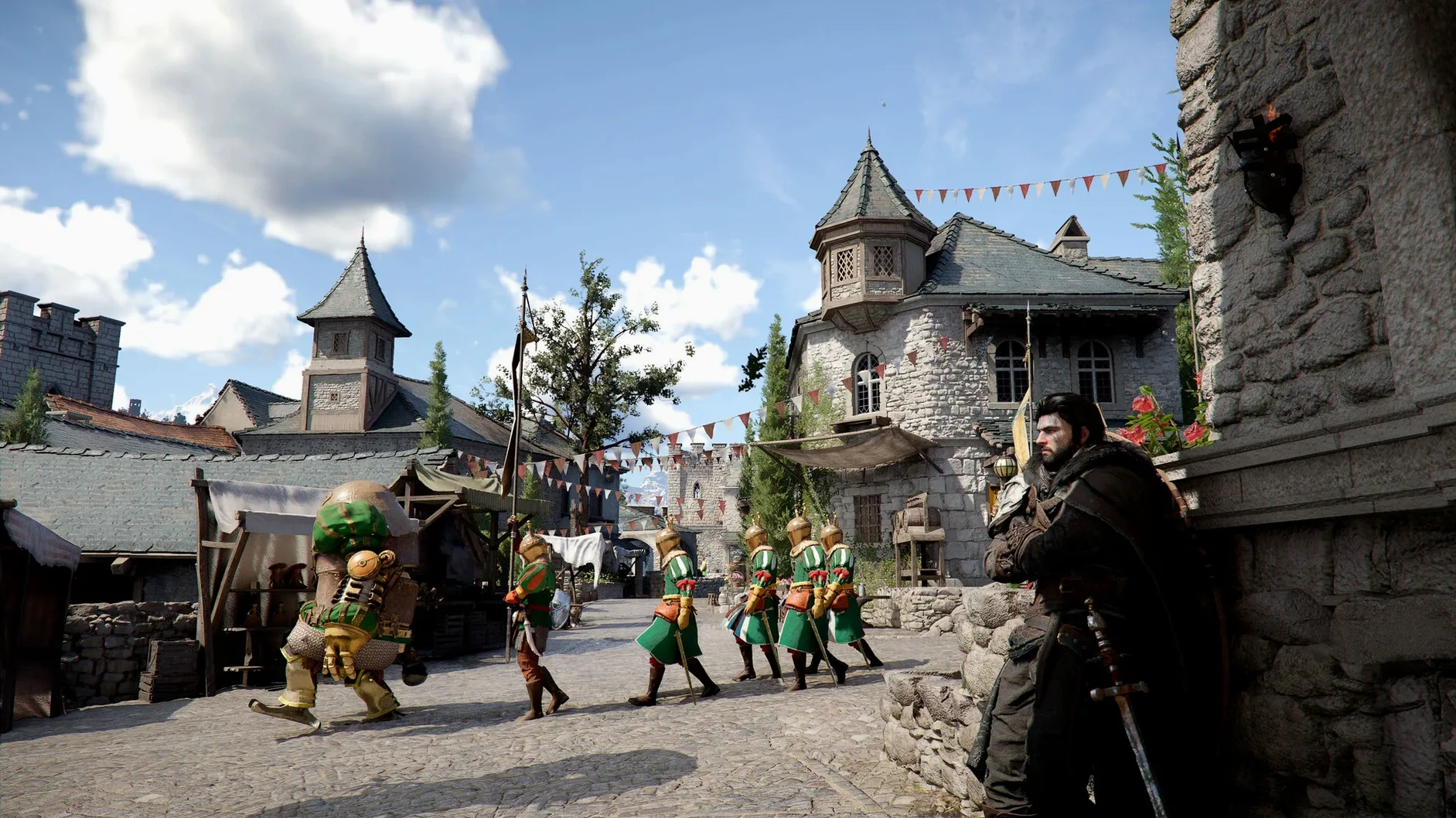
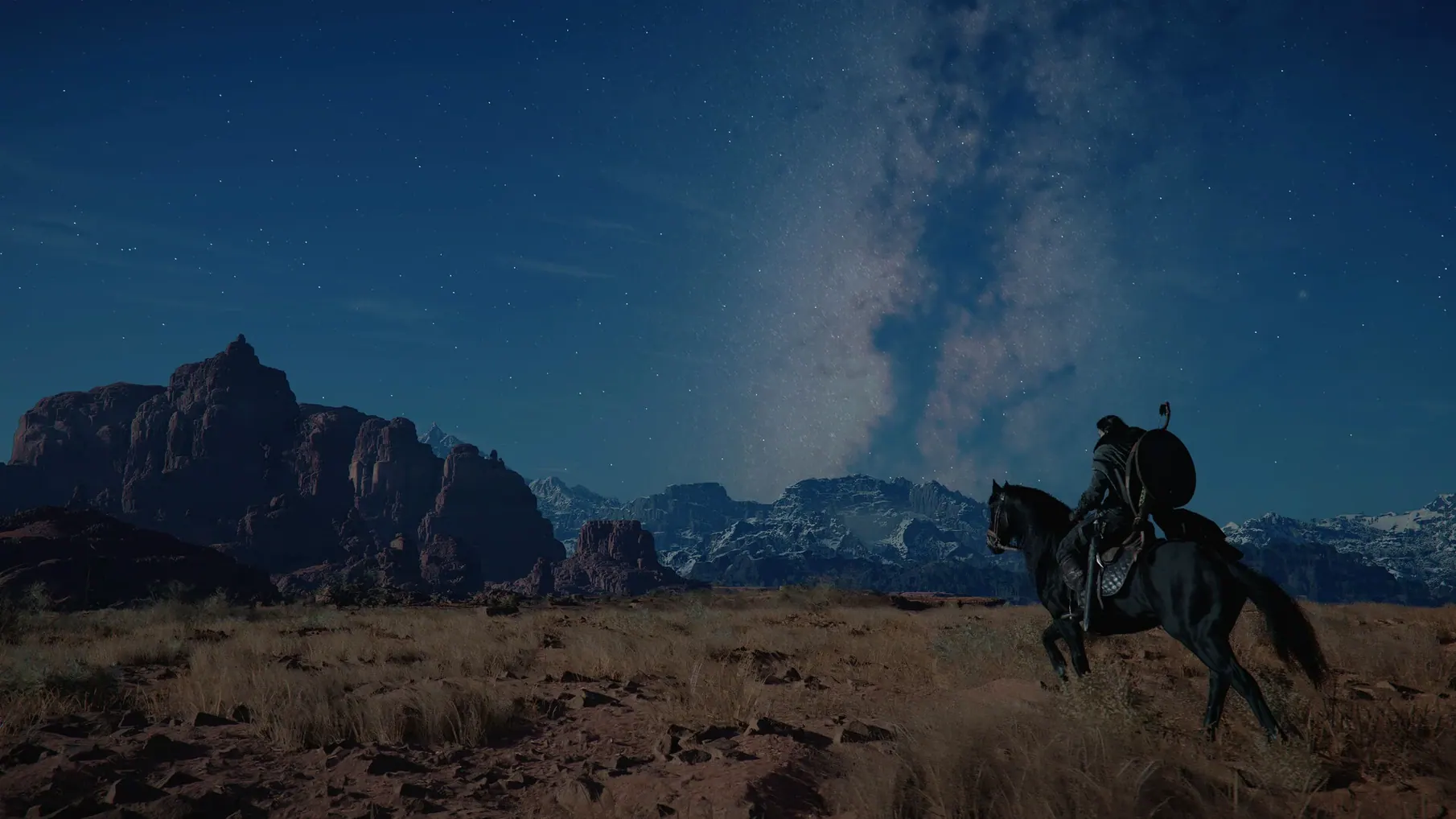
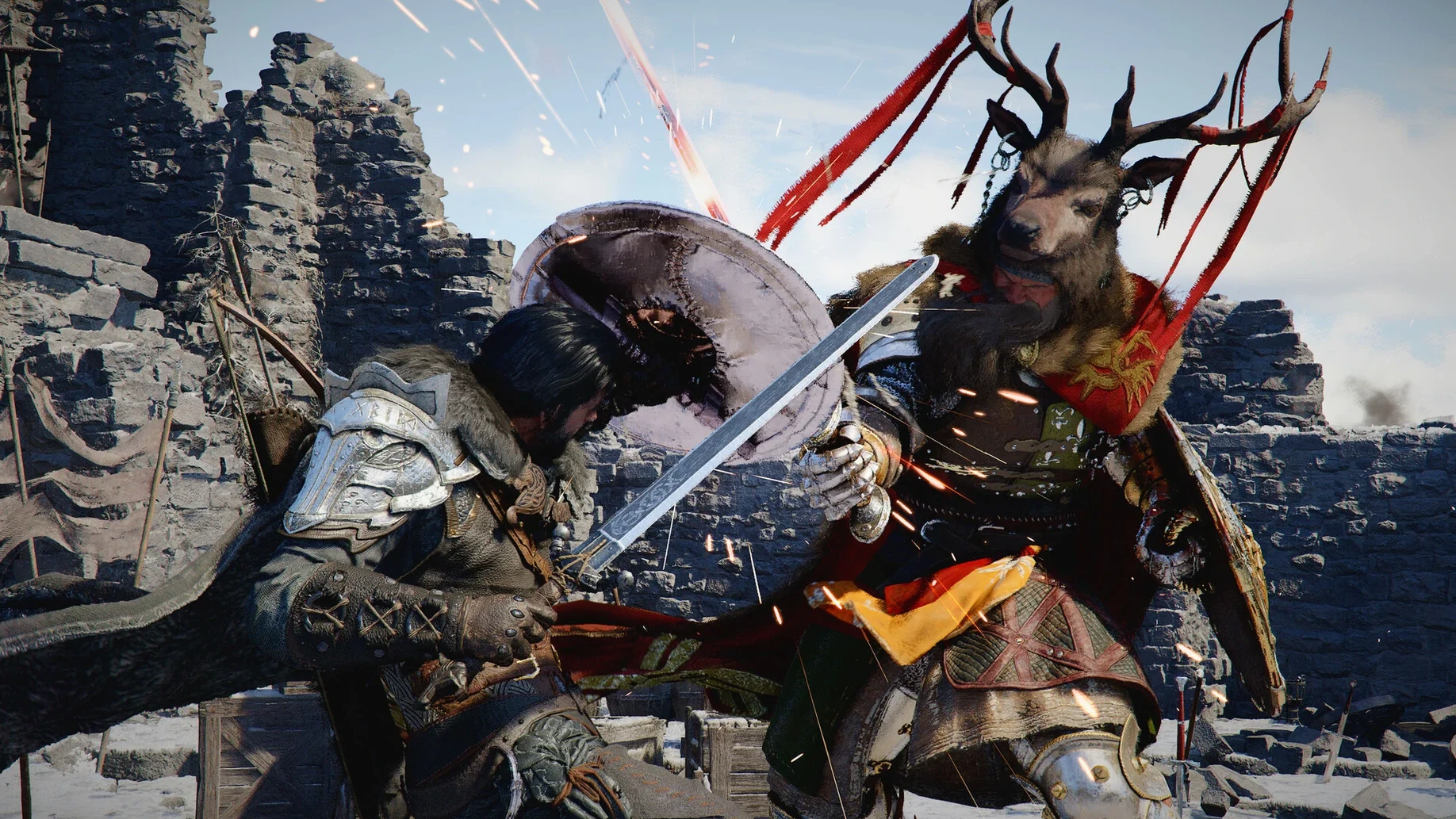
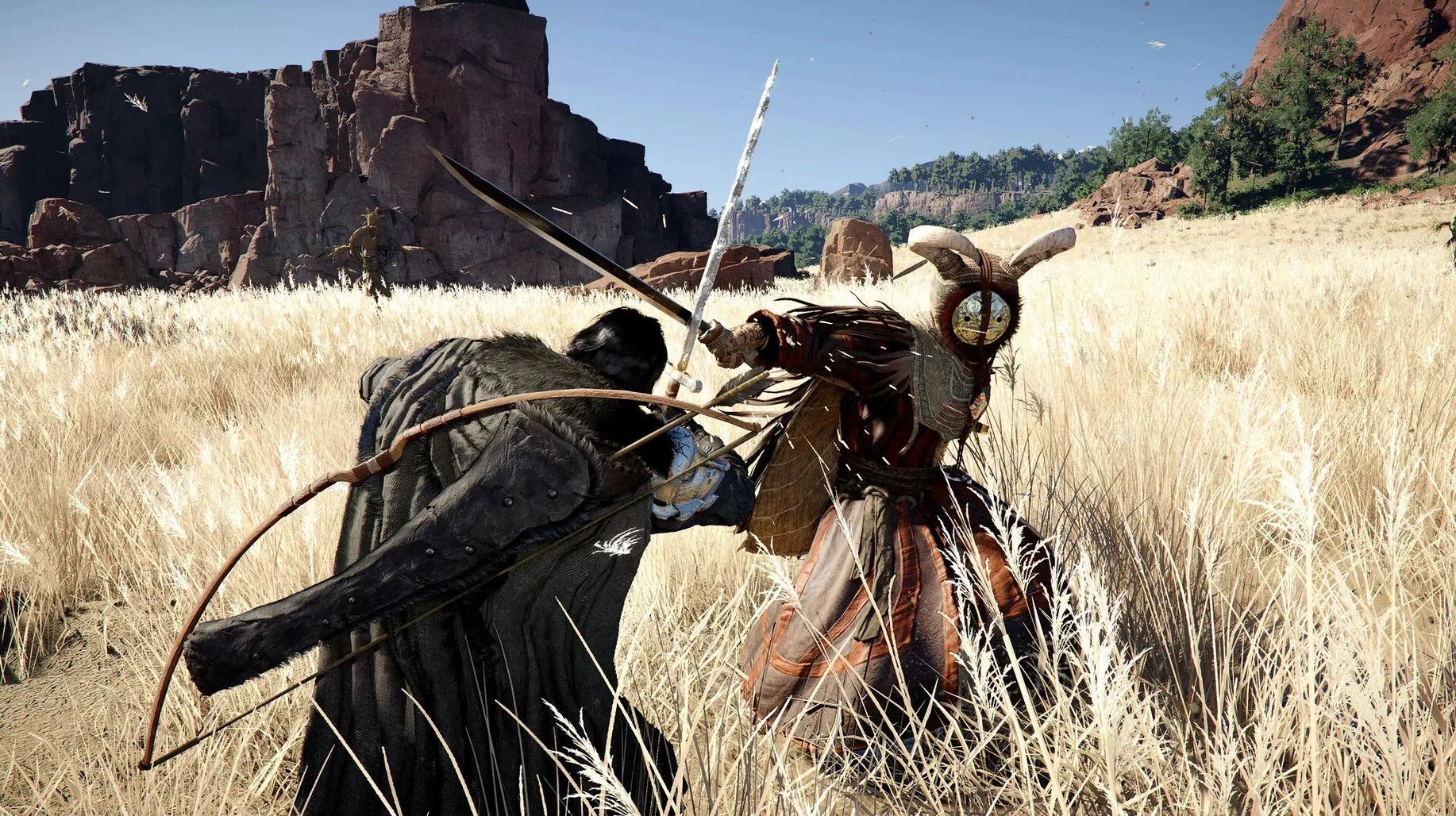
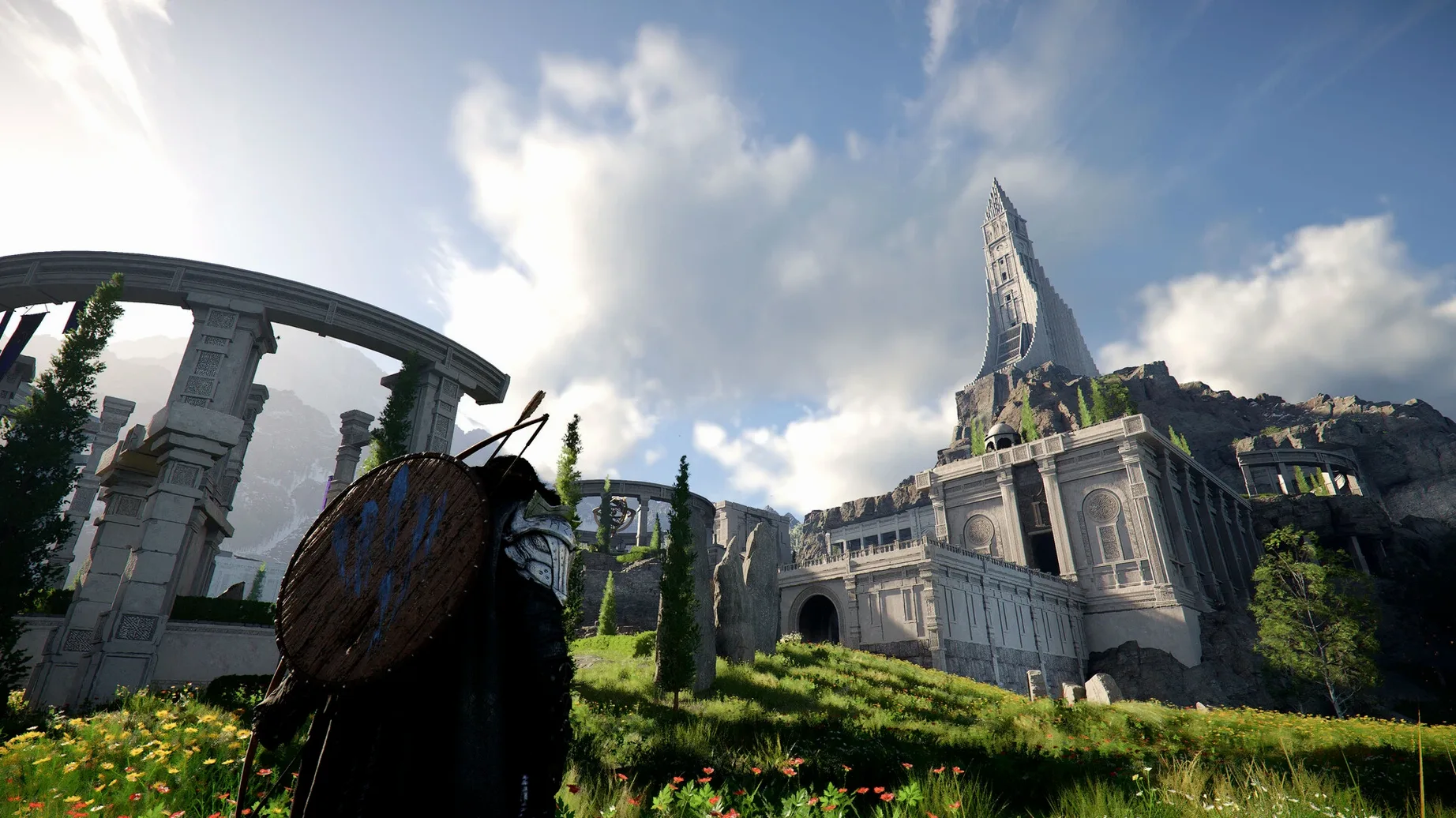
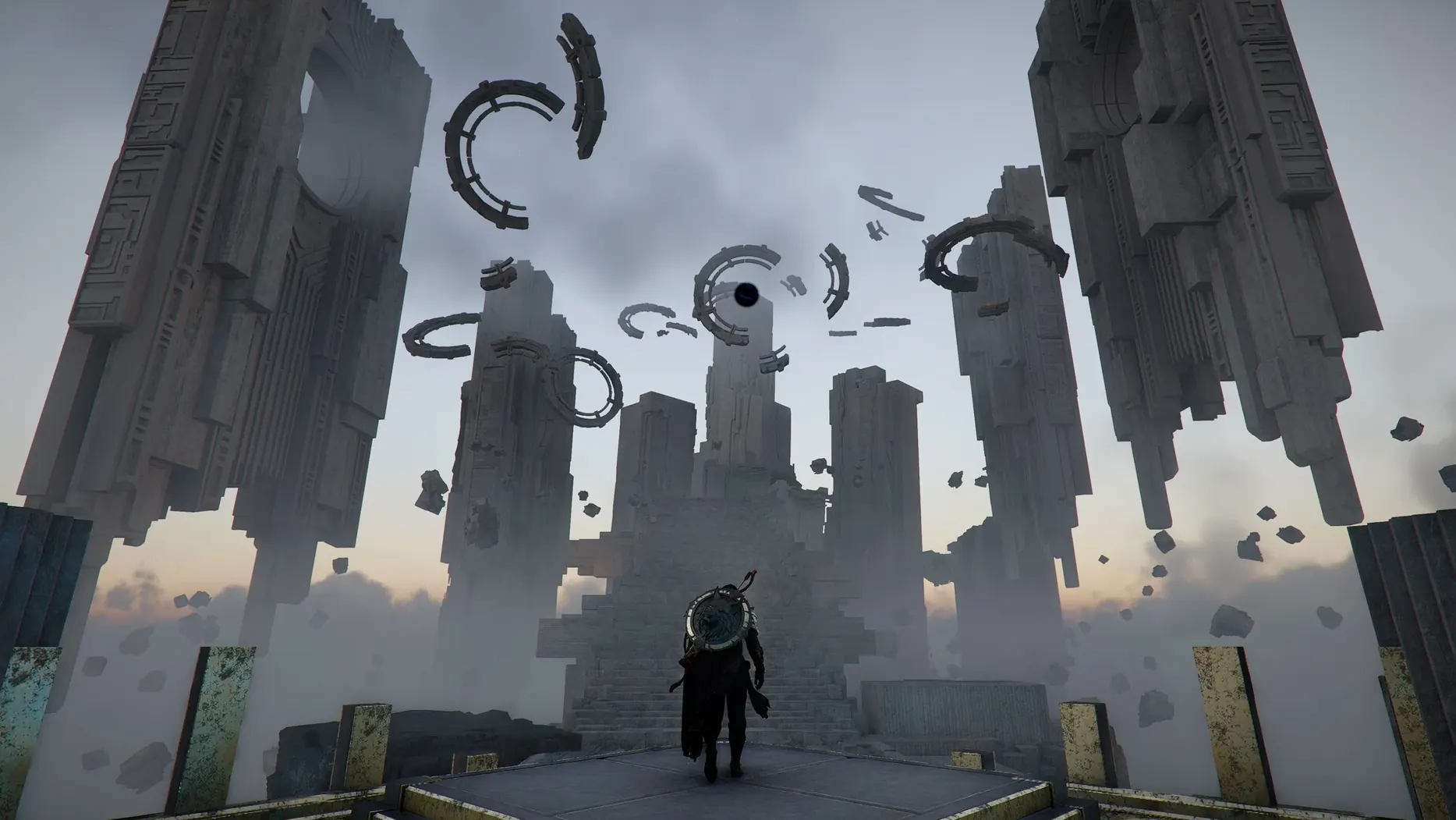
Crimson Desert is a sprawling single-player action-adventure that drops you onto the war-scarred continent of Pywel as Kliff, a mercenary trying to piece together the remnants of the Greymanes. The game swings between intimate one-on-one duels, scrappy small-scale fights, and genuinely massive battles that fill the screen with dust and bodies. Between the combat, you roam across plains, forests, a desert, mountains, cities, villages, ruins, and the eerie depths of the Abyss, with mini-games and local residents dotted along the way.
Built for Apple Silicon and battles that shift without warning
- Apple Silicon Macs — the game is built for these machines, so M1 Pro, M2 and M3 chips feel at home.
- People who like a fight that varies — you never quite know whether you are getting a tense sword duel or a chaotic siege.
- A world that rewards wandering, not just following the quest marker.
MacBook Air fans will spin hard during large-scale fights
- This is a demanding title; a fanless MacBook Air will struggle to keep frame rates smooth during large battles.
- The combat system has real weight and momentum, so expect a learning curve if you are coming from quicker, snappier action games.
Three player camps sink a hundred hours into Pywel
It is tempting to say "action-RPG fans" and leave it there, but Pywel is a specific kind of playground. The people who sink a hundred hours into this game tend to fall into three camps, and they do not always overlap.
The first group are the systems tinkerers. These are the players who, within the first hour, have already mapped three different ways to chain a dodge into a counterattack depending on which weapon they are holding. They will spend twenty minutes rearranging camp facilities to shave a second off their cooking time, not because they need to, but because the game lets them. For this group, the draw is not just the flashy combat animations — it is the underlying maths of stamina recovery, grab priority and skill cooldowns that all pull against each other in interesting ways.
Then you have the world-first explorers. These are the people who spot a ruined tower on the horizon at sunset and ride towards it without opening the map. They are the ones who discover that a seemingly empty stretch of desert hides a cave system that the main quest never sends you near. Crimson Desert rewards this kind of curiosity more than most open-world games, partly because the terrain itself tells a story — burned-out villages, abandoned siege camps, strange structures half-swallowed by sand — and partly because the developers have tucked genuinely useful loot and odd little mini-game encounters into places you have no reason to visit.
The third group might surprise you: players who prefer shorter sessions. Despite the epic scale of the main story, the camp system, hunting, fishing and local resident activities break the game into digestible chunks. You can log in for forty minutes, clear a fishing spot, cook a batch of provisions and run a duel against a wandering mercenary, and feel like you accomplished something real. Version 2.02.00 only strengthens this with cross-save, so a session started on one Mac can be picked up on another without any friction.
A Sample Workflow: Liberating a Fortress
Let us walk through a specific task to show how the game's systems actually mesh together in practice. The goal is straightforward: liberate a fortress held by a hostile faction. The approach is anything but.
You begin at camp, which you have expanded to include a cooking station and a resource storehouse. Before even getting on your horse, you cook a batch of stamina-restoring skewers from meat gathered during yesterday's hunting trip. You also swap your dual blades for a two-handed sword — not because the blades are worse, but because the fortress approach is a narrow ravine and you want the extra reach and cleave damage for the clustered guards at the gate. This is the kind of pre-mission thinking the game quietly encourages without ever making it mandatory.
Riding out, you spot a dust cloud to the east. Binoculars confirm it is a supply caravan with a light escort. You veer off, hit the caravan from the flank, grab the lead guard and throw him into his companion before finishing both with a heavy sword combo. The supplies include a bundle of fire arrows — a lucky find, because the fortress has a signal brazier that will summon reinforcements if lit. The game does not tell you this explicitly; you learned it the hard way three fortresses ago.
At the fortress perimeter, you dismount and switch to a stealth approach, using the tall grass and broken walls for cover. Two guards on the southern parapet. You slide down a small slope to close the distance, then use a sprinting jump to reach the ledge, grabbing the first guard and throwing him off the wall before the second can react. The counterattack window pops up as the second guard swings — you take it, disarm him, and finish the fight in under ten seconds. The brazier is now undefended. You put a fire arrow into the signal stack from a distance to disable it, then switch back to your sword for the interior fight.
The courtyard battle that follows is a proper scrum — six guards, a heavily armoured captain, and a war dog. You start by sliding into the captain's legs to stagger him, then use the opening to thin out the weaker guards with wide sweeps. The dog gets a kick to the ribs, which buys just enough space to finish the captain with a grab into a downward thrust. The fortress falls. The whole sequence, from camp to victory, runs about twenty-five minutes and draws on camp preparation, mounted travel, opportunistic raiding, stealth, platforming, and direct combat — all without a single loading screen or menu interruption.
Horse riding stays fluid across open plains on an M1 Pro
Running version 2.02.00 on an M1 Pro chip, the game settles into a comfortable rhythm. In open plains and forests, frame rates stay high enough that horse riding feels fluid and responsive — no stutter when the draw distance pushes out to reveal distant mountain ranges. The desert areas, with their dust storms and shifting particle effects, do ask more of the GPU, and you will notice the fans spin up if you gallop through a storm at speed. Towns and busy camps with lots of NPCs introduce a slight but consistent dip, though never enough to affect combat timing.
Memory usage sits around the 12–14 GB mark during extended play, which means a 16 GB machine handles it without swapping. On an 8 GB configuration, you will see some compression but not enough to cause hitching — at least in the early and mid-game areas. The large-scale battles are the real test. When fifty or more combatants fill the screen with effects, the engine holds up better than expected. There is a brief half-second hitch when the battle initially loads in, then things stabilise. It is not magic — the game is visibly pulling back on some detail at the edges — but it is a smart trade-off that keeps the fight legible.
Stability has improved noticeably since earlier builds. Crashes during long sessions were a known issue; the 2.02.00 patch specifically addresses a crash tied to starting a new game with DLSS Frame Generation enabled, and in daily use the game now runs for three-hour stretches without incident on our test setup. The auto-save system is frequent enough that even if something did go wrong, you would rarely lose more than a few minutes of progress.
Version 2.02.00 brings native-feeling Mac touches, not new content
Version 2.02.00 is not a flashy content drop — it is the kind of update that makes the game feel more like it was built for the Mac from day one, even if it was not. The headline addition is cross-save, and its impact on daily play is larger than it sounds. If you have a desktop Mac for long evening sessions and a MacBook for when you are away from the desk, you can now move between them without manually shuffling save files or worrying about cloud sync conflicts. The save format is identical across Macs, so the transition is genuinely transparent.
The bug fixes are mostly the sort of thing you do not notice unless you ran into them before. The issue where shining a lantern on an NPC failed to reveal their belongings was a small but persistent annoyance — it meant you could walk past a character carrying a rare ingredient or a quest item and never know. That is now fixed. The housing availability bug at Howling Hill Camp, triggered by a full inventory, was a real frustration for players who had just finished a tough fight and expected their reward. The Thornbriar Fortress liberation fix means a completionist run no longer gets blocked by a scripting error. And the Trade Goods Storage item disappearance bug — which could cost players hours of accumulated resources — is squashed as well.
Localization quality has been quietly improved across all twelve supported languages. English voice acting remains solid, but the subtitles and UI text feel less like a rushed translation and more like a proper localisation pass. Small phrasing tweaks make dialogue read more naturally, and item descriptions no longer have the slightly stilted rhythm that marked earlier builds.
Quick-dismount attacks and other untaught features
Some of the best features in Crimson Desert are the ones the tutorial barely mentions. Here are a few that repay the effort of discovering them.
- Quick-dismount attack. Press the attack button while galloping past an enemy and Kliff will launch off the horse into a leaping strike. It closes distance faster than any other opener and looks fantastic.
- Camp cooking shortcuts. You can queue up to five recipes at the cooking station and walk away. The food finishes in sequence, so you can set a batch going, check your map, sort your inventory, and come back to a full larder.
- Weapon-swap during a grab. If you start a grab with one weapon, you can tap the weapon-swap key during the animation to finish the throw with your secondary weapon's properties. It sounds niche, but it lets you, say, initiate with a fast dual-blade grab and finish with the axe's higher throw damage.
- NPC schedules are real. Shopkeepers, quest-givers and mini-game partners move around during the day. If you cannot find someone, check the local tavern at night or the market square in the morning. The game does not flag this — it just happens.
- Fishing spot quality resets at dawn. If a fishing spot is depleted, sleeping until morning brings it back at full stock. Combine this with a camp bed near a good river and you can build a steady supply of rare fish for high-value cooking.
- Torch as a social tool. With the lantern bug fixed in 2.02.00, carrying a lit torch or lantern in dark areas now reliably reveals items on NPCs and in the environment. It also makes some skittish wildlife freeze, which helps with hunting.
One last thing worth mentioning: the dragon-riding and robot-control sequences are not just set-piece gimmicks. The dragon handles differently from a horse — heavier, with momentum that takes practice — and the robot sections feel like a completely different game tucked inside the main one. Neither is required for very long, but both are worth experimenting with beyond the scripted moments, because the game does open up optional areas where those skills come back into play.
Version 2.02.00 brings cross-save to the Mac, so a game started on one machine can be picked up on another. The update also bundles a tidy set of fixes: a crash with DLSS Frame Generation on new games, disappearing items in Trade Goods Storage, a letter that could vanish during The Words of Alustin, and occasional UI text shake. Localization quality has been improved across all languages.
- Architecture: Apple Silicon only
Questions from the class 0
Sign in or join the class to ask a question.
Nobody has asked anything yet. If you have used it on a real job, say what the file did.
Also on the Games shelf
The whole Games shelf Counter-Strike: Source
Brings the defining team-based tactical shooter into a physics-driven engine for offline practice.
Counter-Strike: Source
Brings the defining team-based tactical shooter into a physics-driven engine for offline practice.
 Crusader Kings III
Simulates a medieval dynasty where your real resource is the tangled web of relationships.
Crusader Kings III
Simulates a medieval dynasty where your real resource is the tangled web of relationships.
 Cuphead
Teaches you to treat each boss death as a drum beat in a long, hand-drawn jazz number.
Cuphead
Teaches you to treat each boss death as a drum beat in a long, hand-drawn jazz number.
 Command & Conquer: Generals
Rethinks real-time strategy missions by scripting victory conditions beyond base capture.
Command & Conquer: Generals
Rethinks real-time strategy missions by scripting victory conditions beyond base capture.
 Dead Cells
Reshuffles its castle every time you fall, so knowledge of its systems is your only true upgrade.
Dead Cells
Reshuffles its castle every time you fall, so knowledge of its systems is your only true upgrade.
 Dead Island
Drops you into a tropical zombie outbreak where a makeshift paddle can save your life.
Dead Island
Drops you into a tropical zombie outbreak where a makeshift paddle can save your life.
 Civilization V
Marches a chosen nation from a single settler to a space-age superpower on a hex-grid world.
Civilization V
Marches a chosen nation from a single settler to a space-age superpower on a hex-grid world.
 Cities: Skylines
Hands you a bare plot and a budget so you can zone, pipe, and police a metropolis into existence.
Cities: Skylines
Hands you a bare plot and a budget so you can zone, pipe, and police a metropolis into existence.