 ASPNetWorld
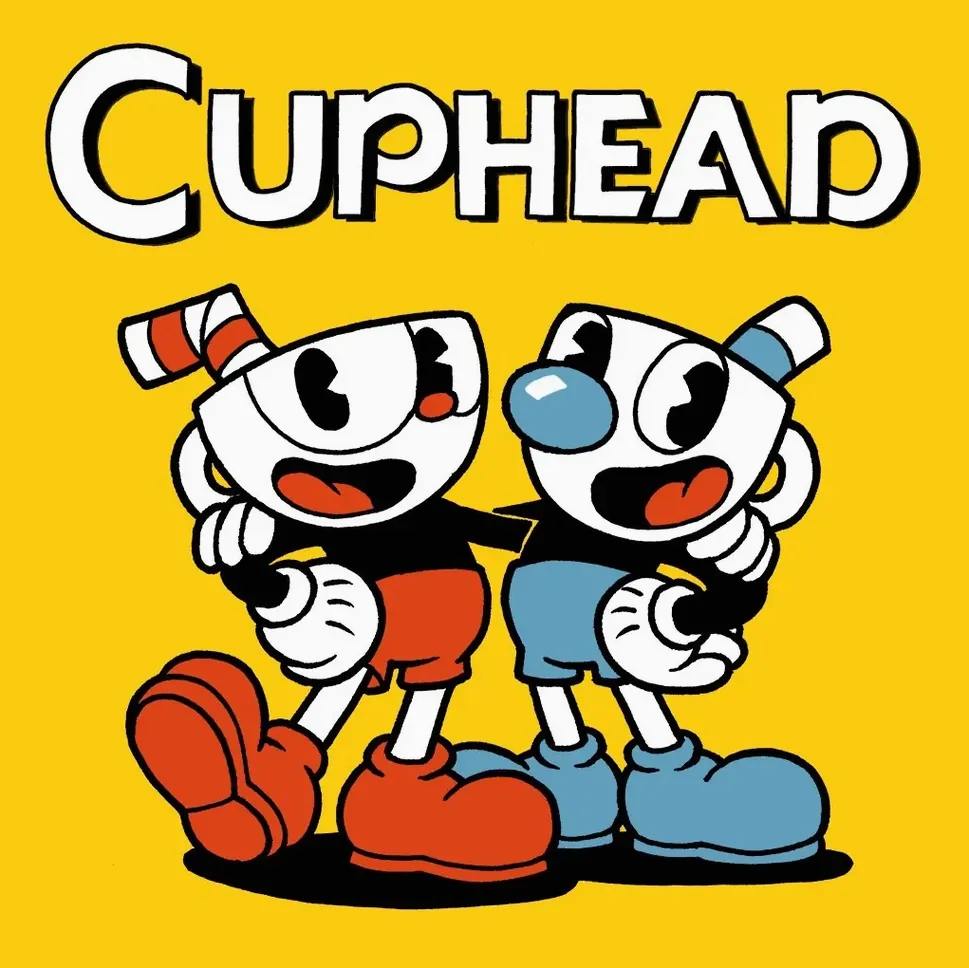
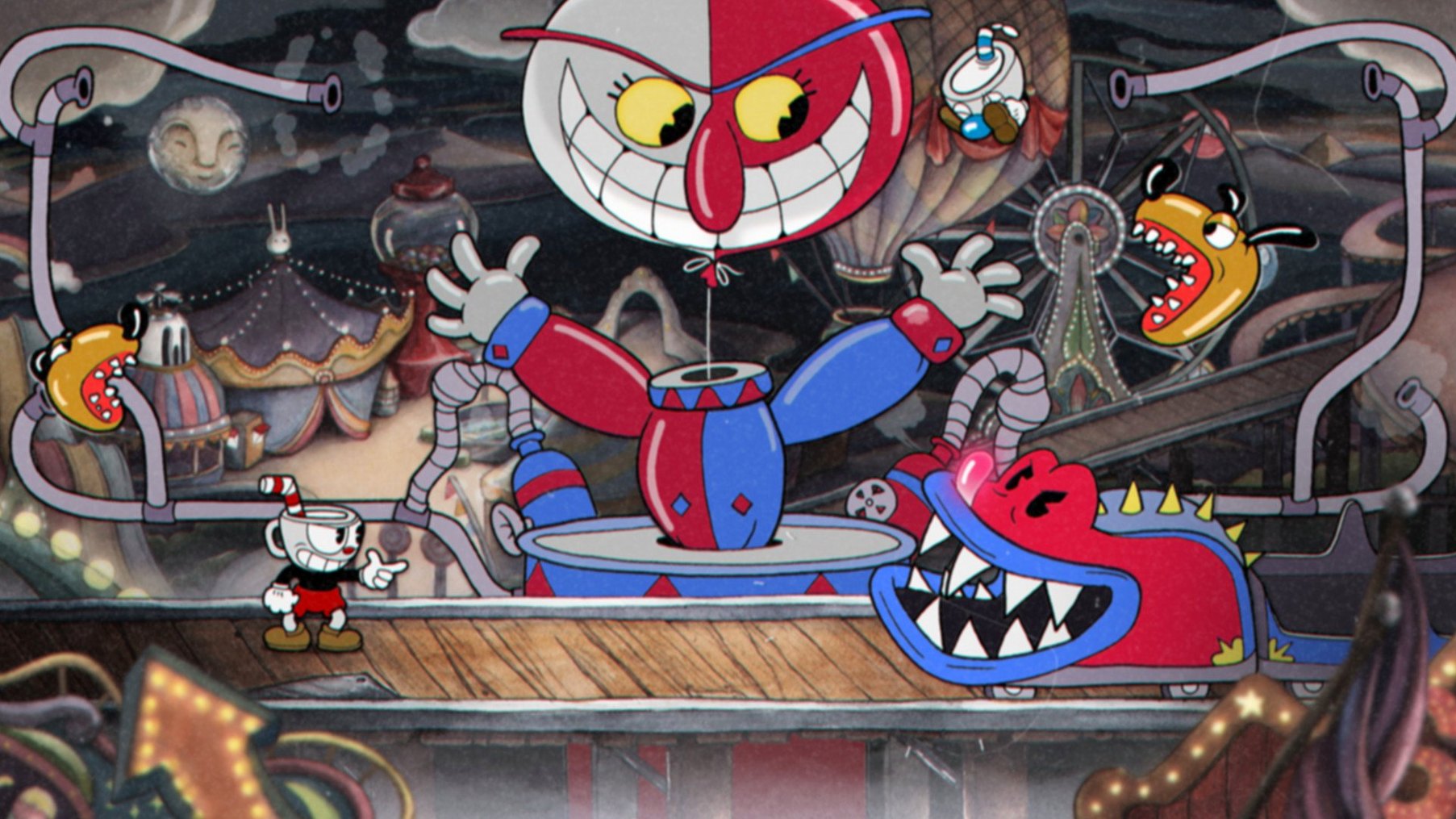
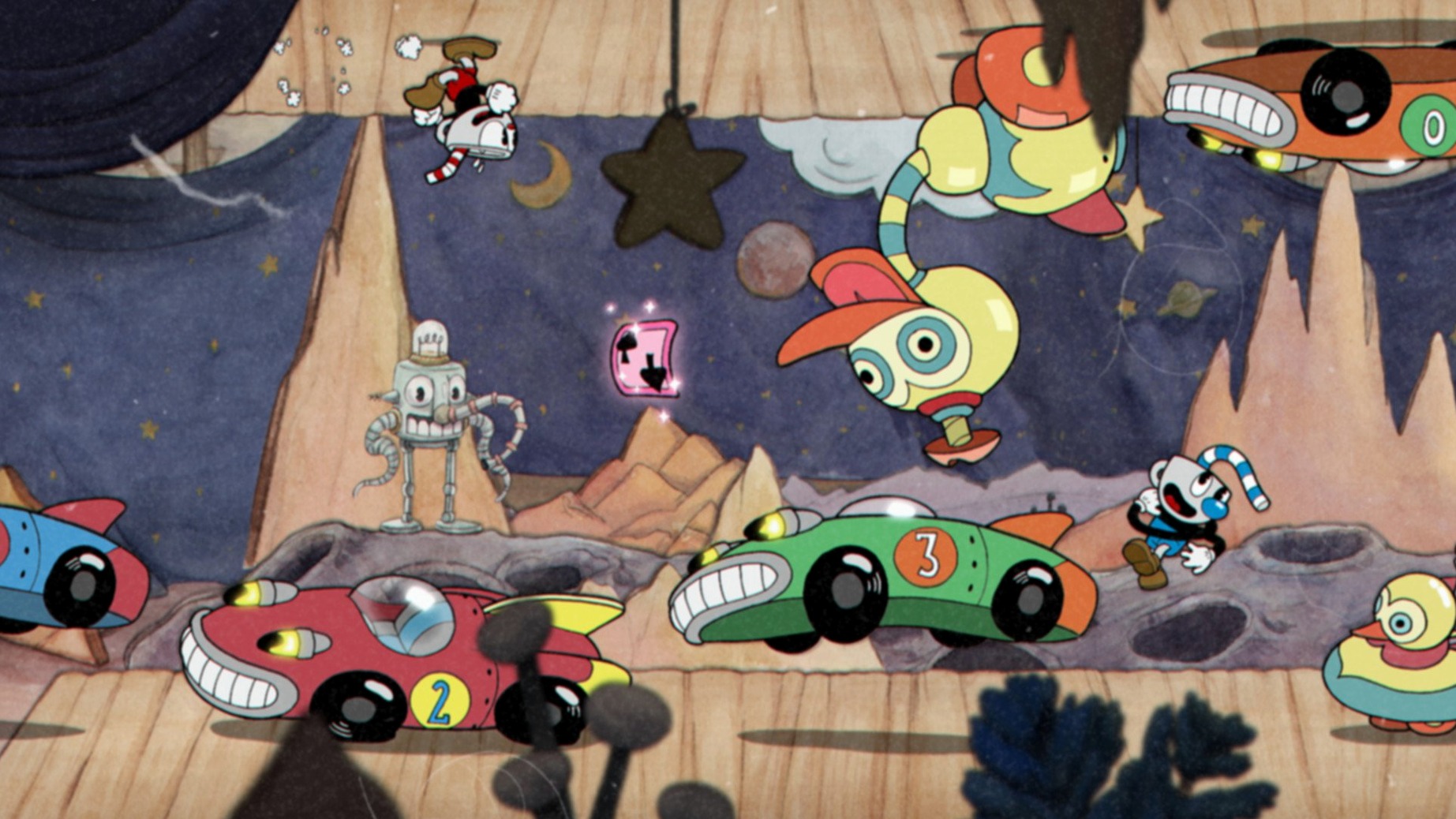
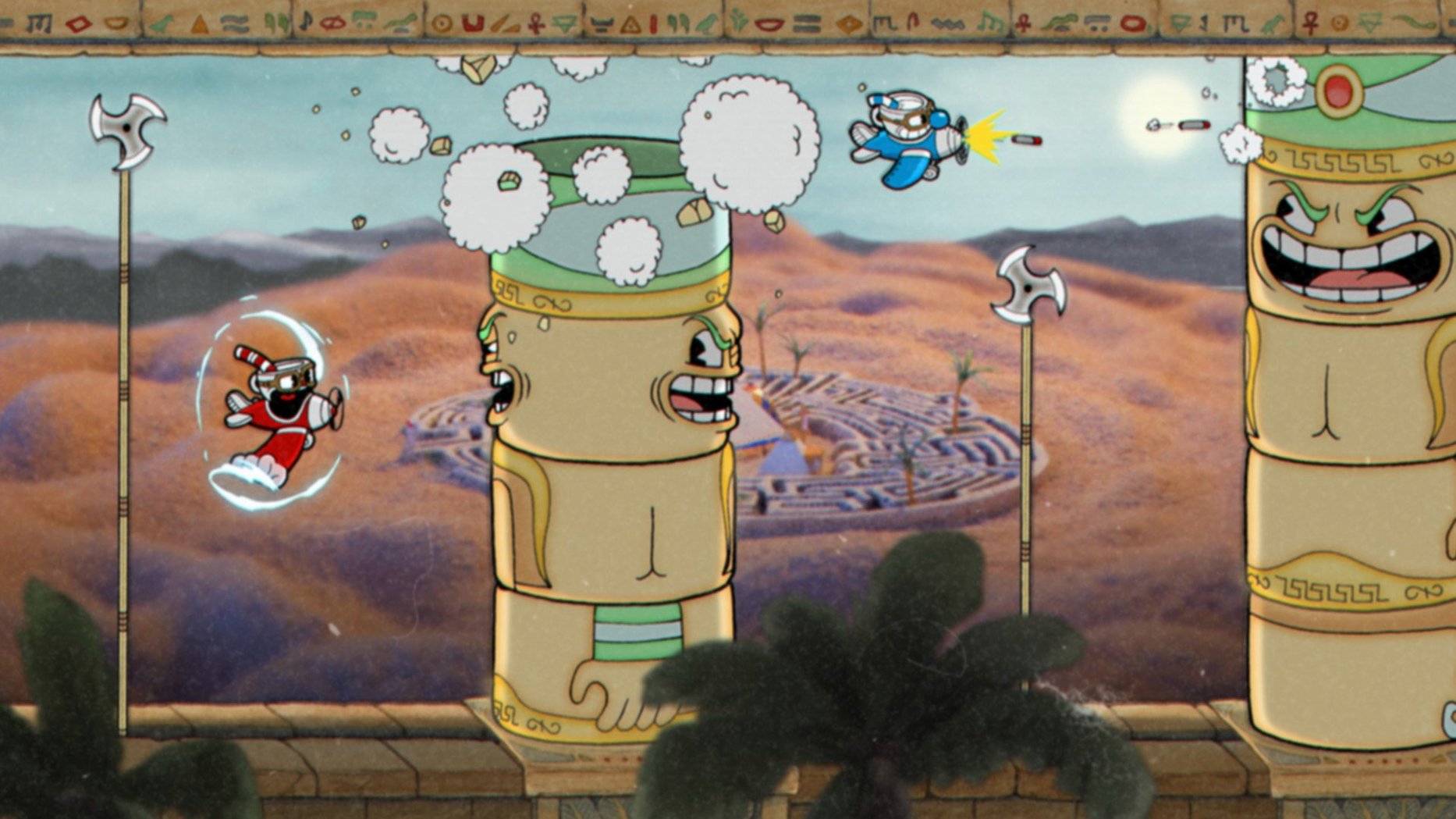
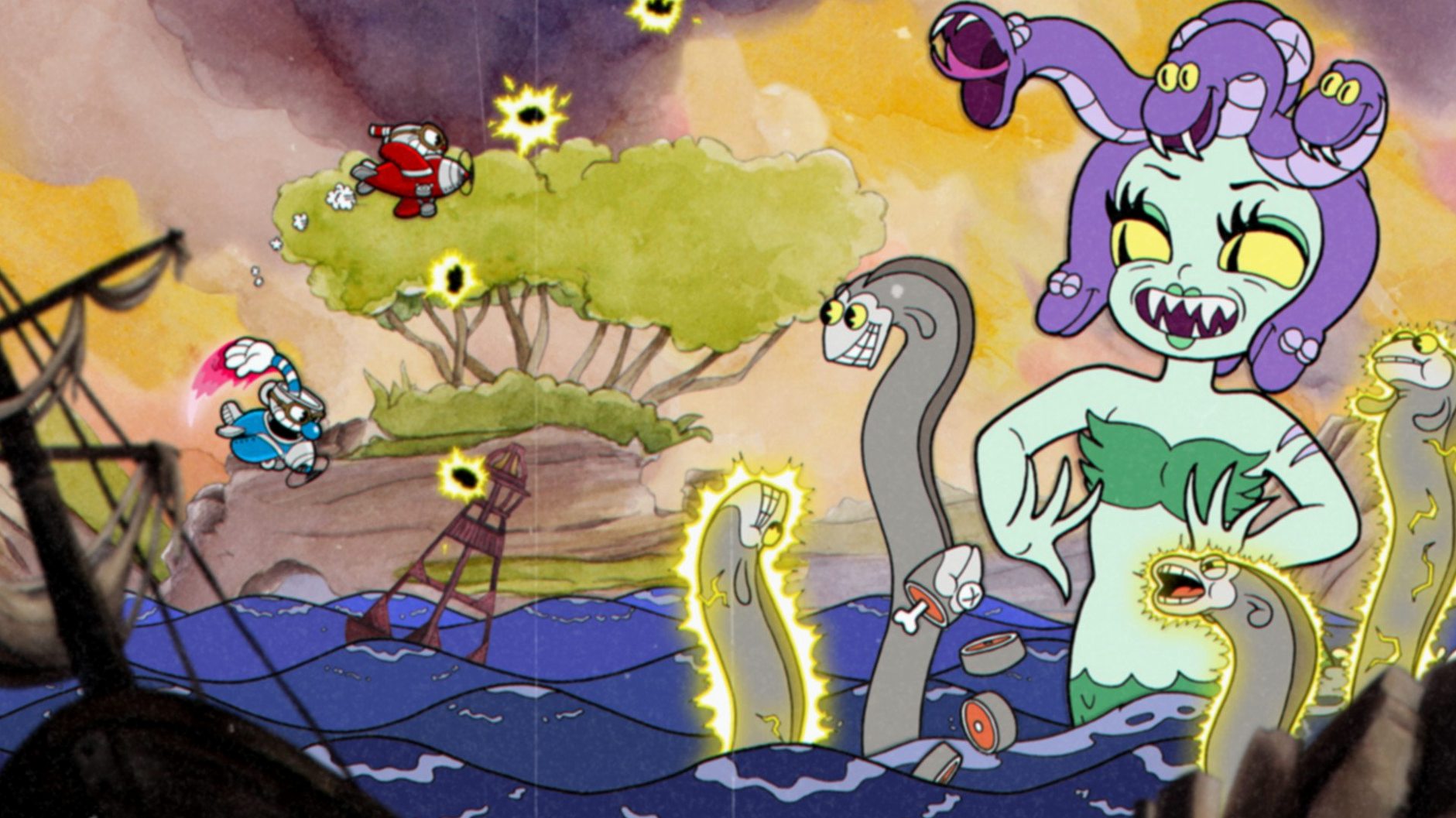
It runs natively on Intel Macs with macOS Catalina. The watercolor backgrounds and hand-inked animation stream at a locked frame rate, and the original jazz recordings sound full-bodied even through modest speakers — the audio engineering on the soundtrack is genuinely lovely.
Failure as a rhythm you learn, frame by frame
- Players who treat failure as a lesson. Every boss has distinct phases, and you learn the patterns through repetition. The satisfaction comes from gradual mastery.
- Anyone who loves 1930s animation. The squash-and-stretch character work, the film-grain effect, and those surreal, shifting backgrounds feel like playing a lost Fleischer cartoon.
- Co-op duos who share a sense of humour about defeat. Cuphead and Mugman can revive each other, and the chaos of two-player screen-sharing leads to genuine laughter between the groans.
- Collectors and completionists. Unlocking different weapons and charms changes your approach to fights that once seemed impossible.
Precision and patience are the real price of entry
- The difficulty is the point. If you want a gentle stroll through gorgeous artwork, this isn't it — the game demands precision timing and a tolerance for repeated boss attempts.
- The story is a thin frame for the action: Cuphead and Mugman owe a debt to the Devil, and you work it off by fighting his other debtors. Narrative depth is not the draw here.
- Run-and-gun platforming levels exist between bosses, but the heart of the experience is the boss fights. Players expecting long exploration sequences may feel short-changed.
There is a quiet second layer to Cuphead that only emerges after you have bashed your head against a boss for the fifth time. The game buries small courtesies in its menus and controls that the opening tutorial never mentions, and missing them can make an already tough fight feel actively unfair. Knowing they exist changes the texture of play.
A radial weapon wheel hides behind the swap button
Hold the weapon-swap button instead of tapping it. A radial wheel pauses the action — not the whole game, just your character — while you line up the next shot type. In the middle of a bullet-hell phase, that half-second of stillness lets you reassess without fumbling through the inventory order. It is the closest thing the game offers to taking a breath.
The auto-parry charm is easy to write off as training wheels, but it earns its slot in specific fights. Any boss who peppers the screen with pink projectiles becomes a source of free super-card meter. Equip it for the Phantom Express or the final phase of King Dice, and you can focus on positioning while the parries handle themselves. The trade-off is lower damage output, so swap it out for pure DPS fights like Cagney Carnation.
Dash into a duck on the overworld map. The hidden coin purses are not just a completionist’s side note — the extra gold lets you buy the Spread shot and Smoke Bomb before the first island is done, and that loadout carries a lot of players through the mid-game. The purses are tucked behind scenery that looks like background dressing, so poke at anything with a suspicious gap.
Remapping dash off the face button fixes the slippery feel
The most common complaint I hear in the classroom — yes, students play between Logic Pro sessions — is that the controls feel “slippery.” Most of the time, that is the default controller mapping putting dash on a face button. Moving dash to a shoulder button or trigger keeps your right thumb on the jump and shoot buttons during quick directional changes. The difference is immediate, especially in the run-and-gun stages where you are platforming under fire.
Another sticking point: the game feels harder in co-op. It is, objectively. Bosses get scaled-up health pools, and the screen clutter from two players, two weapon effects, and all the enemy projectiles can mask the pink parry cues. The fix is not to play alone — it is to coordinate super moves. When one player triggers a super art, the other’s meter also drains, so firing them back-to-back wastes resources. Call them out, stagger them, and the health bars shrink faster than they did in single-player.
If the frame pacing ever stutters on an older Intel machine, drop the resolution one notch below native and turn off the film-grain overlay in the visual settings. The hand-drawn cels are authored at a fixed resolution anyway, and the grain effect is a post-process pass that nibbles at the GPU. On a 2017 iMac, that one toggle kept me at a clean 60 frames through the bee queen’s swarm phases.
What the DLC Fix build quietly corrected
The 1.3.3 update is labelled a DLC Fix, and in everyday play it resolved two specific annoyances. First, players who owned the base game and later added The Delicious Last Course occasionally saw their charm inventory reset on launch — Ms. Chalice would vanish from the selection wheel until a full restart. That stopped. Second, a rare audio desync in the DLC’s final boss, where the big-band hits drifted a beat ahead of the on-screen attacks, was pulled back into lockstep. Neither bug affected fresh installations; they only troubled carry-over saves, and they are now gone.
Boss rush set pieces instead of a sprawling map
Put Cuphead next to Hollow Knight and the contrast is instructive. Hollow Knight offers a sprawling, interconnected map with quiet exploration between combat encounters. Cuphead strips away the map entirely and delivers combat as a series of concentrated set pieces. Both are hard, but Hollow Knight’s difficulty is atmospheric and lonely; Cuphead’s is theatrical and loud. If you play games to get lost in a world, Hollow Knight pulls ahead. If you play for the moment-to-moment thrill of learning a fight, Cuphead delivers that in a purer form.
Against Dead Cells, the difference is structure. Dead Cells reshuffles its biomes and weapons on every run, so you build a character from found tools and adapt on the fly. Cuphead gives you a fixed arsenal and asks you to apply it perfectly to a fixed set of bosses. The roguelike player who enjoys improvisation may find Cuphead restrictive; the player who wants to treat a boss like a piece of music to be memorised will find Dead Cells too loose. They scratch opposite itches.
Then there is Celeste, another demanding indie that runs beautifully on the Mac. Celeste’s challenge is pure platforming — tight dashes, spike mazes, single-screen gauntlets where death rewinds you to the start of the room in under a second. Cuphead’s platforming levels are a side dish to the boss fights, and its respawn loop is longer: you replay an entire multi-phase battle, not a single jump. Both games respect your time by restarting quickly, but Celeste’s instant resets make failure feel lighter. Cuphead asks you to sit with the whole song again. Whether that feels meditative or maddening depends entirely on your temperament.
What none of the comparisons capture is the aesthetic payload. Hollow Knight, Dead Cells and Celeste are beautiful games in their own idioms, but Cuphead’s hand-inked, watercolored, jazz-scored presentation is singular. It is the one you show to a friend who does not play games, just to watch their face when the screen fills with a giant flapper spider in a cloche hat. That counts for something.
Version 1.3.3 is a focused maintenance update that resolves an issue with the DLC.
- DLC Fix applied — the Delicious Last Course content now loads reliably where it previously failed.
- macOS Catalina
- Intel processor
Questions I keep hearing
Does Cuphead support co-op on the same Mac?
Yes — you can play through the whole game with a friend locally, controlling Cuphead and Mugman together on one screen.
What languages does the game include?
The interface and subtitles are available in Russian, English, German, Spanish, Italian, Simplified Chinese, Korean, Polish, Portuguese, French, and Japanese.
Is the music actually from the 1930s?
It's an original jazz score recorded with live musicians, written and performed in a style authentic to the era, not pre-existing archival recordings.
Questions from the class 0
Sign in or join the class to ask a question.
Nobody has asked anything yet. If you have used it on a real job, say what the file did.
Also on the Games shelf
The whole Games shelf Crusader Kings III
Simulates a medieval dynasty where your real resource is the tangled web of relationships.
Crusader Kings III
Simulates a medieval dynasty where your real resource is the tangled web of relationships.
 Crimson Desert
Follows a mercenary through vast battles and intimate duels on a war-scarred continent.
Crimson Desert
Follows a mercenary through vast battles and intimate duels on a war-scarred continent.
 Counter-Strike: Source
Brings the defining team-based tactical shooter into a physics-driven engine for offline practice.
Counter-Strike: Source
Brings the defining team-based tactical shooter into a physics-driven engine for offline practice.
 Dead Cells
Reshuffles its castle every time you fall, so knowledge of its systems is your only true upgrade.
Dead Cells
Reshuffles its castle every time you fall, so knowledge of its systems is your only true upgrade.
 Dead Island
Drops you into a tropical zombie outbreak where a makeshift paddle can save your life.
Dead Island
Drops you into a tropical zombie outbreak where a makeshift paddle can save your life.
 Command & Conquer: Generals
Rethinks real-time strategy missions by scripting victory conditions beyond base capture.
Command & Conquer: Generals
Rethinks real-time strategy missions by scripting victory conditions beyond base capture.
 Civilization V
Marches a chosen nation from a single settler to a space-age superpower on a hex-grid world.
Civilization V
Marches a chosen nation from a single settler to a space-age superpower on a hex-grid world.
 Cities: Skylines
Hands you a bare plot and a budget so you can zone, pipe, and police a metropolis into existence.
Cities: Skylines
Hands you a bare plot and a budget so you can zone, pipe, and police a metropolis into existence.