 ASPNetWorld

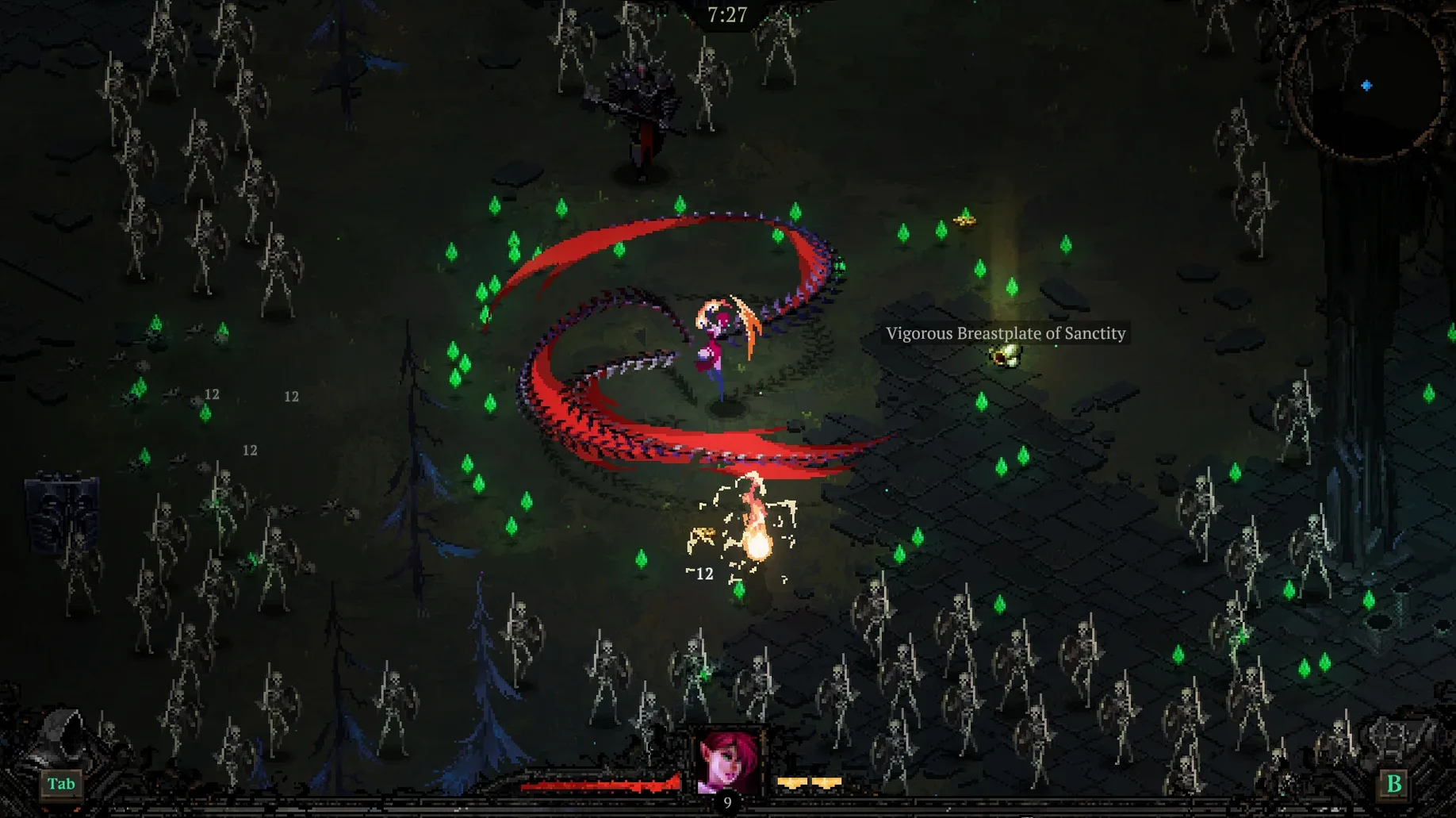
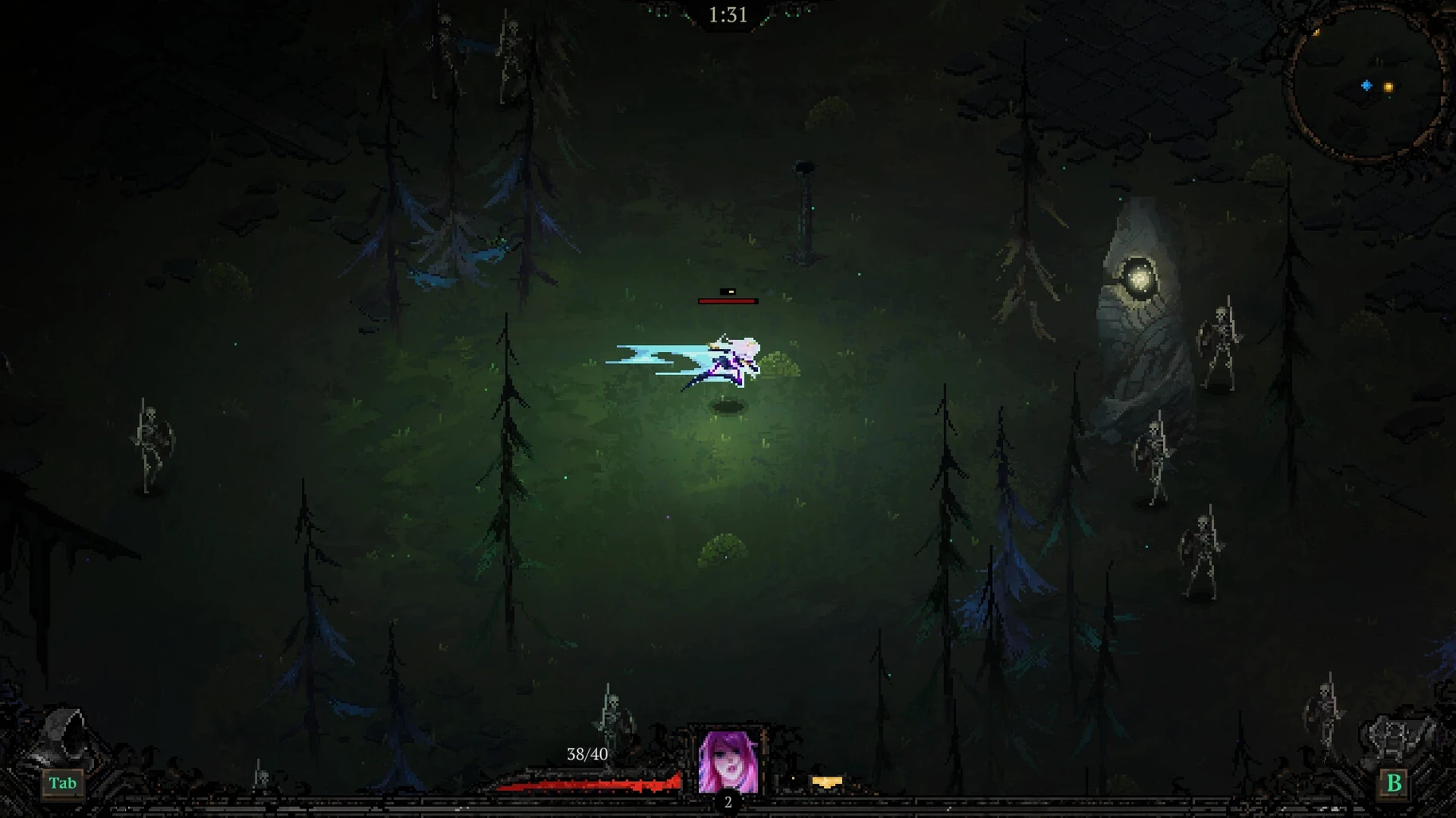
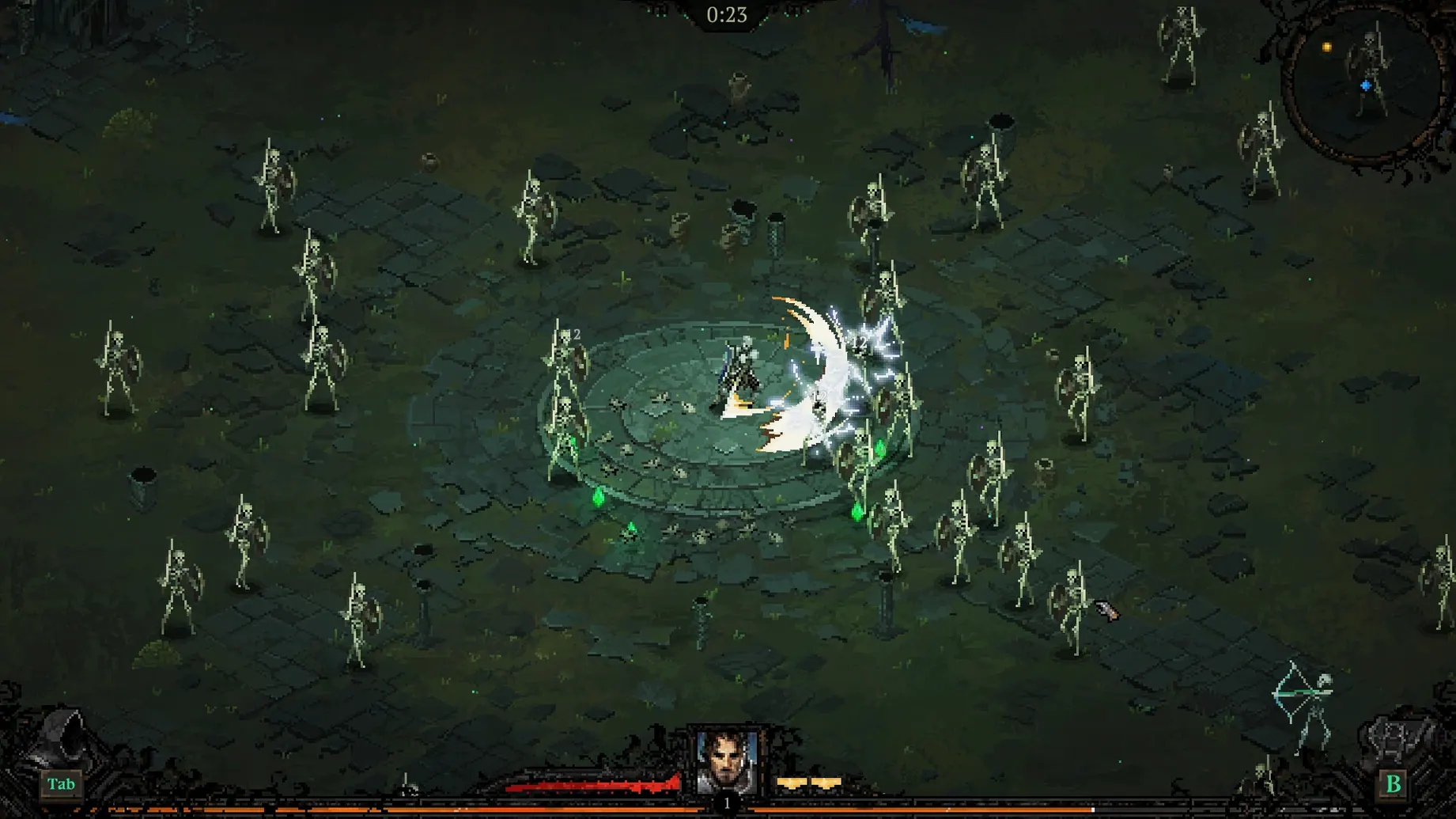
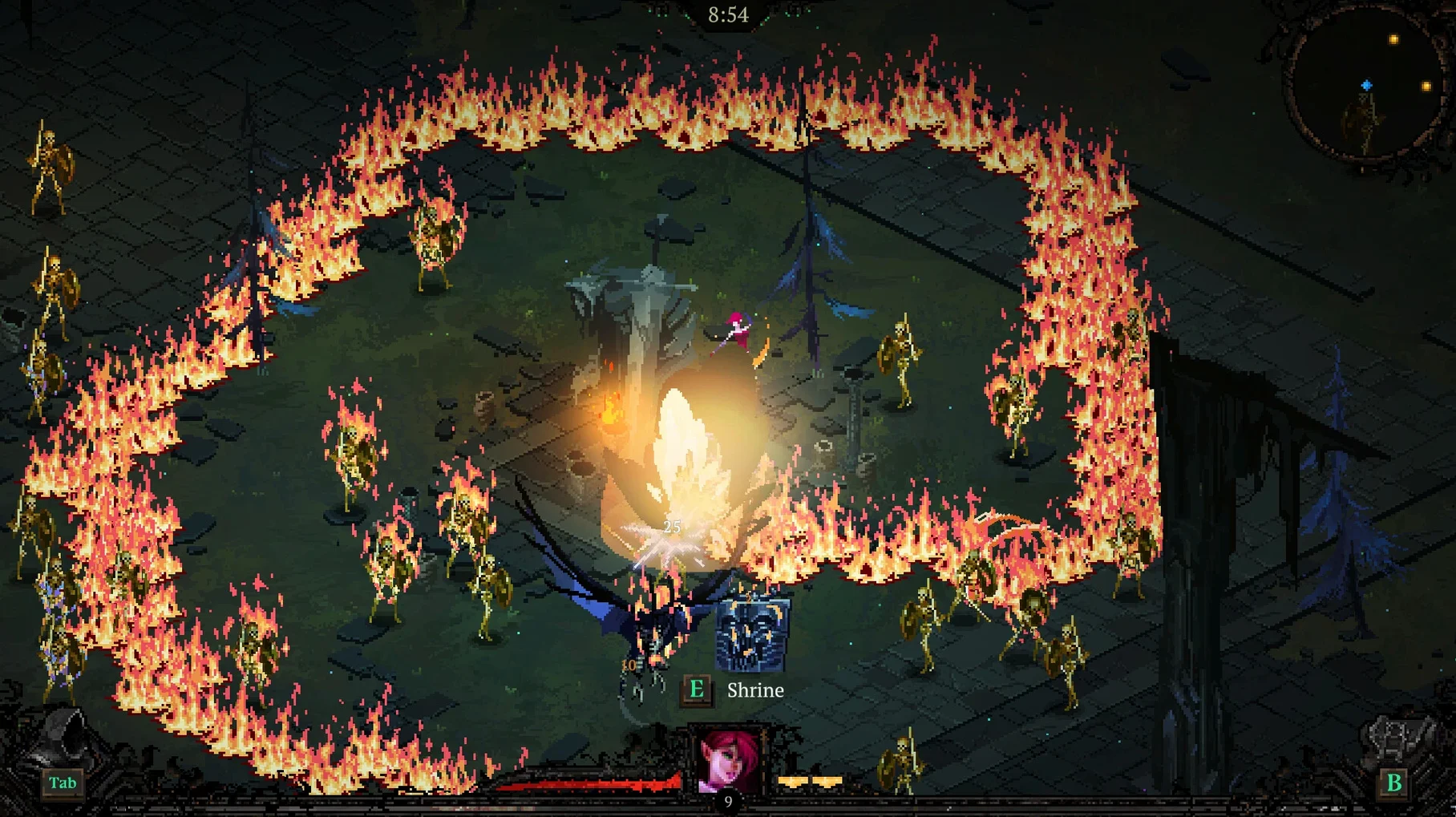
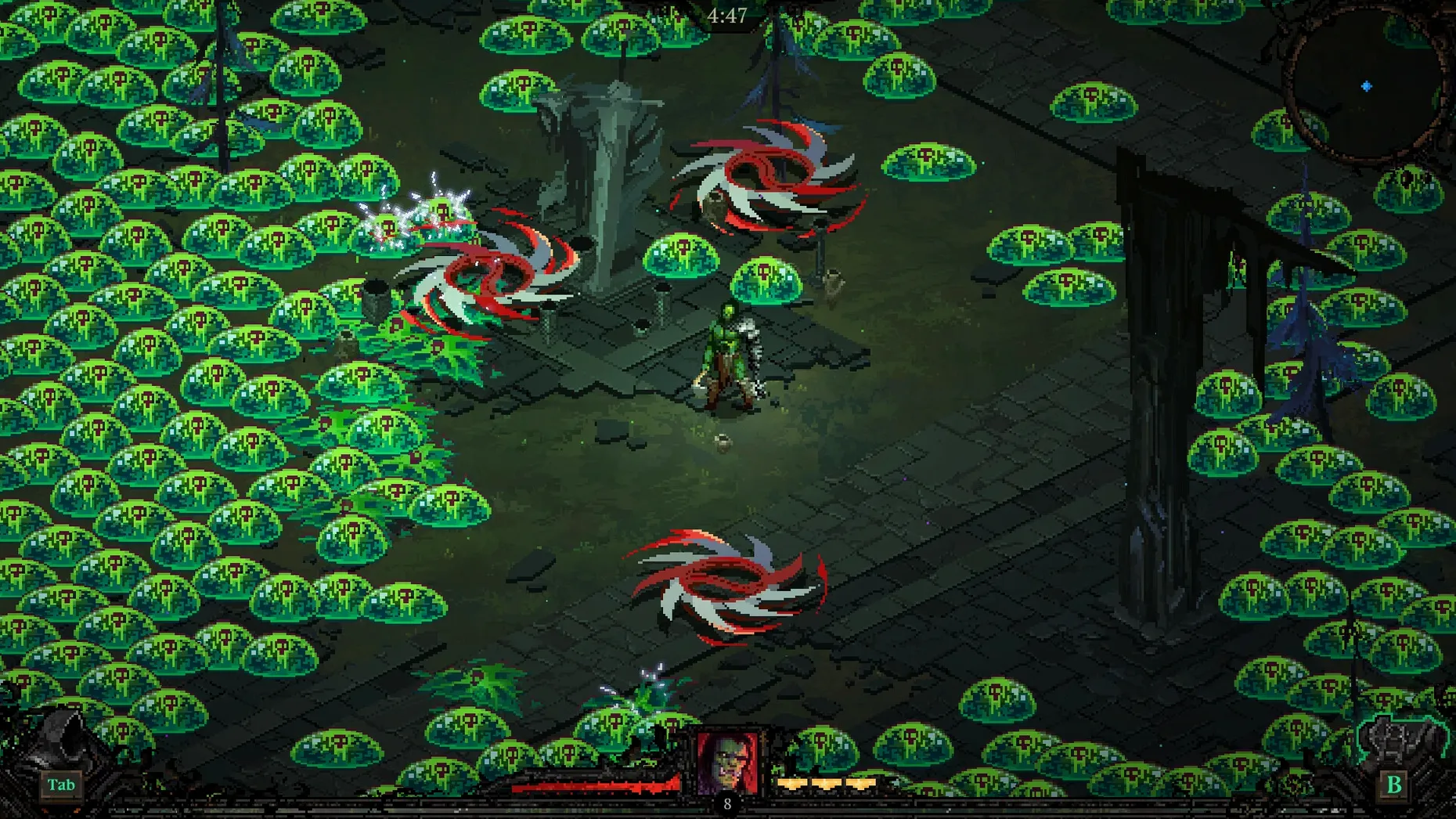
If you have spent time with Vampire Survivors, you will understand the core loop of Death Must Die instantly, though Realm Archive pushes the idea into a more mythic, item-driven direction. You pick a hero, drop into a cursed arena, and survive waves of skeletal legions and underworld inhabitants by letting your attacks fire off automatically. Movement is your main input—dodging projectiles and herding enemies into kill zones while experience gems pour across the screen.
From fragile nobody to screen-clearing god in 30 minutes
- Players who enjoy turning a fragile character into a screen-clearing god over a 30-minute run.
- Experimenting with hundreds of god blessings to create wildly different builds each session.
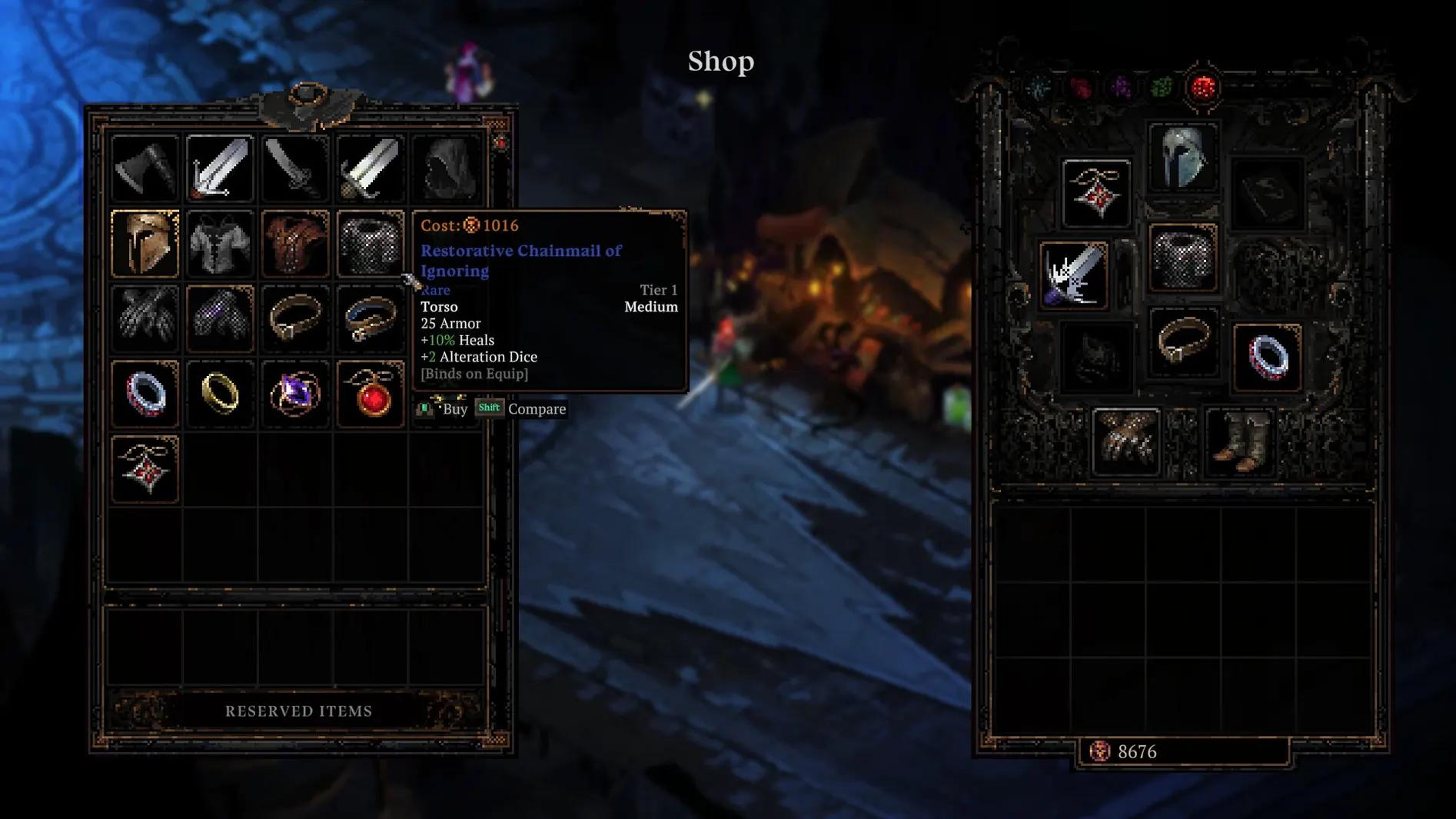
- A darker, Diablo-lite aesthetic where you collect random equipment sets between runs.
- Fans of early access titles that already feel mechanically tight and deeply replayable.
Tactical positioning matters more than precision aiming
- This is an early access build, so balance changes and content updates are part of the ride.
- Minute-to-minute gameplay is about tactical positioning rather than aiming skill.
- Ancient shrines and guardian fights can spike the difficulty sharply if your build is unlucky.
The first couple of sessions can feel like being thrown into a blizzard of experience gems and skeleton archers with no umbrella. One of the best things you can do in those early hours is let yourself lose runs without trying to fix everything at once. The god blessing tree looks enormous, and it is, but the game reveals it steadily through play, not through reading menus. Pick a hero whose passive trait clicks with you—Nixi’s dash resets reward aggressive movement, while Avoron’s shield encourages you to stand your ground—and stick with them for a full evening. You will learn enemy attack patterns much faster when you are not also learning a new health pool and dodge rhythm every twenty minutes.
A habit worth developing straight away is checking the equipment panel after every run, even a disastrous one. Death Must Die saves the random items you collect, and a piece that seemed unremarkable on its own can quietly unlock a build when paired with a blessing you roll next time. If you have been hoarding gear with flat damage bonuses, experiment with attack speed and area-of-effect modifiers instead; the difference in screen coverage is night and day. And when you spot an ancient shrine on the map, treat it as a build checkpoint. Shrine effects last across multiple waves, so hitting one with a coherent set of blessings already in place can cement a run that might otherwise wobble in the mid-game.
If you are playing on a Mac with a multi-button mouse, bind the dash or secondary ability to a side button. The default keyboard layout works, but moving your left hand for ability keys while dodging bullet curtains is a recipe for walking straight into a guardian’s swing. Little comfort tweaks like that turn a frantic first hour into a controlled, almost meditative flow state, which is where the bullet-heaven genre really sings.
Later circles now throw more enemies at you
Version 0.8.8a did not ship with a traditional changelog, but anyone who has been playing across the last few updates will notice a handful of shifts that reshape everyday sessions. Enemy density in the later circles has been nudged upward, so runs that used to feel comfortable around the fifteen-minute mark now demand a tighter build earlier. You can no longer coast on a single over-tuned blessing; the game pushes you to layer synergies, which has made off-meta god picks more viable simply because you need to experiment to keep up.
Item drop rates feel more generous than they did in the launch window, particularly for the rarer equipment sets. You will still go several runs without seeing a unique, but when one does appear, it tends to slot more naturally into whatever build you are running rather than sitting in your stash as a curiosity. The guardians themselves have had their attack telegraphs subtly refined—less obvious than a full animation rework, but enough that deaths against the later-circle bosses now provoke a “I should have moved sooner” reaction rather than a baffled shrug.
On the technical side, the build runs smoothly on both Intel and Apple Silicon Macs, and the DRM-free nature of the package means it launches quickly and stays out of your way. If you keep the app in your Applications folder and launch it from there, macOS Gatekeeper might grumble on first open, but after that it is a clean, self-contained experience.
Who gets the deepest mileage
This is not a game that asks for mechanical precision; it asks for curiosity. The Mac users who wring the most out of Death Must Die tend to be the ones who treat each run as a laboratory. If you enjoy roguelite deckbuilders or action RPGs where the fun is in the drafting rather than the dexterity, the god blessing system will keep you up late. There is genuine pleasure in discovering that a blessing you dismissed as weak—say, a chain-lightning proc with a tiny base chance—suddenly becomes a room-clearing engine when paired with attack speed boosts and a lucky equipment drop.
Another group that finds a home here is people who want a session game that respects a busy schedule. A full run clocks in under thirty minutes, and because the game auto-saves your equipment and quest progress between sessions, you can finish a fight, close the lid on a MacBook, and pick up later without losing anything except the current run. That drop-in rhythm suits students, parents, or anyone who grabs gaming time in short, unpredictable windows.
Lastly, if you are the sort of player who chases obscure achievements, the hard-to-obtain ones here are not of the “grind a thousand kills” variety. They nudge you toward bizarre builds and hero-specific challenges that genuinely change how you play. Someone searching for a death must die torrent macos will find the game runs as a compact, hassle-free download that rewards the kind of patient tinkering you cannot shortcut. The more you put into understanding its systems, the more the underworld opens up.
- Runs on Intel and Apple Silicon Macs
Questions I keep hearing
Does Death Must Die run natively on Apple Silicon?
Yes, the game is a universal binary that runs natively on both Intel Macs and Apple Silicon machines.
What do you actually do during a run?
You move your hero around an arena to dodge enemies and collect experience, while your attacks trigger automatically—your job is positioning, build selection, and choosing god blessings to shape your character's power.
Questions from the class 0
Sign in or join the class to ask a question.
Nobody has asked anything yet. If you have used it on a real job, say what the file did.
Also on the Games shelf
The whole Games shelf Dead Island
Drops you into a tropical zombie outbreak where a makeshift paddle can save your life.
 Dead Cells
Reshuffles its castle every time you fall, so knowledge of its systems is your only true upgrade.
 Cuphead
Teaches you to treat each boss death as a drum beat in a long, hand-drawn jazz number.
 Crusader Kings III
Simulates a medieval dynasty where your real resource is the tangled web of relationships.
 Dome Keeper
 Don’t Starve Together
Drops you into a hostile wilderness where you and friends must gather, build, and not starve.
 DOOM
Sends you running and gunning through hellish arenas packed with demons and big guns.
 Crimson Desert
Follows a mercenary through vast battles and intimate duels on a war-scarred continent.