 ASPNetWorld

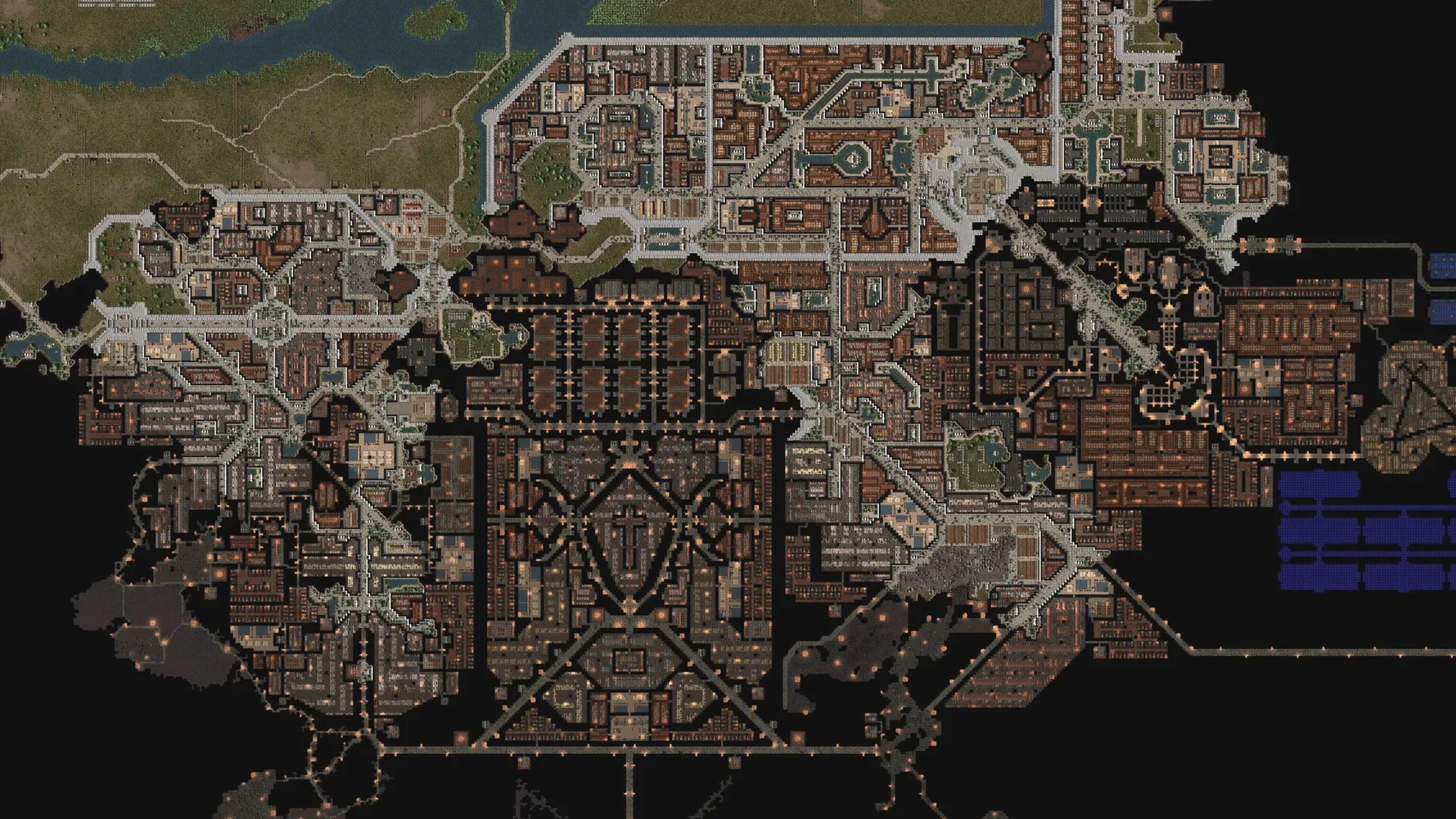
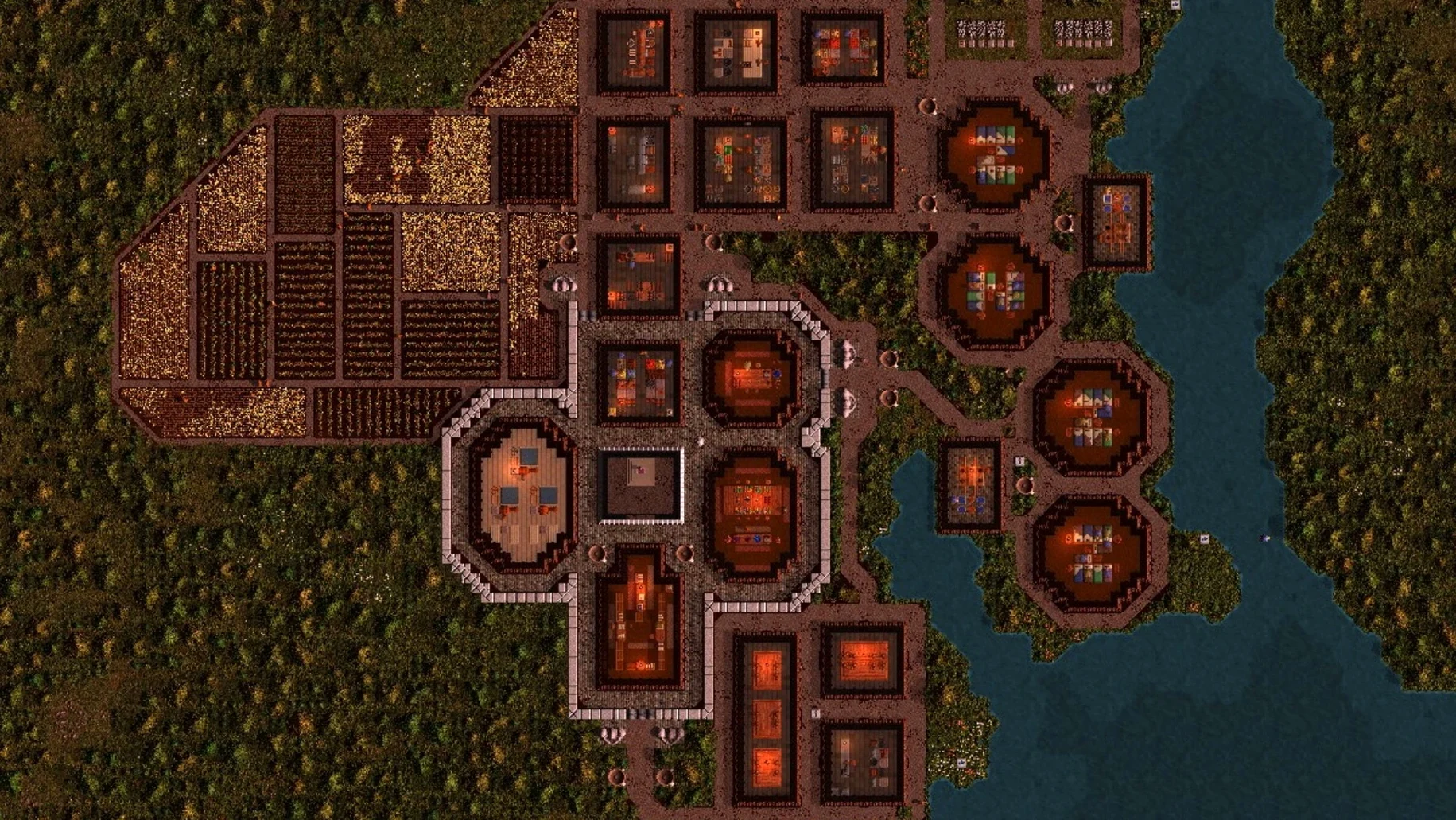
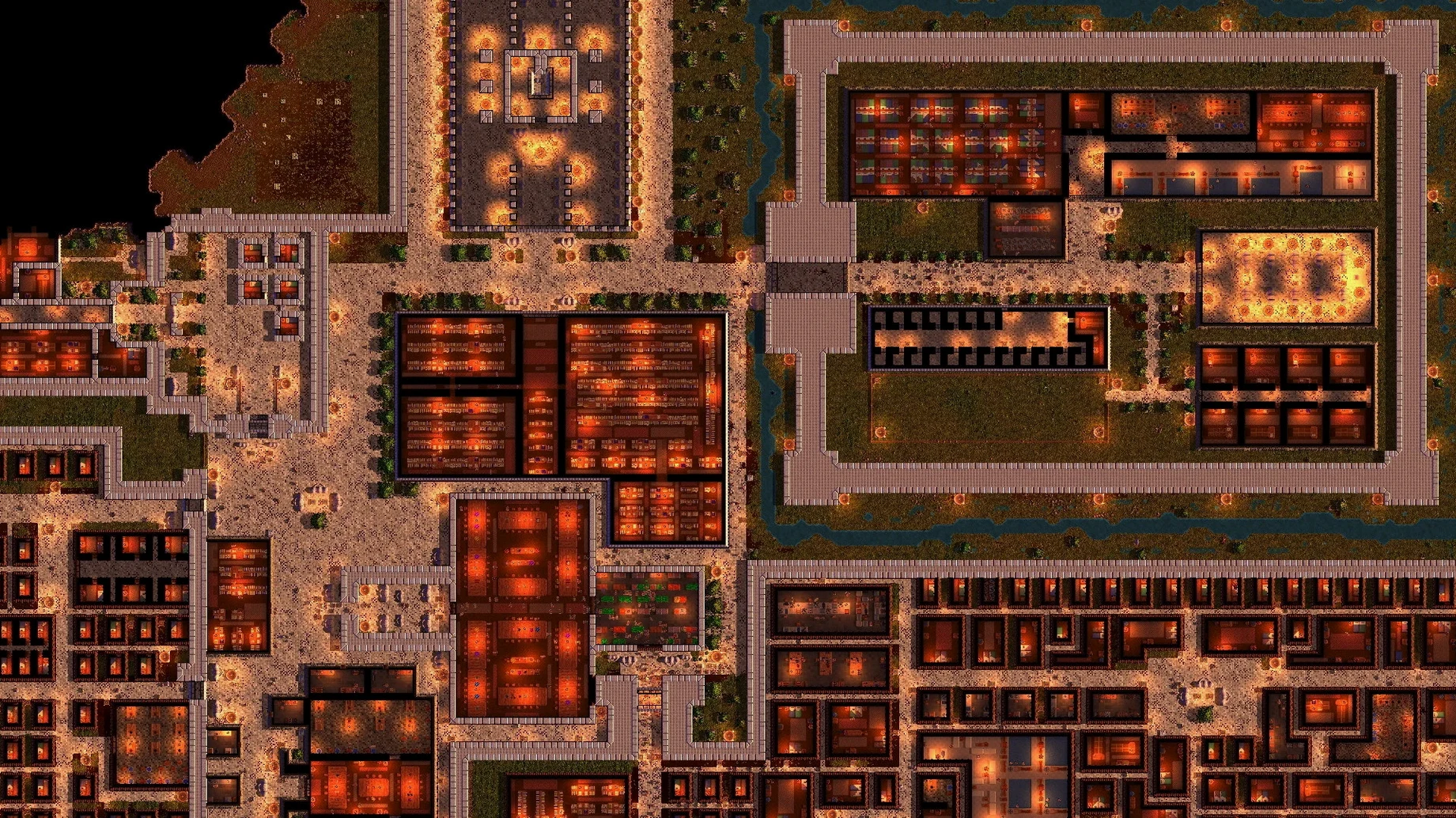
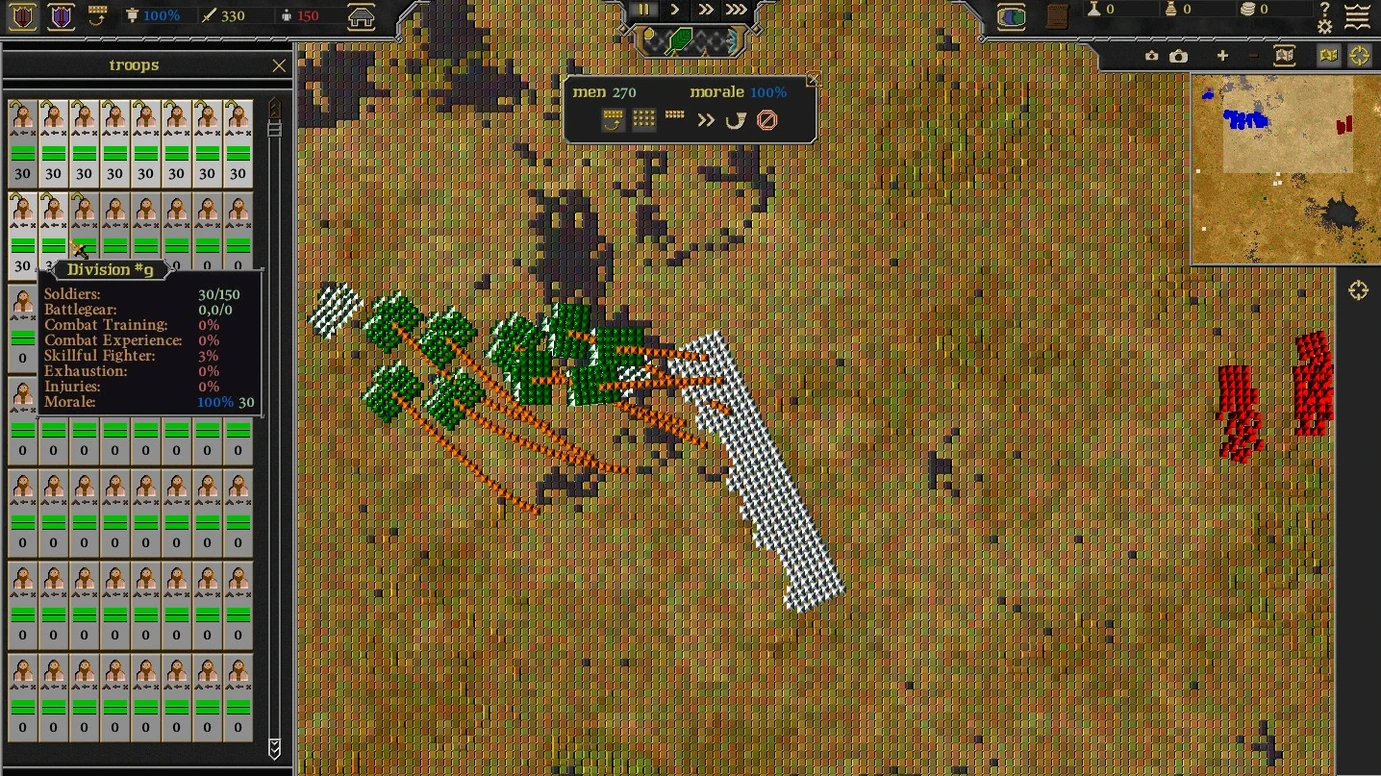
The game runs as a 64-bit x86 process, so on an Apple Silicon Mac it relies entirely on Rosetta 2 translation from the moment you launch. In practice that means a slight warm-up period when generating a large map, but once the simulation is ticking over, frame rates settle into perfectly playable territory even with a couple of thousand citizens on screen.
How well does it run on a Mac?
Expect a stable, if not native, experience. The simulation’s depth—tracking subject satisfaction, city welfare, and the temperament of magical creatures—means the CPU does the heavy lifting, and Rosetta handles the instruction translation smoothly. A large raid or a sudden dragon visit will cause a stutter, but that’s the sort of drama you signed up for.
Are the controls Mac-friendly?
Yes, the standard mouse-and-keyboard scheme works without any special configuration. The interface scales well, and you can navigate the sprawling menus using the same shortcuts you would on a Windows machine, which makes digging into complex trade or nobility systems feel natural on a desktop Mac.
What’s the scale of the threat?
Stability is a fragile web of welfare and contentment, and a single overlooked god or a hungry army of cannibals can unravel a city of thousands remarkably quickly. The game doesn’t hold your hand, so expect to lose a few fledgling colonies while you learn the rhythms of supply and defence.
Overbuilding housing before securing a food surplus
The biggest mistake I see in my evening classes—and yes, we sometimes discuss game design alongside compressor ratios—is treating Songs of Syx like a gentle village painter. It isn't. Beginners routinely overbuild housing before securing a reliable food surplus, then wonder why their grain stores run dry in the first winter. A colony of fifty stone cottages with empty bellies is a riot waiting to happen.
Another classic stumble: ignoring immigration waves until they arrive, then frantically throwing down farms with no workers to tend them. The game's population systems don't pause politely while you catch up. If you open the gates to sixty newcomers without spare bread and a functioning well, you will learn what cascading failure looks like. Less obviously, players often overlook the subtle but persistent drain of low contentment. One unhappy noble faction can sour a whole district over several in-game years, and by the time you notice, the damage is baked into your loyalty numbers.
Your first few sessions
Spend your opening hour with the game paused. I mean that literally—bash the spacebar and stay frozen while you study the terrain, the natural resources, and the trade map. Mark out where your first fishery or grain field will go, and count the tiles to the nearest wild game. A settlement founded on a whim usually starves by its second autumn.
Once you unpause, resist the urge to grow wide. A compact cluster of thirty citizens with surplus food, a basic warehouse, and a single training ground teaches you more about the simulation's rhythm than a sprawling, unguarded town ever will. Let the first raid come early; it will be small, and you will see exactly how your fledgling military responds. For a quick stress-test of your food chain, try deliberately stockpiling a reserve of at least a hundred bread units before you build your sixth house. If you can hold that buffer through a season, you have grasped the most important lesson the game offers.
Winter preparation with forty-seven citizens and eight days left
Imagine a Tuesday evening. You download Songs of Syx torrent macOS and load a temperate map with a winding river. The colony is forty-seven citizens, and winter is eight days away. You pause immediately and scroll to the stockpile screen: grain reserves sit at eighty-two, but the mill is idle because your single baker caught a fever. You reassign a healthy labourer to the bakery—one click—and watch the flour start moving. Then you notice the eastern palisade has a gap where a tree fell last spring. Bandit scouts were spotted three days ago, so you unpause and order the gap sealed before nightfall. The builders jog into position as snow begins to fall, and the simulation ticks forward without fanfare, one citizen, one meal, one wall segment at a time.
- Architecture: Intel (64-bit)
- Apple Silicon Macs run the game via Rosetta 2
Questions I keep hearing
Which languages are supported?
The interface can be set to Russian, English, German, Danish, Spanish, Italian, Simplified Chinese, Korean, Polish, Portuguese, Turkish, Ukrainian, French, Czech, or Japanese.
Does the game have a wiki or manual?
Yes, an official wiki exists and is the best place to study the game's complex systems outside of watching your own cities crumble.
Is the music a separate language pack?
'Music' is listed as the voice-language field, meaning the soundtrack is the sole audio language experience.
Questions from the class 0
Sign in or join the class to ask a question.
Nobody has asked anything yet. If you have used it on a real job, say what the file did.
Also on the Games shelf
The whole Games shelf Songs of Conquest
Commands armies and builds kingdoms in a turn-based fantasy world that rewards careful positioning.
 Software Inc
Simulates running your own software company, from hiring staff to launching buggy products.
 South Park: Snow Day!
Fights through a snowed-in South Park with foul-mouthed kids and quick co-op brawls.
 Spirit of the North
 Stardew Valley
Builds a quiet life on a farm.
 Stellaris
Guides a civilisation through the stars.
 STORROR Parkour Pro
Lets you practise parkour across city rooftops.
 Stronghold Crusader HD