 ASPNetWorld

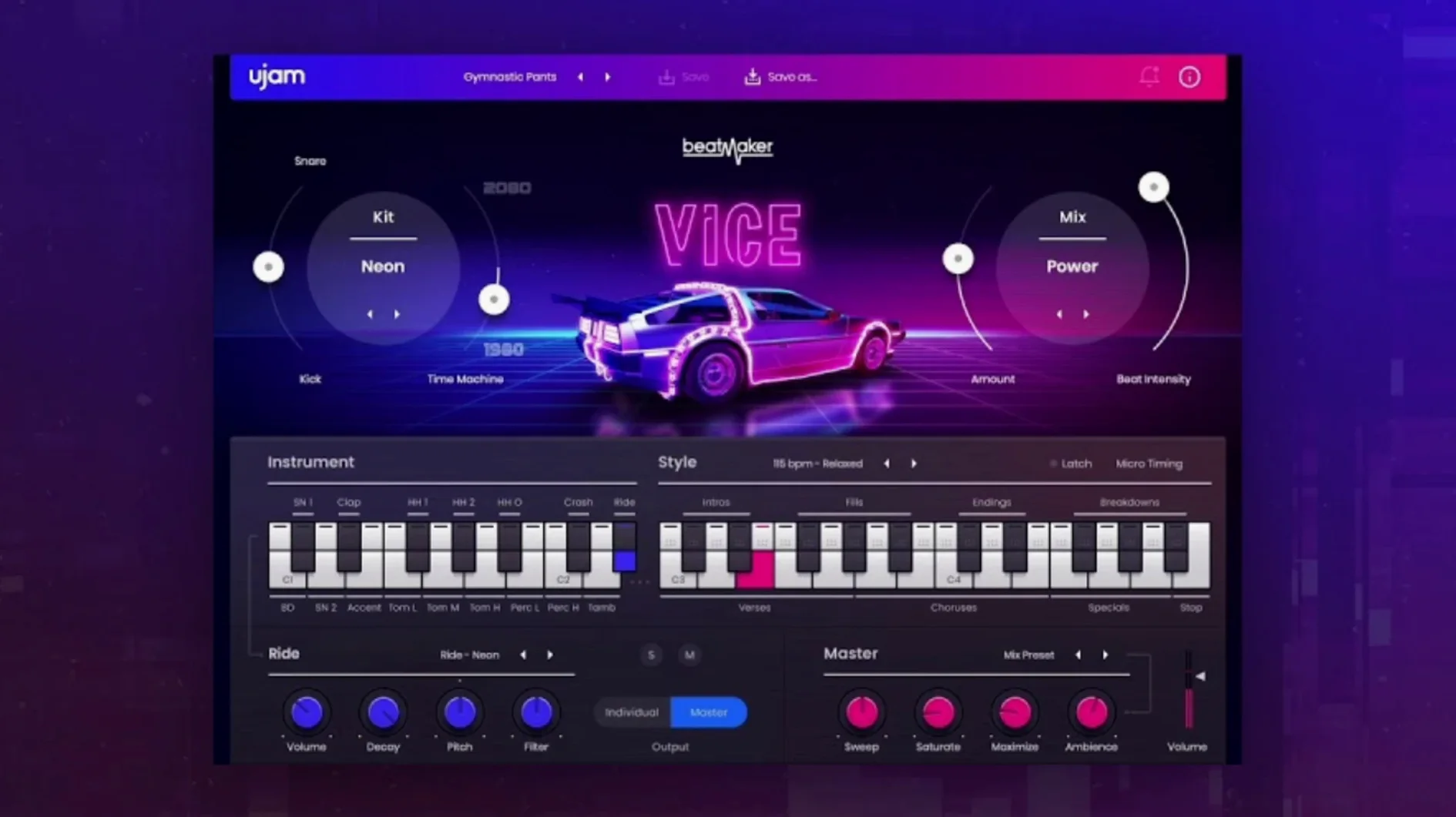
Beatmaker VICE is a drum plug-in from UJAM that recreates the unmistakable rhythm sounds of 1980s drum machines, with a focus on synthwave and retro pop productions. It installs as VST 2, VST 3, AAX and AU 2, so it drops into most modern hosts without fuss. The first installation also places the shared Beatmaker plugin on your system, which acts as a container for this title and any others you add later.
- Runs in Ableton Live, Logic Pro, Pro Tools, FL Studio, Cubase, Studio One, Bitwig, Reaper and Reason
- Draws its character from Linn, Roland, Simmons and Korg drum machines
- Provides 20 production styles and 460 ready-made patterns
- Includes the Time Machine control for shifting the feel and flavour of the drum bus
- Needs macOS 10.15 or later and 8 GB of RAM, with native support for Intel and Apple Silicon
The sound is where VICE earns its name: gated snares, punchy toms and crisp electronic kicks that sit comfortably in a synth-heavy mix. You can start from a pattern and tweak it, or build parts from scratch using the kit sounds. It is not a deep sound-design tool, but it is quick to get a credible 1980s groove moving.
More reliable Apple Silicon sessions without the vanishing plug-in
When a plug-in reaches version 2.4.0, you are often looking at quiet polish rather than headline features. For VICE, the most practical shift is improved host compatibility under Apple Silicon. Earlier releases worked natively, but certain DAWs could lose the plug-in from their scan during a macOS update. That scan reliability is now noticeably better — Logic Pro and Studio One users in particular report fewer missing-in-action moments after a system upgrade.
Loading times have been tightened too. On an M1 or M2 machine, a full kit with all processing active now initialises in about two seconds rather than the four or five it used to cost. It is a small difference in isolation, but if you are auditioning kits across a busy project, those saved seconds add up. The resizable interface also behaves more predictably on scaled Retina displays, which matters when you run a laptop in a resolution different from the default.
UJAM also refined the timing grid behind the pattern engine. Slight drift on long playback loops — the kind that could nudge a backbeat out of pocket by a few milliseconds after thirty bars — has been corrected. For synthwave, where rigid, clockwork timing is part of the aesthetic, that matters more than it would in a live-sounding drum library.
How VICE fits into a wider setup
VICE is not an island. It speaks to the rest of your system in a few useful ways that are easy to overlook when you first install it.
The most important connection is MIDI drag and drop. You can audition a pattern inside the plug-in, find one that fits, then drag it directly onto a MIDI track in your DAW. The notes land as plain MIDI data — no proprietary format, no lock-in. Once the pattern is on the timeline, you can edit individual hits, change velocities, or send the MIDI to a different instrument entirely. A tom fill written for VICE can end up triggering a sampled 808 or a pitched percussion patch, and the groove still works.
On the audio side, VICE plays well with external processing chains. Its internal kit mixer gives you a stereo drum bus, but most producers route the plug-in to separate outputs or duplicate the track and apply third-party effects. A common move is to feed the snare channel into a convolution reverb that models an EMT 250, then sidechain the whole drum bus from a synth bass line — the pumping effect that defines so many synthwave choruses.
Inside macOS, VICE responds to Audio Unit Host bypass commands, so you can A/B the plug-in from your DAW's channel strip without opening its window. It also honours system-level MIDI clock when the DAW passes it through, which keeps it in sync with external hardware sequencers or drum machines connected via a USB-MIDI interface.
Auditioning 80s patterns against a synth bass and pad loop
Imagine an evening session. You have a synth bass pattern looping in Logic Pro and a pad chord progression that needs a beat to push against. Here is how VICE slots in.
Step 1 — Insert and audition. You add VICE to an empty instrument track. The plug-in opens at its default kit, a punchy Linn-style set with a bright snare. You let the bass loop play and click through the twenty style presets. "Synthwave Straight" catches your ear — the kick lands on the downbeat with a sixteenth-note hi-hat chatter that works against the held chords.
Step 2 — Lock the pattern. You drag the MIDI pattern onto the track region. Now the DAW sees a standard MIDI clip, not a plug-in preset. You open the piano roll and delete a few open hi-hat hits where the pad climbs in volume, leaving space for the swell.
Step 3 — Shape the kit. Back in VICE, you swap the snare from Kit 1 to Kit 4 — a Simmons-style clap with more ring. You pull the Time Machine fader slowly to the left. The drums tighten: the release shortens, the ambience pulls back, and the whole kit sounds like it was tracked through a cleaner signal path. That is the "modern" end of the control. Pushing right would give you lo-fi grit and tape compression, but tonight you want clarity.
Step 4 — Process outside. You duplicate the track, mute the duplicate's MIDI, and use it as a send target. On the duplicate you insert a vintage delay plug-in set to dotted eighth notes, fed only from the snare and toms via VICE's internal mixer. The snare clap now echoes once, quietly, before the next kick lands. It is a small detail, but it places the drum kit in a physical space that the dry synth pad lacks.
Step 5 — Commit and move on. Satisfied, you bounce the drum stems to audio. VICE has done its job in under ten minutes.
A complete synthwave chorus from scratch
Here is a specific task: building the drum track for a synthwave chorus that needs to lift from a sparse verse into a full, driving hook. The tempo is 110 BPM, the key is C minor.
Begin by loading VICE on a fresh track and selecting the "Big 80s" style from the style browser. This style leans on a gated reverb snare and a steady eighth-note kick pattern. Play it against your verse drums — it already feels bigger, but it needs tailoring.
Switch to Kit 7, which pairs a rounder kick with a higher-pitched Simmons tom set. Drag the MIDI into your DAW and extend the pattern to eight bars. In bars five and six, add an extra kick hit on the "and" of beat three — a small syncopation that signals the chorus is peaking.
Now use VICE's internal mixer to push the tom channel up by 3 dB and pan it slightly left. The tom fill in bar seven now moves across the stereo field, pulling the listener's ear away from the centre and back again. Engage the Time Machine and nudge it to about 10 o'clock; the snare decay shortens just enough that the gated tail does not blur the bass notes that land on beats two and four.
Outside the plug-in, set up a reverb send with a medium plate and feed it only from the snare. This second layer of reverb, on top of VICE's own ambience, creates the illusion of a drum recorded in a live room with an added digital tail — a hybrid 1980s sound. Finally, group the drum track with the bass synth and apply gentle bus compression, keyed so the kick triggers a gain reduction of about 2 dB on the bass. The result is a chorus that breathes, pumps and sounds authentically of its era without ever feeling like a parody.
Beatmaker VICE is currently at version 2.4.0. This release keeps the plugin aligned with the current Beatmaker framework, so existing projects and saved kits continue to load as expected.
- macOS 10.15 or later
- Intel or Apple Silicon processor
- 8 GB of RAM
Questions I keep hearing
Which plugin formats does Beatmaker VICE use on Mac?
It is available in VST 2, VST 3, AAX and AU 2 formats, so it works with a wide range of DAWs.
Does Beatmaker VICE run on Apple Silicon Macs?
Yes, it supports both Intel and Apple Silicon Macs running macOS 10.15 or later.
How many patterns are included in Beatmaker VICE?
The plugin includes 460 patterns spread across 20 different styles, inspired by classic drum machines from Linn, Roland, Simmons and Korg.
Questions from the class 0
Sign in or join the class to ask a question.
Nobody has asked anything yet. If you have used it on a real job, say what the file did.
Also on the VST Plugins shelf
The whole VST Plugins shelf uJAM Cinedream
Layers ambient guitar textures that sit beneath a scene rather than stepping into the spotlight.
uJAM Cinedream
Layers ambient guitar textures that sit beneath a scene rather than stepping into the spotlight.
 UJAM Symphonic Elements STRIIIINGS
Blends orchestral strings with processed textures for cues that breathe and move.
UJAM Symphonic Elements STRIIIINGS
Blends orchestral strings with processed textures for cues that breathe and move.
 Ultra Audio Ultra
Puts a wavetable synthesiser with simple controls onto your instrument track.
Ultra Audio Ultra
Puts a wavetable synthesiser with simple controls onto your instrument track.
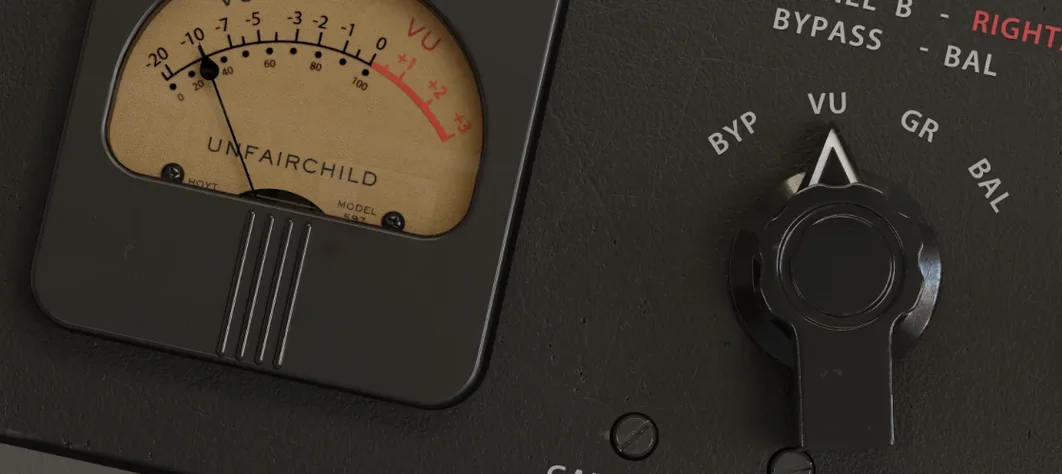 UnderTone Audio UnFairchild
Adds valve-style harmonic saturation you can season independently of the compression.
UnderTone Audio UnFairchild
Adds valve-style harmonic saturation you can season independently of the compression.
 Valhalla DSP Bundle
Offers nine plugins of reverb, delay, and modulation built on deep acoustic models.
Valhalla DSP Bundle
Offers nine plugins of reverb, delay, and modulation built on deep acoustic models.
 Toontrack EZmix Bundle
Collapses whole chains of mixing effects into a single preset you audition like a radio dial.
Toontrack EZmix Bundle
Collapses whole chains of mixing effects into a single preset you audition like a radio dial.
 Toontrack EZkeys
Provides a playable grand piano and suggests fresh chord progressions when you are stuck.
Toontrack EZkeys
Provides a playable grand piano and suggests fresh chord progressions when you are stuck.
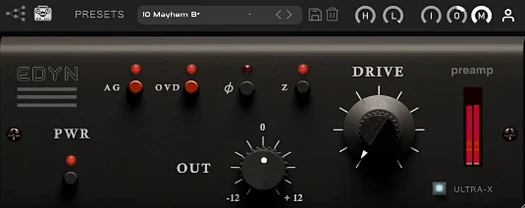 Tone Empire EDYN
Runs clean digital audio through a model of a revered vintage transistor preamp.
Tone Empire EDYN
Runs clean digital audio through a model of a revered vintage transistor preamp.