 ASPNetWorld

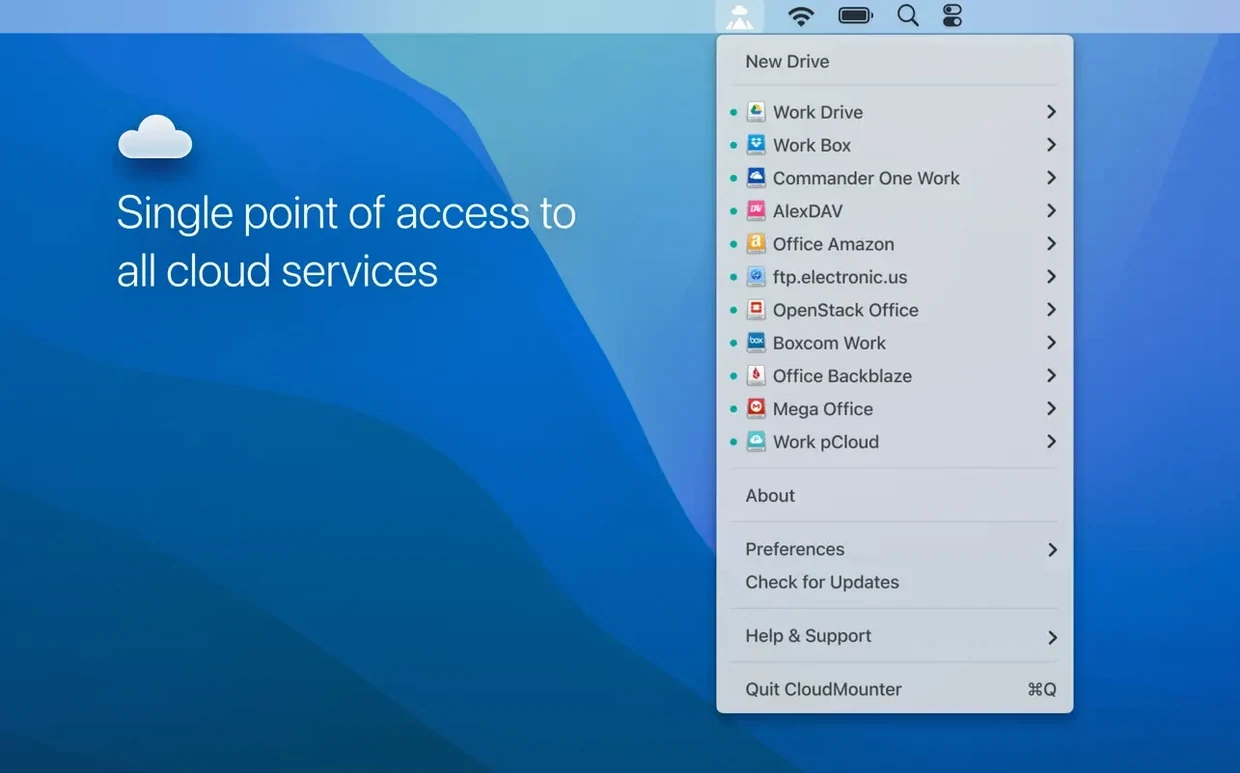
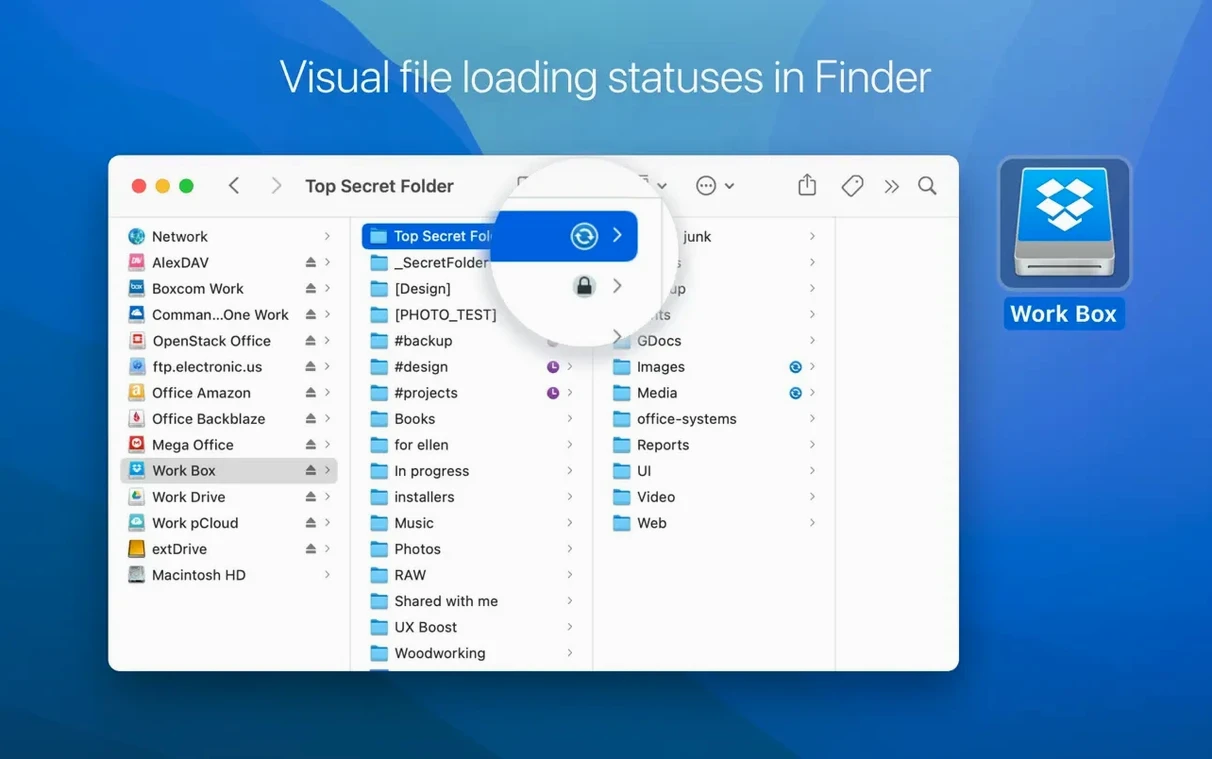
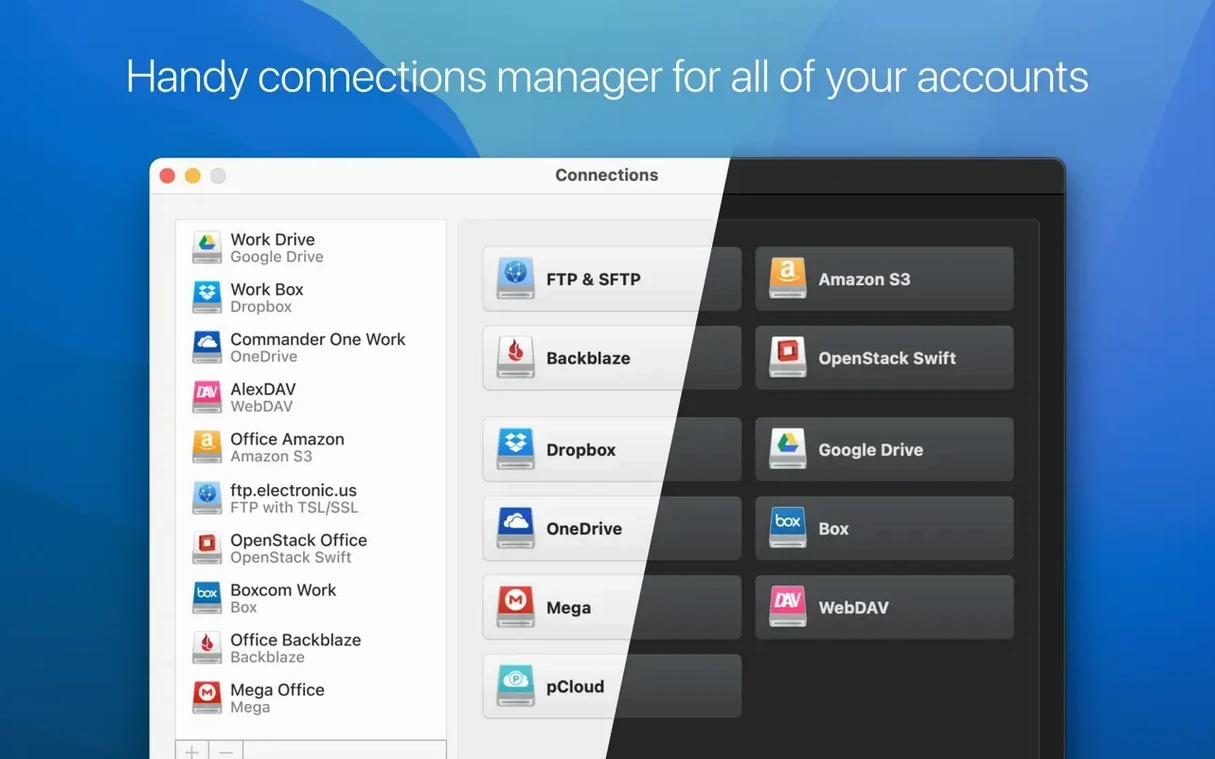
CloudMounter is a Mac utility that makes remote storage behave like an external hard drive plugged straight into your machine. Rather than syncing everything locally, it connects your cloud accounts and servers as mountable volumes that sit in the Finder sidebar, ready to browse with no extra client software cluttering the Dock.
Maintenance update tightens uploads and MEGA reliability
Version 4.18, released in June 2026, is largely a maintenance update that smooths out rough edges in the connection handling. Large-file uploads feel snappier, MEGA connections are more dependable, and a handful of download bugs have been squashed — particularly around SFTP cancellation and cache-volume changes. The storage-usage display for online connections now reports figures you can actually trust, which saves you from that uneasy moment when Finder says one thing and the web dashboard says another.
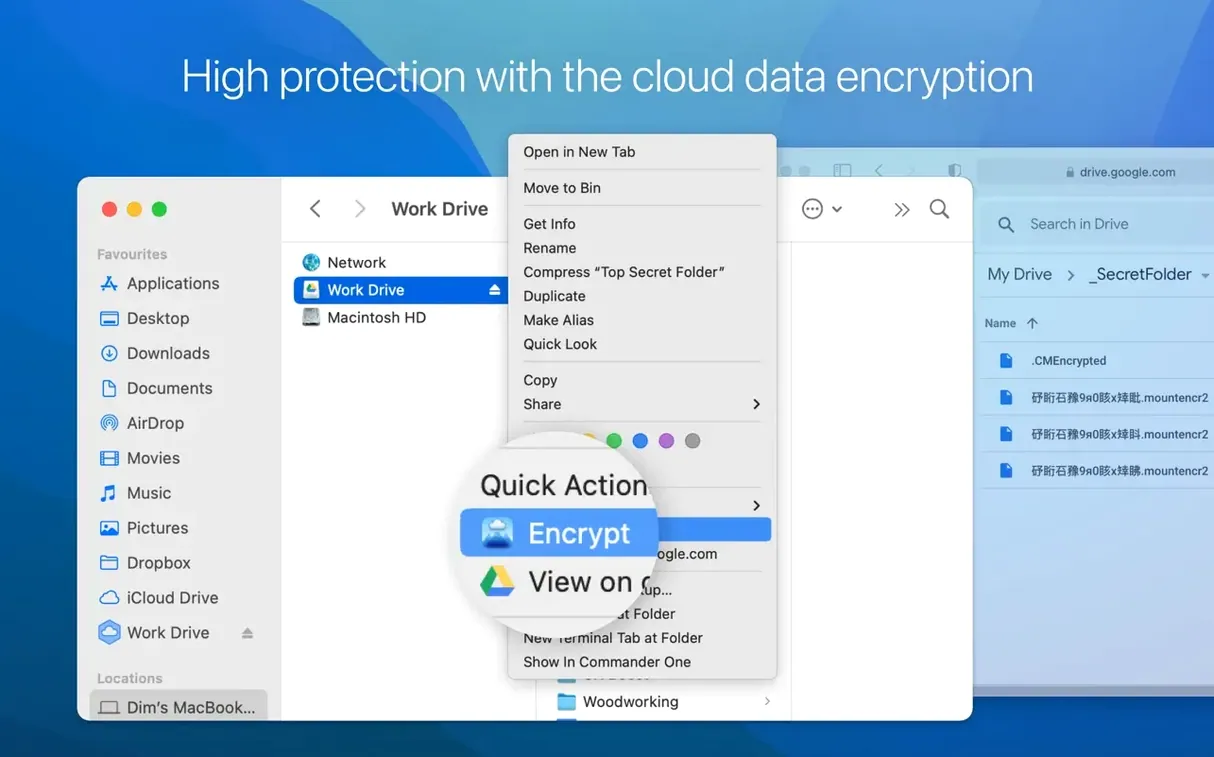
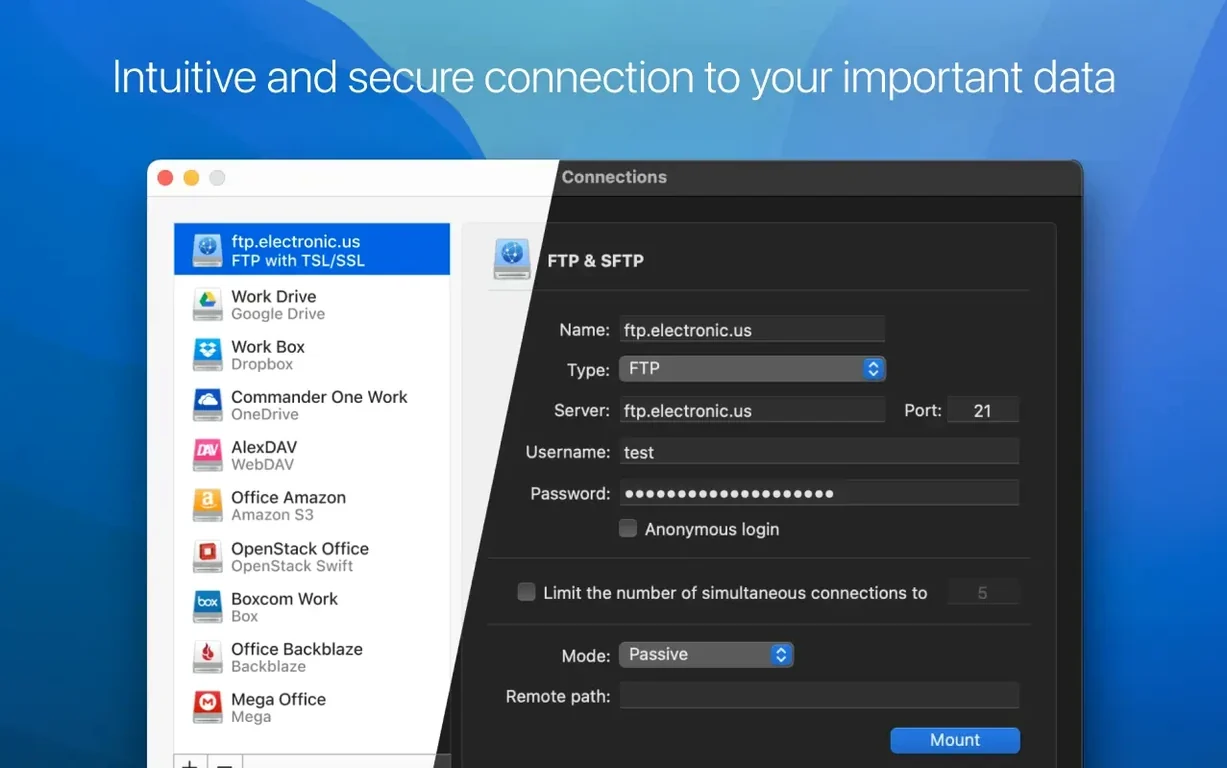
Under the bonnet the fundamentals remain the same: AES-256 encryption for cloud data, support for mounting multiple accounts from a dozen or so services (Google Drive, Dropbox, Amazon S3, OneDrive, Box, Backblaze B2, WebDAV, plus FTP, SFTP and FTPS), and a Finder integration that needs no explanation to anyone who has ever dragged a file between folders. The app still runs on 64-bit Intel Macs back to macOS 10.14, and it still speaks Russian, English, German, Spanish, Italian, Simplified Chinese, Korean, Portuguese, French, Czech and Japanese — a quiet reminder that remote workflows are global workflows.
Why the local-drive metaphor matters
Mounting is not syncing. CloudMounter does not automatically pull every file onto your internal SSD; it streams data on demand, which means a terabyte of cloud footage won't suddenly fill your MacBook Air. That distinction is the reason the app appeals to people who juggle several cloud accounts and want one unified view without committing local disk space. It is also why, if you're experimenting with a CloudMounter crack, CloudMounter torrent or CloudMounter activation code, you'll want to pay special attention to Keychain access permissions — the app handles live authentication tokens for your cloud services, and making sure those tokens can be stored and retrieved properly is the key to a smooth experience.
CloudMounter sits in an interesting middle ground between full sync clients and barebones connection tools, and knowing where the boundaries lie helps you decide when it is the right tool for the job. Next to Mountain Duck, which also mounts remote storage as volumes on a Mac, the difference comes down to interface philosophy. Mountain Duck puts a small menu-bar icon front and centre, and its Finder volumes behave almost exactly like local disks — you can even index them with Spotlight. CloudMounter keeps everything inside a single application window and emphasises managing multiple connections from one dashboard. If you prefer a set-it-and-forget-it approach where the cloud just appears as a drive letter and you never open a companion app, Mountain Duck probably suits you better. If you want a clear overview of six or seven accounts and enjoy tweaking mount settings per connection without digging into system preferences, CloudMounter feels more like a control panel.
ExpanDrive takes the metaphor in yet another direction by adding per-application bandwidth controls and a stronger focus on collaborative workflows — think designers who need to open Photoshop files directly from an SFTP server while keeping video-call bandwidth untouched. CloudMounter does not throttle by application, so heavy background transfers can occasionally compete with other network traffic. On the other hand, CloudMounter's encryption layer is more straightforward to set up than ExpanDrive's, and the interface in version 4.18 loads file listings noticeably faster than previous builds, which closes a gap that used to favour ExpanDrive for browsing deep folder trees.
Then there is Commander One, also from Eltima, which bundles cloud mounting inside a dual-pane file manager. CloudMounter is the focused alternative: it skips the file-manager interface entirely and gives you plain Finder integration, which feels lighter if you already have a workflow built around Finder tabs and tags.
Fix the sudden not-connected error with an expired token
The most frequent head-scratcher appears when a mounted volume suddenly shows as "not connected" despite a healthy internet connection. Usually this is an expired authentication token. Cloud services rotate tokens periodically, and CloudMounter cannot always refresh them silently in the background. The fix is quick: open the CloudMounter window, right-click the troubled connection, choose "Reconnect," and re-authenticate when prompted. If the problem keeps returning, removing the connection and adding it fresh often resets whatever token state had become stale.
Another quirk surfaces with MEGA accounts. Version 4.18 improved MEGA handling, but MEGA's own rate-limiting can still cause folders to appear empty for a few seconds longer than you expect. Patience usually wins; if the listing stays blank for more than thirty seconds, unmounting and remounting the connection nudges the handshake along. On SFTP connections, you may notice that cancelling a large download now actually stops the transfer — a bug fix listed in the release notes — but if you keep an older preference file around after updating, the fix might not take hold. Resetting CloudMounter's preferences (delete ~/Library/Preferences/com.eltima.cloudmounter.plist while the app is closed) gives you a clean slate, though you will need to re-add your connections.
A handful of users searching for a CloudMounter macos download end up on forums that bundle the app with questionable extras. The official disk image from Eltima is a straightforward mount-and-drag affair; if your installer asks for anything beyond an admin password for the initial setup, something is off.
First days with CloudMounter: practical moves
Start small. Pick one cloud service you use daily — Google Drive is a safe first candidate — and mount it without encryption. Spend a morning opening files, saving back to the mounted volume, and dragging items between the cloud drive and your local desktop. This gets you comfortable with the rhythm before adding complexity.
Once the basics feel natural, add a second connection from a different provider, like Dropbox or OneDrive, and pay attention to how CloudMounter colour-codes the connection status. The small green and grey dots in the connection list are easy to overlook at first, but they become your early-warning system for token expiry or network hiccups.
If you plan to use the encryption feature, test it on a throwaway folder before committing anything important. Create a new encrypted connection, drop in a few harmless text files, then mount the same cloud storage without encryption through a web browser to verify that the files are indeed scrambled gibberish. This one-time check builds confidence, and it also teaches you the password-recovery reality: CloudMounter's encryption has no back door, so a lost password means lost data.
Assign keyboard shortcuts to your most-used connections early. The app lets you mount and unmount individual drives with hotkeys, and after a few days of muscle memory you will wonder why you ever right-clicked through menus. Finally, resist the urge to mount every connection at login. Pick the two or three you genuinely need at boot, and mount the rest on demand; your Mac's boot time and your own mental overhead will both thank you.
Version 4.18 tidies up several connection behaviours that users had flagged over recent months.
- Large-file uploads are more reliable, particularly on higher-latency connections.
- MEGA connections handle reauthentication and sustained transfers better than before.
- Download cancellation on SFTP connections now actually stops the transfer instead of leaving a partial file behind.
- A bug where changing the cache volume would cause file downloads to fail has been fixed.
- Storage-usage information for online connections now reports accurate figures.
- macOS 10.14 or later
- 64-bit Intel processor
Questions I keep hearing
Does CloudMounter keep a local copy of my cloud files?
No. It mounts cloud storage as a network volume, so files are downloaded on demand rather than synced to your local disk automatically.
Can I connect more than one Google Drive account at the same time?
Yes, you can add multiple accounts from the same or different services and they will appear as separate volumes in Finder.
Which connection types does CloudMounter support?
It works with Google Drive, Dropbox, Amazon S3, OneDrive, FTP, SFTP, FTPS, OpenStack Swift, Box, Backblaze B2, WebDAV and MEGA.
Questions from the class 0
Sign in or join the class to ask a question.
Nobody has asked anything yet. If you have used it on a real job, say what the file did.
Also on the Mac Apps shelf
The whole Mac Apps shelf Clip Studio Paint
Gives animators a traditional light-table view to reference previous frames while drawing.
Clip Studio Paint
Gives animators a traditional light-table view to reference previous frames while drawing.
 Cocktail Sequoia Edition
Clears cached files, repairs permissions and sweeps away the digital clutter that slows a Mac.
Cocktail Sequoia Edition
Clears cached files, repairs permissions and sweeps away the digital clutter that slows a Mac.
 CLion
Maps a C or C++ codebase into a living structure you can refactor and navigate with confidence.
CLion
Maps a C or C++ codebase into a living structure you can refactor and navigate with confidence.
 coconutBattery Plus
Charts the invisible decline of your MacBook battery so you can replace it before it fails.
coconutBattery Plus
Charts the invisible decline of your MacBook battery so you can replace it before it fails.
 CleanShot X
Snaps a screenshot or recording, then lets you annotate, hide sensitive bits, and share the result.
CleanShot X
Snaps a screenshot or recording, then lets you annotate, hide sensitive bits, and share the result.
 Coherence X
Creates isolated, standalone desktop apps for each of your web accounts and services.
Coherence X
Creates isolated, standalone desktop apps for each of your web accounts and services.
 CleanMyMac
Scans for system junk, old caches, and stray files, then clears them out in one pass.
CleanMyMac
Scans for system junk, old caches, and stray files, then clears them out in one pass.
 Color Finale
Lets you colour-grade video directly inside Final Cut Pro without leaving the timeline.
Color Finale
Lets you colour-grade video directly inside Final Cut Pro without leaving the timeline.