 ASPNetWorld

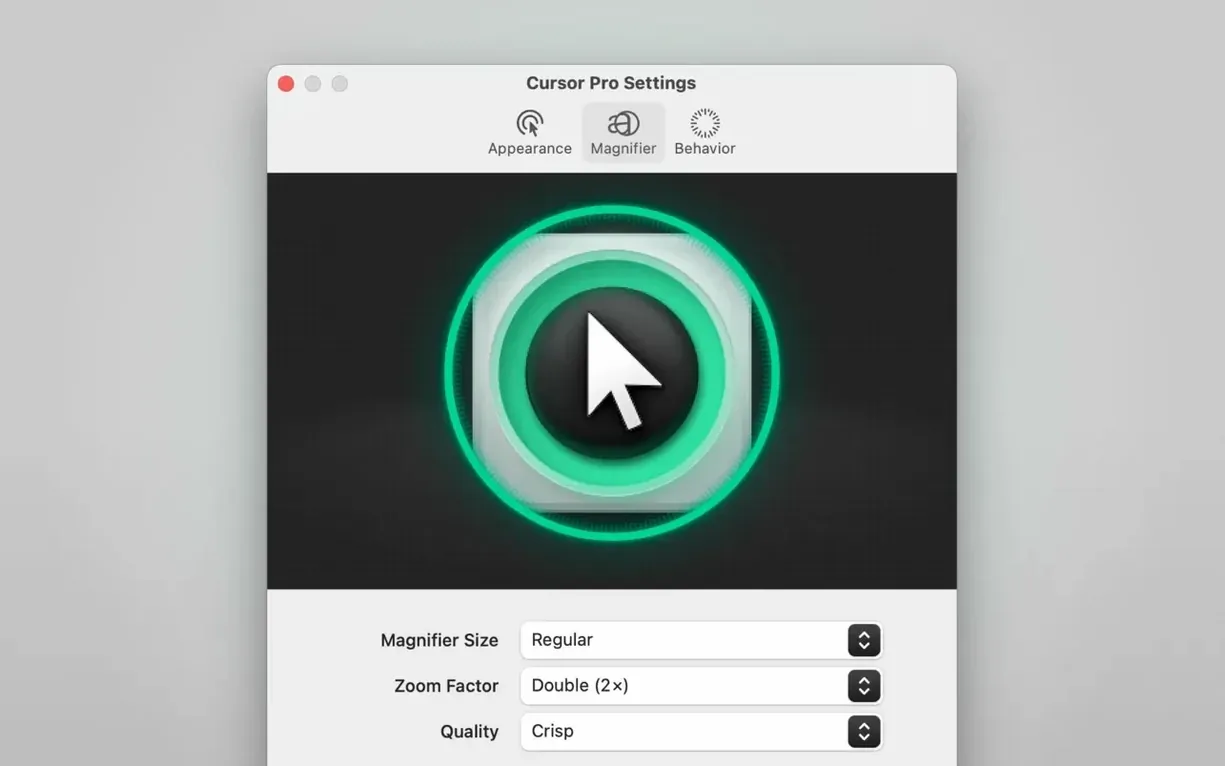
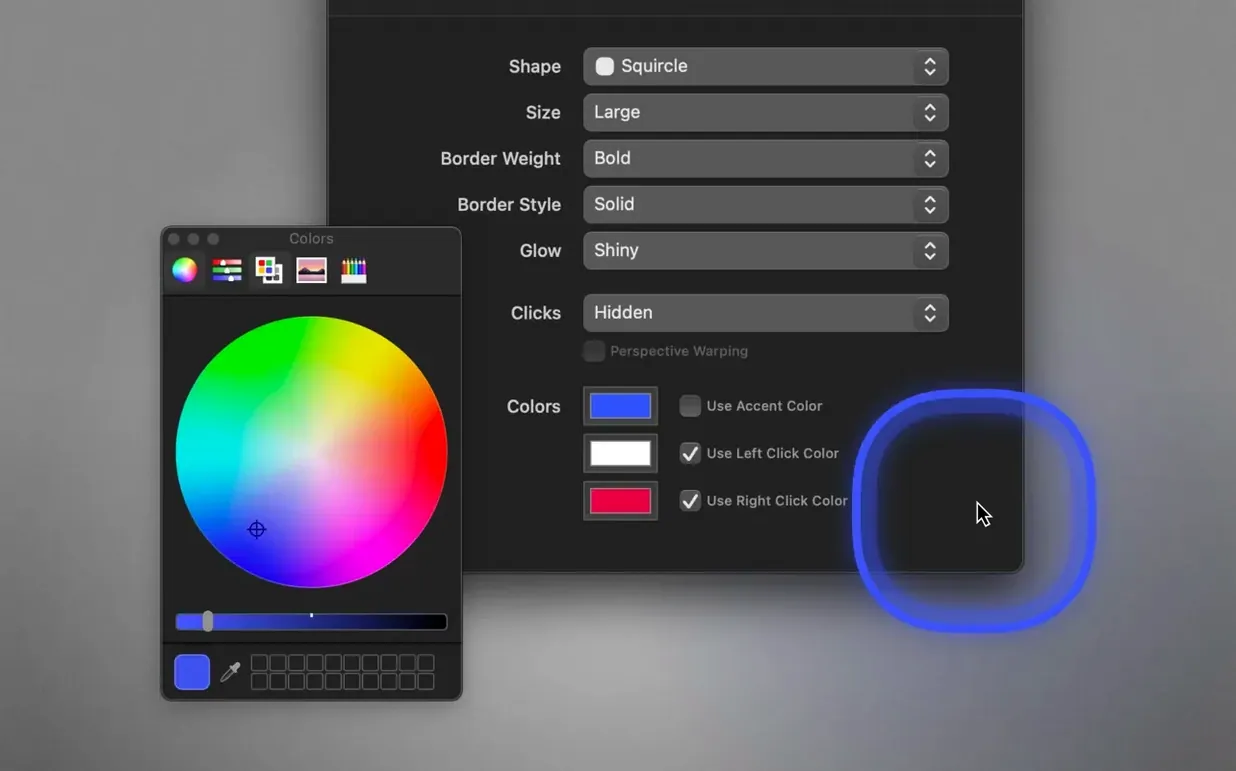
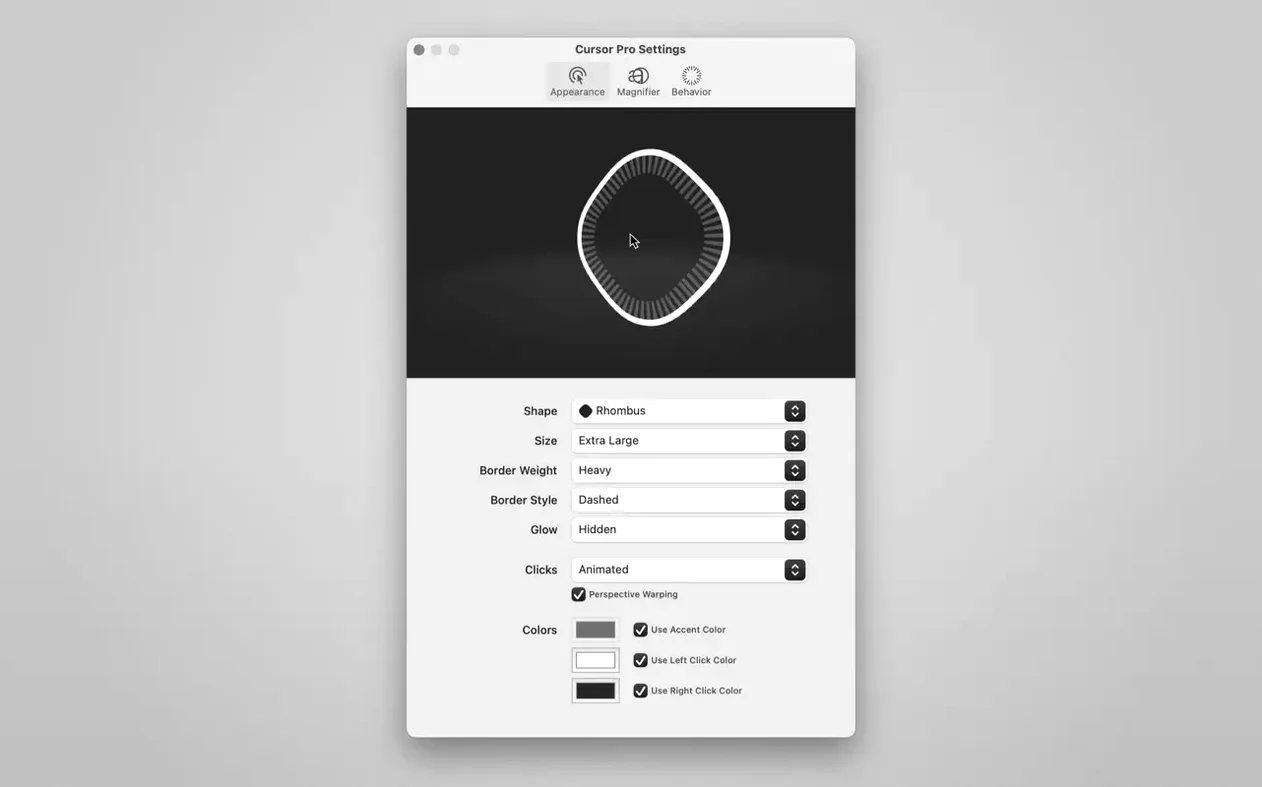
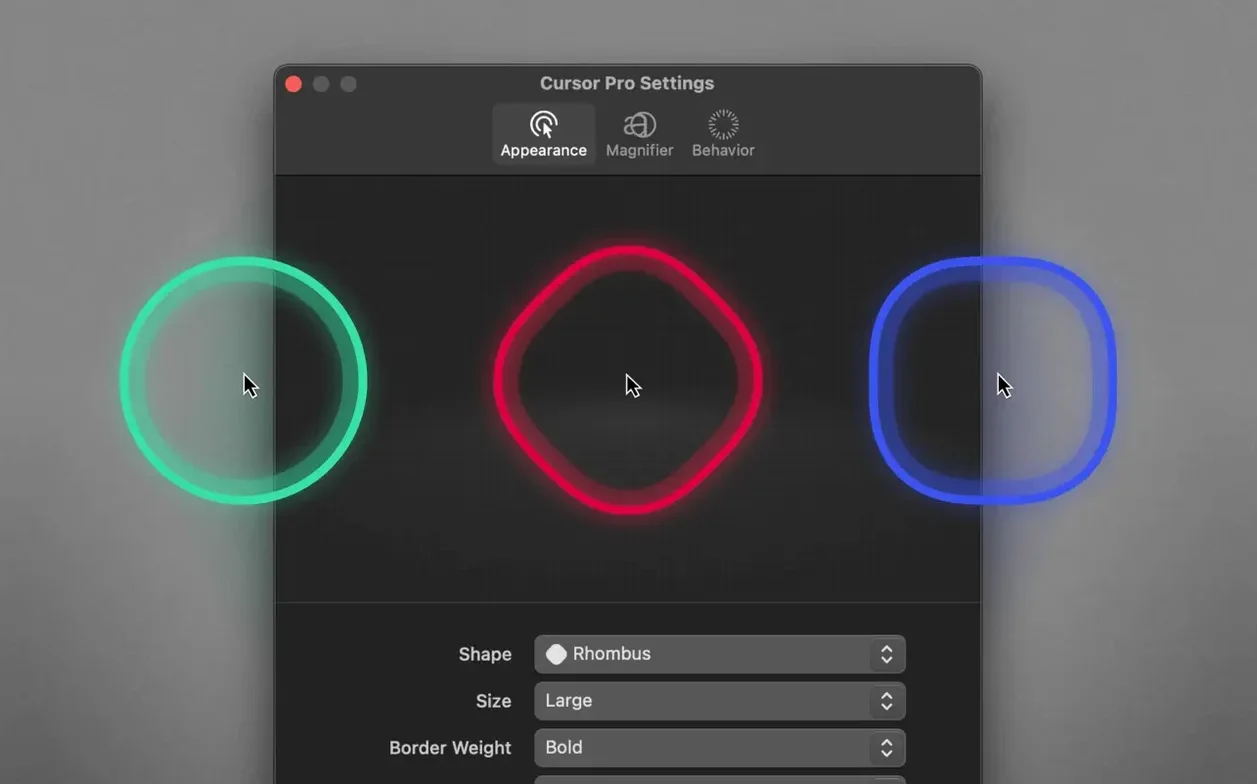
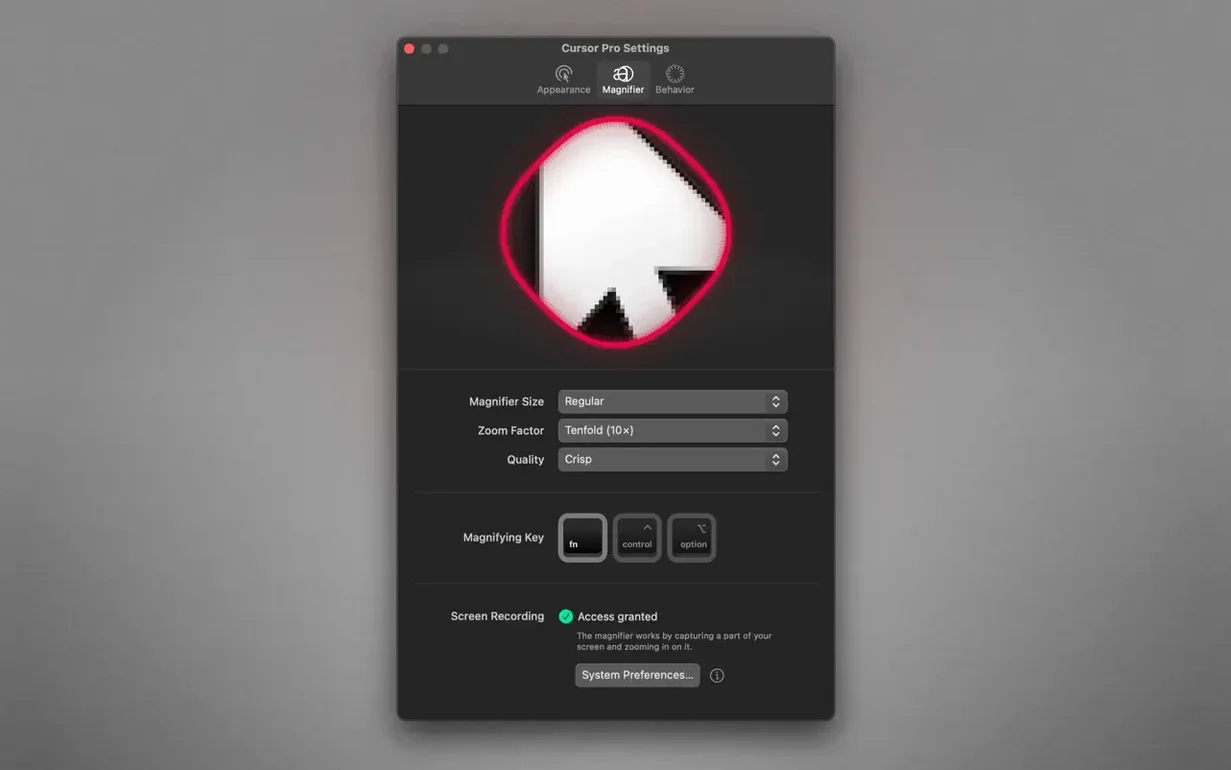
Cursor torrent is the visual equivalent of a follow spot in a theatre — it grabs the audience’s attention exactly where you need it by surrounding your Mac pointer with a configurable glow that cuts through busy desktops, code editors, and slide decks. App ahead GmbH built it for screen presentations, and that pedigree shows most clearly in the controls you don’t stumble across on day one.
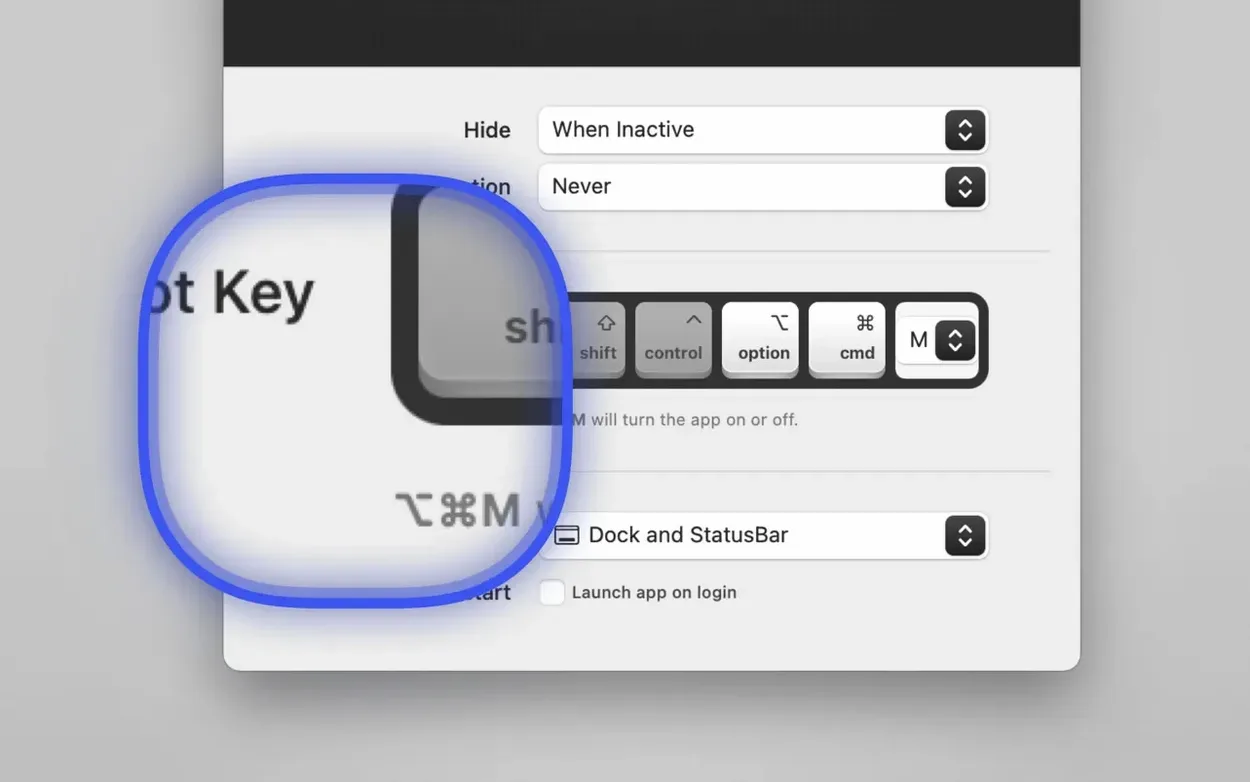
The highlight layer is independent of the system cursor, so it stays crisp even when you share the entire screen through Zoom, Teams, or a browser-based meeting tool. Colour choice goes beyond picking a tint: a deep orange on a dark-mode terminal behaves differently from a pale blue over a spreadsheet, and the app lets you save your own combinations once you find the contrast that works. Beneath the obvious glow sits a magnification engine that enlarges a circular region around the pointer, which is far more practical than zooming the whole desktop when you only need to read a tiny timestamp or a misbehaving UI label.
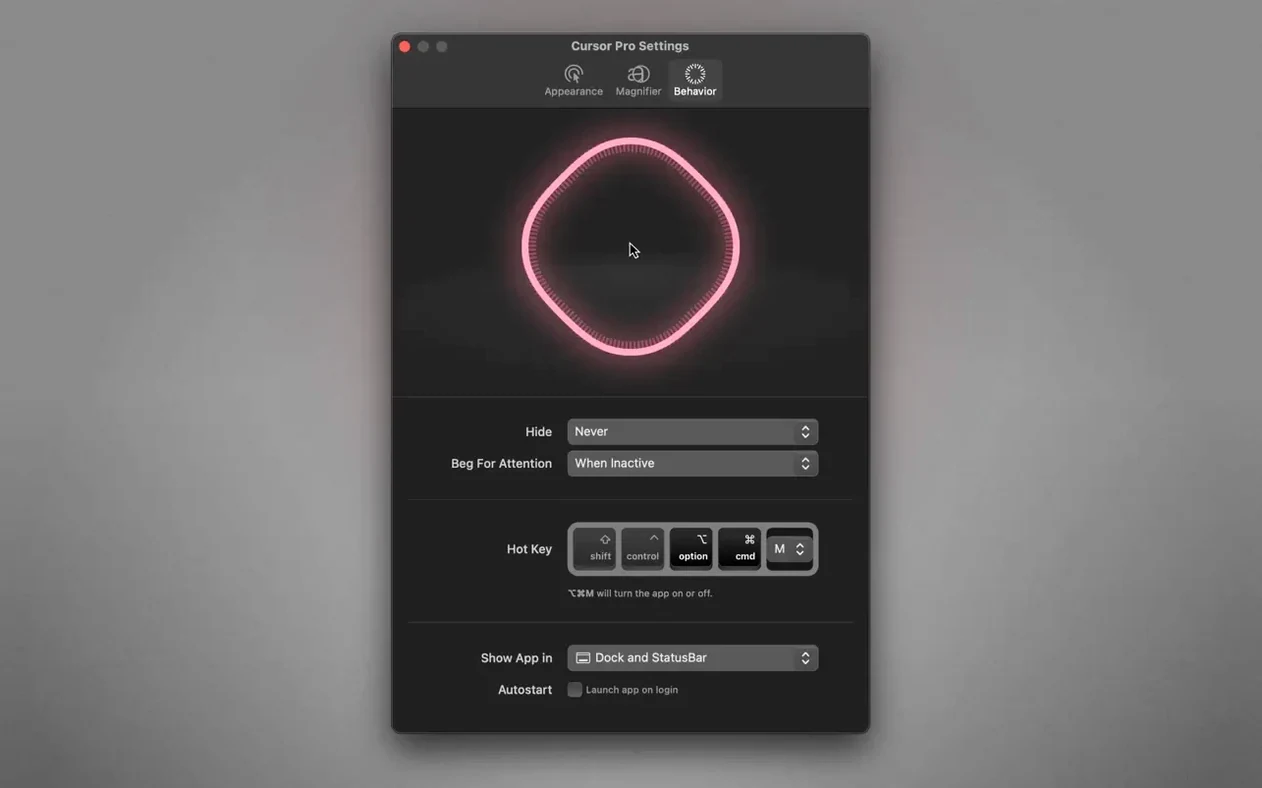
Experienced users tend to move the app out of the Dock and into the menu bar, where it occupies almost no space but stays reachable with a single click. From there you can toggle the magnifier on and off without breaking your flow — useful when you’re teaching a class and want to draw eyes to a menu command for thirty seconds, then vanish the effect so it doesn’t become a distraction. A launch-at-login option means the highlight is already running before the first screen share starts, which removes one more thing to remember on a busy morning.
The localisation is unusually thorough — English, German, Spanish, Italian, Simplified Chinese, Korean, French, and Japanese — so teams spread across several time zones can each work with the interface in their own language. And because the app never attempts a full-screen capture, it stays light on resources and avoids the privacy warnings that heavier recording tools trigger.
Where Cursor Pro Sits Among Your Other Tools
Cursor Pro isn’t trying to be a screencasting suite, and that’s precisely why it slots so neatly into an existing workflow. It behaves like an overlay that sits between your pointer and whatever else you have open — a Keynote rehearsal, a code review over Slack, or a live Illustrator demo — without capturing, encoding, or streaming a single frame. That means it plays nicely with macOS’s built-in screen sharing, QuickTime screen recordings, and third-party apps such as Zoom, Teams, or OBS, as long as you share the whole display rather than a single window. If you restrict sharing to one application, macOS clips the highlight out of the video pipeline; switch to full-screen sharing and the effect reappears instantly.
macOS accessibility features are worth a mention here. The system’s own cursor-shake-to-locate gesture works for personal use, but it doesn’t travel across a shared stream. Cursor Pro picks up where that leaves off — it is visible to viewers without them changing any setting at their end. The magnifier also complements VoiceOver and Zoom nicely during hybrid teaching: one person can narrate while the magnified patch confirms visually what’s being described.
Mouseposé dims the whole screen; Cursor Pro keeps the rest live
Mouseposé, from Boinx Software, is the name that often comes up first in this corner of the utilities market. It puts a large coloured disc around the pointer and dims the rest of the screen, which looks theatrical and works well for keynote-style presentations. Where Cursor Pro pulls ahead is in its lightweight menu-bar presence and the fact that it doesn’t force a darkened backdrop — you keep full screen brightness, which matters when you’re demonstrating colour-critical work or reading dense spreadsheets. Mouseposé also lacks a built-in magnifier, so you’d need a separate zoom tool alongside it.
ScreenBrush is another alternative, aimed more at annotation than pointer highlighting. It lets you draw on top of the screen, which Cursor Pro doesn’t attempt. The trade-off is that ScreenBrush’s pointer highlight is a secondary feature — serviceable but not as configurable — and it runs as a fuller-featured overlay that can feel heavier during a long session. If your core need is making the cursor unmistakably visible and occasionally zooming in on detail, Cursor Pro’s focus is an advantage rather than a limitation.
A third reference point is the free Mouse Locator that ships inside Xcode’s developer tools. It’s a tiny utility that places a green circle around every click. Useful for debugging touch simulations, but it has no colour options, no magnifier, and no auto-hide logic for presentations. Think of it as a screwdriver compared to Cursor Pro’s adjustable spotlight.
The highlight vanishes when you share just one window
A handful of stumbling blocks crop up regularly enough to be worth naming. The first is the single-window sharing issue mentioned above: you switch to a Teams call, share only the PowerPoint window, and the highlight vanishes. The fix is switching your sharing mode to the entire desktop. On most conferencing apps that’s a dropdown labelled “Share Screen” or “Desktop,” and once selected the highlight snaps back into view.
The magnifier can feel jumpy on a multi-monitor setup if the displays are running at different scaling factors. Dropping both screens to the same resolution or sticking to a single display during the presentation usually smooths things out. If the magnifier rectangle shows a blank area instead of zoomed content, toggling it off and on from the menu bar — or nudging the zoom factor up by one step — resets the render pipeline.
Some users report that the global hotkey stops responding after a system sleep. This is less a bug in Cursor Pro and more a macOS security behaviour where background apps lose input monitoring permission. Opening System Settings, navigating to Privacy & Security, and re-ticking the permission for Cursor Pro brings it right back. While you’re there, confirm the app has Screen Recording permission too, because without it the highlight layer can’t read the screen contents that the magnifier relies on.
Switch to a precise ring for tiny Figma interaction states
Imagine a Wednesday morning. You’re about to walk a remote design team through a Figma prototype that has several small interaction states. Ten minutes before the call, you click Cursor Pro’s menu-bar icon and switch the highlight from the default blue circle to a warm amber diamond — the diamond shape reads more clearly against Figma’s grey canvas, and the colour doesn’t blend into the UI chrome. You set a subtle glow and tick the pulse option so the cursor breathes gently, which helps latecomers spot it on the shared screen without it feeling aggressive.
The meeting starts. You share your entire desktop — lesson learned from last week’s vanished-highlight incident — and the cursor diamond sits clearly on the browser tabs while you recap the agenda. Five minutes in, a reviewer asks about a hover state on a button that’s only twelve pixels tall. You hold down the hotkey you assigned earlier, and the magnifier snaps open at three-times zoom right over the pointer. Everyone can read the tooltip text; you release the key and the magnifier disappears, so the full layout is visible again. No pausing to resize a window or fiddle with the system’s Accessibility zoom controls.
Midway through, you switch to Xcode to show a colour value. The amber diamond still works, but the darker background makes it harder to spot the exact line of code you’re pointing to. You open the menu-bar menu, choose a saved “Code review” profile you built that switches to a bright green circle with no glow — high contrast against the dark editor theme. The change takes less than two seconds. By the end of the hour nobody has asked “where’s your cursor?” once, and you’ve burned through three different highlight profiles without ever opening the main app window beyond initial setup.
- macOS 11 (Big Sur) or later
- Works natively on both Apple Silicon and Intel 64-bit Macs
Questions I keep hearing
Does the pointer highlight show up in every screen-sharing app?
It appears whenever you share your entire screen; if an app captures only a specific window, the highlight overlay stays outside the recorded area.
Questions from the class 0
Sign in or join the class to ask a question.
Nobody has asked anything yet. If you have used it on a real job, say what the file did.
Also on the Mac Apps shelf
The whole Mac Apps shelf CrossOver
Translates Windows software commands so a curated set of apps can run on a Mac.
CrossOver
Translates Windows software commands so a curated set of apps can run on a Mac.
 DaisyDisk
Scans your drive and draws an interactive map so you can spot the files eating your space.
DaisyDisk
Scans your drive and draws an interactive map so you can spot the files eating your space.
 DaVinci Resolve Studio
Combines editing, colour grading, visual effects and audio post-production in one application.
DaVinci Resolve Studio
Combines editing, colour grading, visual effects and audio post-production in one application.
 dBpoweramp Music Converter
Converts batches of audio files between formats while keeping your metadata intact.
dBpoweramp Music Converter
Converts batches of audio files between formats while keeping your metadata intact.
 CorelDRAW
Handles complex vector illustrations and multi-page layouts for professional print and screen work.
CorelDRAW
Handles complex vector illustrations and multi-page layouts for professional print and screen work.
 CorelCAD
Produces detailed 2D technical drawings and 3D solid models on a Mac.
CorelCAD
Produces detailed 2D technical drawings and 3D solid models on a Mac.
 Compressor
Acts as a background rendering engine that other Apple pro apps hand off their export jobs to.
Compressor
Acts as a background rendering engine that other Apple pro apps hand off their export jobs to.
 Deep Glow
Generates a physically plausible, spill-friendly glow right on your timeline.
Deep Glow
Generates a physically plausible, spill-friendly glow right on your timeline.