 ASPNetWorld

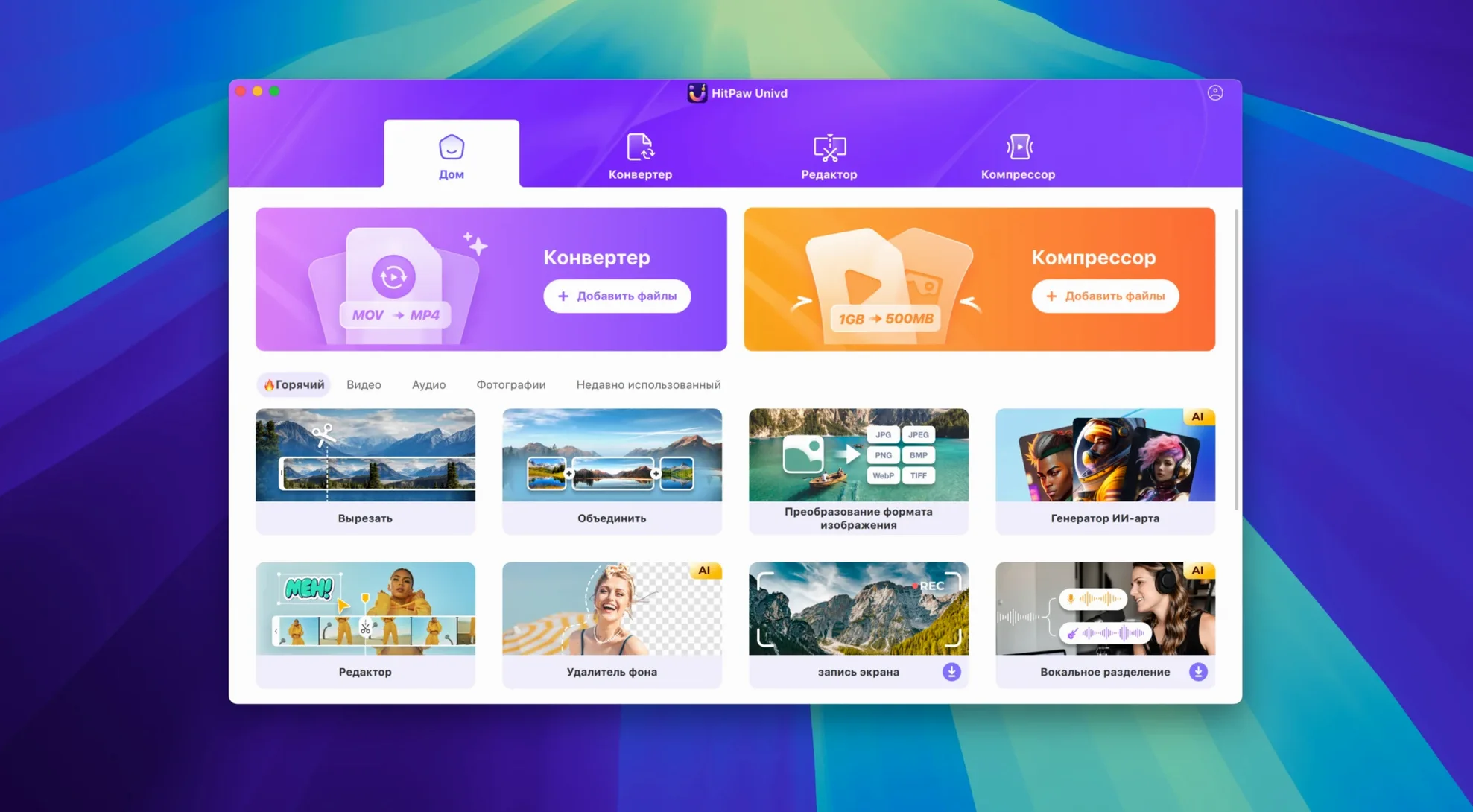
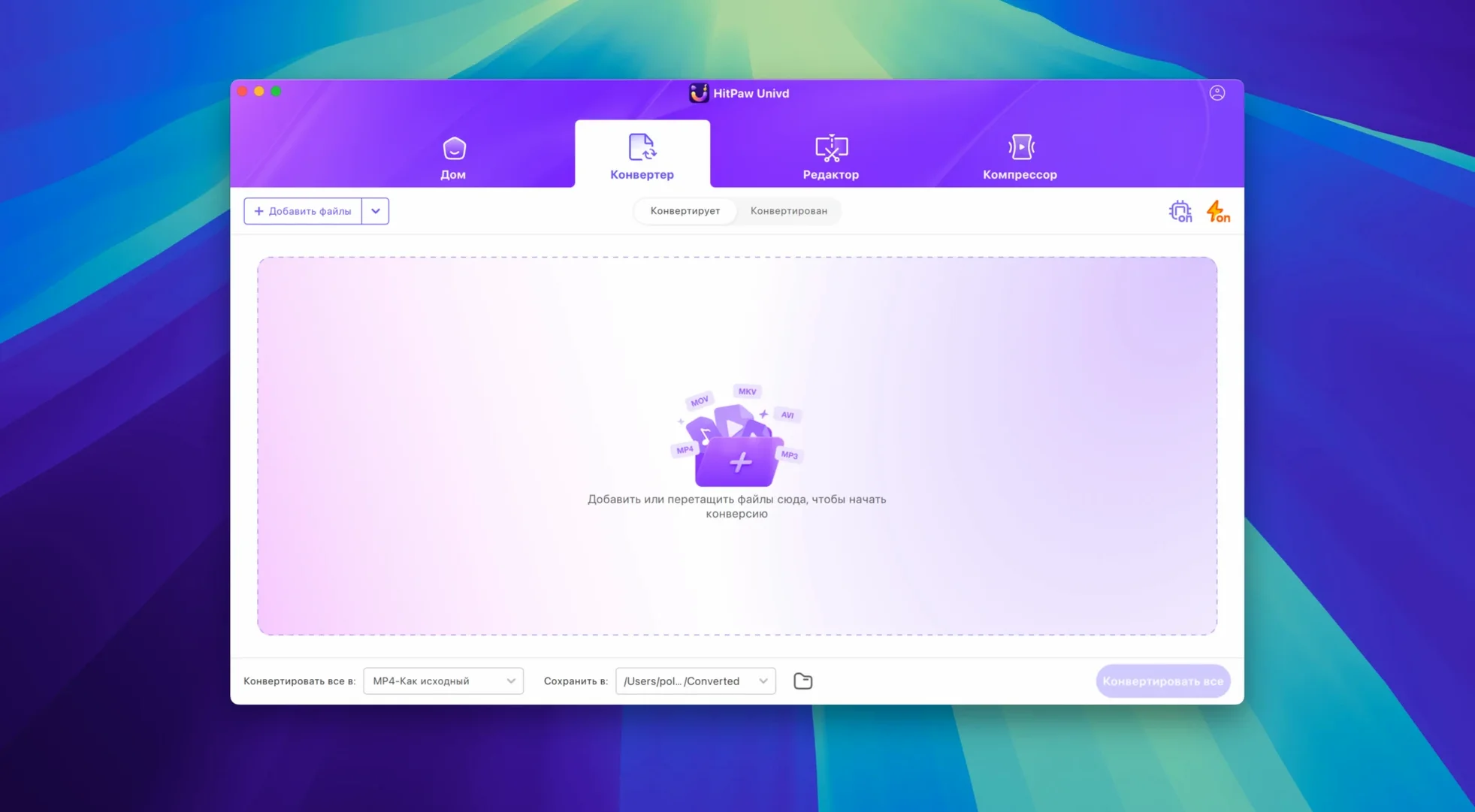
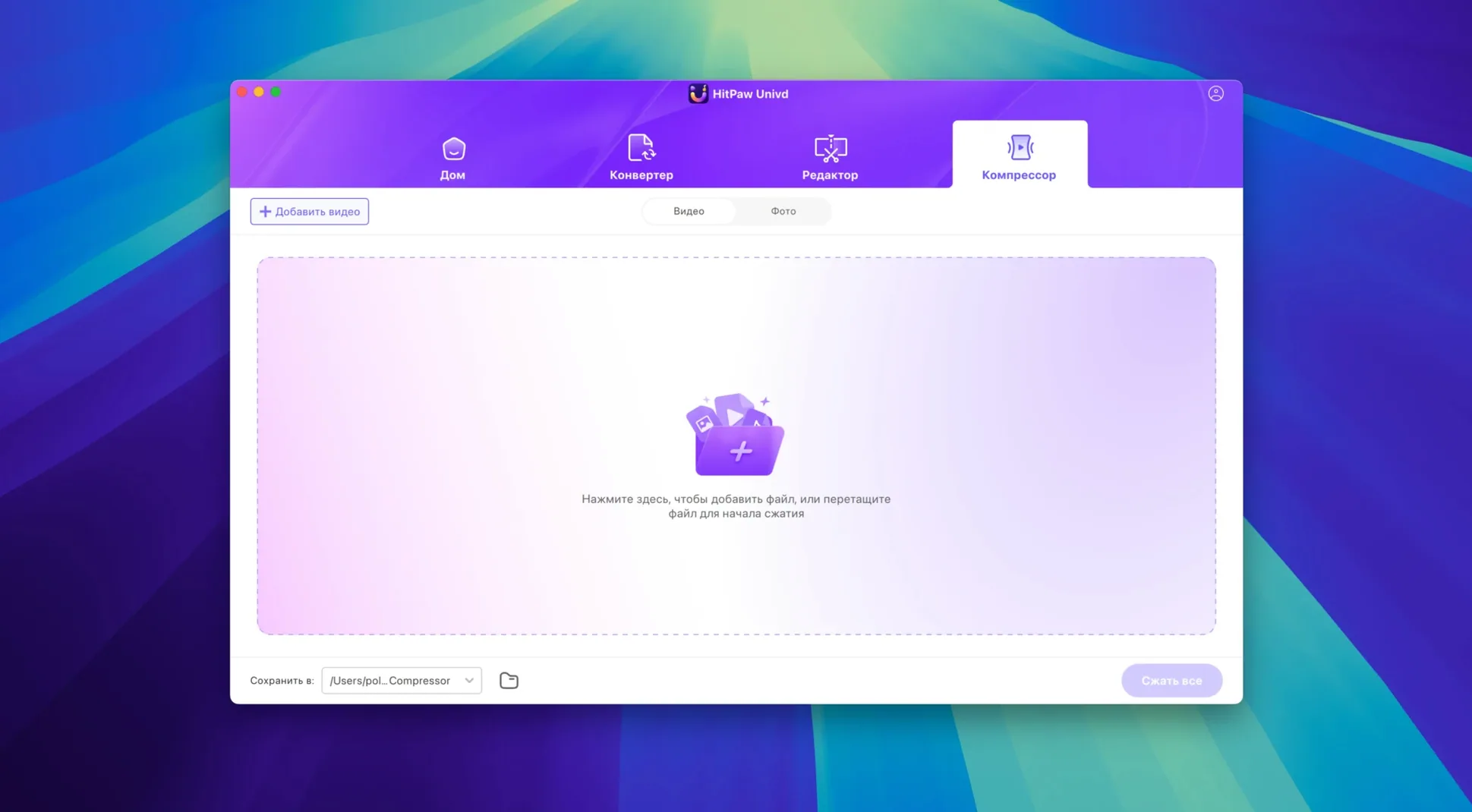
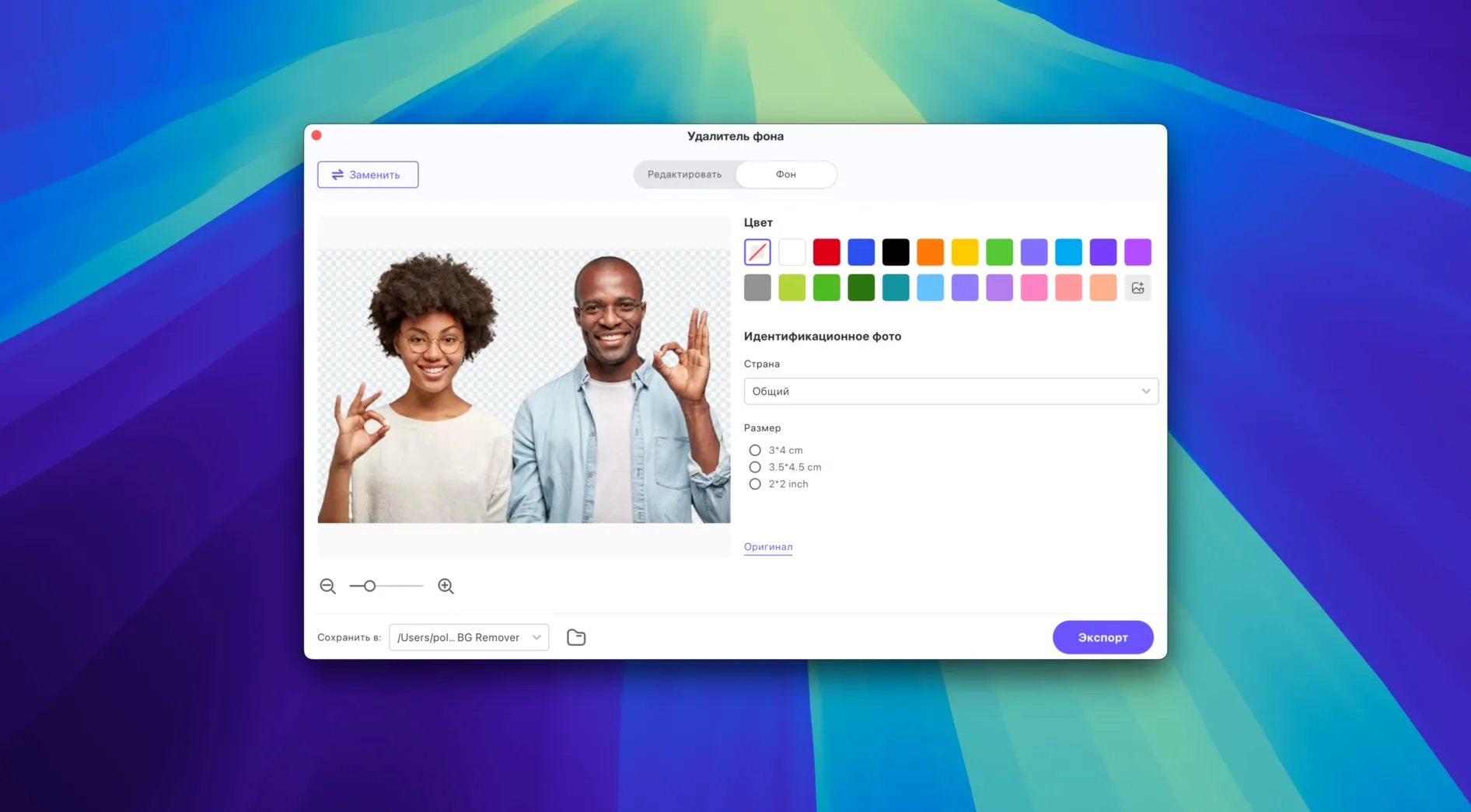
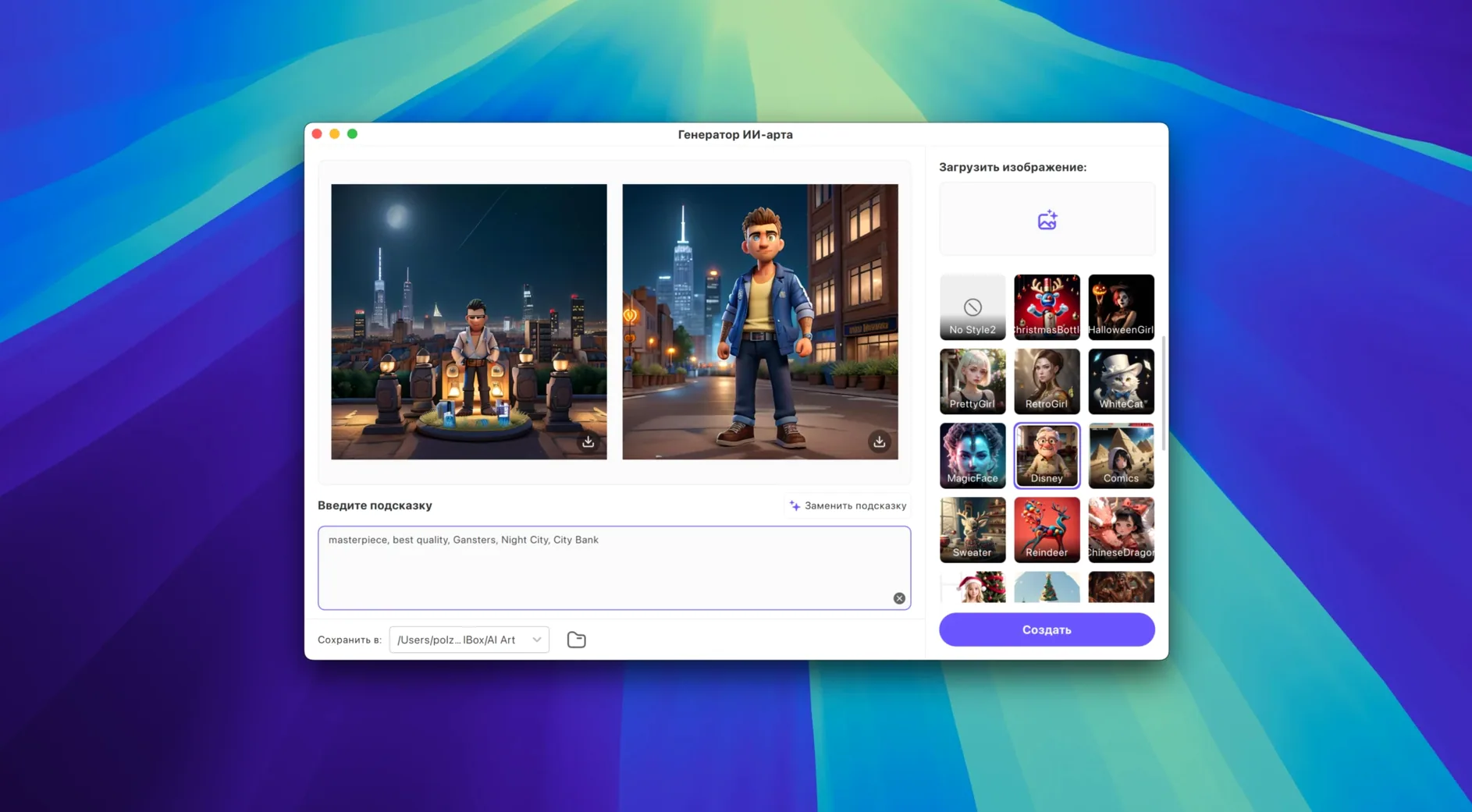
Version 4.7.0 landed in January 2025 with a clean new interface, but the real headline is the sheer breadth of its conversion engine — over 1,000 video and audio formats sit under the hood, from everyday MP4 and MOV to the older AVI, VOB, and MKV containers. A hitpaw torrent might get you the installer, but the machine sitting in front of you still needs to meet a few basics.
A Rosetta 2 translation layer fills the Apple Silicon gap
The app asks for macOS 10.15 Catalina or later, and it is built for Intel 64‑bit processors. Apple Silicon Macs will run it through Rosetta 2, though the developer hasn't published a native ARM build yet. If you see a HitPaw Univd torrent floating around, double‑check that the version inside matches your system — older builds may refuse to open on recent versions of macOS.
What the conversion engine actually handles
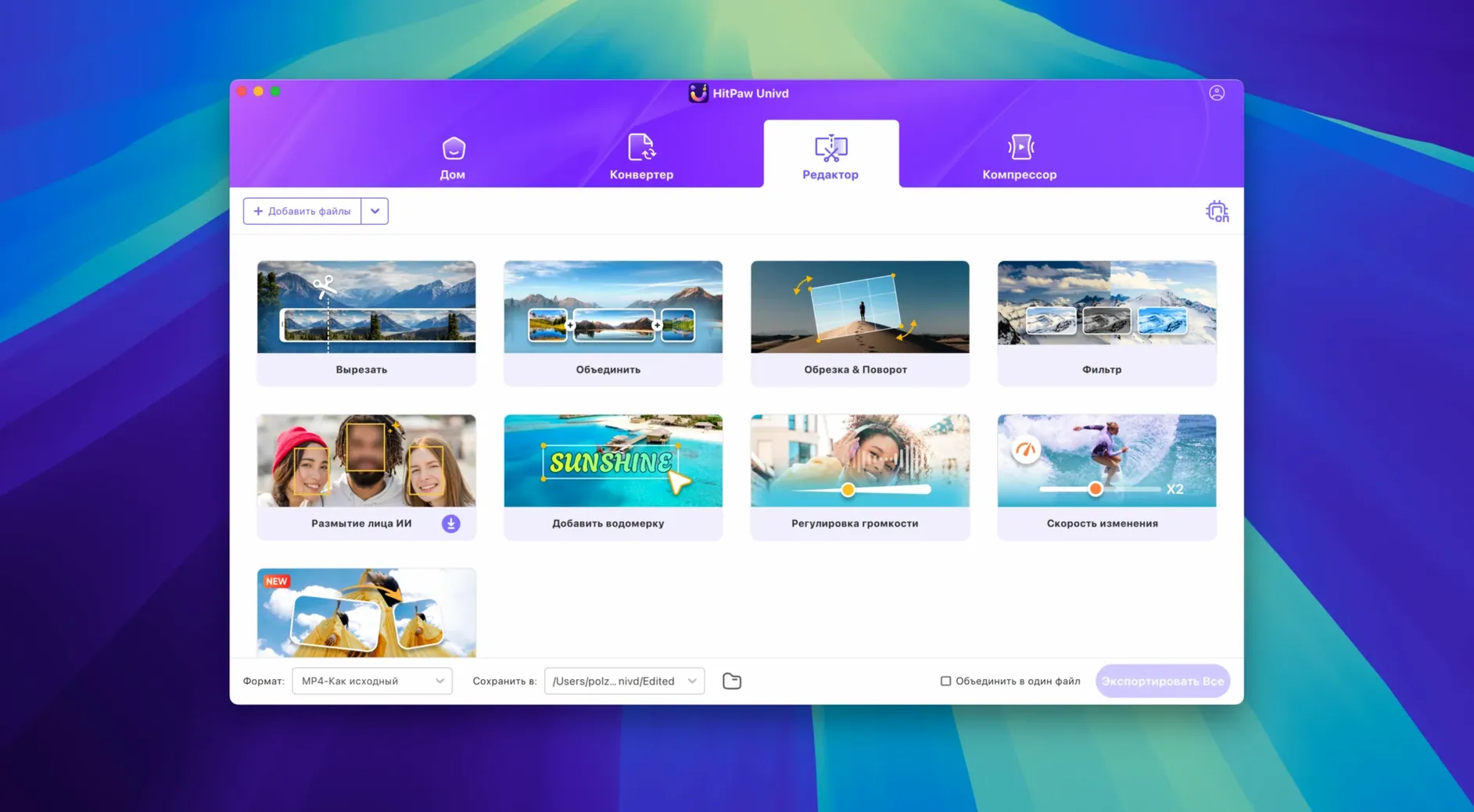
Alongside local file transcoding, Univd can grab media directly from YouTube, Bilibili, Facebook, and Instagram. A neat touch is the built‑in editor, which lets you trim or tidy a clip either before or after conversion without hopping into a separate tool.
First launch quirks
Because the app isn't notarized by Apple, you will need to bypass Gatekeeper manually — the install steps walk you through that. The interface itself supports sixteen languages, including Russian, Hindi, Arabic, and both Traditional and Simplified Chinese, so the jump from a hitpaw vikpea torrent to a working editing station isn't limited to English speakers.
Leaving the output preset on its default trips up new users
New users often treat HitPaw Univd as a simple drag‑and‑drop converter, which it is — but that assumption leads to a handful of repeated stumbles. The most common one is ignoring the output preset column on the right. It defaults to whatever you used last time, so a person who just converted a ringtone into M4A might accidentally export a feature‑length MKV as a tiny audio file. Always glance at that preset before clicking Convert.
Another trap is downloading from a site that requires a login. Univd can pull from over 10,000 sites, but if you point it at a private Facebook video or an age‑restricted YouTube clip without signing in first, the download will stall with a vague error. The app doesn't prompt you to authenticate — it just fails silently. The fix is to open the built‑in browser from the Downloader tab, log into the service there, and then paste the URL again.
A subtler mistake involves the editor. People trim a clip, hit Save, and assume the original file is untouched. It isn't — the save writes a new converted copy, but the trim is baked in. If you want to keep the full source, work on a duplicate or use the editor after conversion, not before. And for anyone who grabbed a HitPaw Univd torrent, the Gatekeeper step is a classic rite of passage: the Terminal command is not optional, and skipping it leaves you with an app that bounces once in the Dock and quits — just run it and you'll be up and editing in seconds.
Point the output to a fixed folder instead of Same as source
HitPaw Univd ships with sensible defaults, but a few adjustments make daily use far smoother. Head into Preferences and switch the output destination to a fixed folder rather than the default "Same as source." This keeps your desktop from accumulating forty‑three converted clips after a batch session — I use a folder called _Converted on my main drive, which sorts to the top of Finder lists.
Next, turn on hardware acceleration if your Mac supports it. The option sits under the Performance tab and offloads encoding to the GPU. On Intel Macs with a dedicated graphics card, this can halve the time for H.264 and H.265 jobs. While you are in Preferences, set the post‑conversion action to "Do nothing" if you find the auto‑open behaviour distracting — the app likes to ping you with a Finder window after every successful encode, which gets old after the third file.
For the Downloader module, raise the maximum simultaneous downloads from one to three. Univd won't saturate a fast connection with a single stream, so letting it handle two or three in parallel makes better use of your bandwidth. Just stay mindful of site rate limits — YouTube rarely complains, but smaller platforms might throttle you if you push it.
Converting a downloaded concert film: a start‑to‑finish walkthrough
Suppose you have grabbed a YouTube concert in 1080p via the Downloader tab. The file lands as an MKV with VP9 video and an Opus audio track — great quality, but your media player chokes on it, and you want to burn it to a DVD‑friendly MP4. Here is how I would run that job in Univd.
- Import the MKV. Drag the file into the main Converter window or use the Add Files button. Univd reads the VP9 stream without complaint — not all converters do.
- Pick the output preset. Select "MP4 — H.264 + AAC" from the General Video category. Avoid the "Same as source" option here, because VP9 inside an MP4 container is a compatibility headache.
- Check the resolution. Open the settings cog next to the preset. The default often downscales to 720p; nudge it back to 1920×1080 and set the bitrate to around 8 Mbps for a two‑hour show. (Higher bitrates inflate file size without visible gain at 1080p.)
- Trim the intro. Click the scissor icon on the file row to launch the built‑in editor. Drag the start marker past the venue‑noise preamble — I usually chop the first forty seconds — and click Save. This step is why you convert after downloading, not simultaneously.
- Add a subtitle track. If the concert had a soft subtitle stream in the original MKV, Univd will carry it across. If not, tick the Subtitle box and browse for an external SRT file. Hard‑burning is an option in the editor, but soft subs are cleaner for later use.
- Set the destination and convert. The Preferences change we made earlier means the output will land in my
_Convertedfolder automatically. Hit Convert and let it run.
The whole process takes about twelve minutes on an Intel iMac with hardware acceleration enabled. The resulting MP4 plays smoothly on everything from QuickTime to an ageing DVD player that reads USB sticks — exactly what you want from a one‑stop tool.
A two-hour 1080p transcode hovers around real-time on older Intel hardware
Speed is respectable rather than blistering. A two‑hour 1080p transcode from VP9 to H.264 hovers around real‑time on a 2019 iMac, and about sixty percent faster on a MacBook Pro with a discrete GPU. The app leans heavily on the CPU for audio processing — Opus and FLAC conversions peg two cores fully — while the video pipeline tries to hand off to the GPU when hardware acceleration is active. Memory usage stays under 800 MB even with four files queued, which is lighter than some heavyweight editors I teach with.
Stability has been uneventful. Across a week of batch‑converting old VOB rips and pulling lecture clips from Bilibili, I saw one crash — triggered by a corrupted MKV from a stalled download. The app recovered the queue on relaunch, which saved me from rebuilding the list. Rosetta 2 on an M1 MacBook Air runs it without noticeable lag, though the translation layer adds roughly fifteen percent to encode times compared to what a native ARM build might achieve.
If you are working with a HitPaw torrent that bundles an older build, stability may be patchier — the 4.7.0 release addressed several queue‑state bugs that could lose your place after a system sleep. The current version wakes cleanly and picks up where it left off, a small but meaningful quality‑of‑life fix for anyone who leaves conversions running overnight.
Version 4.7.0 introduces a redesigned interface and a reworked product model that changes how the application organises its feature set.
- New UI with clearer navigation between the converter, downloader and editor modules.
- Updated product model aimed at a more straightforward first‑time experience.
- macOS 10.15 Catalina or newer
- Intel 64‑bit processor (Apple Silicon runs via Rosetta 2)
Questions from the class 0
Sign in or join the class to ask a question.
Nobody has asked anything yet. If you have used it on a real job, say what the file did.
Also on the Mac Apps shelf
The whole Mac Apps shelf HitPaw Edimakor
Edits video by letting you drag, trim and tweak on a literal-minded timeline.
HitPaw Edimakor
Edits video by letting you drag, trim and tweak on a literal-minded timeline.
 HitPaw Video Converter
Transforms unruly video files into the format your project actually needs.
HitPaw Video Converter
Transforms unruly video files into the format your project actually needs.
 HitPaw Watermark Remover
Erases logos and timestamps by drawing a loose selection around them.
HitPaw Watermark Remover
Erases logos and timestamps by drawing a loose selection around them.
 Hype 4 Pro
Constructs interactive HTML5 animations without writing a single line of code.
Hype 4 Pro
Constructs interactive HTML5 animations without writing a single line of code.
 Hyperspace
Hunts down and deletes duplicate files that are quietly wasting your disk space.
Hyperspace
Hunts down and deletes duplicate files that are quietly wasting your disk space.
 Haptyk
Generates audible click feedback for every press on a solid-state keyboard.
Haptyk
Generates audible click feedback for every press on a solid-state keyboard.
 iExplorer
Transfers music, messages and files between an iPhone and a Mac without using iTunes or iCloud.
iExplorer
Transfers music, messages and files between an iPhone and a Mac without using iTunes or iCloud.
 Imagenomic Plugin Suite
Bundles three plugins that retouch skin, reduce noise and add film grain inside your image editor.
Imagenomic Plugin Suite
Bundles three plugins that retouch skin, reduce noise and add film grain inside your image editor.