 ASPNetWorld

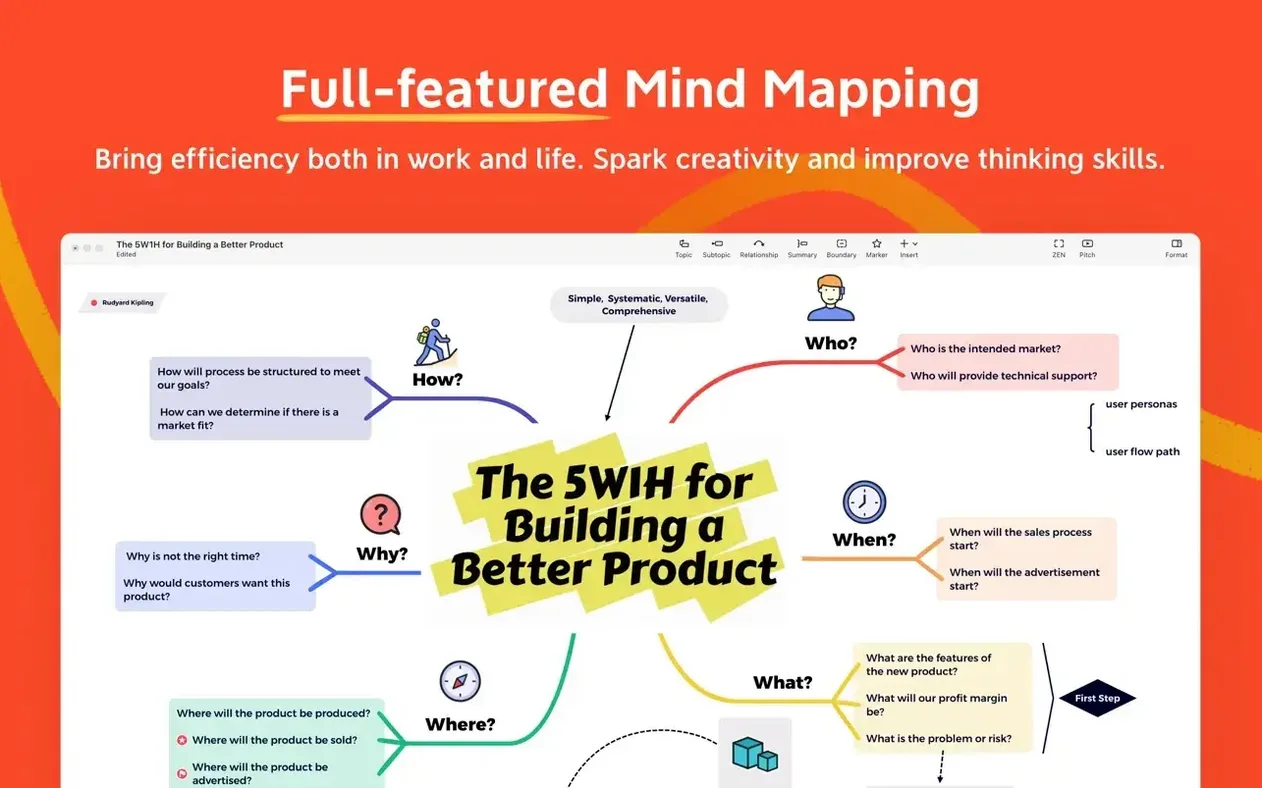



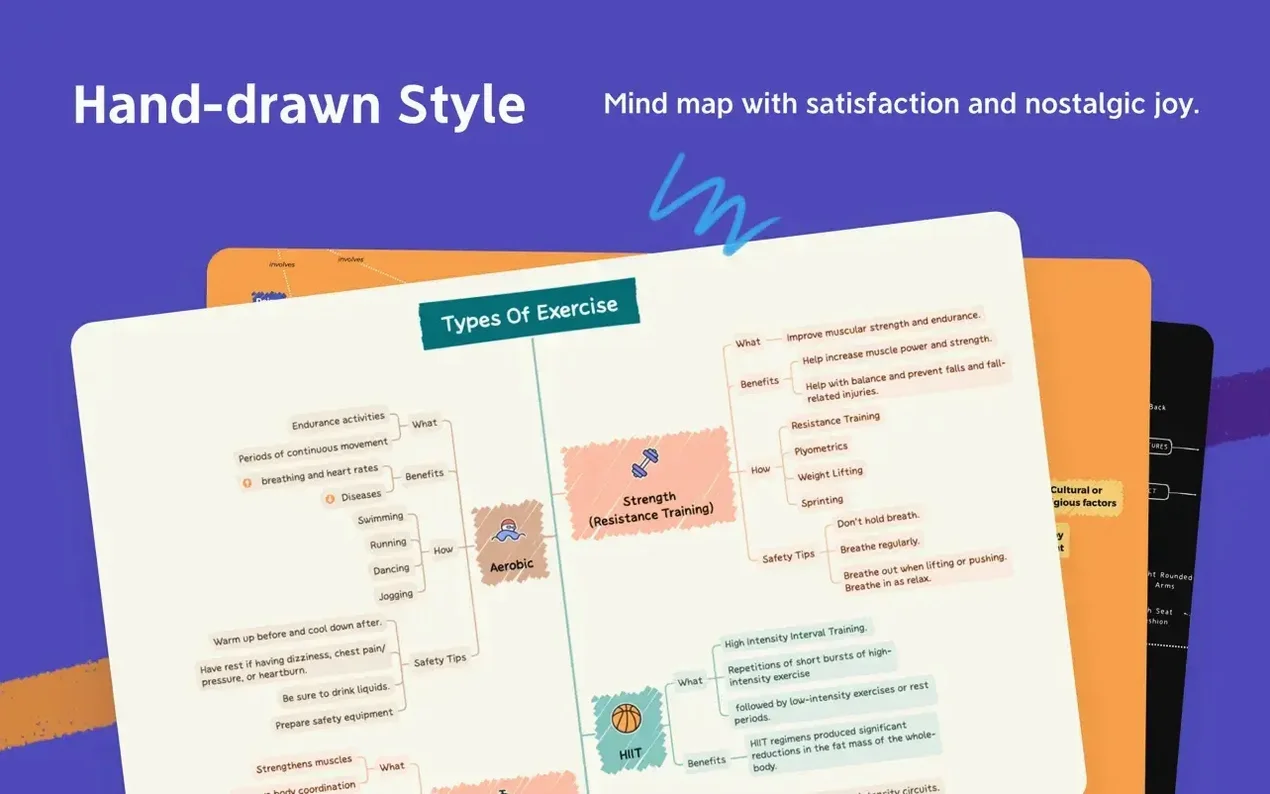

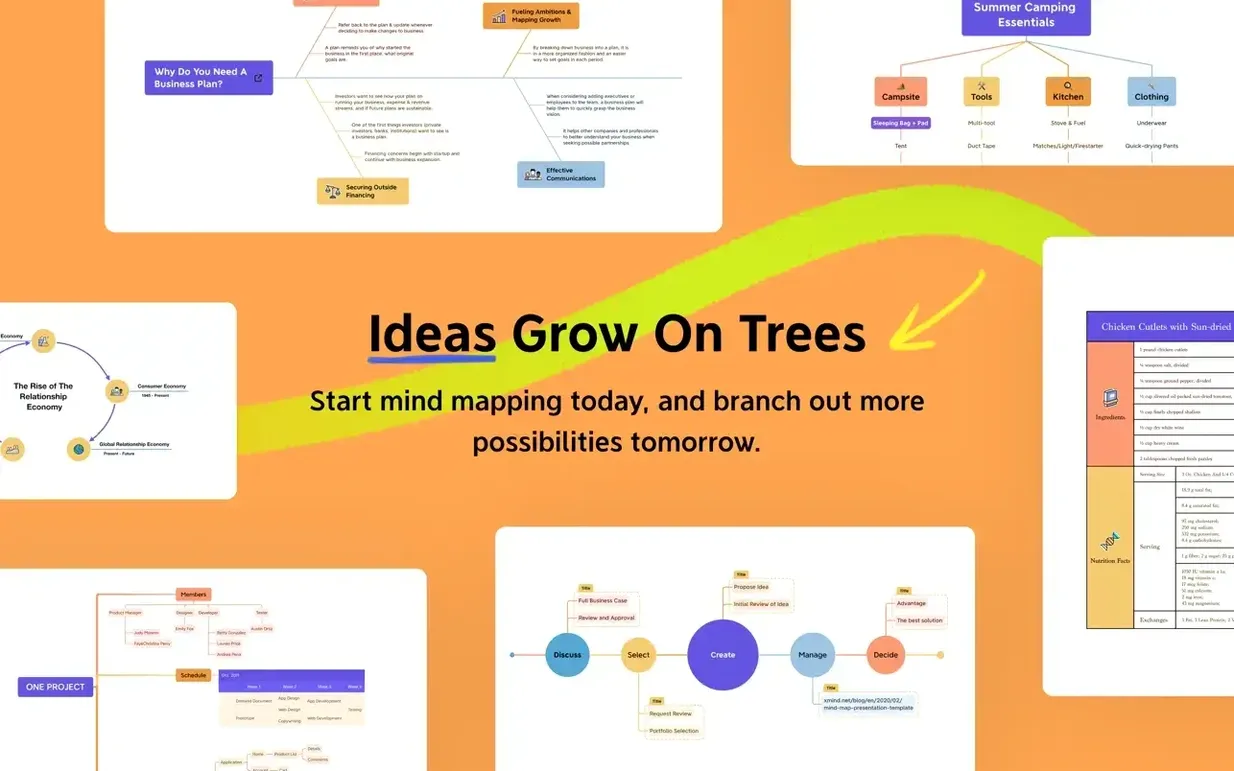
You’ve just come out of a planning meeting and your notebook is a mess of arrows and half-formed ideas. Opening XMind Pro on your Mac lets you pull those threads into a clear, branching structure before the details fade. It’s the kind of tool people tend to search for when they need proper desktop mind mapping, which means a few practical questions usually crop up first.
- Will it run on this Mac? Yes, if you’re on macOS 11 or later. It’s a native app for both Apple Silicon and Intel 64-bit machines, so no Rosetta guesswork if you’ve already made the move to M-series chips.
- Can the interface speak my language? Quite likely. The app switches between Russian, English, German, Indonesian, Spanish, Italian, Traditional Chinese, Simplified Chinese, Korean, Portuguese, Thai, French, and Japanese.
- Is collaboration built in? It is. You can share a map and work through a structure with other users directly, which saves the usual dance of exporting, emailing, and merging feedback later.
- Is this a stripped-down viewer? No—it’s the full-featured brainstorming and mapping tool that XMind Ltd is known for, with all the layout and styling controls you’d expect on a desktop.
Those are the points that tend to come up before installing. Once you’ve confirmed the system fits, installation is quick and the canvas is ready in seconds.
When XMind and macOS settings collide in the first hour
Even with a straightforward install, a few things can trip you up in the first hour. They’re rarely about the app itself—more often they’re collisions between XMind’s expectations and how macOS is set up on a particular machine.
The most common one I hear about in evening classes is the “can’t be opened because it’s from an unidentified developer” gate. It’s not a flaw; it’s Gatekeeper doing its job. The fix is a one-time override: head to System Settings → Privacy & Security, scroll down, and you’ll see a note about the blocked app with an Open Anyway button. Click that, confirm, and you won’t be asked again for this version. If you’ve been hunting for an xmind pro mac download and grabbed it from outside the App Store, this is the step that catches most people.
Another snag is a blank or unresponsive window after launching. Nine times out of ten, that’s a permissions issue. XMind Pro wants access to your Documents folder for saving maps locally, and if you dismissed the permission prompt without reading it, the app sits there politely waiting. Check System Settings → Privacy & Security → Files and Folders and make sure XMind has a tick against Documents. While you’re there, granting access to Full Disk Access isn’t strictly necessary, but it stops odd behaviour if you store maps in unusual locations like a synced cloud folder or an external drive.
If you’ve moved from an older Mac and restored everything via Migration Assistant, you might see duplicate or conflicting preference files. The symptom is toolbars that won’t customise or keyboard shortcuts that don’t stick. The cleanest fix is to quit XMind, go to ~/Library/Preferences/, find the net.xmind. files, and drag them to the desktop as a backup. Relaunch the app and it’ll rebuild fresh preferences. You can bin the old ones once you’re happy everything works.
Lock in one structure style early to avoid reformatting
Before you build anything serious, spend twenty minutes setting up the canvas to match how you think. The defaults are sensible, but a few tweaks early on save a lot of reformatting later.
First, pick a structure style and stick with it for your first project. XMind Pro isn’t limited to radial mind maps—you can switch to a logic chart for breaking down arguments, a tree diagram for hierarchical task lists, or an Ishikawa diagram for root-cause analysis. The temptation is to flip between them mid-project, but that breeds visual inconsistency. Choose the one that fits the thinking pattern and let the content breathe inside it.
Second, learn the Tab and Enter keys by heart. Tab creates a child topic; Enter creates a sibling. That’s it. Once your hands stop reaching for the mouse to add nodes, you’ll map at the speed of thought. Add Shift-Enter to insert a topic above the current one, and you’ve got the core navigation covered without touching a toolbar.
Third, set up a template from your first decent map. Strip out the specific content, keep the colour palette and branch shapes, and save it as a reusable file. If you often run the same kind of meeting—sprint retrospectives, project kick-offs, article outlines—having a pre-styled starting point removes the blank-canvas freeze. XMind ships with built-in templates too, but your own will feel more natural after a few uses.
One overlooked habit: use the Notes panel on topics that contain half-formed thoughts. The map stays clean; the detail lives in a click. It’s the difference between a map you can present to a client and one that’s just your own messy thinking. I tell students to treat the Notes panel as the scratchpad and the visible map as the final edit.
The hidden Mac integrations that make it a daily driver
XMind Pro plays nicely with the Mac ecosystem, but the connections aren’t always obvious from the Welcome screen. Knowing how it shakes hands with other tools shapes whether it becomes your daily driver or just a drawing app you open once a quarter.
The most practical integration is with FreeMind files. If you’ve inherited a nest of .mm files from a colleague who swears by open-source tools, XMind opens them directly—not as a clumsy import but as a native map you can edit and save back. The compatibility goes both ways, so you can export a map to FreeMind format if someone on your team hasn’t switched yet.
On the export side, PDF and PNG are the workhorses for sharing outside the app. But the one I use most in teaching is the Markdown outline export. It takes your branching structure and turns it into a clean nested list in plain text. That’s gold if you’re using the map as the skeleton for a report, a README file, or any writing project. You do the structural thinking in XMind, export the bones, and flesh it out in your editor of choice.
macOS Spotlight doesn’t index the contents of .xmind files natively, which can be frustrating if you’ve built a library of dozens of maps. A practical workaround is to export a PDF snapshot of each finished map into the same folder. Spotlight reads PDF text happily, so a quick search for a term brings up the right map and you can open the source file from there.
If you use Shortcuts, you can chain XMind into an automation that creates a new map from a template each Monday morning or extracts the Markdown outline and drops it into a Notes folder. It’s not something you’ll set up on day one, but it’s worth knowing the app answers to AppleScript and Shortcuts actions when you’re ready to automate the repetitive stuff.
You can build and save maps without an account or internet
“Does this work offline, or do I need an account?” The desktop app works fully offline. You don’t need to sign into anything to build, save, or export maps. Collaboration features need a connection, obviously, but solo brainstorming happens entirely on your Mac. That matters if you work on trains, in cafés with patchy Wi‑Fi, or inside corporate networks that restrict cloud services.
“I’ve seen an xmind torrent floating around—should I be cautious about version numbers?” People sometimes stumble across older builds when they’re looking for a particular release. The version you want is the one that matches the current macOS expectations and runs natively on Apple Silicon. If you’re exploring an XMind torrent, you’re looking for a build that lists macOS 11 support and universal architecture. Anything labelled with a much older version string, like xmind 26.02.04171, is several releases behind and may not have the layout improvements or Apple Silicon refinements that came later.
“Can I open and edit maps someone made on the Windows or iPad version?” Yes. The file format is the same across platforms. A map created on an iPad during a workshop opens on your Mac with all the formatting intact. The only thing to watch is that fonts installed on one platform might not exist on another, so the map silently substitutes them. If visual consistency matters, stick to the common typefaces that ship with both macOS and Windows—Arial and Helvetica are safe bets.
“What’s the difference between this and the version I’d get from the App Store?” Functionally, they’re the same application. The version you install directly from a disk image gives you the same mind-mapping engine, the same diagram types, and the same collaboration features. The main practical difference is how macOS handles updates: the direct-download version manages its own updates in-app, while the sandboxed App Store build follows Apple’s update pipeline.
- macOS 11 or later
- Apple Silicon or Intel 64-bit processor
Questions I keep hearing
What macOS version does XMind Pro need?
It requires macOS 11 or later and runs natively on both Apple Silicon and Intel 64-bit Macs.
Questions from the class 0
Sign in or join the class to ask a question.
Nobody has asked anything yet. If you have used it on a real job, say what the file did.
Also on the Office shelf
The whole Office shelf Wolfram Mathematica
Complements your spreadsheet and text editor with thousands of built-in maths and AI functions.
Wolfram Mathematica
Complements your spreadsheet and text editor with thousands of built-in maths and AI functions.
 VueScan Pro
Brings its own drivers to keep your old scanner working long after manufacturer support ends.
VueScan Pro
Brings its own drivers to keep your old scanner working long after manufacturer support ends.
 Vellum
Turns your manuscript into polished ebook and print editions without wrestling styles.
Vellum
Turns your manuscript into polished ebook and print editions without wrestling styles.
 Typora
Writes in Markdown and sees a clean, formatted document appear around your words as you type.
Typora
Writes in Markdown and sees a clean, formatted document appear around your words as you type.
 Things
Captures to-dos the moment they occur and organises them into a calm daily list.
Things
Captures to-dos the moment they occur and organises them into a calm daily list.
 Text Workflow
Transforms messy text with chains of reusable steps you can save and share.
Text Workflow
Transforms messy text with chains of reusable steps you can save and share.
 SpeakMe
Reads text aloud on any recent Mac.
SpeakMe
Reads text aloud on any recent Mac.
 SimpleMind Pro
Maps your ideas outwards from a central node instead of writing them in a vertical list.
SimpleMind Pro
Maps your ideas outwards from a central node instead of writing them in a vertical list.