 ASPNetWorld
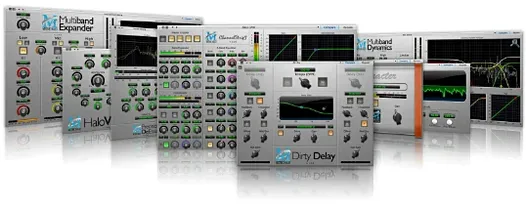
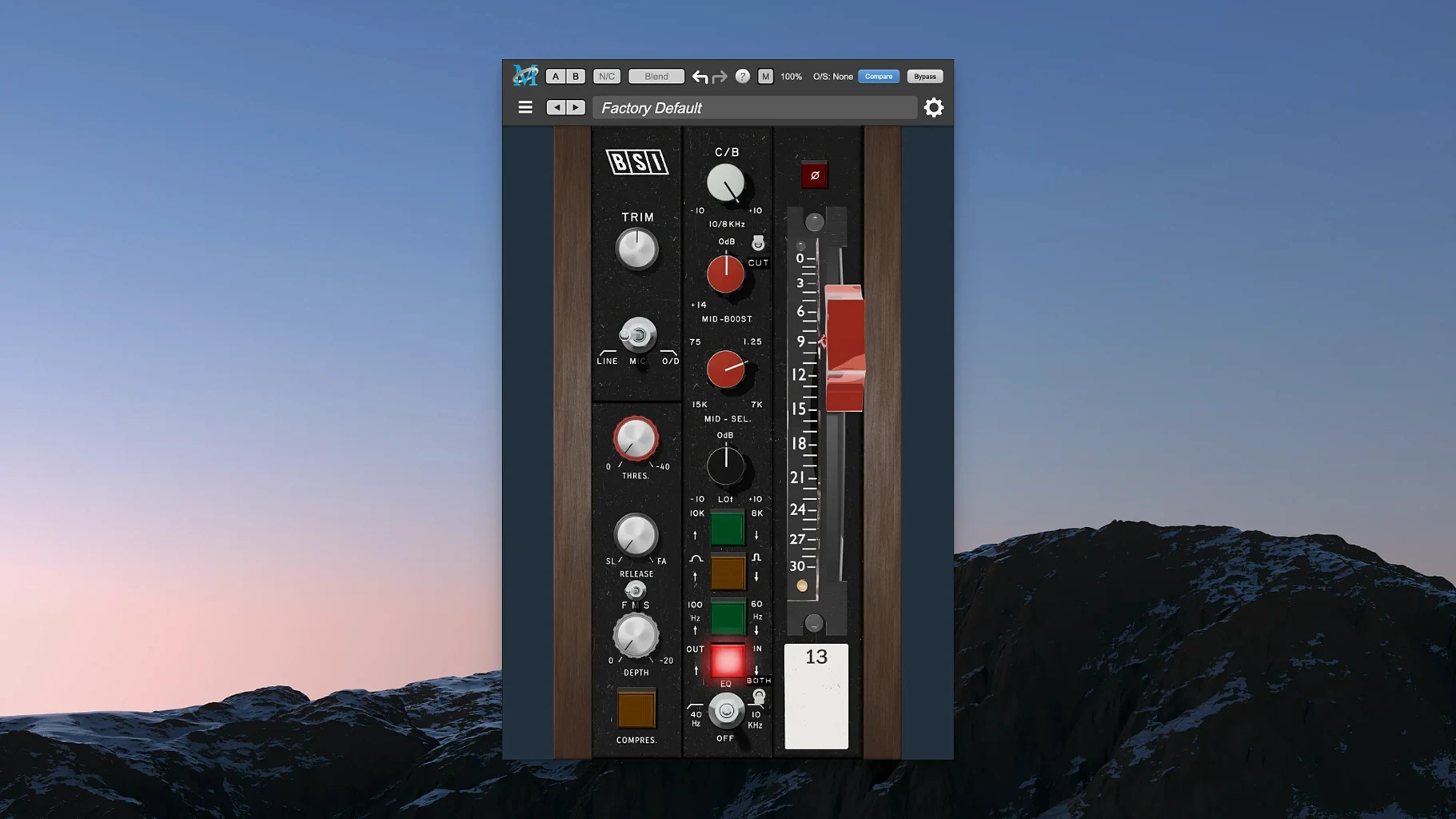
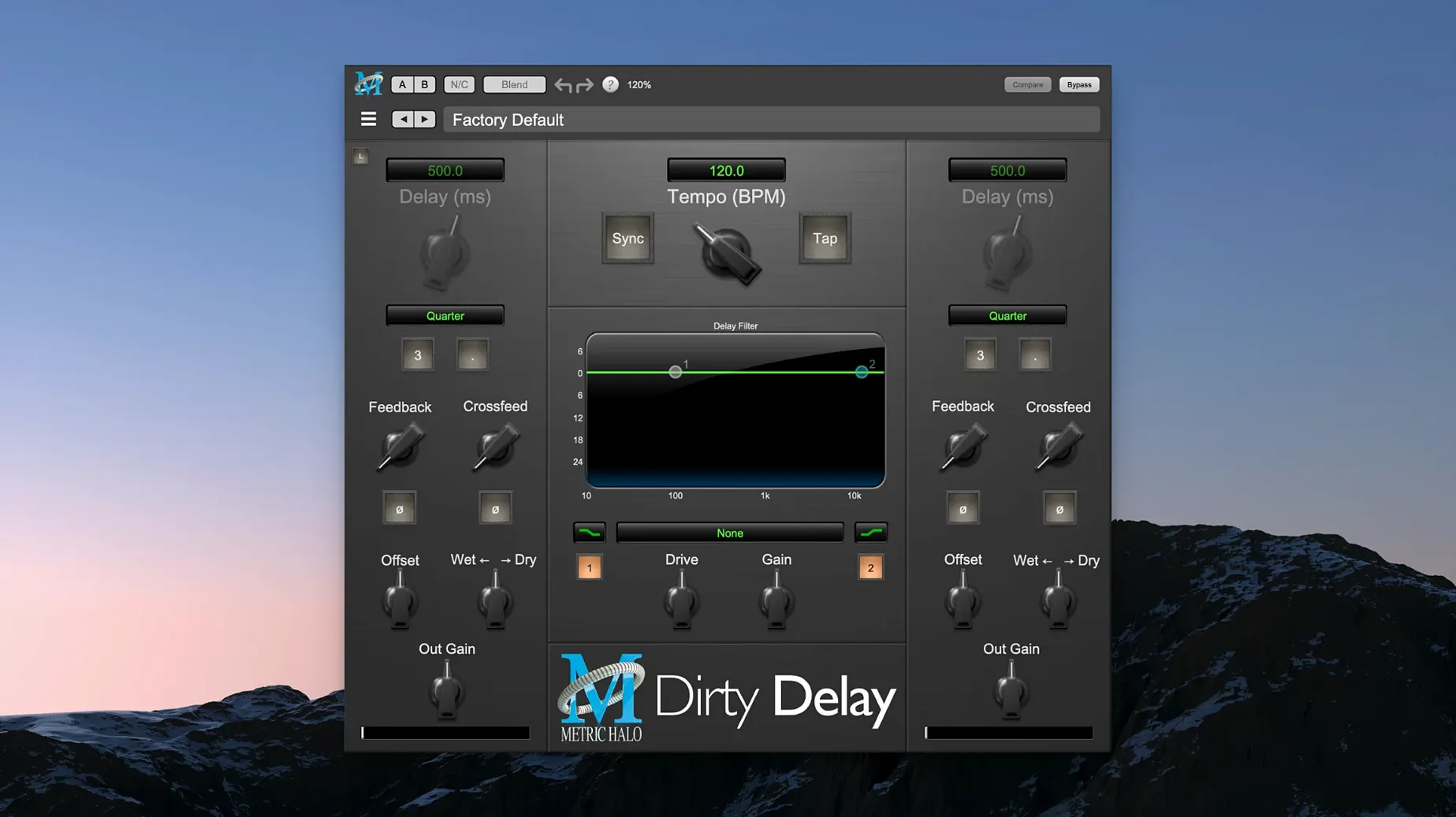
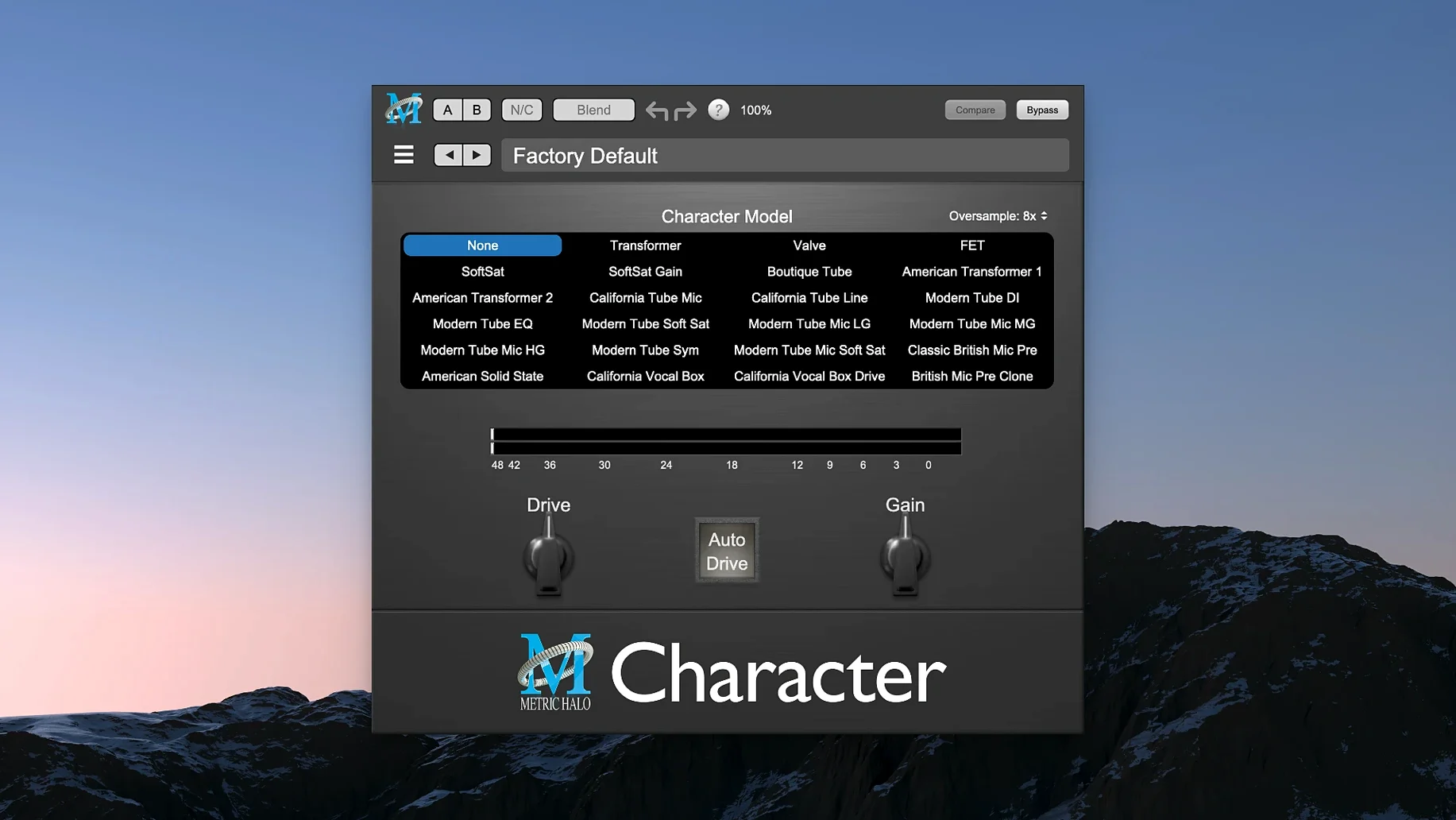
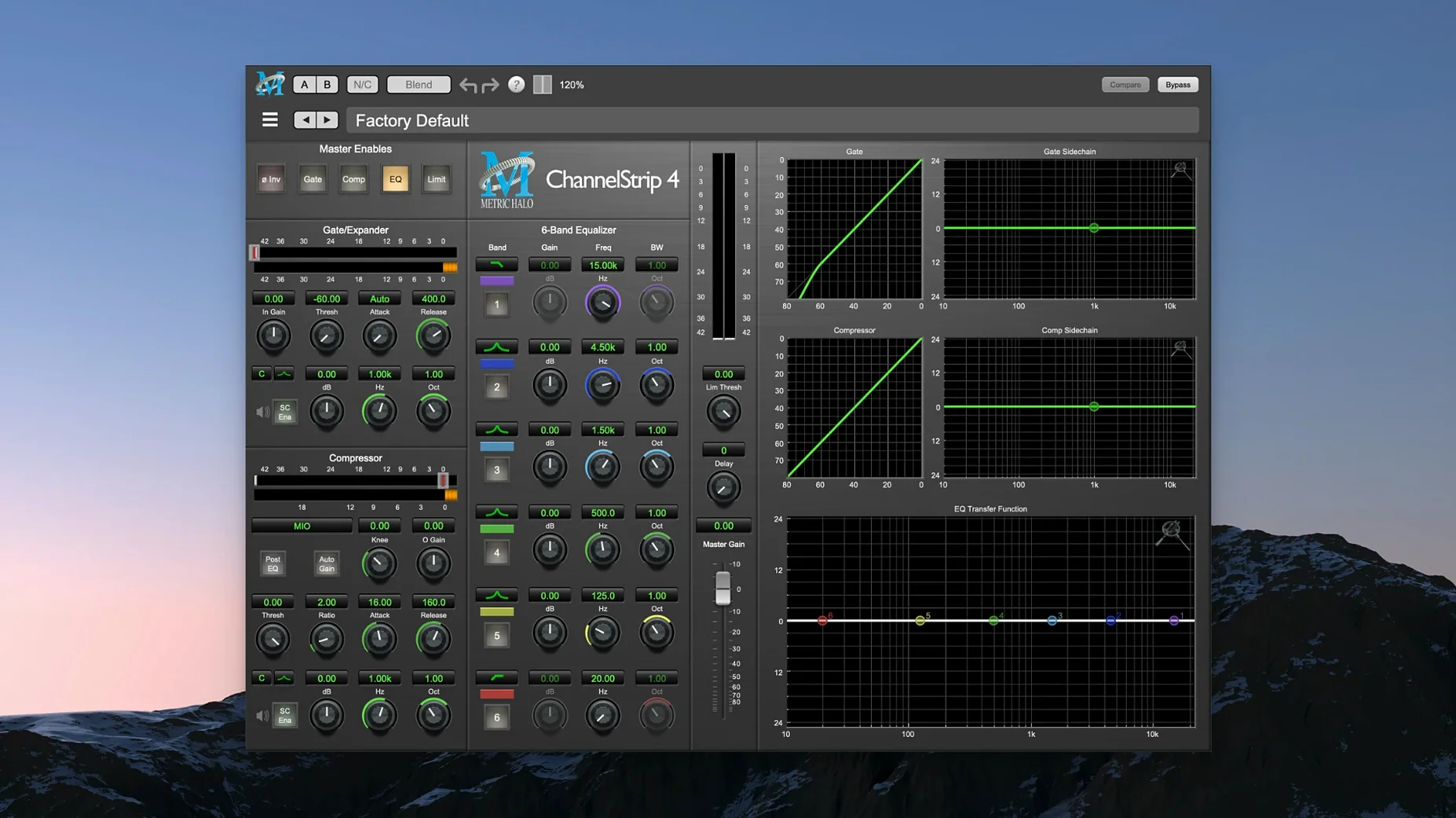
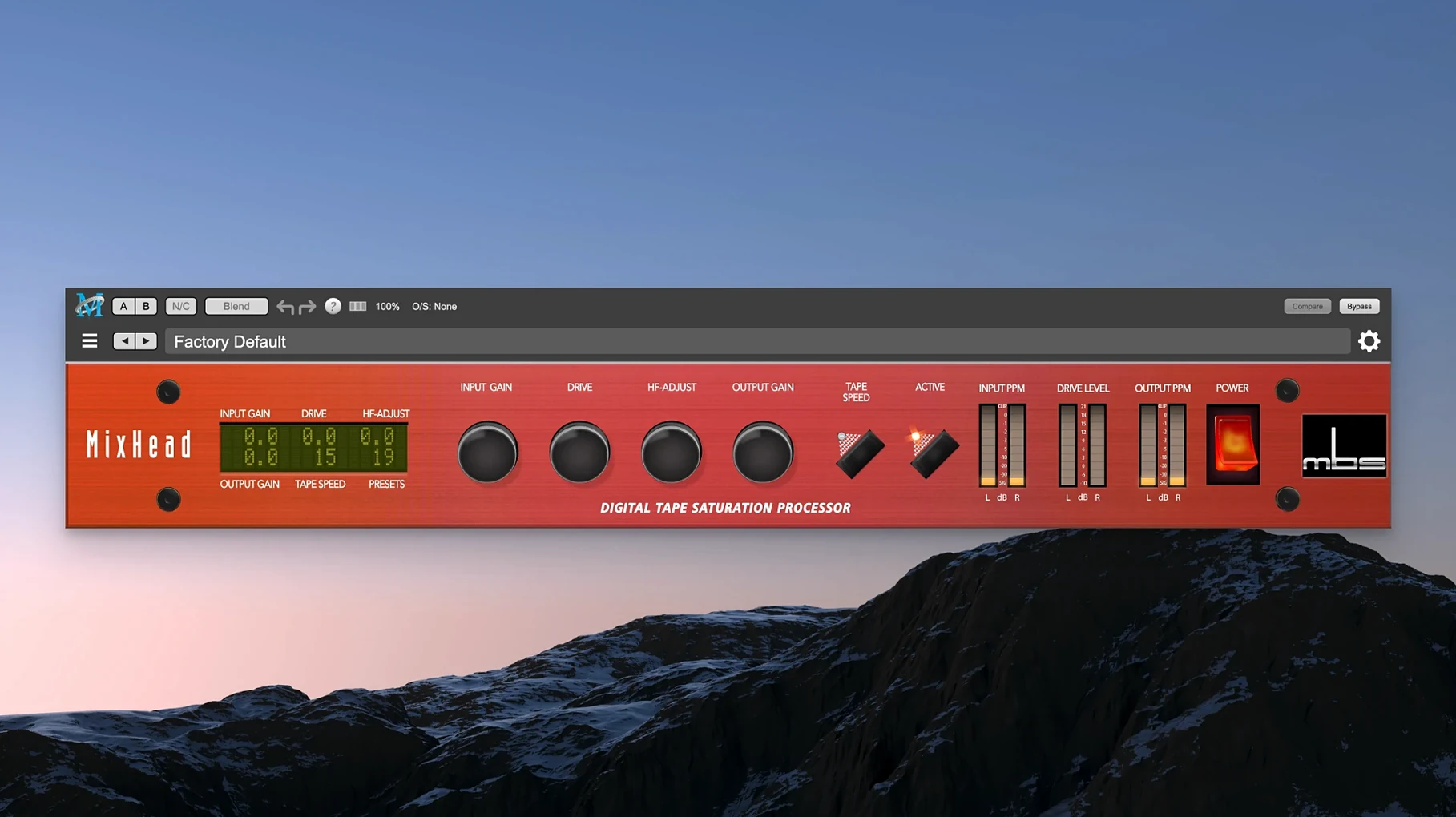
The TransientController section within ChannelStrip is a good place to start, because it tells you a lot about how Metric Halo thinks. It is not a simple on/off clipper but a frequency-conscious transient shaper you can tune, letting you pull a snare drum forward in a dense mix without making the cymbals brittle.
Subharmonic synthesis and uniform metering across every processor
- Engineers who want a cohesive set of processors that share the same gain structure and metering philosophy across every module.
- Mixing and mastering work where low-end control matters — Metric Halo Thump synthesises subharmonics in a way that feels more like re-synthesis than a simple bass enhancer.
- Apple Silicon studios; the entire bundle runs natively on ARM architecture, so there is no Rosetta translation layer slowing things down.
Lighter CPU from MIOStrip costs you sidechain filtering detail
- The bundle is plug-in only — you are loading these inside a DAW, not running a standalone application.
- MIOStrip gives you a lighter CPU footprint than the full ChannelStrip, but you lose the detailed sidechain filtering and some of the metering resolution.
- The interface language is English only, which is worth knowing if you collaborate with engineers who prefer a localised UI.
People sometimes open the bundle for the first time and head straight for ChannelStrip, because the EQ and dynamics section look familiar. That is fine, but it means they walk past a few tools that solve problems many DAW stock plug-ins barely touch. Metric Halo Thump is one of them. It does not just boost lows with a resonant filter — it analyses the existing harmonic structure of a sound and synthesises new low-frequency information that fits the source. On a thin kick drum or a bass DI that lacks weight below eighty hertz, you can dial in a sub layer that feels like it belongs to the original recording, not like an effect laid on top.
Dialogue editors key the gate from a narrow voice band to ignore room rumble
Post-production editors who clean dialogue often live inside the gate and expander section of ChannelStrip, because the sidechain filtering lets them key the gate from a narrow band where the voice sits, ignoring low-frequency room rumble. Music mixers who print stems for later recall tend to build a template around HaloVerb and the Precision De-Esser, knowing the reverb tail stays clean even when you push the decay time past three seconds, and the de-esser does not pinch the top end of a vocal the moment the singer leans into a chorus. If you work on an Apple Silicon Mac and your sessions run at 96 kHz or higher, the native ARM code means you can stack instances without watching the performance meter climb the way it does with some older Intel-only plug-ins running under translation.
Sound designers get a different angle on the same tools. Feeding a synth pad into Thump with the frequency set low and the mix around forty per cent can turn a thin digital texture into something that vibrates a subwoofer, without muddying the midrange where the character of the patch lives. The transient designer inside ChannelStrip becomes a sound-shaping scalpel when you narrow its frequency focus to just the attack portion of a sampled percussion hit, leaving the body of the sound untouched.
2025.05 build runs natively on Apple Silicon without Rosetta
Does the bundle work on the latest Apple Silicon machines without Rosetta? Yes — the 2025.05 build is compiled for ARM, so it loads directly into Logic Pro, Ableton Live, or any AU-compatible host on an M-series Mac with no translation layer. You may notice the plug-ins scan faster on first launch than older Universal Binary bundles that still carry Intel code.
Is ChannelStrip the same as the version that ships with Metric Halo hardware interfaces? The DSP core is the same algorithm family, but the bundle version receives updates independently and includes features like the full-resolution spectrograph metering that the hardware-integrated version may not expose in quite the same way. If you have used the hardware version, the muscle memory transfers; the extra metering options are the main difference you will spot.
How heavy is Thump on CPU compared to a standard EQ boost? A fair question, because harmonic synthesis is more work than a static filter. On an M2 or M3 processor, a single instance of Thump typically adds about the same load as a mid-tier algorithmic reverb. If you plan to use it across a dozen tracks, freezing or bouncing the processed audio is sensible, but you will not need to do that for the odd kick drum or bass channel.
A workflow for tightening a vocal and adding space
Imagine you have a lead vocal recorded in a small, slightly boxy room. The performance is strong, but there is a low-mid thickness around 300 hertz and the natural sibilance gets harsh when you push the level to sit above a dense instrumental.
- Insert MIOStrip in the first slot. Use the high-pass filter set to roughly 90 Hz with a gentle 12 dB per octave slope to clean up subsonic noise without thinning the voice. Switch on the spectrograph metering so you can see where the low-mid energy is piling up as the phrase moves between chest and head voice.
- Find the narrow band around 300 Hz where the boxiness lives and cut by about 3 dB with a medium Q. The spectrograph helps here because you can watch the dark red band shrink as you pull the gain down, confirming you are carving the right frequency without guessing.
- Insert the Precision De-Esser after MIOStrip. Set the detection frequency to around 6.3 kHz — a sensible starting point for a female vocal — and pull the threshold down until the gain reduction meter only flickers on the sharpest 's' and 't' sounds. The broadband mode works well for general taming; switch to split-band if you want to leave the air frequencies above the sibilance untouched.
- Create an aux track with HaloVerb and send the vocal to it post-fader. Choose the Medium Hall algorithm, pull the pre-delay up to roughly 40 milliseconds to separate the dry voice from the onset of the reflections, and set the decay time around 2.2 seconds. Roll off the reverb's low end below 200 Hz and above 8 kHz so the tail wraps around the vocal without stealing space from the bass and cymbals.
- If the vocal still feels a little lightweight against a bass-heavy arrangement, add Thump as the final insert on the vocal channel. Set the frequency to 100 Hz, mix to about twenty per cent, and listen for the subtle weight it adds. On most voices this is too much — bypass it for verses and engage it only in choruses where the arrangement thickens and the vocal needs to hold its ground.
The result is a vocal that sounds closer to a well-treated booth recording, with controlled sibilance and a reverb tail that feels like part of the space rather than an effect stapled on at the end.
Native ARM build keeps sessions cool on an M2 MacBook Air
Metric Halo does not issue flashy feature lists with every point release, but the move to native ARM support in recent builds is the change you feel every day. On an M2 MacBook Air running a medium-sized mix session, the fan never spins up in a way that Intel Mac users will remember from the same plug-ins a few years ago. The spectrograph metering inside ChannelStrip and MIOStrip also became more responsive around the 2024-to-2025 update cycle — you can watch frequency content shift in closer to real time, which matters when you are sweeping a parametric EQ and trying to pinpoint a resonant peak by eye as well as ear.
Another quiet improvement is the way HaloVerb handles tail modulation at extreme decay settings. Earlier versions could introduce a faint periodic flutter when you pushed the decay past four seconds; the current build keeps the tail smooth, which makes it more usable for ambient sound design and long, evolving spaces in film work. If you are updating from a much older Intel-era version, the first thing you will notice is that plug-in scan times have dropped dramatically and the GUIs open without the half-second hesitation that used to be common on Retina displays.
Some users have searched for terms like metric ab torrent or metric ab mac torrent while looking for comparison tools to test the bundle against other processors, and the metric halo plugin bundle v2026.01 macos [u2b]-flare phrase occasionally turns up in forum discussions about future builds. The current shipping version remains 2025
- macOS 11 or later
- Apple Silicon Mac
- Audio Units, VST3, or AAX-compatible host
Questions I keep hearing
Does the Production Bundle work natively on Apple Silicon?
Yes, the current version is built for ARM architecture and runs natively on M-series Macs from macOS 11 onward.
Questions from the class 0
Sign in or join the class to ask a question.
Nobody has asked anything yet. If you have used it on a real job, say what the file did.
Also on the VST Plugins shelf
The whole VST Plugins shelf Melodyne
Edits the pitch and timing of recorded audio as individual notes.
Melodyne
Edits the pitch and timing of recorded audio as individual notes.
 MeldaProduction MCompleteBundle
Provides a full suite of effects and instruments with consistent controls.
MeldaProduction MCompleteBundle
Provides a full suite of effects and instruments with consistent controls.
 MiniMeters
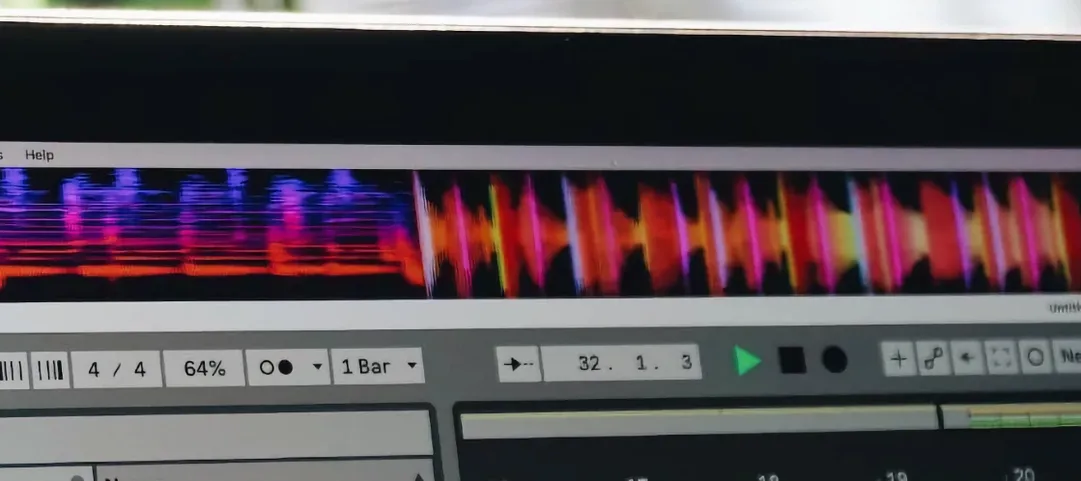
Displays audio metering so you can see what your mix is doing.
MiniMeters
Displays audio metering so you can see what your mix is doing.
 Minuit Solstice
Rearranges samples on a spectral map for otherworldly textures.
Minuit Solstice
Rearranges samples on a spectral map for otherworldly textures.
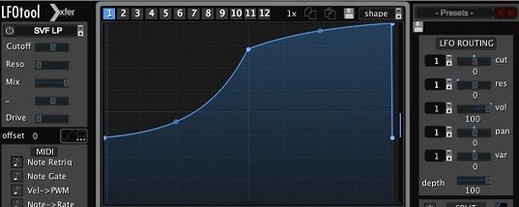 LFOTool
Shapes volume, pan, filter, or MIDI CC data with tempo-synced drawn curves.
LFOTool
Shapes volume, pan, filter, or MIDI CC data with tempo-synced drawn curves.
 Native Instruments Massive X
Generates deep, moving bass and lead sounds through a polyphonic wavetable synthesis engine.
Native Instruments Massive X
Generates deep, moving bass and lead sounds through a polyphonic wavetable synthesis engine.
 LANDR Vocal Bundle
Sculpts a vocal through a single channel strip that layers EQ, compression, and saturation intelligently.
LANDR Vocal Bundle
Sculpts a vocal through a single channel strip that layers EQ, compression, and saturation intelligently.
 LANDR Mastering Plugin PRO
Applies adaptive mastering to a mix in real time as you make changes.
LANDR Mastering Plugin PRO
Applies adaptive mastering to a mix in real time as you make changes.