 ASPNetWorld
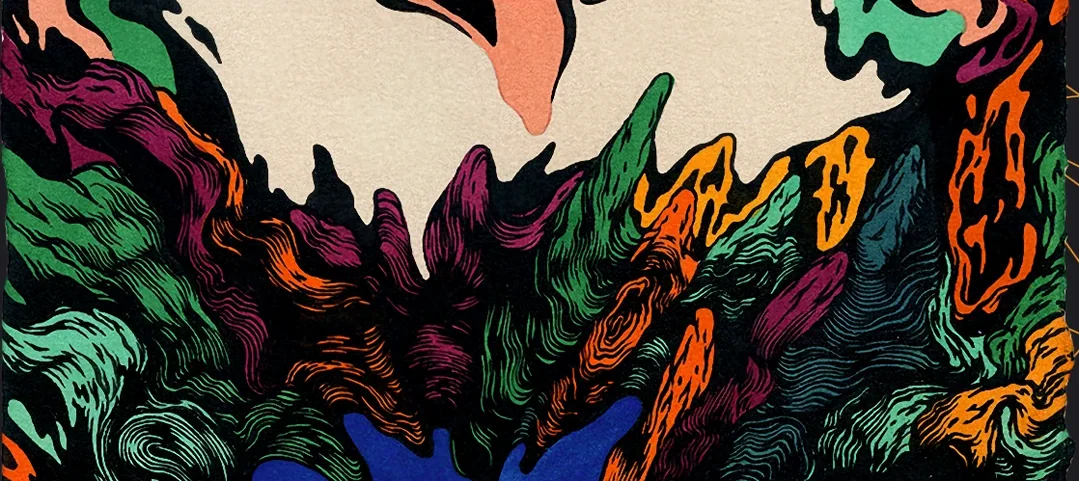
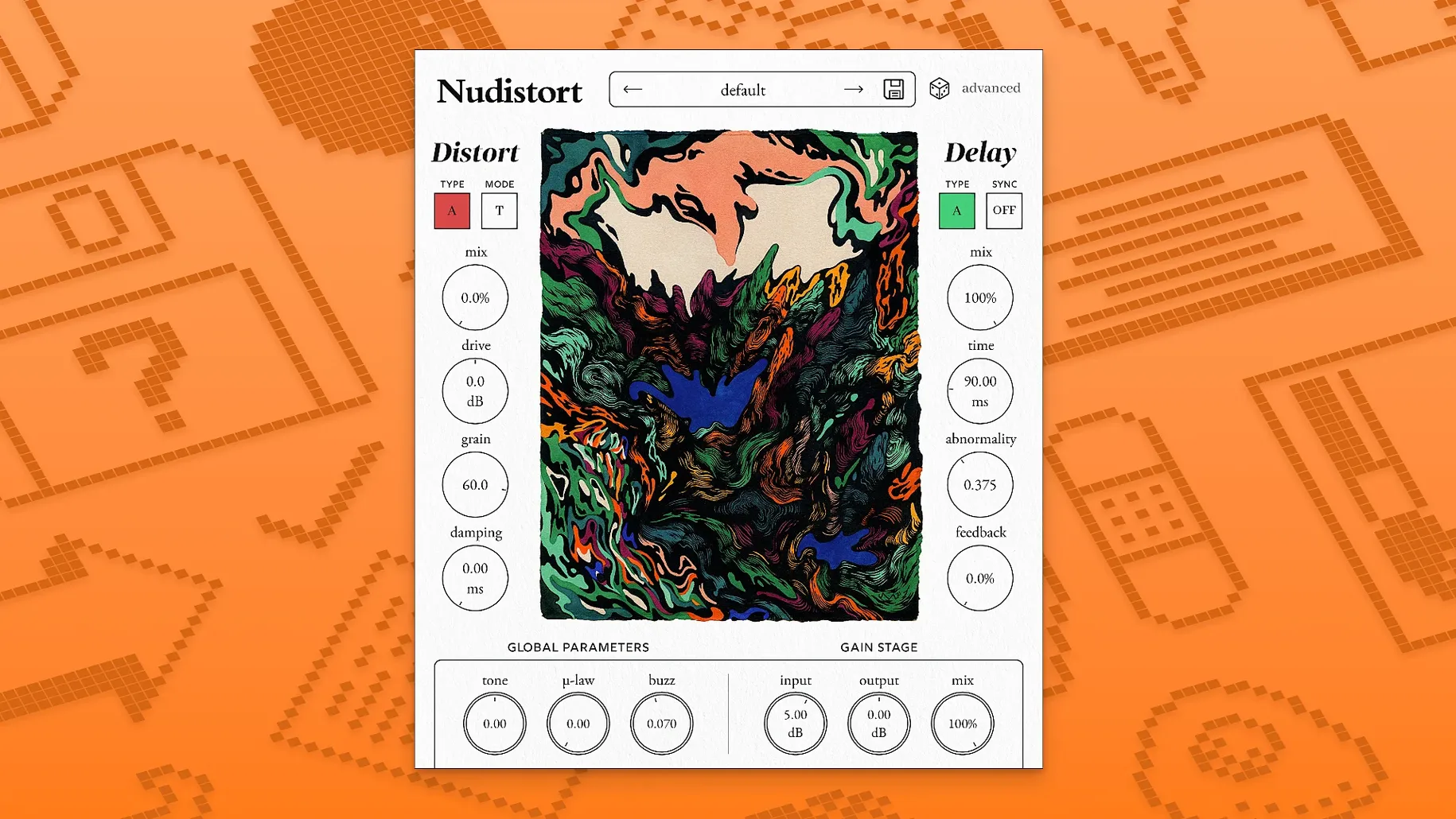
Electronic musicians and sound designers who live in the red — the ones building risers from feedback loops and turning sine waves into shredded metal — will find a kindred spirit in Nudistort. It isn't a gentle saturator or a console emulation that warms things up politely. It's a dedicated timbral wrecking tool, designed to push audio into noisy, textural and genuinely extreme places.
- Load Nudistort onto a channel — it appears as a standard insert effect in any DAW that hosts VST3, AU or AAX plug-ins on macOS 10.13 or later.
- Dial in the input gain until you hear the signal start to buckle. Nudistort's character lives in how it folds and splinters the waveform, so drive it hard from the start.
- Experiment with the timbre-shaping controls to sculpt the resulting grit. The plug-in excels at creating unstable, noisy textures rather than predictable overdrive, so small adjustments can send the sound in a wildly different direction.
- Automate the parameters across a section to turn a static drone into a moving, breathing mass of distortion.
Under the hood, it runs natively on both Apple Silicon and Intel 64-bit Macs, so CPU loads stay manageable even when you stack multiple instances for layered sound design. A user manual is included with the package, covering the controls in detail for macOS and Windows users alike.
How Nudistort sits alongside other Mac distortion tools
Most distortion plug-ins on the Mac fall into two camps: the nostalgia-driven analogue modellers and the surgical multiband processors. Nudistort belongs to neither, and putting it next to a few well-known names makes the difference clear quickly.
Take something like OhmForce Ohmicide. Ohmicide is a multiband beast with a melting-pot of distortion types, great for sculpting a kick drum or adding controlled chaos to a bassline. But its heart is still in recognisable distortion curves — fuzz, overdrive, bit-crushing — that you combine and crossfade. Nudistort, by contrast, doesn't offer you a menu of familiar flavours. Its algorithm works deeper in the waveform, folding the signal back on itself in ways that feel more like circuit-bending than pedal emulation. Where Ohmicide lets you design distortion, Nudistort feels like you're provoking a system into instability.
Then there's Minimal Audio Rift, a newer contender that leans into tuned feedback and physical modelling of resonant bodies. Rift can make a snare drum sing at a specific pitch while breaking apart, and its visual feedback loop is superb for dialling in movement. The trade-off is that it often sounds designed — there's an intentionality to the results. Nudistort is messier by design. Feed it a simple saw wave and it spits out something closer to a shortwave radio broadcast during a thunderstorm. The harmonic content is dense and unpredictable, which makes it a stronger choice when you're fishing for happy accidents rather than executing a planned tone.
Baby Audio's TAIP sits at the opposite end of the spectrum entirely. It's a loving homage to a specific tape machine, all warmth, glue and gentle compression. Comparing it with Nudistort is like comparing a vintage lens filter with a shattered mirror. Both are valid, but only one will turn a vocal into a screaming banshee in two seconds. The point isn't that one is better — just that Nudistort occupies a niche most plug-ins actively avoid: the genuinely harsh, unstable, untameable corner of the sonic palette.
Layering dirt and feedback into a clean rain recording
Imagine it's late, and you're building a dark ambient piece. You have a clean field recording of rain on a metal roof, imported into your DAW, and it's doing exactly what rain does — nothing surprising. You drop Nudistort onto the track.
First step: pull the input gain up until the rain starts to spit. Around two-thirds of the way up, the individual droplets begin to smear into each other, replaced by a sizzling, granular hiss. It no longer sounds like water. It sounds like radio interference leaking through a damaged cable.
Next, you start exploring the timbre controls. One parameter skews the harmonic emphasis toward the upper mids, and suddenly the hiss acquires a metallic ring — think struck sheet metal, but distant and corroded. You nudge another control and the stereo field widens, the distortion now crawling across the speakers unevenly, left and right channels degrading at slightly different rates. This is the moment the plug-in reveals its personality: it doesn't just distort; it destabilises. The same rain recording, looped, now plays back with subtle variations each pass, as if the algorithm itself is uncertain how to resolve the signal.
You automate the bypass for contrast, letting clean rain bleed through before the distortion slams back in. The result is a push-pull between the recognisable and the destroyed — exactly the kind of tension that works in cinematic sound design. Forty minutes pass without you noticing, and the track has a texture you couldn't have planned on paper.
Sweeping the crush knob at audio rate from your DAW
Nudistort's interface keeps things sparse, so a few workflow niceties aren't immediately obvious. One is how the plug-in responds to parameter automation at audio rate. Not every DAW supports sample-accurate automation of plug-in controls, but when yours does, sweeping the timbre parameters in rapid succession produces rippling, almost granular artefacts that feel like a separate effect entirely. It's a technique worth setting up with an LFO tool mapped to a few key controls — the results often sound like a dedicated glitch processor.
Another hidden trick: gain staging before the plug-in matters enormously. Nudistort's algorithm is highly input-dependent, and sending it a signal that's been clipped or limited beforehand produces a different character than feeding it a dynamic, unprocessed source. Try placing a simple gain utility before Nudistort and pushing the level well into the red before the plug-in even sees it. The distortion folds differently, often with more low-end splintering and less predictable harmonic cascades. It's the audio equivalent of overloading a preamp before hitting a fuzz pedal — but with digital artefacts in place of analogue sag.
Also worth noting: the plug-in's CPU scaling across multiple instances is unusually forgiving for a real-time distortion processor. Because it runs natively on Apple Silicon, you can often stack six or seven instances across individual drum hits or layered drone elements without your session grinding to a halt. This opens up a workflow where each element gets its own tailored destruction rather than applying one blanket setting to a bus — ideal for sound designers building complex, textured scenes.
A specific workflow: turning a vocal into a horror-texture pad
Here's a concrete task where Nudistort shines. Start with a clean spoken-word recording — a single sentence, dry and close-miked, maybe eight seconds long.
First, duplicate the track three times. On the first duplicate, insert Nudistort and drive it hard until the words become unintelligible bursts of sibilant noise. Tune the timbre toward the lower mids to create a rumbling, guttural undercurrent. On the second duplicate, insert Nudistort but back the gain off slightly, then follow it with a long reverb — the distortion excites the reverb in unpredictable ways, filling the stereo field with a metallic wash that still carries faint traces of the original consonants. On the third duplicate, automate the plug-in's parameters to sweep slowly over the phrase, creating a rising, squealing overtone that peaks just as the words end.
Blend the three processed tracks under the dry vocal, then mute the dry vocal. What remains is a heaving, breathing pad built entirely from one human voice — unrecognisable, but emotionally charged in a way a synth patch rarely achieves. This is the territory Nudistort opens up: not just distortion for aggression, but distortion as a sound-design language, where the original source becomes raw material for something entirely new.
Version 1.2.5 is the current release available for download, keeping the plug-in up to date with the latest host and operating system requirements.
- macOS 10.13 or later
- Apple Silicon or Intel 64-bit processor
- Host DAW supporting VST3, AU or AAX plug-in formats
Questions from the class 0
Sign in or join the class to ask a question.
Nobody has asked anything yet. If you have used it on a real job, say what the file did.
Also on the VST Plugins shelf
The whole VST Plugins shelf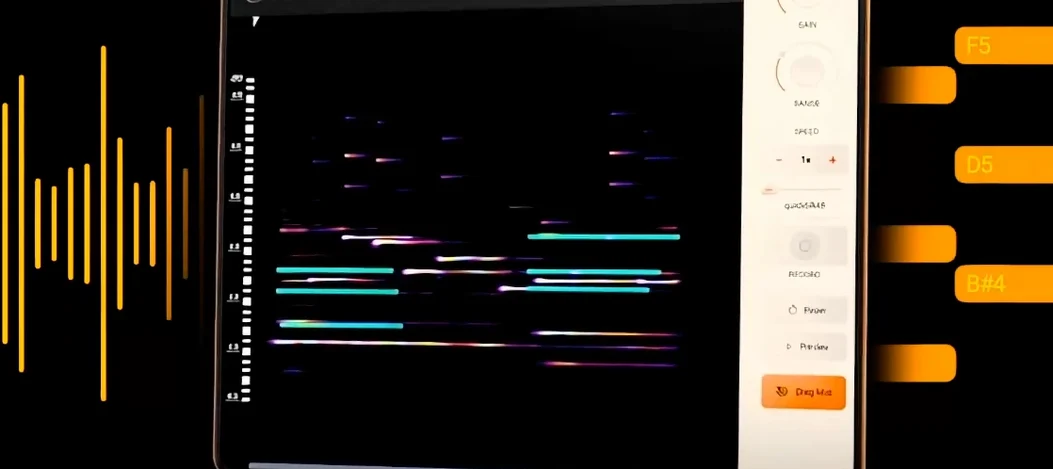 noteGRABBER
Converts the pitch and timing of one audio track into MIDI notes that drive a synth you choose.
noteGRABBER
Converts the pitch and timing of one audio track into MIDI notes that drive a synth you choose.
 oeksound soothe2
Tames harsh resonances in a recording automatically, like a spectral finger smoothing out rough edges.
oeksound soothe2
Tames harsh resonances in a recording automatically, like a spectral finger smoothing out rough edges.
 Omnisphere
Synthesises otherworldly pads and textures by combining over 60 GB of samples with deep sound-design tools.
Omnisphere
Synthesises otherworldly pads and textures by combining over 60 GB of samples with deep sound-design tools.
 Neural DSP Soldano SLO-100 X
Recreates a classic high-gain valve amplifier head and its matching speaker cabinet.
Neural DSP Soldano SLO-100 X
Recreates a classic high-gain valve amplifier head and its matching speaker cabinet.
 Neural DSP Parallax X
Shapes the low-end of a bass guitar with a multi-band processor for clarity and weight.
Neural DSP Parallax X
Shapes the low-end of a bass guitar with a multi-band processor for clarity and weight.
 Output Portal
Freezes a sliver of sound in time and re-synthesises it into a shifting, ambient texture.
Output Portal
Freezes a sliver of sound in time and re-synthesises it into a shifting, ambient texture.
 Neural DSP Mantra
Processes a vocal track with pitch correction, compression, saturation, and spatial effects inside your DAW.
Neural DSP Mantra
Processes a vocal track with pitch correction, compression, saturation, and spatial effects inside your DAW.
 Neural DSP Archetype Rabea X
Recreates a versatile guitar amplifier and a built-in analogue-style monosynth in one plugin.
Neural DSP Archetype Rabea X
Recreates a versatile guitar amplifier and a built-in analogue-style monosynth in one plugin.